
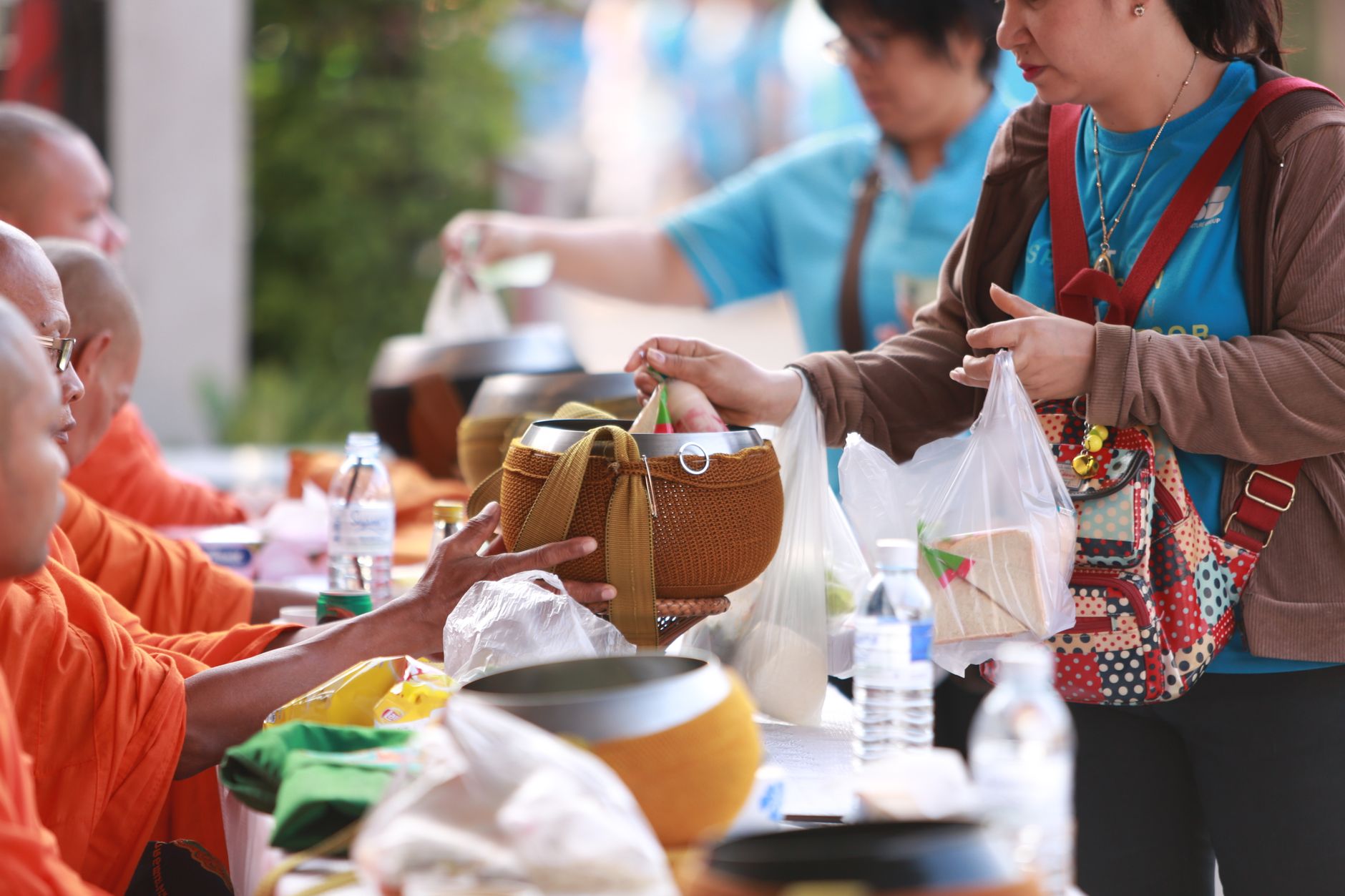
Feed More, Waste Less at Your Event
Food & Beverage in Mumbai
Excess Food Recovery Services for Mumbai Weddings & Events
Every grand Mumbai wedding — from a 500-guest shaadi in Andheri to a corporate gala in BKC — generates far more food than guests can eat. Excess Food Recovery Services bridge that gap by safely collecting, packaging, and redirecting surplus catering food collection to verified shelters, anganwadis, and community kitchens across the city. Paired with zero-waste event catering planning, these services let families celebrate lavishly without the guilt of tonnes of biryani and mithai going to landfill. Happiffie connects you with vetted Mumbai-based providers who handle logistics, food-safety compliance, and NGO coordination so you can focus entirely on your celebrations.
Quick Answer
Excess Food Recovery Services collect uneaten, hygienic food from weddings, receptions, and corporate events and redistribute it to shelters, orphanages, or community kitchens — usually within two hours of the meal service ending. In Mumbai, providers typically charge INR 3,000–15,000 per event depending on guest count, food volume, and delivery distance. Booking in advance ensures food-grade packaging, trained staff, and FSSAI-compliant transport are ready before your caterer starts serving.
What Are Excess Food Recovery Services and How Do They Work?
Excess Food Recovery Services are organised, logistics-driven operations that collect edible, untouched or partially served food from events before it spoils or is discarded. A trained team arrives at the venue — whether a banquet hall in Powai, a farmhouse in Karjat, or a five-star in Nariman Point — typically 30–60 minutes before the meal service closes. They assess food temperature, quantity, and safe transport viability following FSSAI guidelines. Hygienic, food-grade containers are used to pack curries, rice, breads, desserts, and dry snacks separately to prevent cross-contamination. The packed food is then transported in insulated vehicles to pre-arranged NGO partners, old-age homes, night shelters, or municipal feeding centres within two hours — the food-safety window for hot food. Providers coordinate directly with your caterer on portion estimates so they can bring the right number of containers. This end-to-end process is what separates a professional service from simply asking a relative to carry food home, making it a true form of responsible event management practices.
Why Mumbai Families Are Choosing Leftover Food Donation from Events
Mumbai's wedding culture is famously generous — buffets overflow, multiple cuisines are served simultaneously, and hospitality is measured in abundance. This generosity, however, means that leftover food donation from events has become a pressing civic need. Studies on urban food systems estimate that large Indian weddings waste between 15–30% of total food prepared, translating to hundreds of kilograms per function. In a city where millions depend on daily wage income and food insecurity is real in areas like Dharavi, Govandi, and Mankhurd, redirecting that surplus changes lives overnight. Beyond social impact, families increasingly cite sustainable wedding planning Mumbai conversations in their planning circles — relatives, colleagues, and Instagram communities alike notice and appreciate the gesture. Many hosts report that arranging post-event food redistribution has become a talking point of pride at their wedding, as meaningful as the décor or the menu itself. Newer generations of couples, especially those in their late 20s and early 30s, actively seek vendors who embed responsible event management practices into the package rather than treating sustainability as an afterthought.
How Much Do Excess Food Recovery Services Cost in Mumbai?
Pricing for Excess Food Recovery Services in Mumbai varies by guest count, food volume, collection duration, and distance to the receiving NGO or shelter. For intimate functions of 50–150 guests, expect to pay INR 3,000–6,000 for a single collection team and up to three drop points. Mid-size weddings with 200–500 guests — common in venues across Malad, Thane, and Chembur — typically fall in the INR 6,000–10,000 range. Large-scale celebrations of 500-plus guests at premium banquet clusters in Goregaon or Navi Mumbai may require multiple vehicles and extended manpower, pushing costs to INR 10,000–18,000. Some providers bundle surplus catering food collection into a broader zero-waste event catering package that includes bio-composting of plate waste, linen rental (to reduce plastic), and a post-event impact report detailing kilograms donated and beneficiaries served — typically adding INR 4,000–8,000 to the base fee. Always request an itemised quote and confirm whether FSSAI-compliant packaging materials are included or billed separately.
What Types of Events Benefit Most from Post-Event Food Redistribution?
Post-event food redistribution is most impactful at functions where large, freshly prepared buffets are served but consumption is unpredictable. Wedding receptions are the single largest category — especially multi-cuisine spreads that include live counters, chaat stations, and elaborate dessert tables. Sangeet nights and mehendi functions with casual, grazing-style service also generate significant surplus. Corporate conferences and award dinners in Mumbai's commercial hubs — Lower Parel, Bandra-Kurla Complex, and Andheri East — routinely over-order to avoid running short, creating consistent surplus. Religious and community gatherings such as Ganpati utsav langar or Eid daawats in areas like Mohammed Ali Road and Dadar generate enormous volumes of rice, dal, and bread that are ideal for shelter redistribution. Even smaller events like birthday parties, anniversary dinners, and baby showers benefit from NGO food pickup after wedding-style logistics scaled appropriately. Essentially, any event with a live or full buffet and 75 or more guests is a strong candidate for professional Excess Food Recovery Services.
How Do You Choose a Reliable Excess Food Recovery Services Provider in Mumbai?
Selecting the right provider requires verifying four non-negotiable factors. First, food-safety compliance: the team must follow FSSAI temperature and handling standards, and the transport vehicle must be insulated. Second, NGO verification: ask for proof of partnerships with registered charitable organisations — not informal handoffs. Reputable Excess Food Recovery Services providers typically work with 10–30 verified NGO partners across different Mumbai zones so drop-offs match the geography of your venue. Third, coordination protocol: the provider must liaise with your caterer at least a week in advance to understand menu quantities, cooking schedule, and likely surplus volumes — this is where surplus catering food collection planning makes a tangible difference. Fourth, documentation: a good provider delivers a post-event report confirming kilograms collected, beneficiaries served, and NGOs reached — valuable for families who want to include the gesture in their wedding album story or corporate CSR records. Reading verified reviews on platforms like Happiffie, asking for event references, and confirming insurance coverage for the collection team will round out your due diligence. Prioritising sustainable wedding planning Mumbai principles from the vendor-selection stage ensures the service truly aligns with your values, not just your checklist.
Excess Food Recovery Services: Comparing Your Options in Mumbai
Expert Recommendation
Best for Large Weddings (500+ Guests)
Best for Budget-Conscious Families
Best for Intimate Celebrations (Under 150 Guests)
Best for Corporate Events and Conferences
Best for Religious and Community Gatherings
Best for Eco-Conscious Couples
How to Choose the Right Option
✅ Pre-booking Checklist
- Confirm your venue's exact location and pin code to verify provider coverage zone before booking
- Introduce your food recovery provider to your caterer at least one week before the event
- Request a written list of FSSAI-compliant food handling and packaging standards from the provider
- Ask for names and registration numbers of NGO partners who will receive food from your event
- Confirm whether insulated vehicles, food-grade containers, and packaging materials are included in the quoted price
- Request a post-event impact report detailing kilograms collected, beneficiaries served, and NGOs reached
- Check if the provider's NGO partners are Section 80G-certified if you want a tax deduction
- Clarify the provider's cancellation and rescheduling policy in case your event date shifts
🎯 Selection Criteria
- FSSAI compliance and documented food-safety protocols for collection, packaging, and transport
- Verified NGO or shelter partnerships within your venue's geographic zone across Mumbai
- Caterer coordination capability — provider must proactively engage your catering team pre-event
- Transparent, itemised pricing with no hidden charges for containers, fuel, or after-hours collection
- Post-event impact documentation suitable for personal records, social sharing, or CSR reporting
- Scalability — provider must handle your specific guest count range without compromising service quality
💰 Cost / Quality Factors
- Guest count directly determines food volume, number of collection staff, and vehicle requirements — the largest single cost driver
- Venue distance from NGO drop points affects transport time, vehicle hire cost, and food-safety viability
- Menu complexity (multi-cuisine vs. single cuisine) influences packaging time and container variety needed
- Peak season surcharges apply October through February when demand for Excess Food Recovery Services in Mumbai is highest
- Add-on services such as composting, sustainable packaging rental, or expanded NGO drop points each carry incremental fees
- Provider reputation and years of operation correlate with NGO network depth and food-safety consistency
⚠️ Common Mistakes to Avoid
- Booking a provider without confirming they cover your specific venue location — gaps in coverage are common beyond central Mumbai
- Failing to brief your caterer in advance, which results in food being mixed with waste before the recovery team arrives
- Assuming all collected food will be donated regardless of temperature or condition — providers rightly reject unsafe food
- Ignoring the post-event report, which is important for tax deductions, CSR documentation, and holding the provider accountable
- Choosing the cheapest option without verifying NGO credentials — informal handoffs may not reach genuine beneficiaries
- Waiting until the day before the event to book — professional providers need preparation time to deploy the right resources
People Also Ask
Is food collected from weddings really safe to donate?
How far in advance should I book excess food recovery for my Mumbai wedding?
What kinds of food can and cannot be collected after an event?
Do I need to tell my caterer about the food recovery plan?
Which areas of Mumbai do these services cover?
Is there any tax benefit to donating food from my wedding?
Can I request a specific NGO or shelter to receive food from my wedding?
How does NGO food pickup after a wedding actually get coordinated on the day?
Related Experiences on Happiffie
Give Back After Every Celebration
Zero Waste Events in Chennai
Feed More, Waste Less in Coimbatore
Feed More, Waste Less in Coimbatore
Seamless Guest Transit for Indore Weddings
Coimbatore's Finest Event Catering
Live Chaat Stalls for Your Dream Wedding
Smooth Guest Flow, Zero Chaos
Frequently Asked Questions
How do Excess Food Recovery Services in Mumbai ensure the food is actually safe when it reaches shelters?
Do Excess Food Recovery Services work for South Mumbai heritage venues with limited vehicle access?
What is the minimum guest count for professional food recovery in Mumbai?
Can a Sangeet or Mehendi function use the same Excess Food Recovery Services as the main wedding reception?
How does post-event food redistribution differ from simply asking guests to take leftovers home?
Are there any regulatory or legal requirements for donating food from Mumbai events?
What happens if my event runs late and the food collection team has to wait longer than planned?
Does using leftover food donation from events require me to reduce my catering order?
Key Takeaways
- Excess Food Recovery Services collect safe, edible surplus from Mumbai weddings and events and redistribute it to verified NGOs and shelters — typically within two hours of meal service.
- Pricing ranges from INR 3,000 for small functions to INR 18,000 or more for 500-plus-guest events, with FSSAI-compliant packaging and transport usually included in reputable packages.
- Caterer coordination is non-negotiable — providers must speak with your catering team at least a week before the event to maximise the quality and quantity of surplus catering food collection.
- Mumbai coverage spans Western and Eastern Suburbs, Thane, and Navi Mumbai; farmhouse venues beyond city limits may carry a distance surcharge.
- Post-event impact reports detailing kilograms donated and beneficiaries served add CSR, tax, and personal documentation value for both families and corporates.
- Bundled zero-waste event catering packages combining food recovery with composting and sustainable packaging offer the most comprehensive sustainability outcome.
- Booking two to four weeks in advance is essential, especially during peak October–February wedding season when provider calendars fill quickly.
- NGO food pickup after wedding functions can be directed to a preferred cause — children's homes, old-age shelters, or migrant worker camps — if arranged during the pre-event coordination stage.
Make Your Mumbai Celebration Count for More
Connect with verified Excess Food Recovery Services providers on Happiffie and ensure every kilogram of surplus from your wedding or event reaches someone who needs it.
Find Providers Now
Are you a Vendor? Grow Your Business with Happiffie!
- High intent verified leads
- Reverse auction opportunities
- AI business tools & insights
- Dedicated vendor dashboard
- Grow your business, your way
It's free & takes less than 2 minutes!