
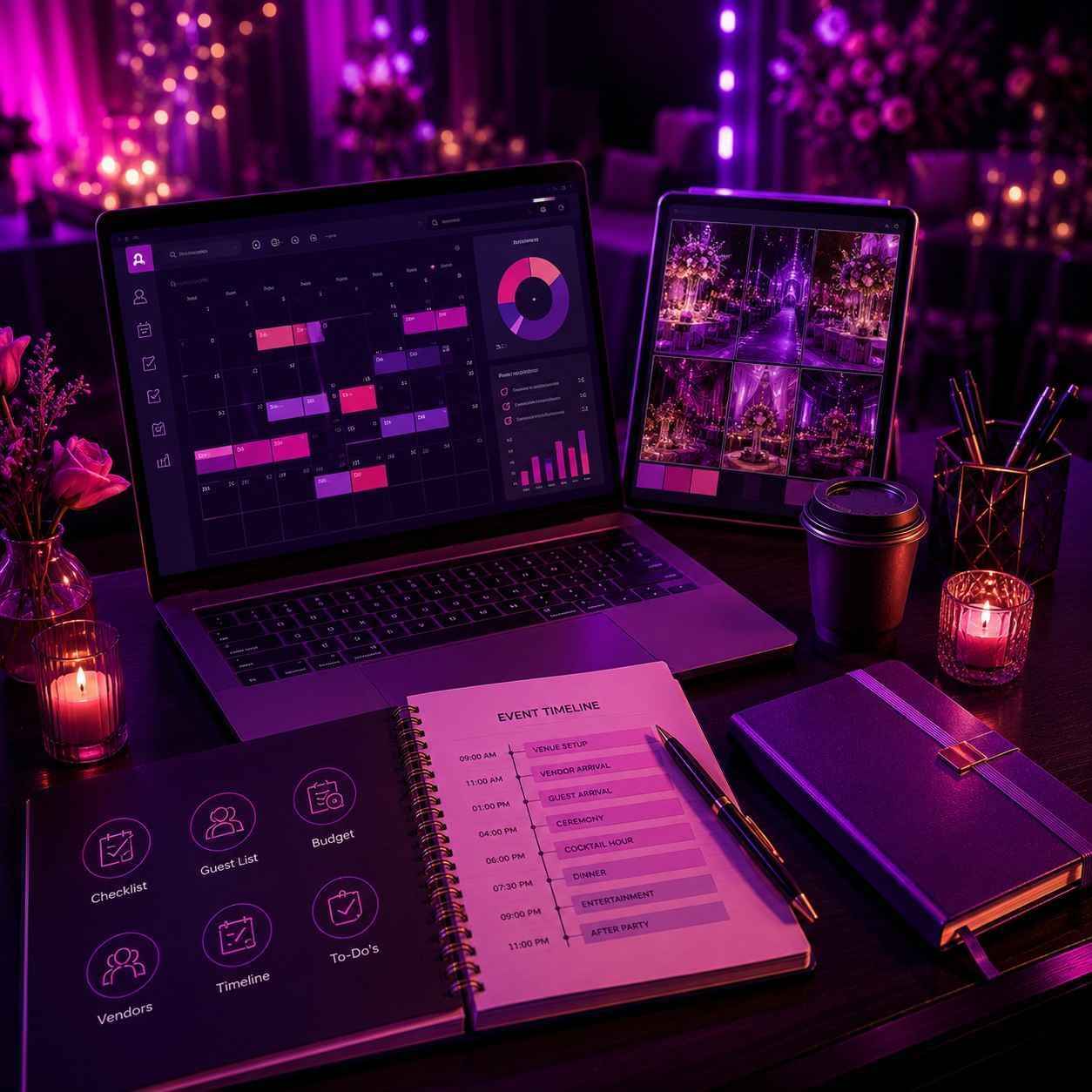
Explore All Planning Tools
Plan your wedding, party or special event with useful tools and resources that make organising every detail easier and more efficient.
Plan Better,
Celebrate with Happiffie
From organising your event details to managing budgets, guests, schedules and essential checklists, Happiffie brings useful planning tools together to make every celebration easier to plan and manage.
- Smart Planning ToolsOrganise important event details with easy-to-use planning tools
- Plan Your BudgetKeep track of event expenses and make informed planning decisions
- Ready-to-Use ChecklistsStay organised with practical checklists for every stage of your event
Planning Tools & Resources
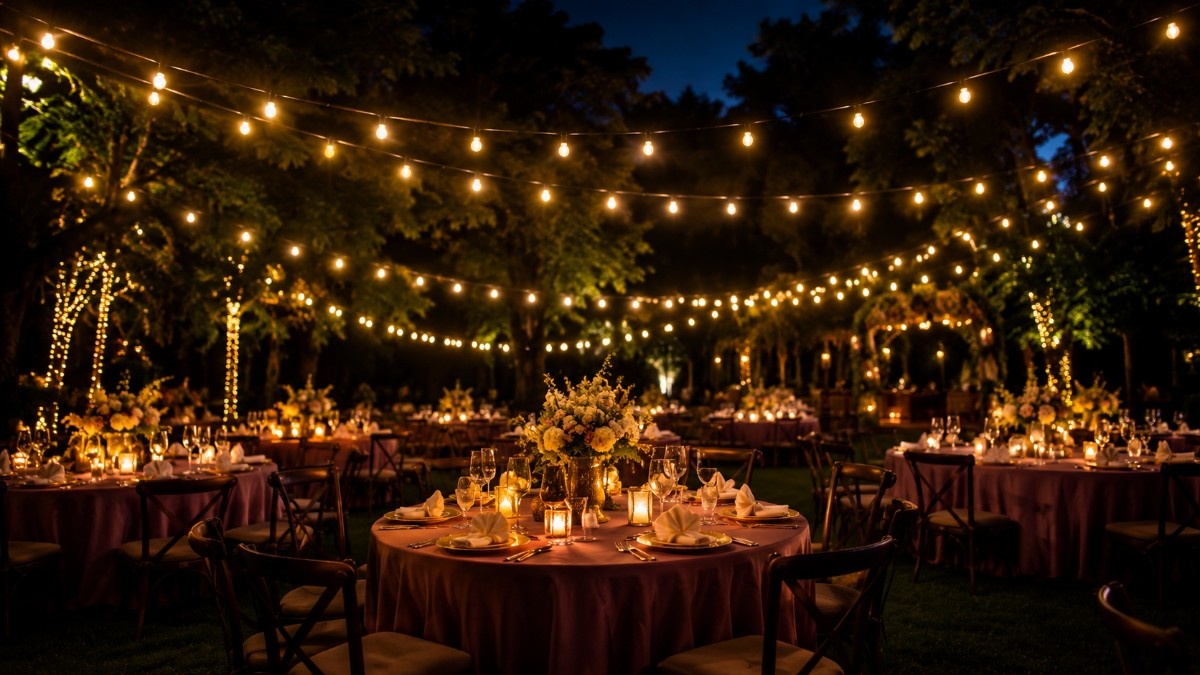 Engagement
 Mehendi
 Sangeet
 Haldi
Haldi Wedding
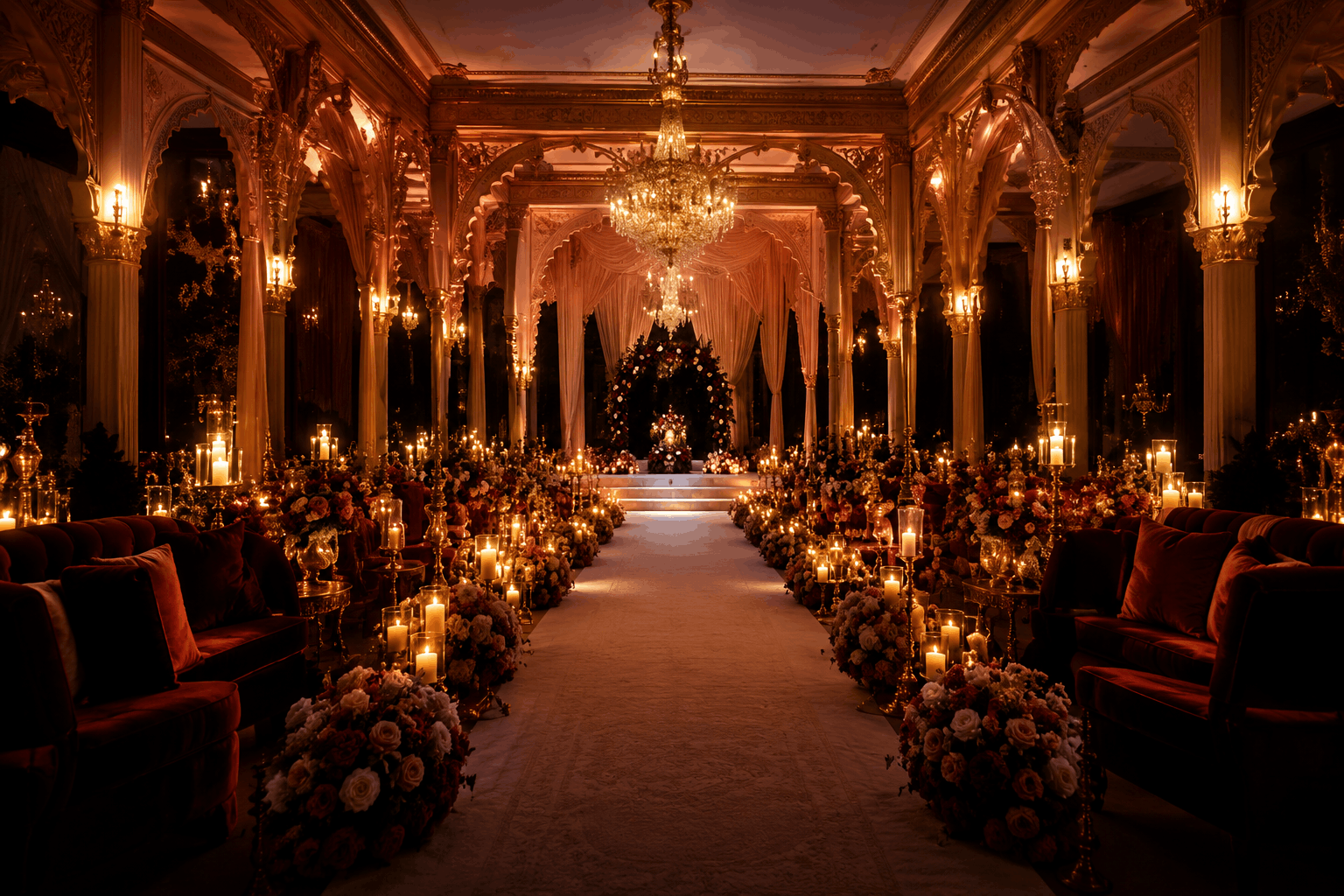 Reception
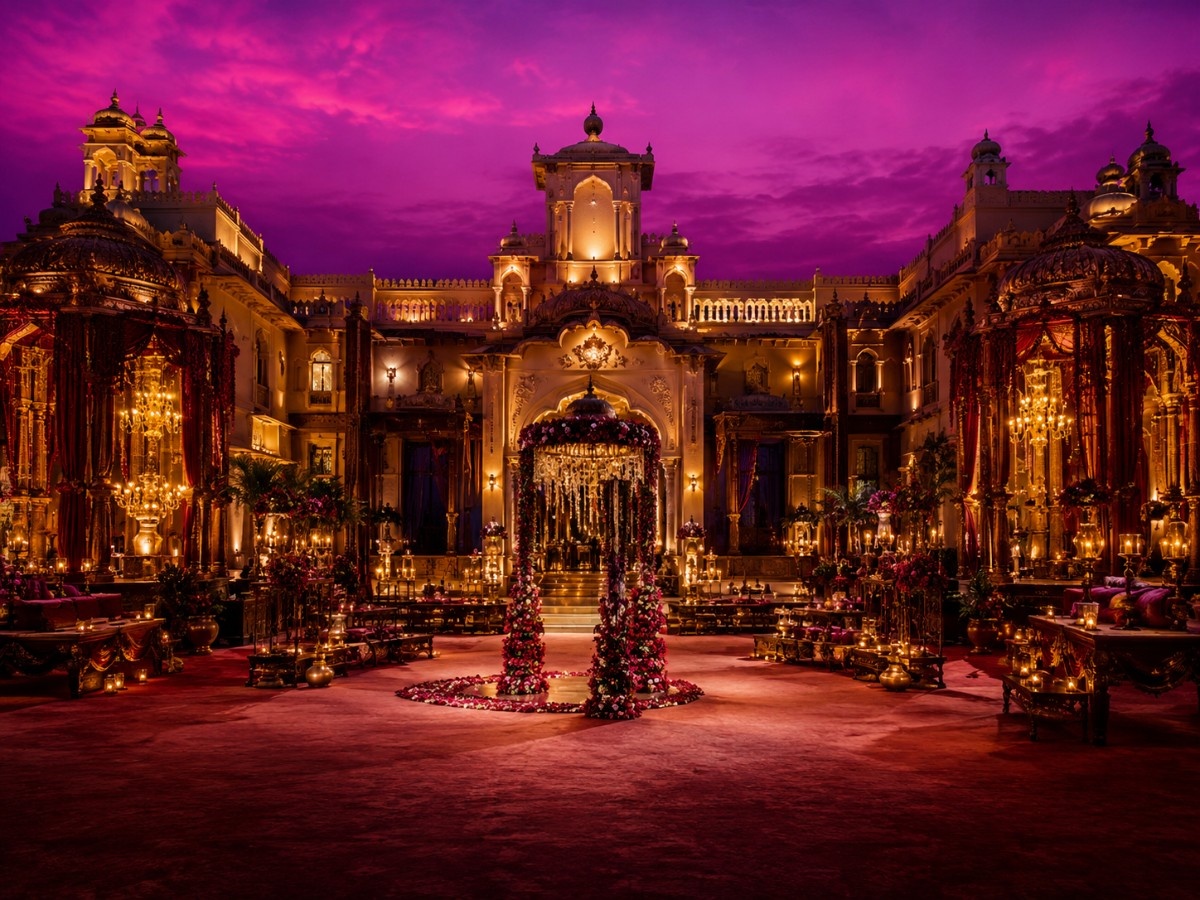 Pre Wedding Shoot
 Save The Date Shoot
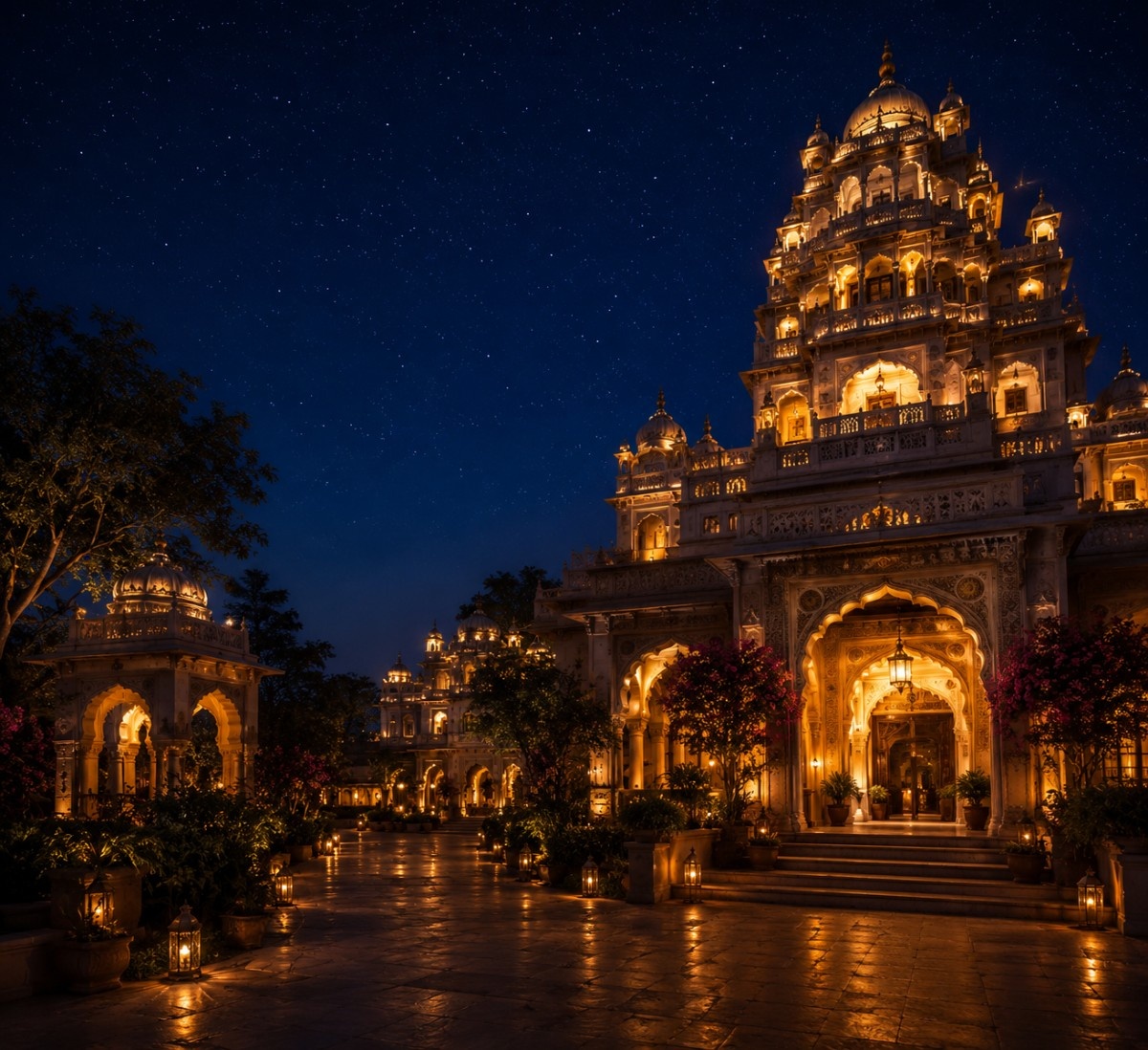 Ring Ceremony
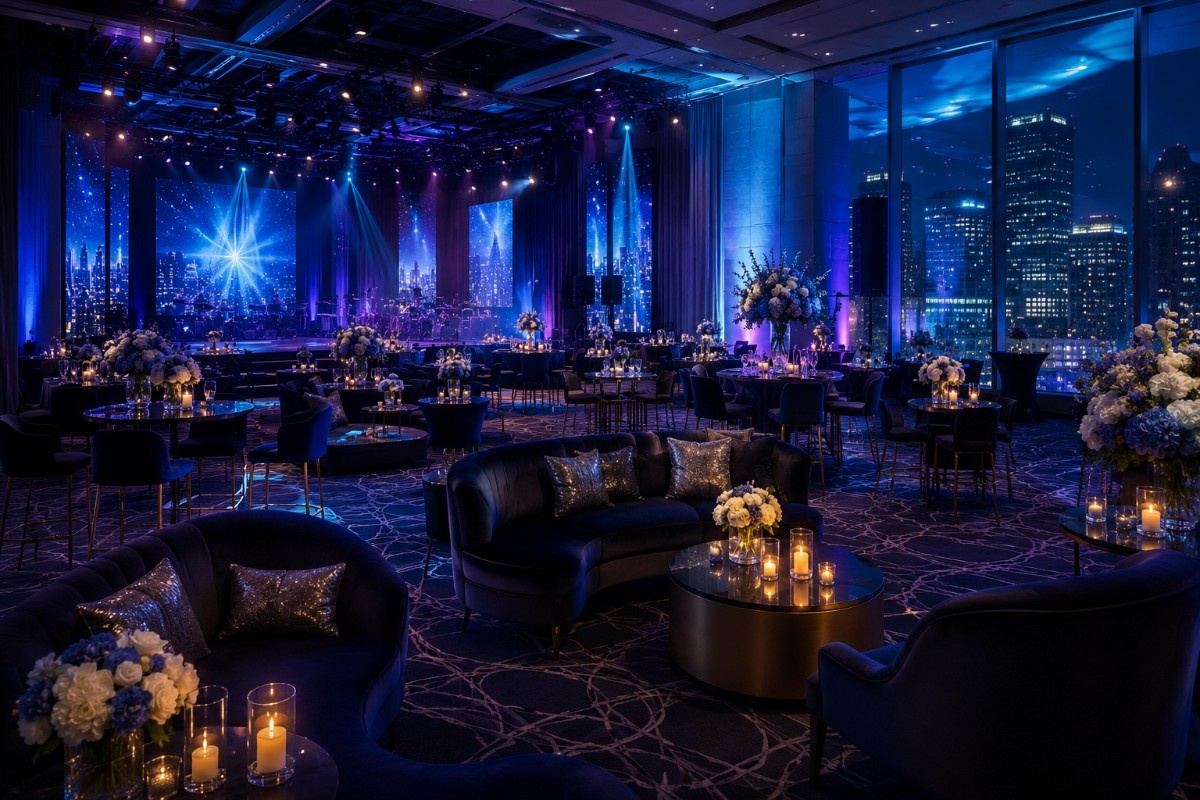 Destination Wedding
 Aviratham (Engagement)
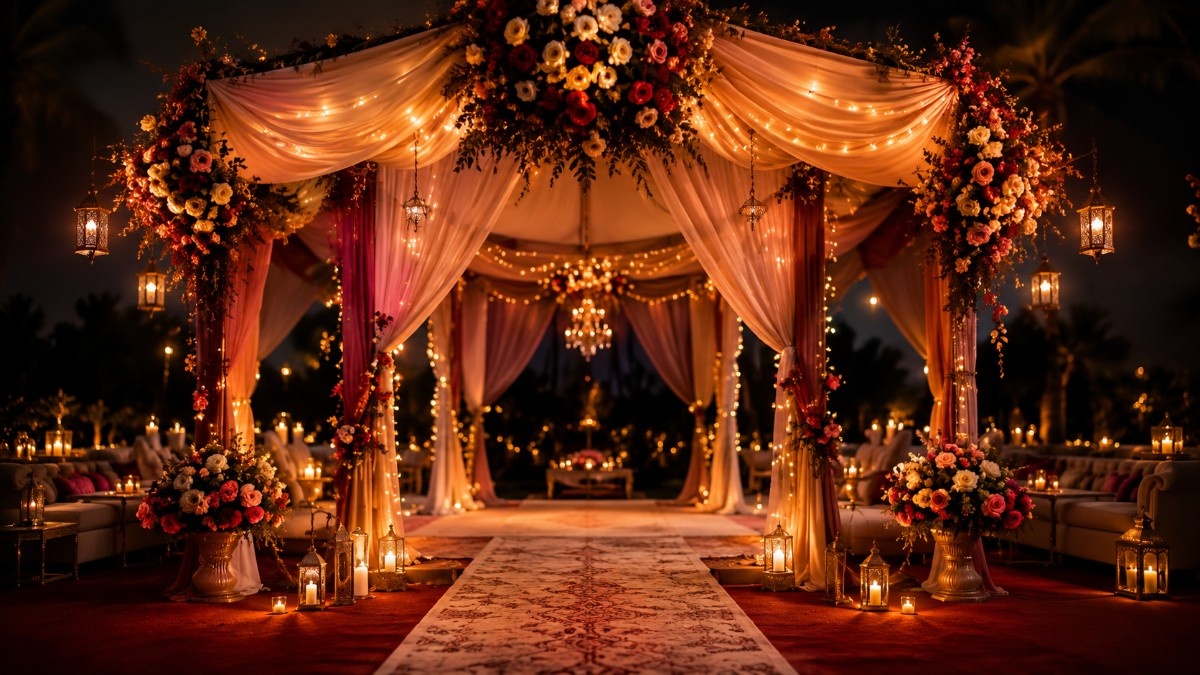 Guru Pooja
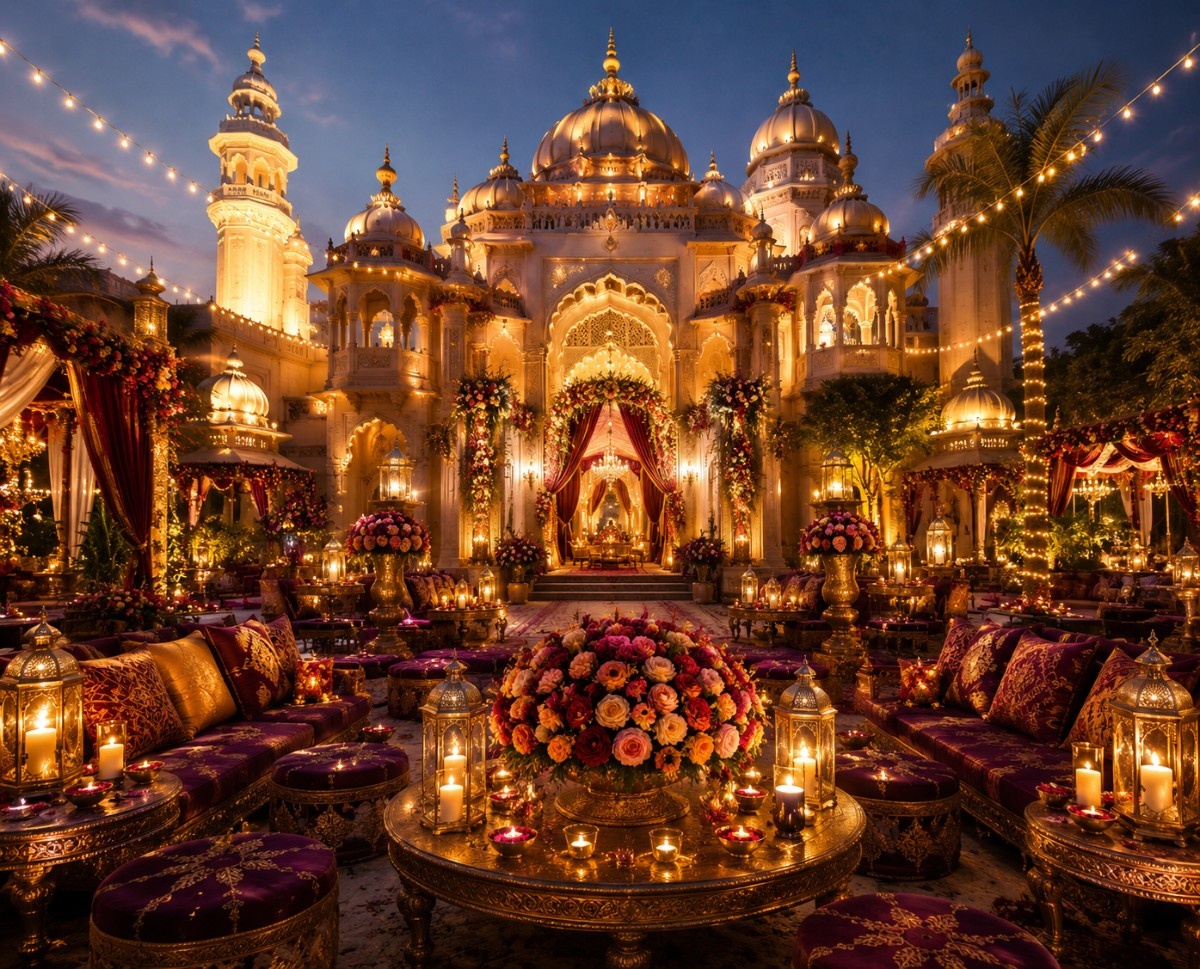 Kashi Yatra
 Oonjal Ceremony
 Muhurtham
 Vidaai
 Post Wedding Shoot
 Anniversary Celebration
 Vow Renewal
 Honeymoon Celebration
 Bridal Shower
 Bachelor Party
 Bachelorette Party
 Cocktail Party
 House Warming
 Griha Pravesh
 Satyanarayan Puja
 Naming Ceremony
 Thread Ceremony
 Upanayanam
- 400+Curated Events
- 6Event Universes
- 1000+Verified Vendors
- 70+Locations
- 24/7Customer Support


Not sure which packages fits your celebration?
Let Hiya & Hanu help you find the perfect match!
Explore Celebration Packages- AI-Powered MatchingSmart suggestions for you
- Budget OptimizerGet the best experiences in your budget
- End-to-End SupportWe are with you at every step
Serving Celebrations across 75+ locations in India
Popular Planning and Organising Tools for Better Celebration Preparation
◆Planning a celebration involves far more than choosing a venue and sending invitations. Weddings, birthdays, corporate functions and private parties often involve multiple suppliers, deadlines, guest requirements and moving parts. Without a structured approach, even simple arrangements can become difficult to follow.
Popular planning and organising tools make this process easier by bringing important information into one manageable framework. Hosts can use them to record supplier details, track responsibilities, organise schedules and review pending arrangements before the celebration begins.
In Kerala, this can be particularly useful because celebrations may combine traditional customs with modern event requirements. A wedding may involve ceremonies, décor, catering, photography, entertainment and guest hospitality across different locations. A birthday celebration might require a venue, cake, activities, entertainment and themed decoration. Corporate occasions can involve registration, seating, audio-visual requirements and professional catering.
The right planning approach creates clarity without making the celebration feel overly complicated. Instead of depending on scattered messages, handwritten notes or memory alone, organisers can maintain a clear overview of what needs to happen and when.
Why Planning and Organising Tools Matter
A successful celebration depends on hundreds of small decisions. Some are made months ahead, while others happen only a few days before the occasion. When these details are handled separately, important information can easily become difficult to locate.
Popular planning and organising tools provide a central structure for these decisions. They can help hosts record appointments, supplier contacts, payment dates, guest requirements and preparation milestones. This creates a clearer picture of the overall arrangement.
Another advantage is responsibility management. A celebration rarely depends on one person alone. Family members, professional planners, venue teams and suppliers may each manage different areas. A structured system makes it easier to understand who is handling each responsibility.
This becomes especially valuable for larger weddings and multi-day functions. Several ceremonies may happen at different venues, requiring separate schedules and supplier teams. Organising information carefully helps reduce unnecessary confusion between each stage.
Planning Tools for Weddings in Kerala
Kerala weddings often involve a combination of traditional ceremonies, family gatherings and carefully planned hospitality. Depending on the community and personal preferences, arrangements may include engagement functions, pre-wedding gatherings, wedding ceremonies and receptions.
A planning and organising system can help divide the preparation into manageable stages. Venue bookings, décor decisions, catering arrangements and photography requirements can be tracked independently while remaining part of the wider wedding plan.
Supplier information should also be recorded carefully. Contact numbers, service details, agreed requirements and payment stages can be easier to manage when stored together. This becomes useful when several professionals are working towards the same wedding date.
Timing is another important consideration. Certain ceremonial requirements may need to happen at specific times, while photography, catering and entertainment teams follow their own schedules. A well-maintained planning structure allows these requirements to be considered together.
For destination-style weddings around coastal, hill or backwater locations, organisers may also need to consider travel arrangements and accommodation. These additional details make systematic preparation even more valuable.
Organising Birthday Celebrations
Birthday celebrations can range from intimate family gatherings to large themed parties. Regardless of size, preparation usually involves several connected decisions.
A host may need to arrange a venue, invitations, cake, food, decoration, entertainment, photography and activities. Children's birthdays can involve additional requirements such as play areas, entertainers, return gifts and age-appropriate safety arrangements.
Popular planning and organising tools allow these details to be arranged around the birthday schedule. Instead of remembering each requirement separately, hosts can review the complete preparation at suitable stages.
For children's parties, organisers can also consider the sequence of activities. Welcome arrangements, games, cake cutting, food service and entertainment should work naturally together. A simple schedule can help suppliers understand when their involvement is required.
Adult birthday celebrations may need a different structure. Dinner parties, milestone birthdays and surprise celebrations often focus more heavily on guest arrival, décor, dining, music and photography. The planning system should therefore reflect the character of the occasion rather than follow a rigid template.
Supporting Corporate Functions
Corporate events often require a more precise organisational approach because professional expectations are involved. Conferences, product launches, office celebrations, award ceremonies and team gatherings can involve several operational requirements.
Planning tools can help track venue availability, seating arrangements, presentation equipment, catering schedules, guest registration and branding requirements. They can also help organisers distinguish between internal responsibilities and external supplier commitments.
Timing is especially important for corporate functions. Speakers, presentations, registrations, meals and entertainment may follow a defined programme. Delays in one area can affect everything that follows.
A well-organised preparation system allows organisers to review these dependencies before the event. It also provides an easier way to communicate changes to relevant teams.
Corporate organisers may additionally need to record attendee information, dietary requirements and special access needs. Keeping these details organised supports a more professional guest experience.
Managing Suppliers More Effectively
Most celebrations depend on multiple service providers. A single wedding could involve a venue team, caterer, decorator, photographer, videographer, entertainment provider, makeup artist, transport provider and hospitality staff.
When these suppliers communicate through different channels, details can become fragmented. Popular planning and organising tools can provide a consistent place to record important information.
Supplier management can include service scope, contact information, appointment dates, agreed deliverables and outstanding decisions. Payment milestones can also be tracked alongside the relevant service.
This does not replace direct communication with suppliers. Instead, it creates a reliable reference point for the organiser.
It is also useful to distinguish confirmed arrangements from decisions that remain open. This simple distinction can prevent assumptions and make follow-up conversations more productive.
Building a Practical Celebration Timeline
A timeline gives structure to preparation. However, an effective timeline should reflect the scale and complexity of the celebration.
Long-lead decisions usually include venue selection, major supplier bookings and accommodation. Later stages may involve menu confirmation, décor details, guest communication and final schedule reviews.
As the date approaches, smaller operational details become increasingly important. Seating, signage, transport coordination, supplier arrival times and final guest numbers may need attention.
Popular planning and organising tools can help divide these stages into manageable periods. Rather than attempting to complete everything at once, hosts can work through decisions according to their importance and deadline.
A timeline should also include some flexibility. Suppliers may change availability, guest numbers can shift and weather can affect outdoor arrangements. Allowing space for adjustments makes the overall plan more resilient.
Budget Organisation and Spending Visibility
Budget management is another area where structured planning can make a significant difference. Celebration costs rarely come from one source. They may include venue charges, catering, décor, entertainment, photography, transport and accommodation.
An organising system can help record expected costs alongside confirmed payments. This gives the host a clearer understanding of financial commitments.
It can also help identify areas where priorities may need adjustment. If one service becomes more expensive than expected, organisers can review other planned expenses before making decisions.
For larger celebrations, separating essential arrangements from optional enhancements can support better financial judgement. This does not mean reducing quality. Instead, it helps ensure spending reflects the host's priorities.
Clear budget records are particularly useful when several family members are contributing financially. Everyone involved can understand which expenses have already been handled and which remain pending.
Guest Information and Hospitality Planning
Guest experience is central to most celebrations. Planning should therefore extend beyond the main programme.
Accommodation, transportation, seating, meals and accessibility may all affect how comfortably guests experience the occasion. Elderly guests, children and visitors travelling from other cities may have different requirements.
Organising tools can help capture these details before the celebration. Guest lists can be reviewed alongside invitations, attendance confirmations and hospitality requirements.
For destination celebrations in Kerala, accommodation and transport can become particularly important. Guests may arrive from different regions and require clear information about locations and timings.
A well-organised hospitality plan also supports venue and catering decisions. Expected attendance can influence seating capacity, meal quantities and service arrangements.
Using Digital Tools Without Overcomplicating Planning
Technology can make organisation easier, but more tools do not necessarily mean better planning. The most useful system is one that the organiser can maintain consistently.
Digital calendars can support appointments and deadlines. Shared documents can help families or planning teams access the same information. Task-management platforms can make responsibilities visible to different participants.
Communication tools can also help suppliers receive updates quickly. However, important decisions should still be recorded in a central planning system rather than being left exclusively inside message conversations.
The goal is simplicity. A useful planning system should reduce mental effort rather than create another administrative burden.
Choosing Tools According to Celebration Size
The ideal organising method depends on the scale of the occasion. A small family birthday may need only a basic schedule, supplier list and guest record.
A large wedding requires a considerably broader structure. Multiple ceremonies, suppliers, locations, guest groups and payment stages can create a complex preparation environment.
Corporate events often benefit from detailed schedules and responsibility tracking because timing and professional coordination are important. Private parties may need a simpler arrangement focused on venue, food, entertainment and guest comfort.
Therefore, popular planning and organising tools should be selected according to actual requirements rather than popularity alone. A straightforward system that everyone understands can be more effective than an elaborate platform that nobody consistently updates.
Planning Indoor and Outdoor Celebrations
Kerala offers a wide range of celebration environments, from elegant indoor venues to gardens, resorts and waterfront settings. Each setting introduces different planning considerations.
Indoor occasions may require attention to seating, lighting, air conditioning, audio equipment and room layouts. Outdoor functions may require weather contingencies, power arrangements, flooring, temporary structures and guest movement planning.
An organising system should record these venue-specific requirements early. This allows the host to identify dependencies before suppliers arrive for installation.
Weather planning deserves particular attention for outdoor celebrations. A backup area or alternative arrangement can provide greater confidence when conditions become uncertain.
The best preparation is not necessarily about predicting every problem. It is about having practical responses ready when circumstances change.
Making the Final Week Less Stressful
The final week before a celebration can feel particularly demanding. Many major decisions have already been completed, but numerous small details still require confirmation.
This is when an organising system becomes especially useful. Supplier arrival times, final guest numbers, outstanding payments, menu confirmation and venue access arrangements can be reviewed together.
Hosts can also use this stage to identify anything that depends on another decision. For example, final seating may depend on confirmed attendance, while catering quantities may depend on the same information.
Keeping the final review structured helps prevent last-minute decisions from becoming overwhelming. It also gives suppliers clearer information before installation or service begins.
Creating a Better Experience for the Host
The purpose of planning is not simply operational efficiency. It is also about allowing the host to enjoy the celebration.
When responsibilities are clearly organised, hosts can spend less time searching for information and more time engaging with family, friends, colleagues and guests.
Professional planners can use similar systems to manage multiple clients and supplier relationships. Families organising their own celebrations can adapt the same principles to their own circumstances.
The most effective planning method is one that provides confidence without taking away from the excitement of preparation. Clear records, realistic schedules and sensible responsibility sharing can make a meaningful difference.
Finding Suitable Planning Support in Kerala
Different celebrations require different levels of organisational assistance. Some hosts prefer to manage everything themselves, while others need support with specific suppliers, schedules or venue arrangements.
When selecting planning resources, it is useful to consider the type of celebration, number of guests, number of suppliers and complexity of the programme. These factors help determine how much organisational structure is actually required.
Kerala's diverse celebration landscape also means that local knowledge can be valuable. Venue accessibility, seasonal conditions, travel distances and regional customs may influence preparation.
Combining planning tools with experienced event professionals can therefore create a stronger overall approach. Digital organisation provides visibility, while human expertise helps solve practical issues as they arise.
A Structured Approach Creates Greater Confidence
Celebrations should feel joyful rather than dominated by administrative pressure. Good organisation creates a foundation where creative choices and personal touches can flourish.
Popular planning and organising tools help transform scattered information into a clearer preparation process. They can support supplier management, timelines, budgets, guest requirements and final confirmations without making planning unnecessarily complicated.
For Kerala celebrations, this approach is particularly useful when traditional ceremonies, hospitality expectations and modern event services come together. Whether the occasion is a wedding, birthday, corporate function or private party, thoughtful organisation can improve both preparation and execution.
The strongest plans remain flexible. They provide direction while leaving room for genuine moments, changing circumstances and personal preferences. With the right structure, hosts can approach their celebration with greater confidence and enjoy the occasion as it unfolds.
Frequently Asked Questions
1. What are popular planning and organising tools for celebrations?
Popular planning and organising tools include digital calendars, shared planning documents, task-management systems, guest lists, supplier records, budget trackers and event timelines. Their purpose is to keep important celebration information organised and accessible.
2. Can these tools be used for weddings in Kerala?
Yes. They can support wedding venue arrangements, supplier bookings, ceremony schedules, guest hospitality, accommodation, transportation, payments and final confirmations. They are especially helpful for weddings involving several functions or locations.
3. Are planning tools useful for small birthday parties?
Absolutely. Even a small birthday can involve several suppliers and deadlines. A simple guest list, budget record, supplier contact sheet and celebration schedule can provide enough structure without making preparation complicated.
4. How do organising tools help manage event suppliers?
They allow organisers to record supplier contacts, requirements, appointments, agreed services, payment stages and pending decisions. This makes it easier to review commitments and communicate changes accurately.
5. Can corporate events benefit from planning and organising tools?
Yes. Corporate functions often involve schedules, registrations, speakers, catering, seating, technical requirements and professional suppliers. Structured planning helps organisers keep these elements aligned with the event programme.
6. Should I use digital tools or a traditional planning notebook?
Either approach can work effectively. Digital tools are useful for sharing information and updating schedules, while notebooks can be convenient for personal planning. The best option is the system you can maintain consistently.
7. Can planning tools help control celebration budgets?
Yes. They can record estimated costs, confirmed expenses, payment stages and outstanding amounts. This gives hosts greater visibility over spending and helps them make informed adjustments when priorities change.
8. What information should I organise before booking suppliers?
Before booking, consider the celebration date, venue, guest count, service requirements, expected timings and budget. Having these details prepared can make supplier discussions more accurate and efficient.
9. Are planning tools useful for destination celebrations?
They can be particularly valuable for destination occasions. Accommodation, transportation, guest arrival information, venue access and supplier logistics can create additional layers of preparation that benefit from structured organisation.
10. When should I start organising a major celebration?
Major celebrations should generally be organised well in advance, particularly when popular venues and specialist suppliers are involved. The exact timeframe depends on the celebration size, season, location and number of services required.