

Explore All Religious Ceremonies
Discover traditional rituals, wedding ceremonies, spiritual occasions and meaningful cultural celebrations in Chennai, with trusted services to honour every tradition.
Give Thoughtfully,
Celebrate with Happiffie
From personalised gifts and curated collections to thoughtful presents for every occasion, Happiffie helps you discover gifting options that make celebrations more meaningful and memorable.
- Thoughtful Gift DiscoveryFind gifting options suited to every celebration and occasion
- Personalised GiftingDiscover customised gifts made to create meaningful moments
- Trusted Gift ProvidersConnect with reliable gifting professionals and service providers
Popular Religious Ceremonies
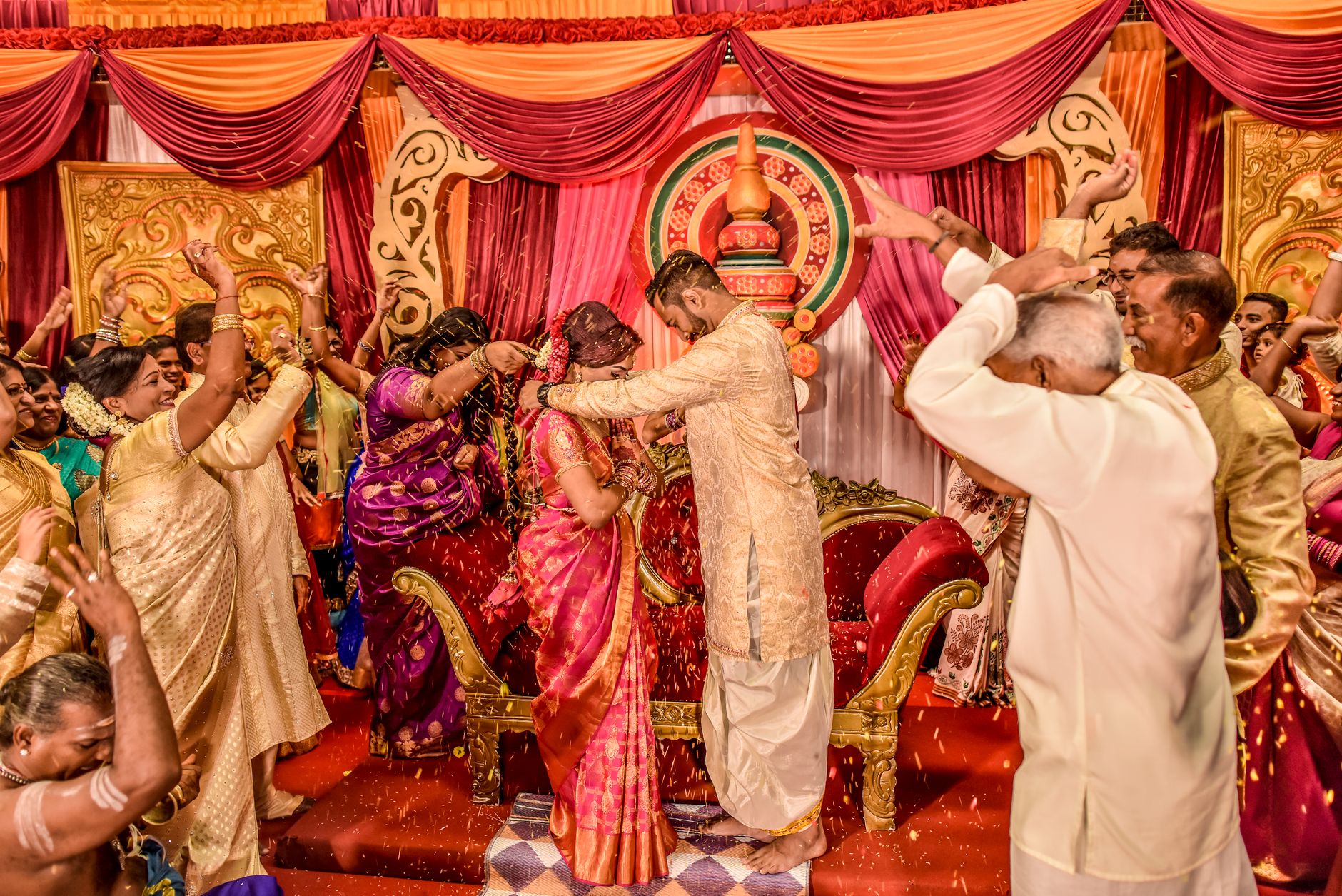 Brahmin Hindu Marriage Supplies
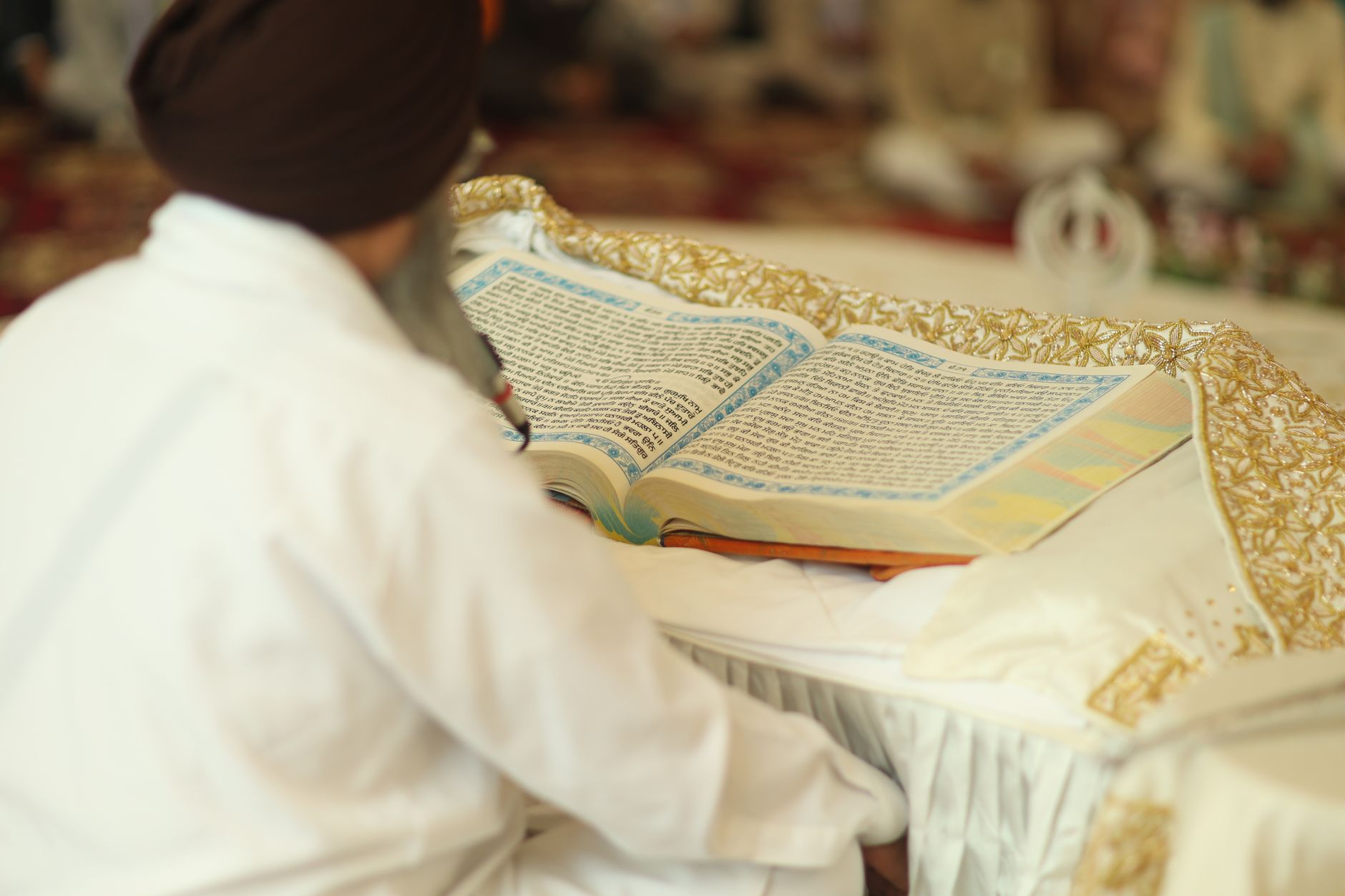 Celebration Bhajan Group
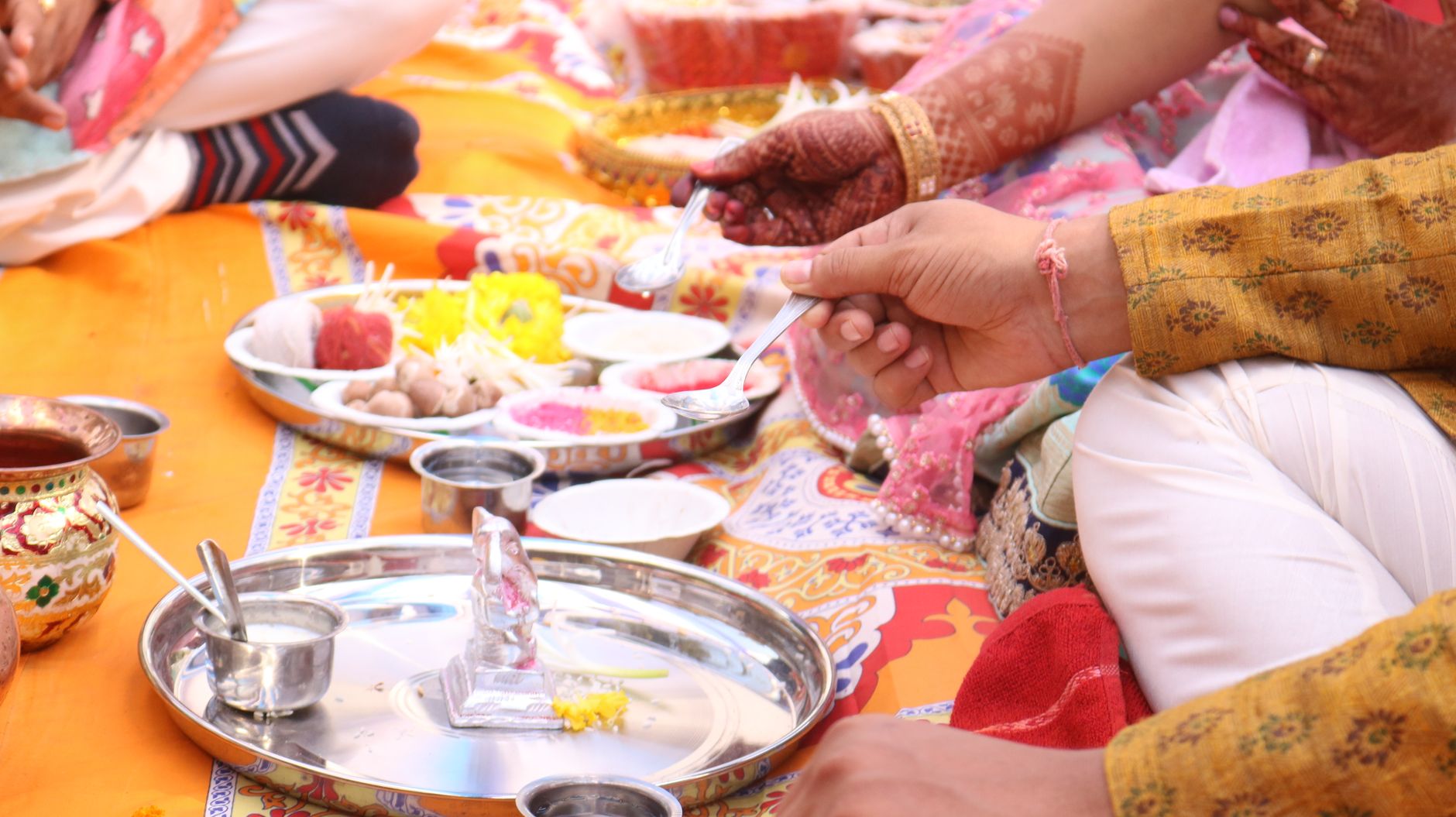 Ceremony Dessert Cakes
 Champagne Toast Service
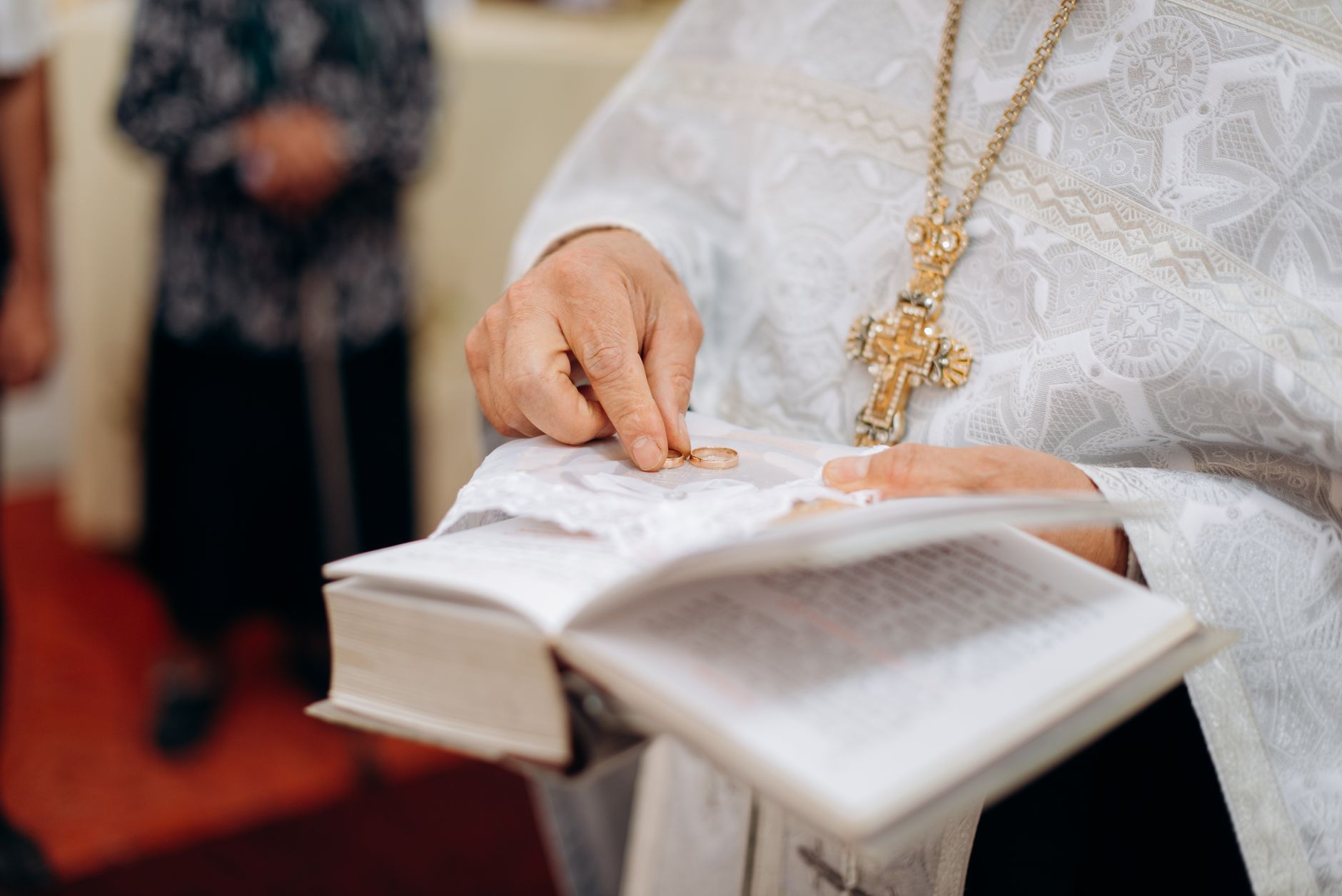 Christian Ceremony Articles
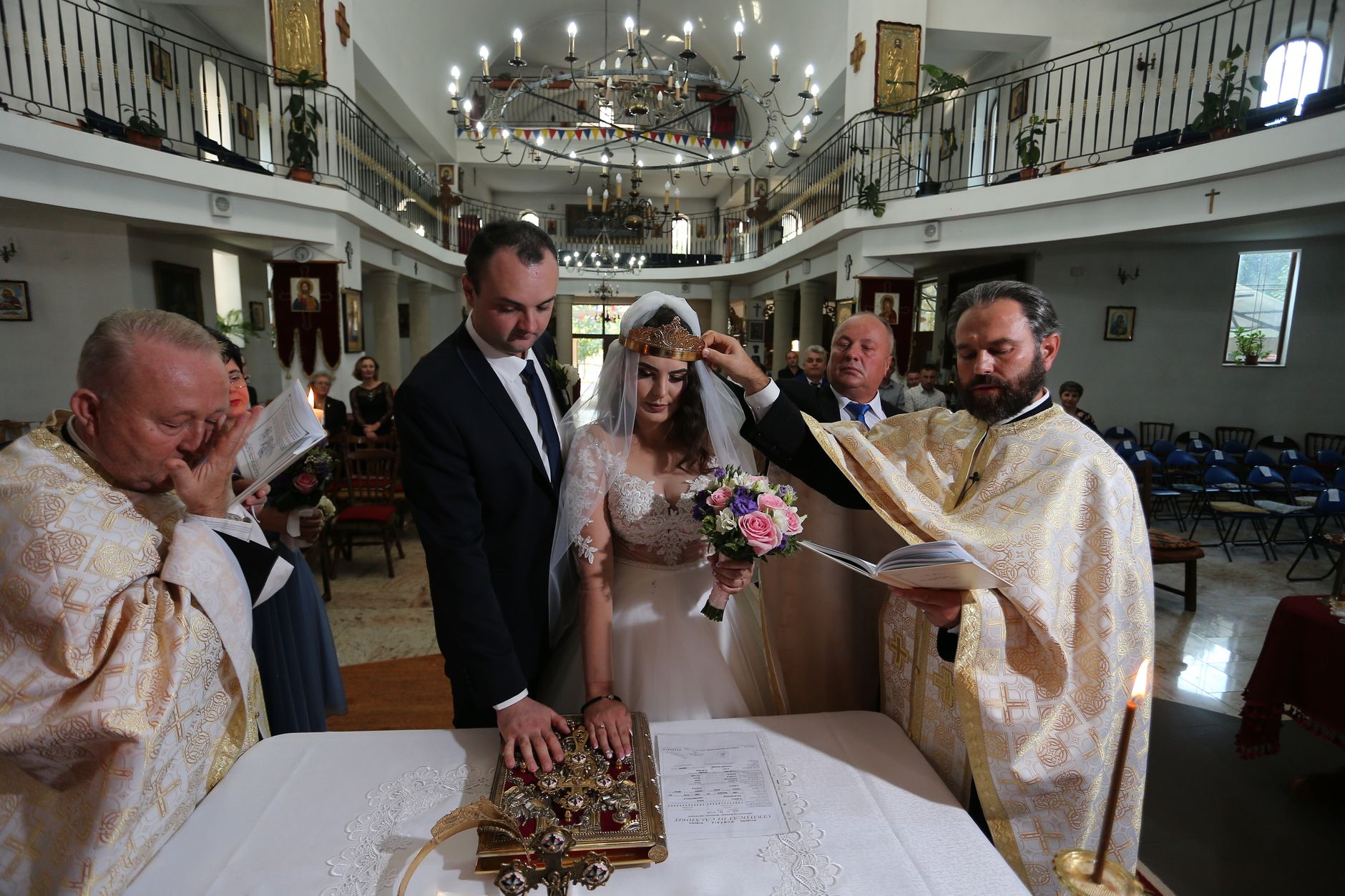 Designer Flower Bouquets
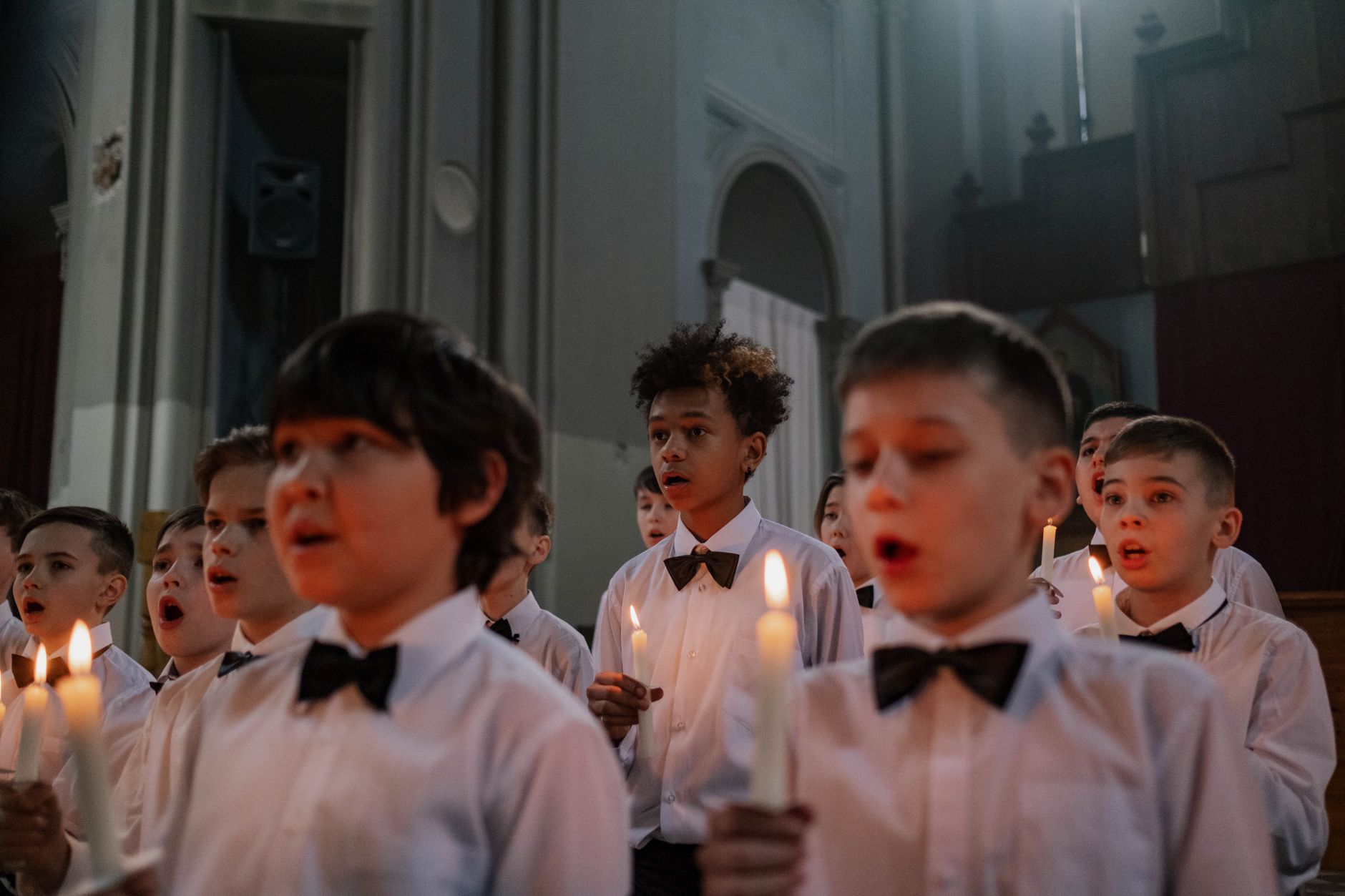 Devotional Choir Group
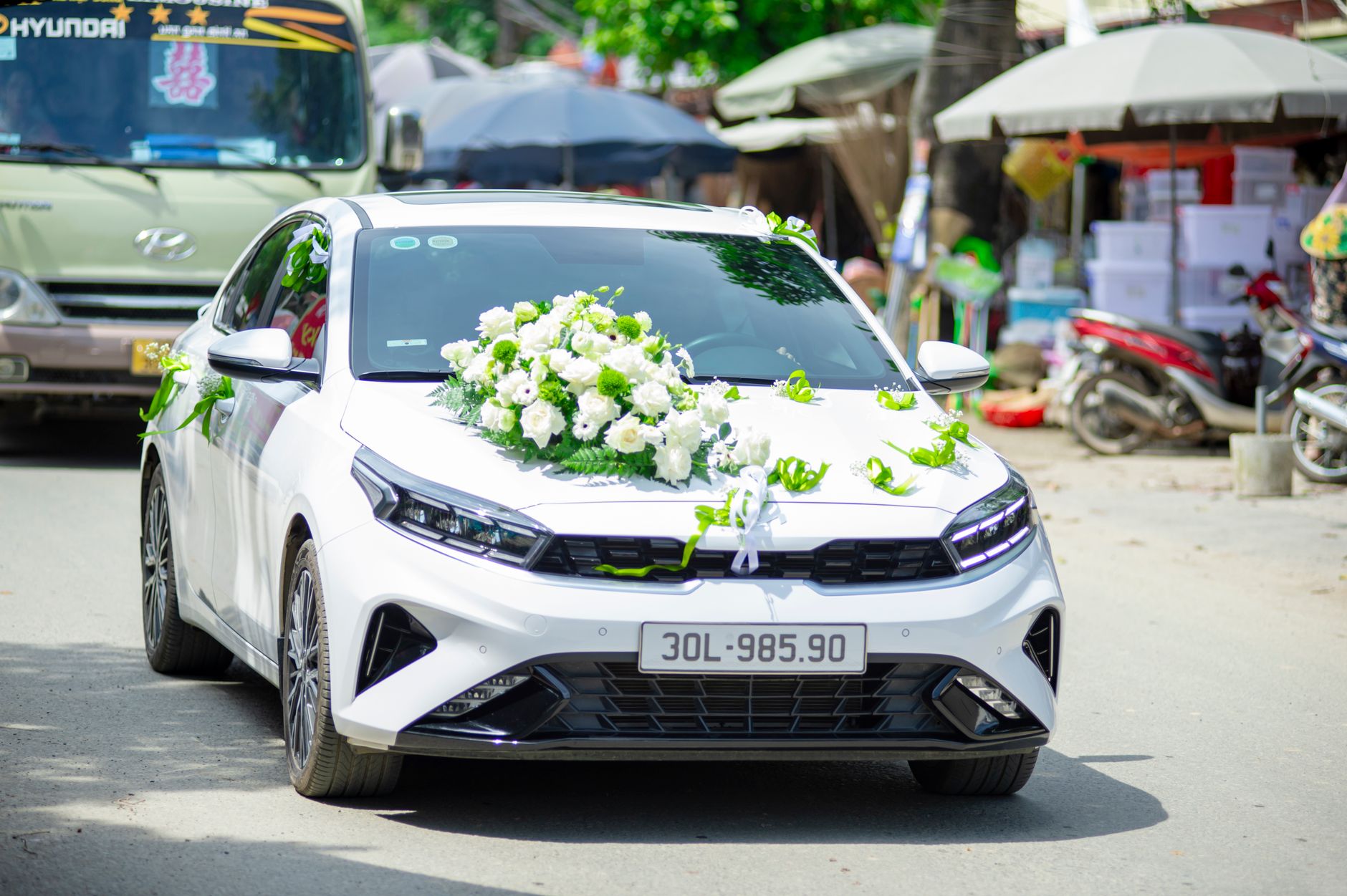 Floral Car Decor
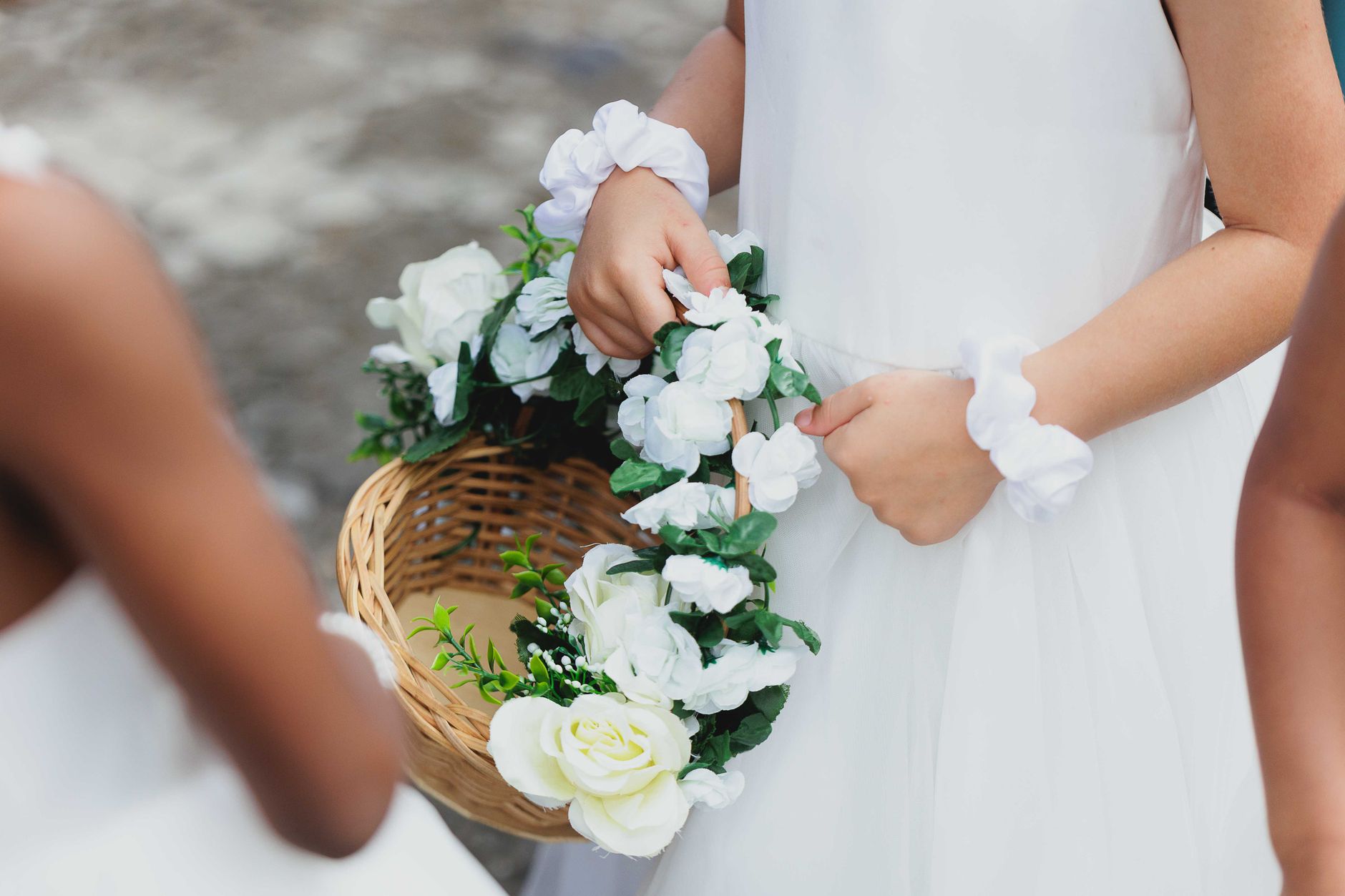 Floral Carry Baskets
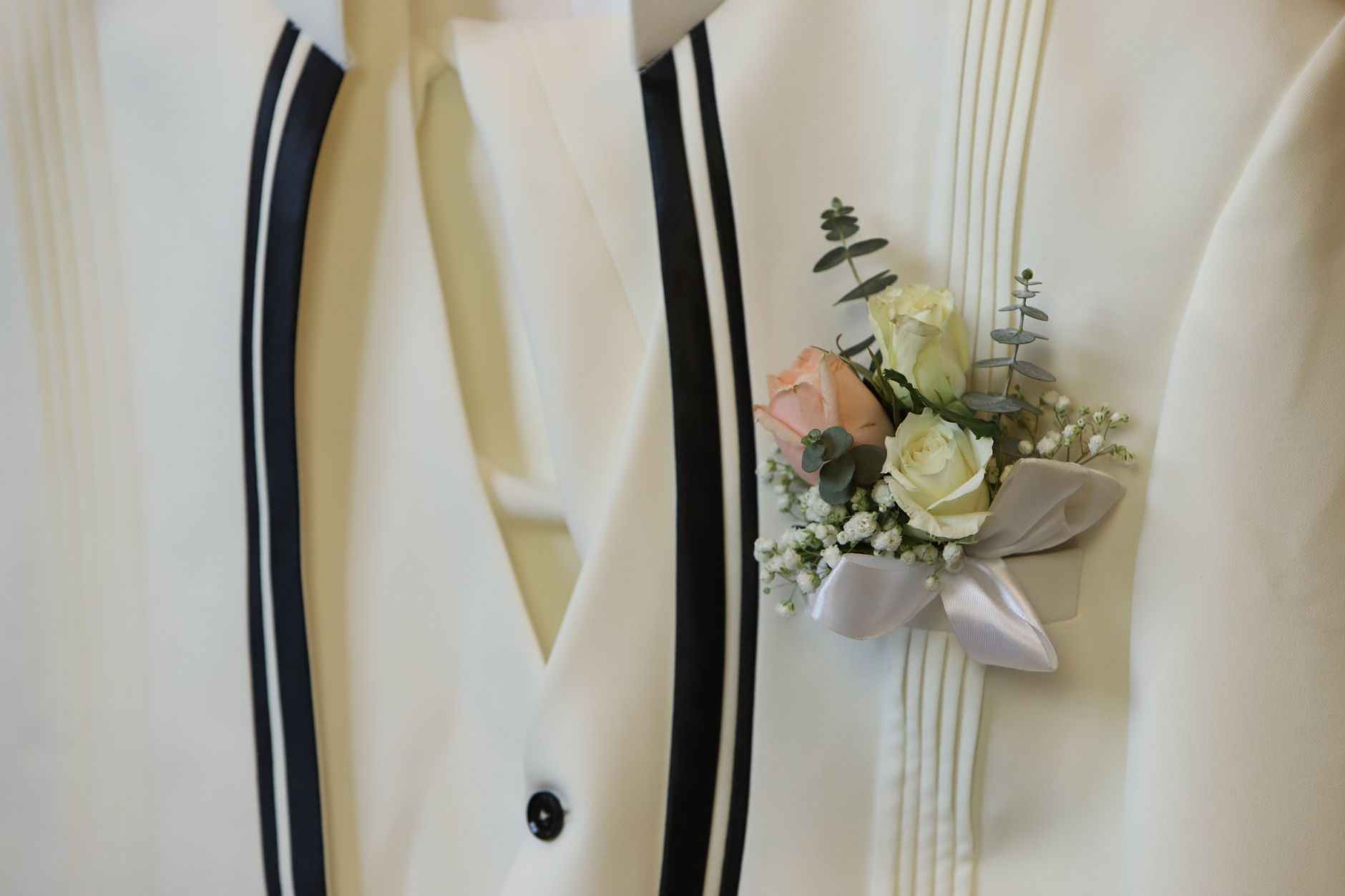 Fresh Flower Boutonnieres
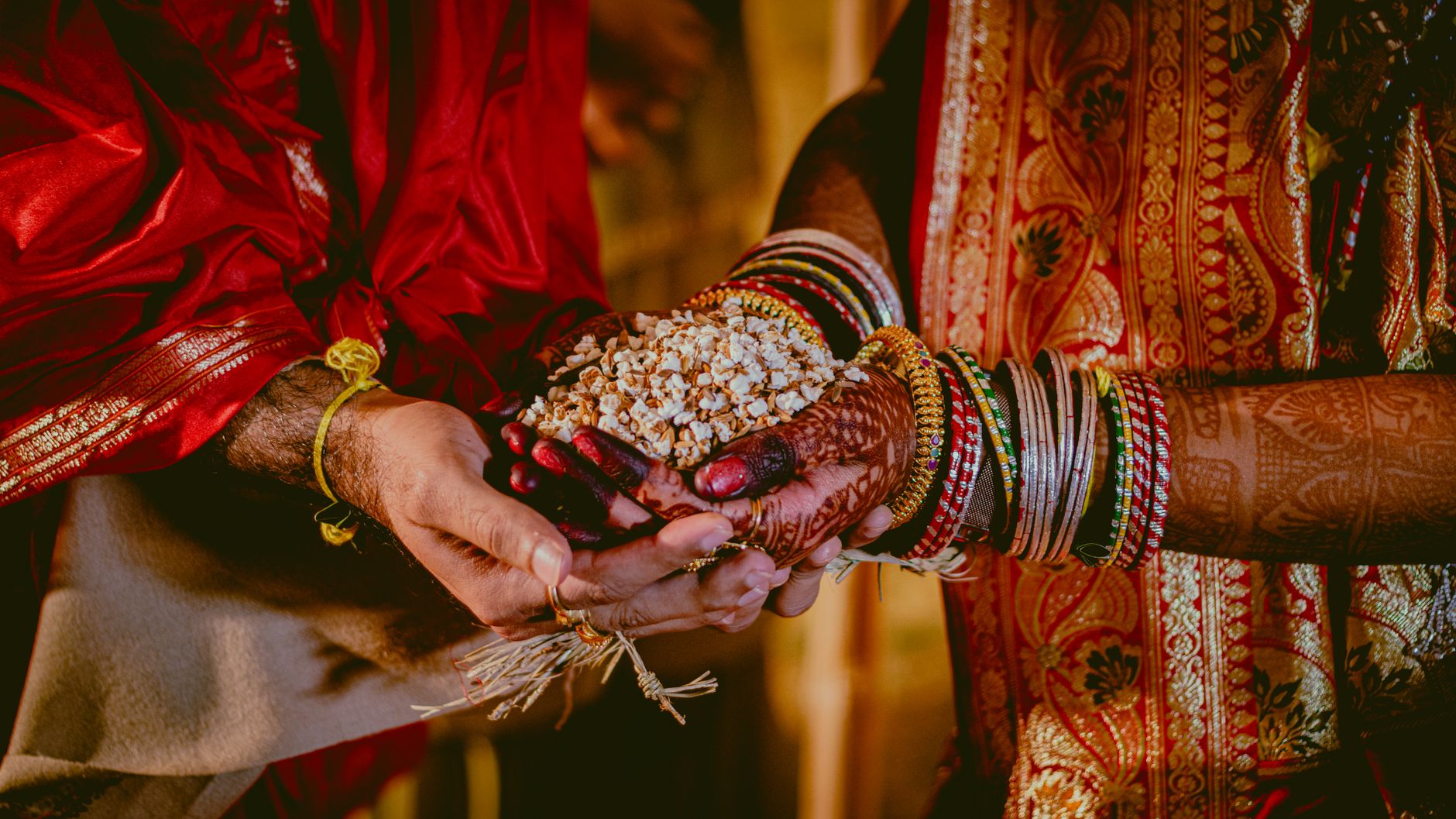 Function Pandit Service
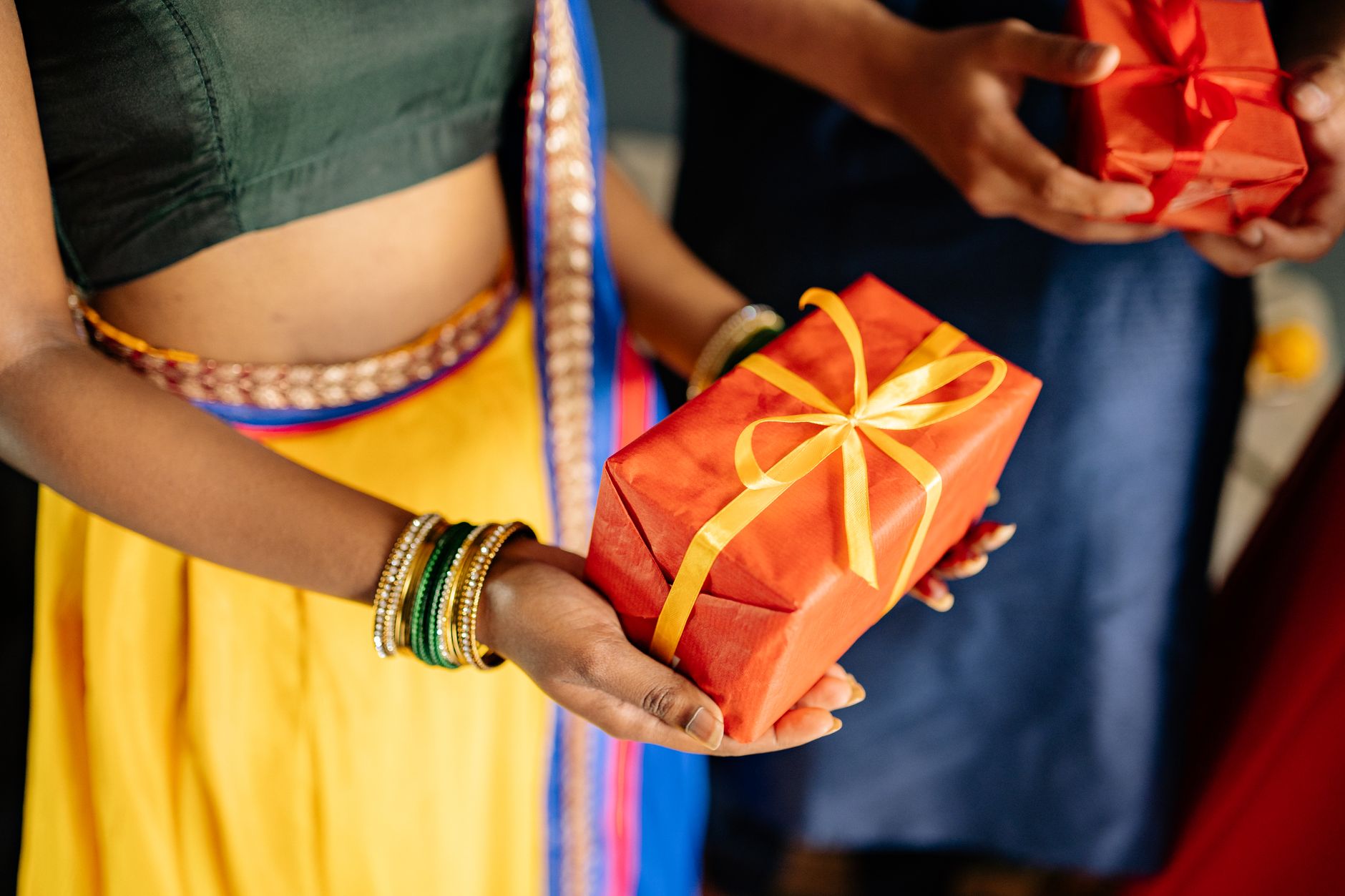 Guest Appreciation Gifts
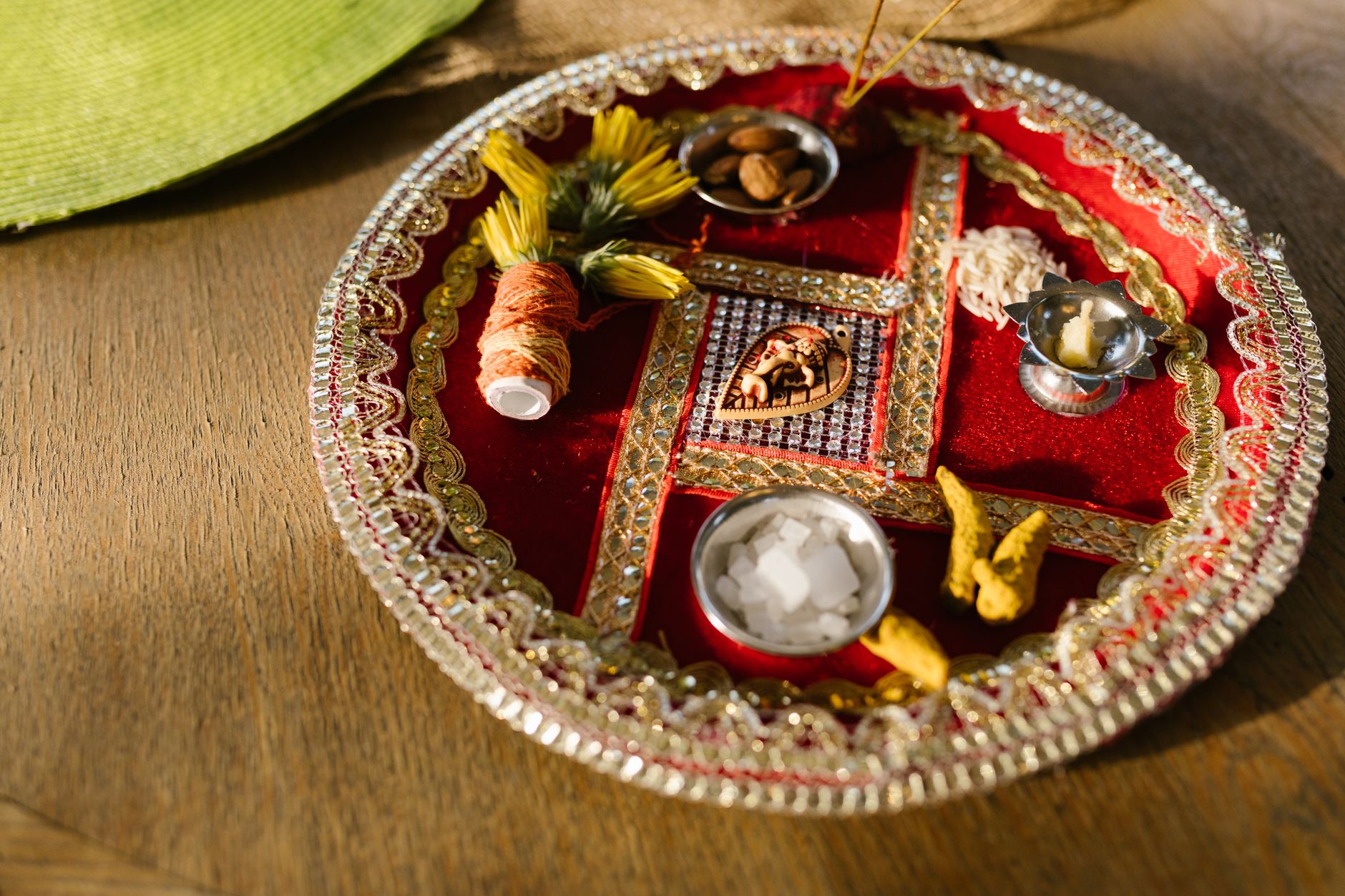 Gujarati Function Ritual Supplies
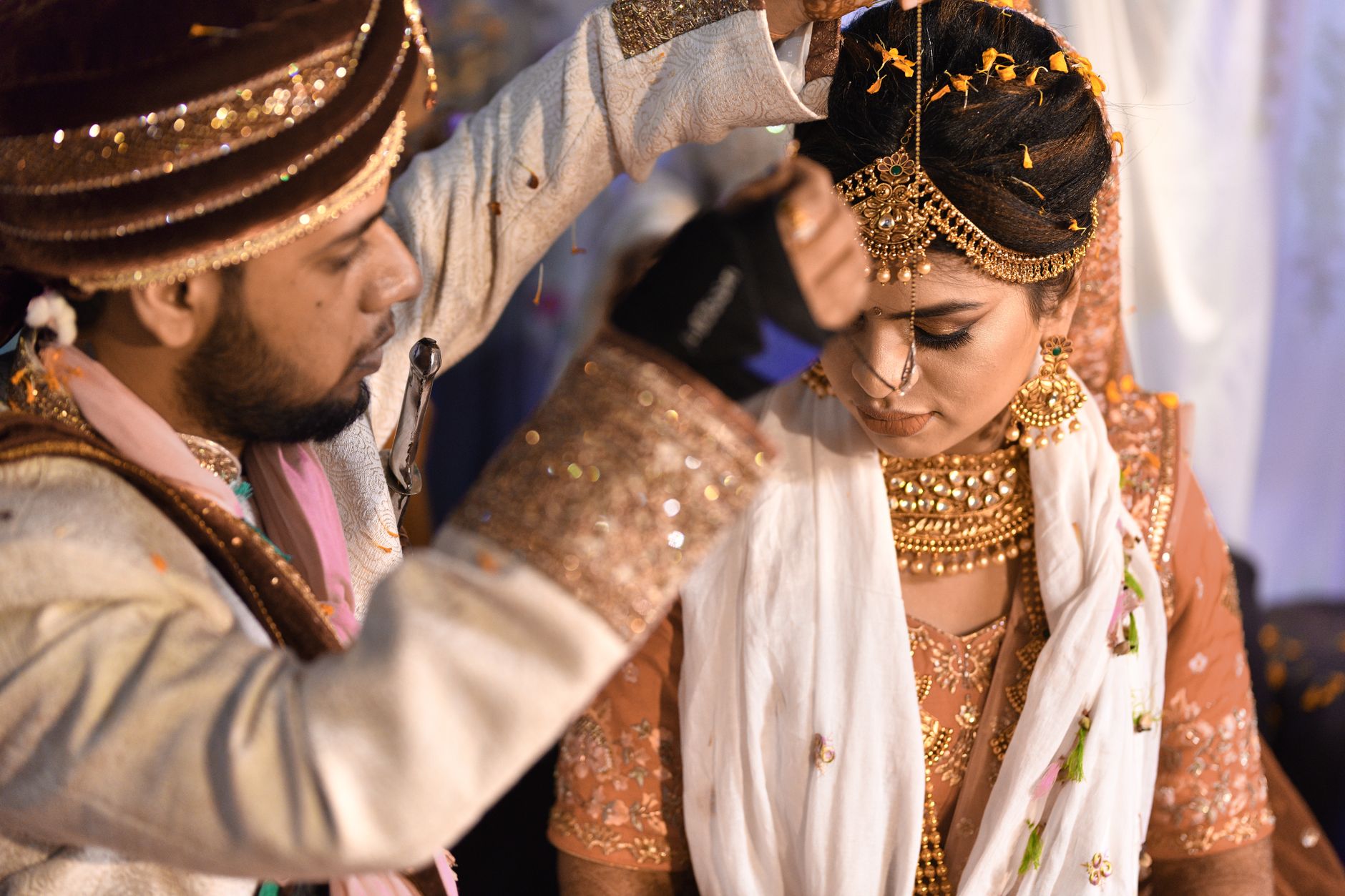 Hindu Marriage Astrologers
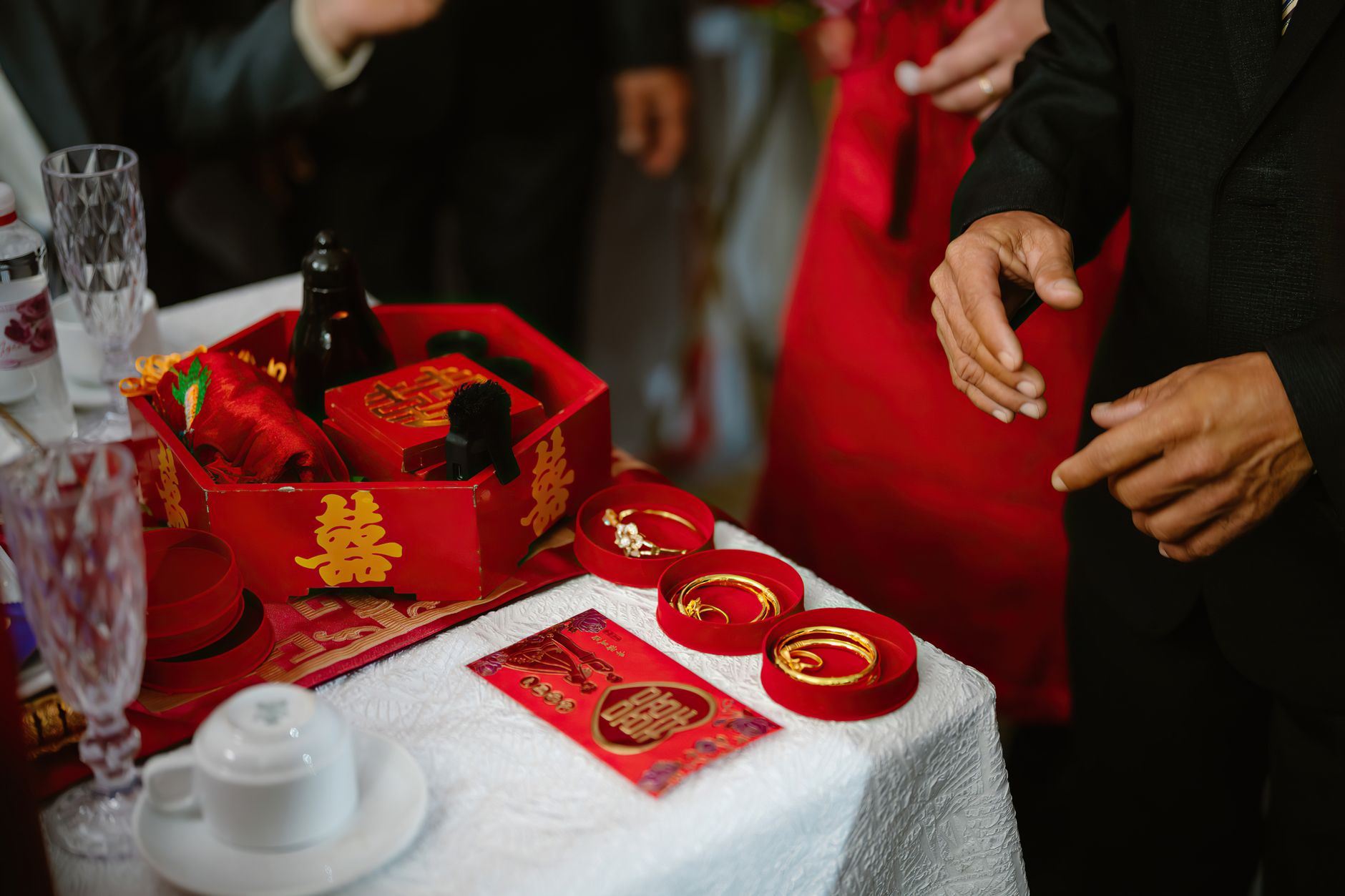 Jain Matrimonial Pooja Kit
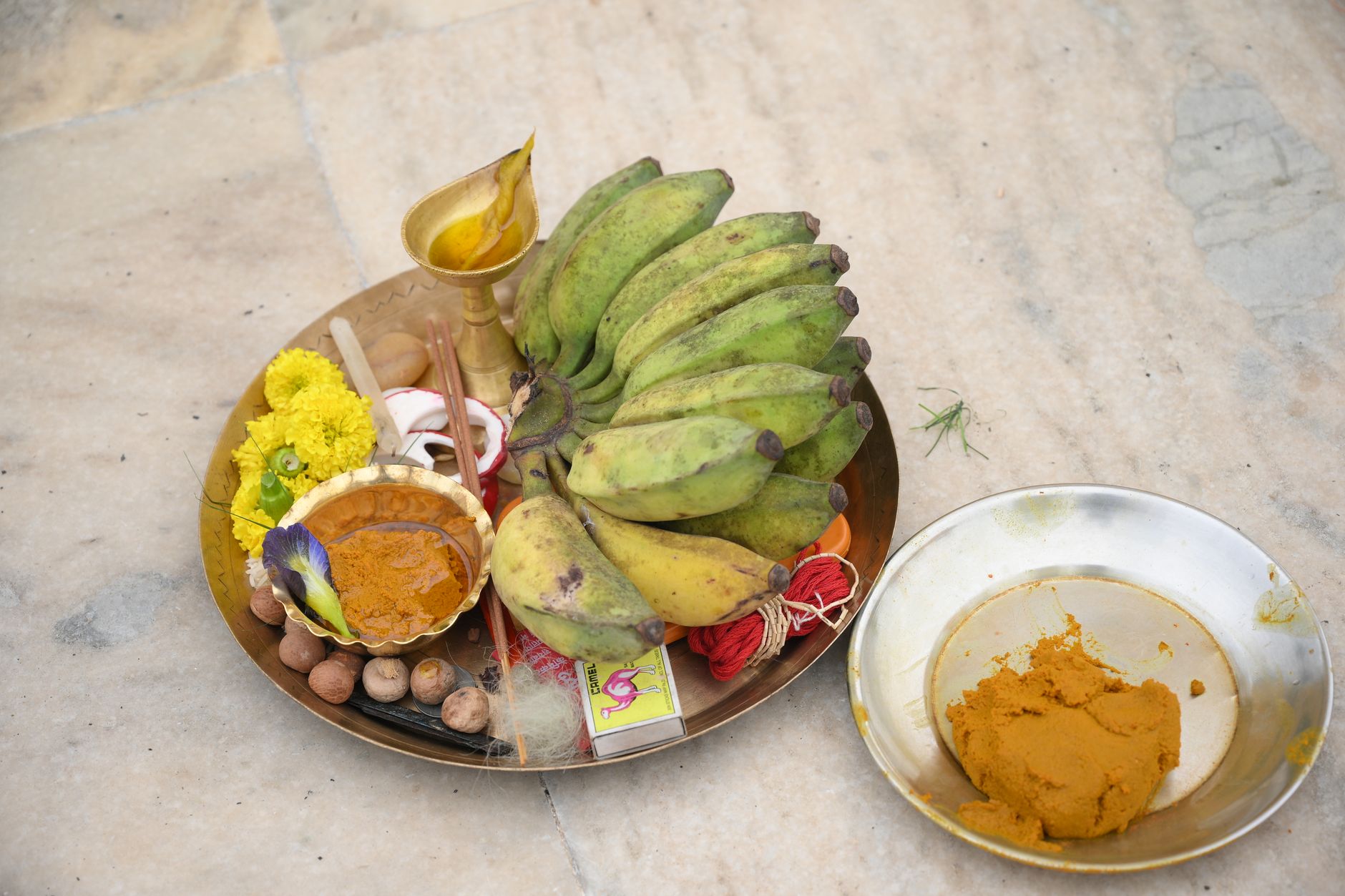 Karnataka Function Ritual Supplies
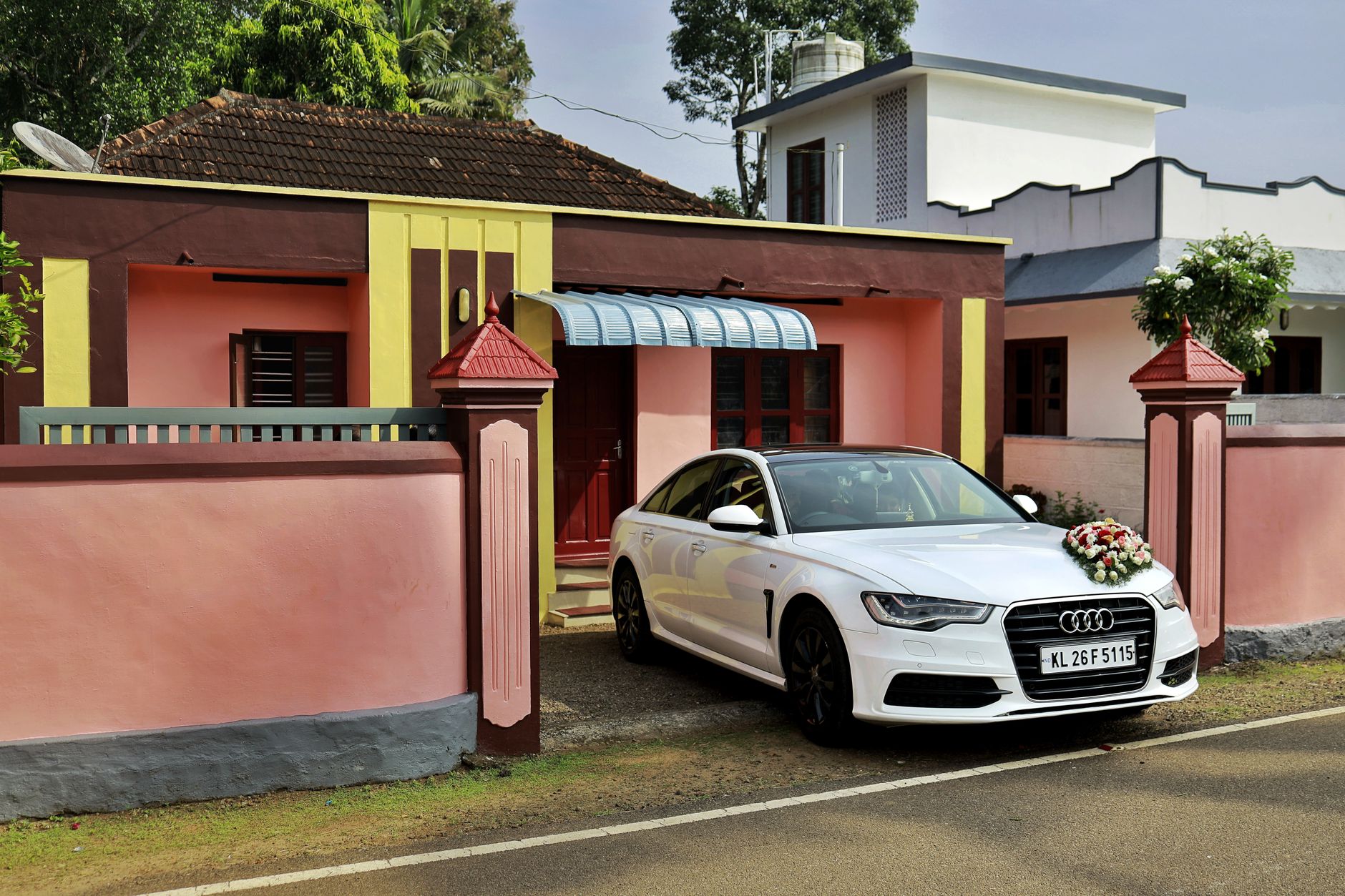 Kerala Marriage Ritual Essentials
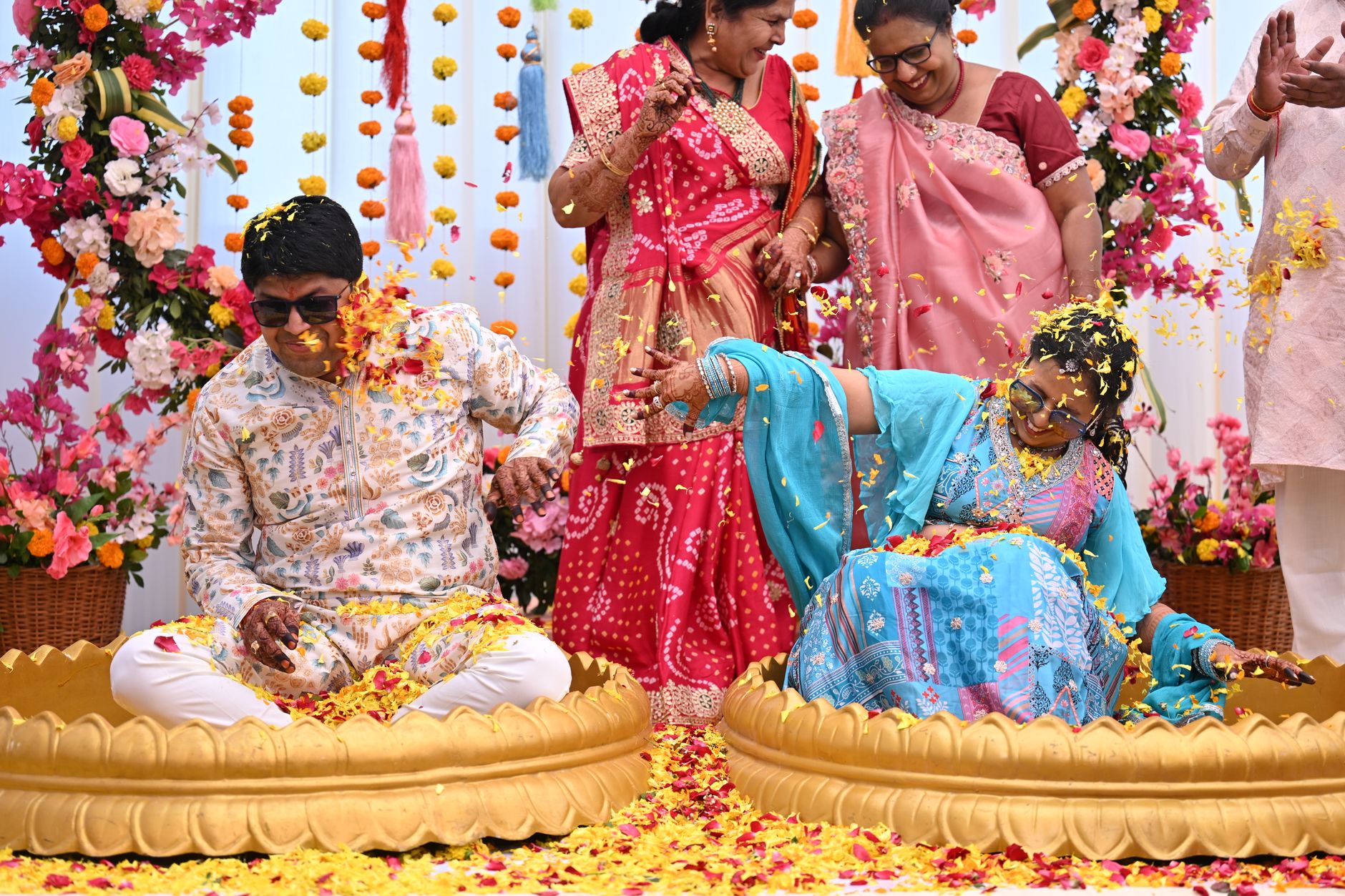 Marwari Function Ritual Supplies
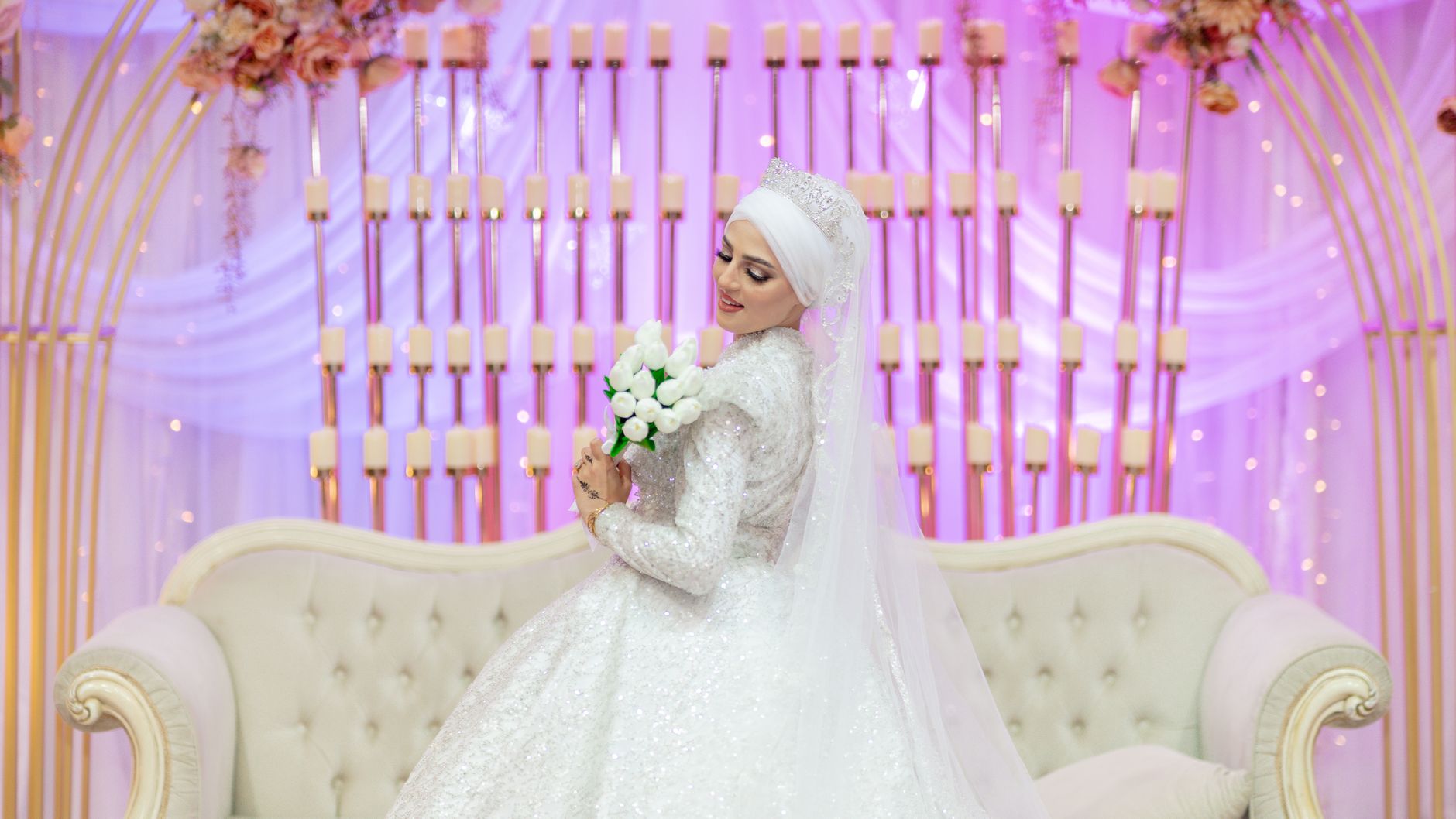 Muslim Celebration Items
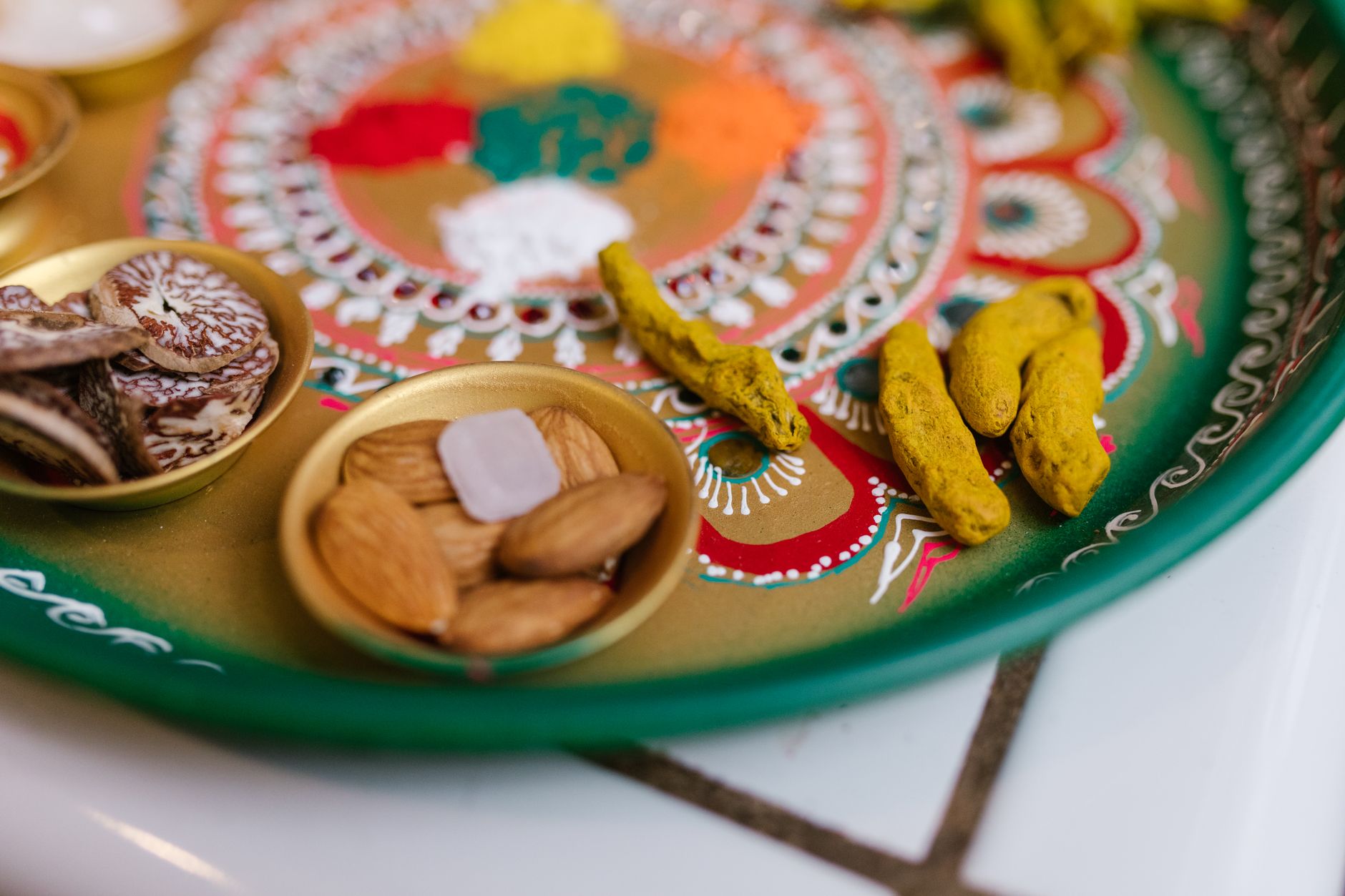 Pooja Material Sets
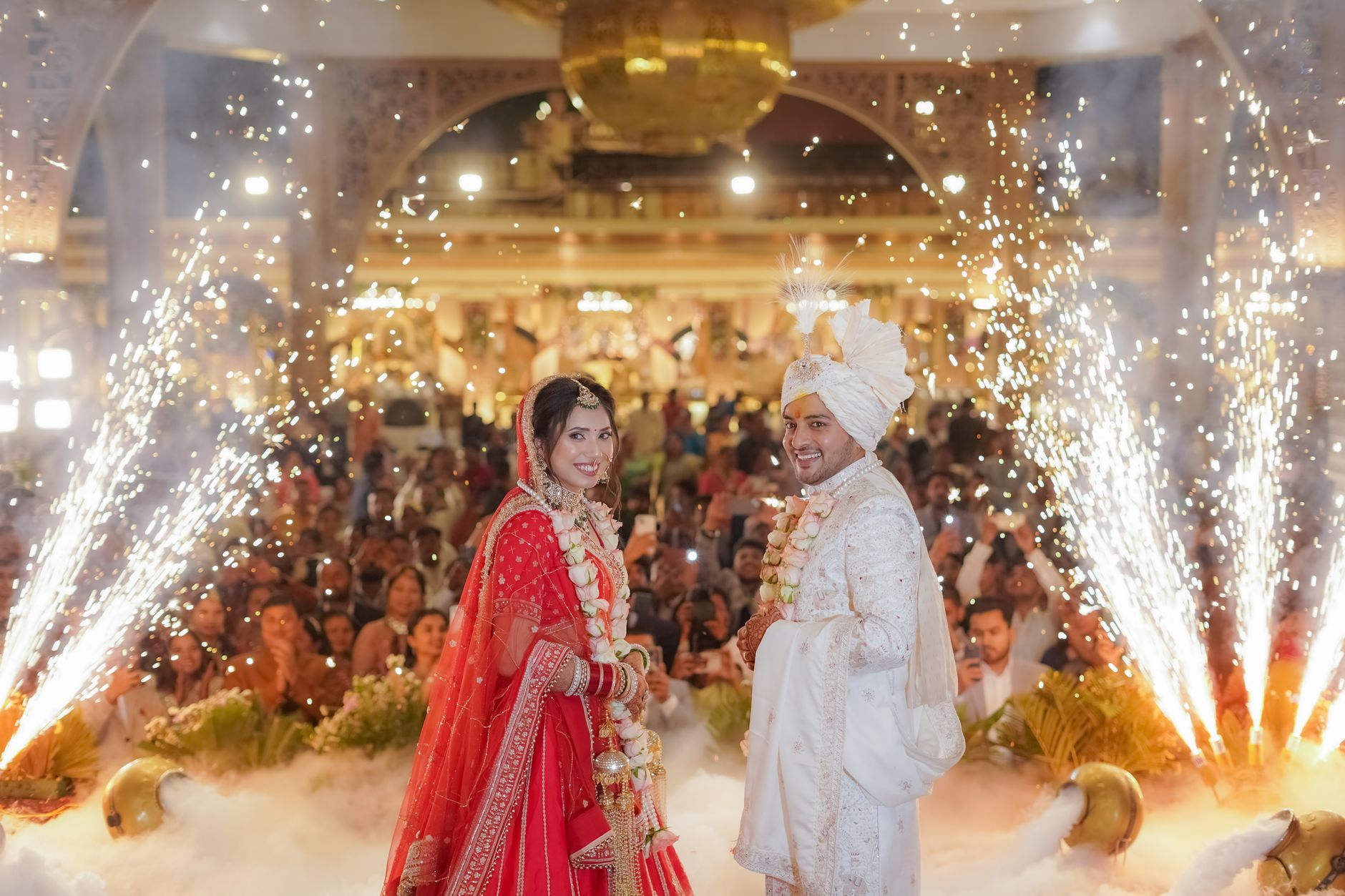 Premium Varmala
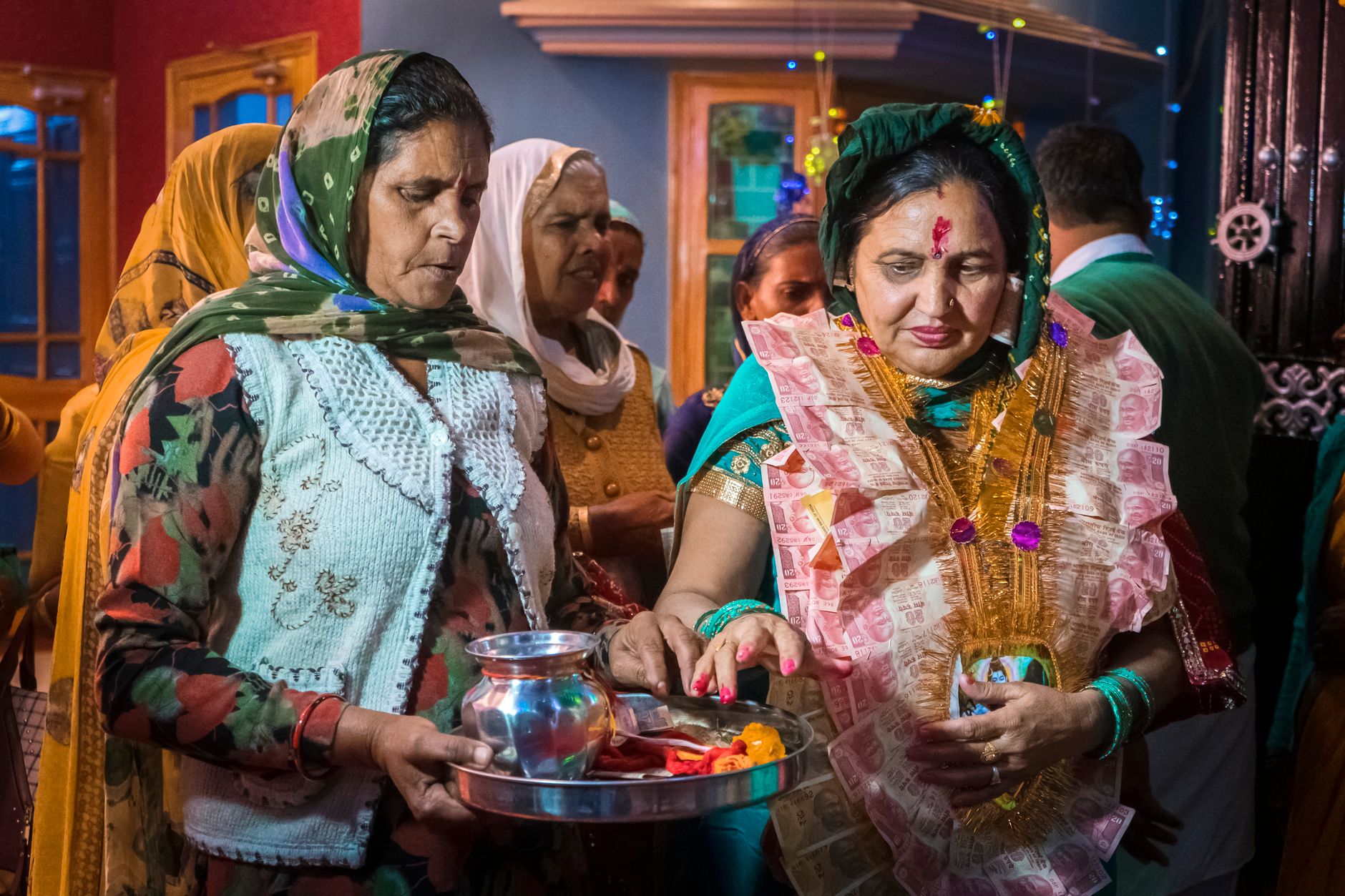 Religious Marriage Officiant
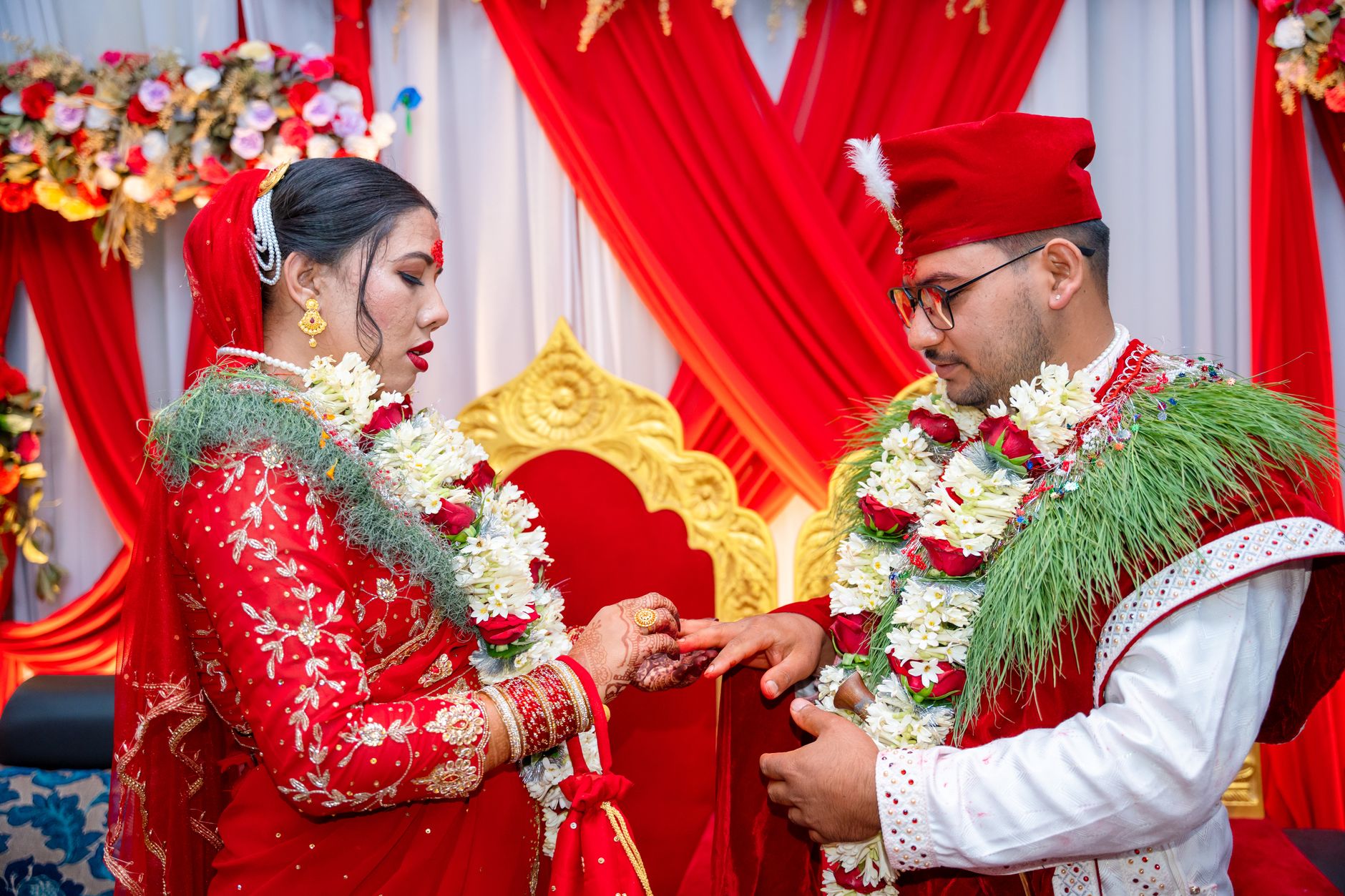 Ring Exchange Platters
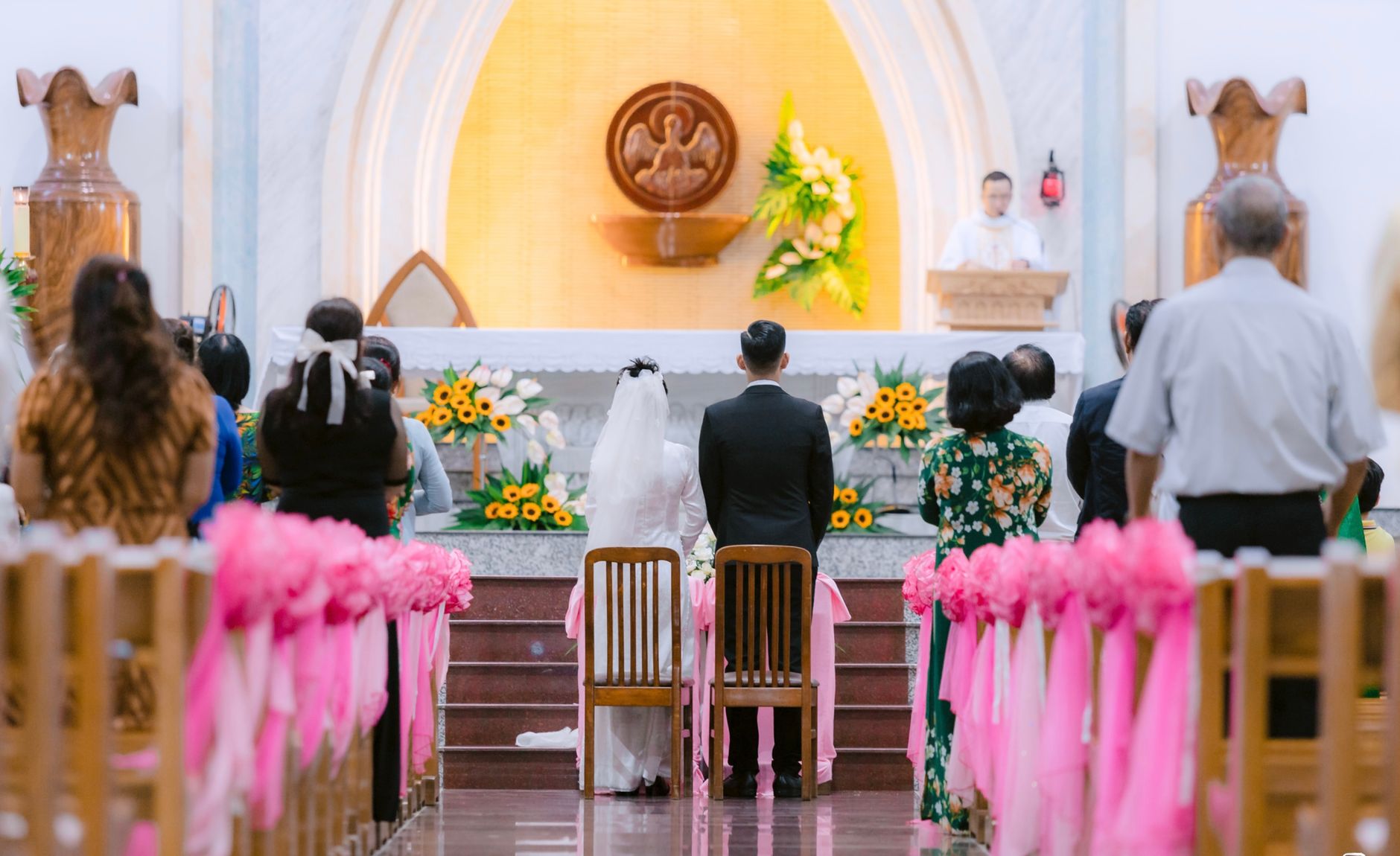 Ritual Digital Broadcast
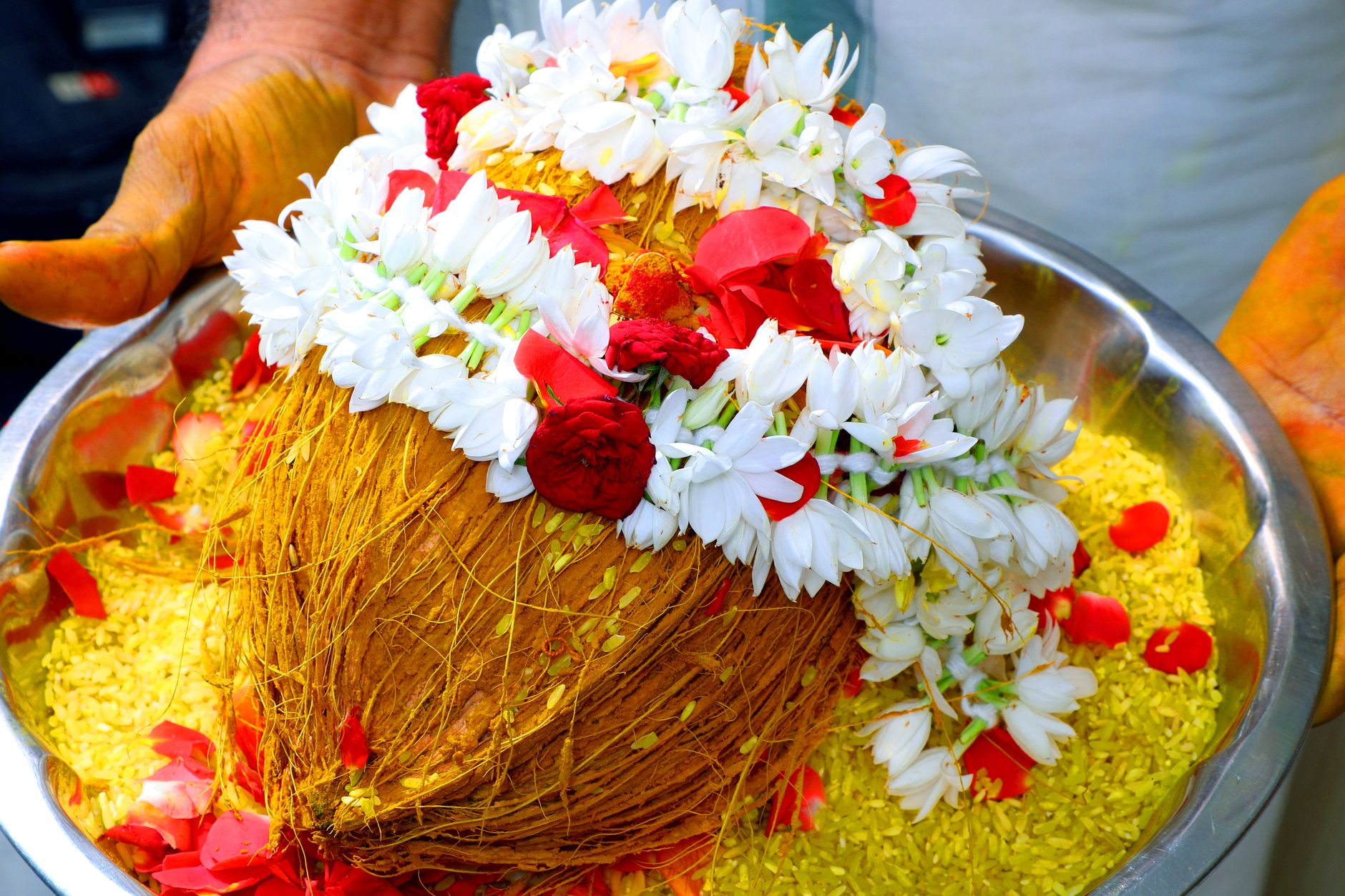 Tamil Hindu Marriage Articles
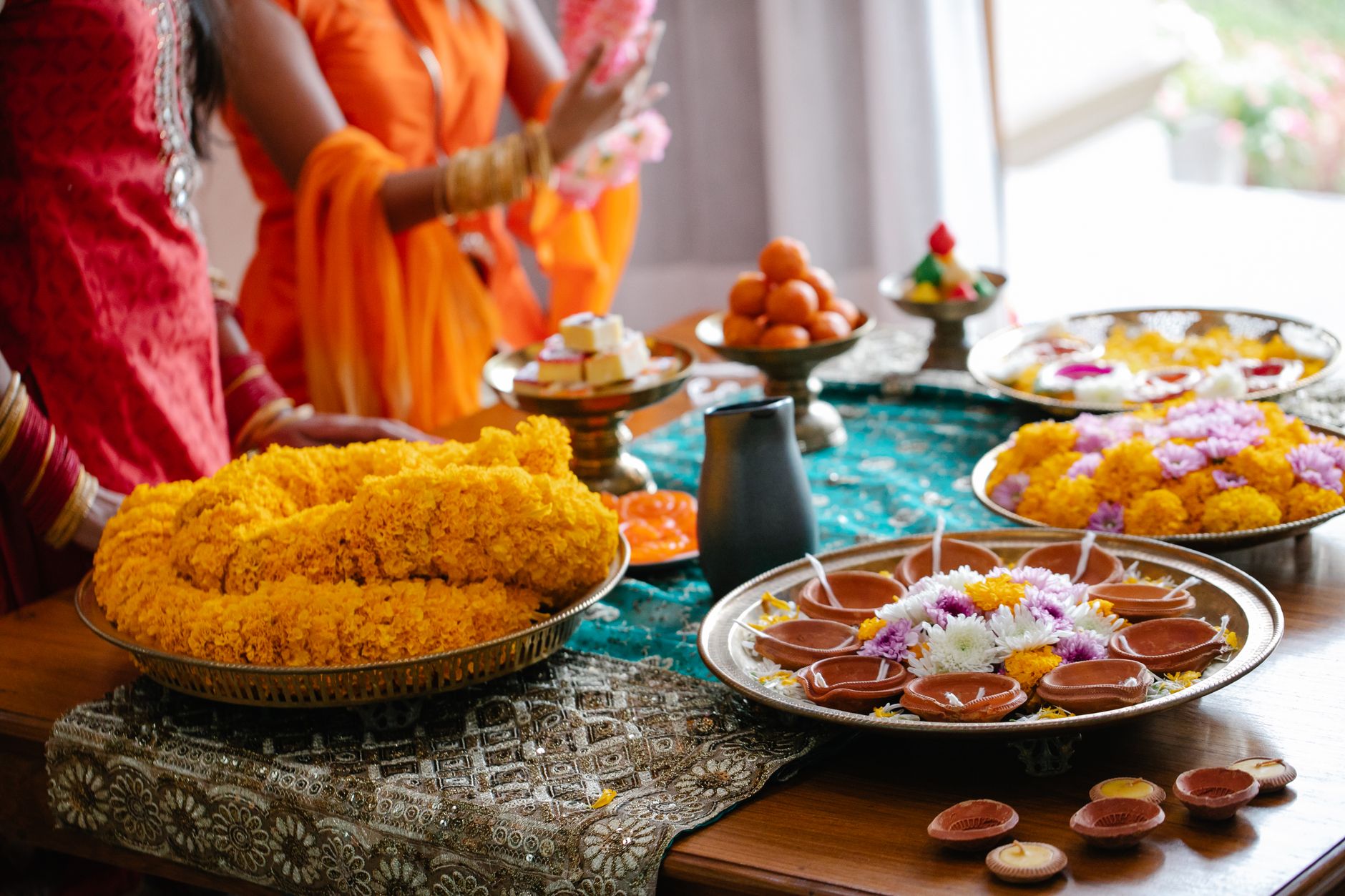 Telugu Sacred Ceremony Supplies
- 400+Curated Events
- 6Event Universes
- 1000+Verified Vendors
- 70+Locations
- 24/7Customer Support


Not sure which packages fits your celebration?
Let Hiya & Hanu help you find the perfect match!
Explore Celebration Packages- AI-Powered MatchingSmart suggestions for you
- Budget OptimizerGet the best experiences in your budget
- End-to-End SupportWe are with you at every step
Serving Celebrations across 75+ locations in India
Curated Sacred Ceremonies for Meaningful Celebrations
◆Sacred ceremonies hold a special place in family life, bringing together traditions, beliefs, relatives and loved ones for moments that are both meaningful and memorable. Curated sacred ceremonies for celebrations offer a thoughtful way to organise these occasions by carefully bringing together the right rituals, arrangements, venue details, décor and coordination. Rather than following a one-size-fits-all approach, a curated ceremony can be planned around the family’s traditions, preferences and the character of the occasion.
From intimate family rituals to larger cultural celebrations, every element can be thoughtfully considered. The aim is to create an experience that respects traditional values while providing the organisation and convenience expected from a professionally planned event. With suitable ceremony services, families can focus on the significance of the occasion while experienced professionals manage the practical details.
What Are Curated Sacred Ceremonies?
Curated sacred ceremonies are carefully planned celebrations where the rituals, setting, décor, services and supporting arrangements are selected to suit a particular occasion. The approach gives families greater flexibility to create a ceremony that feels personal instead of relying on a standard package.
Every family may have different customs, preferred rituals and expectations. A curated service takes these differences into account when developing the overall ceremony plan. This may include selecting an appropriate venue, arranging traditional requirements, coordinating décor, preparing guest areas and ensuring that the event follows a suitable schedule.
The result is a ceremony that feels considered from beginning to end. Each element has a purpose, while the overall experience remains comfortable and well organised for the hosts and guests.
Personalised Planning for Sacred Occasions
Planning a sacred ceremony requires attention to both tradition and practical requirements. A personalised approach begins by understanding what the family expects from the occasion.
The planning process may consider the type of ceremony, number of guests, venue preferences, traditional customs, décor style, required materials and overall event schedule. Families may also wish to include particular flowers, colours, seating arrangements or decorative elements that have personal or cultural significance.
Professional ceremony planners can help bring these requirements together into a clear plan. This reduces confusion and makes it easier to manage different suppliers and services before the celebration.
Personalised planning is particularly useful when several family members are involved in organising the event. A structured plan ensures that important preferences are recorded and communicated clearly.
Respecting Traditional Rituals and Customs
The central purpose of a sacred ceremony is often the observance of meaningful traditions. Any professional service should therefore give appropriate attention to the customs associated with the occasion.
Traditional rituals can vary according to family practices, cultural backgrounds and the type of celebration. Some ceremonies may require specific arrangements, timings, offerings or symbolic items. Others may involve particular sequences that need to be followed carefully.
A curated approach allows these requirements to remain at the heart of the celebration. Instead of allowing décor or modern event trends to dominate, the planning can place the sacred elements first and build the supporting arrangements around them.
This balance helps maintain authenticity while still creating an organised and welcoming environment for guests.
Choosing the Right Ceremony Venue
The venue can influence the atmosphere, comfort and flow of a sacred celebration. Depending on the ceremony, families may choose a home, community hall, temple-related setting, event venue or another suitable location.
When selecting a venue, practical factors such as guest capacity, accessibility, seating, parking, ventilation, lighting and available facilities should be considered. The space should also allow enough room for the central ritual area and any supporting arrangements.
A curated ceremony service can assist with venue planning by considering how the chosen location will work with the ceremony schedule and décor requirements. This can help avoid last-minute layout problems.
The best venue is not necessarily the largest or most elaborate. It is the one that provides a comfortable setting while supporting the purpose and traditions of the occasion.
Thoughtful Ceremony Decoration
Decoration can enhance the setting of a sacred ceremony without taking attention away from its meaning. Curated decoration focuses on creating an atmosphere that feels appropriate, elegant and connected to the occasion.
Floral arrangements can be used around entrance areas, ceremony spaces, backdrops and seating areas. Traditional decorative features may also be incorporated according to the family’s preferences.
Colour selection can play an important role. Some families may prefer traditional colours, while others may choose a softer or contemporary combination. The overall design can be kept coordinated so that flowers, fabrics, lighting and other decorative elements complement one another.
The objective is not simply to create an attractive backdrop. Good ceremony decoration should support the atmosphere of the event while allowing the sacred rituals to remain the main focus.
Carefully Selected Ritual Arrangements
Many sacred ceremonies require a variety of traditional items and supporting arrangements. These may need to be prepared in advance so that everything is available at the appropriate stage of the ceremony.
A curated service can help organise these requirements according to the event plan. This may include checking quantities, coordinating suppliers and confirming that the required items are available before the celebration begins.
Advance preparation is especially valuable when the ceremony follows a particular sequence. Missing or incorrectly arranged items can create unnecessary disruption, whereas a carefully prepared setup allows the event to progress smoothly.
Families can also communicate any specific traditional requirements during the planning stage so that the arrangements can be adapted accordingly.
Creating a Comfortable Guest Experience
Sacred celebrations often bring together people of different ages, including children, older relatives and guests travelling from other locations. Guest comfort should therefore form part of the planning process.
Seating should be arranged with the ceremony layout in mind. Older guests may benefit from convenient seating, while sufficient space should be provided for movement around the main ceremony area.
Clear directions, accessible entrances and suitable waiting areas can also make the occasion more comfortable. If refreshments or hospitality services are included, these can be scheduled around the ceremony without interrupting important rituals.
A well-organised guest experience allows family members to participate more comfortably and enjoy the occasion without worrying about practical arrangements.
Combining Tradition with Contemporary Organisation
Modern event planning can complement traditional ceremonies without changing their essential character. Digital invitations, structured schedules, professional coordination and organised supplier management can make the preparation process more efficient.
Families may also prefer contemporary decorative styling while retaining traditional rituals. For example, a traditional ceremony can be presented within a carefully coordinated floral setting or an elegant venue layout.
The important factor is maintaining balance. Contemporary elements should support the occasion rather than overshadow its cultural or spiritual significance.
Curated sacred ceremony services are particularly suitable for families who want traditional values combined with a polished and organised event experience.
Planning the Ceremony Timeline
A clear timeline helps ensure that different aspects of the celebration happen at the right time. Planning can begin with the ceremony requirements and then work backwards to establish preparation deadlines.
Venue confirmation, supplier coordination, decoration, ritual arrangements and guest communication can all be assigned appropriate timeframes. The ceremony day itself can then be organised into preparation, arrival, ritual and concluding stages.
A detailed timeline also allows the family to identify potential issues before the event. If additional time is needed for decoration or traditional preparations, this can be included in advance.
Good scheduling creates a calmer environment for everyone involved and reduces the likelihood of rushed decisions on the day.
Supporting Different Types of Sacred Celebrations
Curated ceremony services can be adapted to many different occasions. These may include religious ceremonies, cultural rituals, family spiritual celebrations, traditional milestone events and other meaningful gatherings.
Each type of celebration may have its own requirements. A family ceremony held at home may need a different arrangement from a larger gathering at a dedicated venue.
The benefit of a curated approach is flexibility. The scale, setting and supporting services can be adjusted according to the occasion rather than forcing every celebration into the same format.
This makes it easier to create an experience that reflects the family’s priorities and the significance of the event.
Professional Coordination for a Smoother Celebration
Coordinating a sacred ceremony can involve several moving parts. Venue arrangements, decoration, flowers, traditional materials, guest requirements and suppliers may all need to be managed within a specific timeframe.
Professional coordination can provide a central point of organisation. Instead of the family having to communicate separately with every service provider, the overall plan can be managed more systematically.
On the event day, coordination can also help ensure that suppliers arrive on time, arrangements are completed as planned and the venue is ready before guests arrive.
This support allows family members to participate in the celebration rather than spending the day dealing with logistical issues.
Adding Meaningful Personal Touches
A curated celebration should feel connected to the people it represents. Personal touches can make the ceremony more memorable without compromising its traditional character.
Families may wish to incorporate preferred flowers, meaningful colours, family traditions, photographs, traditional decorative details or a particular style of hospitality.
Personalisation can also extend to the guest experience. Thoughtful seating, welcome arrangements and carefully planned spaces can make relatives and friends feel more involved in the occasion.
The most effective personal touches are those that have genuine meaning for the family rather than being included simply because they are fashionable.
Managing the Budget Thoughtfully
Curated does not necessarily mean excessive or extravagant. A carefully planned ceremony can be designed around the family’s available budget while prioritising the elements that matter most.
The planning stage should distinguish between essential ceremony requirements and optional enhancements. Families can then decide where to allocate more of their budget and where a simpler approach would be suitable.
Venue costs, decoration, flowers, traditional materials, coordination and hospitality can all be considered as part of the overall planning process.
Transparent communication about services and costs can help families make informed decisions and avoid unexpected expenses.
Why Curated Planning Makes a Difference
The value of curated sacred ceremony services lies in attention to detail. Instead of treating the celebration as a standard event, the planning process considers the purpose, traditions, people and practical requirements together.
This approach can make the preparation more organised while giving the family greater control over the final experience. It also creates opportunities to personalise the celebration in ways that feel authentic.
From the initial planning discussion to the final event-day arrangements, each stage can contribute to a ceremony that feels respectful, welcoming and memorable.
Planning Your Sacred Celebration in Advance
Early planning gives families more time to make thoughtful decisions. Popular venues and professional service providers may have limited availability, particularly during busy celebration periods.
Starting early allows sufficient time to discuss traditions, compare venue options, finalise decoration ideas and coordinate suppliers. It also provides a better opportunity to make changes before the event approaches.
A useful planning process begins with the ceremony itself and then builds the surrounding arrangements around it. This keeps the focus on the significance of the occasion while ensuring that practical details are properly managed.
Choosing Curated Sacred Ceremony Services
When choosing a ceremony service provider, families should look for experience, clear communication, flexibility and an understanding of traditional requirements.
It is useful to discuss the complete scope of services before confirming arrangements. This may include venue coordination, décor, flowers, ritual support, supplier management and event-day assistance.
A good provider should listen carefully to the family’s expectations and explain how those requirements can be accommodated. Clear communication throughout the planning process can create greater confidence and help avoid misunderstandings.
The right service should make the ceremony feel personal and well organised while respecting the traditions that make the occasion important.
A Meaningful Approach to Sacred Celebrations
Curated sacred ceremonies bring together tradition, personal preferences and professional organisation in a thoughtful way. They provide families with an opportunity to create celebrations that feel authentic while benefiting from structured planning and dependable coordination.
Whether the occasion is intimate or large, traditional or contemporary in presentation, the focus should remain on meaning, family and the customs being honoured. Carefully selected services, suitable venues, thoughtful decoration and organised preparation can all contribute to a memorable experience.
With the right planning approach, a sacred ceremony can become more than a scheduled event. It can become a meaningful family occasion that reflects shared values, traditions and memories for years to come.
Frequently Asked Questions
1. What are curated sacred ceremonies for celebrations?
Curated sacred ceremonies are carefully planned occasions where rituals, venue arrangements, décor, traditional requirements and supporting services are selected according to the family’s preferences and the nature of the celebration.
2. Can sacred ceremonies be personalised?
Yes. Many aspects can be personalised, including venue selection, decoration, flowers, seating, traditional arrangements and other elements that are meaningful to the family.
3. Do curated ceremonies include traditional rituals?
The services can be planned around the traditional rituals required for the particular occasion. Families should communicate their specific customs and requirements during the planning stage.
4. Can I choose my preferred ceremony venue?
Yes. Venue preferences can normally be incorporated into the planning process, subject to availability and suitability for the ceremony and number of guests.
5. Can decoration be customised for a sacred ceremony?
Yes. Decoration can be adapted to suit traditional preferences, colour choices, floral requirements and the overall atmosphere desired for the celebration.
6. Are flowers included in sacred ceremony arrangements?
Flower arrangements can be included depending on the selected service. Families can discuss preferred flowers, colours and placement during the planning process.
7. How early should I plan a sacred ceremony?
It is advisable to begin planning as early as practical, particularly when the event requires a specific venue, traditional materials, multiple suppliers or detailed decoration.
8. Can a curated ceremony combine traditional and modern elements?
Yes. Traditional rituals can remain central while modern planning methods, organised coordination and contemporary decorative details are incorporated around them.
9. Can curated sacred ceremonies be arranged for large gatherings?
Yes. The planning can be adapted to the size of the guest list, venue capacity, seating requirements, ceremony layout, hospitality arrangements and coordination needs.
10. How do I choose the right sacred ceremony service?
Look for a provider that understands your requirements, communicates clearly, offers suitable customisation and can coordinate the important elements of the celebration professionally and respectfully.