
Explore All Digital & Tech Experiences
Discover innovative digital and technology-enabled experiences for weddings, parties, corporate events and celebrations.
Experience Smarter,
Celebrate with Happiffie
From immersive experiences to intelligent event solutions, Happiffie helps you discover digital and technology-enabled experiences that make every celebration engaging, interactive and memorable.
- Digital & Tech ExperiencesDiscover innovative digital and technology experiences designed to elevate your event.
- AI-Powered ExperiencesDiscover smart and personalised event technology solutions
- Trusted Food NetworkConnect with verified digital and technology service providers
Digital & Tech Experiences
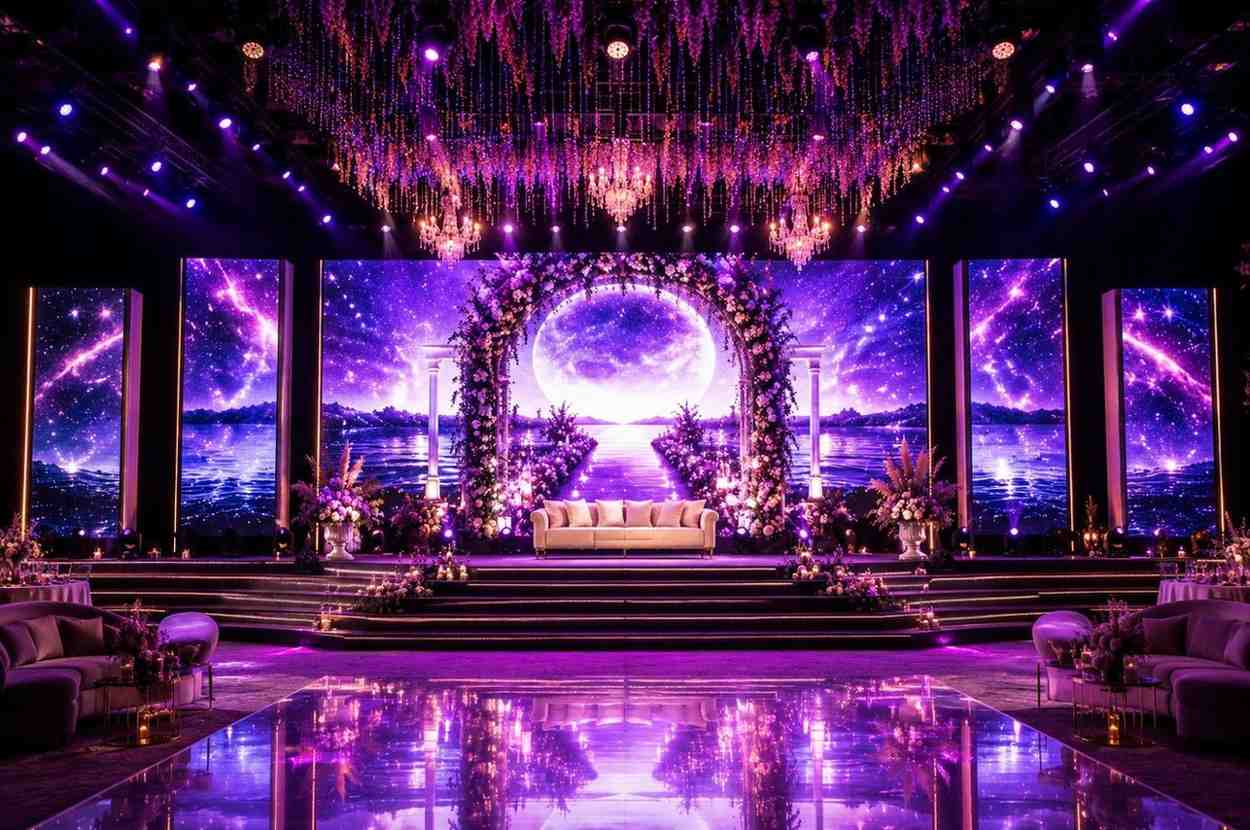
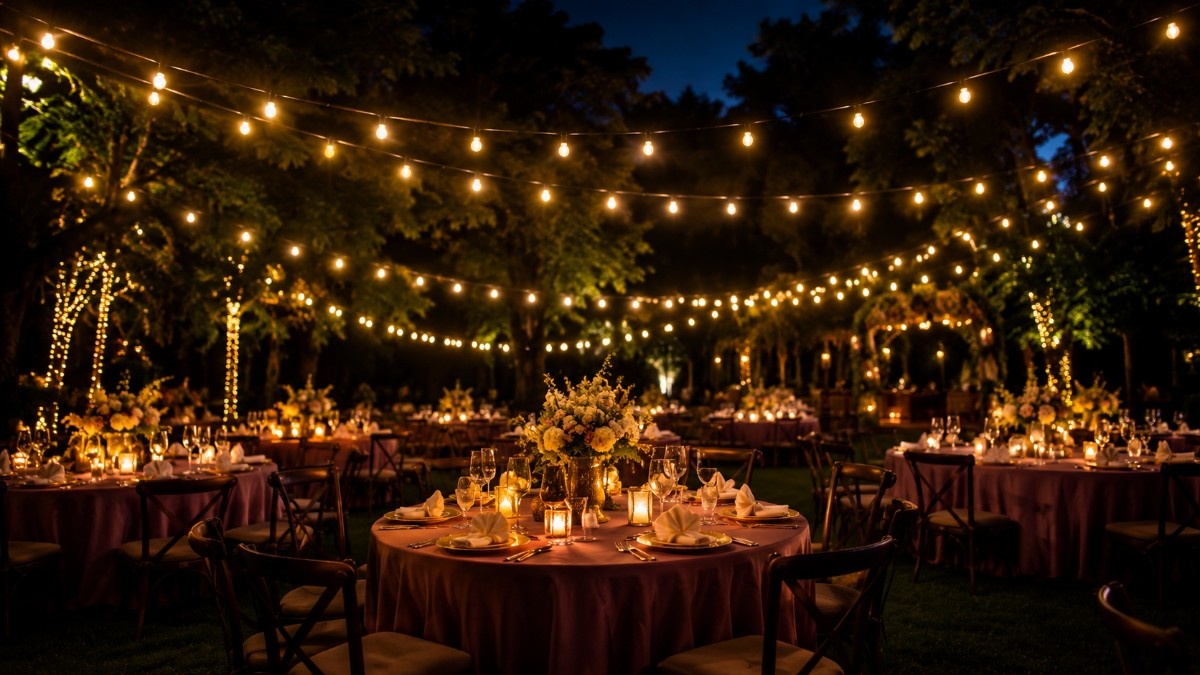 Engagement
 Mehendi
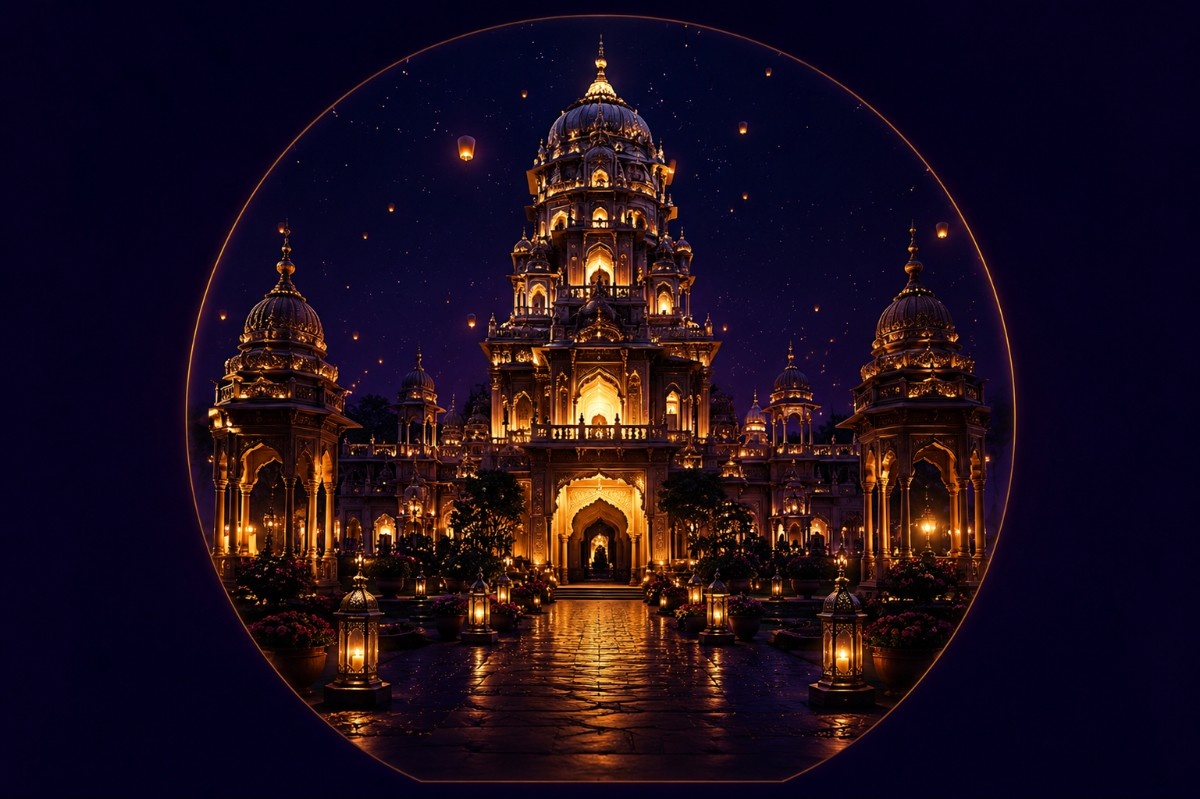 Sangeet
 Haldi
Haldi Wedding
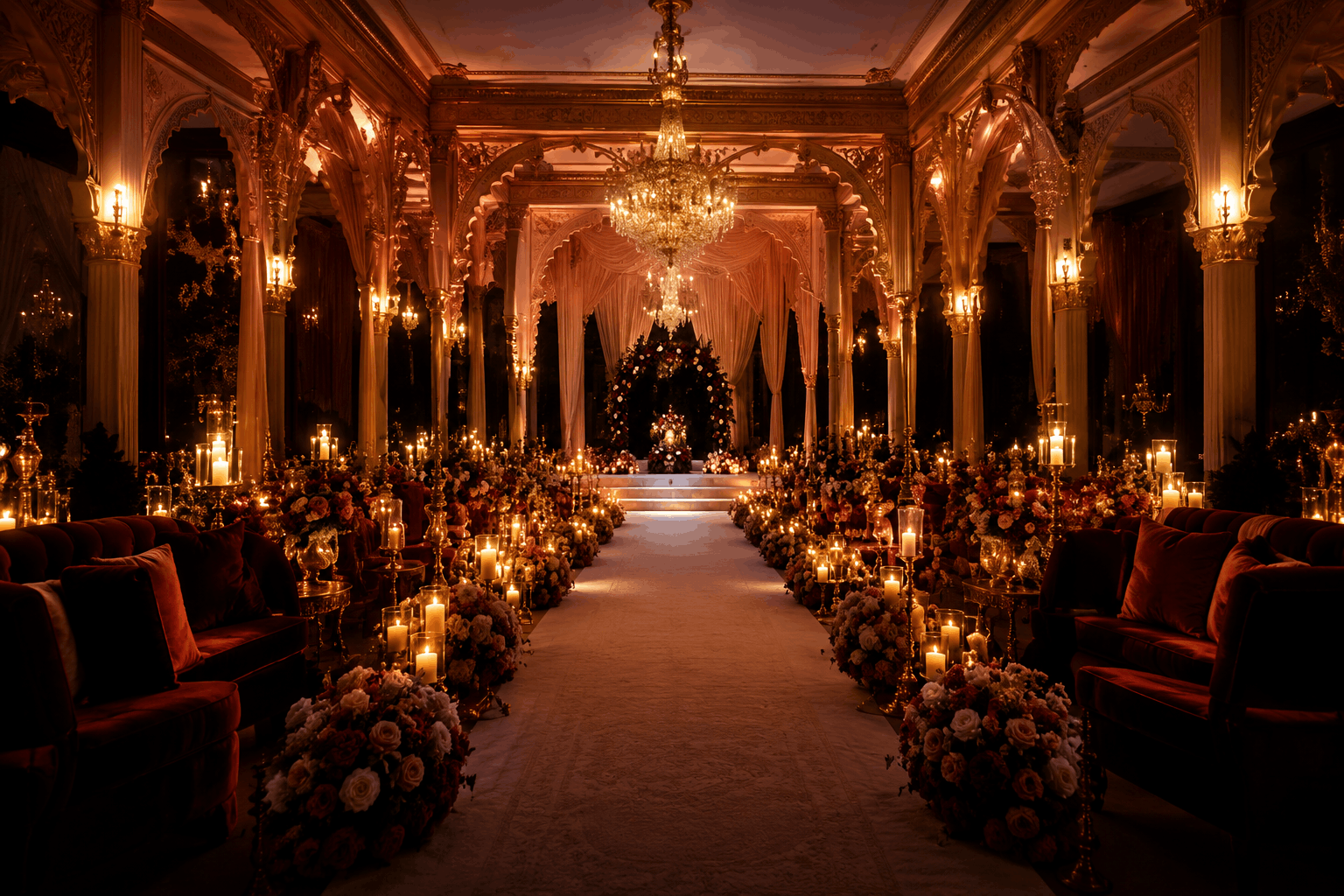 Reception
 Pre Wedding Shoot
 Save The Date Shoot
 Ring Ceremony
 Destination Wedding
 Aviratham (Engagement)
 Guru Pooja
 Kashi Yatra
 Oonjal Ceremony
 Muhurtham
 Vidaai
 Post Wedding Shoot
 Anniversary Celebration
 Vow Renewal
 Honeymoon Celebration
 Bridal Shower
 Bachelor Party
 Bachelorette Party
 Cocktail Party
 House Warming
 Griha Pravesh
 Satyanarayan Puja
 Naming Ceremony
 Thread Ceremony
 Upanayanam
- 400+Curated Events
- 6Event Universes
- 1000+Verified Vendors
- 70+Locations
- 24/7Customer Support


Not sure which packages fits your celebration?
Let Hiya & Hanu help you find the perfect match!
Explore Celebration Packages- AI-Powered MatchingSmart suggestions for you
- Budget OptimizerGet the best experiences in your budget
- End-to-End SupportWe are with you at every step
Serving Celebrations across 75+ locations in India
Curated Celebration Technology Services for Connected Modern Occasions
◆Modern celebrations increasingly combine personal interaction with practical digital tools. From invitations and guest registration to live streaming and interactive entertainment, technology can make an occasion easier to organise and more enjoyable to attend. Curated celebration technology services bring these elements together according to the needs, scale and character of each event.
Mangalore provides an appealing setting for weddings, family occasions, milestone celebrations and professional gatherings. Its combination of coastal surroundings, contemporary venues and traditional cultural influences creates opportunities for very different event styles. Technology can complement these occasions without taking attention away from the people, rituals and experiences that matter most.
The purpose of well-planned event technology is not simply to add screens or digital features. Instead, it should improve communication, simplify coordination and create convenient ways for guests to participate. When every technical element has a clear purpose, the result feels natural rather than overwhelming.
Building a Connected Guest Journey
The guest experience starts before anyone reaches the venue. Digital invitations can introduce the event, while online RSVP systems can collect attendance information and preferences. Automated reminders can then help guests stay informed as the date approaches.
During the celebration, digital schedules, QR codes, interactive displays and mobile-friendly information can provide useful assistance. Guests can access programme details without repeatedly approaching organisers or venue staff.
Afterwards, digital galleries, shared photographs and thank-you messages can continue the experience. This creates a smoother connection between the planning stage, the event itself and the post-celebration follow-up.
For destination guests travelling into Mangalore, this connected approach can be particularly helpful. Accommodation details, venue directions and schedules can be communicated through easily accessible digital channels.
Digital Invitations for Modern Celebrations
Digital invitations offer flexibility across different types of occasions. Wedding invitations can include ceremony schedules, venue maps, RSVP forms and accommodation information in one convenient format.
Birthday celebrations can use more vibrant designs with photographs, activity details and attendance confirmations. For anniversaries and family milestones, personalised digital invitations can establish a warm tone before guests arrive.
Corporate functions may require more structured registration information. Digital invitations can direct attendees towards registration forms, session details and event schedules.
The main advantage is flexibility. If timings or arrangements change, digital information can often be updated without recreating an entire set of printed materials.
Online RSVP and Registration
Guest numbers influence almost every aspect of event planning. Catering, seating, transport, venue arrangements and entertainment all depend on reasonably accurate attendance information.
Online RSVP systems make the process easier for both hosts and guests. Responses can be collected centrally, while organisers can monitor confirmations and identify guests who still need to respond.
For larger events, digital registration can also speed up arrival. Guests can provide information before reaching the venue, reducing manual administration at the entrance.
Wedding planners and corporate organisers can further use registration data to understand dietary preferences, accommodation requirements or session participation.
QR Codes for Guest Convenience
QR technology provides a simple bridge between physical event spaces and digital information. A single code can direct guests to a menu, schedule, seating arrangement, venue map or digital guestbook.
At receptions, QR-based registration can help manage arrivals efficiently. At conferences, codes can provide access to presentations or session information.
QR codes can also reduce the need for excessive printed materials. This can be useful when organisers want to maintain a clean visual environment while still providing comprehensive information.
The design and placement should remain discreet. Codes should be easy to find and scan without becoming visually dominant.
Interactive Guest Engagement
Technology can introduce new ways for guests to participate. Digital guestbooks allow attendees to leave messages, while photo-sharing platforms can collect pictures from multiple people.
Interactive screens can support games, live polls, questions and audience participation. These features can work particularly well for birthdays, corporate gatherings and informal social occasions.
For weddings, guests might contribute messages or photographs that become part of a shared digital display. Corporate audiences can participate in polls or question sessions during presentations.
The right approach depends on the occasion. A formal celebration may benefit from subtle digital interaction, while a lively family event can accommodate more playful features.
Live Streaming and Remote Participation
Travel limitations can prevent some invited guests from attending physically. Live streaming provides an opportunity for them to remain part of important moments.
For wedding ceremonies, relatives living in other cities or countries can watch proceedings remotely. Family celebrations can similarly include guests who cannot travel.
A reliable stream requires more than a camera. Stable connectivity, clear sound, suitable lighting and appropriate camera positioning all contribute to the final experience.
Coordination between streaming teams and audio-visual providers is therefore important. Microphone placement and lighting positions should be tested before the event begins.
Hybrid Event Experiences
Hybrid formats combine physical attendance with online participation. This model is particularly useful for corporate functions, professional conferences and certain large-scale celebrations.
A hybrid event needs careful planning because remote attendees should receive a meaningful experience rather than simply viewing a distant camera feed.
Multiple camera angles, clear microphones, presentation sharing and interactive communication can make online participation more engaging.
For family occasions, a simpler arrangement may be sufficient. The technology should match the number of remote participants and the importance of their involvement.
Digital Displays and Event Visuals
Screens can communicate information while also supporting the visual character of a celebration. Photographs, programmes, presentations and curated content can appear throughout the event.
Wedding receptions may use digital displays for couple photographs or ceremony information. Birthday parties can feature family photographs and personalised visual content.
Corporate occasions can use screens for presentations, speaker information, schedules and professional visual material.
The surrounding décor should remain part of the design. Digital displays should complement floral installations, stage décor, furniture and lighting rather than compete with them.
Technology for Weddings
Weddings often involve multiple ceremonies, guest groups and service providers. Digital tools can make communication more manageable across the entire schedule.
Invitations can provide ceremony details, while RSVP platforms help estimate attendance. QR systems can support venue navigation, registration or digital menus.
Photography and videography can also connect with digital platforms. Guests may access shared galleries or contribute photographs captured during the celebration.
For traditional ceremonies, technology should remain discreet. Audio, displays and streaming should support the proceedings without distracting from cultural rituals or family participation.
Technology for Birthdays and Milestones
Birthday celebrations can benefit from digital invitations, RSVP management, interactive displays and personalised visual content.
Children's celebrations may use interactive games or digital activities, while milestone birthdays can incorporate photographs, video messages and family presentations.
Anniversaries and reunions offer similar opportunities. A collection of photographs from different family members can become part of a digital presentation during the occasion.
Personalisation is particularly valuable for family events. Technology can help organise individual contributions while allowing the celebration to remain warm and personal.
Corporate Celebration Technology
Corporate gatherings often require reliable coordination and clear information. Registration systems can streamline arrival, while digital schedules can help attendees navigate the programme.
Interactive presentations, audience polling and digital networking tools can encourage participation. Large functions may also require live streaming or hybrid capabilities for remote speakers and participants.
Digital displays can provide schedules, speaker information and presentation content throughout the venue.
For professional events, reliability is especially important. Technical systems should be tested thoroughly because interruptions can affect the flow and credibility of the programme.
Integrating Photography and Videography
Digital technology can extend the value of professional event coverage. Photographs can be shared through online galleries, while selected images may appear on venue displays.
Guests can also contribute photographs through controlled sharing platforms. This creates a broader record of the celebration from different perspectives.
Professional photographers and videographers can benefit from organised digital workflows that simplify image delivery and post-event access.
When coordinated properly, photography, videography, displays and guest-sharing tools can create a cohesive visual experience.
Venue Connectivity and Infrastructure
Technology planning should begin with the venue. Internet availability, power capacity, network coverage and equipment access can influence which solutions are practical.
Outdoor functions require additional consideration because equipment may need suitable protection, power distribution and connectivity arrangements.
The position of screens, cameras, speakers and interactive stations should also be planned around guest movement. Technical equipment should never create unnecessary obstacles.
Coordination with venue managers and infrastructure teams can help prevent conflicts during setup and ensure that the technology operates reliably.
Accessibility and Guest Comfort
Digital tools should make participation easier rather than creating another barrier. Information should be easy to read, mobile-friendly and available through straightforward interfaces.
Different age groups may have different levels of comfort with technology. Clear instructions can help older guests, while younger attendees may naturally prefer mobile-based access.
Guests with accessibility requirements should also be considered during planning. Digital information can provide additional flexibility when designed thoughtfully.
The best technology quietly improves convenience for everyone without forcing guests to interact with unnecessary systems.
Privacy and Digital Responsibility
Celebration technology can involve names, contact details, photographs and other personal information. These details should be handled responsibly.
Organisers should understand how registration information is stored and how photographs are shared. Access should be limited where appropriate, particularly for private family occasions.
Guests should also know when photographs or personal contributions may appear on public displays or online platforms.
Choosing established providers and using suitable privacy controls can help protect information while maintaining a convenient digital experience.
Managing Technology Costs
Technology budgets should reflect the actual requirements of the celebration. A small birthday may only need digital invitations and online RSVP, while a large wedding could require streaming, displays, connectivity and technical operators.
The first step is to identify which digital features provide genuine value. Adding technology simply because it looks impressive can increase costs without improving the guest experience.
Setup, testing, staffing and dismantling should also be included when comparing provider quotations.
A well-designed solution does not necessarily require the most expensive equipment. It requires the right combination of tools for the event's objectives.
Selecting a Suitable Technology Provider
The provider should understand both technology and event operations. Experience with weddings, birthdays, corporate functions or destination occasions can be valuable.
Before booking, organisers should discuss equipment, connectivity, technical staffing, setup time and contingency arrangements.
Providers should also coordinate with planners, venue teams, decorators, entertainment suppliers and photographers. This prevents technical requirements from conflicting with other event elements.
For larger celebrations, a technical rehearsal can provide additional confidence before guests arrive.
Preparing for Technical Problems
Even reliable technology can encounter unexpected issues. Internet interruptions, equipment failures and software problems can affect an event if there is no contingency plan.
Important presentations should have offline copies. Streaming arrangements can include backup connectivity where practical. Essential guest information should also remain accessible through alternative methods.
A complete technical test should cover microphones, speakers, screens, cameras, internet connections and presentation systems.
Early testing gives the team enough time to make changes rather than solving problems while guests are already present.
Emerging Digital Possibilities
Event technology continues to evolve. Artificial intelligence, personalised digital content, immersive displays and intelligent event platforms are creating new possibilities for organisers.
However, emerging tools should be evaluated based on usefulness rather than novelty. Technology should improve communication, participation or convenience.
Personalised guest journeys may become increasingly common, allowing attendees to receive relevant schedules, information and recommendations based on their needs.
Immersive experiences can also enhance visual presentation, particularly when integrated carefully with décor, lighting and venue design.
Creating a Balanced Celebration
Technology should never replace the human character of an occasion. Food, décor, entertainment, hospitality and genuine interaction remain central to memorable celebrations.
Curated celebration technology services work best when they support these elements rather than competing with them.
For Mangalore celebrations, digital tools can complement coastal venues, traditional ceremonies, contemporary receptions and destination gatherings in different ways.
The goal is simple: make planning easier, communication clearer and participation more engaging.
Planning Ahead for Better Results
Technology should be considered soon after the venue and event format are confirmed. Early planning allows providers to assess connectivity, equipment requirements and installation possibilities.
This is especially important for larger weddings and corporate occasions involving several technical systems.
A clear event schedule can help teams determine where digital invitations, registration, displays, streaming and interactive features are required.
Coordination with other suppliers should happen before the final setup. This creates a smoother installation process and reduces the possibility of technical conflicts.
Final Thoughts
Curated celebration technology services can make modern occasions more connected without taking away their personal character. Digital invitations, RSVP systems, QR tools, live streaming, interactive displays and connected guest platforms can each provide practical value when selected carefully.
For weddings, birthdays, anniversaries, corporate gatherings and family occasions, the right technology can simplify organisation and improve participation.
The strongest results come from thoughtful integration. When technology works alongside décor, entertainment, photography, venue infrastructure and hospitality, it becomes a natural part of the celebration rather than a distraction.
With early planning, reliable technical support and a clear understanding of guest needs, digital solutions can help create smoother, more inclusive and engaging occasions.
Frequently Asked Questions
1. What are curated celebration technology services?
They are customised digital and technical solutions designed to support invitations, registration, guest engagement, streaming, displays and event coordination.
2. Can technology services be used for weddings?
Yes. Digital invitations, RSVP tools, QR systems, live streaming, displays and online galleries can all support wedding celebrations.
3. Are digital solutions useful for destination celebrations?
Yes. They can simplify guest communication, travel information, venue directions, schedules and remote participation.
4. How can QR codes help at an event?
QR codes can provide access to registration, menus, seating information, schedules, venue maps and digital guestbooks.
5. Can guests participate remotely?
Yes. Live streaming and hybrid event solutions allow guests in other locations to participate virtually.
6. Are event technology services suitable for birthdays?
Yes. Birthday celebrations can use digital invitations, interactive activities, photo displays, video messages and online RSVP systems.
7. Can corporate events use celebration technology?
Yes. Registration, presentations, audience polling, networking, digital displays and hybrid participation can support corporate occasions.
8. What should I check before booking a technology provider?
Review equipment, connectivity, technical staffing, setup requirements, testing procedures, backup arrangements and coordination with other suppliers.
9. Does event technology require strong internet connectivity?
Some services do. Streaming, cloud-based platforms and certain interactive features depend on reliable connectivity, so the venue should be assessed beforehand.
10. When should celebration technology be planned?
Ideally, technology planning should begin once the venue and event format are confirmed, giving providers enough time for assessment, setup and testing.