
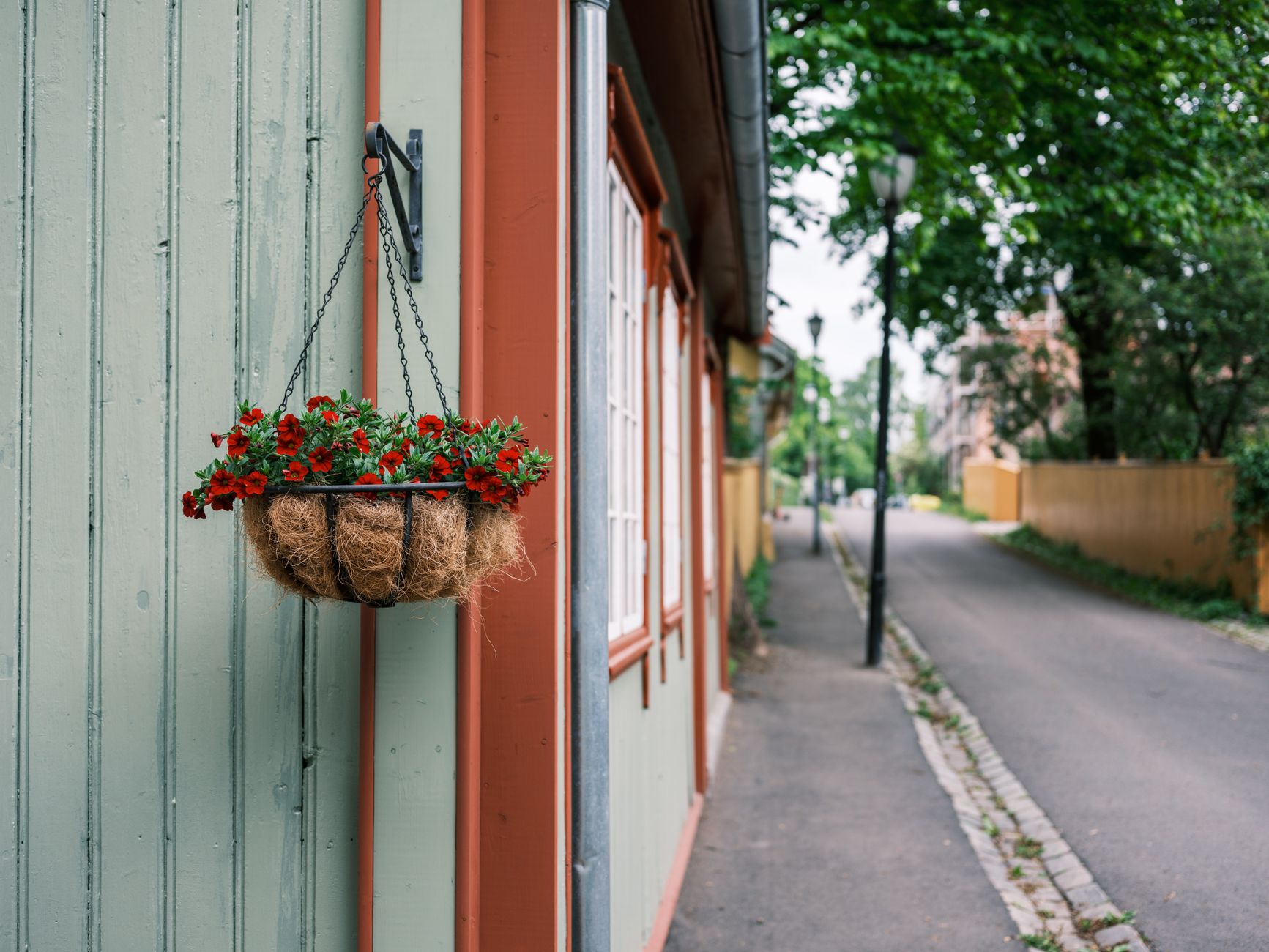
Sacred Blooms in Handcrafted Wood
Religious cermony in Manali
Wooden Flower Baskets for Religious Ceremonies in Manali
Wooden Flower Baskets bring an irreplaceable warmth and sanctity to religious ceremonies in Manali, where the Himalayas themselves feel like a divine backdrop. Whether you are planning a traditional Himachali wedding, a riverside puja, or a temple ceremony near Hadimba Devi, the right floral offering baskets transform every ritual into a sacred visual experience. Crafted from cedar, pine, or walnut — locally sourced woods beloved in the Kullu-Manali valley — these baskets complement eco-friendly religious decor beautifully while honouring generations of mountain ceremonial tradition. Happiffie connects you with verified Manali vendors who customise every basket to your deity, flower preference, and ceremony scale.
Quick Answer
Wooden Flower Baskets are handcrafted containers made from natural wood — commonly pine, cedar, or deodar — used to hold fresh or artificial flowers during religious ceremonies, pujas, and wedding rituals. In Manali, they are a preferred choice because locally sourced Himalayan wood gives them an authentic, sacred aesthetic. They range from simple offering trays to ornately carved decorative ritual baskets and typically cost between INR 500 and INR 5,000 per piece depending on size, carving detail, and flower arrangement.
Why Are Wooden Flower Baskets the Preferred Choice for Manali Ceremonies?
Manali sits at the crossroads of Himachali folk tradition and modern destination weddings, making it one of the few places in India where ancient ceremonial aesthetics coexist naturally with contemporary event design. Wooden Flower Baskets fit seamlessly into both worlds. Unlike plastic or synthetic containers, wood carries a spiritual gravitas recognised across Hindu, Buddhist, and local Pahari traditions. Temples like Hadimba Devi Mandir and Manu Rishi Temple have long used carved wooden articles as sacred objects, and bringing that same material into a puja setup or wedding mandap extends that sanctity into private ceremonies. Additionally, the eco-friendly religious decor ethos is deeply embedded in Manali's culture — guests and families increasingly prefer materials that return to the earth rather than pollute the rivers and valleys they love. Pine and deodar baskets biodegrade naturally, making them ideal for open-air rituals near the Beas River or in alpine meadows. Local artisans in the Old Manali market and Vashisht village carve these baskets with devotional motifs — lotus patterns, kalash shapes, om carvings — that elevate a simple floral arrangement into an offering worthy of the occasion.
Types of Wooden Flower Baskets Available for Religious Ceremonies
Manali vendors supply several distinct types of Wooden Flower Baskets, each suited to a different ritual context. Simple round tray baskets are the most common and affordable option, designed to hold marigold, rose, or wildflower offerings during daily puja. Rectangular handled baskets work well for procession-style rituals — the bride or priest can carry them comfortably during pheras or parikrama. Tall pedestal flower arrangement baskets are popular at wedding mandaps and yagya ceremonies, where height and visual drama matter. Carved panel baskets feature intricate Himachali motifs and are typically reserved for high-visibility positions near the deity idol or havan kund. Finally, nesting basket sets allow families to create layered, tiered displays of flowers, incense, and prasad — a format especially popular at multi-day ceremonies like Saptapadi or Navratri pujas. Decorative ritual baskets in this nesting format often use contrasting woods — light deodar paired with dark walnut — to create a striking two-tone aesthetic that photographs exceptionally well against Manali's snow-peaked backdrop. Ask your vendor whether baskets are treated with natural oils or beeswax to resist the moisture common in high-altitude settings.
How Much Do Wooden Flower Baskets Cost in Manali?
Pricing for Wooden Flower Baskets in Manali follows a straightforward quality ladder. Basic pine tray baskets without carving start around INR 400–700 per piece and are practical for large ceremonies where volume matters more than intricacy. Mid-range handcrafted puja baskets with light engraving — ideal for most wedding ceremonies — fall between INR 1,200 and INR 2,500 each. Premium carved deodar or walnut baskets with detailed motifs and oil finish range from INR 3,000 to INR 5,000 or more per piece. For a standard Manali wedding puja with 50–100 guests, most families budget INR 15,000–40,000 for a full set of baskets, stands, and accompanying floral arrangement baskets. Traditional puja setup packages offered by some vendors bundle baskets, flowers, and placement service, which can offer better value than sourcing each element separately. During peak wedding season (May–June and September–October), demand spikes sharply in Manali — book at least 6–8 weeks in advance to avoid premium surcharges. Off-season bookings in January or February, when Manali is snow-covered and eerily beautiful, often attract 15–25% discounts on decor packages.
Selecting the Right Floral Offering Baskets for Your Ritual
Choosing floral offering baskets is not merely an aesthetic decision — it is a ritual one. Begin by identifying the deity or tradition your ceremony honours. Shakti puja and Devi worship, common at Hadimba-style ceremonies, traditionally favour red and orange flowers in deep, wide baskets that echo the goddess's abundance. Buddhist-influenced ceremonies in the Spiti-adjacent areas near Manali suit simpler, lower baskets with white and yellow blooms. For Himachali wedding decor with a contemporary feel, consider baskets with brass inlay or copper wire detailing, which merge tribal craft with modern elegance. Guest count matters too — intimate gatherings of under 30 people allow for larger, show-stopping individual baskets, while ceremonies of 150 or more guests need a consistent series of smaller, identically styled flower arrangement baskets to maintain visual harmony across the mandap. Always confirm with your pandit or ceremony lead about any wood restrictions; some traditions prohibit certain tree species in sacred spaces. Deodar (Cedrus deodara), whose very name means 'wood of the gods' in Sanskrit, is almost universally auspicious and a safe default for any religious ceremony in Manali.
How Do You Maintain Wooden Flower Baskets During a Mountain Ceremony?
Manali's high-altitude climate — cool temperatures, frequent mist, and occasional rain even in summer — poses specific challenges for Wooden Flower Baskets during outdoor ceremonies. Untreated wood can warp or darken in humid conditions, so always request moisture-treated or beeswax-finished baskets when your event is outdoors or near the Beas River. Line the inside with banana leaf or a thin waterproof sheet before placing fresh flowers; this protects the wood and makes post-ceremony cleaning easy. For mountain temple ceremony settings where baskets may be carried over uneven terrain, choose baskets with reinforced handles or flat bases rather than rounded bottoms that can tip. If you are using eco-friendly religious decor principles and plan to compost or immerse the flowers after the ceremony, choose baskets treated only with natural oils — chemical varnishes can contaminate the environment. Store unused baskets in a dry, shaded area between ceremony segments, particularly during the midday sun when temperature swings in Manali can be significant. A well-maintained deodar basket can serve multiple ceremonies across a multi-day wedding celebration without losing its finish or structural integrity.
Wooden Flower Baskets: Comparing Setup Types for Manali Religious Ceremonies
Expert Recommendation
Best for Intimate Puja Ceremonies (Under 30 Guests)
Best for Destination Weddings in Manali
Best for Large Guest Counts (150+ Guests)
Best for Budget-Conscious Families
Best for Traditional Himachali Rituals
Best for Modern or Fusion Ceremonies
How to Choose the Right Option
✅ Pre-booking Checklist
- Confirm wood type is ritually appropriate for your specific ceremony and deity with your pandit
- Verify whether baskets are moisture-treated if the ceremony is outdoors or in Manali's misty weather
- Decide between purchase and rental based on whether baskets will be repurposed after the ceremony
- Book at least 6–8 weeks in advance during peak May–June and September–October seasons
- Cross-check basket size against available mandap or altar space before finalising quantity
- Request a physical sample or photo reference of carving motifs before placing a bulk order
- Confirm vendor's delivery logistics if the ceremony venue is above Manali town on a mountain road
- Agree on a post-ceremony collection or disposal plan, especially for eco-sensitive riverside venues
🎯 Selection Criteria
- Wood species: choose deodar for auspiciousness, pine for affordability, walnut for premium aesthetics
- Ceremony type: match basket size and style to whether the ritual is processional, static, or altar-based
- Guest count: ensure quantity and visual scale of baskets is proportionate to the ceremony size
- Finish type: select natural oil or beeswax for eco-friendly ceremonies, lacquer for durability in multi-day events
- Vendor credentials: prefer artisans from Old Manali or Vashisht with verifiable portfolio of religious work
- Carving motif: align decorative motifs with the deity or tradition being honoured to maintain ritual integrity
💰 Cost / Quality Factors
- Wood quality and sourcing origin directly affect both price and spiritual appropriateness
- Carving complexity is the single largest driver of cost — intricate motifs can triple the base price
- Seasonal demand in Manali inflates prices and reduces availability during peak wedding months
- Moisture treatment adds 10–15% to the cost but prevents warping during outdoor or riverside ceremonies
- Custom sizing for non-standard mandap configurations requires bespoke orders and longer lead times
- Bundled floral arrangement baskets with flowers and placement service offer better value than piecemeal sourcing
⚠️ Common Mistakes to Avoid
- Ordering without confirming wood species acceptability with the officiating pandit or religious authority
- Choosing untreated baskets for outdoor or riverside Manali ceremonies where moisture causes warping
- Underestimating quantity and ending up with visually sparse decor at large-scale ceremonies
- Booking too late during peak season and receiving lower-quality substitute materials from rushed vendors
- Ignoring basket base stability and ordering round-bottomed baskets for uneven mountain terrain venues
- Mixing too many wood tones without a deliberate design plan, resulting in incoherent visual styling
People Also Ask
What wood is best for flower baskets used in religious ceremonies in Manali?
Can I rent Wooden Flower Baskets for a wedding ceremony in Manali instead of buying?
How many flower baskets do I need for a traditional Himachali wedding puja?
Are Wooden Flower Baskets considered eco-friendly for outdoor ceremonies near the Beas River?
What flowers work best in Wooden Flower Baskets for a puja ceremony in Manali?
How far in advance should I order Wooden Flower Baskets for a Manali ceremony?
Do Wooden Flower Baskets work for Buddhist ceremonies in the Manali region?
Can Wooden Flower Baskets double as wedding decor beyond the puja ritual?
Related Experiences on Happiffie
Sacred Blooms for Every Ritual
Sacred Blooms for Every Ritual in Kumarakom
Sacred Blooms for Your Island Ceremony
Alappuzha Wedding Decor Made Easy
Sacred Temple Weddings in Delhi
Sacred Rides, Island Style
Shelter Your Celebrations in Vizag
Frequently Asked Questions
Where can I source authentic Wooden Flower Baskets for a religious ceremony in Manali?
Are Wooden Flower Baskets appropriate for a puja at Hadimba Devi Temple in Manali?
Can Wooden Flower Baskets withstand Manali's rain and snow during winter ceremonies?
What is the minimum order quantity for custom carved Wooden Flower Baskets in Manali?
How do I transport Wooden Flower Baskets to a high-altitude ceremony venue near Rohtang or Solang Valley?
Do Manali vendors offer complete puja decor packages that include Wooden Flower Baskets and fresh flowers together?
Can Wooden Flower Baskets used in a Manali ceremony be kept as a family heirloom afterward?
Is it possible to personalise Wooden Flower Baskets with the couple's name or wedding date for a Manali ceremony?
Key Takeaways
- Wooden Flower Baskets are a sacred and aesthetically powerful choice for religious ceremonies in Manali, rooted in Himachali craft tradition.
- Deodar cedar is the most auspicious and weather-resistant wood for Manali's mountain climate — ideal for outdoor pujas and riverside rituals.
- Prices range from INR 400 for plain pine trays to INR 5,000-plus for premium carved walnut baskets, with full ceremony sets typically costing INR 15,000–40,000.
- Book at least 6–8 weeks in advance during peak wedding seasons (May–June, September–October) to secure quality craftsmanship.
- Always confirm wood species and carving motifs with your pandit before ordering to ensure ritual appropriateness.
- Moisture-treated or beeswax-finished baskets are essential for outdoor or riverside ceremonies in Manali's humid mountain conditions.
- Handled floral offering baskets double as bridal accessories during processions and photograph beautifully against alpine backdrops.
- Eco-friendly religious decor principles strongly favour natural-oil-finished or untreated wooden baskets that biodegrade without harming Manali's environment.
Find the Perfect Wooden Flower Baskets for Your Manali Ceremony
Browse Happiffie's verified Manali vendors for handcrafted puja baskets, full decor packages, and personalised flower arrangements tailored to your sacred occasion.
Explore Manali Vendors
Are you a Vendor? Grow Your Business with Happiffie!
- High intent verified leads
- Reverse auction opportunities
- AI business tools & insights
- Dedicated vendor dashboard
- Grow your business, your way
It's free & takes less than 2 minutes!