
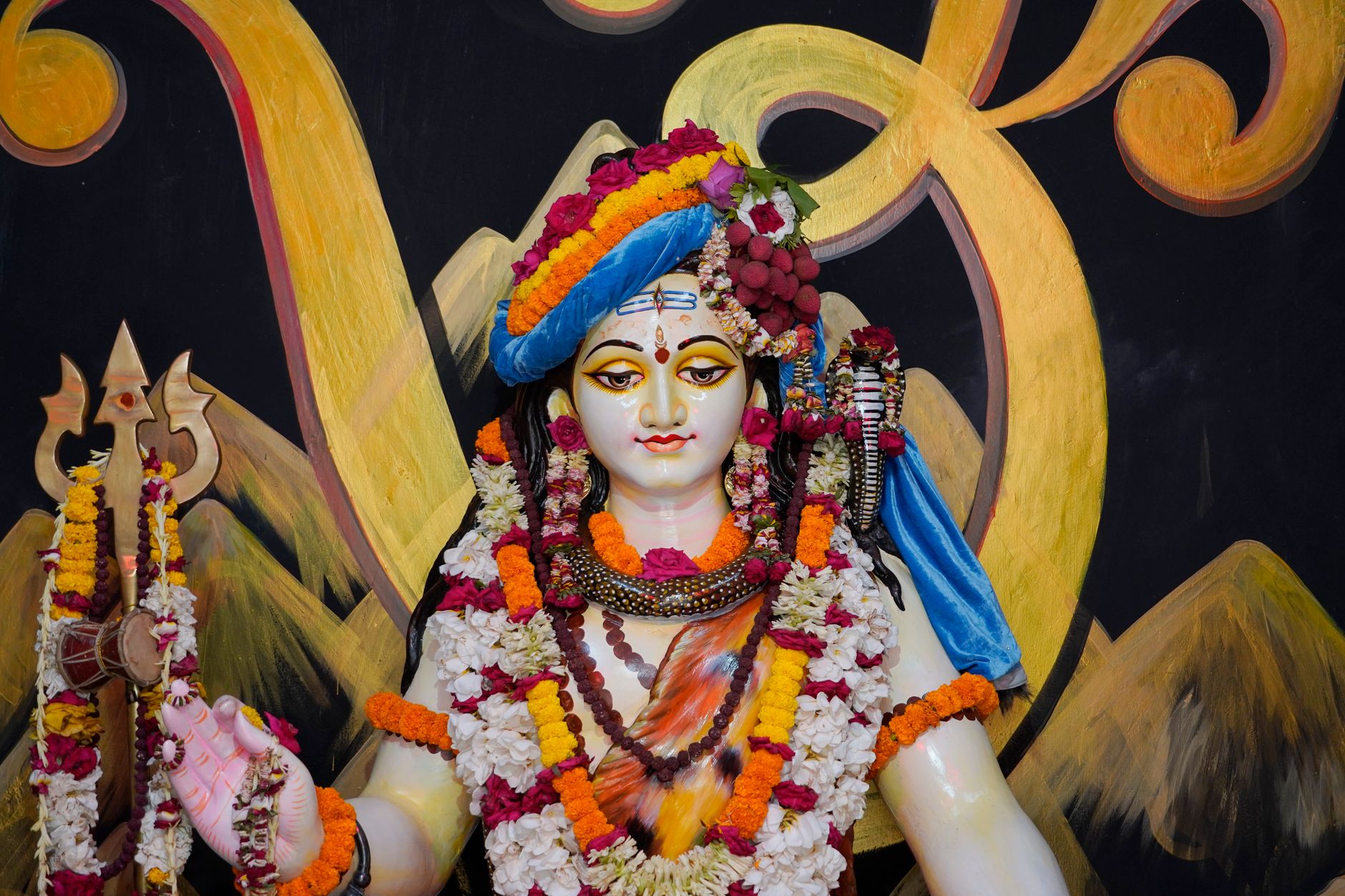
Divine Bhajans for Your Manali Ceremony
Religious cermony in Manali
Shiva Bhajan Group in Manali for Ceremonies & Pujas
Manali's sacred Himalayan backdrop — with the ancient Hadimba Devi Temple and the Manu Maharishi Temple just minutes away — makes it one of India's most spiritually charged destinations for religious gatherings. Whether you are hosting a griha pravesh, a Maha Shivratri pooja, a satyanarayan katha, or a destination wedding with Vedic rituals, a live Shiva Bhajan Group transforms the atmosphere from a simple ceremony into a deeply moving spiritual experience. Unlike recorded music, a devotional singing group brings authentic call-and-response energy that resonates with guests of all ages. Pair them with thoughtful puja decoration and ambience for a mountain temple ritual music experience that guests will remember for years.
Quick Answer
A Shiva Bhajan Group is a trained ensemble of devotional singers and instrumentalists who perform Lord Shiva-themed bhajans, stotras, and aartis live at religious ceremonies. In Manali, such groups typically include 4–10 performers playing harmonium, tabla, dholak, and manjira. They are booked for pujas, havan ceremonies, Shivratri celebrations, destination weddings, and community religious events, with costs ranging from approximately ₹8,000 to ₹50,000+ depending on group size and duration.
Why Does a Live Shiva Bhajan Group Elevate Your Manali Ceremony?
Manali sits at roughly 2,050 metres above sea level, and its crisp mountain air and pine-forested surroundings already create a natural sense of reverence. Adding a live Shiva Bhajan Group amplifies this energy in a way that a speaker playing a playlist simply cannot replicate. Live bhajan performers read the room — they slow the tempo during the most meditative moments of a havan, pick up the rhythm during aarti, and keep elderly family members and young children equally engaged through familiar compositions like Om Namah Shivaya and Har Har Mahadev. A devotional singing group also coordinates naturally with the priest, pausing between mantras and resuming at cues, which keeps the ritual flow intact. For a Hindu religious ceremony in Manali, this synchronisation between music and ritual is not a luxury — it is what separates a memorable ceremony from a forgettable one. Families hosting multi-day events such as a mundan, thread ceremony, or pre-wedding pooja particularly benefit because the group can adjust the set list across sessions.
Typical Repertoire and Instruments Used by a Bhajan Singers for Puja
Understanding what bhajan singers for puja actually perform helps you assess whether a group fits your ceremony's religious tone. Most Shiva-focused groups in and around Manali perform a blend of classical Shiva stotras (Shiv Tandav Stotram, Mahamrityunjaya Mantra), popular devotional bhajans (Bholenath Se Nirali, Om Jai Shiv Omkara), and regional Himachali Shiv devotional folk compositions that resonate especially well in mountain settings. Instrumentation typically includes harmonium as the melodic anchor, tabla or pakhawaj for rhythmic grounding, dholak for festive energy during aarti, and manjira (hand cymbals) for all participants. Some groups also incorporate a bansuri or sarangi for an additional meditative quality, which pairs beautifully with the spiritual event planning in Himachal Pradesh. A Shiv kirtan mandali format — where the audience joins in the chorus — is particularly popular for events with 50 or more guests because it creates collective devotion rather than passive listening.
How Much Does a Shiva Bhajan Group Cost in Manali?
Pricing for a Shiva Bhajan Group in Manali varies based on group size, performance duration, travel distance from Kullu or Manali town, and the complexity of the repertoire. As a general benchmark: a small 4-member religious bhajan party performing for 2 hours costs approximately ₹8,000–₹15,000. A mid-size 6–8 member devotional singing group with harmonium, tabla, and dholak for 3–4 hours typically costs ₹18,000–₹32,000. A premium 10-member Shiv kirtan mandali with amplification equipment included, performing across a full-day event, can cost ₹40,000–₹60,000 or more. Travel surcharges apply if the venue is above Manali town — locations like Solang Valley, Sissu, or remote riverside camps may attract an additional ₹2,000–₹5,000. Always confirm whether the quoted rate includes PA system rental, travel, and prasad distribution support. Transparent itemised quotes prevent last-minute surprises, especially for destination events where logistics are more complex.
Choosing the Right Group for Mountain Temple Ritual Music
Selecting a group for mountain temple ritual music in Manali requires evaluating factors beyond singing ability. First, assess acoustic compatibility — open-air venues near the Beas River or terraced hotel lawns require groups with adequate amplification, while smaller indoor pooja rooms in guesthouses call for unplugged or softly amplified performances. Second, verify the group's familiarity with local Himachali temple traditions; groups based in Kullu-Manali are often more attuned to regional customs than groups travelling from Chandigarh or Delhi. Third, confirm language capability — Manali's diverse visitor base may call for bhajans in Hindi, Sanskrit, or even Pahadi dialect depending on family background. A thorough spiritual event planning in Himachal conversation with the group leader before booking ensures alignment. Finally, ask for a sample audio or video of a recent live performance specifically at an outdoor or high-altitude venue, as microphone handling and acoustic tuning differ significantly in mountain conditions.
What Occasions in Manali Call for a Shiva Bhajan Group?
The occasions that naturally call for a Shiva Bhajan Group in Manali are broader than most families initially assume. The most common booking is for Maha Shivratri celebrations — Manali's proximity to Shiva temples makes it a pilgrimage hub during this festival, and a devotional singing group adds communal energy to overnight jagrans. Destination weddings with Vedic rituals are the second-largest category: many couples arriving from metros choose Manali precisely for its divine mountain ambience, and bhajan singers for puja during the pre-wedding havan and welcome ceremony set a sacred tone from the start. Other occasions include satyanarayan kathas at rented villa venues, navratri jagratas, mundan and annaprashan ceremonies, griha pravesh blessings when families move into new Manali properties, and annual family religious gatherings. Even corporate retreats with a spiritual theme — increasingly popular in Himachal Pradesh — book a Shiv kirtan mandali for an evening satsang session. Puja decoration and ambience coordinated alongside the group creates a complete sensory experience for guests across all these occasions.
Shiva Bhajan Group Setup Types: A Practical Comparison for Manali Events
Expert Recommendation
Best for intimate home pujas
Best for destination weddings
Best for large community gatherings
Best for budget-conscious families
Best for outdoor mountain venues
Best for spiritually themed corporate retreats
How to Choose the Right Option
✅ Pre-booking Checklist
- Confirm the group's experience with outdoor or high-altitude venue performances in Manali or Kullu
- Request a live audio or video sample from a recent comparable ceremony
- Clarify whether the quote includes PA system, travel, and accommodation costs
- Share your complete ceremony schedule so the group can align their set list with ritual moments
- Submit your customised bhajan and stotra list at least 7–10 days before the event
- Verify cancellation, postponement, and weather contingency clauses in the written agreement
- Confirm the group's arrival time — they should arrive at least 60–90 minutes before ceremonies begin for sound check
- Check that they have performed within Manali town or nearby areas and understand local temple protocol
🎯 Selection Criteria
- Performance experience specifically at religious ceremonies, not just concerts or cultural shows
- Familiarity with Himachali temple traditions and regional devotional styles
- Technical capability — appropriate PA system for your venue size and type
- Flexibility in repertoire to accommodate both classical stotras and accessible popular bhajans
- Clear communication from the group leader and a written agreement covering all terms
💰 Cost / Quality Factors
- Group size directly impacts both cost and sound volume — match size to guest count and venue
- Travel distance from base location to your Manali venue affects surcharge costs
- Peak season (May–October) and festival dates command higher rates; off-season offers savings
- Inclusion of sound equipment in the package significantly affects total cost calculation
- Duration of performance — per-hour extensions after the contracted period carry additional charges
- Group reputation and references from similar events provide the strongest quality assurance
⚠️ Common Mistakes to Avoid
- Booking a group without confirming their outdoor amplification capability for mountain venues
- Not sharing the ceremony schedule in advance, causing music to clash with priest-led mantras
- Choosing the cheapest option without verifying live performance quality through a sample
- Forgetting to account for travel surcharges when calculating the total event budget
- Skipping a written contract and relying on verbal agreements for destination events
- Booking too late during Shivratri or peak wedding season and losing preferred groups to other clients
People Also Ask
How many members should a Shiva Bhajan Group have for a small home puja in Manali?
Can a Shiva Bhajan Group perform outdoors near the Beas River in Manali?
What is the difference between a Shiv kirtan mandali and a regular bhajan group?
How far in advance should I book a Shiva Bhajan Group for a Manali destination event?
Do bhajan singers for puja in Manali provide their own sound equipment?
Is it possible to request specific bhajans or stotras from a devotional singing group?
What should I check in a contract with a religious bhajan party for a destination event?
Can a Shiva Bhajan Group also perform at a Himachali temple venue in Manali?
Related Experiences on Happiffie
Sacred Voices for Every Ceremony
Sacred Bhajan Groups in Manali
Sacred Bhajan Singers for Your Island Pooja
Toast Your Sacred Moments in Manali
Sacred Beats on Andaman Shores
Plan Your Udaipur Event Online
Transform Every Party with Balloons
Frequently Asked Questions
What is a Shiva Bhajan Group and what do they perform at ceremonies in Manali?
How much does a Shiva Bhajan Group cost in Manali?
Can I book a Shiva Bhajan Group for a destination wedding in Manali?
Do Shiva Bhajan Groups in Manali perform at outdoor venues?
What occasions in Manali are most suitable for a Shiva Bhajan Group?
How do I customise the set list for a Shiva Bhajan Group at my ceremony?
What should a contract with a religious bhajan party in Manali include?
Is a Shiv kirtan mandali the same as a Shiva Bhajan Group?
Key Takeaways
- A live Shiva Bhajan Group elevates Manali religious ceremonies by synchronising devotional music with ritual flow in a way recorded music cannot.
- Group size should match your guest count: 4 members for intimate gatherings up to 40 guests, 8–10 members for large jagratas of 100 or more.
- Costs range from approximately ₹8,000 for a small 2-hour session to ₹60,000 or more for a full-day premium Shiv kirtan mandali with equipment.
- Always confirm whether PA systems, travel, and accommodation are included in the quoted price to avoid last-minute budget surprises.
- Groups with direct experience at high-altitude and outdoor Manali venues handle acoustic challenges far better than groups unfamiliar with mountain settings.
- Customised set lists submitted 7–10 days before the event ensure the music aligns with your specific ritual moments and family preferences.
- Book 4–6 weeks in advance during peak season and festival periods; top groups fill quickly for Shivratri, Navratri, and wedding season.
- A written contract covering all terms — performers, duration, equipment, cancellation policy, and payment schedule — is non-negotiable for destination events.
Book Your Shiva Bhajan Group in Manali Today
Compare verified devotional singing groups on Happiffie and create a truly sacred ceremony experience in the heart of the Himalayas.
Explore Bhajan Groups
Are you a Vendor? Grow Your Business with Happiffie!
- High intent verified leads
- Reverse auction opportunities
- AI business tools & insights
- Dedicated vendor dashboard
- Grow your business, your way
It's free & takes less than 2 minutes!