
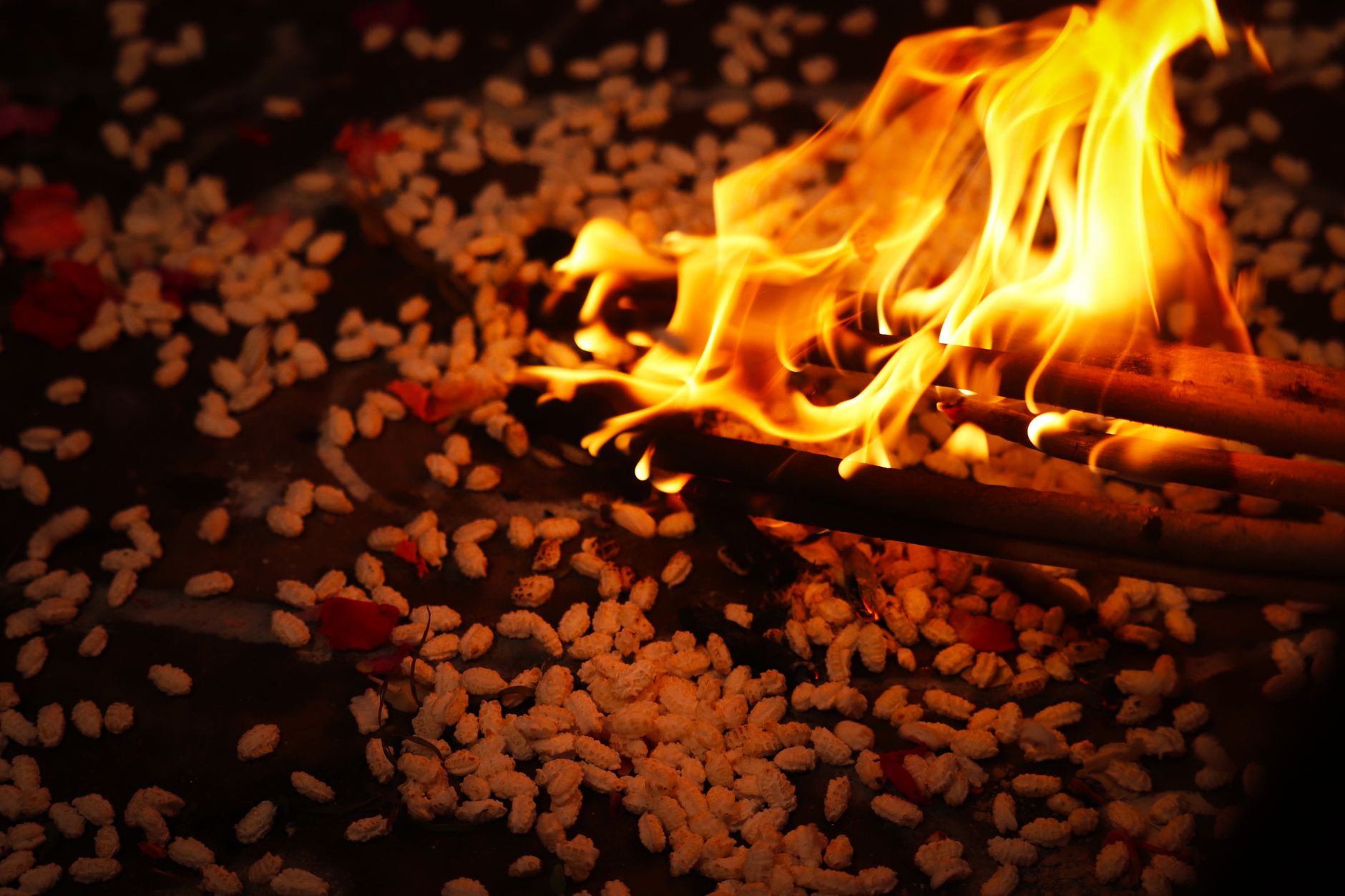
Sacred Homam Kits for Madurai Rituals
Religious cermony in Madurai
Homam Samagri Kit in Madurai: Complete Ritual Essentials
A complete Homam Samagri Kit is the foundation of every sacred fire ritual performed in Madurai's homes, temples, and wedding mandapams. Whether you are arranging a Ganapathi Homam before a wedding, a Navagraha Homam during an auspicious muhurtham ceremony, or a Sudarsana Homam at a neighbourhood Madurai temple ceremony, having all ritual materials sourced, measured, and packed together saves hours of last-minute effort. A quality pooja samagri set ensures the priest can conduct the entire ritual without interruption, honouring Tamil tradition with the right herbs, ghee, and sacred woods from start to finish.
Quick Answer
A Homam Samagri Kit is a curated, pre-measured collection of all materials required to perform a Vedic fire ritual (homam or havan). It typically includes samidha (sacred firewood), ghee, navadhaniyam (nine grains), turmeric, kumkum, camphor, havan kund, and ritual herbs specific to the deity being invoked. In Madurai, these kits are available for rituals ranging from small domestic pujas to large wedding homams, with prices generally starting from ₹500 for basic sets and reaching ₹5,000 or more for comprehensive wedding-grade packages.
What Does a Homam Samagri Kit Typically Include?
A standard Homam Samagri Kit contains samidha (dried sacred wood sticks, usually from vanni or mango trees), pure cow ghee, navadhaniyam, seasame seeds (til), camphor tablets, dried coconut pieces, and specific herbs matched to the ritual's presiding deity. Wedding-grade kits also include a havan kund (copper or clay fire vessel), pancha patra, and dharbha grass. In Madurai, priests performing rituals near the Meenakshi Amman Temple or in Kalavasal homes often request kits that additionally carry South Indian specifics such as vetrilai (betel leaves), paakku (areca nut), and manjal (raw turmeric). A well-assembled pooja samagri set removes the guesswork for families, especially those who are not familiar with which individual item goes into which ritual stage. Always confirm with your purohit which deity-specific add-ons are needed before placing an order.
Homam Types Popular in Madurai and the Right Kit for Each
Madurai families perform a wide variety of homams tied to life events and the Tamil calendar. Ganapathi Homam is performed before weddings and griha pravesh events to remove obstacles — the corresponding havan samagri pack is relatively compact and takes roughly 45 minutes. Navagraha Homam, common before naming ceremonies and during Saturn transit periods, requires nine separate grain and herb portions and a larger yajna samagri collection. Sudarsana Homam, closely associated with the Meenakshi Amman Temple tradition, demands specific tulsi, lotus seeds, and red flowers not always found in generic kits. Ayusha Homam for longevity and Mrityunjaya Homam for health restoration are popular in older neighbourhoods like SS Colony and Simmakkal. Each ritual type has a different item count, and choosing a ritual-specific Homam Samagri Kit rather than a generic one ensures nothing critical is missed during the ceremony.
How Much Does a Homam Samagri Kit Cost in Madurai?
Pricing for a Homam Samagri Kit in Madurai varies based on ritual complexity, ingredient purity, and whether the kit includes a havan kund. A basic domestic kit for a Ganapathi Homam starts around ₹500–₹800 and covers a small family ceremony. Mid-range kits for Navagraha or Ayusha Homam typically cost ₹1,200–₹2,500 and include measured portions for all ritual stages. Wedding-grade vedic ritual supplies for a Saptapadi or Vivah Homam, conducted at marriage halls in Goripalayam or Anna Nagar, range from ₹3,000–₹5,500 and include a copper kund, dharbha mat, and full priest-guideline card. Organic or Panchagavya-certified ingredient kits carry a 20–35% premium but are increasingly requested by families seeking traditional Tamil puja items free from synthetic additives. Delivery within Madurai city typically adds ₹50–₹150 depending on distance.
Traditional Tamil Puja Items vs. North Indian Havan Packs: Key Differences
A common confusion among Madurai families is ordering a generic North Indian havan samagri pack and discovering it lacks South Indian essentials. Tamil homam tradition places special emphasis on coconut, banana, and specific South Indian flowers like kanakambaram, which are absent in most pan-India kits. The yajna samagri collection used in Tamil Nadu also incorporates ellu (sesame) in larger quantities and uses different wood varieties such as vanni and erukku compared to the palash wood dominant in North Indian sets. Sanskrit mantra ritual setup protocols in Madurai follow the Yajur Veda Apastamba Sutra, which specifies different offering sequences from the Rigvedic traditions followed further north. When sourcing your Homam Samagri Kit in Madurai, always specify Tamil-tradition or Agamic-tradition so that the supplier assembles the correct regional combination of items.
How Should You Store and Prepare a Homam Samagri Kit Before the Ritual?
Proper preparation of your Homam Samagri Kit begins at least 48 hours before the auspicious muhurtham ceremony. Store the kit in a dry, clean room away from moisture — Madurai's humid climate between June and September can cause samidha to absorb dampness, which slows ignition significantly. Ghee should remain refrigerated until the morning of the ritual and brought to room temperature two hours before the ceremony starts. Separate all herb portions into individual small bowls or banana leaf pouches so the priest can move swiftly through each ahuti (offering) without delay. If your Madurai temple ceremony is outdoors — common in agricultural neighbourhoods like Thirumangalam or Melur — keep camphor in an airtight container to prevent melting. Check the vedic ritual supplies against the priest's checklist on the evening before to allow time for any last-minute sourcing.
Homam Samagri Kit Types: Comparing Your Options in Madurai
Expert Recommendation
Best for Intimate Home Ceremonies
Best for Large Wedding Mandapams
Best for Budget-Conscious Families
Best for Traditional Tamil Agamic Rituals
Best for Destination or Outdoor Ceremonies
Best for First-Time Organisers
How to Choose the Right Option
✅ Pre-booking Checklist
- Confirm the ritual type and presiding deity with your purohit at least 10 days before the ceremony
- Verify whether the supplier assembles kits in Tamil Agamic tradition or generic North Indian format
- Check that ghee included is pure cow ghee — not vanaspati or blended fat
- Ensure samidha wood is dry and crack-free; reject damp or green wood bundles
- Confirm delivery timeline and request same-day delivery only for central Madurai localities
- Cross-check the supplied kit against your priest's personal checklist the evening before the ritual
- For outdoor venues, request sealed, moisture-proof packaging for camphor and herb portions
- Confirm whether the havan kund is included or must be arranged separately
🎯 Selection Criteria
- Ritual-specific assembly: kit must match the exact homam type, not a generic bundle
- Ingredient authenticity: pure cow ghee, naturally dried samidha, and chemical-free herbs
- South Indian tradition compliance: inclusion of regional items like vanni wood and vetrilai
- Quantity adequacy: sufficient for the planned ritual duration without mid-ceremony shortages
- Supplier reputation: established providers with purohit partnerships in Madurai
- Delivery reliability: confirmed lead time with a contingency source for missing items
💰 Cost / Quality Factors
- Number of ritual stages directly determines the quantity of herbs, ghee, and samidha required
- Organic certification adds cost but improves ingredient purity and ritual fragrance
- Distance from central Madurai affects delivery feasibility and timing for same-day orders
- Wedding-season demand (Panguni, Vaikasi, Karthigai months) inflates kit prices by up to 20%
- Havan kund material — copper vs. clay — affects heat retention and ritual duration
- Priest's specific Vedic tradition (Apastamba, Baudhayana) determines which wood and grain variants are required
⚠️ Common Mistakes to Avoid
- Ordering a generic havan samagri pack without specifying Tamil or South Indian tradition requirements
- Booking same-day delivery in outer areas like Melur or Thirumangalam, where logistics are limited
- Skipping the priest's personal checklist cross-check, leading to missing deity-specific items on the day
- Substituting vanaspati or refined oil for cow ghee, which is ritually incorrect and affects smoke quality
- Storing samidha in a damp room days before the ceremony, causing poor ignition during the ritual
- Assuming one standard kit covers multiple different homam types at the same wedding event
People Also Ask
Can I order a Homam Samagri Kit online with delivery in Madurai?
How many people can one standard Homam Samagri Kit serve?
What is the difference between a Homam Samagri Kit and a regular pooja samagri set?
Which homams are most commonly performed at Madurai weddings?
Is organic ghee necessary in a Homam Samagri Kit?
How far in advance should I book a Homam Samagri Kit for a Madurai wedding?
Can the Homam Samagri Kit be customised for a specific deity?
What is the typical duration of a homam in Madurai, and does it affect kit quantity?
Related Experiences on Happiffie
Gujarati Pooja Thali Set — Haridwar
Complete Havan Samagri Kit Delivered
Authentic Oonjal Ritual Supplies, Madurai
Sacred Jain Wedding Samagri, Jaipur
Sacred Temple Ceremony Spaces in Indore
Sacred Tamil Wedding Essentials in Vijayawada
Authentic Malayalam Weddings in Kolkata
Sacred Muhurtham Kits, Mahabalipuram
Frequently Asked Questions
Where can I find a Homam Samagri Kit in Madurai with South Indian ingredients?
Is one Homam Samagri Kit enough for a full Tamil wedding with multiple rituals?
Can I get a Homam Samagri Kit delivered to a wedding venue in Goripalayam or Anna Nagar on the morning of the event?
What wood is used in Madurai homam kits, and why does it matter?
Do Homam Samagri Kit prices in Madurai include the havan kund?
Are there Homam Samagri Kits available for non-Hindu ceremonies in Madurai?
How do I know if the ghee in a Madurai Homam Samagri Kit is genuine cow ghee?
Can Happiffie help me find a Homam Samagri Kit along with a purohit in Madurai?
Key Takeaways
- A Homam Samagri Kit is a ritual-specific, pre-measured bundle — it cannot be substituted with a generic daily pooja samagri set.
- Madurai's Tamil Agamic ritual tradition requires region-specific items like vanni wood, vetrilai, and kanakambaram that are absent from North Indian havan packs.
- Pricing ranges from ₹500 for basic home kits to ₹5,500 for comprehensive wedding-grade packages covering multiple ceremony types.
- Book 7–10 days in advance during peak Tamil wedding months — Panguni, Vaikasi, and Karthigai — to ensure fresh, correctly assembled kits.
- Always verify ghee purity; pure cow ghee is a non-negotiable ritual ingredient that directly affects the ceremony's authenticity and fragrance.
- Outdoor ceremonies near Madurai's suburban venues require weatherproof, moisture-sealed packaging to protect camphor and dried herb portions.
- Deity-specific customisation is available from specialist suppliers and should be coordinated directly with the purohit to ensure Vedic compliance.
- Happiffie connects Madurai families with verified, tradition-aware ritual supply vendors who understand both Tamil ceremony requirements and delivery logistics.
Book Your Homam Samagri Kit in Madurai Today
Connect with verified ritual supply vendors on Happiffie and ensure your sacred ceremony has every ingredient, measured and ready.
Find Ritual Suppliers
Are you a Vendor? Grow Your Business with Happiffie!
- High intent verified leads
- Reverse auction opportunities
- AI business tools & insights
- Dedicated vendor dashboard
- Grow your business, your way
It's free & takes less than 2 minutes!