
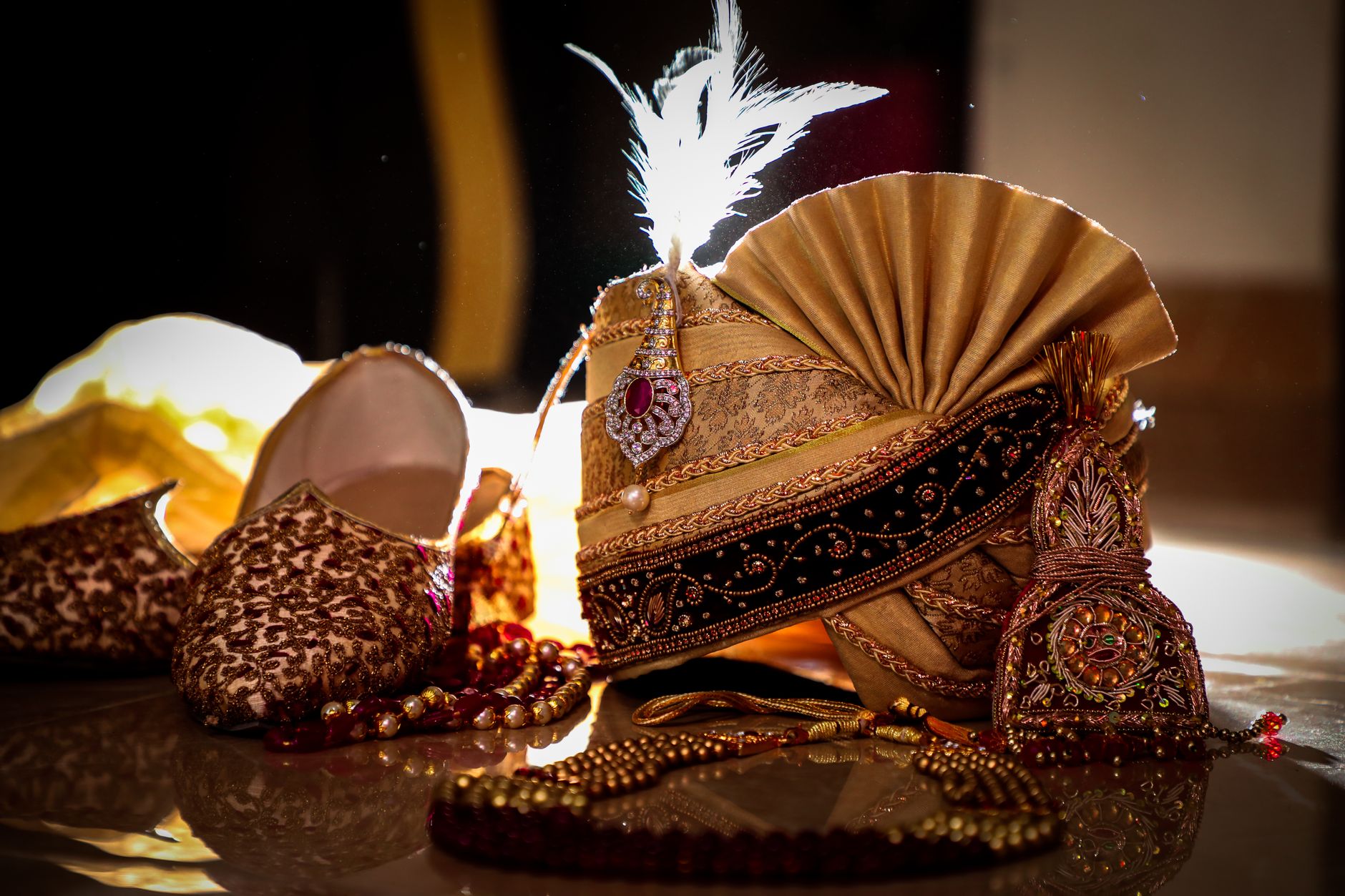
Step Into Your Perfect Wedding Look
Costume in Lucknow
Ethnic Wedding Footwear in Lucknow: Complete Bridal Guide
Lucknow has always been a city where elegance lives in the details, and nowhere is that more evident than in ethnic wedding footwear. From the narrow gullies of Aminabad to the boutique ateliers of Hazratganj, the city offers an extraordinary range of bridal juttis and mojaris, hand-stitched with zardozi, resham, and mirror work that mirrors the grandeur of a North Indian shaadi. Whether you are assembling a complete bridal trousseau or simply searching for that one pair that completes your Lucknow chikankari wedding outfit, the right footwear elevates every step you take down the mandap aisle.
Quick Answer
Ethnic wedding footwear refers to traditional Indian footwear styles — including juttis, mojaris, kolhapuris, and embroidered sandals — crafted from leather, silk, or fabric and adorned with zardozi, resham, or mirror embellishments. In Lucknow, these styles are deeply tied to the city's Nawabi craft heritage and are available across price ranges from approximately ₹800 to ₹15,000, making them central to any North Indian bridal trousseau.
Why Is Lucknow the Ideal City to Source Ethnic Wedding Footwear?
Lucknow's centuries-old craft tradition makes it one of the most distinguished cities in India for ethnic wedding footwear. The city's artisans have inherited skills passed down through Nawabi eras, specialising in intricate hand embroidery, zardozi work, and fine leather craftsmanship that is difficult to replicate elsewhere. Markets such as Aminabad, Chowk, and Hazratganj stock a remarkable variety of styles — from slim pointed-toe mojaris for grooms to heavily embellished bridal juttis and mojaris for brides. The concentration of skilled karigar communities means buyers can often commission custom designs, choosing their own colour palette, embroidery motif, and sole material to perfectly complement a Lucknow chikankari wedding outfit or a heavily worked Banarasi lehenga. This artisanal depth gives Lucknow a competitive edge over mass-produced options available in larger metros.
Popular Styles and Craft Techniques to Know
Understanding style categories helps you make a confident choice. Traditional wedding shoes in Lucknow fall into several distinct types. Mojaris are the most iconic — soft leather uppers with a curled toe, often covered in zardozi or silk thread embroidery. Juttis, originally from Punjab, have been adopted widely and are now produced in Lucknow with a distinctly Awadhi embellishment sensibility. Embroidered wedding sandals with open backs offer practicality for mehendi and sangeet functions where comfort matters across long hours of dancing. Kolhapuri-inspired flat sandals with leather straps suit outdoor garden weddings and destination ceremonies. Handcrafted bridal footwear made using the nakshi or resham-thread technique is especially popular for day ceremonies because of its lighter embellishment and breathable construction. Each technique carries a different price point and visual weight, so matching the craft to your wedding function and outfit is essential for cohesive shaadi styling in Lucknow.
How Much Does Ethnic Wedding Footwear Cost in Lucknow?
Pricing for ethnic wedding footwear in Lucknow spans a wide spectrum, making it accessible to most budgets. Entry-level machine-embroidered juttis begin at roughly ₹800–₹1,500 and are suitable for guests or secondary functions. Mid-range handcrafted bridal footwear with resham or gota-patti work falls between ₹2,000 and ₹6,000 — this tier covers the majority of quality bridal juttis and mojaris available in Aminabad and Chowk markets. Premium embroidered wedding sandals or fully custom zardozi mojaris crafted by master artisans can range from ₹7,000 to ₹15,000 depending on the density of embroidery, leather grade, and turnaround time for bespoke orders. Groom's footwear typically costs 20–30% less than the bridal equivalent for the same embellishment level. Factor in ₹200–₹500 for sole reinforcement or comfort padding if you plan to wear them for the full wedding day. Budgeting early as part of your bridal trousseau essentials avoids last-minute compromise on quality.
Matching Ethnic Wedding Footwear with Your Bridal Costume
Coordinating ethnic wedding footwear with your wedding costume is a creative process that rewards careful planning. For a Lucknow chikankari wedding outfit — typically in ivory, powder pink, or sage green — opt for embroidered wedding sandals or mojaris in a contrasting metallic tone such as antique gold or deep rose to create visual depth without overwhelming the delicate thread work. Heavy Banarasi or Kanjeevaram lehengas pair well with traditional wedding shoes that match the dominant colour of the border, giving the overall look a curated, intentional finish. Pastel anarkalis or sharara suits work beautifully with handcrafted bridal footwear featuring fine resham floral motifs rather than dense zardozi, keeping the ensemble light and elegant. For grooms in sherwani or achkan, slim-toe mojaris in ivory, ivory-gold, or deep maroon remain the classic Lucknow choice. Always test footwear with your actual outfit in natural light before finalising — colours can shift significantly between shop lighting and daylight.
What Should You Check Before Finalising Your Bridal Footwear Purchase?
Making the right decision on ethnic wedding footwear requires attention to both aesthetics and practicality. First, always try the footwear on, or request a size chart for online orders, since traditional juttis and mojaris typically run half a size smaller than standard Indian footwear sizing. Check the sole thickness — thin leather soles look elegant but offer minimal cushioning for 8-to-10-hour wedding days; a rubber-reinforced or padded insole dramatically improves comfort. Examine the embroidery finish on the inside edge, as rough stitching can cause blisters. For handcrafted bridal footwear involving zardozi, gently press the embellishments to ensure they are securely anchored and will not shed during dancing. Confirm the return and exchange policy, especially for bespoke orders. As part of your bridal trousseau essentials, it is wise to purchase two pairs — your primary ceremonial pair and a simpler backup for longer reception segments. This small investment makes shaadi styling in Lucknow far less stressful on the wedding day itself.
Ethnic Wedding Footwear Styles: Comparison Guide for Lucknow Brides
Expert Recommendation
Best for Intimate Home or Courtyard Ceremonies
Best for Grand Banquet Hall Weddings
Best for Outdoor Garden or Lawn Weddings
Best for Budget-Conscious Brides
Best for Destination Weddings Outside Lucknow
Best for Modern Fusion Bridal Looks
How to Choose the Right Option
✅ Pre-booking Checklist
- Book or shortlist ethnic wedding footwear at least 6 weeks before your wedding date
- Try footwear on with your actual wedding outfit or a fabric swatch in natural light
- Confirm sole type — rubber-reinforced for outdoor venues, soft leather for indoor mandaps
- Request an insole comfort upgrade or bring gel inserts for ceremonies lasting 6+ hours
- Check embroidery anchoring by gently pressing embellishments to ensure nothing is loose
- Purchase a simpler backup pair for reception or post-ceremony comfort
- Confirm sizing — traditional juttis typically run half a size small compared to standard Indian sizes
- For bespoke orders, get a written confirmation of delivery date, at least 10 days before the wedding
🎯 Selection Criteria
- Embellishment style must complement, not compete with, your wedding outfit's embroidery density
- Sole material should match the venue surface — leather for indoor, rubber for outdoor
- Comfort fit verified by wearing the footwear for at least 20 minutes before purchasing
- Craft authenticity — confirm handcrafted vs machine-made for accurate value assessment
- Brand or artisan reputation for consistent stitching quality and colour fastness
- Price within the allocated portion of your bridal trousseau essentials budget
💰 Cost / Quality Factors
- Embroidery density and thread quality (zardozi vs resham vs gota) directly impact price
- Leather grade — genuine leather versus synthetic — affects durability and breathability
- Custom sizing or bespoke design adds 30–50% to standard pricing
- Market location — boutique Hazratganj stores price 20–35% higher than Aminabad wholesale clusters
- Seasonal demand peaks around wedding season (November–February) can increase prices and lead times
- Sole reinforcement or insole customisation adds a modest ₹200–₹500 but significantly improves wearability
⚠️ Common Mistakes to Avoid
- Buying footwear months in advance without checking against the final outfit colour under event lighting
- Ignoring sole thickness and assuming all traditional wedding shoes are suitable for long wear
- Choosing heels above 5 cm for phera rituals where stability on uneven mandap surfaces matters
- Skipping the break-in period and wearing brand-new ethnic wedding footwear for the first time on the wedding day
- Over-matching footwear colour exactly to outfit — a contrasting or complementary tone often looks more polished
- Failing to account for ritual requirements like removing footwear before the mandap, which can damage delicate toe embellishments repeatedly
People Also Ask
What types of ethnic wedding footwear are most popular for brides in Lucknow?
Where can I find handcrafted ethnic wedding footwear in Lucknow?
How early should I shop for ethnic wedding footwear in Lucknow?
Can grooms also find ethnic wedding footwear in Lucknow?
What is the average price of quality bridal juttis in Lucknow?
How do I match ethnic wedding footwear with a Lucknow chikankari outfit?
Are ethnic wedding footwear options available for plus-size feet in Lucknow?
What comfort tips should I follow when wearing ethnic wedding footwear all day?
Related Experiences on Happiffie
Sacred Sounds for Your South Indian Wedding
Royal Kundan Bridal Jewellery
Dress in the Grace of Lucknow
Wrap Her New Beginning Beautifully
Bridal Accessory Setups That Dazzle
All Wedding & Event Services
Frequently Asked Questions
Which Lucknow market is best for buying ethnic wedding footwear?
How do I care for handcrafted bridal footwear after the wedding?
Can I find ethnic wedding footwear for my entire bridal party in Lucknow?
What embroidery style in ethnic wedding footwear suits a daytime outdoor wedding in Lucknow?
Is it possible to get ethnic wedding footwear custom-dyed to match my lehenga in Lucknow?
Are there ethnic wedding footwear options for children attending the wedding in Lucknow?
What is the difference between a jutti and a mojari in the context of ethnic wedding footwear?
How do I ensure my ethnic wedding footwear does not slip during pheras around the sacred fire?
Key Takeaways
- Lucknow is one of India's finest cities for ethnic wedding footwear, backed by a living Nawabi craft tradition in zardozi, resham, and fine leather work.
- Bridal juttis and mojaris are the signature style, available across price tiers from ₹800 for simple versions to ₹15,000 for premium bespoke commissions.
- Embroidered wedding sandals offer a practical, comfortable alternative for mehendi, sangeet, and outdoor garden wedding functions.
- Aminabad and Chowk markets offer the widest variety and most competitive pricing; Hazratganj boutiques provide curated, premium selections.
- Matching ethnic wedding footwear to a Lucknow chikankari wedding outfit requires lighter embellishment — resham or mirror work over dense zardozi.
- Always size down by half when buying traditional wedding shoes, and invest in insole padding for ceremonies lasting more than 6 hours.
- Shopping 6–8 weeks ahead is essential for handcrafted bridal footwear or bespoke designs; ready-made options require 2–3 weeks minimum.
- A backup simpler pair as part of your bridal trousseau essentials prevents discomfort during the extended reception segment.
Find Your Perfect Ethnic Wedding Footwear in Lucknow
Browse Happiffie's curated network of bridal costume and accessory experts in Lucknow — from handcrafted mojaris to embroidered sandals tailored for every function of your shaadi.
Explore Bridal Footwear
Are you a Vendor? Grow Your Business with Happiffie!
- High intent verified leads
- Reverse auction opportunities
- AI business tools & insights
- Dedicated vendor dashboard
- Grow your business, your way
It's free & takes less than 2 minutes!