

Explore All Religious Ceremonies
Discover traditional rituals, wedding ceremonies, spiritual occasions and meaningful cultural celebrations in Chennai, with trusted services to honour every tradition.
Give Thoughtfully,
Celebrate with Happiffie
From personalised gifts and curated collections to thoughtful presents for every occasion, Happiffie helps you discover gifting options that make celebrations more meaningful and memorable.
- Thoughtful Gift DiscoveryFind gifting options suited to every celebration and occasion
- Personalised GiftingDiscover customised gifts made to create meaningful moments
- Trusted Gift ProvidersConnect with reliable gifting professionals and service providers
Popular Religious Ceremonies
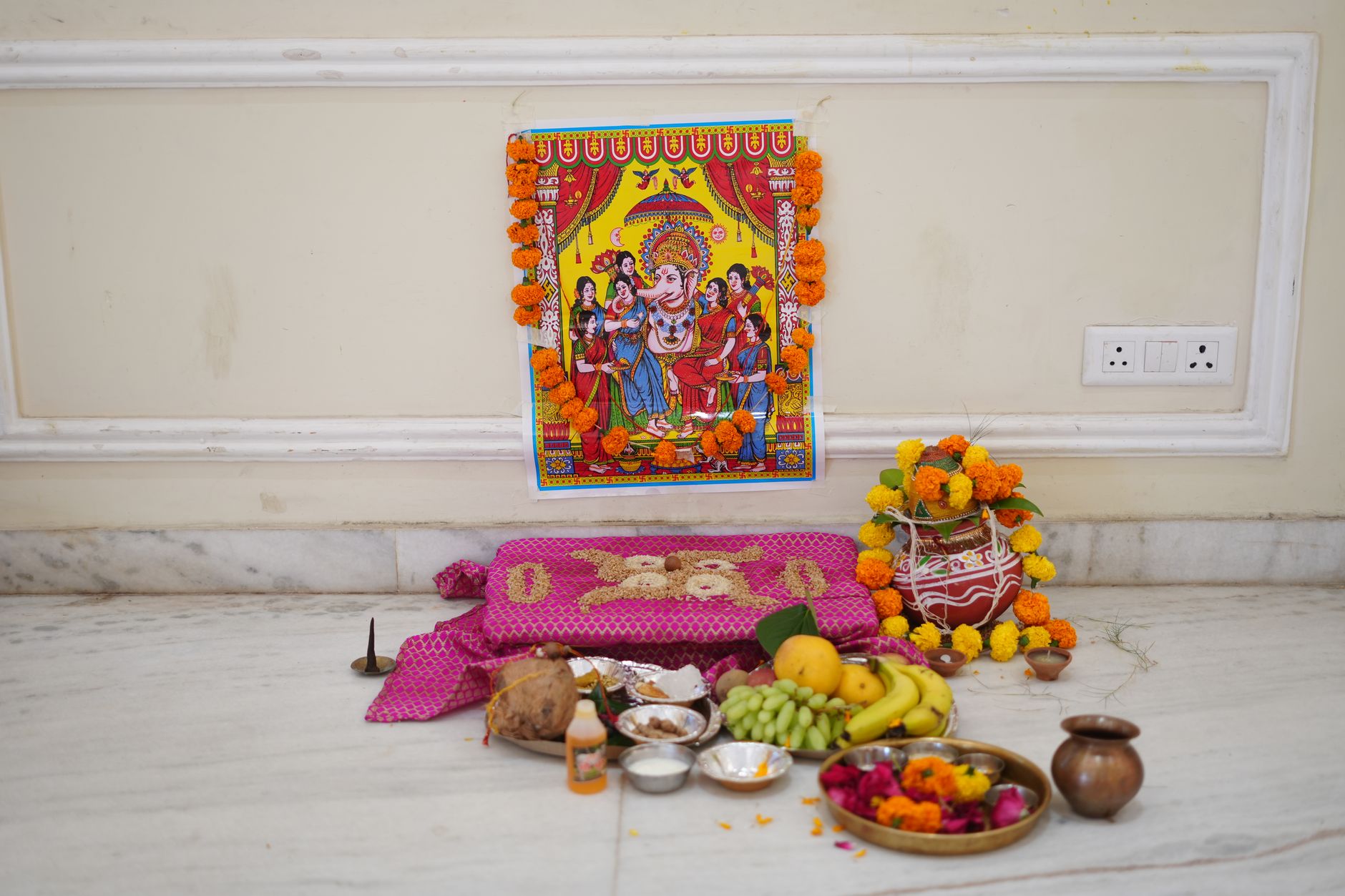 Brahmin Silver Pooja Articles
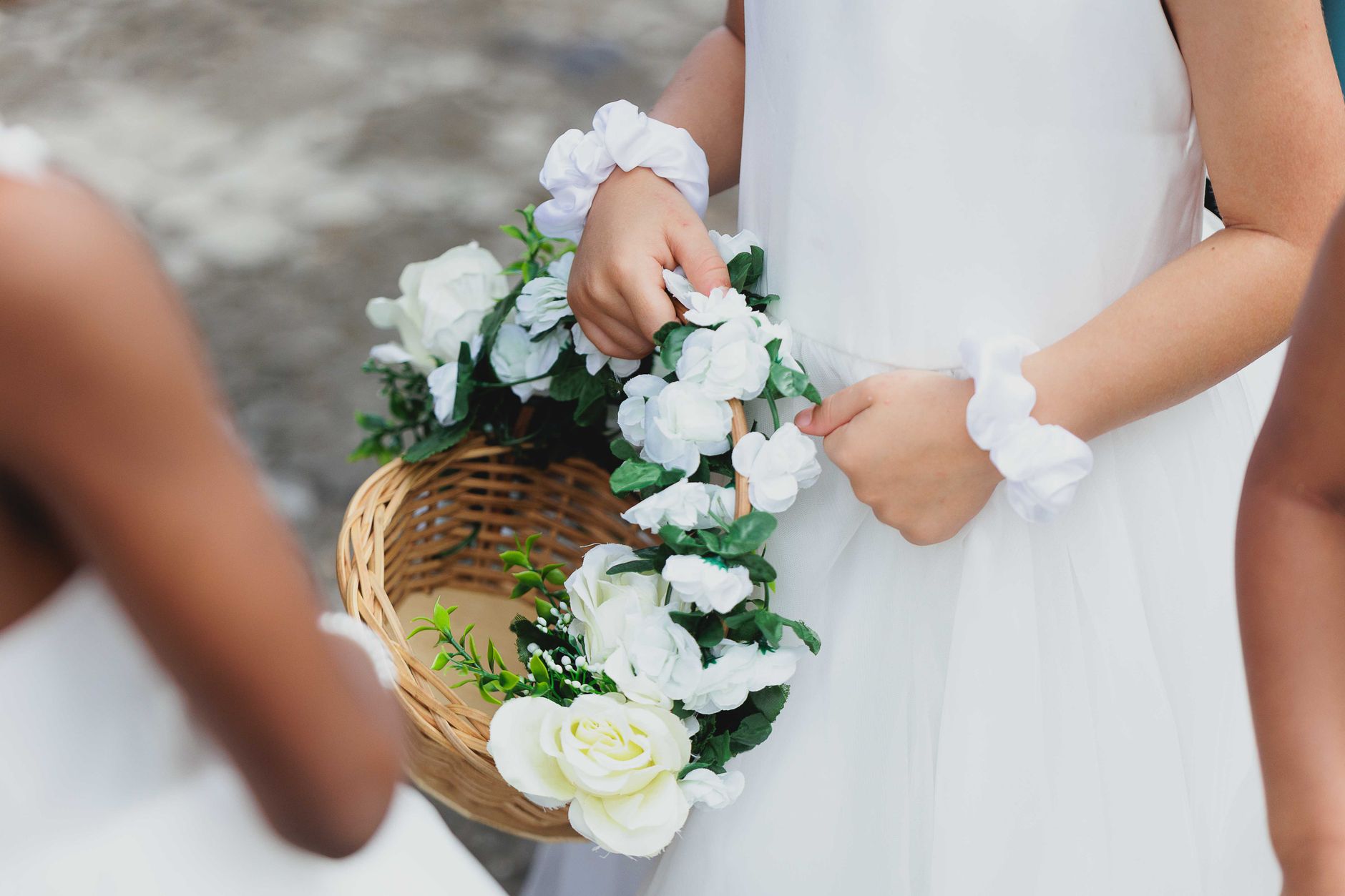 Bridal Entry Petal Basket
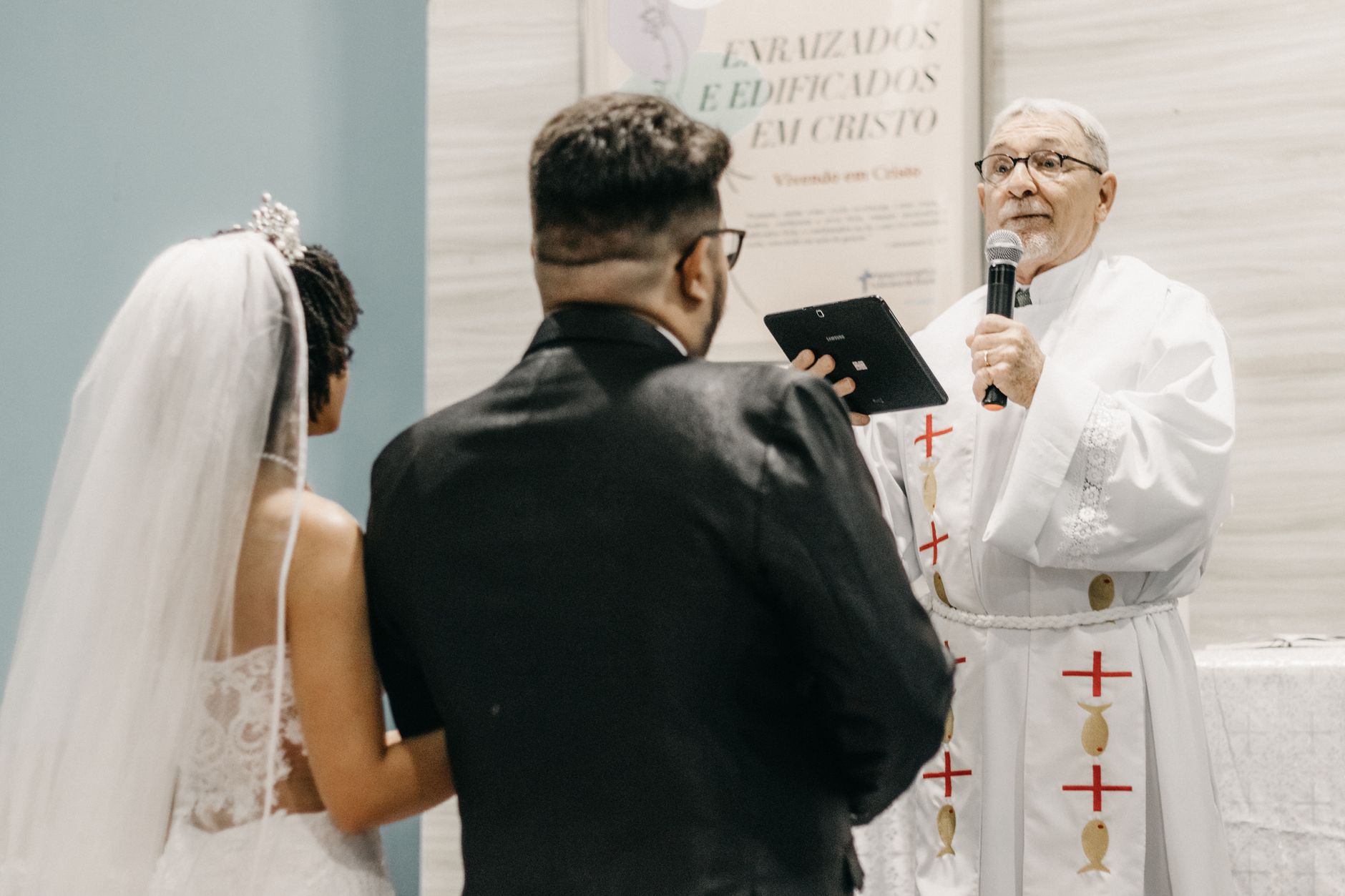 Christian Guest Favour Sets
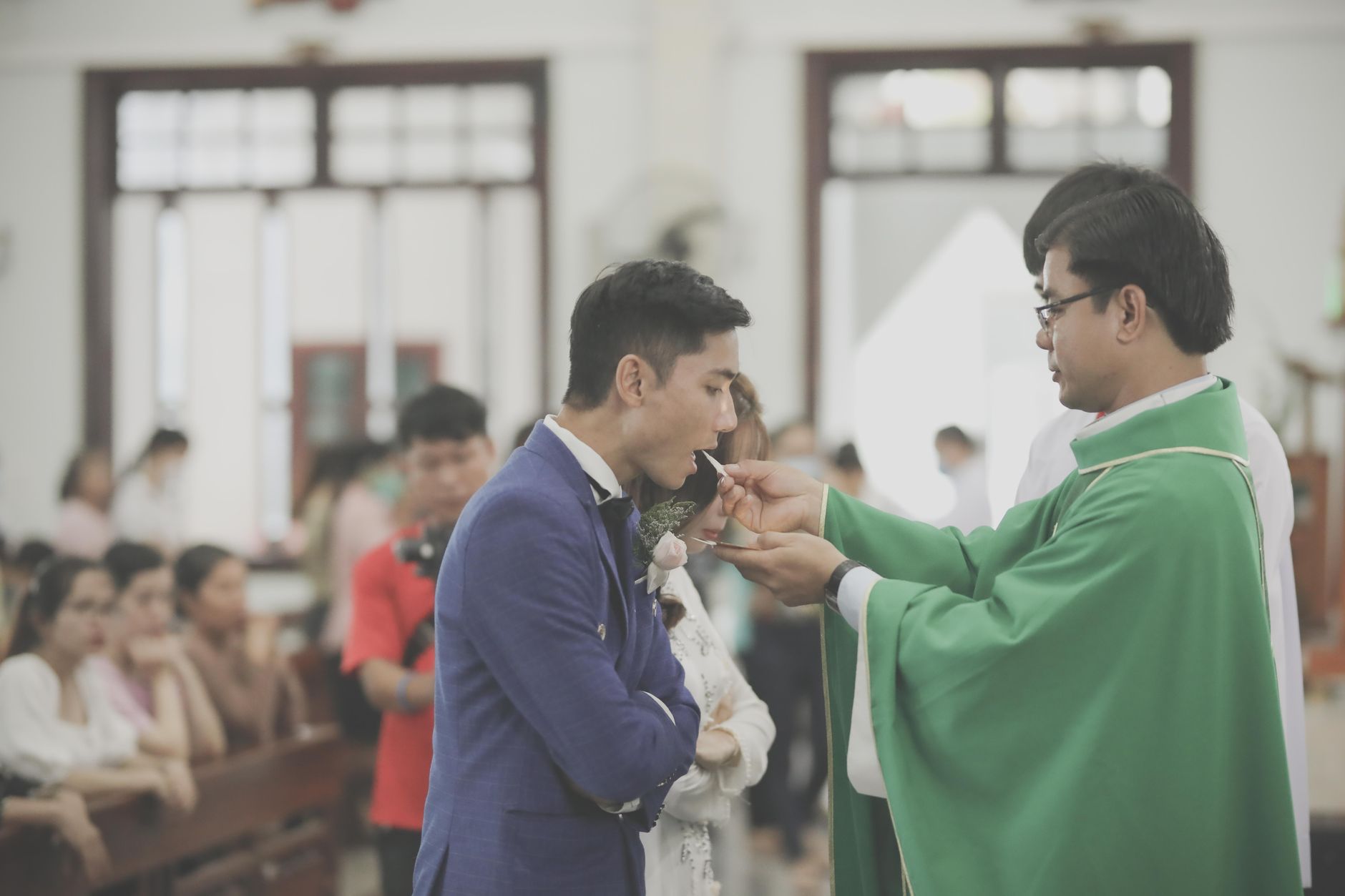 Church Ceremony Boutonniere
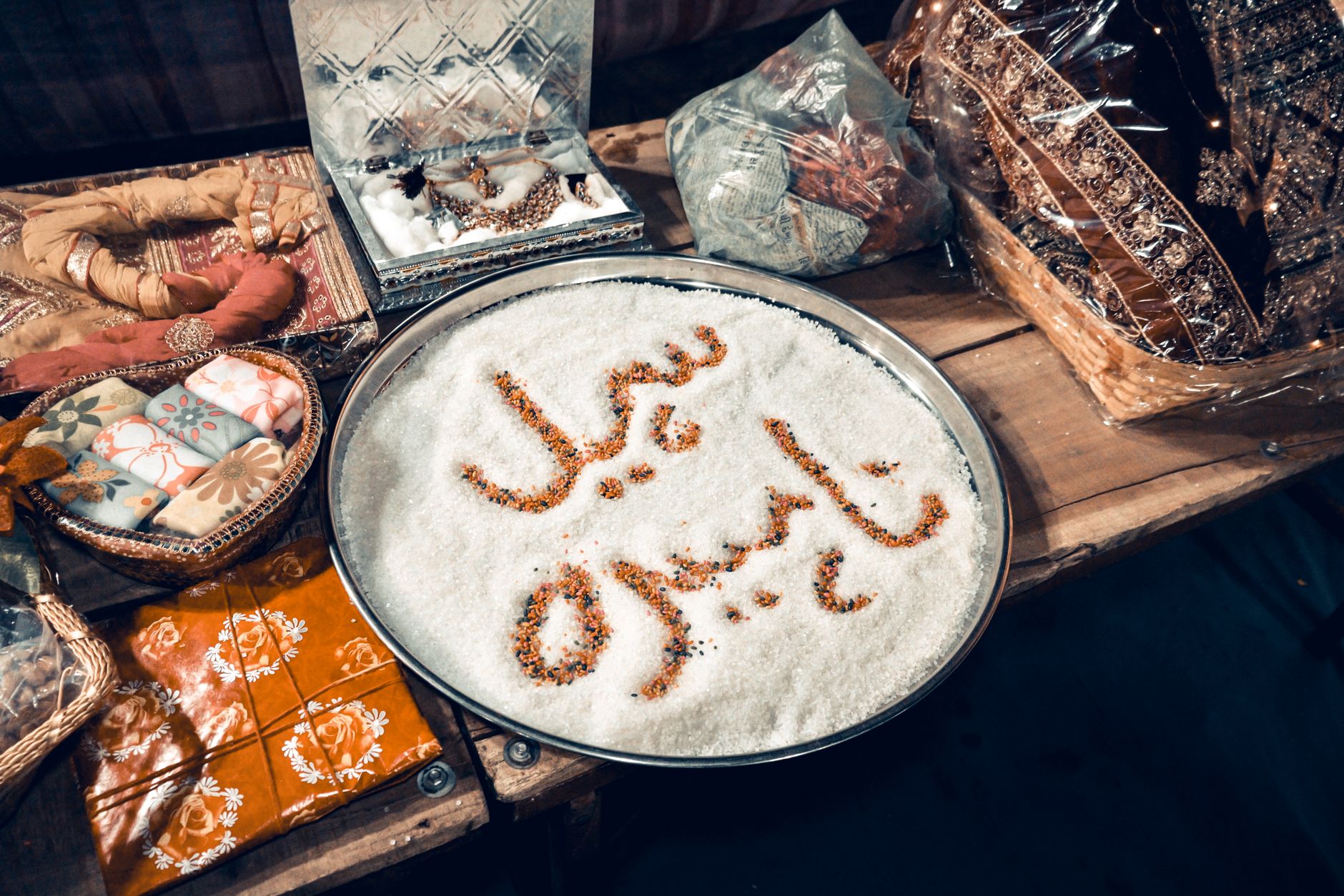 Destination Celebration Favours
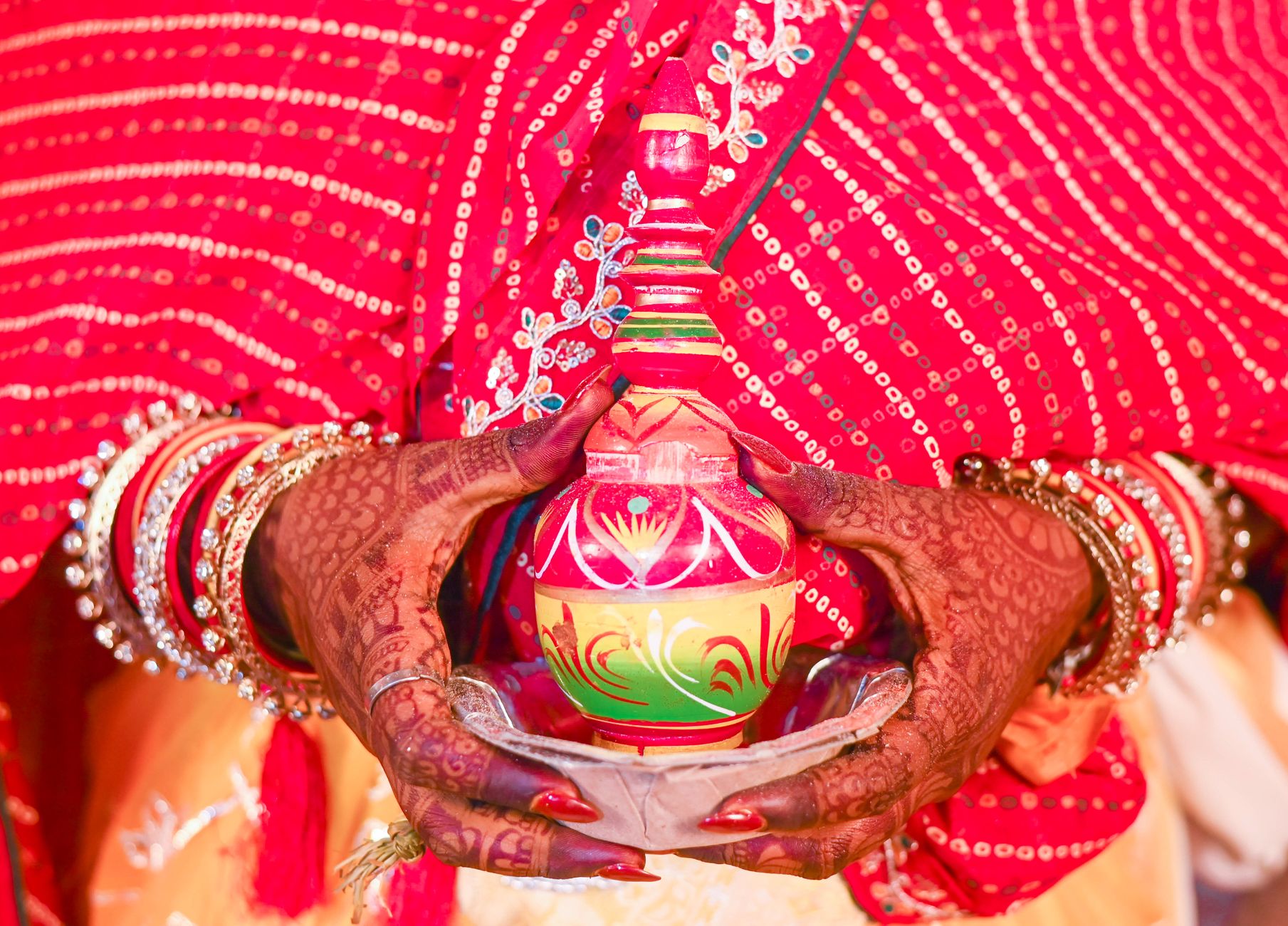 Destination Ceremony Livestream
 Dried Flower Bouquets
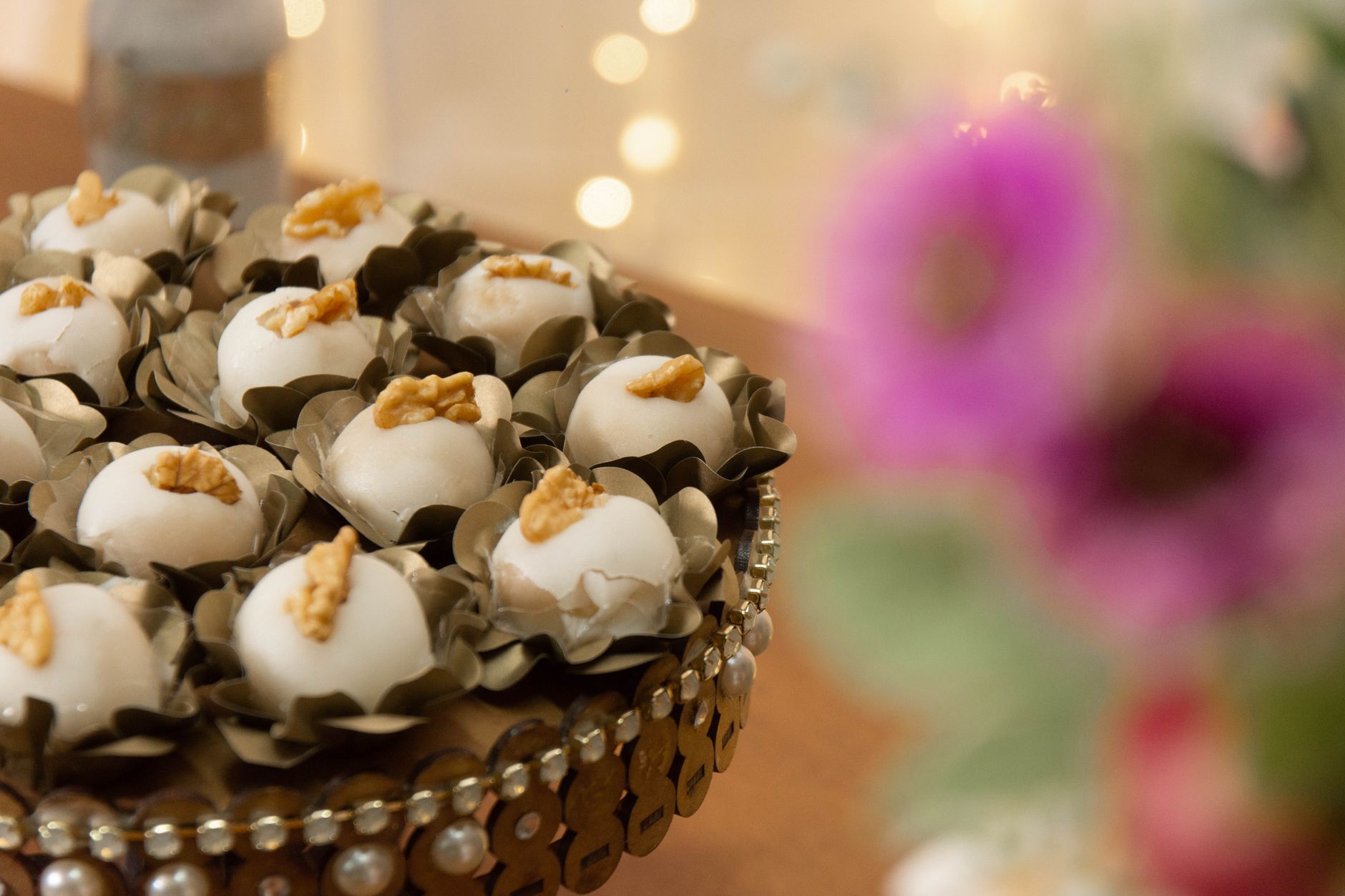 Gujarati Ceremony Gift Trays
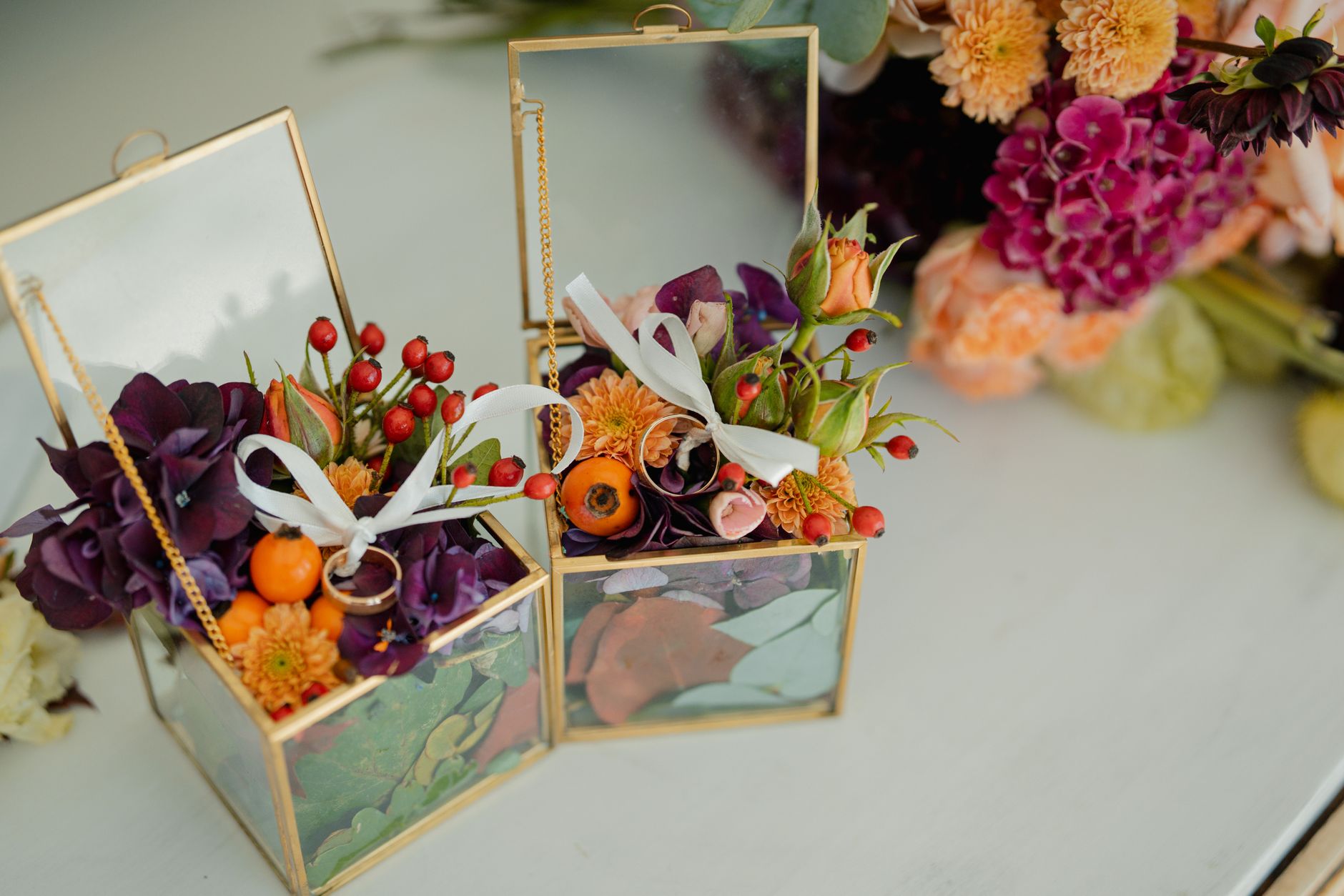 Islamic Favour Boxes
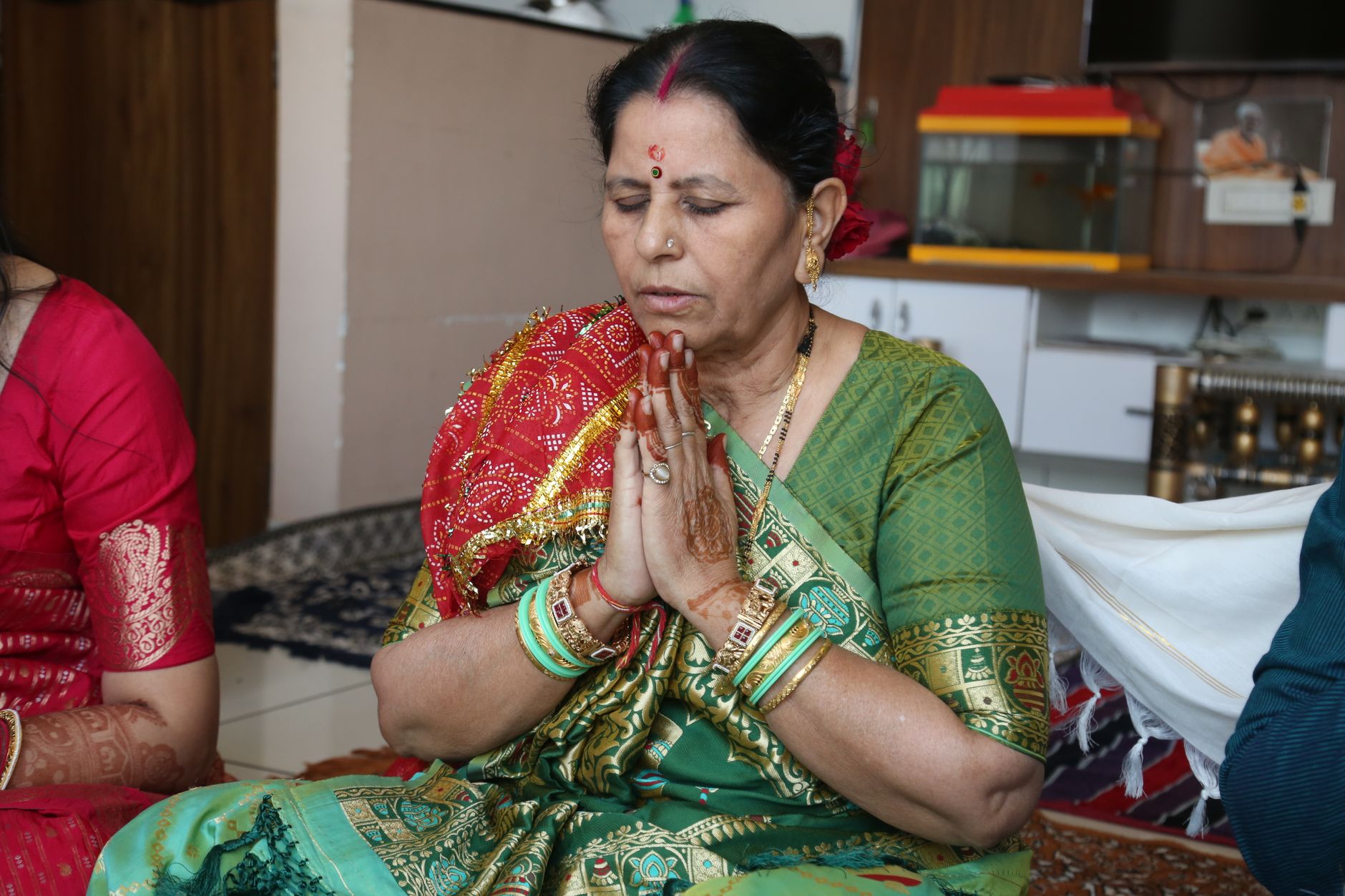 Jain Ceremony Pooja Kit
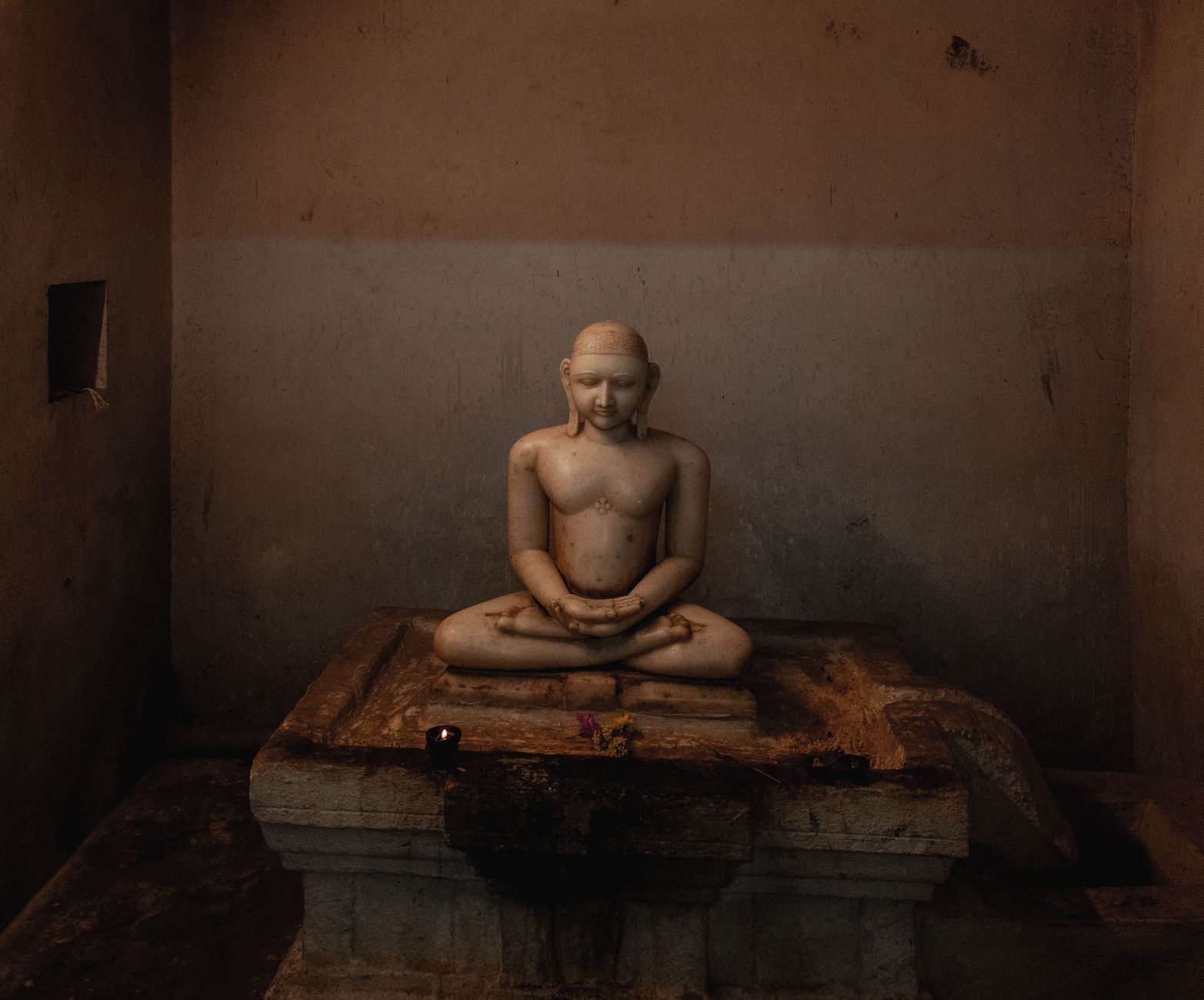 Jain Temple Marriage Supplies
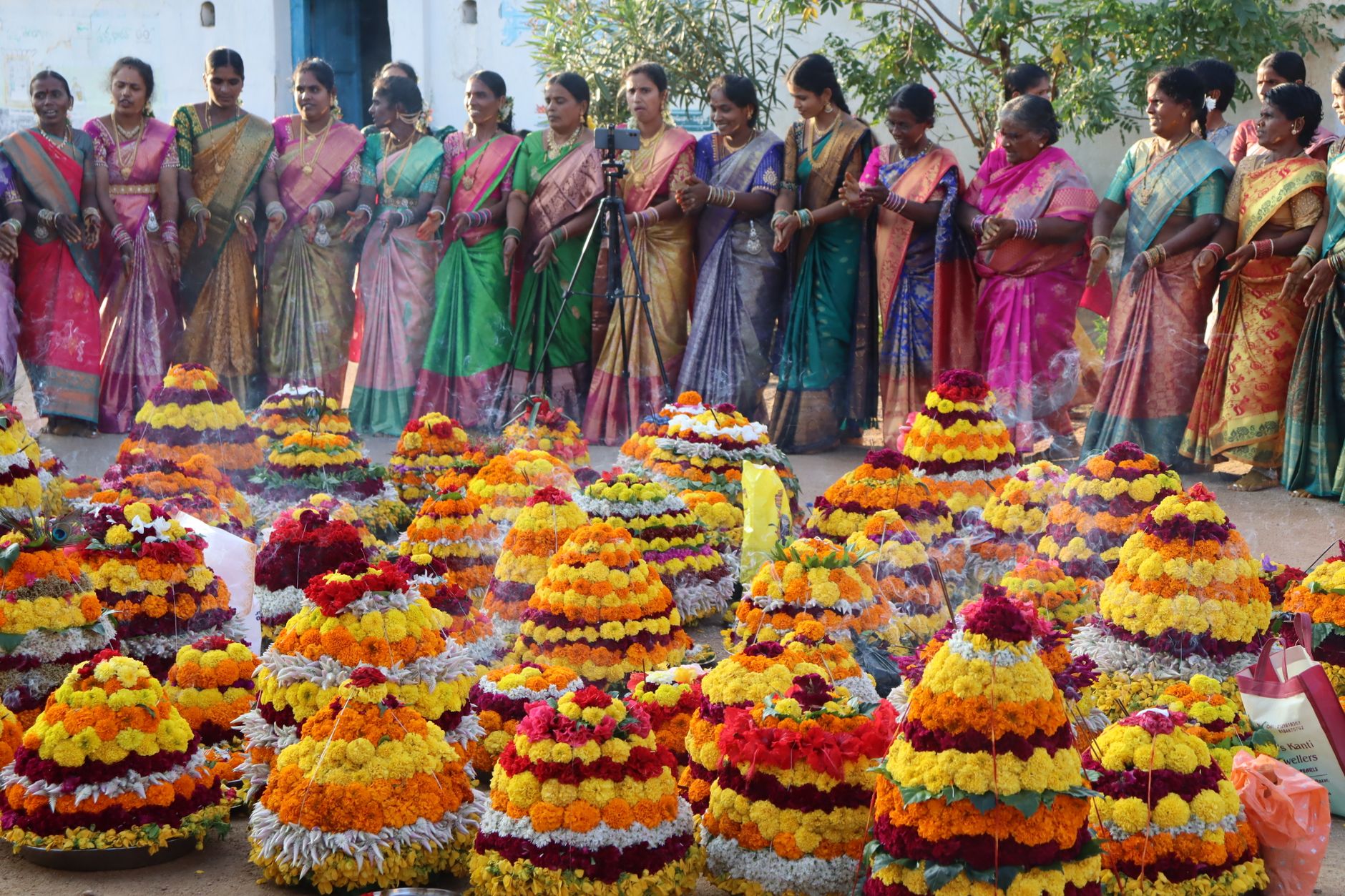 Kannada Pooja Basket
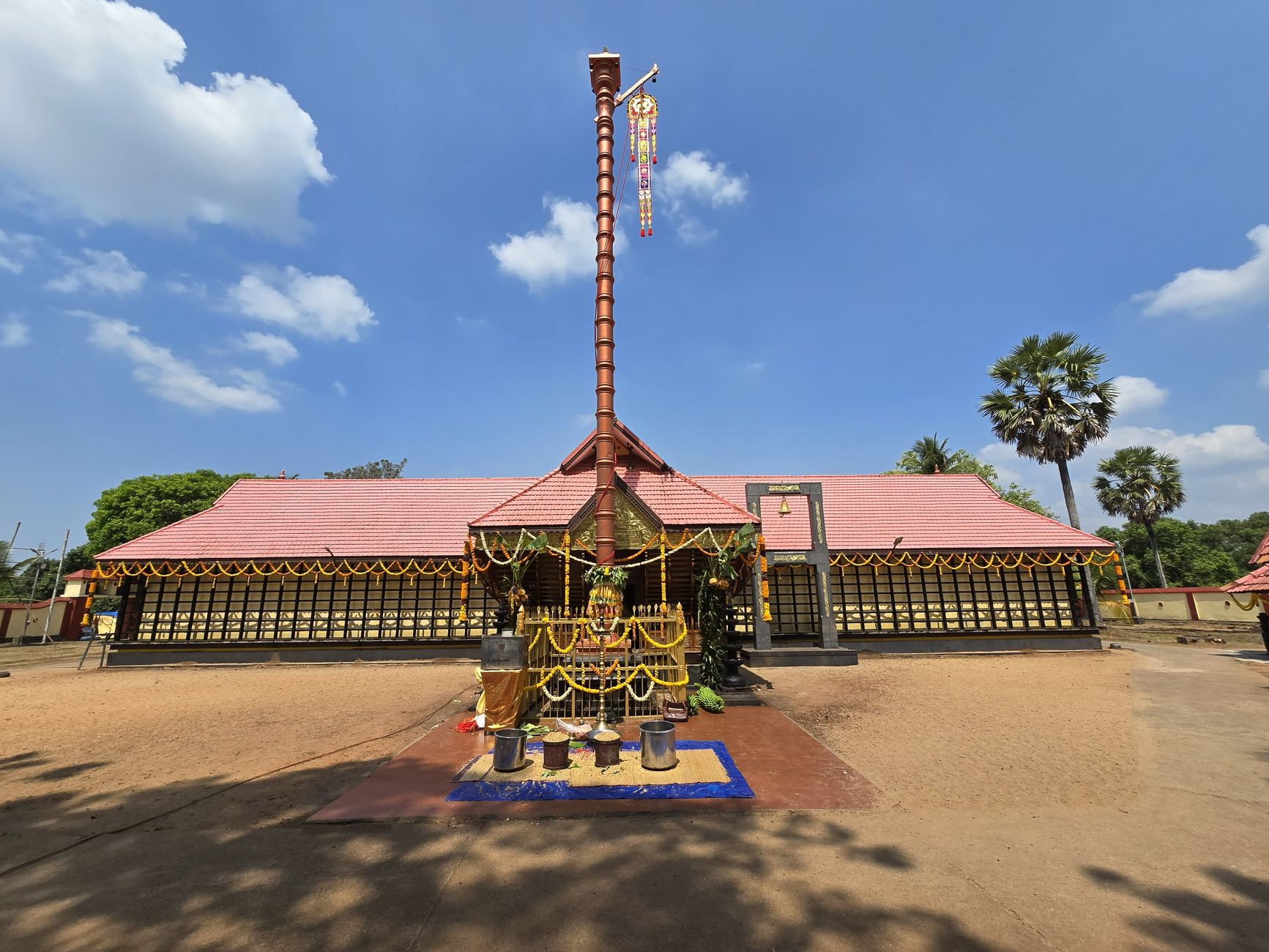 Kerala Temple Marriage Items
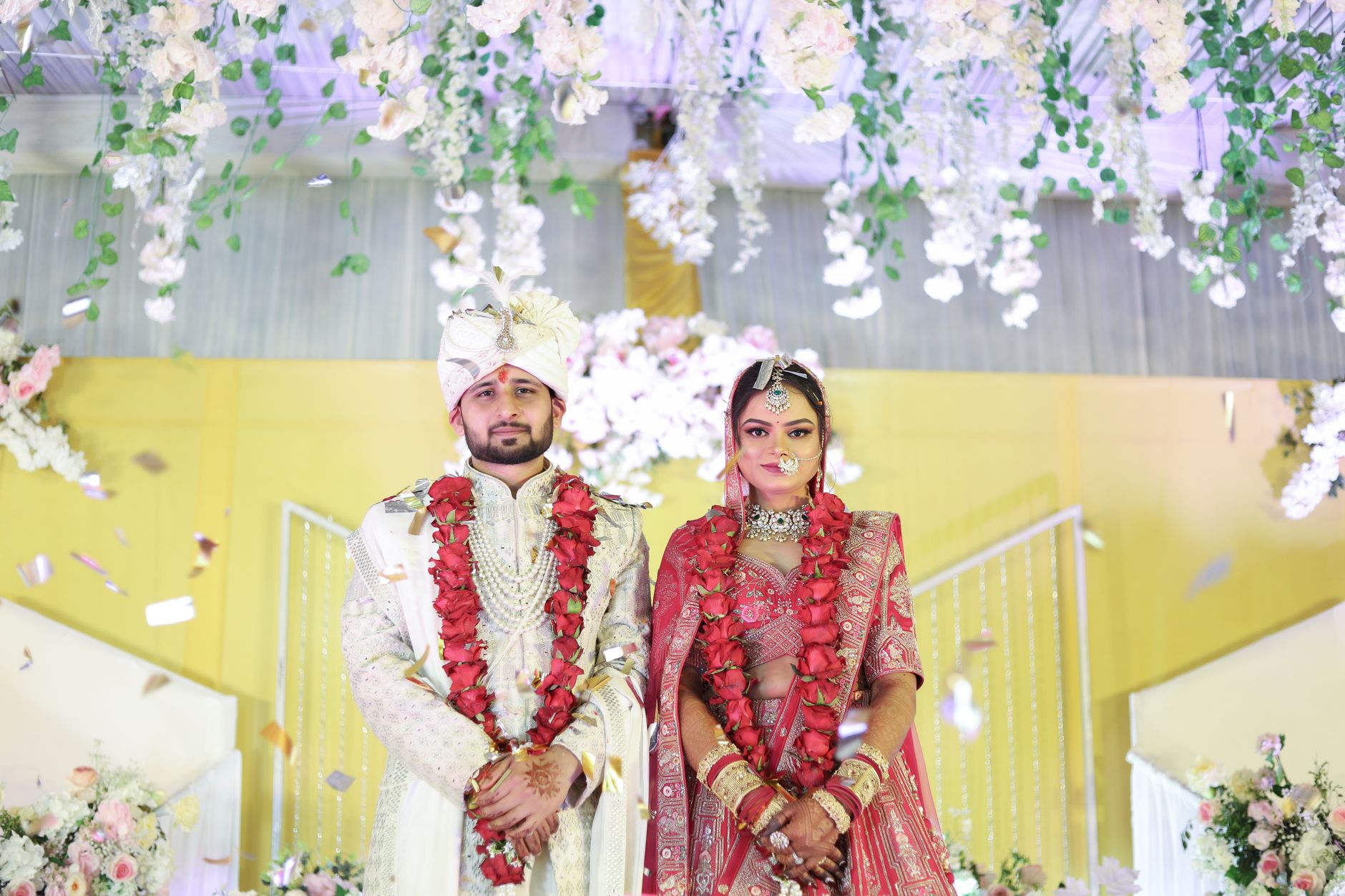 Marwari Garland Ceremony Items
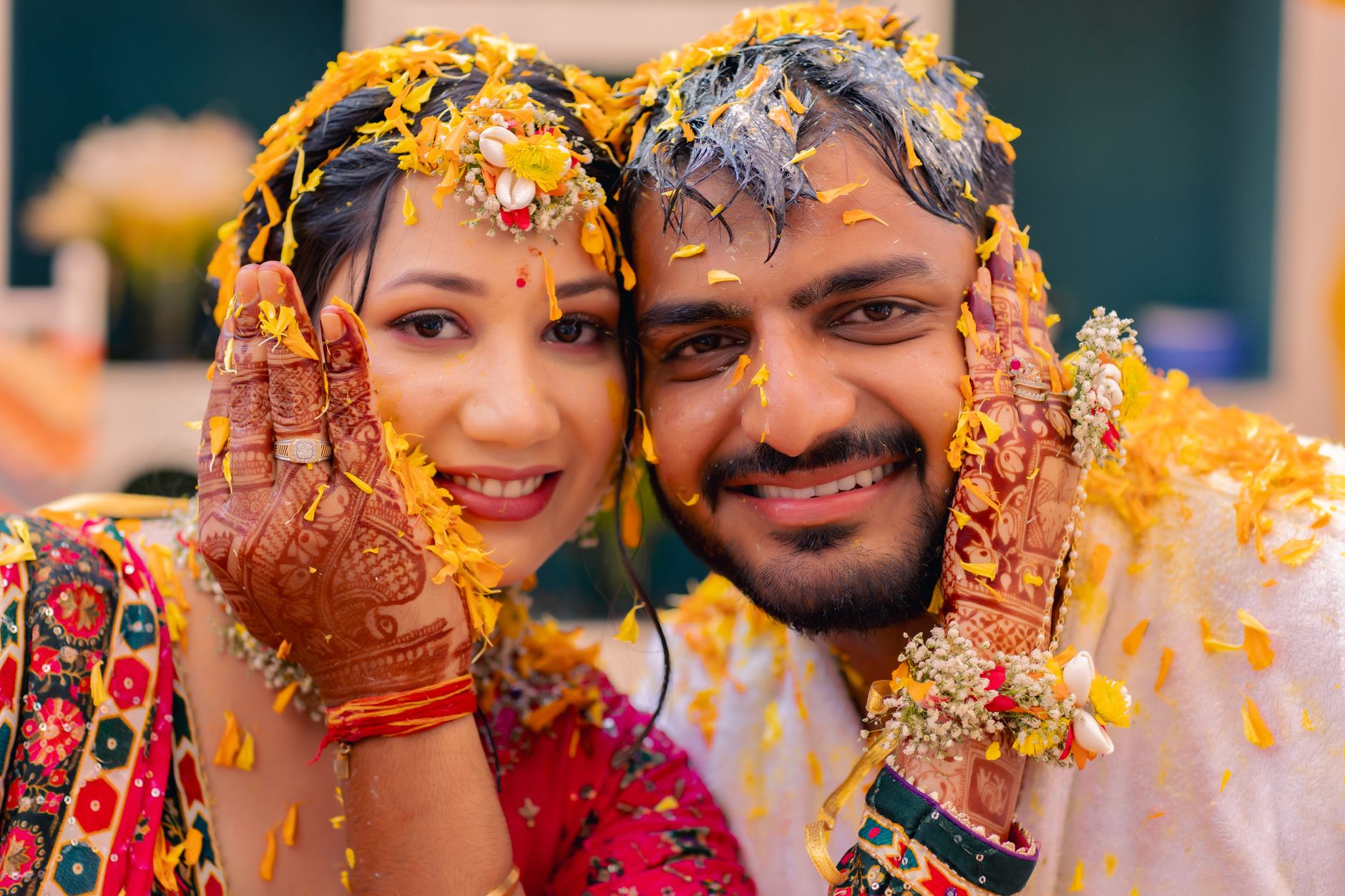 Marwari Marriage Astrologer
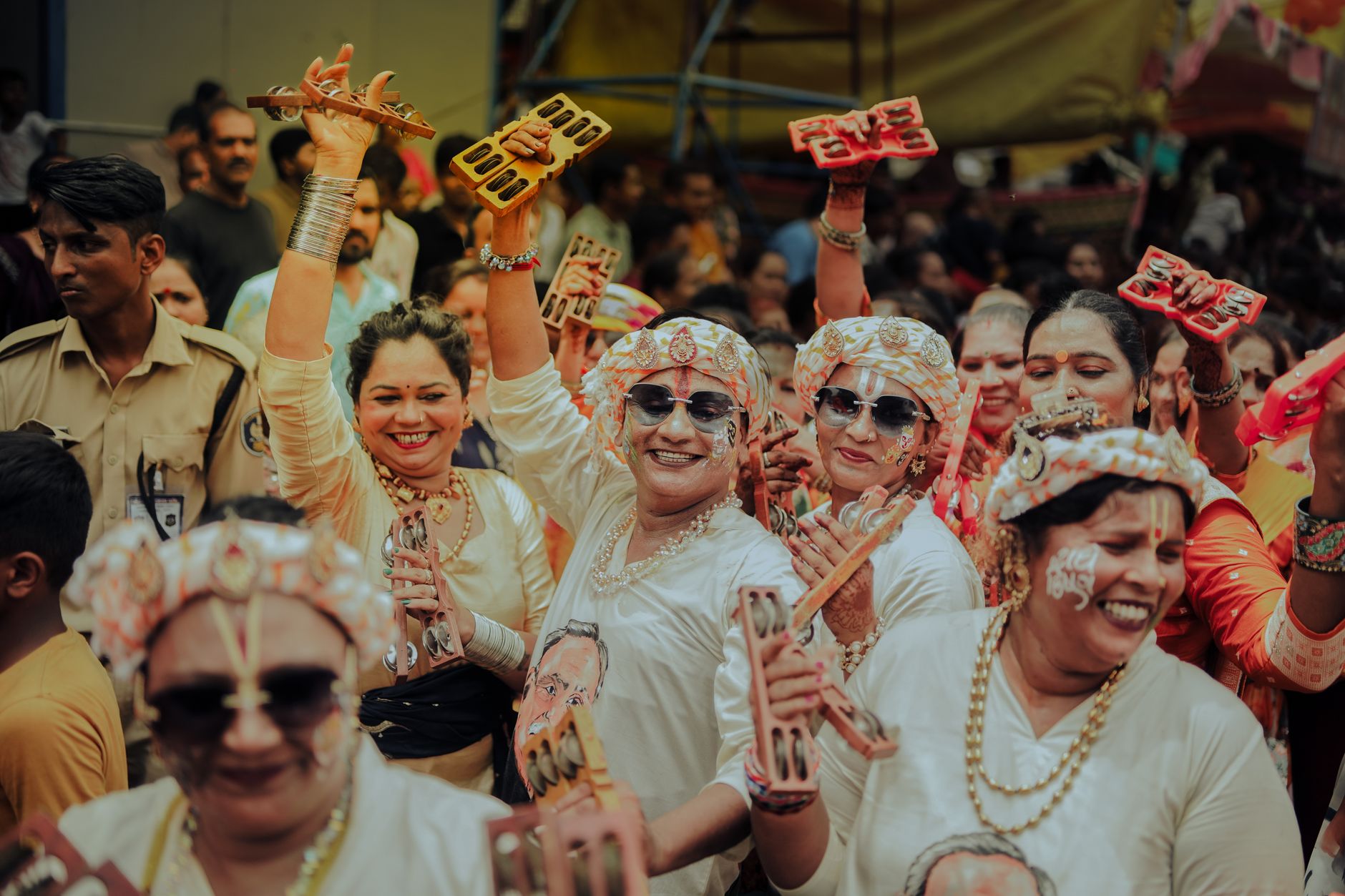 Multilingual Bhajan Group
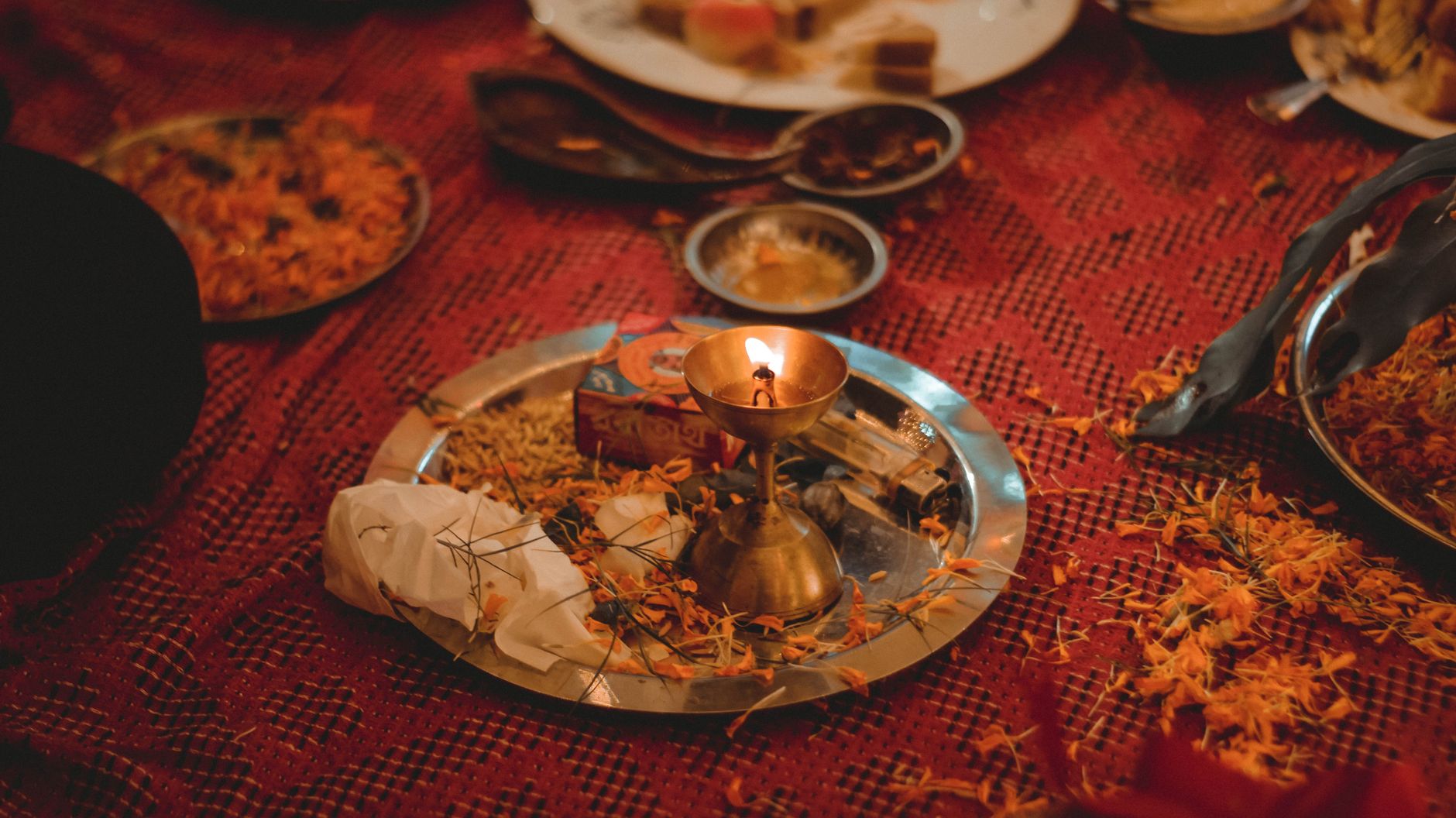 Naming Ceremony Priest
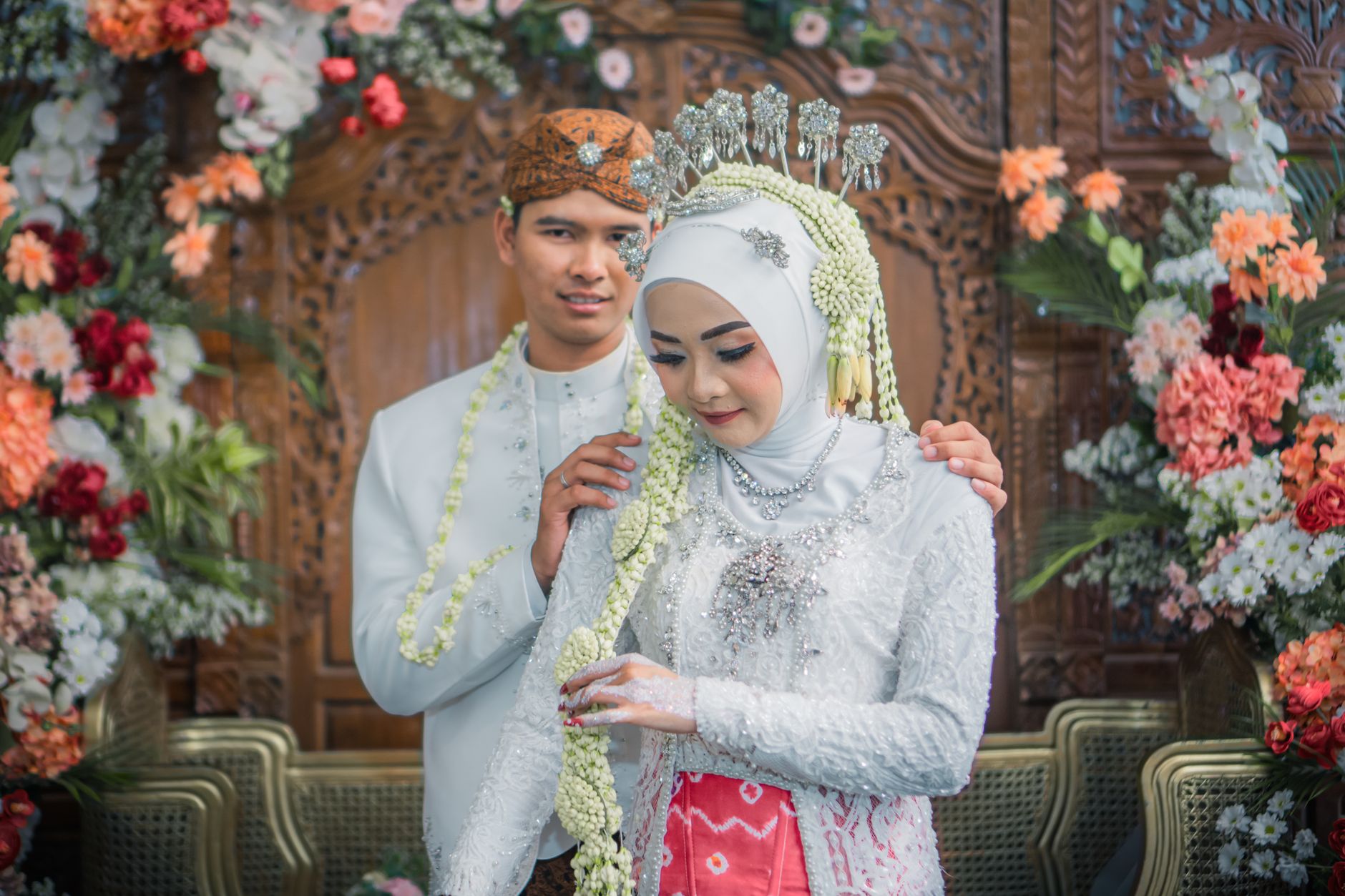 Preserved Flower Varmala
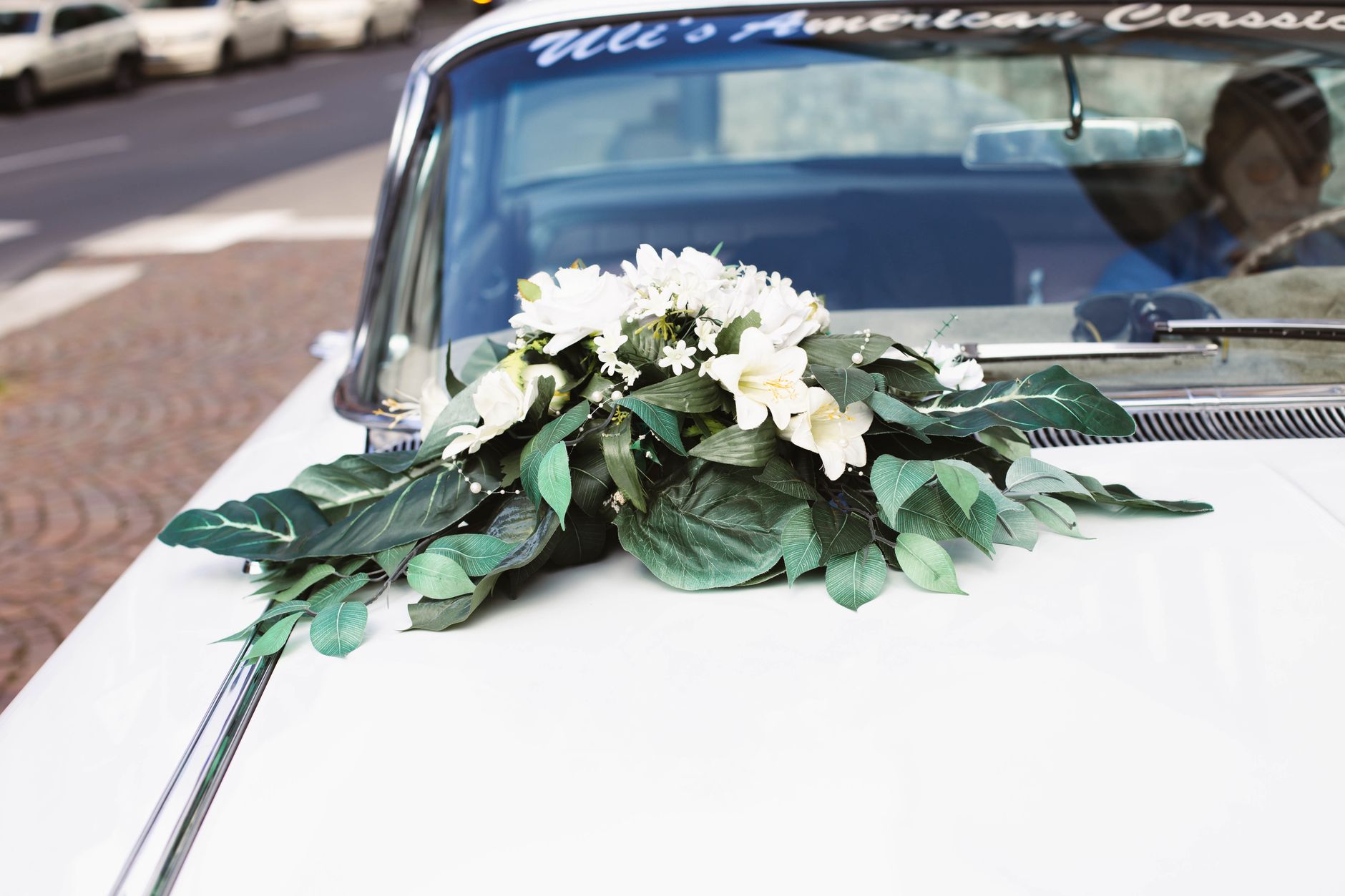 Rear Car Decoration
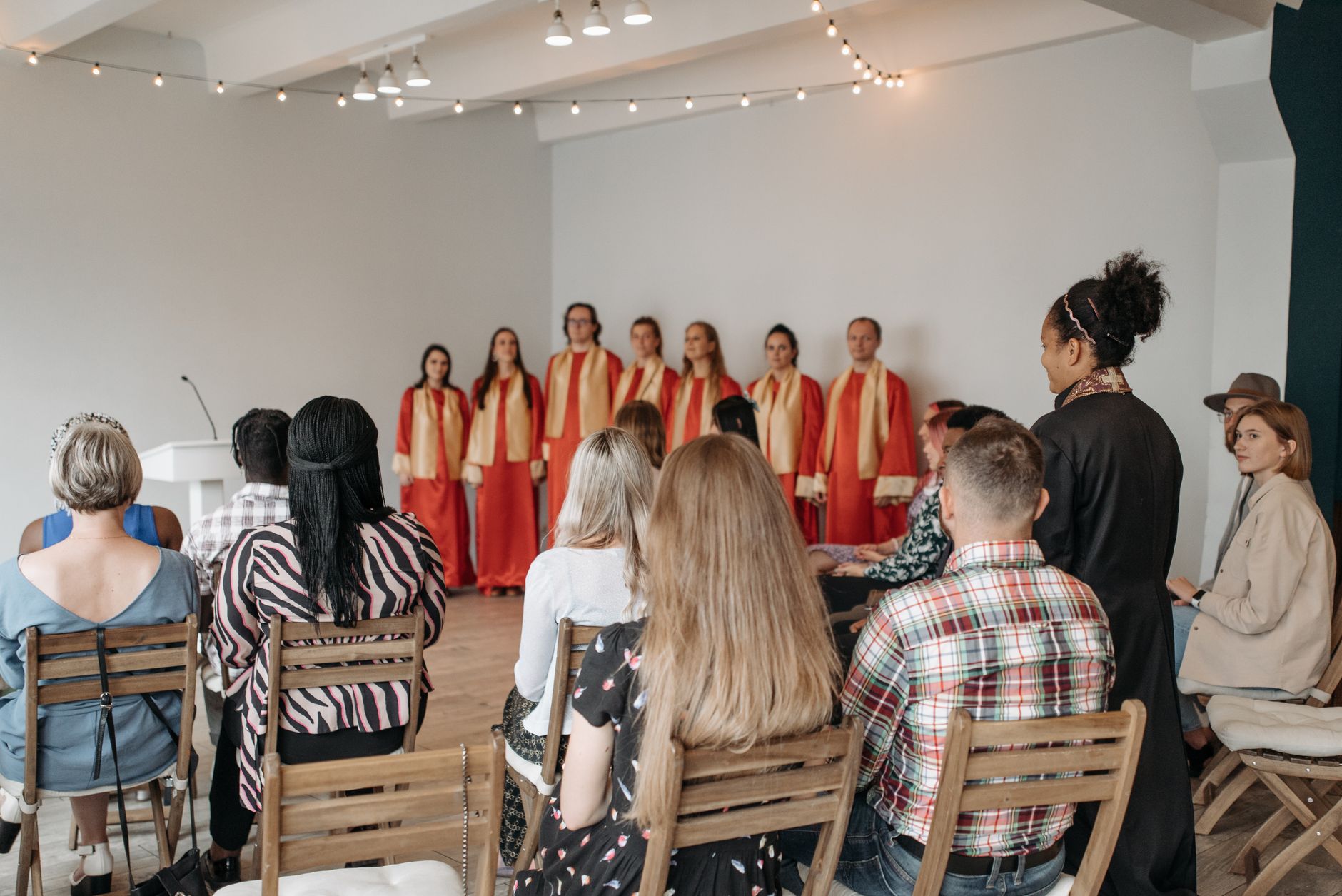 Recessional Choir Service
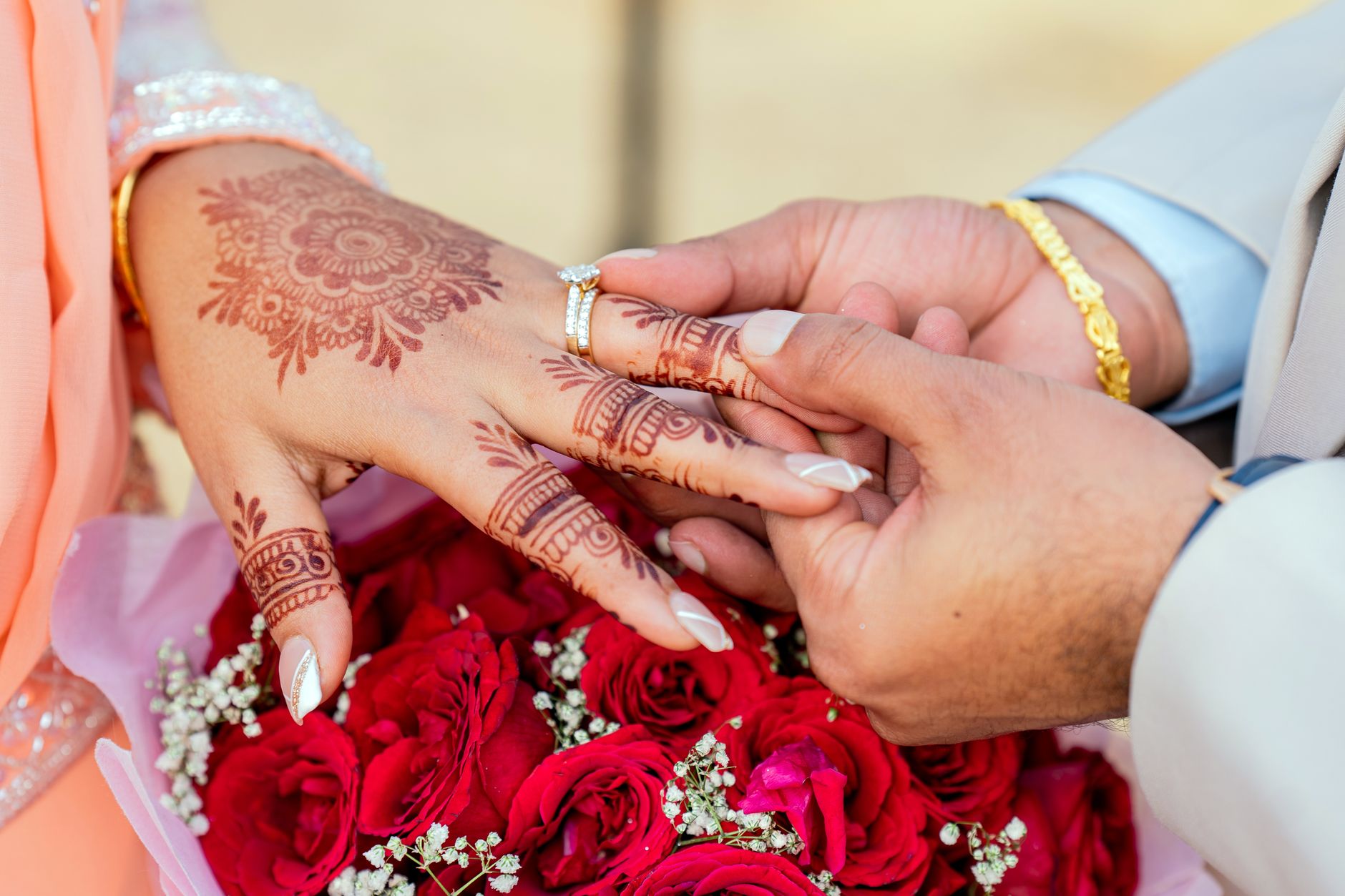 Ring Ceremony Officiant
 Rooftop Champagne Service
 Silver Theme Ring Platter
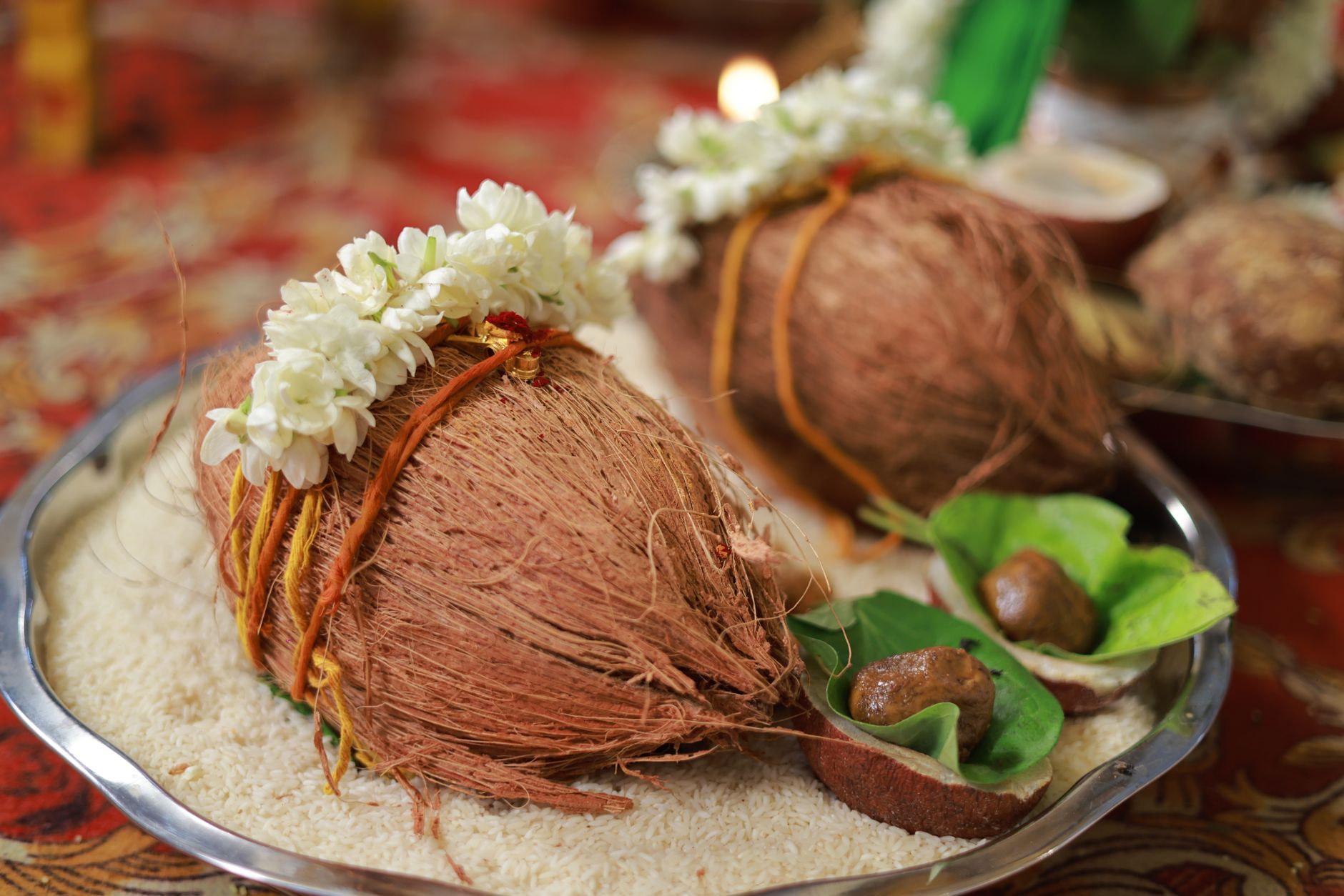 Tamil Betel Leaf Ritual Supplies
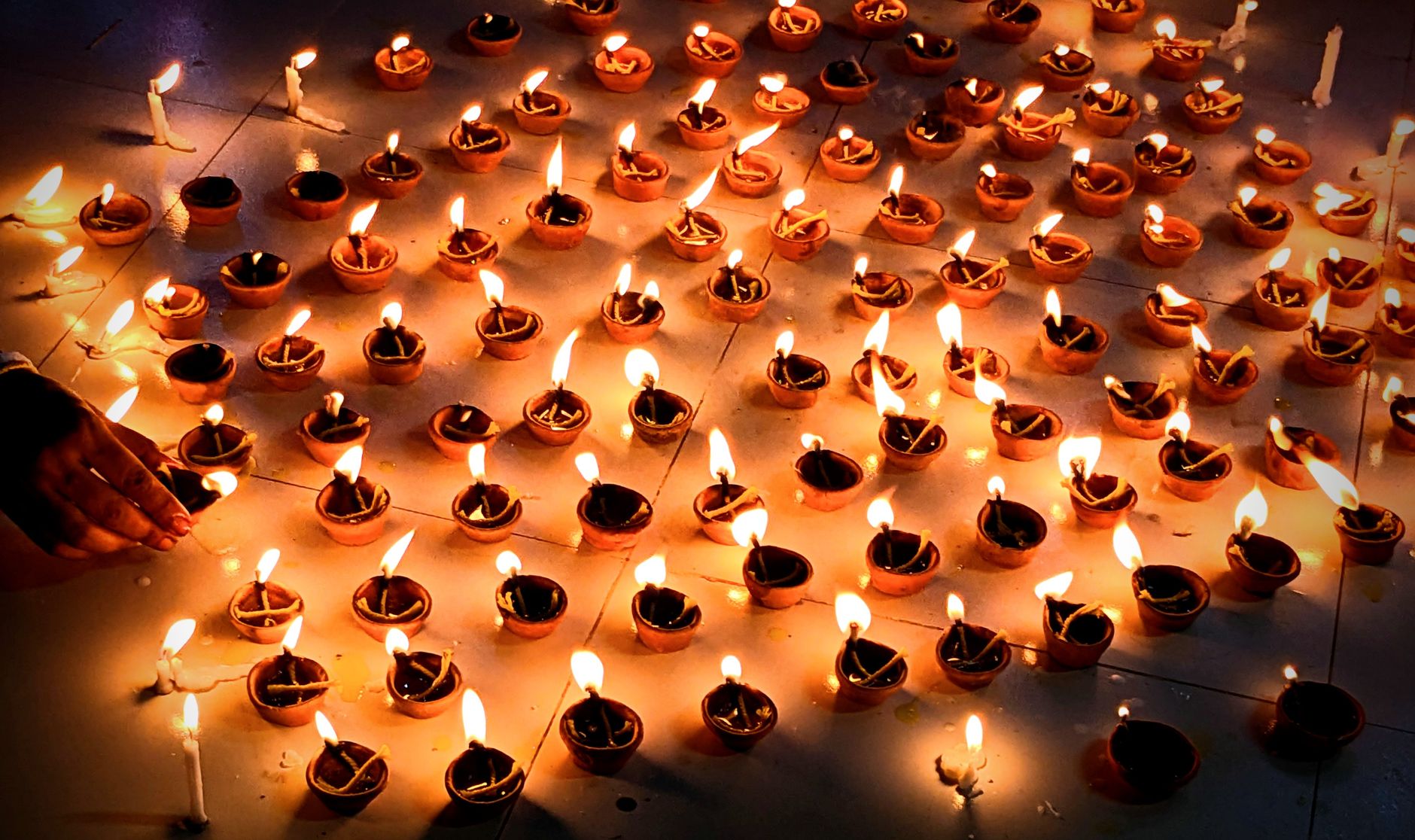 Telugu Deepam Ceremony Supplies
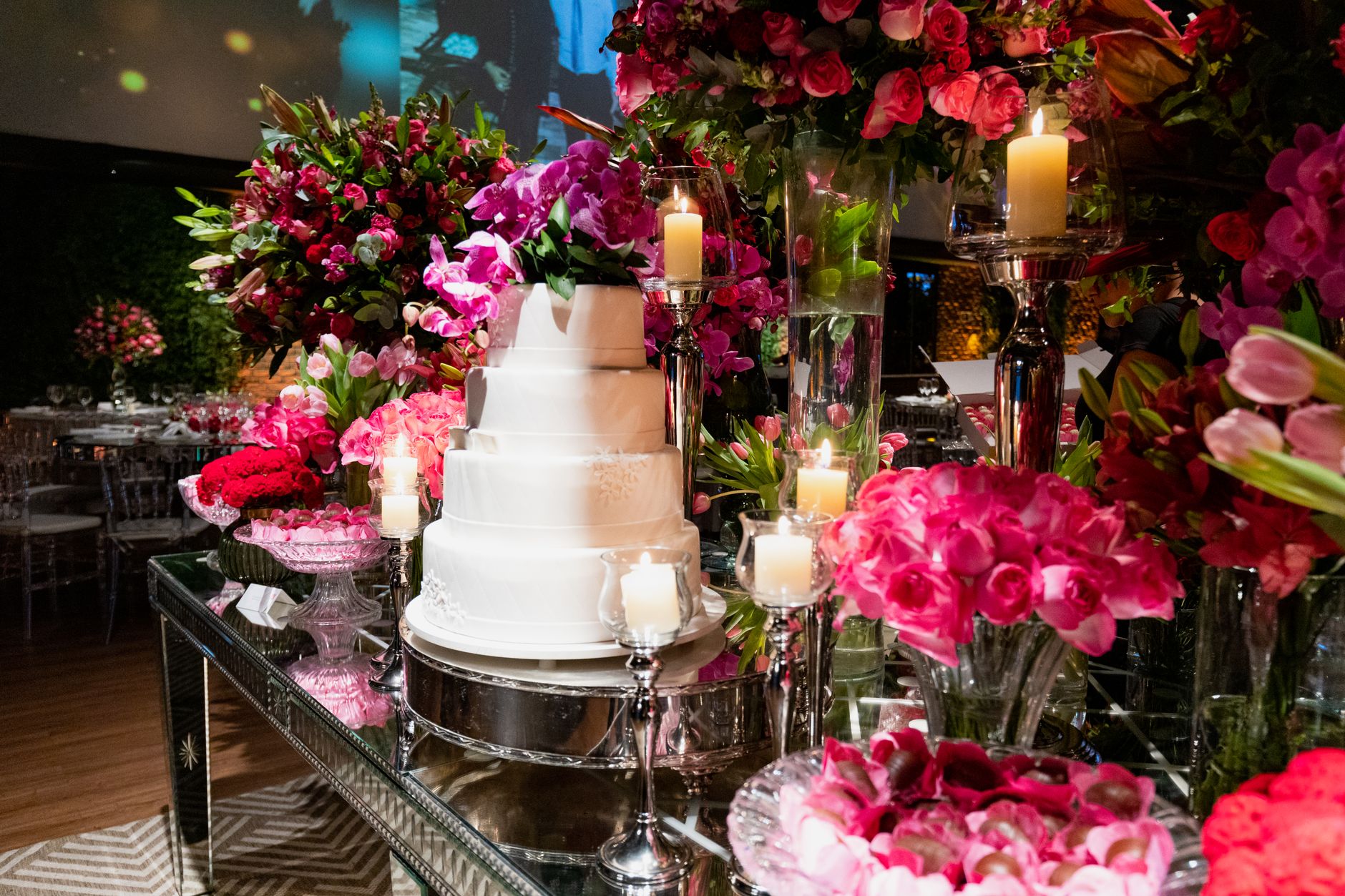 Vegan Ceremony Cakes
- 400+Curated Events
- 6Event Universes
- 1000+Verified Vendors
- 70+Locations
- 24/7Customer Support


Not sure which packages fits your celebration?
Let Hiya & Hanu help you find the perfect match!
Explore Celebration Packages- AI-Powered MatchingSmart suggestions for you
- Budget OptimizerGet the best experiences in your budget
- End-to-End SupportWe are with you at every step
Serving Celebrations across 75+ locations in India
Top Spiritual Ceremonies for Celebrations With Meaningful Sacred Traditions
◆Celebrations That Carry Deeper Meaning
Spiritual ceremonies can add a meaningful dimension to family celebrations, cultural gatherings and important life milestones. They may be held to seek blessings, express gratitude, mark a transition or bring family members together around traditions that have been followed for generations.
Top spiritual ceremonies for celebrations are not simply about arranging a formal programme. They are occasions where the purpose, customs and participation of the family matter. Careful preparation can help ensure that the ceremony feels sincere while also making the practical side of the event easier to manage.
Professional planning can bring together the venue, ceremonial requirements, appropriate professionals, decoration and guest arrangements. With these elements organised in advance, families can spend more time participating in the occasion rather than dealing with last-minute responsibilities.
Understanding Different Types of Spiritual Occasions
Spiritual celebrations can take many forms. A family may organise a blessing ceremony, religious observance, house-related ceremony, milestone ritual, wedding-related spiritual function or another culturally significant gathering.
The nature of the occasion determines how it should be planned. Some ceremonies are intimate and involve only immediate family members, while others may welcome a large group of relatives and friends.
Meaningful Sacred Event Planning starts by understanding what the ceremony represents. The organiser can then establish the required sequence, participants, timing and practical arrangements.
Families should also consider whether there are specific customs that need to be followed. Regional traditions and family practices can vary, so planning should remain flexible enough to accommodate individual requirements.
Choosing a Ceremony That Suits the Occasion
The right spiritual ceremony should reflect the purpose of the gathering. Families can consider the milestone being celebrated, the traditions they wish to maintain and the people who will participate.
For a family-focused occasion, a smaller ceremony may create a more personal atmosphere. A larger celebration may require additional venue space, guest management and professional coordination.
Top spiritual ceremonies for celebrations can be adapted to different settings when the planning is based on the family's actual requirements rather than a standard package.
The timing of the ceremony can also be important. Some families may prefer particular dates or auspicious periods according to their traditions. These preferences should be established early so that the venue and other suppliers can be coordinated accordingly.
Building a Meaningful Ceremony Programme
A clear programme can help the event progress smoothly. The organiser can map out preparation, arrival times, ceremonial stages, family participation and the transition to other parts of the celebration.
Meaningful Sacred Event Planning gives families an opportunity to identify which parts of the occasion require the most attention. Essential ceremonial activities should be prioritised before optional entertainment or decorative features are added.
A well-structured schedule is particularly useful when several activities are planned on the same day. Photography, catering, guest arrival and entertainment can then be arranged around the spiritual ceremony rather than competing with it.
The programme should also allow enough time for participants to move comfortably between different areas of the venue.
Selecting the Right Setting
The venue can strongly influence the atmosphere of a spiritual celebration. Depending on the occasion, families may choose a home, temple-related setting, community hall, function venue or another suitable location.
When assessing a venue, consider accessibility, capacity, cleanliness, seating and the amount of space required for the ceremonial activities.
Top spiritual ceremonies for celebrations benefit from a setting where the central ritual area can remain organised and undisturbed.
For larger events, it can be helpful to create separate areas for the ceremony, guest seating, dining and social activities. This keeps the spiritual portion of the occasion focused while allowing the rest of the celebration to continue comfortably.
Creating a Respectful Ceremonial Environment
The environment surrounding a spiritual ceremony can contribute to its overall atmosphere. Traditional fabrics, flowers, lamps, entrance decorations and carefully arranged ceremonial spaces can provide visual warmth without distracting from the proceedings.
Spiritual celebration planning should treat decoration as a supporting element. The design should suit the nature of the ceremony rather than becoming more prominent than the traditions themselves.
Floral arrangements can be used around entrances, ceremonial platforms and guest areas. Lighting should provide adequate visibility while maintaining an appropriate ambience.
Simple, coordinated details can often be more effective than excessive decoration. The aim is to create a clean, welcoming and respectful environment.
Working With Religious and Spiritual Professionals
Some ceremonies require a priest, officiant, spiritual guide or another experienced professional. Their involvement may be central to ensuring that the ceremony follows the family's intended traditions.
Professional organisers can assist with communication, scheduling and venue preparation. However, families should be given the opportunity to discuss specific customs directly with the relevant religious or spiritual professional.
Meaningful Sacred Event Planning should make responsibilities clear before the event. Knowing who leads the ceremony, who participates and which materials are required can prevent confusion.
This becomes especially important when the ceremony is part of a larger celebration. Professional coordination helps ensure that everyone is ready at the appropriate time.
Preparing Traditional Ritual Materials
Ceremonial materials should be prepared well before guests arrive. Depending on the tradition, these may include flowers, fruits, lamps, vessels, cloth, grains, offerings and other customary items.
A preparation checklist can help families identify what is required and when each item will be used. Materials can then be sourced and arranged in advance.
Top spiritual ceremonies for celebrations are easier to manage when essential items are checked before the event begins. This reduces the possibility of interruptions caused by missing materials.
When several rituals are included, materials can be grouped according to the sequence of the ceremony. This makes them easier to access and helps the proceedings remain organised.
Making Family Participation Easier
Family participation is often one of the most meaningful parts of a spiritual ceremony. Different relatives may have specific roles, particularly in ceremonies connected with important family milestones.
Explaining these responsibilities beforehand can help participants feel confident. It also reduces unnecessary movement during the ceremony.
Older family members can be especially valuable sources of knowledge about customs and traditions. Their guidance can help organisers understand which practices are important to the family.
Spiritual celebration planning should therefore include the people who know the family's traditions best. Their involvement can help create a ceremony that feels authentic rather than generic.
Creating Comfort for Guests
Guest experience matters even when the spiritual ceremony is the central focus. Comfortable seating, clear access and sensible venue arrangements can make a long ceremony easier to attend.
Elderly guests may require convenient seating, while families with children may benefit from suitable areas that allow them to remain close without disrupting the proceedings.
Guests who are unfamiliar with a particular tradition may also appreciate a brief explanation of the ceremony. This can make the occasion more inclusive and help everyone understand its significance.
Hospitality should be planned around the ceremonial schedule. Refreshments and meals should not conflict with important stages of the proceedings.
Bringing Spiritual Traditions Into Larger Celebrations
Many spiritual ceremonies form part of a broader family event. Weddings, milestone celebrations and cultural gatherings may combine religious traditions with photography, dining, music and entertainment.
In such cases, Top spiritual ceremonies for celebrations require careful coordination with every other part of the programme.
The ceremony should have sufficient time and space to take place without interruption. Other suppliers should know when the ceremonial area must remain quiet and when they can begin their activities.
Photography also needs thoughtful coordination. Photographers should be aware of appropriate positions and timings so that important moments are documented without distracting participants.
Personalising the Celebration
A spiritual ceremony can be personalised without losing its traditional character. Families may choose particular flowers, colours, ceremonial arrangements or decorative details that have personal significance.
Meaningful Sacred Event Planning allows these preferences to be incorporated into the wider event plan.
Personalisation can also involve the way guests are welcomed or how the ceremony transitions into the rest of the celebration. Small details can make the occasion feel connected to the family.
The key is to distinguish between personal touches and essential traditions. Important customs should remain the foundation, while suitable contemporary details can complement them.
Balancing Tradition With Contemporary Organisation
Modern event planning can make traditional ceremonies easier to coordinate. Digital schedules, supplier communication, preparation lists and shared event information can reduce the administrative workload.
These tools do not need to change the ceremony itself. They simply help families keep track of responsibilities.
Spiritual celebration planning can therefore combine traditional practices with professional organisation. Families can retain the customs that matter to them while benefiting from a structured approach to venue preparation, supplier coordination and guest management.
This is particularly useful when relatives live in different locations or when the celebration involves multiple suppliers.
Managing the Celebration Budget
A spiritual celebration does not need an excessive budget to feel meaningful. Families can begin by identifying essential requirements and then allocate remaining funds to optional services.
Important costs may include the venue, professional ceremony support, required materials, decoration, floral arrangements and guest hospitality.
Top spiritual ceremonies for celebrations can be planned at different budget levels when priorities are established early.
A detailed quotation should make clear what is included. Families should ask whether setup, transportation, materials, professional fees and event-day support are part of the quoted amount.
Advance planning can also reduce unnecessary spending by helping families order accurate quantities and avoid last-minute purchases.
Finding a Reliable Ceremony Provider
Choosing a ceremony provider requires careful consideration. Experience is valuable, but so are communication, reliability and respect for family traditions.
Ask potential providers how they approach personalised ceremonies and whether they can coordinate different suppliers. Families should also understand who will be responsible for managing arrangements on the event day.
A clear service scope can prevent misunderstandings. It should explain what the provider will arrange and what the family needs to organise independently.
Providers should also be willing to work respectfully with priests, family elders, venue teams and other event professionals.
Preserving Meaning While Reducing Stress
One of the main advantages of professional support is that it allows family members to participate in the celebration without managing every practical detail themselves.
A coordinator can oversee arrival timings, venue readiness, material preparation and supplier communication. This can be particularly helpful when the hosts are also expected to welcome guests and participate in the ceremony.
Meaningful Sacred Event Planning places the purpose of the celebration at the centre while ensuring the supporting details are properly organised.
When responsibilities are clear, the event is less likely to feel rushed. Families can focus on the spiritual and emotional significance of the occasion.
Making the Occasion Memorable
Memorable spiritual celebrations are often created through thoughtful details rather than excessive production. A well-prepared ceremonial space, meaningful traditions, comfortable guests and reliable coordination can leave a lasting impression.
Top spiritual ceremonies for celebrations provide an opportunity to bring generations together around shared values and family traditions.
The experience becomes stronger when everyone understands their role and the event follows a clear but flexible programme. Guests can participate naturally, while family members can enjoy the occasion with fewer logistical concerns.
The atmosphere should ultimately reflect the reason for gathering. Professional services should support that purpose quietly and respectfully.
A Considered Approach to Spiritual Celebrations
Spiritual ceremonies deserve planning that recognises their cultural, family and religious importance. From selecting the venue and coordinating professionals to preparing materials and arranging decoration, every element can contribute to a smoother occasion.
Spiritual celebration planning provides the practical structure needed to bring these elements together without taking attention away from the ceremony itself.
With thoughtful preparation, families can create celebrations that feel organised, welcoming and meaningful. Traditional practices can remain at the centre while professional support manages the surrounding logistics.
The result is an occasion that gives family members and guests the opportunity to celebrate, participate and create lasting memories together.
Frequently Asked Questions
1. What are top spiritual ceremonies for celebrations?
Top spiritual ceremonies for celebrations are meaningful religious, cultural or spiritual occasions organised around family milestones, blessings, gratitude, traditions or important life events.
2. What does Meaningful Sacred Event Planning include?
Meaningful Sacred Event Planning can include ceremony scheduling, venue preparation, professional coordination, ritual materials, decoration, guest arrangements and support with the wider event programme.
3. Can spiritual ceremonies be personalised?
Yes. Families can personalise suitable elements such as flowers, decoration, venue arrangements and family traditions while continuing to respect the essential practices associated with the ceremony.
4. Where can spiritual ceremonies be organised?
Depending on the ceremony, they can take place at a family home, religious venue, community hall, function venue or another appropriate location that meets the practical requirements.
5. Can a priest or spiritual professional be arranged?
Many ceremony providers can assist with coordinating a priest, officiant or spiritual professional. The exact arrangements depend on the ceremony and the provider's service scope.
6. What should be prepared before a spiritual ceremony?
Families should confirm the venue, timing, participants, required professionals, ceremonial materials, seating and decoration well in advance. A preparation checklist can help avoid missing essential items.
7. Can spiritual ceremonies be included in weddings or larger functions?
Yes. Spiritual ceremonies can form part of weddings, milestone events and cultural celebrations. The programme should allow enough time and space for the ceremony without interference from other activities.
8. How can guests be made comfortable during a spiritual ceremony?
Suitable seating, easy access, sufficient space and appropriate hospitality can improve guest comfort. A short explanation can also help guests who are unfamiliar with the traditions being followed.
9. How can I manage the cost of a spiritual celebration?
Start with essential ceremonial requirements and establish a clear budget. Compare service scopes carefully and confirm whether materials, setup, professional fees, transportation and coordination are included.