

Explore All Religious Ceremonies
Discover traditional rituals, wedding ceremonies, spiritual occasions and meaningful cultural celebrations in Chennai, with trusted services to honour every tradition.
Give Thoughtfully,
Celebrate with Happiffie
From personalised gifts and curated collections to thoughtful presents for every occasion, Happiffie helps you discover gifting options that make celebrations more meaningful and memorable.
- Thoughtful Gift DiscoveryFind gifting options suited to every celebration and occasion
- Personalised GiftingDiscover customised gifts made to create meaningful moments
- Trusted Gift ProvidersConnect with reliable gifting professionals and service providers
Popular Religious Ceremonies
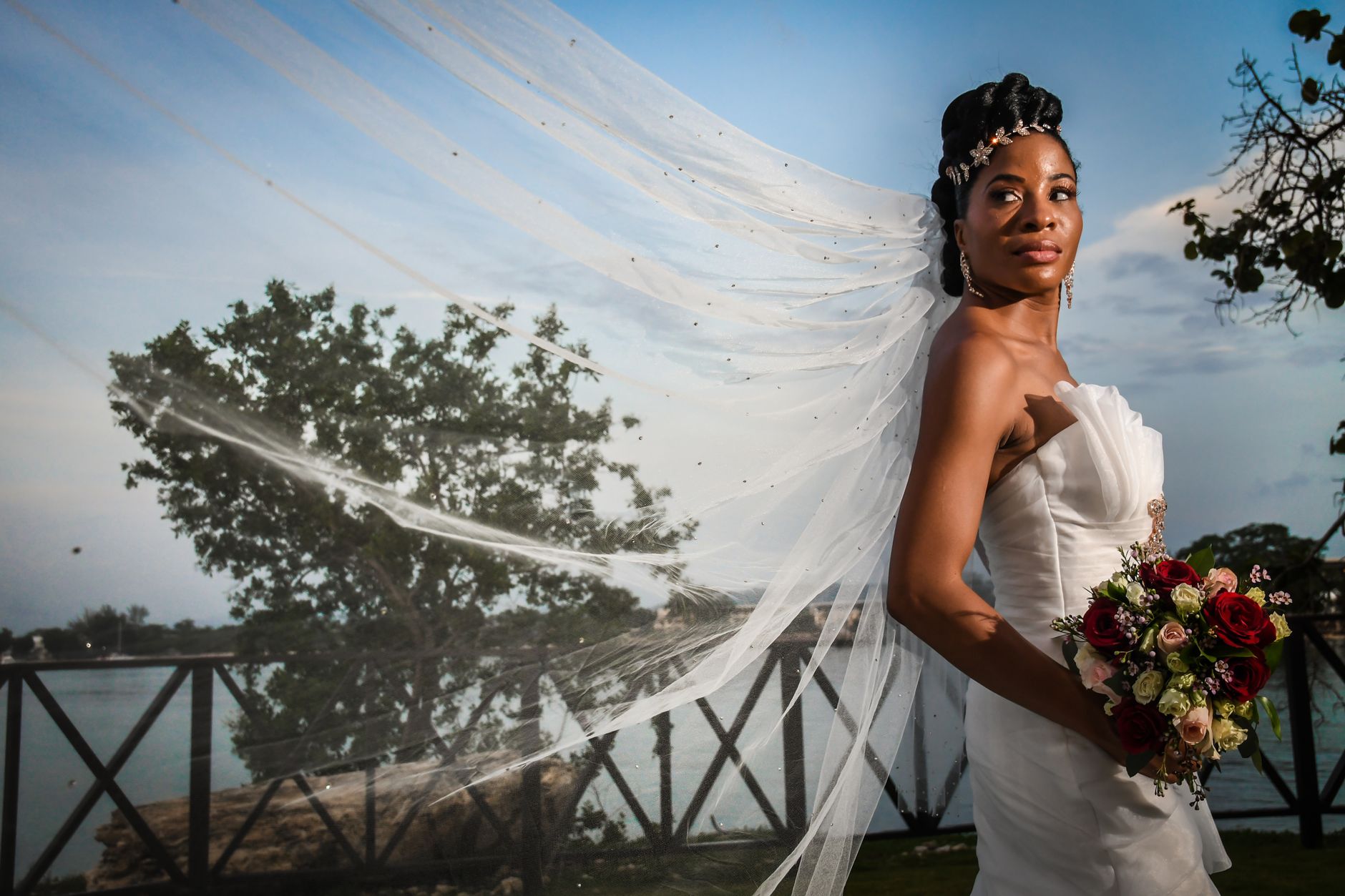 Bride Floral Bouquets
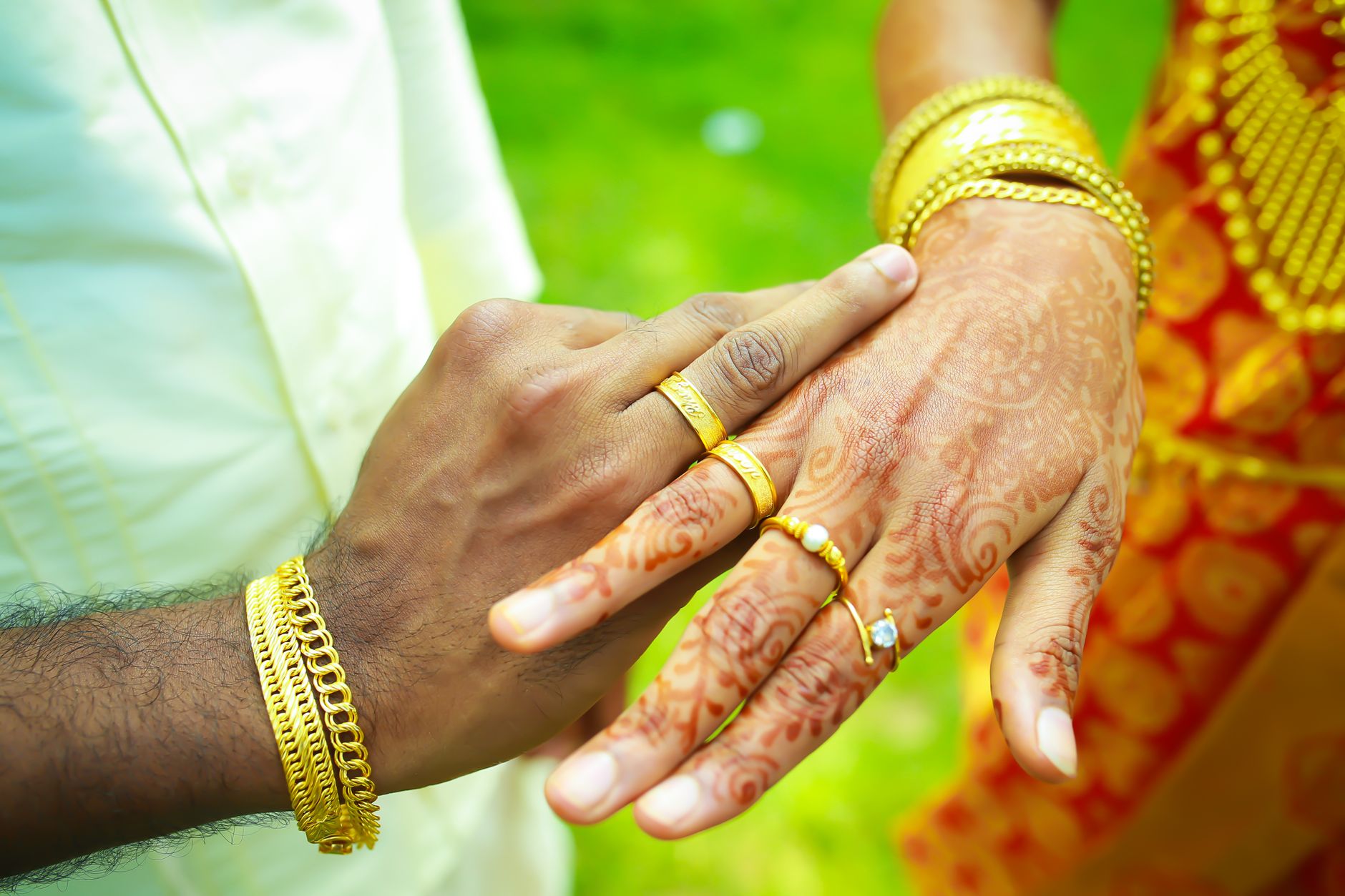 Celebration Officiant
 Celebration Souvenir Gifts
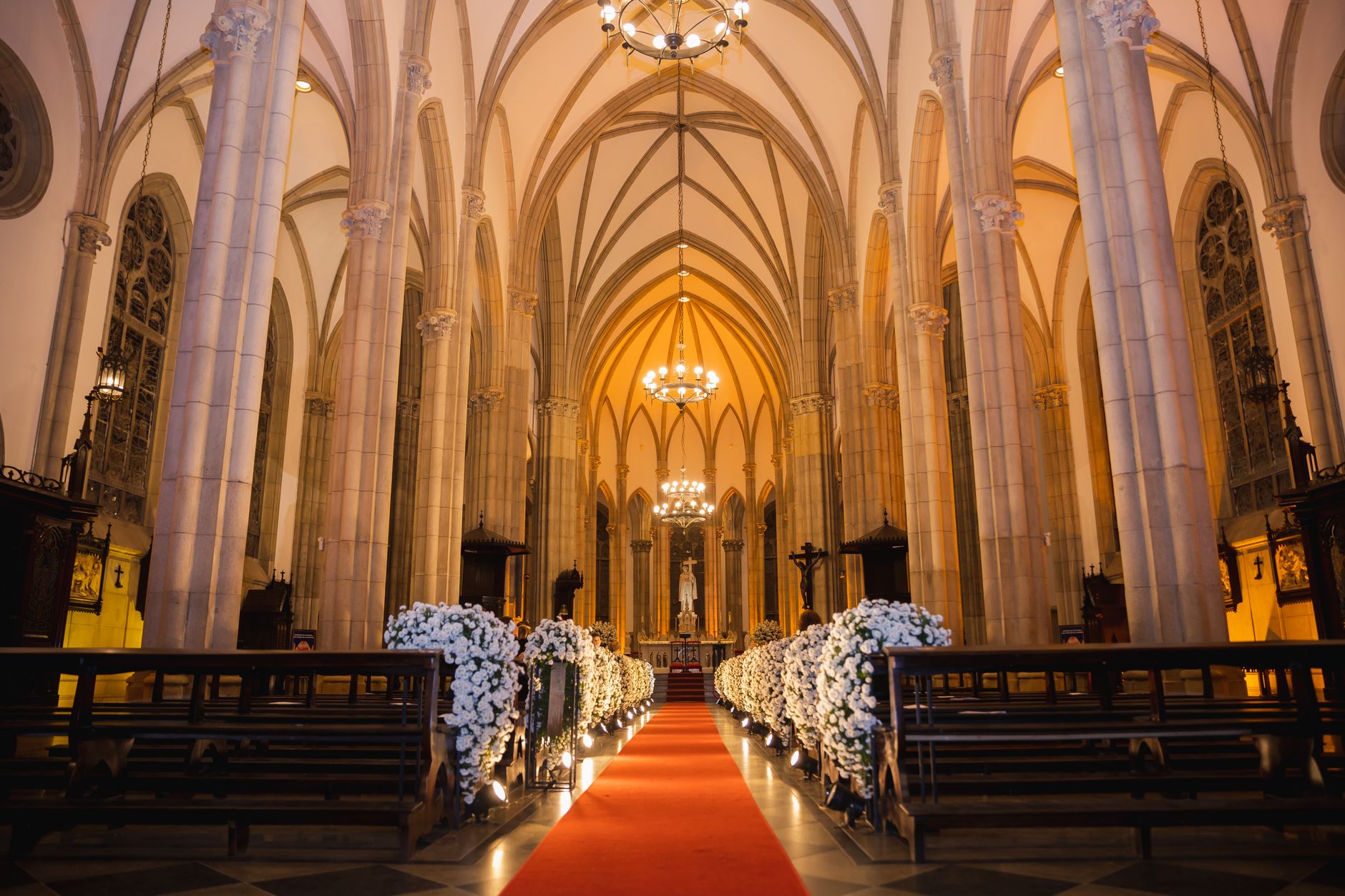 Church Wedding Accessories
 Couple Ring Holders
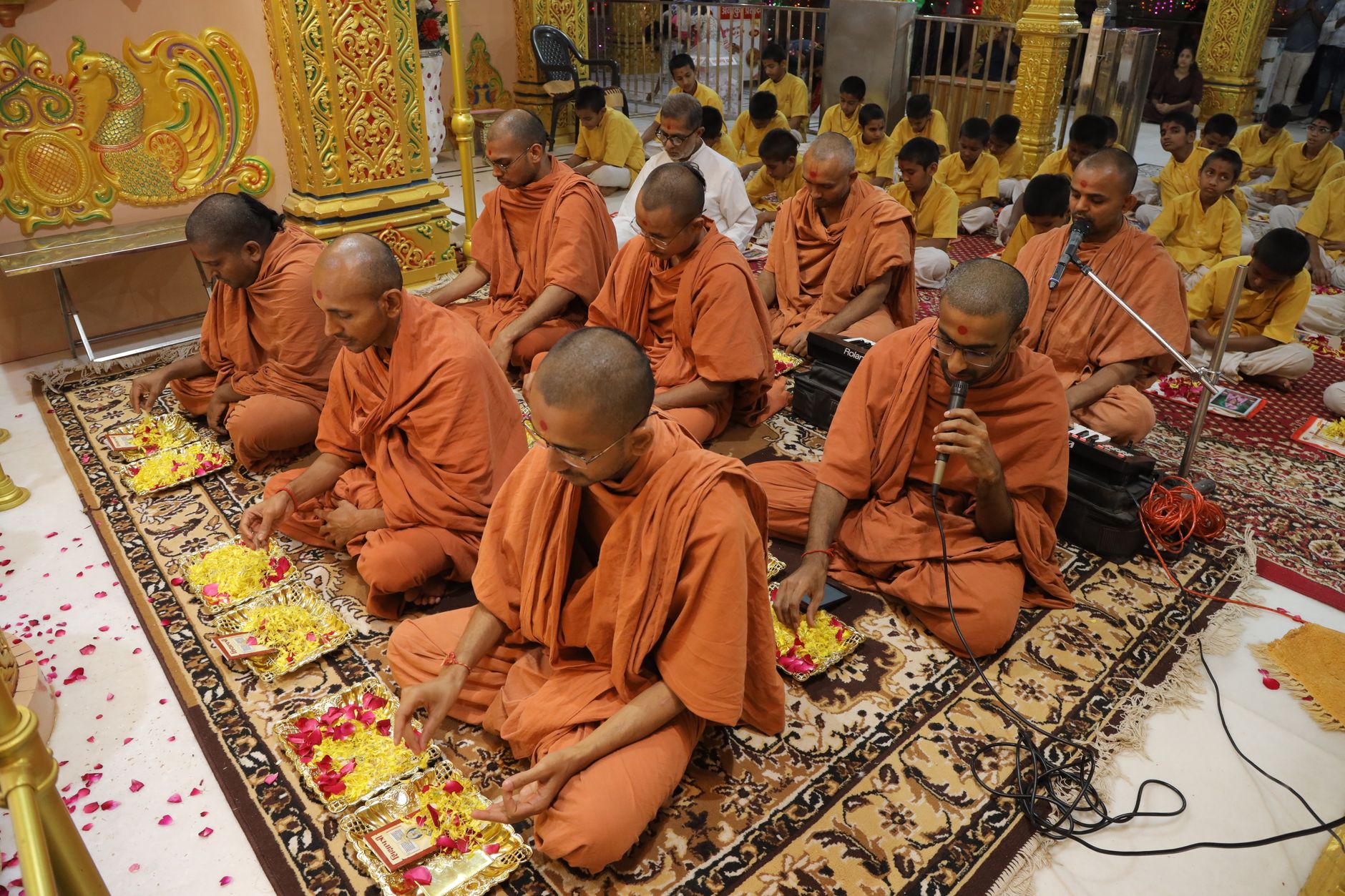 Devotional Function Singers
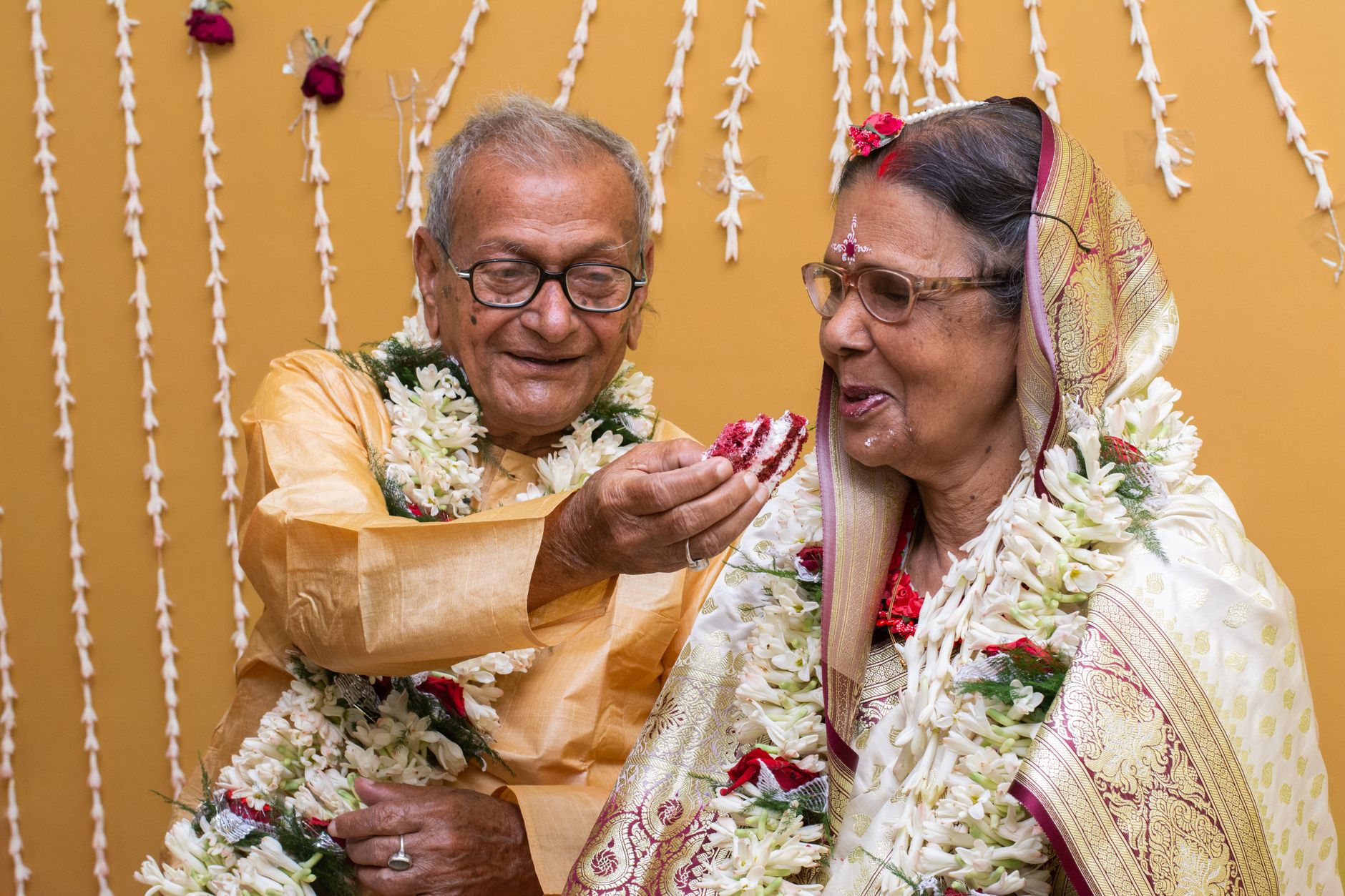 Floral Marriage Garlands
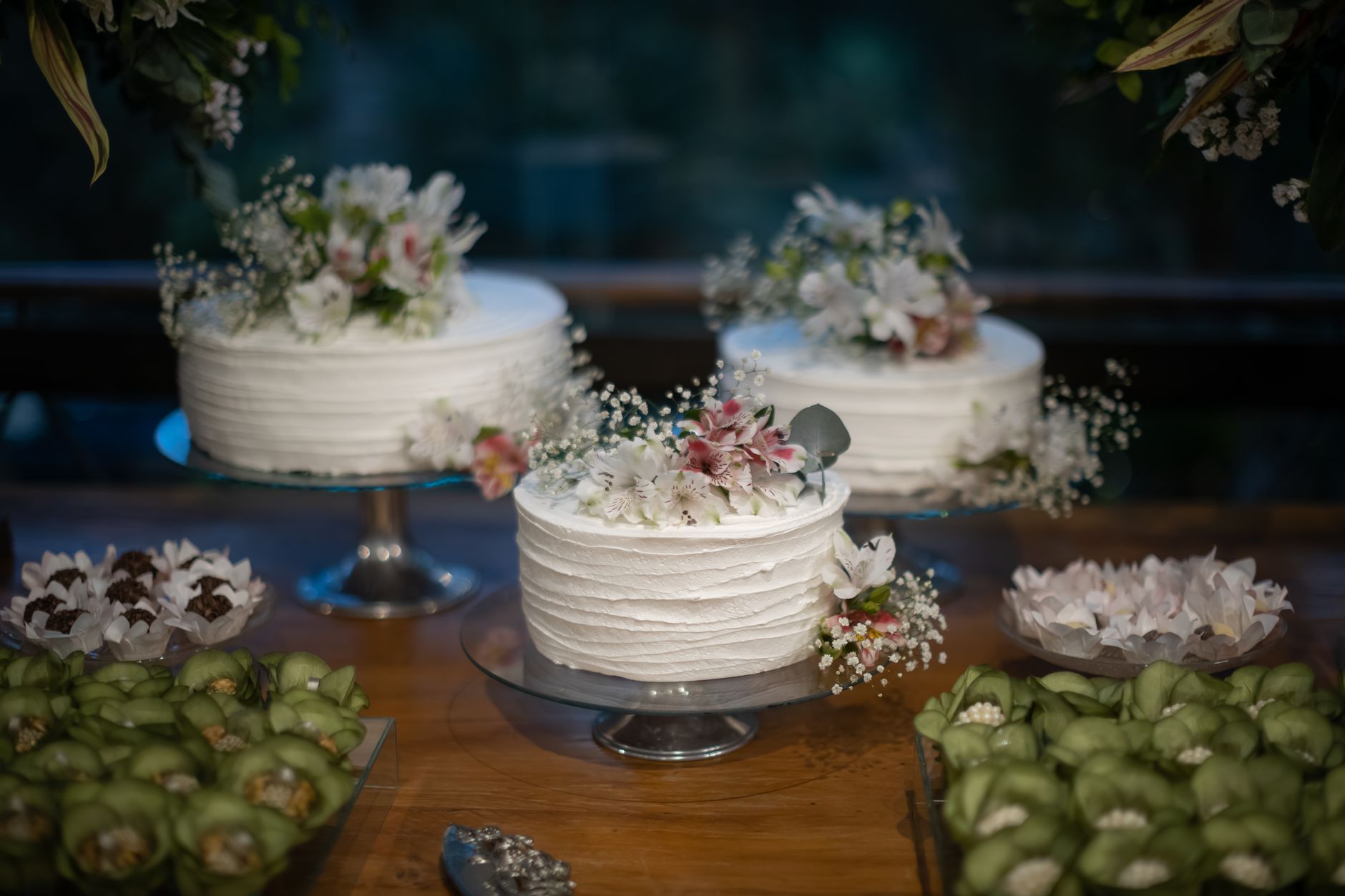 Function Celebration Cakes
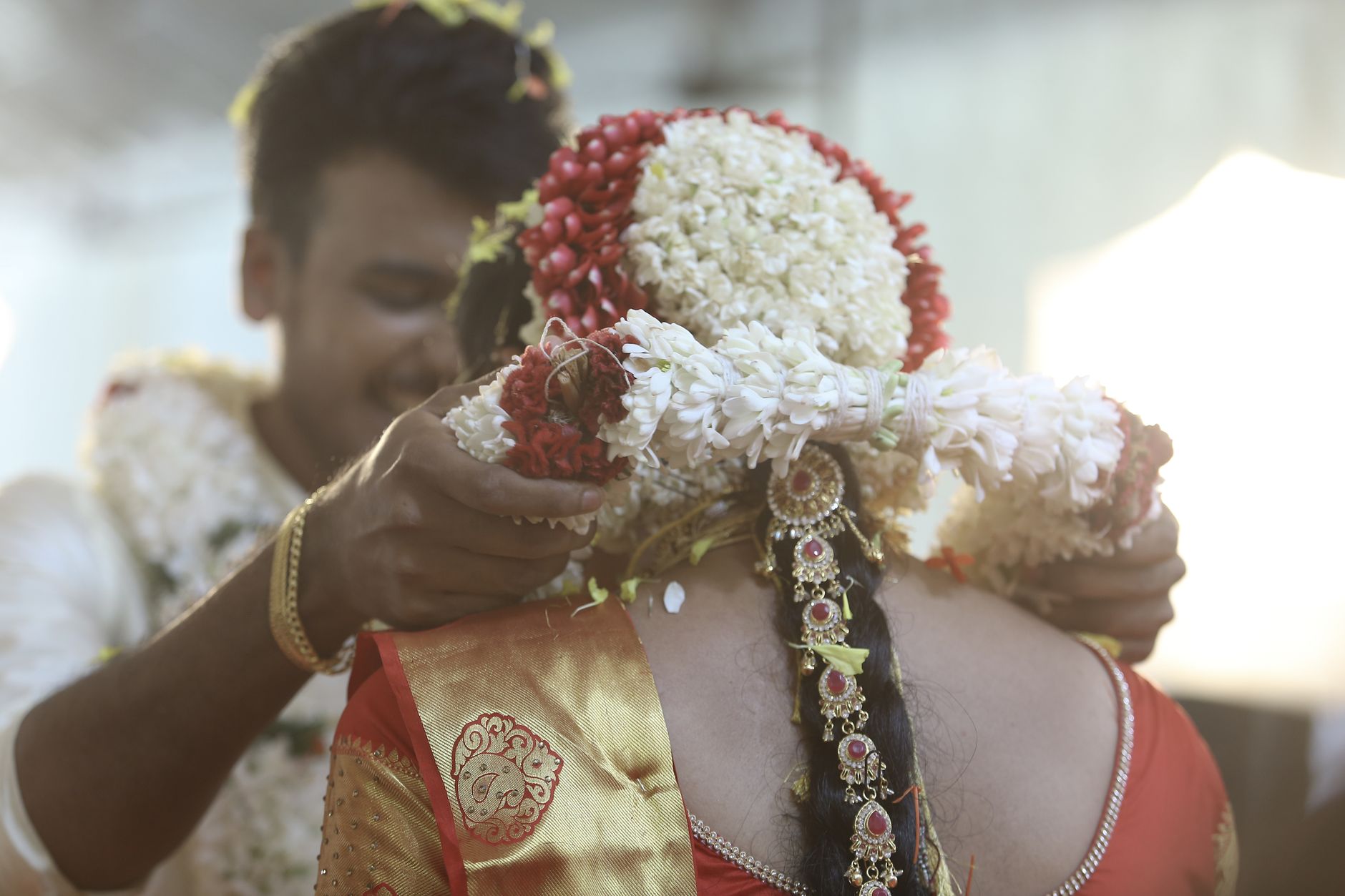 Groom Car Decoration
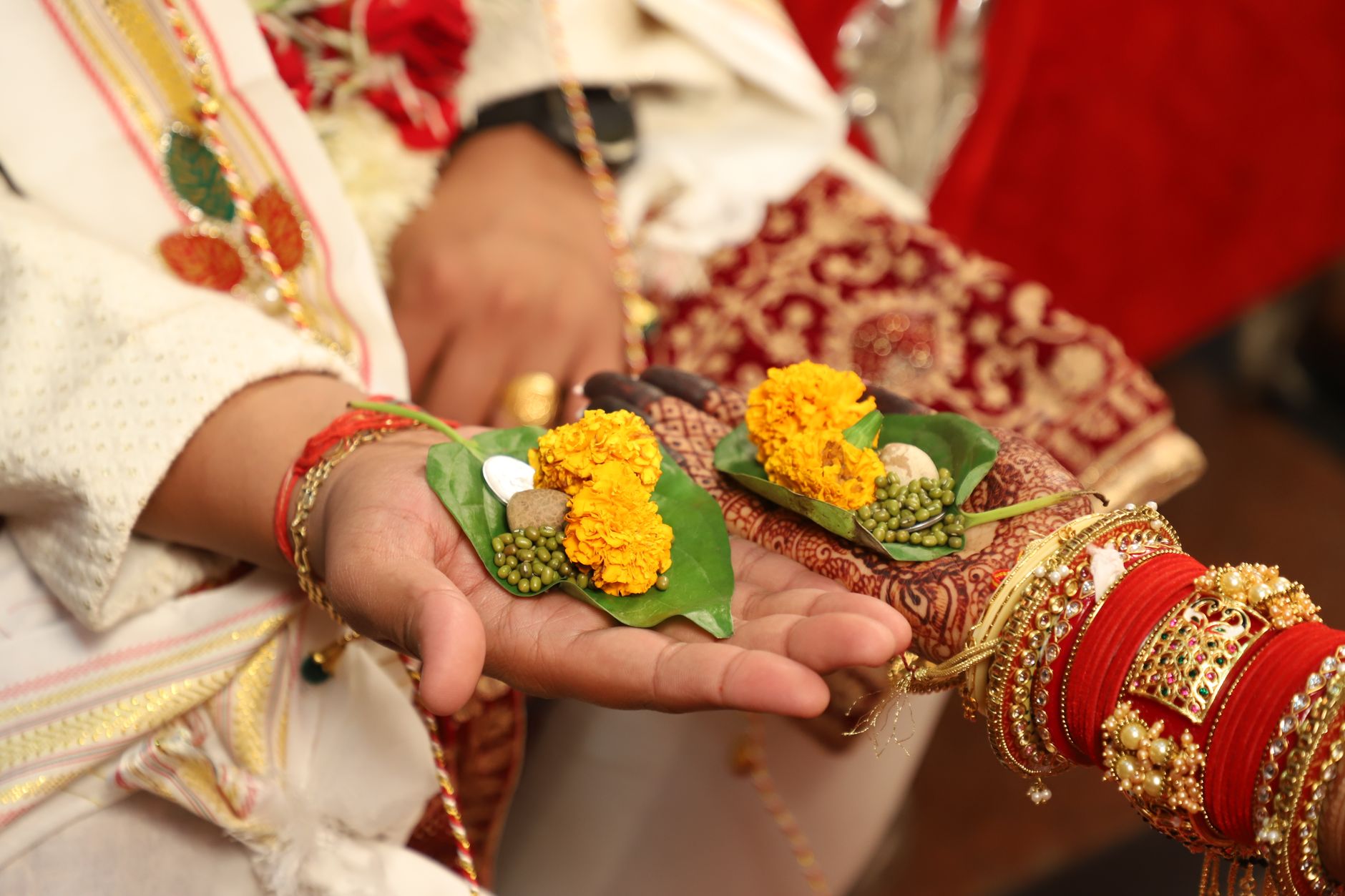 Gujarati Lagna Ceremony Essentials
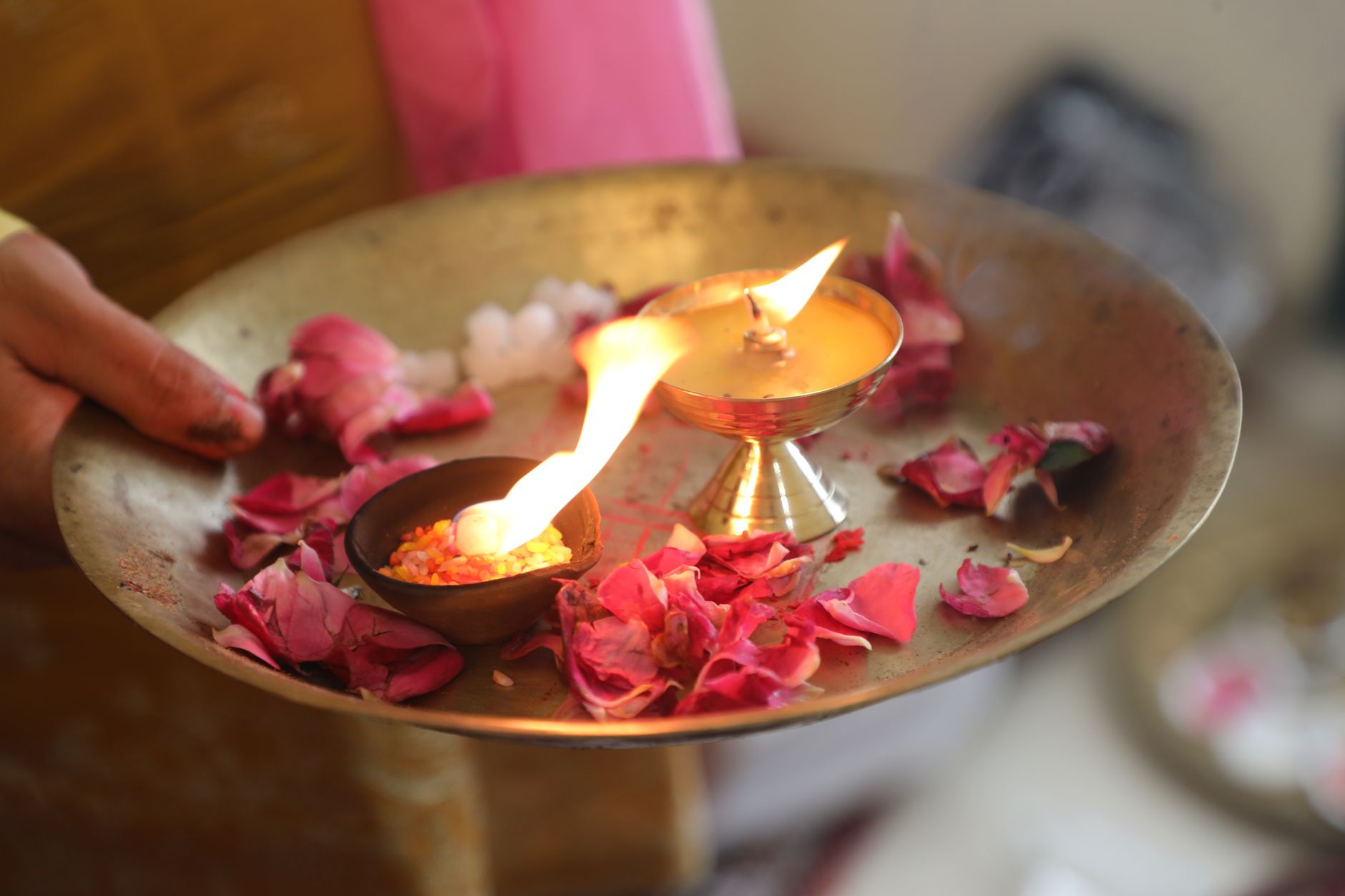 Jain Function Ritual Supplies
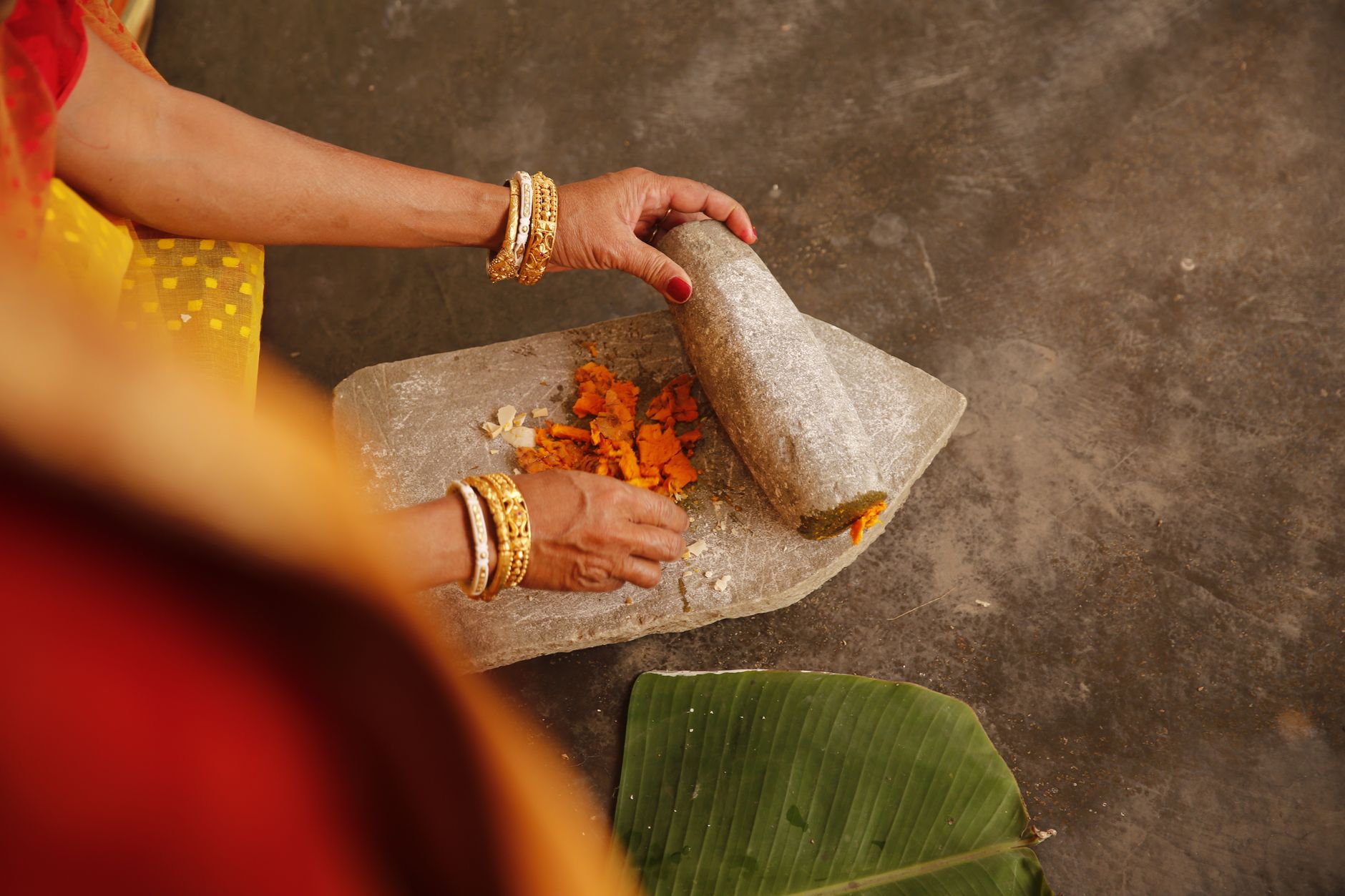 Kannada Ceremony Ritual Essentials
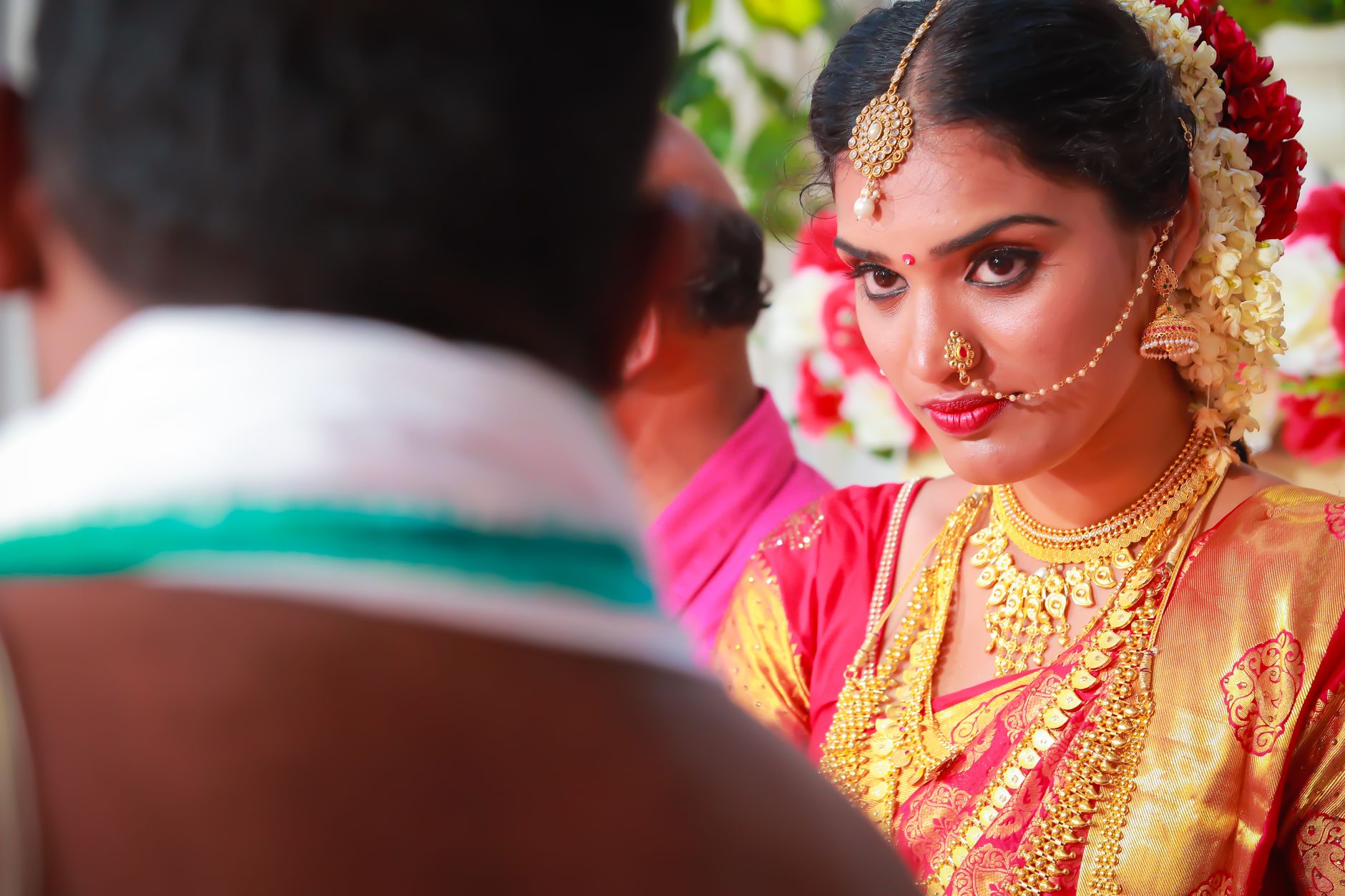 Kerala Hindu Marriage Articles
 Marriage Boutonniere
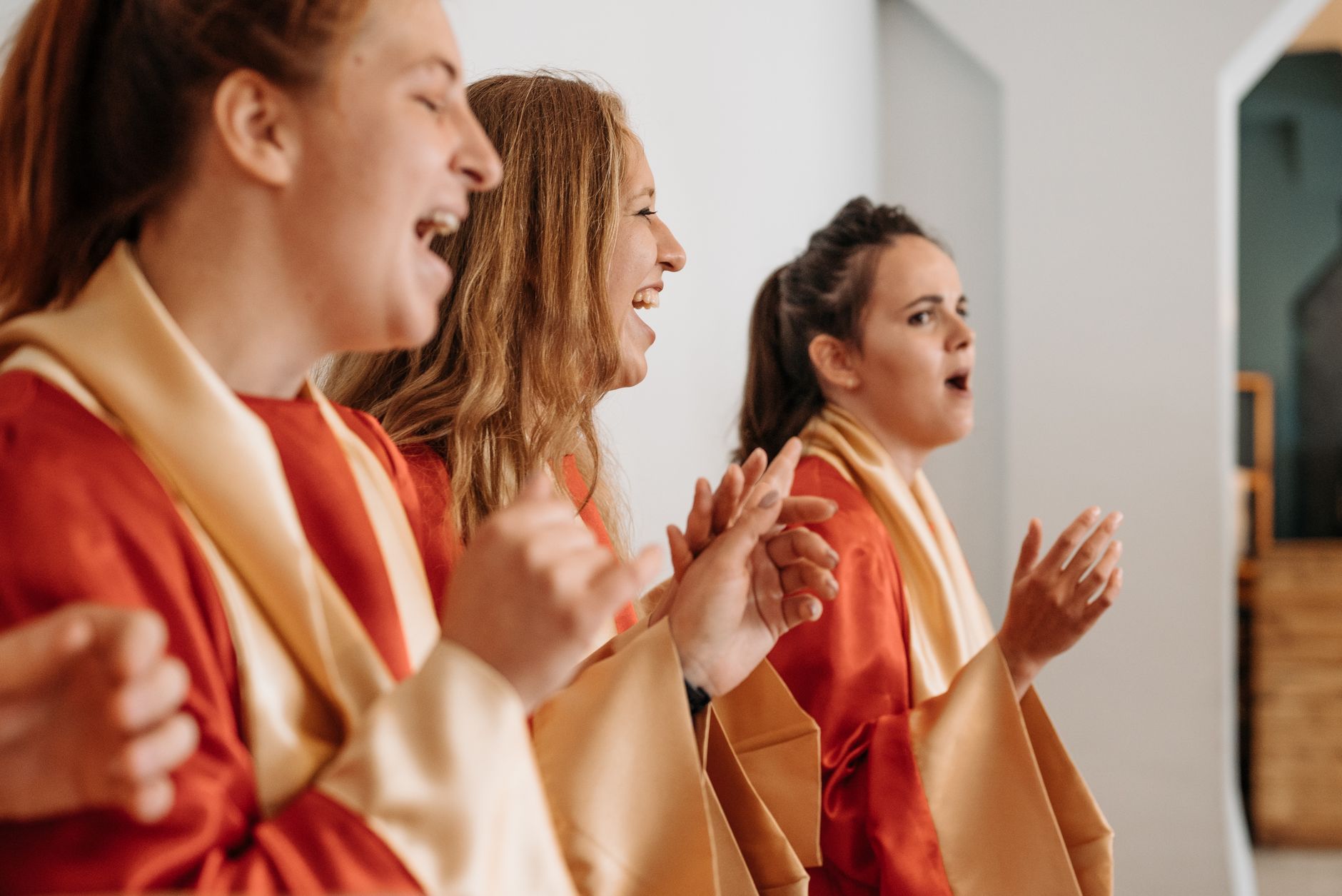 Marriage Choir Singers
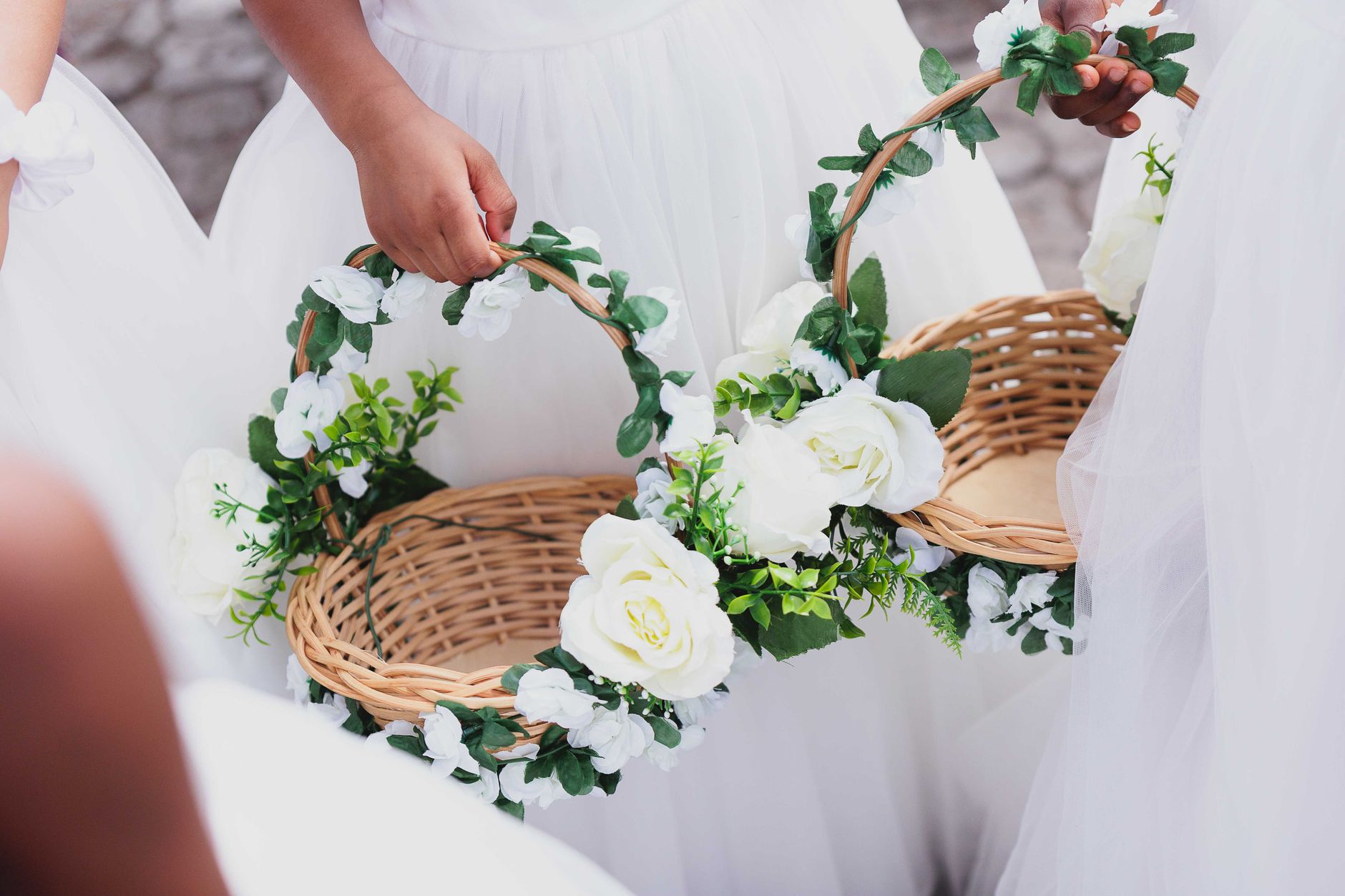 Marriage Flower Baskets
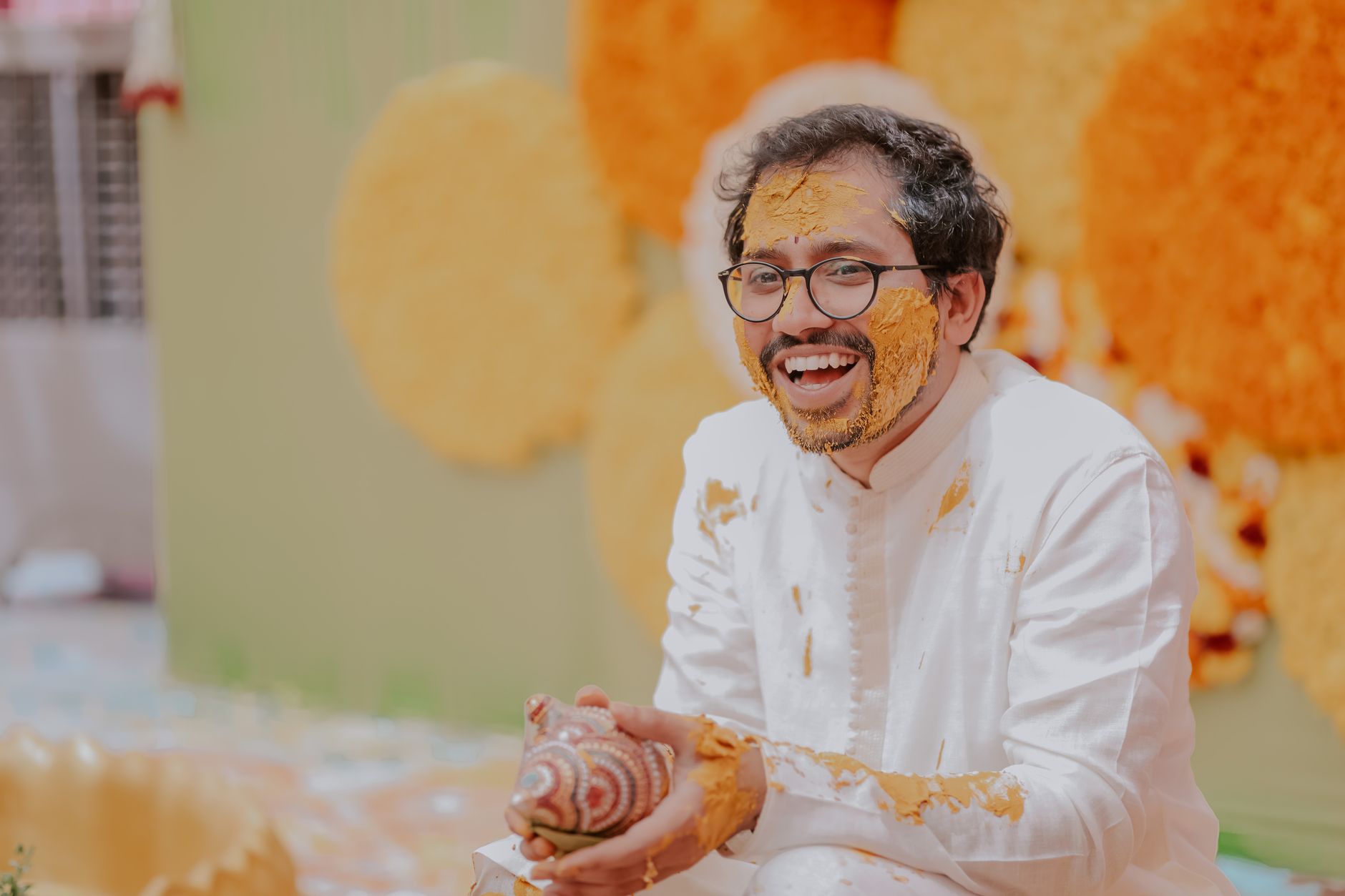 Marwari Ceremony Essentials
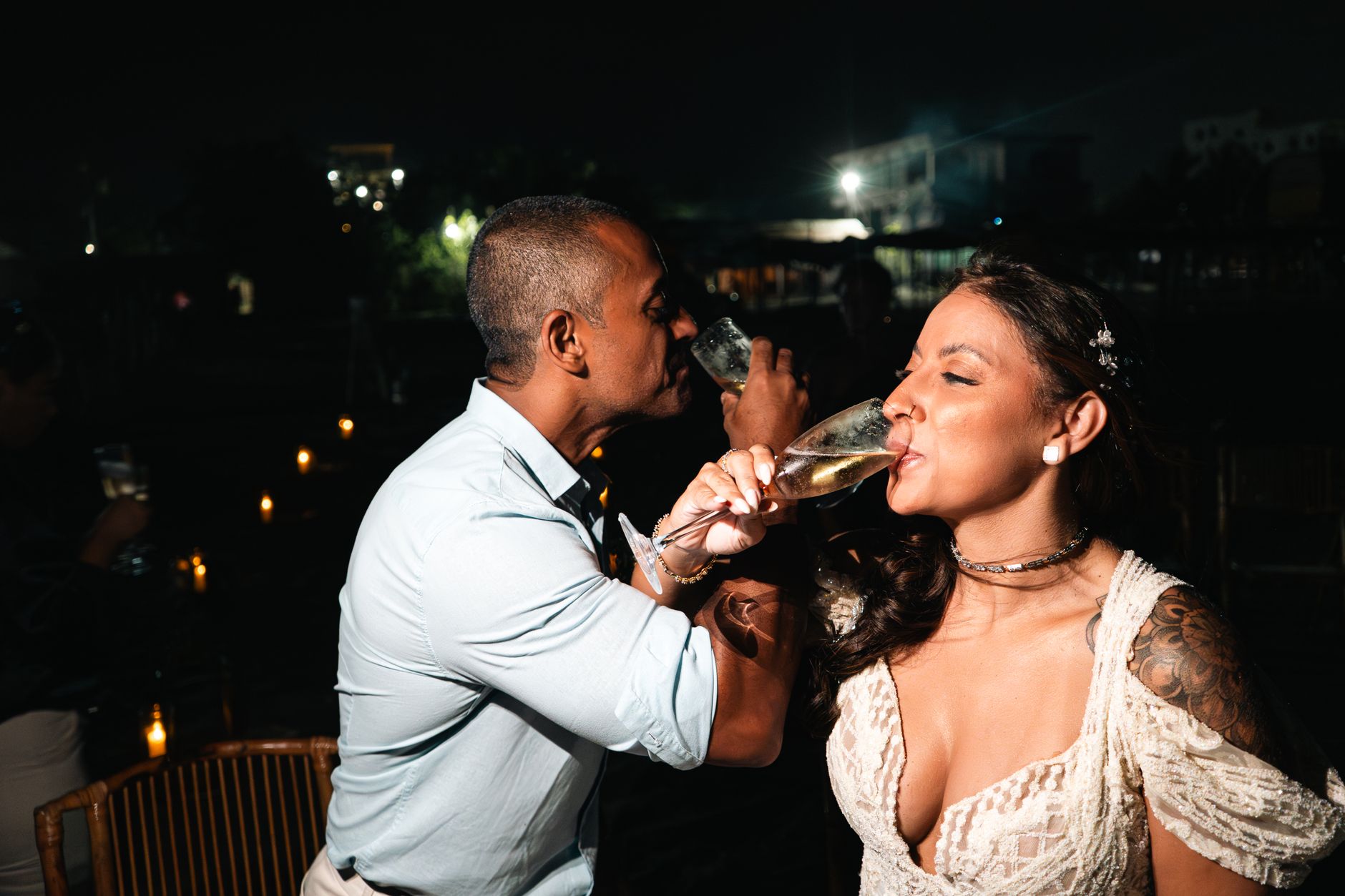 Matrimonial Champagne Service
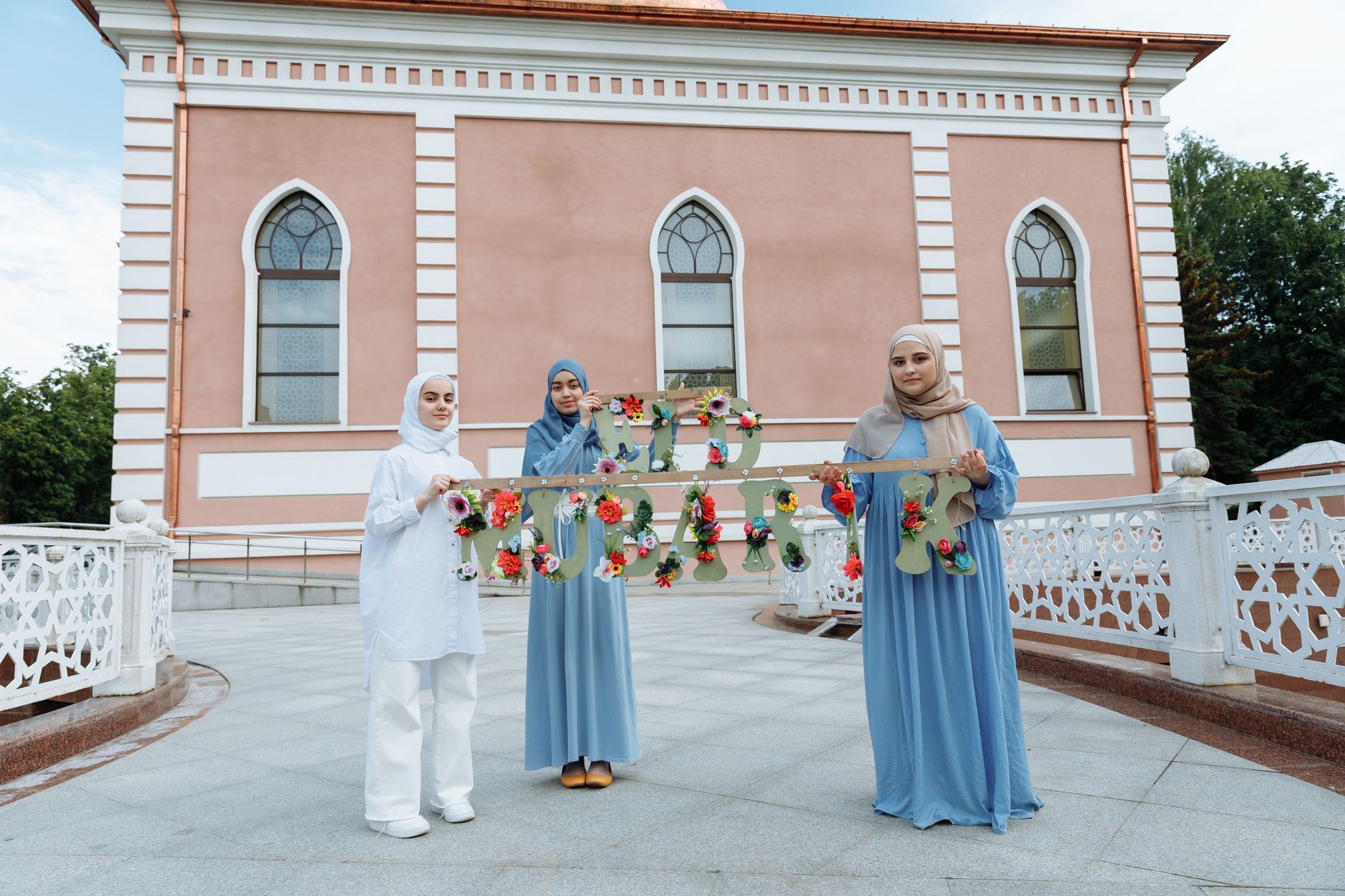 Nikah Ceremony Accessories
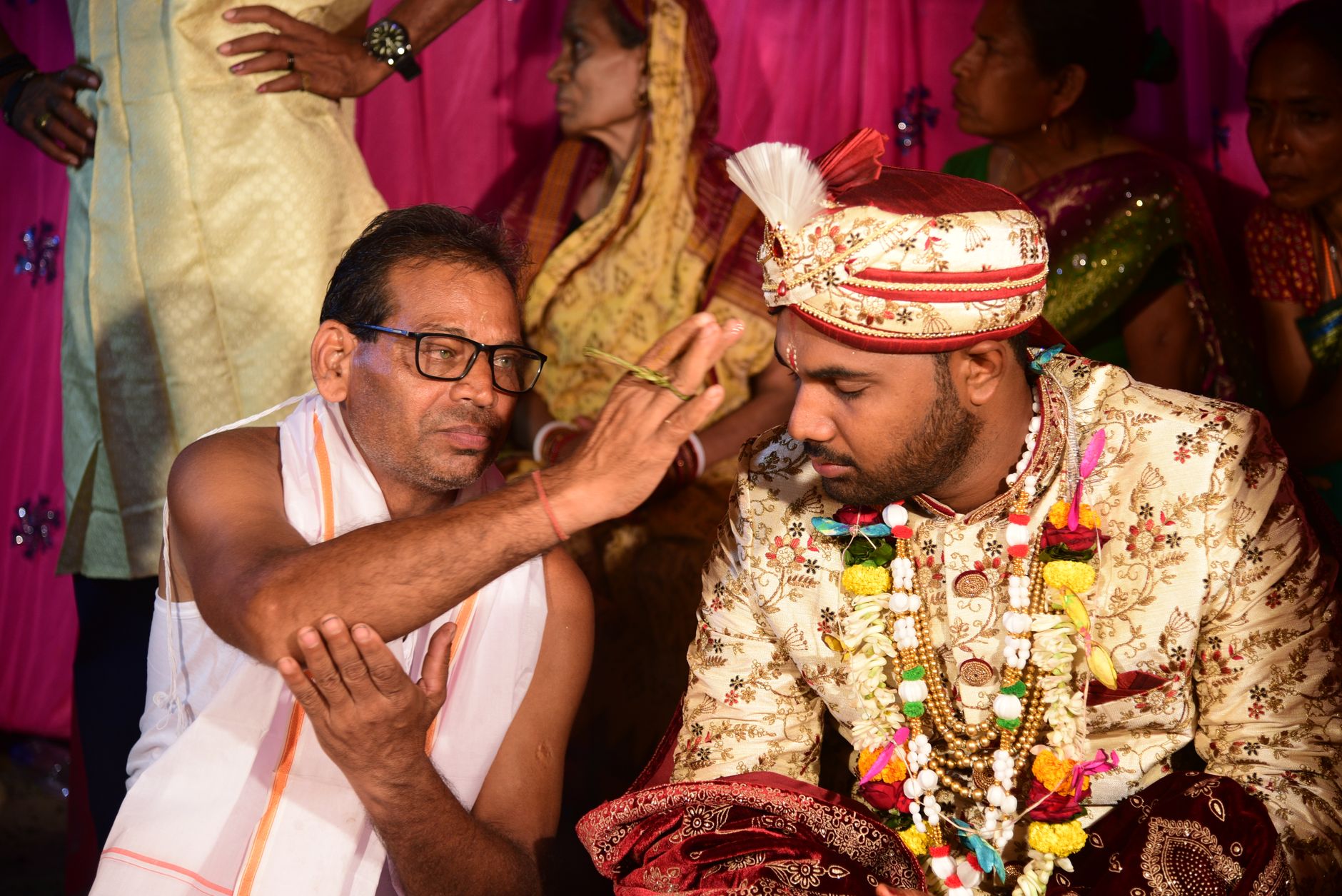 Religious Ceremony Priest
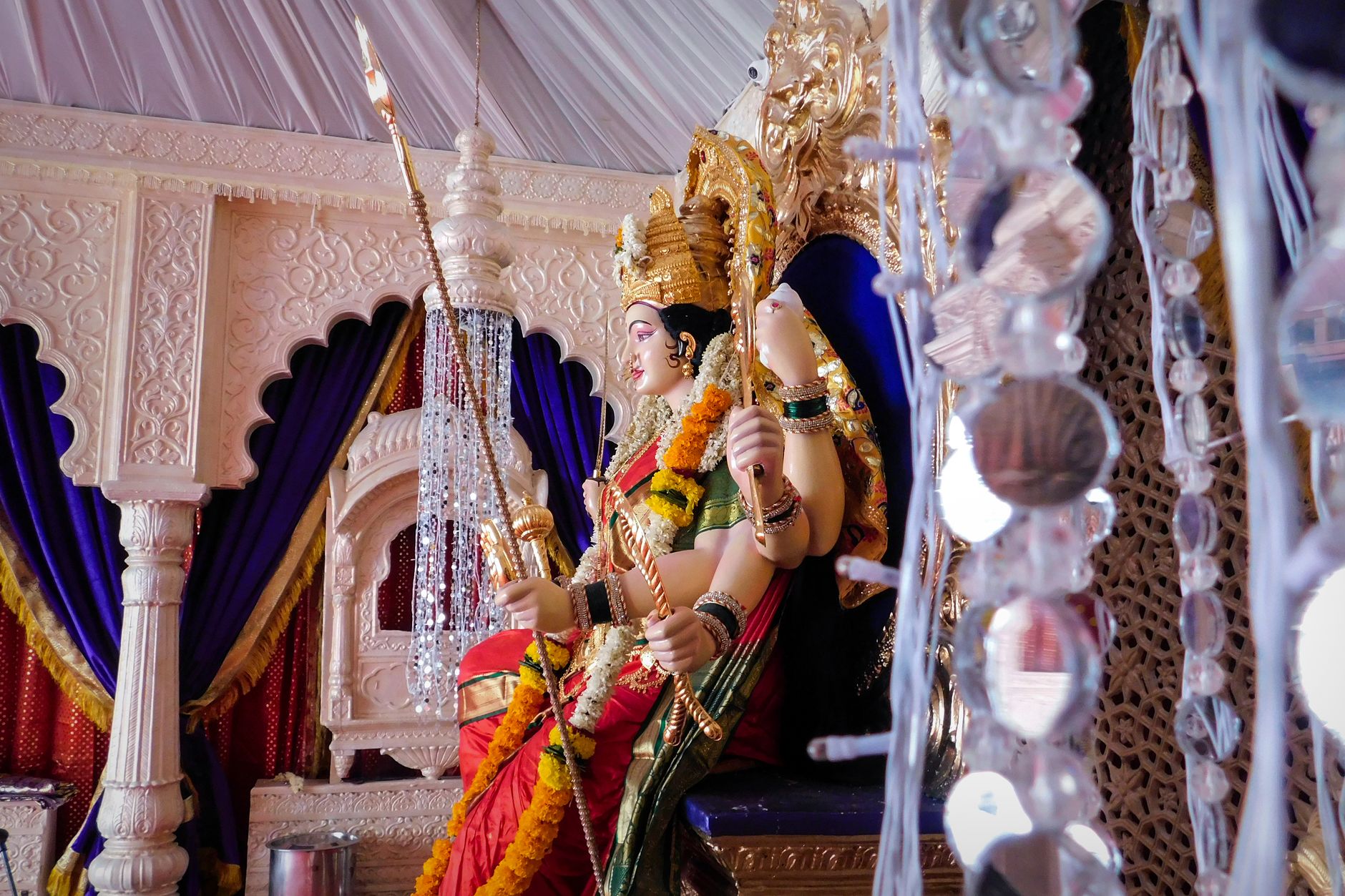 Religious Function Webcast
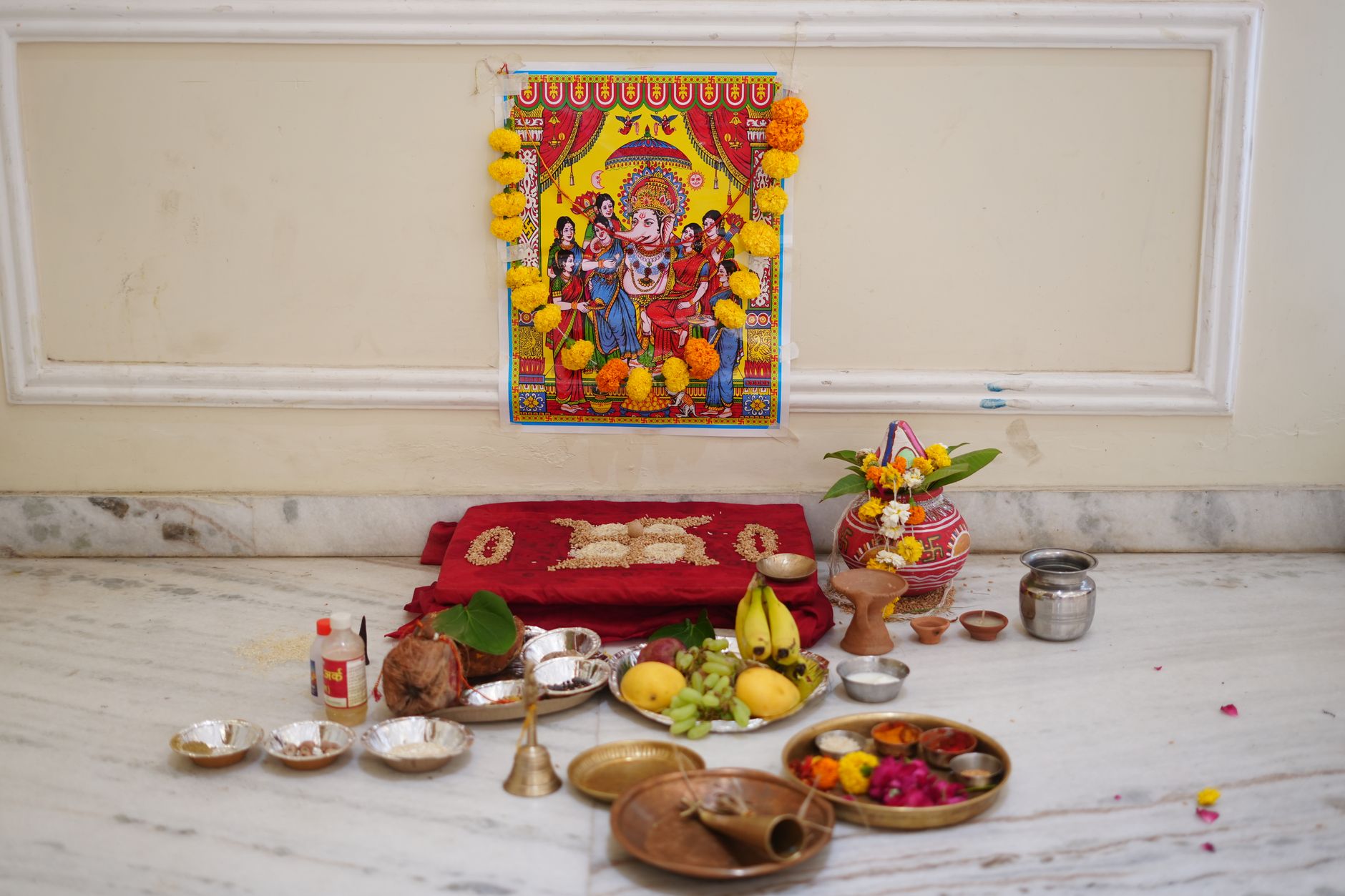 Tamil Marriage Pooja Materials
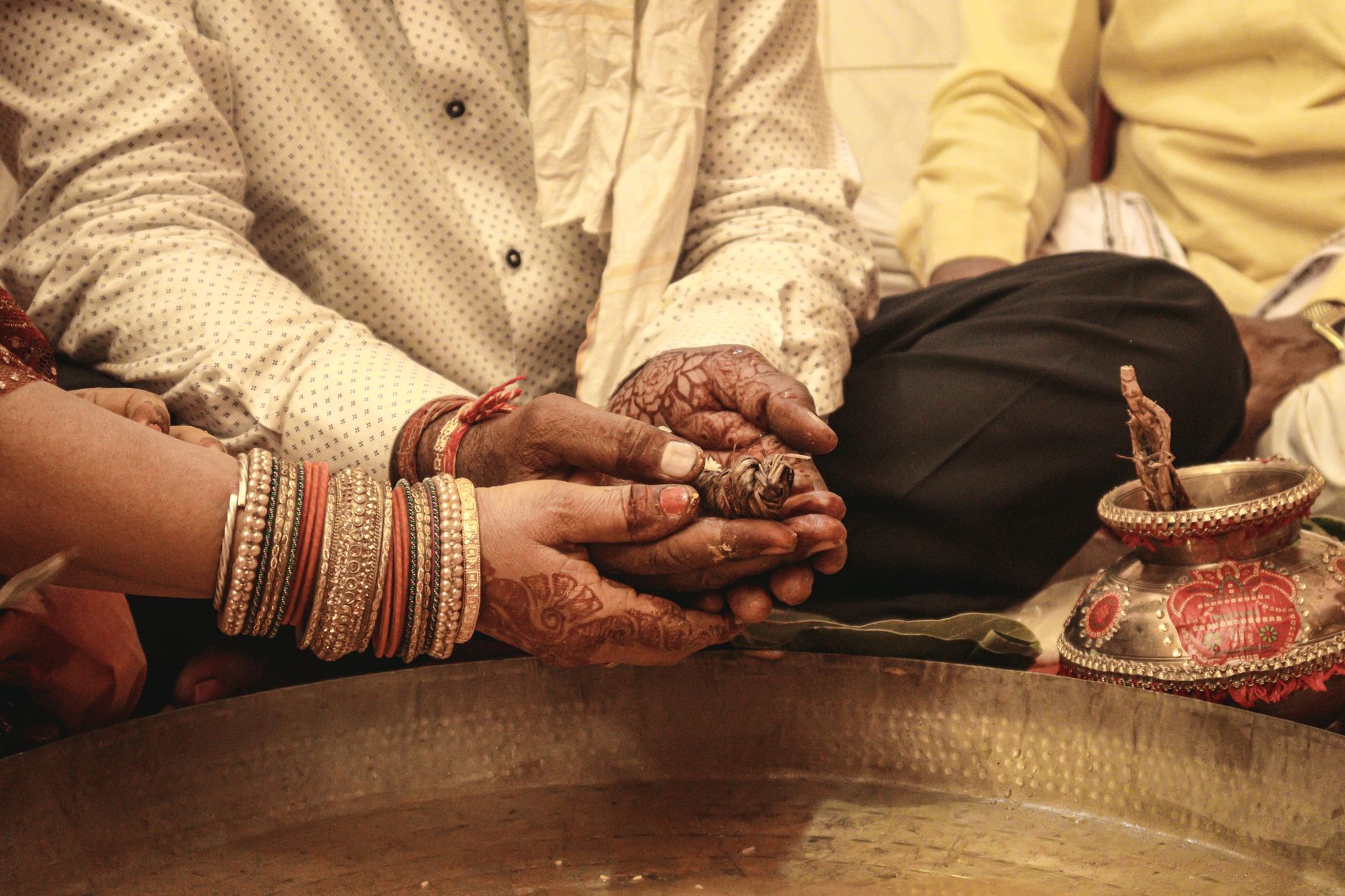 Telugu Hindu Marriage Articles
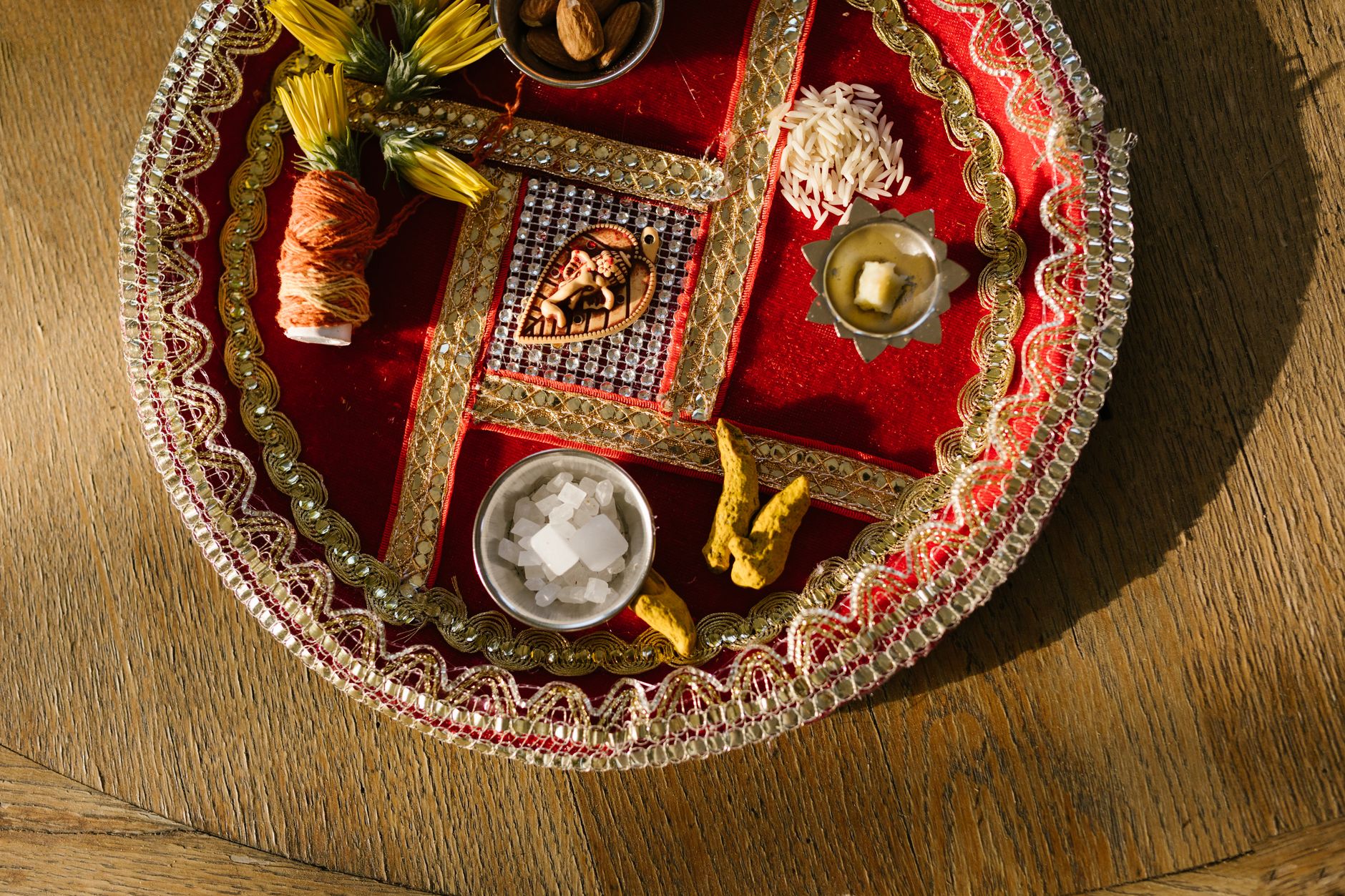 Traditional Pooja Kits
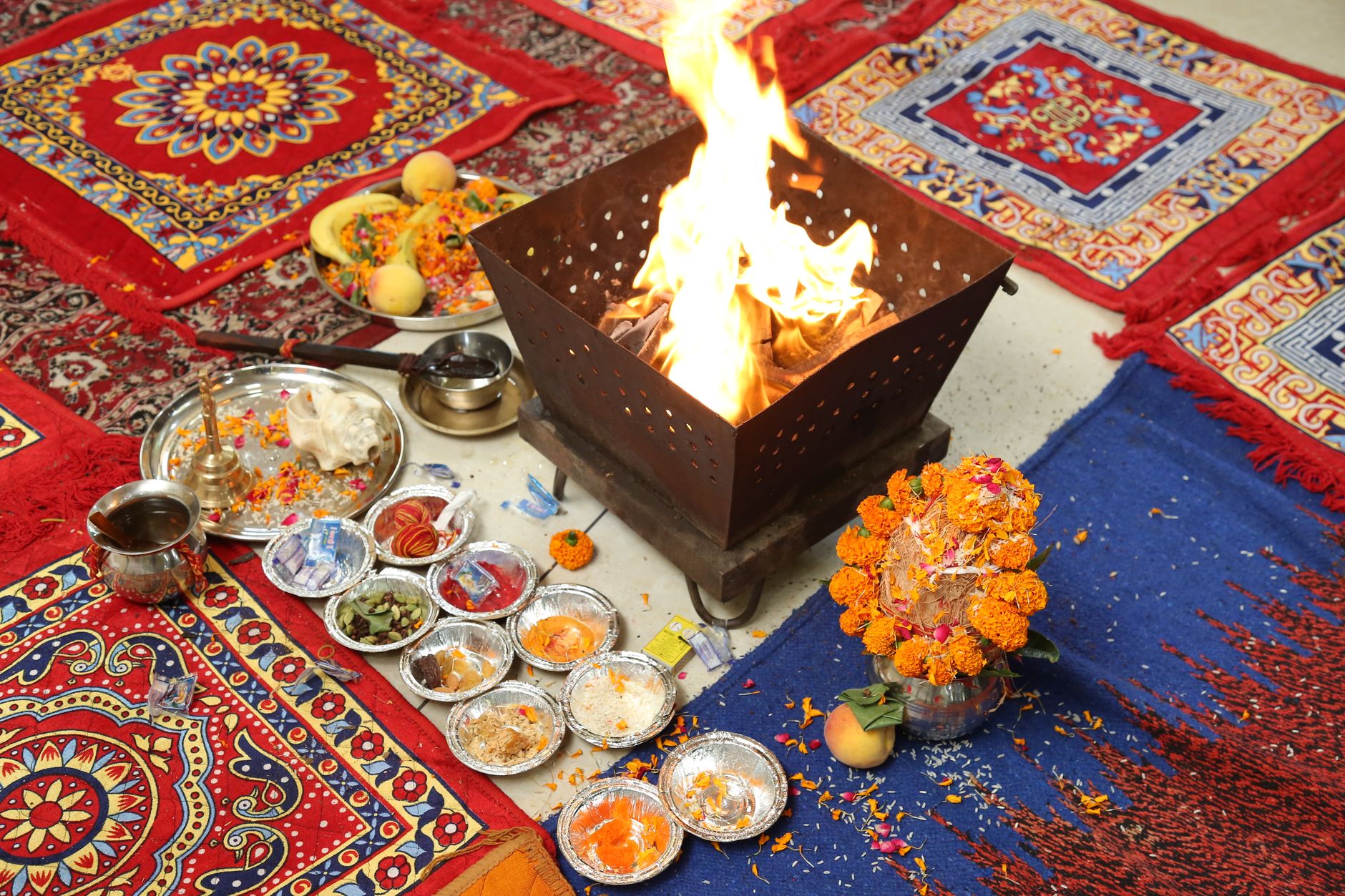 Vedic Astrologers
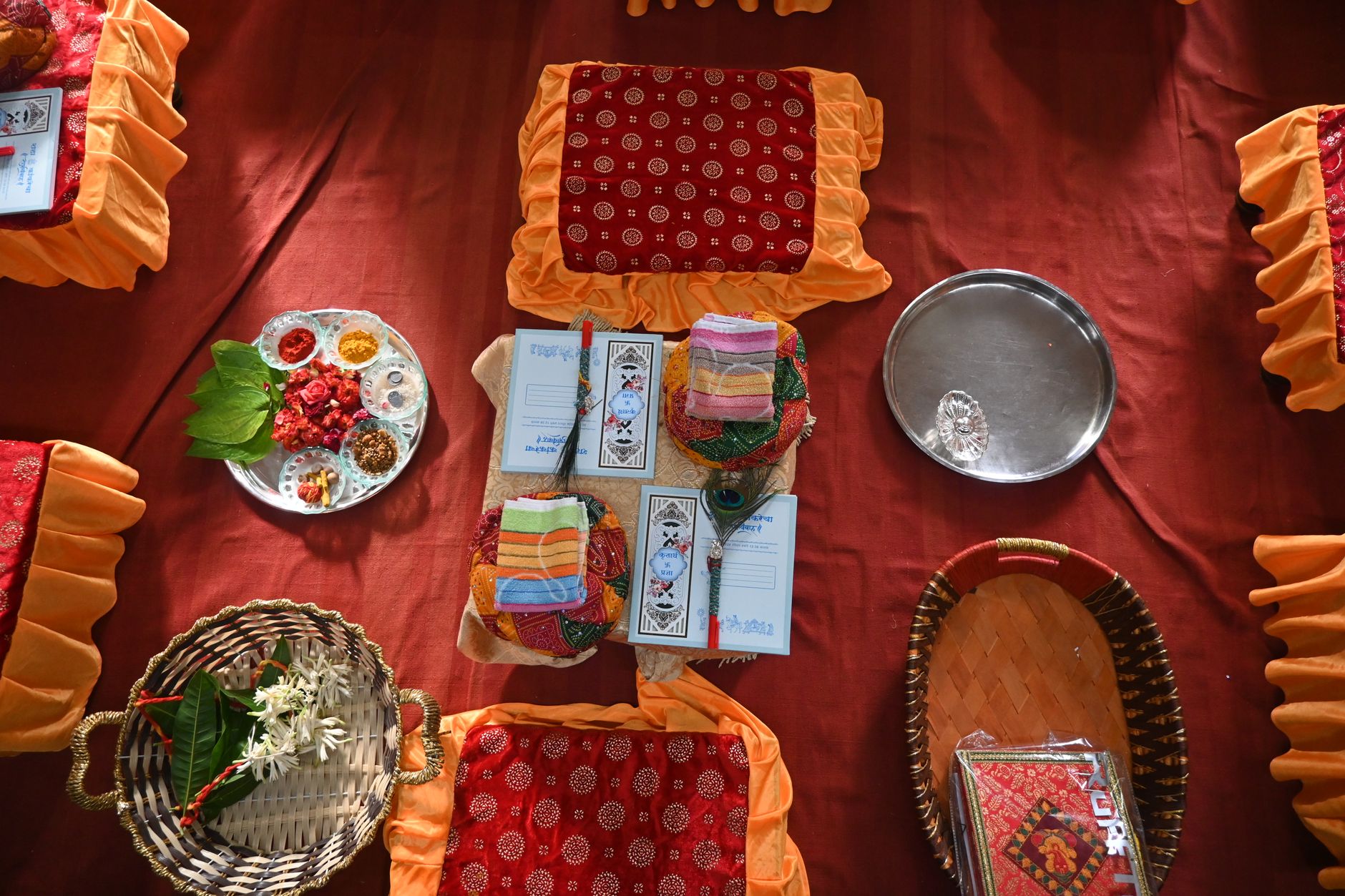 Vedic Matrimonial Ceremony Kit
- 400+Curated Events
- 6Event Universes
- 1000+Verified Vendors
- 70+Locations
- 24/7Customer Support


Not sure which packages fits your celebration?
Let Hiya & Hanu help you find the perfect match!
Explore Celebration Packages- AI-Powered MatchingSmart suggestions for you
- Budget OptimizerGet the best experiences in your budget
- End-to-End SupportWe are with you at every step
Serving Celebrations across 75+ locations in India
Traditional Sacred Ceremonies for Celebrations That Honour Heritage and Meaning
◆Bringing Tradition and Celebration Together
Traditional sacred ceremonies for celebrations offer a meaningful way to honour heritage while gathering family, friends and communities around an important occasion. These ceremonies are often shaped by customs passed down through generations, with carefully observed rituals, prayers, blessings, symbolic offerings and moments of family participation.
Unlike a purely social gathering, a sacred celebration carries an additional layer of cultural and spiritual significance. Every element can have a purpose, from the choice of auspicious timing and ceremonial space to the flowers, clothing, music and traditional food served to guests. Thoughtful preparation helps the occasion feel respectful rather than simply decorative.
For families arranging traditional sacred ceremonies for celebrations, the key is to balance authenticity with practical event planning. A well-organised ceremony should allow enough time for rituals while also creating a comfortable experience for guests. This may include selecting an appropriate venue, coordinating officiants, arranging decorations and preparing a schedule that everyone can understand.
Understanding the Purpose of Sacred Ceremonies
Sacred ceremonies can mark many meaningful moments in family and community life. Depending on cultural traditions, they may be associated with blessings, milestones, family gatherings, religious observances, thanksgiving occasions or important transitions.
The central purpose is usually more important than the scale of the event. A small family ceremony can be just as significant as a large celebration when the rituals are conducted with care and understanding. This makes traditional sacred ceremonies for celebrations suitable for people who want an occasion that feels personal, respectful and connected to their heritage.
Before making arrangements, families should discuss the meaning of the ceremony and identify which rituals are essential. Speaking with a knowledgeable priest, officiant, elder or cultural expert can help clarify customary practices and avoid unnecessary additions.
Choosing the Right Ceremony Format
The format should reflect the type of occasion, the number of guests and the traditions being followed. Some ceremonies are intimate and family-focused, while others may involve a larger gathering with community participation.
A useful starting point is to create a simple ceremony plan covering the ritual sequence, expected duration, participants and required materials. This makes it easier to communicate responsibilities to family members and service providers.
Traditional sacred ceremonies for celebrations can also be adapted to different settings without losing their core meaning. A family home may be suitable for a smaller gathering, while a temple, community hall, heritage venue or dedicated event space may work better for a larger ceremony.
The most important consideration is whether the environment allows the ceremony to take place comfortably and respectfully.
Selecting a Suitable Sacred Venue
Venue selection is an important part of ceremony planning because the space needs to accommodate both ritual requirements and guest movement. Families should consider accessibility, seating, cleanliness, privacy, ventilation and available facilities before confirming a location.
For larger occasions, the venue should provide enough room for the ceremonial area, guests, musicians, catering teams and service providers. It is also helpful to understand whether the venue permits traditional decorations, lamps, floral arrangements, music or other customary elements.
A practical venue layout can separate the main ritual space from dining and social areas. This helps maintain focus during important ceremonial moments while allowing guests to move comfortably before and after the rituals.
When comparing locations, families should ask about setup and dismantling times, power availability, parking, changing facilities and any restrictions on decorations or catering.
Creating Meaningful Traditional Decorations
Decoration should support the atmosphere of the ceremony rather than distract from its purpose. Traditional sacred ceremonies for celebrations often benefit from natural flowers, fabric backdrops, lamps, traditional motifs, foliage and culturally meaningful decorative elements.
Floral garlands can be used around the ceremonial area, entrance or seating arrangements. Depending on the tradition, rangoli or kolam designs may add a welcoming touch, while brass lamps, traditional vessels and carefully selected textiles can strengthen the cultural setting.
Colour choices should also suit the occasion. Warm, natural and traditional tones can create a dignified environment without making the space feel overly elaborate.
A professional decoration team can help translate a family's preferred cultural style into a practical setup. However, decorative decisions should always respect the specific customs associated with the ceremony.
Coordinating Priests, Officiants and Ritual Requirements
The person leading the ceremony plays an important role in ensuring that the rituals are conducted correctly. Families should confirm the availability of the priest, officiant or recognised ceremonial expert well in advance.
It is useful to discuss the sequence of rituals, expected duration, participant responsibilities and any materials that need to be prepared. This is particularly important when family members are travelling from different places or when children and elderly relatives are participating.
A clear schedule can prevent confusion on the day. Someone from the family or the event coordination team can act as the main contact person, ensuring that the officiant, decorators, caterers and other suppliers receive the information they need.
Experienced ritual coordination services can be particularly helpful for larger events where several elements need to happen at specific times.
Planning Traditional Music and Cultural Entertainment
Music can add atmosphere while remaining closely connected to the character of the ceremony. Traditional instruments, devotional music, classical performances or culturally appropriate background arrangements may be considered depending on the event.
Entertainment should never overpower the sacred elements. Instead, it should complement the occasion and provide an appropriate transition between ceremonial and social portions of the celebration.
Families should discuss music requirements with the venue in advance, particularly where sound levels, equipment or performance areas are subject to restrictions.
For larger celebrations, entertainment can be scheduled after the principal rituals have concluded. This allows guests to appreciate the ceremonial experience without unnecessary interruptions.
Food and Hospitality for Guests
Food is often an important part of cultural celebrations. Menu planning should consider the traditions associated with the occasion, the expected number of guests and any dietary requirements.
For traditional sacred ceremonies for celebrations, families may choose a culturally appropriate menu that reflects the significance of the event. Vegetarian options, traditional sweets, seasonal dishes and ceremonial offerings may form part of the hospitality plan where suitable.
Catering teams should receive a clear guest count and serving schedule. If food is served after the ceremony, the dining area should be ready before the rituals finish so that guests can transition smoothly.
It is also helpful to arrange drinking water, seating for older guests and suitable meal arrangements for children.
Making Family Participation Meaningful
One of the most valuable aspects of traditional ceremonies is the opportunity for family participation. Rather than leaving every responsibility to professional suppliers, families can identify suitable roles for relatives.
Younger family members may help with welcoming guests, while elders can guide participants through customs and traditions. Close relatives may assist with ceremonial materials, hospitality or guest coordination.
This shared involvement can make the occasion more memorable because people are not merely attending an event; they are contributing to a family tradition.
Families should still avoid assigning too many responsibilities to one person. A simple responsibility list can distribute tasks across several trusted people and reduce pressure on the day.
Creating a Practical Ceremony Timeline
A detailed timeline helps bring all the elements together. The schedule should include venue access, decoration setup, arrival of the officiant, guest arrival, ceremony timings, photography, food service and closing activities.
Traditional sacred ceremonies for celebrations may require additional preparation because certain rituals can follow a specific sequence. Building a small amount of flexibility into the schedule allows the ceremony to proceed naturally without making guests feel rushed.
Photography should also be planned carefully. Photographers should understand when they can move around the ceremonial area and when they should remain discreet.
A designated coordinator can monitor the schedule while allowing the family to focus on the occasion itself.
Choosing Professional Ceremony Services
Professional support can make complex celebrations considerably easier to manage. Depending on the requirements, families may need venue coordination, traditional decoration, floral services, catering, photography, music, guest management and ceremonial assistance.
Meaningful ritual services can be particularly useful when families want the ceremony to follow established traditions while keeping the overall event organised. Service providers should be selected based on experience, communication, reliability and understanding of the occasion.
Before confirming a supplier, ask what is included in the package, which materials are provided, how long the service lasts and whether setup and removal are covered.
Meaningful ritual services should also be transparent about costs. A written quotation can help families compare options and avoid unexpected expenses.
Managing the Budget Without Losing Meaning
A meaningful ceremony does not need an excessive budget. The priority should be the rituals and experiences that matter most to the family.
Start by separating essential expenses from optional additions. Venue hire, ceremonial requirements, officiant fees, food and basic decoration may take priority. Additional entertainment, elaborate staging or extensive floral installations can then be considered according to the available budget.
Traditional sacred ceremonies for celebrations can be made distinctive through thoughtful details rather than expensive additions. Personalised family elements, traditional flowers, meaningful photographs and carefully selected ceremonial objects can contribute more emotional value than unnecessary decoration.
Keeping a written budget also makes it easier to monitor supplier payments and final balances.
Making the Occasion Comfortable for Every Guest
Guest experience should remain part of the planning process. Elderly relatives may need easy access to seating, while families with children may appreciate a comfortable waiting area.
Clear directions, sufficient lighting and organised seating can make the venue easier to navigate. If guests are travelling from outside the area, practical information about accommodation and transport can also be shared beforehand.
The ceremony should have a welcoming atmosphere while preserving the dignity of the sacred proceedings.
Why Thoughtful Planning Matters
The strength of traditional sacred ceremonies for celebrations comes from the connection between people, tradition and shared meaning. Good planning does not replace tradition; it creates the conditions for tradition to be experienced without unnecessary stress.
When rituals, venue arrangements, decoration, hospitality and guest management work together, families can focus on the moments that matter most.
Happiffie can serve as a useful starting point for discovering celebration-related services, event professionals and planning ideas. Families can compare suitable options and build an occasion around their own traditions, preferences and priorities.
Planning a Celebration That Feels Truly Personal
Every family approaches sacred occasions differently. Some may prefer a simple ceremony at home, while others may want a larger gathering with formal hospitality and elaborate decoration.
The best approach is to begin with the cultural and spiritual purpose of the occasion and build the event around it. Traditional sacred ceremonies for celebrations should feel genuine rather than created simply to follow a trend.
Families can then add practical elements such as floral styling, venue decoration, catering, photography and music in ways that complement the ceremony.
Meaningful ritual services can support this process by helping families coordinate the important details while preserving the character of the occasion. With clear communication and early preparation, even a complex celebration can feel calm and well organised.
Bringing Tradition Forward for Future Generations
Sacred ceremonies provide an opportunity to pass cultural knowledge from one generation to another. Children and younger relatives can learn why particular rituals are observed, what different symbols represent and how families have traditionally marked important occasions.
This educational element adds another dimension to the celebration. It allows traditions to remain relevant while being experienced in a modern event environment.
Traditional sacred ceremonies for celebrations can therefore become more than a single gathering. They can create memories, strengthen family connections and help preserve meaningful customs for the future.
When planning begins with respect, clear communication and genuine understanding, the final celebration can be both beautifully organised and deeply personal.
Frequently Asked Questions
1. What are traditional sacred ceremonies for celebrations?
Traditional sacred ceremonies for celebrations are culturally or spiritually significant gatherings that include established rituals, prayers, blessings or ceremonial practices. They can be arranged for family milestones, religious occasions and other meaningful events.
2. How early should a sacred ceremony be planned?
Ideally, planning should begin several weeks or months in advance, depending on the scale of the occasion. Larger events require more time for venue booking, officiant availability, decoration, catering and guest coordination.
3. How do I choose a suitable venue for a sacred ceremony?
Consider the ceremony requirements, guest numbers, accessibility, privacy, seating, ceremonial space and venue rules. The location should support the rituals while providing practical facilities for guests.
4. What decoration works well for traditional ceremonies?
Flowers, garlands, traditional fabrics, lamps, foliage and culturally appropriate motifs can create a respectful setting. Decoration should complement the ceremony rather than overwhelm the ritual space.
5. What should be discussed with a priest or officiant?
Discuss the ritual sequence, auspicious timing where relevant, required materials, participant roles, ceremony duration and any customs that need to be followed. Clear communication helps avoid last-minute confusion.
6. Can traditional sacred ceremonies include music?
Yes. Traditional or devotional music can complement a sacred occasion when it is appropriate to the ceremony. Families should coordinate performance timings and venue sound requirements in advance.
7. Are meaningful ritual services suitable for large family celebrations?
Yes. Meaningful ritual services can help coordinate ceremonial requirements, officiants, schedules and supporting suppliers for larger gatherings while allowing families to remain focused on the occasion.
8. How can I control the cost of a sacred celebration?
Prioritise essential ceremonial requirements, venue costs, food and basic decoration first. Optional entertainment and elaborate styling can be added according to the available budget.
9. Should catering be arranged separately from the ceremony?
It depends on the venue and event format. Families should confirm whether the venue provides catering or permits an external caterer, then select a menu that suits the occasion and guest requirements.
10. How can Happiffie help with sacred celebration planning?
Happiffie can help families discover relevant celebration services, planning ideas and event professionals. This can make it easier to compare suitable options for venue arrangements, decoration, catering and other celebration requirements.