
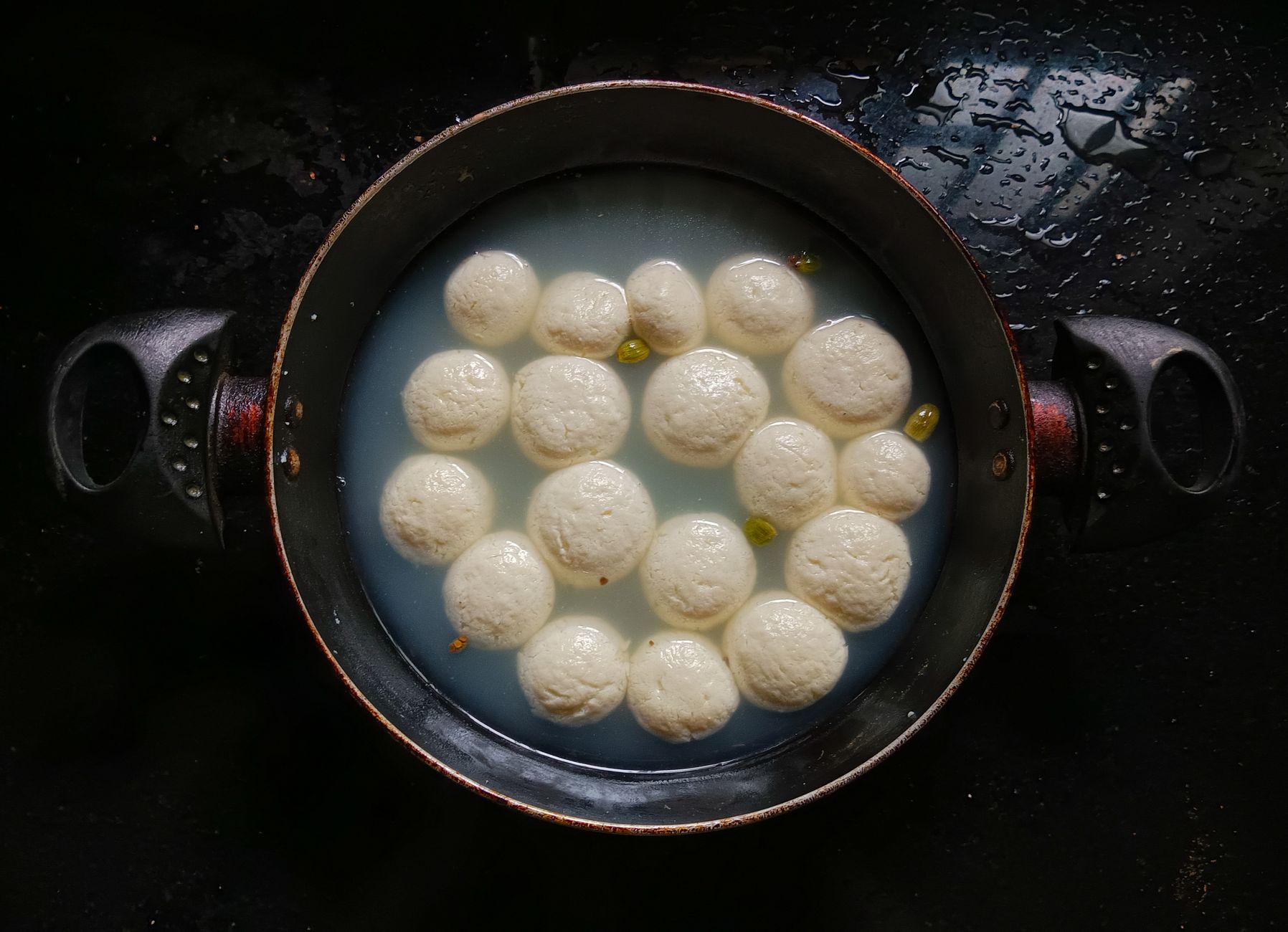
Sweeten Every Celebration in Kolkata
Food & Beverage in Kolkata
Traditional Mithai Pavilion for Weddings in Kolkata
A Traditional Mithai Pavilion is one of the most beloved features of a Kolkata wedding, transforming a corner of the venue into a fragrant, colour-drenched showcase of Bengal's finest sweets. From pyramid towers of Sandesh and Rasgulla to hand-painted clay matkas of Mishti Doi, a thoughtfully designed mithai display setup turns dessert into a cultural statement. Couples booking wedding catering Kolkata services increasingly treat the mithai counter not as an afterthought but as a centrepiece experience — one that guests photograph, revisit, and talk about for years. Happiffie connects you with vetted vendors who deliver this experience flawlessly.
Quick Answer
A Traditional Mithai Pavilion is a dedicated, decorated sweet-service zone at Indian weddings and events, featuring an curated selection of regional mithai such as Sandesh, Rasgulla, Mishti Doi, and Nolen Gurer Payesh, presented on styled counters or ornate wooden fixtures. In Kolkata, it typically costs between ₹40,000 and ₹2,50,000 depending on variety, live elements, and décor, and serves as both a food station and a cultural focal point of Bengali wedding hospitality.
What Exactly Is a Traditional Mithai Pavilion and Why Does Kolkata Love It?
A Traditional Mithai Pavilion is a fully curated, independently decorated sweet zone set up within a wedding or event venue to showcase a wide range of handcrafted Indian sweets. In Kolkata, where mishti is a love language, the concept goes far beyond placing a few boxes of Sandesh on a table. A well-executed Bengali mithai stall features tiered wooden or brass-fitted displays, traditional clay pots of Mishti Doi, seasonal Nolen Gur creations, and Bengali classics like Pantua, Lyangcha, and Cham Cham. The pavilion is often framed with marigold torans, diyas, and brass urlis to echo the festive aesthetic of a shaadi venue. Couples choose this format because it invites guests to browse and self-serve with a sense of occasion, much like visiting a heritage mishti-r dokan. According to event planners active across South Kolkata and Salt Lake, a Traditional Mithai Pavilion consistently ranks among the top three talking points at any Bengali wedding reception. The format also aligns perfectly with the cultural expectation that sweets be served in abundance — mithai here is not a garnish, it is a gesture of love and prosperity.
How Much Does a Traditional Mithai Pavilion Cost in Kolkata?
Pricing for a Traditional Mithai Pavilion in Kolkata varies considerably based on the number of sweet varieties, live preparation elements, décor tier, and guest count. At the entry level, a simple Indian sweets counter with six to eight varieties and basic setup costs approximately ₹40,000 to ₹70,000 for up to 200 guests. A mid-range wedding dessert station featuring twelve to sixteen varieties, themed décor, branded signage, and trained serving staff typically runs between ₹80,000 and ₹1,40,000. A premium Traditional Mithai Pavilion with a live sweet-making counter, twenty-plus varieties including rare seasonal items like Nolen Gurer Sandesh or Rosogolla with saffron garnish, elaborate wooden fixtures, and a dedicated mithai chef can cost ₹1,50,000 to ₹2,50,000 or more for large guest counts of 500 and above. Neighbourhoods like New Town, Ballygunge, and Rajarhat tend to attract caterers who specialise in premium pavilion formats. Budget-conscious families in areas like Howrah, Dum Dum, or Uttarpara can find excellent Bengali mithai stall vendors in the ₹50,000 to ₹90,000 range without compromising on quality or variety. Always clarify whether pricing is per-plate, per-person, or a flat stall fee before confirming a booking.
Which Sweets Work Best at a Bengali Wedding Mithai Display Setup?
The selection of sweets defines the entire personality of a Traditional Mithai Pavilion. For a Bengali wedding, the non-negotiable classics include Rasgulla, Sandesh in at least three flavours, Mishti Doi in clay pots, and Cham Cham. A festive sweet arrangement typically layers these staples with seasonal and regional specialties — winter weddings demand Nolen Gurer creations like Gurer Sandesh and Nolen Gurer Payesh, while summer events might feature chilled Aam Sandesh or Rose Rasgulla. Dry mithai like Kheer Kadam, Kaju Barfi, and Coconut Ladoo serve a dual purpose: they are easy to pack as take-home favours and they add textural variety to a mithai display setup. For destination weddings or multi-community ceremonies, vendors can blend Bengali classics with North Indian sweets like Gulab Jamun and Balushahi or South Indian options like Mysore Pak. The live sweet-making counter adds theatre — watching a halwai prepare fresh Pantua or hand-roll Sandesh live is a guest experience that no pre-plated dessert table can replicate. Aim for a minimum of ten to fourteen varieties to give guests a genuine sense of abundance.
Décor and Ambience: Making Your Mithai Pavilion a Visual Centrepiece
The visual design of a Traditional Mithai Pavilion is as important as the sweets themselves. Kolkata vendors typically offer three décor tiers: standard (printed tablecloths, acrylic risers, basic signage), curated (wooden crates, brass vessels, fresh marigold borders, clay matkas), and heritage-luxe (carved wooden fixtures, antique-style brass kadais, hand-painted name boards, and diyas or fairy lights for ambient glow). A well-designed Bengali wedding food experience incorporates elements of the city's heritage — terracotta accents, Baluchari-print fabric runners, and earthen lamps that echo the warmth of a traditional mishti-r dokan. The mithai display setup should ideally be positioned near the main dining area but slightly separated so it becomes a destination in itself. Lighting plays a crucial role — warm Edison bulbs or diya clusters dramatically enhance the visual richness of golden Nolen Gur sweets and the deep reds of Gulab Jamun. Discuss with your vendor whether backdrop structures, hanging signage in Bengali calligraphy, and Instagram-friendly props are included in the package or billed separately.
How Do You Choose the Right Vendor for a Traditional Mithai Pavilion in Kolkata?
Selecting the right vendor for your Traditional Mithai Pavilion requires evaluating several dimensions beyond price. Start by asking for a tasting session — no credible caterer will hesitate to offer one, and it is the only reliable way to assess freshness, sugar balance, and textural quality of an Indian sweets counter. Check whether the vendor has experience managing large guest counts; handling 600 guests at a Bidhannagar banquet hall is operationally very different from a 150-person intimate celebration in a heritage South Kolkata home. For wedding catering Kolkata events, confirm the vendor's food safety certifications and cold-chain capability for dairy-based sweets like Mishti Doi and Payesh, which spoil quickly in humid Bengal summers. Ask specifically whether the live sweet-making counter is staffed by a trained halwai or simply a serving attendant with pre-made stock — this distinction matters enormously for guest experience. Review their portfolio for past mithai display setup examples, noting the variety depth, décor quality, and presentation consistency. Happiffie's vetted vendor list for Kolkata includes specialists across every budget tier, from intimate puja celebrations in Gariahat to grand wedding receptions in Eco Park.
Traditional Mithai Pavilion Setup Types Compared for Kolkata Weddings
Expert Recommendation
Best for Intimate Celebrations (Under 150 Guests)
Best for Large Wedding Receptions (400+ Guests)
Best for Budget-Conscious Families
Best for Heritage or Destination Weddings
Best for Modern or Theme Weddings
Best for Multi-Day Wedding Functions
How to Choose the Right Option
✅ Pre-booking Checklist
- Confirm guest count and serving flow to determine counter size and number of attendants needed
- Schedule a tasting session with shortlisted vendors at least 8 weeks before the event
- Verify cold-chain capabilities for dairy sweets like Mishti Doi and Payesh, especially for summer or outdoor events
- Clarify whether décor fixtures, signage, serving ware, and waste disposal are included in the quoted price
- Ask for a detailed variety list with seasonal availability confirmed in writing
- Discuss backup plans for power outages affecting refrigerated display units
- Confirm the number and experience level of serving staff provided per counter
- Check whether the live sweet-making counter includes fire safety equipment and compliance with venue rules
🎯 Selection Criteria
- Freshness and sourcing: ask whether sweets are made in-house or sourced from third-party confectioners
- Variety depth: a minimum of ten distinct items ensures guest satisfaction across age groups and preferences
- Décor alignment: the pavilion aesthetic should complement the overall wedding theme and venue style
- Vendor experience: prioritise vendors who have handled similar guest counts at comparable venues in Kolkata
- Logistics capability: assess cold-chain, transport, and setup-time reliability, especially for multi-venue events
- Customisation flexibility: the ability to incorporate community-specific or seasonal sweets is a strong differentiator
💰 Cost / Quality Factors
- Variety count and exclusivity: rare or seasonal sweets like Nolen Gurer Sandesh command a premium
- Décor tier: heritage-luxe setups with carved wood and brass fixtures cost significantly more than standard setups
- Live element: adding a live sweet-making counter increases cost by ₹20,000 to ₹50,000 but dramatically boosts guest experience
- Guest count: per-head pricing models become more economical at scale; flat stall fees suit smaller functions better
- Venue location: vendors travelling to Rajarhat, New Town, or outstation venues may add logistics surcharges
- Season: peak wedding season (October to February) and Durga Puja period see 15–25% price increases from top vendors
⚠️ Common Mistakes to Avoid
- Booking without a tasting session — sweet quality varies enormously between vendors at similar price points
- Underestimating dairy logistics — Mishti Doi and Payesh can spoil within hours in humid Kolkata summers without proper refrigeration
- Choosing variety count over variety quality — ten mediocre sweets disappoint guests more than six exceptional ones
- Ignoring space requirements — a properly staged Traditional Mithai Pavilion needs at least 8 to 12 feet of floor space per counter
- Not confirming serving staff ratios — one attendant per 100 guests is the minimum to avoid long queues during peak serving time
- Leaving décor details unspecified in the contract — verbal agreements on clay pots or brass vessels are frequently forgotten without written confirmation
People Also Ask
What is a Traditional Mithai Pavilion at a wedding?
How much does a mithai pavilion cost for a wedding in Kolkata?
Which Bengali sweets should be included in a wedding mithai stall?
Can I have a live sweet-making counter at my Kolkata wedding?
How many sweet varieties should a wedding dessert station offer?
What décor elements make a mithai pavilion look authentic?
Is a Traditional Mithai Pavilion suitable for non-Bengali weddings in Kolkata?
How early should I book a mithai pavilion vendor for a Kolkata wedding?
Related Experiences on Happiffie
Iconic Snack Counters for Udaipur Events
Sweeten Every Moment in Kochi
Say I Do in the Hills
Mithai Displays That Wow Every Guest
Ahmedabad Wedding Banquet Catering
Sacred Sweets for Every Ceremony
Fun Food Moments for Little Guests
Chaat That Wows Every Guest
Frequently Asked Questions
What is a Traditional Mithai Pavilion at a Kolkata wedding?
How much does a Traditional Mithai Pavilion cost in Kolkata?
Which vendor should I choose for a Bengali mithai stall at my wedding?
Can a Traditional Mithai Pavilion include a live sweet-making element?
What décor is typically used for a Traditional Mithai Pavilion in Kolkata?
How many sweet varieties should a wedding dessert station offer in Kolkata?
When should I book a Traditional Mithai Pavilion vendor in Kolkata?
Is a Traditional Mithai Pavilion only suitable for Bengali weddings?
Key Takeaways
- A Traditional Mithai Pavilion transforms the dessert experience at a Kolkata wedding into a cultural centrepiece, not just a food station.
- Costs range from ₹40,000 for a basic Indian sweets counter to over ₹2,50,000 for a premium live setup with twenty-plus varieties.
- A Bengali mithai stall should include at minimum Rasgulla, Sandesh, Mishti Doi, Cham Cham, and one seasonal specialty.
- A live sweet-making counter dramatically elevates guest engagement and is worth the additional investment for large receptions.
- Décor quality — brass vessels, clay matkas, marigold torans, and warm lighting — defines the authenticity of a mithai display setup.
- Book three to four months in advance for peak season events, as premium pavilion vendors fill up quickly from October to February.
- Always conduct a tasting session and confirm cold-chain logistics in writing before finalising any wedding catering Kolkata vendor.
- Happiffie connects Kolkata couples with verified, reviewed mithai pavilion vendors across all budget tiers and venue types.
Plan Your Perfect Traditional Mithai Pavilion in Kolkata
Browse Happiffie's verified vendor network and get tailored quotes for your wedding's mithai experience — from intimate Bengali gatherings to grand reception pavilions.
Explore Mithai Vendors
Are you a Vendor? Grow Your Business with Happiffie!
- High intent verified leads
- Reverse auction opportunities
- AI business tools & insights
- Dedicated vendor dashboard
- Grow your business, your way
It's free & takes less than 2 minutes!