
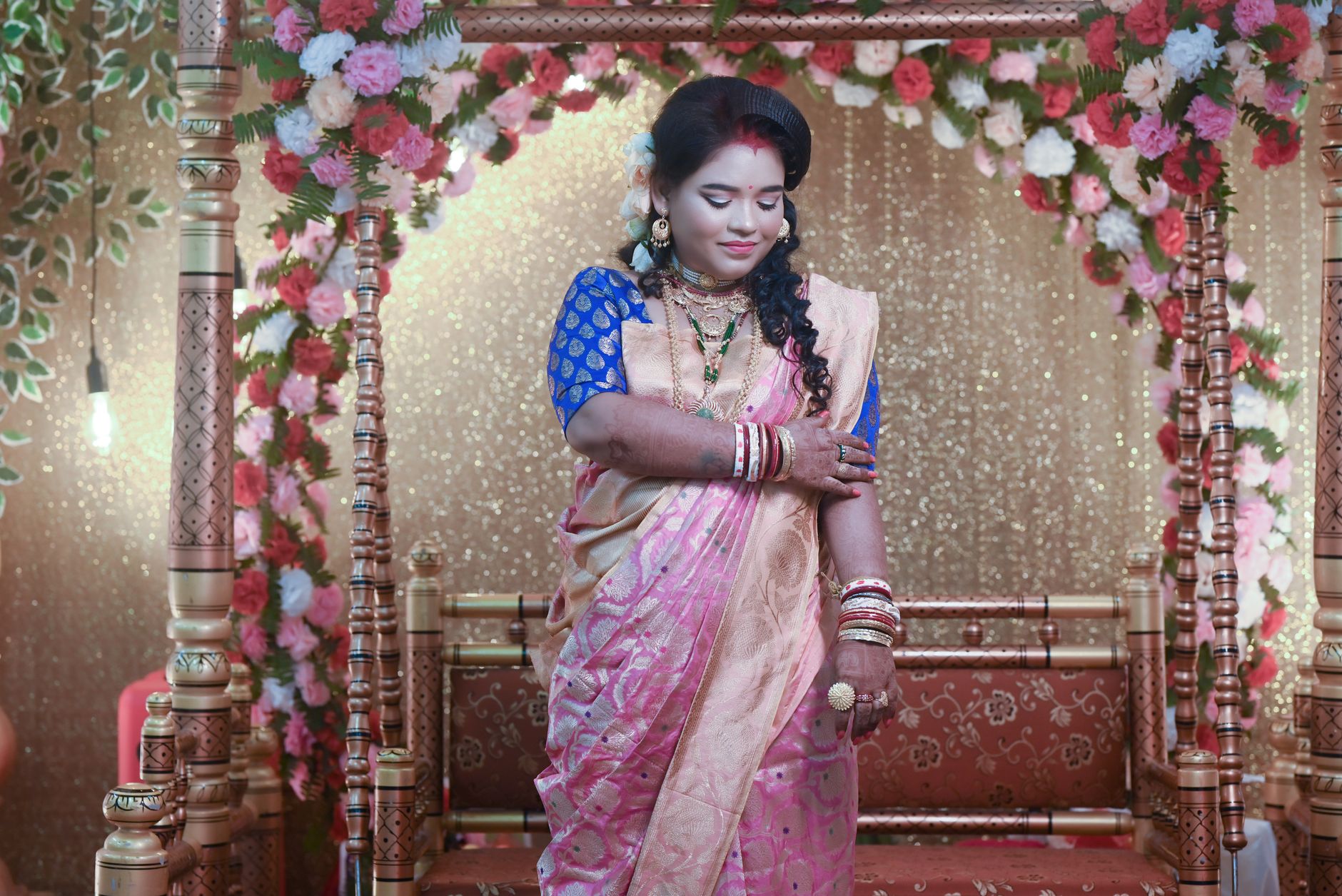
Wear Green, Celebrate Beautifully
Costume in Kolkata
Eco Conscious Clothing for Weddings in Kolkata
Kolkata's wedding scene is embracing a quiet revolution: couples are choosing eco conscious clothing that honours Bengal's rich handloom textile traditions while reducing the environmental footprint of their celebration. From Jamdani sarees woven in Fulia to organic cotton sherwanis sourced from fair-trade artisans in Shantiniketan, sustainable wedding attire is now both aspirational and accessible. Whether you are planning an intimate adda-style mehendi in Ballygunge or a grand multi-function affair in New Town, Happiffie connects you with costume vendors who weave ethics into every thread — proving that a low-carbon celebration can still be breathtakingly beautiful.
Quick Answer
Eco conscious clothing refers to garments made from organic, natural, or recycled fibres using low-impact processes such as natural dye techniques, handloom weaving, or upcycling. For Kolkata weddings, this typically includes organic Jamdani sarees, handwoven cotton sherwanis, and natural dye wedding outfits. These choices reduce water usage, chemical waste, and carbon emissions while supporting local Bengali weavers and artisans.
Why Is Eco Conscious Clothing Gaining Momentum at Kolkata Weddings?
Kolkata couples today are increasingly aware that a five-day wedding generates significant textile waste — heavily embellished polyester lehengas and synthetic sherwanis that are worn once and discarded. Eco conscious clothing addresses this directly by prioritising organic fabric costumes, natural fibres, and garments designed to be reworn, repurposed, or composted. Bengal already has a head-start: the state is home to centuries-old handloom textile traditions including Jamdani, Tant, Baluchari, and Muslin, all of which qualify as sustainable wedding attire by default. Choosing a Baluchari silk bridal set not only reduces your carbon footprint but also funnels income to master weavers in Bishnupur. Venues in Alipore and Jorasanko that are promoting green weddings actively encourage guests and bridal parties to coordinate in eco-friendly bridal wear, making the entire aesthetic cohesive and culturally rooted.
Fabric Guide: What Makes a Costume Truly Sustainable?
Not every garment labelled 'natural' qualifies as genuinely eco-friendly bridal wear. The key factors are fibre origin, dyeing process, labour conditions, and end-of-life potential. Organic cotton and organic silk (produced without synthetic pesticides) are the gold standard. Linen, hemp, and banana fibre blends are emerging choices for cocktail and mehendi outfits. Natural dye wedding outfits use plant-based pigments — indigo, turmeric, pomegranate rind, madder root — that produce zero toxic effluent compared to conventional reactive dyes. Handloom weaving is inherently low-energy because it relies on human skill rather than power looms. When assessing a vendor, ask whether the fabric is GOTS-certified (Global Organic Textile Standard), whether artisans receive fair wages, and whether the garment is designed for ethical fashion for events — meaning it can be restyled or donated after use. Budget-conscious couples in South Kolkata often opt for organic fabric costumes in Tant cotton for daytime functions and reserve handloom silk for the main wedding ceremony, achieving both sustainability and cost efficiency.
How Much Does Sustainable Wedding Attire Cost in Kolkata?
Pricing for eco conscious clothing varies widely based on fabric rarity, weave complexity, and dyeing technique. A handwoven organic Tant saree for a haldi or adda ceremony starts from approximately INR 2,500 to INR 8,000. Authentic Jamdani sarees — recognised by UNESCO as an intangible cultural heritage — range from INR 12,000 to INR 80,000 depending on thread count and motif intricacy. Natural dye wedding outfits in organic silk for the main wedding day typically fall between INR 18,000 and INR 1,20,000 for a full bridal ensemble. Groom's organic fabric costumes — handloom cotton or tussar silk sherwanis — are priced from INR 8,000 to INR 45,000. Bridesmaids' and groomsmen's coordinated sustainable wedding attire in Tant or linen can be sourced in bulk at INR 3,000 to INR 9,000 per outfit, making zero-waste wedding planning financially viable even for mid-budget celebrations. Always factor in tailoring (INR 1,500 to INR 6,000 per garment) and blouse work when budgeting.
Kolkata Neighbourhoods and Event Types Best Suited for Eco-Friendly Bridal Wear
Certain Kolkata micro-markets and event contexts are particularly well-aligned with eco conscious clothing. Shantiniketan-inspired weddings — popular among the city's artistic and academic communities in areas like Jadavpur and Tollygunge — naturally gravitate toward handloom textile traditions and earthy natural dye palettes. Rooftop weddings in Shyambazar and heritage bari ceremonies in North Kolkata suit Muslin and Jamdani ensembles beautifully. Destination weddings departing from Kolkata to Sundarbans eco-resorts or Bishnupur heritage hotels are ideal settings for fully coordinated sustainable wedding attire across the bridal party. For sangeet nights in New Town banquet halls hosting 200 to 500 guests, linen co-ord sets and naturally dyed anarkalis work well as bridesmaid ensembles without looking understated. Even large guest-count weddings of 700-plus in Rajarhat convention spaces can maintain a green theme when the bridal couple anchors the aesthetic with eco-friendly bridal wear and communicates the intention to guests through printed cards on recycled paper.
How Do You Plan a Zero-Waste Wedding Look Without Compromising on Glamour?
The most common concern couples raise is whether eco conscious clothing can match the visual impact of heavily embellished conventional bridal wear. The answer lies in skilled craftsmanship: intricate Kantha embroidery on organic silk, zari work using recycled metallic thread, and mirror-work using upcycled glass all add opulence without synthetic inputs. Natural dye wedding outfits in deep indigo or pomegranate red photograph exceptionally well, especially during golden-hour outdoor shoots at Victoria Memorial or the ghats of Babu Ghat. Ethical fashion for events does not mean muted or minimal — it means intentional. Pairing a Baluchari bridal saree with unbleached gold zari, antique silver jewellery, and a maang-tikka crafted from recycled brass creates a look that is both magazine-worthy and philosophically grounded. Working with a costume vendor who specialises in sustainable wedding attire from the outset ensures that trims, embellishments, and accessories are all sourced consistently, creating a cohesive bridal aesthetic that supports low-carbon celebration values end to end.
Eco Conscious Clothing Options for Kolkata Weddings Compared
Expert Recommendation
Best for Intimate Ceremonies (Under 50 Guests)
Best for Destination Weddings
Best for Large Guest Counts (500+)
Best for Budget-Conscious Couples
Best for Traditional Bengali Aesthetic
Best for Contemporary Fusion Weddings
How to Choose the Right Option
✅ Pre-booking Checklist
- Confirm the fabric is handloom-certified or GOTS-certified before placing an order
- Request a swatch and wash-test for natural dye colourfastness on your specific fabric
- Book custom handloom pieces at least 4-6 months before the wedding date
- Ask the vendor about mordanting processes used to fix natural dyes
- Verify that all embellishments (zari, mirrors, sequins) are also sustainably sourced
- Plan post-wedding reuse or donation of garments as part of zero-waste wedding planning
- Coordinate bridesmaids' and groomsmen's outfits in the same handloom textile family for visual cohesion
- Get a written breakdown of fabric origin, artisan wages, and certification details from your vendor
🎯 Selection Criteria
- Fibre certification: GOTS-certified organic or government-issued Handloom Mark
- Dyeing process: plant-based natural dyes with non-toxic mordants only
- Artisan transparency: vendor discloses weaver names, location, and fair wage practices
- Reusability: garment is designed to be reworn, restyled, or repurposed after the wedding
- Cultural alignment: costume honours relevant Bengali or Indian handloom textile traditions
- Lead time reliability: vendor can commit to a production and delivery schedule in writing
💰 Cost / Quality Factors
- Fabric rarity and weave complexity directly increase cost — Jamdani commands a premium over Tant
- Natural dye processes add 15-25% to base fabric cost compared to conventional dyeing
- Custom tailoring adds INR 1,500 to INR 6,000 per garment but ensures perfect fit for heirloom pieces
- Bulk orders for bridal party coordinated sets can reduce per-unit cost by 10-20%
- Renting or borrowing a handloom heirloom saree eliminates cost while maintaining eco conscious credentials
- Vendors with direct artisan partnerships typically offer better quality assurance than multi-tier resellers
⚠️ Common Mistakes to Avoid
- Assuming any 'natural fabric' label automatically qualifies as eco conscious clothing — always verify certification
- Ordering custom handloom pieces less than two months before the wedding and facing delays
- Neglecting to coordinate accessories and embellishments with the sustainable fabric brief
- Choosing synthetic blends to reduce cost while marketing the look as eco-friendly bridal wear — this undermines the purpose
- Ignoring post-wedding garment lifecycle — the most sustainable outfit is one worn multiple times
- Overlooking groom and groomsmen outfits and focusing only on the bride's sustainable wedding attire
People Also Ask
What types of fabrics count as eco conscious clothing for Indian weddings?
Can I find eco-friendly bridal wear in Kolkata within a budget of INR 50,000?
Are natural dye wedding outfits colourfast enough for a full wedding day?
How far in advance should I book sustainable wedding attire in Kolkata?
What is the difference between handloom textile traditions and power-loom 'natural' fabrics?
Can the groom also wear eco conscious clothing at a Kolkata wedding?
Does choosing eco-friendly bridal wear affect photography results?
How does zero-waste wedding planning connect to clothing choices?
Related Experiences on Happiffie
Premium Baby Wedding Attire Collection
Drape Your Wedding in Pure Silk
Dress Together, Shine Together in Goa
Gift Green, Celebrate Meaningfully
Bloom-Perfect Gifts for Every Occasion
Eco-Friendly Event Fashion Solutions
Frequently Asked Questions
Where in Kolkata can I source eco conscious clothing for my wedding?
Is sustainable wedding attire appropriate for a formal Bengali wedding ceremony?
Can I rent eco-friendly bridal wear in Kolkata instead of buying?
Do natural dye wedding outfits fade faster than conventionally dyed garments?
What is the lead time for custom organic fabric costumes in Kolkata?
How do I verify that a costume vendor's claims about eco conscious clothing are genuine?
Are there eco conscious clothing options for children in the bridal party at Kolkata weddings?
Can eco-friendly bridal wear include heavy embellishments like zari and stonework?
Key Takeaways
- Eco conscious clothing for Kolkata weddings draws on Bengal's world-renowned handloom textile traditions including Jamdani, Baluchari, Tant, and Muslin.
- Natural dye wedding outfits using plant-based pigments are colourfast when properly mordanted and photograph beautifully in Kolkata's heritage settings.
- Sustainable wedding attire pricing ranges from INR 2,500 for Tant cotton day-function sarees to INR 1,20,000 for bespoke organic silk bridal ensembles.
- Book custom handloom and natural dye pieces at least four to six months in advance due to artisan production lead times.
- Zero-waste wedding planning includes post-ceremony garment reuse, donation, or restyling — not just the initial fabric choice.
- GOTS certification and the Government of India's Handloom Mark are the two most reliable indicators of genuine eco-friendly bridal wear.
- Ethical fashion for events covers the full bridal party — coordinating groom, bridesmaids, and family in the same handloom textile family creates cohesion.
- Happiffie connects Kolkata couples with vetted costume vendors who specialise in organic fabric costumes and sustainable bridal styling.
Find Sustainable Costume Vendors in Kolkata
Happiffie connects you with verified eco-friendly bridal wear specialists who honour Bengal's handloom heritage and your environmental values.
Explore Vendors Now
Are you a Vendor? Grow Your Business with Happiffie!
- High intent verified leads
- Reverse auction opportunities
- AI business tools & insights
- Dedicated vendor dashboard
- Grow your business, your way
It's free & takes less than 2 minutes!