
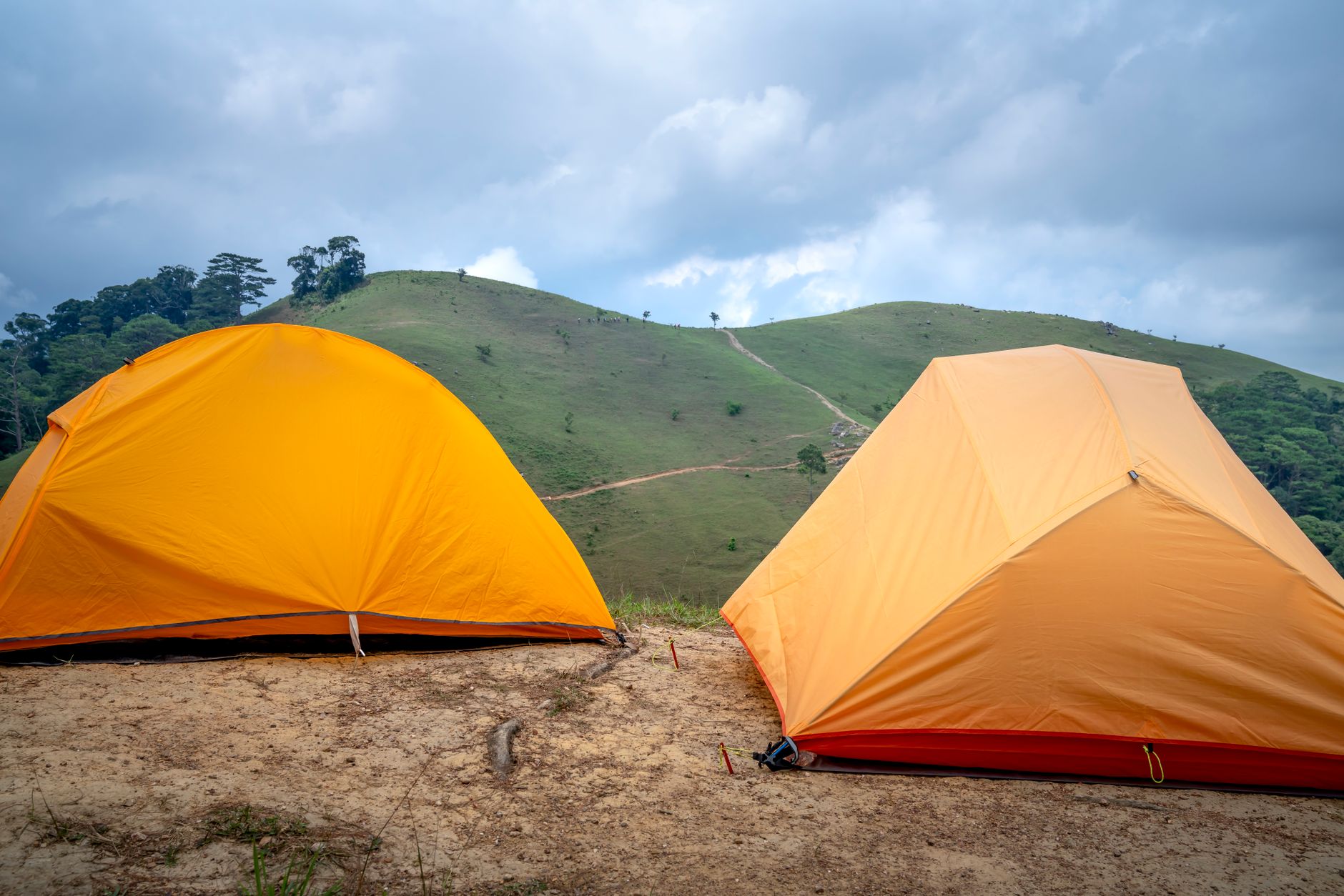
Build Your Dream Event on Kodaikanal's Hills
Infrastructure in Kodaikanal
Temporary Infrastructure Solutions for Kodaikanal Events
Kodaikanal's misty valleys, colonial bungalows, and lakeside meadows make it one of South India's most romantic event destinations — but the terrain demands careful planning. Temporary Infrastructure Solutions bridge the gap between a breathtaking natural backdrop and a fully functional celebration, delivering event tent and canopy setups, modular stages, generators, and curated seating arrangements right to your chosen site. Whether you are hosting a 50-guest intimate mehendi beside Coaker's Walk or a 500-guest destination wedding at a sprawling estate, the right infrastructure transforms any raw outdoor space into an elegant, weather-safe venue. Happiffie connects you with vetted Kodaikanal infrastructure vendors who understand the region's unpredictable mist and hill-station wedding logistics so every detail works flawlessly.
Quick Answer
Temporary Infrastructure Solutions for Kodaikanal events encompass all short-term physical structures needed to host a safe and elegant celebration outdoors or in semi-open venues — including weatherproof tents and canopies, modular stages and dance floors, portable power generators, professional lighting rigs, and temporary seating and furniture rentals. These solutions are especially critical in hill-station locations like Kodaikanal where terrain, altitude, and sudden weather changes make purpose-built venue infrastructure unreliable or unavailable.
What Makes Temporary Infrastructure Solutions Essential for Kodaikanal Celebrations?
Kodaikanal sits at roughly 2,100 metres above sea level, and its microclimate can swing from bright sunshine to dense fog or drizzle within an hour. Most of the town's most sought-after event spots — pine forest clearings near Pillar Rocks, lakeside lawns along Kodai Lake, and bungalow gardens in the Bryant's Park neighbourhood — are open-air or semi-open spaces with no built-in weather protection, stage infrastructure, or power supply. Temporary Infrastructure Solutions fill this operational gap completely. A professional event tent and canopy setup creates a sealed, climate-adaptable environment that shields guests from mist and light rain without blocking the scenic hill views that make Kodaikanal special. Modular stage and flooring systems overcome uneven terrain, giving artists, priests, and speakers a level, safe platform regardless of slope. Because eco-sensitive event planning norms in Kodaikanal restrict permanent alterations to green zones, temporary structures that leave zero footprint are also the legally preferred — and often legally required — approach for many venues.
Core Components of a Temporary Infrastructure Build for a Kodaikanal Event
A complete Temporary Infrastructure Solutions package for a Kodaikanal event typically comprises six interdependent components. First, event tent and canopy setup — frame tents, pagoda tents, or stretch fabric canopies in white or ivory are most popular for hill weddings and can span from 500 to 5,000 square feet. Second, modular stage and flooring systems — interlocking aluminium or wooden panels that create a level stage, dance floor, or mandap platform on any gradient. Third, portable power and lighting rigs — silent diesel generators or hybrid inverter banks paired with warm LED wash lights, festoon strings, and intelligent spot fixtures that complement Kodaikanal venue transformation efforts dramatically after dark. Fourth, temporary seating and furniture rentals — from Tiffany chairs and rustic farm tables for intimate settings to banquet chairs and buffet counters for larger gatherings. Fifth, perimeter fencing and entrance archways that define the event boundary. Sixth, sanitation pods and waste stations that satisfy Kodaikanal Municipality's requirements for events on public-adjacent land. Coordinating all six through a single vendor or a Happiffie-verified infrastructure partner eliminates the scheduling chaos that typically plagues multi-vendor builds on remote hill-station sites.
How Much Do Temporary Infrastructure Solutions Cost in Kodaikanal?
Pricing for Temporary Infrastructure Solutions in Kodaikanal is shaped by guest count, event duration, site accessibility, and the complexity of the build. For a compact 50-100 guest garden celebration using a basic event tent and canopy setup, modular flooring, and temporary seating and furniture rentals, budget approximately INR 1.5 to 3 lakh for the full infrastructure package. A mid-scale 200-300 guest wedding requiring a large marquee, a decorated mandap stage, portable power and lighting rigs, and full furniture sets typically runs between INR 4 and 9 lakh. Grand destination weddings with 400-plus guests, multi-day builds, specialty draping, and hi-spec audio-visual integration can range from INR 12 to 25 lakh or more. Logistics surcharges apply for sites beyond the Kodaikanal town core — access roads near areas like Munnar Junction or Berijam Lake reserve require smaller transport vehicles and additional labour, adding roughly 10-18% to base costs. Always request an itemised quotation that separates material, labour, transport, and dismantling charges to avoid surprises.
Outdoor Event Weather Protection: Staying Guest-Ready in Kodaikanal's Climate
Outdoor event weather protection is not optional in Kodaikanal — it is a non-negotiable design requirement. The Northeast Monsoon (October to December) and Southwest Monsoon (June to September) both bring heavy rainfall, and even April can deliver sudden evening downpours. Best-practice infrastructure packages for this region include waterproof PVC-coated tent fabric rated for wind loads up to 60 km/h, weighted ballast bases instead of ground stakes (which damage eco-sensitive soil), integrated perimeter gutters to channel runoff away from flooring, and clear sidewall panels that can be rolled down in minutes. Portable power and lighting rigs should always include weatherproof IP65-rated fixtures and armoured cable runs rather than standard extension leads. Heating arrangements like infrared patio warmers are essential for December and January events when nighttime temperatures in Kodaikanal can drop to 8-10°C. Vendors experienced in hill-station wedding logistics will proactively recommend backup generators and weatherproofing before you ask.
Why Should You Choose Happiffie for Temporary Infrastructure Solutions in Kodaikanal?
Happiffie's marketplace model gives Kodaikanal event planners a single platform to discover, compare, and book verified infrastructure vendors who have demonstrated hands-on experience with the unique demands of hill-terrain events. Every vendor listed undergoes a background and portfolio review, so you are not trusting an unknown contractor with your wedding day. The platform lets you filter by guest capacity, service type — such as event tent and canopy setup or modular stage and flooring systems — and budget range, making apples-to-apples comparisons straightforward. Transparent pricing, real client reviews, and direct in-app messaging reduce the back-and-forth that typically adds days to the planning timeline. For Kodaikanal specifically, Happiffie's regional knowledge helps couples identify vendors who already hold permissions for popular event zones, understand eco-sensitive event planning obligations near forest buffer areas, and maintain dedicated logistics vehicles suited to the narrow ghat roads leading into town. Booking through Happiffie also provides a documented paper trail — essential for any venue that requires proof of vendor insurance or municipal compliance.
Comparing Temporary Infrastructure Setup Types for Kodaikanal Events
Expert Recommendation
Best for Intimate Celebrations (30-80 Guests)
Best for Destination Weddings (150-300 Guests)
Best for Budget-Conscious Couples
Best for Traditional Weddings with Religious Ceremonies
Best for Modern, Aesthetics-Driven Events
Best for Eco-Sensitive Venues Near Forest Zones
How to Choose the Right Option
✅ Pre-booking Checklist
- Conduct a physical site survey at least 8 weeks before the event to assess slope, soil type, access road width, and power availability
- Confirm municipal permissions for temporary structures at your chosen Kodaikanal venue before signing any vendor contract
- Verify that your tent and canopy vendor uses ballast-weight anchoring rather than ground stakes in eco-sensitive zones
- Request a detailed load schedule from your portable power and lighting rigs supplier listing all equipment power draws
- Cross-check vendor logistics vehicles are narrow enough for Kodaikanal's ghat access roads (many sites require vehicles under 2.1 m width)
- Ensure the infrastructure dismantling plan is scheduled and agreed — venues near forest areas have strict site-restoration deadlines
- Obtain written proof of vendor insurance covering structural damage, third-party liability, and weather events
- Plan a full dry run of the generator switchover process with your vendor team the evening before the event
🎯 Selection Criteria
- Demonstrated experience with hill-terrain events and hill-station wedding logistics specifically in the Kodaikanal or Palani Hills region
- Ability to supply a complete, coordinated Temporary Infrastructure Solutions package rather than only individual components
- Possession of all relevant municipal compliance documentation and familiarity with Kodaikanal eco-zone regulations
- Weatherproofing standards — tents rated for 60+ km/h wind and verified waterproof fabric with gutter systems
- Transparent, itemised pricing that separately lists material, transport, labour, and dismantling charges
- Positive verified client reviews for events of a similar scale to yours, ideally at comparable Kodaikanal venues
💰 Cost / Quality Factors
- Site accessibility: remote locations add 10-18% in transport and labour costs due to ghat road constraints
- Guest count: infrastructure cost scales non-linearly — 300-guest builds are not simply three times the cost of 100-guest builds due to structural complexity
- Event duration: multi-day builds require structural reinforcement, higher generator fuel budgets, and additional security for equipment overnight
- Season: peak months (October-January, April-May) attract 15-25% vendor surcharges due to high demand across Kodaikanal
- Eco-compliance upgrades: bamboo framing, solar power, and zero-waste units add 10-20% to base costs but may be mandatory near forest buffer zones
- Lighting specification: basic LED wash costs far less than programmable intelligent lighting; allocate budget according to your aesthetic priorities
⚠️ Common Mistakes to Avoid
- Booking infrastructure vendors without confirming they have prior experience with Kodaikanal's ghat road logistics and municipal regulations
- Underestimating generator load — failing to include catering equipment, heaters, and audio-visual systems in the power calculation causes mid-event failures
- Choosing a tent style based on aesthetics alone without verifying its wind and rain rating for Kodaikanal's climate conditions
- Leaving insufficient setup time — attempting a full build in under 24 hours on a sloped, remote site leads to rushed, unsafe structures
- Ignoring dismantling logistics — sites near the Palani Hills forest reserve impose strict post-event restoration windows with financial penalties for delays
- Failing to inspect modular flooring levels after setup — uneven panels on sloped ground create tripping hazards at night when guests move between lit and dark areas
People Also Ask
What types of tents are best for an outdoor wedding in Kodaikanal?
How far in advance should I book temporary infrastructure for a Kodaikanal event?
Do I need municipal permission for temporary structures in Kodaikanal?
Can modular stage and flooring systems handle Kodaikanal's hilly terrain?
What is the typical setup and breakdown time for temporary infrastructure in Kodaikanal?
Are eco-friendly infrastructure options available for Kodaikanal events?
How do portable power and lighting rigs work for remote Kodaikanal event sites?
What guest count is considered large enough to require full Temporary Infrastructure Solutions in Kodaikanal?
Related Experiences on Happiffie
Illuminate Every Mussoorie Moment
Modular Stage Rental in Rishikesh
Never Lose Power at Your Event
Elegant Seating for Kolkata Events
Say I Do in the Hills
Light Up Your Mussoorie Event
Elevate Your Corporate Event in Kodaikanal
Plan Smart, Celebrate Without Fear
Frequently Asked Questions
What are Temporary Infrastructure Solutions and why are they needed specifically in Kodaikanal?
Can temporary structures be installed near Kodai Lake or forest-adjacent areas?
How many square feet of tent coverage do I need per guest for a Kodaikanal wedding?
Do Temporary Infrastructure Solutions vendors in Kodaikanal handle decor as well?
What generator size is appropriate for a 200-guest Kodaikanal outdoor wedding?
Are there vendors in Kodaikanal who offer complete turnkey Temporary Infrastructure Solutions?
How is pricing for Temporary Infrastructure Solutions in Kodaikanal different from plains cities like Chennai or Coimbatore?
What should I do if my Kodaikanal event venue has no road access for large trucks?
Key Takeaways
- Temporary Infrastructure Solutions are essential for Kodaikanal events because the town's most desirable outdoor venues lack built-in weather protection, power, and level flooring.
- Event tent and canopy setup with PVC-coated, wind-rated fabric is the most critical component given Kodaikanal's year-round risk of mist, rain, and sudden temperature drops.
- Modular stage and flooring systems with adjustable legs are specifically suited to Kodaikanal's hilly, terraced terrain and can accommodate slopes up to 15 degrees.
- Portable power and lighting rigs must be sized to cover all simultaneous loads — catering, heating, audio-visual, and lighting — with a minimum 20% capacity buffer.
- Eco-sensitive event planning compliance near Palani Hills forest buffer zones often mandates zero-footprint anchoring, biodegradable groundsheets, and proper waste management.
- Peak-season bookings (October-January and April-May) should be secured 3-6 months in advance as quality vendors fill up rapidly during Kodaikanal's destination-wedding season.
- Happiffie's curated marketplace simplifies vendor discovery, comparison, and booking for all temporary infrastructure needs across Kodaikanal's diverse event sites.
Plan Your Perfect Kodaikanal Event with Expert Infrastructure
Browse Happiffie's verified Temporary Infrastructure Solutions vendors and get instant, itemised quotes tailored to your guest count, venue, and budget — no middlemen, no surprises.
Explore Vendors Now
Are you a Vendor? Grow Your Business with Happiffie!
- High intent verified leads
- Reverse auction opportunities
- AI business tools & insights
- Dedicated vendor dashboard
- Grow your business, your way
It's free & takes less than 2 minutes!