
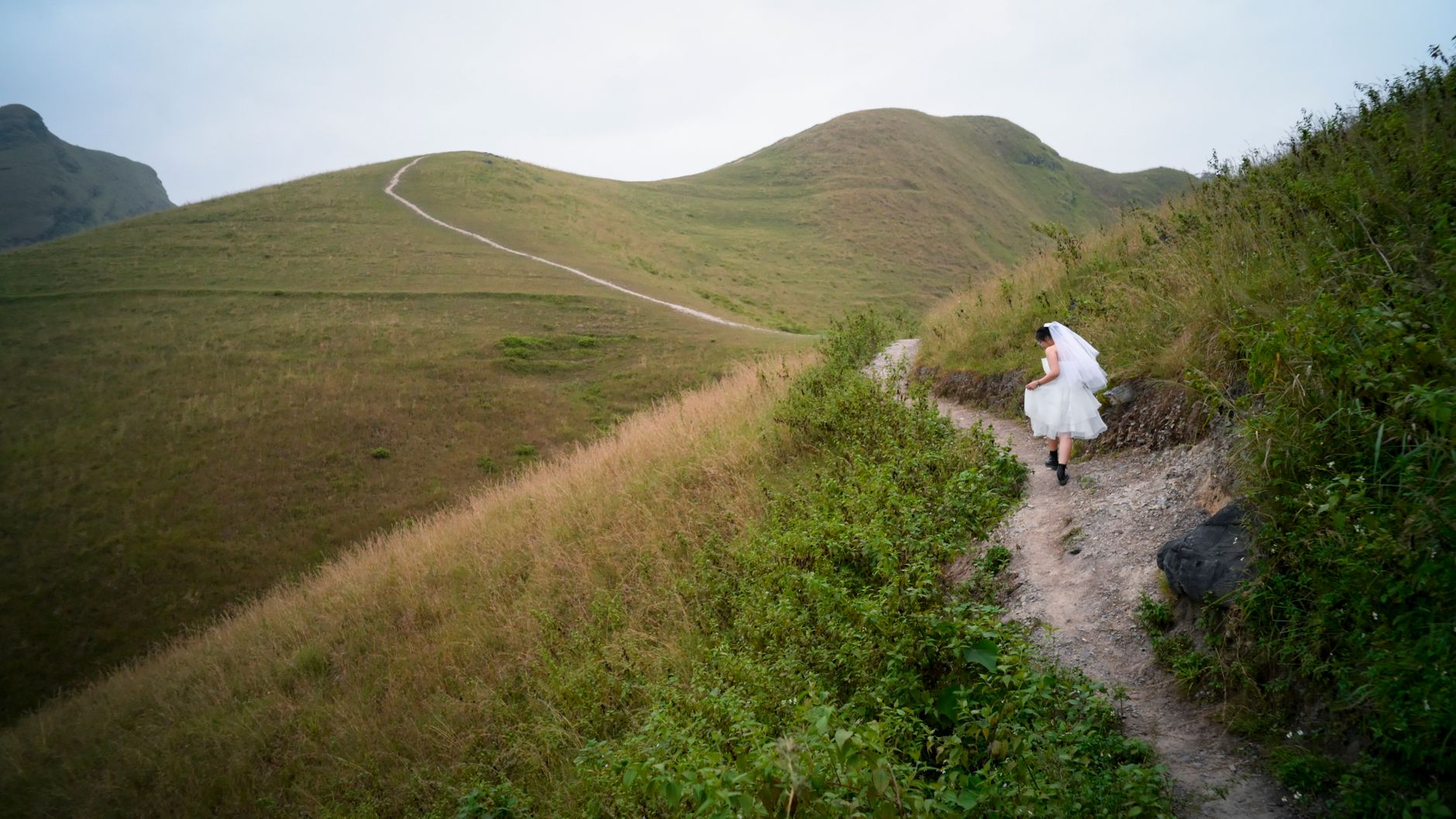
Celebrate Love Across Cultures in Kodaikanal
Planners in Kodaikanal
Multicultural Marriage Planning in Kodaikanal
Kodaikanal's mist-kissed valleys and colonial-era bungalows make it one of South India's most romantic settings for a Kodaikanal destination wedding that bridges two families, two traditions, and sometimes two faiths. Multicultural Marriage Planning in this hill town demands a specialist's touch — someone who understands Tamil Brahmin rituals as fluently as a Christian vow exchange or a Punjabi anand karaj. Happiffie connects you with seasoned intercultural wedding coordination experts who manage everything from multi-religion wedding services to décor that respectfully blends aesthetics, so your celebration feels wholly authentic to both sides of the aisle.
Quick Answer
Multicultural Marriage Planning is the professional coordination of weddings that involve two or more cultural, religious, or regional traditions. In Kodaikanal, specialist planners manage interfaith rituals, bilingual ceremonies, and culturally blended décor across intimate hill station venues, ensuring both families feel equally honoured. Costs typically range from ₹8 lakh to ₹40 lakh depending on guest count, ritual complexity, and venue choice.
Why Is Kodaikanal an Ideal Setting for Multicultural Marriage Planning?
Kodaikanal sits at 2,133 metres above sea level, offering cool temperatures year-round that make outdoor ceremonies comfortable even in April — a rarity in peninsular India. Its colonial bungalows, lakeside lawns, and forested estates provide a neutral, visually stunning canvas that belongs to no single cultural identity, which is exactly why it works so well for Multicultural Marriage Planning. A Tamil-Malayali couple, a Hindu-Christian pair, or an Indian-NRI family all find the landscape equally welcoming. Hill station wedding venues here range from intimate 30-guest cottages to estate properties that seat 300, giving planners genuine flexibility to craft ceremonies that honour every tradition without spatial compromise. The town's relative seclusion also means guests naturally slow down, creating the unhurried atmosphere that complex multi-ritual weddings genuinely need.
How Does Intercultural Wedding Coordination Actually Work?
Intercultural wedding coordination begins with a structured discovery session where the planner maps every ritual, its duration, required priests or officiants, and specific material needs. For a Kodaikanal destination wedding blending, say, a Telugu pellikoduku procession with a Christian thanksgiving service, the coordinator builds a master timeline that allocates dedicated space and lighting for each event without one bleeding into the next. Multi-religion wedding services in Kodaikanal typically require the planner to source both a vedic priest and a licensed church officiant, then choreograph their involvement so neither tradition feels secondary. Bilingual wedding officiants — professionals who can address guests in Tamil, Hindi, and English within a single ceremony — are increasingly requested and are now available through experienced Kodaikanal-based planning teams. The coordinator also manages family sensitivities: seating arrangements, dietary menus that satisfy both vegetarian and non-vegetarian guests, and décor negotiations between mothers of the bride and groom who may have very different aesthetic visions.
Cross-Cultural Ceremony Planning: Rituals, Décor, and Catering Under One Roof
Cross-cultural ceremony planning in Kodaikanal involves three parallel tracks managed simultaneously. First, ritual logistics: procuring samagri for a havan, sourcing a church's flower permission, or arranging a nikaah register — each has its own lead time. Second, décor integration: blending marigold mandap draping with eucalyptus-and-white floral arches requires a florist who understands both visual languages. Kodaikanal's local flower market, supplied from nearby Kothagiri farms, offers fresh roses, gerberas, and tuberoses at competitive prices, keeping floral budgets reasonable. Third, catering: a fusion wedding menu might open with a South Indian breakfast spread for the morning ritual, transition to a multi-cuisine buffet for the afternoon reception, and close with a Punjabi-style langar-inspired community dinner. Planners experienced in fusion wedding management pre-negotiate with catering teams to ensure every dietary code — Jain, halal, vegan — is addressed from a single kitchen operation, avoiding the chaos of multiple vendors.
What Does Multicultural Marriage Planning Cost in Kodaikanal?
Multicultural Marriage Planning in Kodaikanal is priced along a clear spectrum. A two-day intimate celebration for 50 guests combining one Hindu ritual and one Christian service typically costs ₹8 lakh to ₹14 lakh inclusive of a mid-range hill station wedding venue, décor, catering, and planner fee. A three-day wedding for 150 guests with two distinct ceremony setups, bilingual wedding officiants, and premium estate accommodation runs ₹20 lakh to ₹32 lakh. Large celebrations of 250-plus guests with elaborate fusion wedding management, live music for two traditions, and full floral transformation of a lakeside lawn can reach ₹38 lakh to ₹50 lakh. Planner fees in Kodaikanal are typically 10-15% of the total event budget for full-service packages, or a flat ₹1.5 lakh to ₹3 lakh for day-of coordination only. Interfaith ritual coordination adds roughly ₹40,000 to ₹1.2 lakh depending on the number of priests and the complexity of material procurement.
What Are the Most Common Challenges in Multi-Religion Wedding Services?
Multi-religion wedding services face a distinct set of logistical and emotional challenges that general wedding planners are not equipped to handle. The most frequently cited issue is time management: vedic rituals can overrun by hours, compressing the time available for the subsequent service. Experienced planners build buffer windows and have backup plans for every overrun scenario. A second challenge is interfaith ritual coordination between priests of different faiths who may never have shared a stage — a skilled planner acts as a cultural diplomat, briefing each officiant on the other's tradition to prevent inadvertent disrespect. Third, family communication: in Multicultural Marriage Planning, the planner often serves as a neutral translator of expectations between families who come from different socioeconomic or regional backgrounds. Kodaikanal's natural setting helps here — the beauty of the landscape functions as a shared emotional reference point that softens friction. Finally, vendor sourcing for niche needs (specific regional cuisine, rare ritual items, a particular instrument for the baraat) requires a planner with a strong pan-India vendor network, not just local contacts.
Multicultural Marriage Planning Setup Types in Kodaikanal: A Practical Comparison
Expert Recommendation
Best for Intimate Cross-Cultural Celebrations (Under 60 Guests)
Best for Hindu-Christian Fusion Weddings
Best for Large Multicultural Weddings (200+ Guests)
Best for Budget-Conscious Multi-Religion Ceremonies
Best for NRI Couples Planning from Abroad
Best for Inter-State Indian Couples
How to Choose the Right Option
✅ Pre-booking Checklist
- Confirm the venue allows outside priests, caterers, and decorators before signing any contract
- Verify each officiant's language proficiency and comfort with the other tradition's presence
- Book your Multicultural Marriage Planning team at least 10-12 months before the wedding date
- Map every ritual's duration, material list, and spatial requirement in the first planning meeting
- Arrange group transport from Madurai Airport and Kodaikanal Road railway station for outstation guests
- Clarify dietary codes for all guest communities with the caterer at least 8 weeks in advance
- Secure legal documentation timelines if the marriage requires Special Marriage Act registration
- Request a written timeline with buffer windows built in between every ceremony or ritual block
🎯 Selection Criteria
- Planner's direct experience managing the specific cultural combination you require — ask for references
- Vendor network depth: can they source region-specific cuisine, rare ritual items, and bilingual officiants?
- Transparent fee structure distinguishing planner fee from vendor pass-through costs
- On-ground team size relative to your guest count — one coordinator per 60-80 guests is a safe minimum
- Communication style and availability: multicultural weddings require near-daily contact in the final month
- Familiarity with Kodaikanal's hill station wedding venues, local permits, and seasonal weather risks
💰 Cost / Quality Factors
- Number of distinct ceremonies directly multiplies décor, officiant, and time costs
- Guest count determines venue tier, catering volume pricing, and transport logistics budget
- Season: peak October-March commands 25-40% premium over monsoon-season rates
- Accommodation complexity: housing guests from two communities with different budgets requires room-block negotiation skill
- Ritual material sourcing: items unavailable locally add courier or planner travel costs
- Technology needs: live-streaming, translation earpieces, or bilingual MC services add to the base budget
⚠️ Common Mistakes to Avoid
- Booking a general wedding planner without specific intercultural wedding coordination experience
- Underestimating ritual duration and building zero buffer time into the event schedule
- Finalising the venue before confirming it permits outside vendors for both traditions
- Ignoring dietary diversity until the catering brief — last-minute changes incur premium charges
- Assuming all guests understand both languages — always budget for a bilingual MC or officiant
- Skipping the legal documentation timeline for interfaith marriages until the last minute
People Also Ask
Can I have both a Hindu and a Christian ceremony in Kodaikanal?
How far in advance should I book a multicultural wedding planner in Kodaikanal?
What languages do wedding officiants in Kodaikanal typically speak?
Are Kodaikanal venues flexible about outside vendors for rituals?
How do planners handle dietary restrictions for guests from different communities?
What is a typical timeline for a two-day multicultural wedding in Kodaikanal?
Is Kodaikanal accessible for outstation guests attending a multicultural wedding?
Can Happiffie help with legal paperwork for interfaith marriages in Kodaikanal?
Related Experiences on Happiffie
Two Cultures, One Perfect Wedding
Blend Two Worlds in Rishikesh
Your Mussoorie Wedding, Online & Beautiful
Celebrate Two Cultures, One Love in Goa
Wed Amid the Mussoorie Clouds
Say I Do in the Hills
Seamless Muslim Weddings in Vizag
Sacred Vows, Blessed by Faith
Frequently Asked Questions
What makes Multicultural Marriage Planning in Kodaikanal different from planning in a metro city?
How do I find a planner on Happiffie experienced in multi-religion wedding services in Kodaikanal?
Is Kodaikanal suitable for a large multicultural wedding with 300 guests?
What is interfaith ritual coordination and do I need it for a Hindu-Muslim wedding in Kodaikanal?
Can bilingual wedding officiants conduct a ceremony in Tamil and Hindi in Kodaikanal?
What is the best season for a Kodaikanal destination wedding with multiple cultural ceremonies?
How does fusion wedding management handle décor when two families have very different aesthetic preferences?
Does Happiffie offer packages that cover the full scope of Multicultural Marriage Planning in Kodaikanal?
Key Takeaways
- Multicultural Marriage Planning in Kodaikanal combines ritual expertise, vendor logistics, and cross-cultural sensitivity into a specialist service distinct from standard wedding planning.
- Kodaikanal's culturally neutral hill station setting, cool climate, and diverse venue range make it one of South India's best locations for intercultural wedding coordination.
- Budget for Multicultural Marriage Planning ranges from approximately ₹8 lakh for intimate 50-guest events to ₹50 lakh for large multi-day celebrations — ritual complexity is the biggest cost variable.
- Book your planner 10-12 months in advance; peak season demand and the lead time required for multi-religion wedding services and bilingual officiant sourcing demand early commitment.
- Fusion wedding management works best when a single experienced coordinator owns the entire vendor ecosystem rather than the couple managing each supplier independently.
- Cross-cultural ceremony planning requires written confirmation of outside-vendor policies from every hill station wedding venue before a contract is signed.
- Interfaith couples should initiate Special Marriage Act documentation at least 60 days before the wedding date alongside their religious ceremony planning.
- Happiffie's vetted planner network in Kodaikanal ensures you connect with professionals who have genuine, reference-backed experience in the exact cultural combination your wedding requires.
Plan Your Multicultural Wedding in Kodaikanal with Confidence
Connect with Happiffie's vetted intercultural wedding planners and get personalised guidance for your unique celebration — from first ritual to final toast.
Find Your Planner
Are you a Vendor? Grow Your Business with Happiffie!
- High intent verified leads
- Reverse auction opportunities
- AI business tools & insights
- Dedicated vendor dashboard
- Grow your business, your way
It's free & takes less than 2 minutes!