
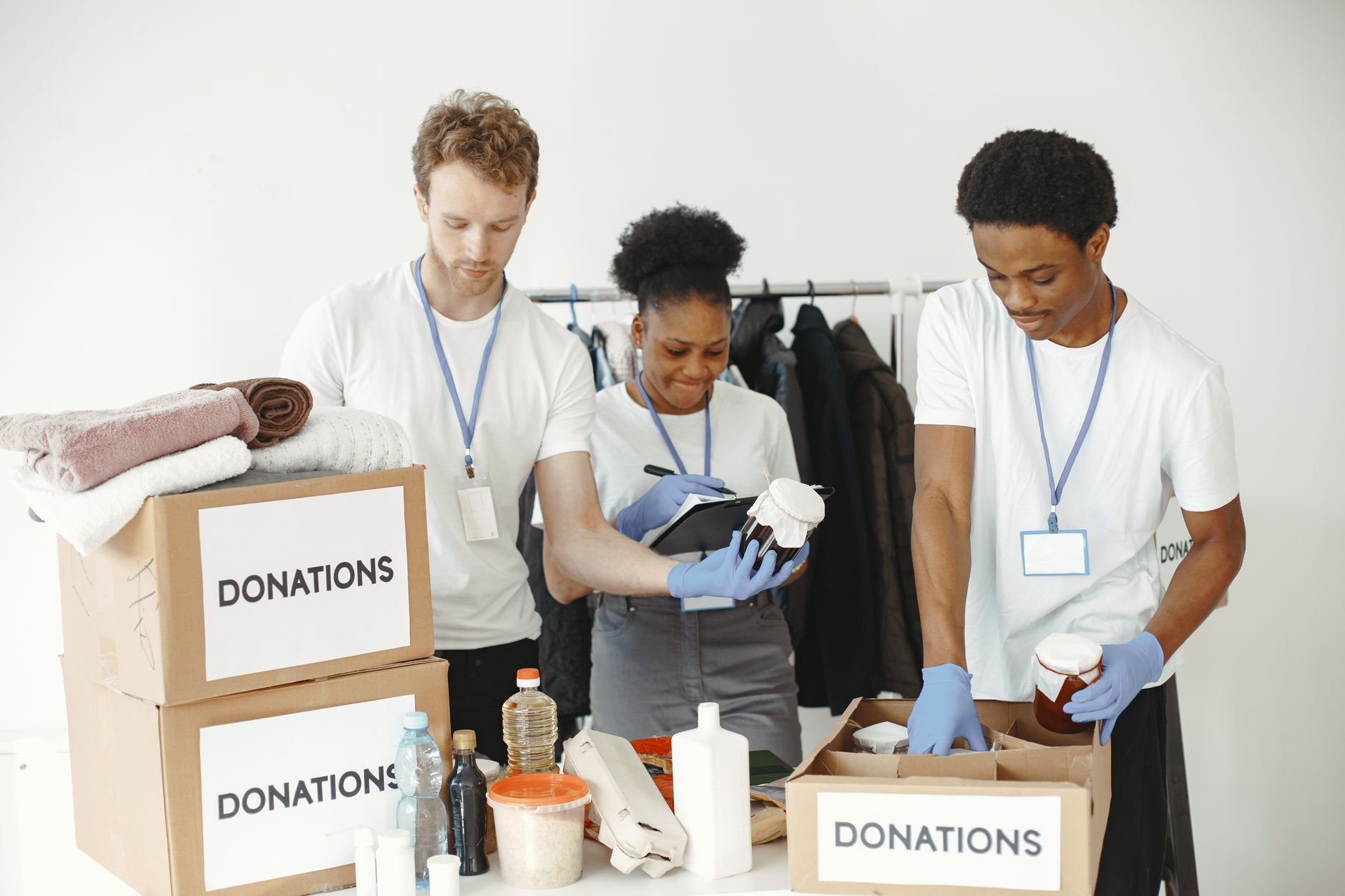
Give More, Waste Less at Every Celebration
Food & Beverage in Kodaikanal
Event Food Donation Services in Kodaikanal
Kodaikanal's misty hills host some of Tamil Nadu's most intimate and heartfelt celebrations — from destination weddings at colonial bungalows to vibrant family gatherings near Coaker's Walk. Yet every large feast generates surplus. Choosing professional event food donation services ensures that beautifully prepared catering food reaches local shelters, anganwadis, and old-age homes rather than going to waste. Paired with zero food waste catering practices and a wedding food donation program coordinated through Happiffie's vetted partners, your celebration becomes a genuine act of community giving at weddings — meaningful for every guest and neighbour who benefits.
Quick Answer
Event food donation services in Kodaikanal coordinate the safe collection, packaging, and distribution of surplus catering food from weddings, receptions, and corporate events to nearby charities, shelters, and community kitchens. Providers typically handle food-safety checks, insulated transport, and documentation. Costs range from zero-fee NGO tie-ups to paid logistics packages starting around INR 3,000–8,000, depending on guest count and distance to recipient organisations.
What Do Event Food Donation Services Actually Include?
Event food donation services cover far more than simply handing leftover food to a volunteer. A professional setup begins hours before the event ends: coordinators assess which dishes are safe for redistribution, portion surplus into food-grade containers, label items with preparation times, and arrange insulated transport to beneficiary organisations. In Kodaikanal, where venues can be 15–30 kilometres from the town centre, logistics coordination is especially important because hill roads extend travel time and temperature control becomes critical. Reputable providers also supply documentation — weight logs, recipient acknowledgements, and sometimes a certificate of social impact — which families can share on social media or with wedding planners as proof of their commitment to surplus food redistribution at events. Some services include a volunteer team that stays on-site during the final service hour, ensuring no edible food is mixed with genuine waste. This end-to-end approach is what distinguishes a managed program from an ad-hoc arrangement.
Why Kodaikanal Weddings Are Uniquely Suited to Food Donation Programs
Destination weddings in Kodaikanal frequently involve multi-day celebrations with 150–600 guests, elaborate menus featuring Chettinad curries, fresh hill produce, and continental spreads for mixed guest lists. Catering volumes are routinely over-estimated by 15–25 percent to avoid any shortage — a common and prudent practice that inevitably produces large surpluses. A well-structured wedding food donation program transforms this surplus into a community asset. Local tribal hamlets near Pillar Rocks, children's homes around Law's Ghat Road, and old-age homes near Bryant Park are among the kinds of recipient organisations that have benefited from such initiatives in hill-station towns across South India. Choosing eco-friendly event management that includes a donation component also resonates with today's socially conscious couples, many of whom frame their destination wedding around values rather than just aesthetics. Happiffie's partner network helps you identify registered NGOs and food banks operating within Kodaikanal's municipal limits and the surrounding Dindigul district.
How Much Do Event Food Donation Services Cost in Kodaikanal?
Pricing for event food donation services in Kodaikanal depends on three variables: the scale of your event, the distance to beneficiary locations, and the level of documentation you require. For guest counts between 100 and 300, many NGO-run programs operate at zero direct cost to the host family — the organisation absorbs logistics expenses through grants. For larger weddings of 300–600 guests, coordinated logistics packages from social-enterprise providers typically range from INR 3,000 to INR 8,000, covering insulated containers, a two-person volunteer team, and a written impact report. Premium packages that include same-day redistribution to multiple recipient sites, professional photography for social documentation, and a carbon-offset certificate can go up to INR 15,000. Catering food charity arrangements negotiated directly with your caterer — where the caterer agrees to package surplus as part of the service contract — can reduce these costs significantly. Always clarify whether FSSAI food-safety norms are followed, as this protects both the donor family and the recipient organisation from any liability.
Sustainable Wedding Planning: Integrating Donation Into Your Catering Contract
The most seamless approach to sustainable wedding planning is to embed surplus food redistribution at events into the catering contract itself before the event date is fixed. Ask your caterer to include a food-donation clause specifying which dishes qualify (freshly cooked, not reheated), minimum safe temperatures for transport, and who is responsible for packing. This removes ambiguity on the wedding day, when family members are emotionally occupied and cannot manage logistics. In Kodaikanal, where caterers often source local Nilgiri vegetables, drumstick leaves, and fresh dairy, surplus quantities of these nutritious ingredients are especially valuable to recipient communities. Happiffie's vendor-matching tool lets you filter caterers who already have an established leftover food pickup after events protocol, saving you the negotiation entirely. When donation logistics are pre-agreed, the result is genuinely zero food waste catering — every item either served to guests or delivered with dignity to a beneficiary.
How Do You Choose the Right Food Donation Partner for Your Kodaikanal Event?
Selecting a credible provider of event food donation services requires checking four things: legal registration (the NGO or social enterprise should be registered under the Societies Registration Act or as a Section 8 company), FSSAI compliance knowledge, active presence in the Kodaikanal–Dindigul region, and a track record with events of comparable guest counts. Ask for a sample impact report from a previous event, a list of regular recipient organisations, and references from at least two event hosts. Community giving at weddings works best when the donation partner has pre-existing relationships with recipient sites — cold outreach on the event day rarely succeeds. Also verify whether the provider can handle perishable items like dairy-based sweets and fresh rice dishes that are common in Tamil wedding menus and require rapid redistribution within two to three hours of preparation. Eco-friendly event management platforms like Happiffie vet these criteria before listing any partner, giving Kodaikanal couples a reliable starting point.
Event Food Donation Service Types: Advantages, Limitations & Best Use Cases
Expert Recommendation
Best for Intimate Celebrations (under 150 guests)
Best for Large Destination Weddings (300+ guests)
Best for Budget-Conscious Families
Best for Traditional Tamil Weddings
Best for Eco-Conscious Couples
Best for Corporate and MICE Events
How to Choose the Right Option
✅ Pre-booking Checklist
- Confirm the recipient NGO is registered under the Societies Act or as a Section 8 company and holds a valid 80G certificate if tax documentation matters to you
- Add a surplus food redistribution clause to your catering contract before signing, specifying packaging responsibility, dish eligibility, and handover timing
- Book your event food donation services provider at least four to six weeks before the event date, especially during October–February peak season
- Verify the provider has insulated transport capable of operating on Kodaikanal's ghat roads and can complete redistribution within two to three hours of cooking
- Request a sample impact report from a previous event of similar guest count to assess documentation quality
- Confirm FSSAI food-safety compliance, including temperature logs, with both your caterer and the donation logistics provider
- Brief one designated family member or wedding coordinator to liaise with the donation team on the event day so the couple is not involved in logistics
- Collect weight logs, recipient acknowledgements, and photographs immediately after the event for your records and social documentation
🎯 Selection Criteria
- Proven regional presence in Kodaikanal or Dindigul district with established recipient relationships
- FSSAI-compliant food handling and documented temperature control procedures
- Ability to handle the specific cuisine types common in your wedding menu (Tamil, Continental, or mixed)
- Flexibility to operate across varied venue types — resort properties, heritage bungalows, open lawns
- Transparent pricing with a written scope of service covering containers, volunteers, transport, and reporting
💰 Cost / Quality Factors
- Guest count directly determines surplus volume and the complexity of logistics required
- Venue remoteness within Kodaikanal affects transport time and the window for safe food redistribution
- Menu composition (dairy-heavy vs dry dishes) impacts how quickly surplus must be redistributed
- Season and weekend demand affect NGO and social-enterprise availability and pricing
- Documentation requirements (CSR reporting, social media sharing, or personal records) influence which tier of service is appropriate
⚠️ Common Mistakes to Avoid
- Requesting food donation coordination on the event day itself without prior arrangement — recipient organisations cannot mobilise at short notice
- Donating food that has been sitting at buffet temperature for more than two hours, which creates health risks and legal exposure
- Choosing an unregistered informal volunteer group over a legally registered NGO, leaving both parties without documentation or liability protection
- Forgetting to include a packaging-materials clause in the catering contract, resulting in no suitable containers being available at the end of the event
- Assuming any caterer will automatically cooperate — always negotiate and confirm the donation clause in writing before the event date
People Also Ask
Can I set up food donation from my Kodaikanal wedding even if I have only 100 guests?
Who is legally responsible if donated food causes illness?
Which types of food can be safely donated after a wedding reception in Kodaikanal?
Do Kodaikanal caterers usually cooperate with leftover food pickup after events?
How early should I book event food donation services for a Kodaikanal destination wedding?
Are there tax benefits for donating food from a private wedding in India?
How does surplus food redistribution at events differ from simply giving leftovers to staff?
What documentation should I collect after using event food donation services?
Related Experiences on Happiffie
Feed More, Waste Less in Coorg
Give Your Feast a Second Purpose
Kodaikanal's Finest Small Event Catering
Seamless Guest Transit for Indore Weddings
Recover Food, Reduce Waste
Give Back, Celebrate Forward
Clean Events, Greener Chennai
Frequently Asked Questions
What are event food donation services and how do they work at a Kodaikanal wedding?
Is there a minimum guest count required to use event food donation services in Kodaikanal?
How do I find a registered NGO for catering food charity arrangements near Kodaikanal?
Does surplus food redistribution at events require special packaging or containers?
Can a corporate offsite or MICE event in Kodaikanal use event food donation services for CSR documentation?
What happens if the recipient organisation cannot collect food on the event day?
How does a wedding food donation program affect the overall catering budget?
Can I include leftover food pickup after events as a line item in my wedding planning checklist?
Key Takeaways
- Event food donation services in Kodaikanal coordinate safe collection, packaging, and distribution of surplus catering food to shelters, anganwadis, and community kitchens.
- Destination weddings in Kodaikanal typically over-cater by 15–25 percent, making a structured wedding food donation program both practical and impactful.
- Costs range from zero for NGO partnerships to INR 3,000–15,000 for managed social-enterprise packages with impact documentation.
- Embedding a surplus food redistribution clause directly into the catering contract is the most seamless way to guarantee food is donated without burdening the host family.
- FSSAI compliance, registered NGO status, and insulated hill-road transport capability are the three non-negotiable criteria when selecting a provider.
- Book at least four to six weeks in advance during peak wedding season (October–February) to secure a dedicated volunteer team.
- Happiffie's vetted partner network helps Kodaikanal couples find registered, experienced providers matched to their guest count, venue type, and documentation needs.
- Community giving at weddings is increasingly valued by guests and social media audiences — a formal impact report makes the contribution visible and verifiable.
Make Your Kodaikanal Celebration Count for the Community
Connect with Happiffie's vetted partners for event food donation services — seamless, dignified, and fully documented.
Find Donation Partners
Are you a Vendor? Grow Your Business with Happiffie!
- High intent verified leads
- Reverse auction opportunities
- AI business tools & insights
- Dedicated vendor dashboard
- Grow your business, your way
It's free & takes less than 2 minutes!