
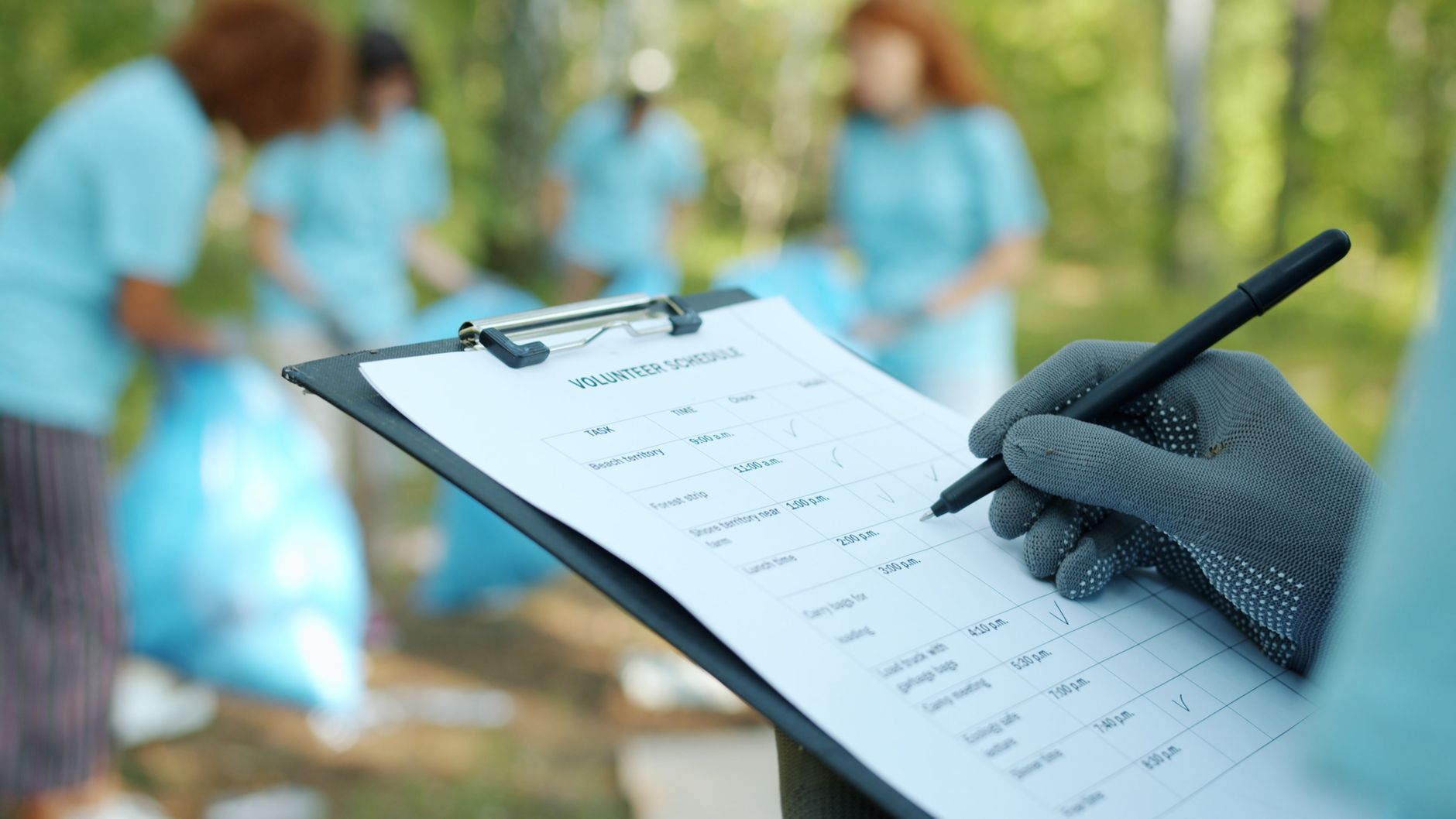
Clean Events, Greener Kochi
Event Support in Kochi
Catering Refuse Processing for Kochi Events: Complete Guide
Every grand Kerala wedding or corporate event in Kochi generates significant volumes of leftover food, disposables, and organic waste that caterers alone cannot handle. Professional catering refuse processing ensures that all post-meal waste — from banana-leaf scraps after a traditional sadhya to chafing-dish remnants at a ballroom dinner — is collected, segregated, and disposed of in line with Kerala's solid waste management rules. Pairing this with a structured food waste management plan not only satisfies venue hygiene compliance requirements but also supports sustainable wedding planning, helping families leave a lighter environmental footprint on the city they love.
Quick Answer
Catering refuse processing is the organised collection, segregation, and disposal of all food and packaging waste generated by a catering team during an event. In Kochi, this typically involves wet-waste composting, dry-waste recycling, and compliant transportation of residuals. Professional services handle everything from banana-leaf disposal after a sadhya to grease trap cleaning, ensuring the venue is handed back spotless and in line with Greater Cochin Development Authority waste norms.
What Is Catering Refuse Processing and Why Does Kochi Need It?
Catering refuse processing is the end-to-end management of waste streams created specifically by food-service operations at an event — covering organic scraps, used serving ware, cooking oil, and packaging materials. Kochi's event industry is booming, with wedding halls in Edappally, Kakkanad, and Fort Kochi hosting hundreds of functions every weekend. The Greater Cochin Development Authority enforces strict solid waste rules, and venues can face penalties if waste is not segregated at source. Without a dedicated post-event cleanup service, caterers often leave wet waste in corridor corners, creating hygiene risks and pest problems. A specialist provider steps in after the last guest leaves, removing all refuse in labelled bins, handing green waste to empanelled composting units in Thrikkakara, and issuing a disposal certificate that protects both the host family and the venue owner from regulatory exposure.
How Does Food Waste Management Work at a Kerala Wedding?
A traditional Kerala sadhya for 500 guests can generate upwards of 150 kg of wet organic waste within two hours — banana leaves, rice remnants, sambar, and payasam residues. Structured food waste management begins at the cooking stage, where kitchen off-cuts are separated into colour-coded bins. During service, servers collect used leaves immediately and transfer them to sealed collection points. After service, the team weighs and records all waste, then transports it to authorised biogas or composting facilities in the Brahmapuram corridor. For multi-day events like engagement-plus-wedding packages, daily collection schedules are drawn up so odour and overflow never become a problem. This systematic approach also enables catering garbage collection of dry items — thermocol boxes, plastic cups, foil trays — which are sent to licensed recyclers near Vyttila. The entire cycle is documented, giving families a clear sustainability report they can share proudly.
Green Event Certification and Venue Hygiene Compliance in Kochi
Kochi's upscale banquet halls increasingly require vendors to demonstrate venue hygiene compliance before a booking is confirmed. Some marine-drive properties and heritage venues in Fort Kochi have begun insisting on a green event certification from accredited agencies, which audits everything from cooking-gas emissions to the catering refuse processing protocol. Achieving this certification typically requires three things: a written waste segregation plan submitted 72 hours before the event, a licensed transporter for post-event cleanup service, and photographic evidence of clean handover. Families aiming for zero-waste catering can go a step further by donating surplus cooked food to NGOs operating in Mattancherry and Aluva — a practice that also qualifies for additional points in green certification audits. Happiffie-listed event support vendors in Kochi are familiar with these documentation requirements and can coordinate directly with venue managers, saving the host family hours of back-and-forth.
Cost Breakdown: What Does Catering Refuse Processing Cost in Kochi?
Pricing for catering refuse processing in Kochi depends on guest count, waste volume, and the distance to disposal facilities. For a small gathering of up to 150 guests, a basic post-event cleanup service with bin provision and single-trip transport typically starts at ₹4,000–₹7,000. Mid-scale events of 300–500 guests — the most common wedding size in Ernakulam district — attract packages in the ₹12,000–₹22,000 range, which include grease trap cleaning, wet and dry segregation, and a disposal certificate. Large corporate events or multi-day destination weddings at resorts in Munroe Island or Cherai Beach can require customised food waste management contracts priced from ₹35,000 upwards, covering daily collection, compactor vehicles, and a dedicated on-site coordinator. Opting for zero-waste catering add-ons — biodegradable servingware, surplus food redistribution — adds roughly 8–12% to the total but often unlocks venue discounts and sustainable wedding planning credits with empanelled caterers.
How Should You Select the Right Event Waste Disposal Partner in Kochi?
Choosing the correct event waste disposal partner involves verifying four non-negotiable credentials. First, the vendor must hold a valid authorisation from the Kerala State Pollution Control Board for transportation of solid waste. Second, they should have a formal tie-up with a composting or biogas facility within the city limits — ideally the Brahmapuram plant or a private unit in Edapally — to ensure catering garbage collection does not end in illegal dumping. Third, ask for a sample disposal certificate from a previous event; this document is your legal shield if a venue files a hygiene complaint. Fourth, confirm that the team can operate within the venue's loading-bay hours, since many Kochi convention centres restrict vehicle movement after midnight. Vendors experienced in sustainable wedding planning understand these constraints and schedule their logistics accordingly. A good partner also briefs the catering team before service begins, reducing contamination of dry and wet bins — the single biggest factor that drives up recycling costs.
Catering Refuse Processing Options for Kochi Events: At a Glance
Expert Recommendation
Best for intimate home or garden celebrations (up to 80 guests)
Best for traditional Kerala sadhya weddings (150–500 guests)
Best for destination weddings at Kochi backwater resorts
Best for large corporate events and conferences (500+ guests)
Best for budget-conscious families
Best for eco-forward couples seeking green event certification
How to Choose the Right Option
✅ Pre-booking Checklist
- Confirm the vendor holds a valid Kerala State Pollution Control Board waste-transport authorisation before signing.
- Agree on the number and colour-coding of bins to be placed at the venue at least one week prior to the event.
- Request a sample disposal certificate from a recent comparable event to verify documentation quality.
- Clarify vehicle access timings with the venue manager and share them with the catering refuse processing provider.
- Decide in advance whether surplus cooked food will be donated; arrange NGO contact details if opting for zero-waste catering.
- Confirm used cooking oil (UCO) handling is explicitly included in the scope of work.
- Schedule a pre-event site walkthrough so the vendor maps bin locations, loading-bay access, and overflow contingencies.
- Get all deliverables — weighment slip, waste-transfer note, disposal certificate — listed in the written contract.
🎯 Selection Criteria
- Valid KSPCB authorisation for solid waste transport — non-negotiable for venue compliance.
- Existing partnership with a licensed composting or biogas facility in Kochi for wet-waste diversion.
- Demonstrated experience with events of your guest-count range and cuisine type (sadhya vs. buffet differs significantly).
- Ability to provide all three compliance documents: waste-transfer note, weighment slip, and disposal certificate.
- Responsiveness and willingness to conduct a pre-event site visit for complex or large-scale functions.
- Transparent per-kg or flat-fee pricing with no hidden charges for excess volume or after-hours collection.
💰 Cost / Quality Factors
- Guest count and cuisine style — banana-leaf sadhya generates far more wet volume than a cocktail-style buffet.
- Distance from venue to disposal facility — transport costs rise for venues in peripheral areas like Munroe Island.
- Duration of event — multi-day functions require daily collection contracts, increasing total spend.
- Servingware type — compostable and biodegradable items reduce sorting time and can lower the processing fee.
- Certification requirements — venues mandating green event certification add documentation and audit costs.
- Season and availability — peak wedding season (Nov–Feb) and Onam period drive up demand and prices by 15–20%.
⚠️ Common Mistakes to Avoid
- Assuming the caterer will handle post-event refuse disposal — most Kochi caterers lack the KSPCB transport licence.
- Booking a vendor without checking disposal-facility tie-ups, risking illegal dumping and venue penalties.
- Failing to brief the catering team on bin placement before service starts, causing costly contamination of wet and dry streams.
- Ignoring used cooking oil in the scope — pouring UCO into drains is a regulatory offence and attracts fines.
- Leaving food waste management planning to the last week, missing peak-season booking windows.
- Not requesting a disposal certificate, leaving the host family unprotected if the venue files a post-event hygiene complaint.
People Also Ask
Is catering refuse processing mandatory for events in Kochi?
Who is responsible for food waste management at a wedding — the caterer or a separate vendor?
How much wet waste does a 400-guest sadhya generate?
What is zero-waste catering, and can I actually achieve it in Kochi?
Does catering refuse processing include used cooking oil from the kitchen?
Can I get a green event certification for my Kochi wedding?
How early should I book a post-event cleanup service in Kochi?
What documents does catering garbage collection produce for the host family?
Related Experiences on Happiffie
Clean Events, Greener Chennai
Zero Waste Events in Chennai
Clean Celebrations, Greener Pune
Seamless Guest Transit for Indore Weddings
Sustainable Events for Modern Kochi
Clean Venues, Happy Celebrations in Pune
Smart Waste Segregation for Goa Events
Frequently Asked Questions
Is there a municipal fee for catering refuse processing at Kochi wedding halls?
Do Kochi caterers include food waste management in their catering packages?
Which Kochi neighbourhoods have the most accessible composting facilities for post-event cleanup?
Can surplus food from a Kochi wedding be legally redistributed rather than treated as catering garbage?
What is the difference between event waste disposal and catering refuse processing?
How does catering refuse processing support sustainable wedding planning goals?
Is used cooking oil considered part of catering refuse processing or a separate service?
How does Happiffie help me find a catering refuse processing vendor in Kochi?
Key Takeaways
- Catering refuse processing is effectively mandatory for Kochi events above 100 guests under GCDA and Solid Waste Management Rules 2016.
- Costs range from ₹4,000 for small gatherings to ₹35,000+ for multi-day or destination events, varying by volume and certification needs.
- A traditional 400-guest sadhya generates 100–130 kg of wet organic waste — always engage a provider with a composting facility tie-up.
- Three documents — waste-transfer note, weighment slip, and disposal certificate — are the minimum proof of venue hygiene compliance.
- Zero-waste catering, combining composting, recycling, and food donation, is achievable in Kochi thanks to the Brahmapuram corridor and active NGOs.
- Green event certification is increasingly required by upscale Fort Kochi and marine-drive venues and can be unlocked through full-scope processing packages.
- Book your event waste disposal partner at least four weeks ahead, or six to eight weeks during the November–February peak season.
- Happiffie connects Kochi families with verified, KSPCB-authorised catering refuse processing providers who handle documentation end to end.
Find Trusted Catering Refuse Processing Partners in Kochi
From intimate sadhya gatherings to grand multi-day weddings, Happiffie connects you with verified event support vendors who handle every aspect of waste management — so you celebrate without worry.
Explore Kochi Vendors
Are you a Vendor? Grow Your Business with Happiffie!
- High intent verified leads
- Reverse auction opportunities
- AI business tools & insights
- Dedicated vendor dashboard
- Grow your business, your way
It's free & takes less than 2 minutes!