
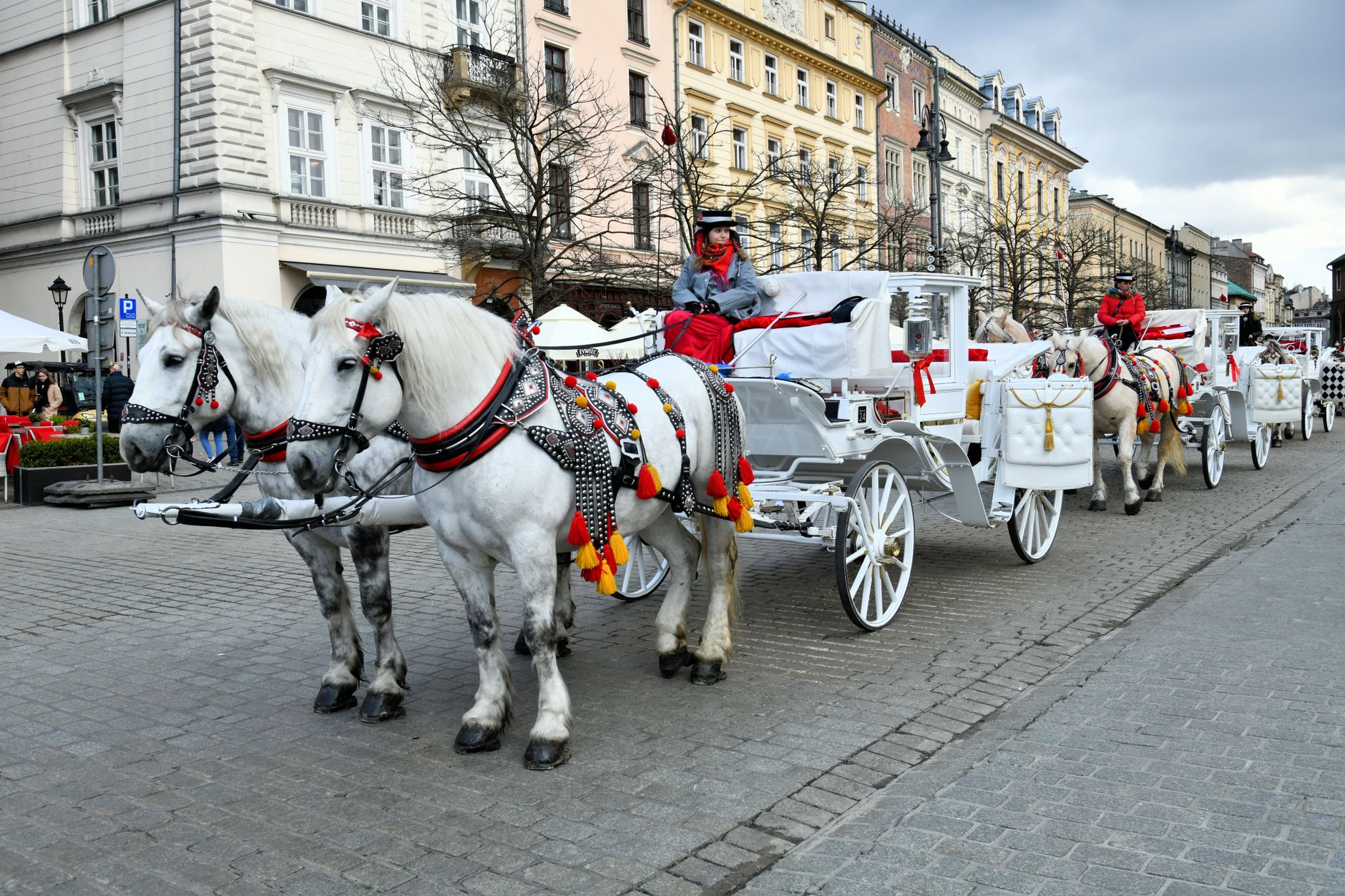
Royal Baraat Carriages in Khajuraho
Travel & Transport in Khajuraho
Traditional Procession Carriage in Khajuraho for Weddings
A Traditional Procession Carriage transforms any Khajuraho wedding into a living heritage tableau — one that matches the town's iconic temple legacy and timeless grandeur. Whether you are planning a grand baraat carriage entrance through the heritage precinct near the Western Temple Group or a graceful wedding doli service for the bride, Khajuraho's rustic lanes and royal ambience make this transport choice uniquely powerful. Happiffie helps families across Madhya Pradesh compare vetted providers, understand pricing, and plan every detail of their royal wedding transport — from flower-draped canopies to dhol-tasha accompaniment — so your procession becomes the most photographed moment of the entire celebration.
Quick Answer
A Traditional Procession Carriage is a ceremonially decorated horse-drawn or bullock-drawn carriage used in Indian weddings, most commonly for the groom's baraat entry or the bride's doli departure. In Khajuraho, these carriages are styled with marigold garlands, silk drapes, and ornate canopies that complement the town's Chandela heritage aesthetic. Packages typically range from ₹8,000 to ₹40,000 depending on decoration level, horse count, and procession duration.
What Makes a Traditional Procession Carriage Perfect for Khajuraho Weddings?
Khajuraho's architectural identity is rooted in the Chandela dynasty's legacy, and a Traditional Procession Carriage echoes that royal narrative better than any modern vehicle ever could. The narrow, tree-lined roads near the Eastern and Southern temple groups create a natural corridor that feels tailor-made for a slow, ceremonial procession. Guests gathered along these lanes experience the baraat carriage as a moving spectacle — dhol beats echoing off ancient stone, marigold petals raining from upper-floor balconies, and the groom elevated above the crowd on a canopied throne. This heritage wedding experience is something destination wedding planners actively seek out when choosing Khajuraho over more conventional venues. The town also benefits from a cooler microclimate in winter months (October to February), which is prime wedding season and ensures the horses and guests remain comfortable throughout a lengthy procession.
Types of Carriage and Decoration Styles Available
Families booking a Traditional Procession Carriage in Khajuraho can typically choose from three broad decoration tiers. The first is a standard floral setup featuring fresh marigold and rose garlands, a basic fabric canopy, and one or two horses with decorative headgear — ideal for budget-conscious celebrations aiming for a genuine festive baraat procession without high expenditure. The second tier adds embroidered silk drapes, LED string lights, a structured wooden canopy with carved detailing, and coordinated horse costumes that reference Rajputana aesthetics. The third and most elaborate tier incorporates silver or gold-painted carriages, velvet upholstery, live instrumental accompaniment, and a full decorated horse carriage with matching dhol players and choreographed family walking alongside. For the bride, a wedding doli service with a palanquin-style enclosed carriage is a deeply sentimental alternative, particularly popular in traditional Bundelkhand families settled around Khajuraho.
How Much Does a Traditional Procession Carriage Cost in Khajuraho?
Pricing for a Traditional Procession Carriage in Khajuraho is influenced by several interconnected factors. A basic single-horse baraat carriage with minimal floral decoration starts at approximately ₹8,000 to ₹12,000 for a two-hour procession. Mid-range packages with embroidered canopies, coordinated horse costumes, and modest LED lighting range from ₹15,000 to ₹25,000. Premium royal wedding transport setups — featuring multi-horse carriages, silver-painted structures, velvet interiors, and professional handlers — can reach ₹35,000 to ₹40,000 or more. A separate groom entry vehicle add-on, such as a decorated buggy for a shorter temple-to-venue stretch, typically costs ₹6,000 to ₹10,000 independently. Seasonal demand is a key pricing lever: bookings during peak winter wedding season (November to February) command a 15–25% premium. Families are advised to confirm whether the quoted price includes handler fees, animal welfare provisions, and return journey logistics.
Planning Your Baraat Route Around Khajuraho's Heritage Precinct
Choosing the right route is as important as choosing the right carriage. Khajuraho's heritage zone has regulated traffic corridors, and local transport coordinators familiar with the Khajuraho wedding venue landscape will know exactly which roads allow horse-drawn carriages without requiring special permissions. Popular baraat carriage routes start from guesthouses near the Jain temple cluster and wind through the Raja Café lane toward larger farmhouse wedding venues on the town's outskirts. For families hosting at a resort near the airstrip, a shorter ceremonial stretch of 500 to 800 metres is usually sufficient to create full photographic impact without exhausting guests or animals. Always consult your transport provider about road surface quality, overhead cable clearances for tall canopies, and lighting availability for evening processions — these practical details define whether your festive baraat procession looks majestic or chaotic.
What Should You Confirm Before Booking a Procession Carriage in Khajuraho?
A genuine heritage wedding experience demands thorough pre-booking verification, not just a verbal agreement over a price quote. First, inspect or request photos of the actual carriage that will be deployed — not a catalogue image. Second, confirm the number and condition of horses, ensuring they are groomed, well-fed, and handled by experienced mahouts rather than casual labourers. Third, clarify whether a wedding doli service for the bride requires a separate palanquin team and whether that is included in the package. Fourth, agree on the exact procession duration and what happens if the baraat runs over time. Fifth, check whether your Khajuraho wedding venue has a designated entry point compatible with carriage access — some resort driveways have height restrictions or uneven gravel surfaces. Sixth, understand the cancellation policy clearly, especially since last-minute weather changes or local events can affect procession logistics. Seventh, request a site recce at least two weeks before the wedding date to walk the route, time the journey, and identify any logistical blind spots. Finally, verify that the provider carries adequate animal liability coverage, protecting your family and guests in any unforeseen situation.
Traditional Procession Carriage Setup Types Compared for Khajuraho Weddings
Expert Recommendation
Best for Intimate Family Celebrations
Best for Destination Weddings with Out-of-Town Guests
Best for Large Guest Counts (300+)
Best for Budget-Conscious Families
Best for Traditional Bundelkhand-Style Weddings
Best for Modern Couples Wanting a Heritage Twist
How to Choose the Right Option
✅ Pre-booking Checklist
- Confirm the carriage provider has operated in Khajuraho's heritage zone and knows local route permissions
- Inspect actual carriage photos or request a live viewing before signing any agreement
- Verify the health, grooming, and handler credentials of all horses involved
- Walk the full procession route at least two weeks before the wedding date
- Get written confirmation of procession duration, included services, and overtime charges
- Check that your Khajuraho wedding venue's driveway can accommodate the carriage dimensions
- Confirm availability of a contingency plan (backup carriage or vehicle) in case of animal health issues
- Clarify whether dhol players, folk dancers, or lighting are included or separately priced
🎯 Selection Criteria
- Provider's experience with heritage zone regulations specific to Khajuraho
- Quality and condition of the carriage structure, upholstery, and decoration materials
- Number of trained handlers relative to the number of horses in the setup
- Flexibility to customise decoration style to match your wedding theme and venue palette
- Transparency in pricing — all-inclusive quotes versus itemised add-ons
💰 Cost / Quality Factors
- Seasonal demand — peak winter bookings (Nov–Feb) cost 15–25% more than off-season
- Procession distance and duration — longer routes increase handler and animal fatigue costs
- Decoration tier — fresh flowers require same-day sourcing and add 10–20% to base price
- Number of horses — multi-horse setups multiply handler fees and coordination complexity
- LED or specialty lighting — evening illumination packages require generator support and add ₹3,000–₹8,000
- Cancellation and rescheduling terms — providers in small markets often have stricter policies
⚠️ Common Mistakes to Avoid
- Booking based on catalogue photos without verifying the actual carriage condition
- Ignoring ASI heritage zone rules and assuming any route is open to horse-drawn carriages
- Skipping a route recce and discovering on the wedding day that the lane is too narrow or has low cables
- Overlooking animal welfare — poorly managed horses create safety risks and reputational discomfort
- Accepting verbal-only agreements without a written contract specifying every included element
- Underestimating procession timing and causing the baraat to arrive significantly late at the venue
People Also Ask
Can a Traditional Procession Carriage enter Khajuraho's heritage zone during a wedding?
What is the difference between a baraat carriage and a wedding doli service?
How far in advance should I book a Traditional Procession Carriage in Khajuraho?
Are decorated horse carriages suitable for elderly or physically limited family members riding in the baraat?
What decoration styles are available for a procession carriage in Khajuraho?
Can I combine a Traditional Procession Carriage with other royal wedding transport options?
What is an approximate per-kilometre cost for a procession carriage in Khajuraho?
Is a Traditional Procession Carriage appropriate for a destination wedding with mostly urban guests?
Related Experiences on Happiffie
Guide Every Guest, Every Ritual
Royal Horse Carriage for Nashik Weddings
Royal Chariot Baraat in Agra
Wed in a Bengal Heritage Mansion
Royal Scroll Wedding Cards — Coorg
Grand Baraat Entries in Shimla
Frequently Asked Questions
Is a Traditional Procession Carriage available for weddings in Khajuraho throughout the year?
How many guests can sit inside a standard Traditional Procession Carriage in Khajuraho?
Do Khajuraho procession carriage providers offer packages that include dhol players?
What decoration themes work best for a Traditional Procession Carriage in Khajuraho?
Are there any legal restrictions on operating horse carriages near Khajuraho's UNESCO temples?
Can I use a Traditional Procession Carriage for a pre-wedding shoot in Khajuraho rather than just the baraat?
What is the difference in cost between a baraat carriage and a wedding doli service in Khajuraho?
How do I find and compare Traditional Procession Carriage providers in Khajuraho on Happiffie?
Key Takeaways
- A Traditional Procession Carriage in Khajuraho uniquely blends Chandela heritage aesthetics with the emotional spectacle of an Indian wedding baraat.
- Pricing ranges from ₹8,000 for basic floral single-horse setups to ₹40,000+ for premium multi-horse royal carriages.
- Peak winter season (November to February) demands 6–8 weeks advance booking due to limited quality providers in the Khajuraho market.
- Route selection must account for ASI heritage zone regulations, road width, overhead clearances, and venue driveway compatibility.
- A wedding doli service offers the bride a deeply traditional ceremonial moment distinct from the groom's baraat carriage entry.
- Always request a site recce, written contract, and contingency plan before confirming any procession carriage booking.
- Combining a carriage baraat with a groom entry vehicle for the reception creates multiple grand visual moments across the wedding day.
- Happiffie helps Khajuraho couples compare vetted transport providers, decoration tiers, and pricing transparently — all in one place.
Book Your Royal Procession Carriage in Khajuraho
Compare vetted Traditional Procession Carriage providers, check real pricing, and make your baraat the grandest moment of your wedding — all on Happiffie.
Explore Carriage Options
Are you a Vendor? Grow Your Business with Happiffie!
- High intent verified leads
- Reverse auction opportunities
- AI business tools & insights
- Dedicated vendor dashboard
- Grow your business, your way
It's free & takes less than 2 minutes!