
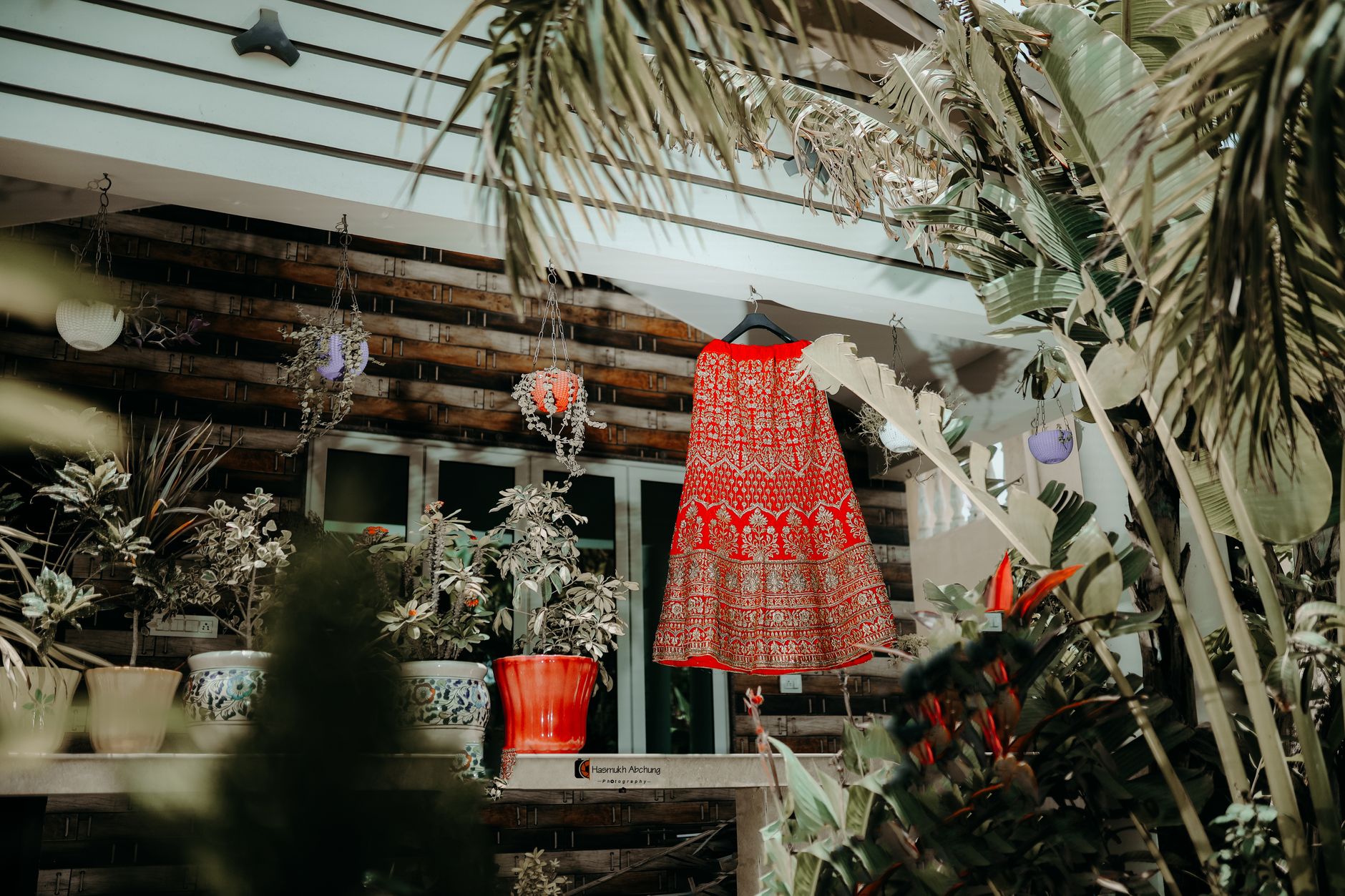
Green Decor for Khajuraho Weddings
Decor in Khajuraho
Low Waste Celebration Styling in Khajuraho
Khajuraho's UNESCO-listed temples and lush Madhya Pradesh landscape set a naturally breathtaking stage for weddings and milestone events. Low Waste Celebration Styling lets couples honour this sacred backdrop by choosing eco-friendly wedding decor that replaces single-use plastic with marigold garlands, terracotta pots, and banana-leaf table runners sourced from nearby villages. Whether you are hosting an intimate mehendi on a heritage resort lawn or a grand baraat procession near the Western Temple Group, sustainable event decoration keeps your celebration visually spectacular while leaving negligible environmental impact. Pairing locally sourced decor materials with thoughtful planning ensures every rupee creates beauty — not landfill.
Quick Answer
Low Waste Celebration Styling in Khajuraho means designing weddings and events using biodegradable, reusable, or locally sourced decor — marigolds, terracotta, jute, and potted plants — instead of synthetic or single-use items. It reduces landfill waste, supports local artisans from the Bundelkhand region, and keeps event costs predictable. Couples typically save 15–25% on post-event disposal fees while creating an aesthetic that complements Khajuraho's historic stone architecture and green surroundings.
Why Is Low Waste Celebration Styling Perfect for Khajuraho's Heritage Setting?
Khajuraho is not just a wedding destination — it is a living monument where every courtyard and corridor carries centuries of artistic heritage. Introducing thermocol arches or PVC balloon clusters near sandstone temples disrupts both the visual harmony and the local ecology. Low Waste Celebration Styling works in perfect sync with this environment because it draws on materials that have always belonged here: dried marigolds from Chhatarpur mandis, clay diyas from local kumhar communities, and hand-woven jute runners from Bundelkhand artisan cooperatives. Heritage venue aesthetics demand decor that feels timeless, not trend-driven, and zero waste floral arrangements — composed of seasonal blooms like marigold, chrysanthemum, and lotus — achieve exactly that. Decor professionals familiar with Khajuraho's site regulations (especially near ASI-protected zones) know that biodegradable decor solutions are often the only compliant option, making green styling both an ethical and a practical choice for couples booking temple-adjacent venues or open-air resort lawns.
Core Elements of Eco-Friendly Wedding Decor in Khajuraho
A well-executed eco-friendly wedding decor plan in Khajuraho typically combines four material families: natural florals, earthenware, recycled textiles, and living plants. Zero waste floral arrangements use locally grown flowers arranged on banana-leaf bases or copper urns that can be returned to vendors post-wedding. Terracotta pots and diya clusters double as guest gifts, eliminating disposable centrepieces entirely. Recycled cotton dupattas and upcycled saree fabric canopies create mandap draping that is both vibrant and compostable. Living plant installations — potted ashoka saplings, ferns, and bamboo columns — can be donated to community gardens in Rajnagar or Panna after the event. Biodegradable decor solutions like seed-paper invitations, palm-leaf plates for haldi ceremonies, and natural beeswax candles round out a cohesive look. Each element can be colour-matched to your lehenga palette, ensuring sustainability never compromises aesthetics.
How Much Does Low Waste Celebration Styling Cost in Khajuraho?
Pricing for low waste celebration styling in Khajuraho depends on guest count, venue type, and the ratio of rented to gifted decor items. For intimate gatherings of 50–100 guests at boutique heritage resorts near Sevagram Road, a full sustainable event decoration package typically ranges from INR 45,000 to INR 1,20,000. Mid-scale weddings of 200–400 guests at larger resort properties near the airport road can expect INR 1,50,000 to INR 3,50,000, depending on floral density and mandap complexity. Grand celebrations exceeding 500 guests at five-star properties — where living walls, statement terracotta installations, and multi-mandap setups are common — may reach INR 4,50,000 to INR 8,00,000. Locally sourced decor materials consistently cost 20–30% less than imported faux-floral equivalents, and rental programmes for copper vessels and fabric canopies further reduce outlay. Budget-conscious event planning benefits most when decor doubles as guest gifting — potted plants and diyas replace return-gift budgets entirely, delivering dual value.
Neighbourhood and Venue Guide: Where to Style a Green Wedding in Khajuraho
Khajuraho's event landscape clusters around three micro-zones. The Western Temple precinct area suits smaller, permit-sensitive events where biodegradable decor solutions are mandatory — think open-air sangeets for 80–150 guests with marigold curtains and oil-lamp pathways. The resort corridor along Airport Road (connecting properties near Rajnagar village) handles mid-to-large weddings with landscaped lawns ideal for living-plant mandaps and jute-draped pergolas. The Panna Road belt, quieter and more forested, is ideal for destination micro-weddings of 30–75 guests where heritage venue aesthetics and carbon-neutral celebrations align naturally — zero vehicular movement, farm-to-decor florals from Panna district nurseries, and compost pits managed on-site. Understanding which zone your venue sits in helps your decor stylist source materials efficiently, reducing transport emissions and keeping locally sourced decor materials truly local.
What Should You Ask a Khajuraho Decor Vendor Before Booking?
Choosing the right decor partner for low waste celebration styling requires direct, specific questioning. First, ask whether the vendor has executed sustainable event decoration at ASI-adjacent or forest-buffer venues — compliance experience matters enormously in Khajuraho. Second, confirm the disposal plan: do they compost floral waste, return rental items, or donate living plants? Third, verify sourcing — are flowers from Chhatarpur or Sagar, or shipped overnight from Pune, adding carbon miles? Fourth, request a breakdown of biodegradable versus synthetic elements in their proposed package; credible green vendors will quantify this. Fifth, enquire about eco-friendly wedding decor certification or membership in sustainable event networks. Finally, ask for a post-event waste audit report — forward-thinking vendors provide one. Couples who ask these questions upfront avoid greenwashing and ensure their carbon-neutral celebrations claim is substantiated, not just decorative language.
Low Waste Celebration Styling Options for Khajuraho Weddings
Expert Recommendation
Best for Intimate Celebrations (30–75 guests)
Best for Destination Weddings with Outstation Guests
Best for Large Guest Counts (400+ guests)
Best for Budget-Conscious Couples
Best for Traditional Ceremonies
Best for Modern, Design-Forward Weddings
How to Choose the Right Option
✅ Pre-booking Checklist
- Confirm your venue's environmental permit requirements, especially if near ASI-protected zones or Panna buffer forest
- Request a full material list from your decor vendor — categorise every item as biodegradable, reusable, or synthetic
- Book locally sourced seasonal flowers at least three months ahead through Chhatarpur or Sagar nurseries
- Plan a post-event disposal protocol: composting, plant donation, and rental collection with written timelines
- Cross-check your decor plan against your lehenga and theme palette so sustainability choices also serve your visual narrative
- Allocate 10–15% of your decor budget as a contingency for last-minute material substitutions due to seasonal availability
- Discuss guest-gifting integration — potted plants or seed kits embedded into decor eliminate a separate return-gift budget
- Obtain a written waste audit commitment from your vendor to verify carbon-neutral celebrations claims post-event
🎯 Selection Criteria
- Vendor's documented experience with sustainable event decoration at heritage or restricted venues
- Proportion of locally sourced decor materials versus shipped or imported elements
- Clear post-event disposal and composting plan with named partners or NGOs
- Flexibility to scale green elements up or down based on ASI permit constraints
- Portfolio evidence of zero waste floral arrangements at comparable guest counts and budgets
💰 Cost / Quality Factors
- Guest count and venue size directly determine the volume of biodegradable materials required
- Season affects flower availability — marigold and chrysanthemum peak October–February, aligning with Khajuraho's wedding season
- Transport distance for materials from Chhatarpur, Sagar, or Panna impacts both cost and carbon footprint
- Rental versus purchase decisions for copper vessels and terracotta pots affect per-event and long-term economics
- Permit complexity near ASI-protected zones can add lead time and specialist compliance costs
- Living plant installations carry higher initial cost but generate post-event value through community donation goodwill
⚠️ Common Mistakes to Avoid
- Greenwashing by accepting vendor claims of 'eco-friendly' without requesting a material-by-material breakdown
- Booking seasonal flowers without advance farm orders, forcing last-minute synthetic substitutions
- Ignoring ASI and forest-zone permit requirements until days before the event, risking decoration restrictions
- Overlooking post-event logistics — beautiful biodegradable decor becomes landfill if no composting plan exists
- Underestimating the structural requirements of natural materials in Khajuraho's summer heat for daytime ceremonies
- Treating sustainability as a theme rather than a process — green styling requires vendor coordination from Day 1, not just at setup
People Also Ask
What does low waste celebration styling actually mean for a wedding in Khajuraho?
Is eco-friendly wedding decor more expensive than traditional decor in Khajuraho?
Can I have zero waste floral arrangements that still look grand and festive?
Are there specific venue restrictions in Khajuraho that make green decor mandatory?
How far in advance should I book low waste celebration styling in Khajuraho?
What happens to the floral decor and plants after my Khajuraho wedding?
Can budget-conscious event planning and sustainable decor go together in Khajuraho?
Which Khajuraho neighbourhoods are best suited for carbon-neutral celebrations?
Related Experiences on Happiffie
Eco Decor for Sacred Haridwar Celebrations
Light Up Every Lucknow Celebration
Flowers That Last a Lifetime
Agra's Finest Rental Decor Solutions
Wed in a Bengal Heritage Mansion
Plan Your Kochi Event Budget Smartly
Frequently Asked Questions
Is low waste celebration styling available for small functions like mehendi or haldi in Khajuraho?
Do Khajuraho decor vendors offer rental programmes for sustainable decor elements?
Can low waste celebration styling handle a baraat procession or outdoor evening reception?
What locally available materials make Khajuraho sustainable decor unique compared to other cities?
How do I verify that a Khajuraho vendor's eco claims are genuine and not just marketing?
Are there specific Khajuraho festivals or seasons when green decor materials are most abundantly available?
Can a Khajuraho destination wedding be both grand and genuinely low waste?
Key Takeaways
- Low waste celebration styling in Khajuraho aligns naturally with ASI site regulations and the region's heritage ecology, making it both an ethical and a practical choice.
- Eco-friendly wedding decor sourced from Bundelkhand artisans and Chhatarpur mandis is typically 15–25% more cost-effective than imported synthetic alternatives.
- Zero waste floral arrangements using marigold, lotus, and tuberose can achieve grand, festive visual impact without any synthetic or non-compostable elements.
- Biodegradable decor solutions that double as guest gifts — terracotta diyas, potted plants, seed packets — eliminate a separate return-gift budget.
- Venue location in Khajuraho determines decor compliance requirements: ASI-adjacent and Panna buffer-zone venues mandate fully biodegradable materials.
- Booking specialist sustainable decor vendors four to six months in advance is essential in Khajuraho's smaller vendor market, especially for peak season (October–February).
- A written post-event disposal plan — composting, plant donation, rental collection — is the clearest indicator of a genuinely sustainable decor partner.
- Carbon-neutral celebrations at Khajuraho heritage venues are most achievable when locally sourced decor materials reduce transport distances and support regional artisan livelihoods.
Plan Your Green Wedding in Khajuraho with Happiffie
Connect with verified sustainable decor specialists who know Khajuraho's heritage venues, local artisan networks, and eco-compliance requirements — so your celebration is as beautiful as it is responsible.
Explore Green Decor
Are you a Vendor? Grow Your Business with Happiffie!
- High intent verified leads
- Reverse auction opportunities
- AI business tools & insights
- Dedicated vendor dashboard
- Grow your business, your way
It's free & takes less than 2 minutes!