
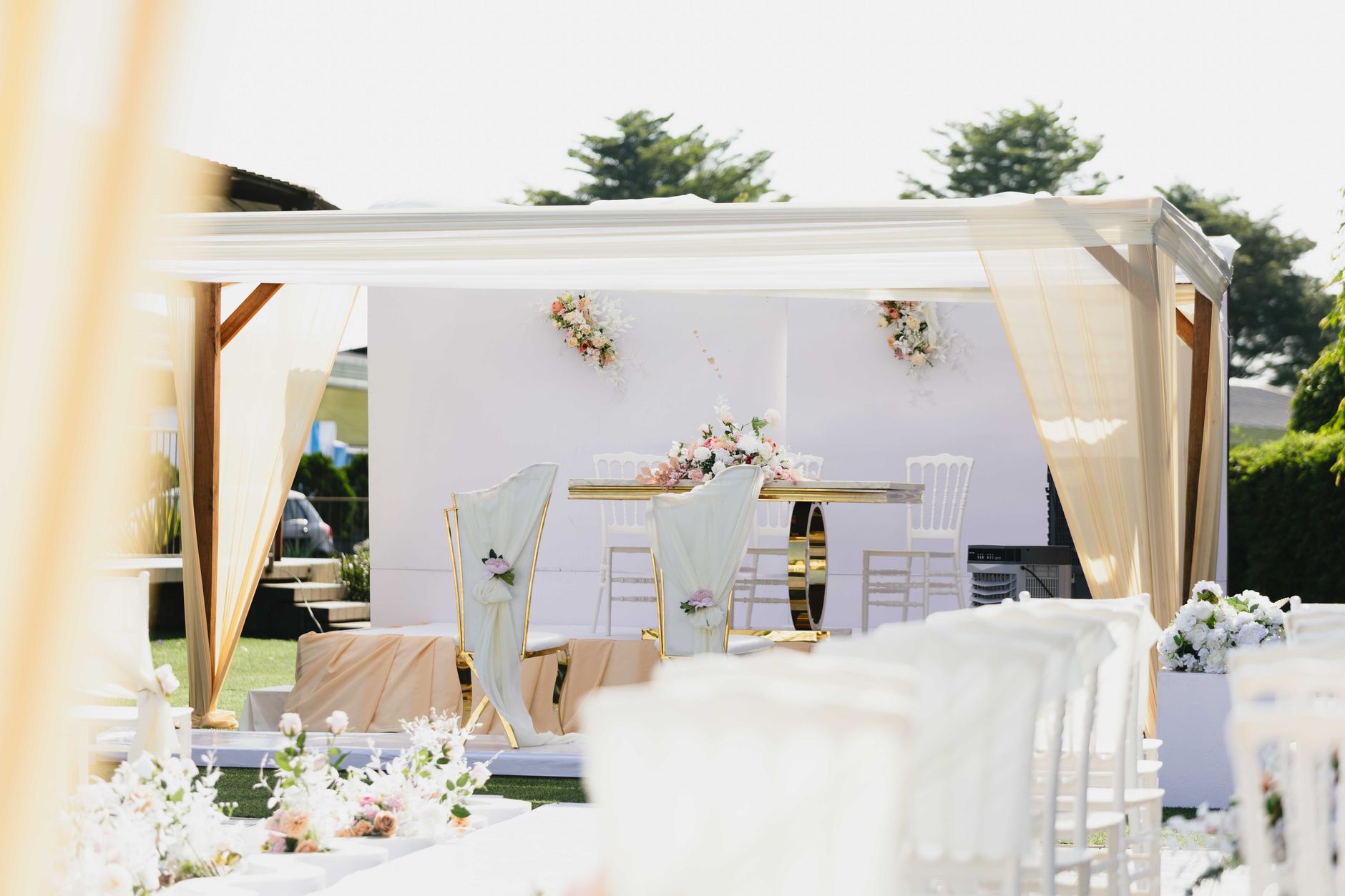
Beat the Heat at Kasauli Weddings
Infrastructure & Furniture Rentals in Kasauli
Centralized Temporary Cooling for Kasauli Events
Kasauli's forested hillside charm makes it one of Himachal Pradesh's most sought-after wedding destinations, but pre-monsoon and summer months can push afternoon temperatures well into the uncomfortable range inside marquees, banquet halls, and open lawns. Centralized Temporary Cooling solves this precisely — bringing industrial-grade, event-specific climate control to venues that lack permanent air conditioning infrastructure. Whether you are planning a 50-guest intimate mehendi or a 400-guest destination shaadi, pairing event cooling system rental with thoughtful wedding venue temperature control ensures every guest stays relaxed from the baraat's arrival to the last dance of the sangeet.
Quick Answer
Centralized Temporary Cooling refers to a professionally installed, unified climate-control setup — typically comprising industrial spot coolers, portable chillers, or evaporative cooling towers — deployed temporarily at an event venue. In Kasauli, it is used for weddings, corporate retreats, and milestone celebrations held in tents, open lawns, or heritage bungalows that lack built-in air conditioning. A single centralised system cools an entire zone evenly, unlike individual room ACs, and is dismantled after the event.
What Is Centralized Temporary Cooling and Why Does Kasauli Need It?
Centralized Temporary Cooling is a coordinated climate-management solution where multiple cooling units — evaporative coolers, portable chillers, or ducted spot coolers — are linked and controlled through a single distribution network rather than operated individually. For Kasauli weddings, this matters enormously because most preferred venues — colonial-era bungalows, open pine-forest lawns, and fabric marquees — were never built with central air conditioning in mind. April through June sees Kasauli afternoons touching 28–33 degrees Celsius inside enclosed tents, making guest comfort a real operational challenge. A unified event cooling system rental handles this by channelling conditioned air evenly across the entire function space, eliminating hot spots near the mandap or buffet counters. The approach also reduces generator load compared to running a dozen individual split ACs, saving on diesel costs — a genuine benefit given Kasauli's remote fuel logistics. Couples who invest in proper summer wedding infrastructure from the planning stage report far fewer guest complaints and smoother ceremony timelines, because nobody is rushing outdoors to cool down mid-ritual.
How Much Does Event Cooling System Rental Cost in Kasauli?
Pricing for centralized temporary cooling in Kasauli depends on four variables: the area to be cooled (in square feet), the type of equipment chosen, duration of hire, and transportation costs from Chandigarh or Panchkula, which are the nearest large equipment depots. For a 2,000 sq ft marquee hosting around 150 guests, expect portable air conditioning rental to cost between INR 18,000 and INR 35,000 for a single-day event, inclusive of delivery, installation, and pickup. Larger setups covering 5,000 sq ft or more — think 300-plus guest destination weddings across two-day ceremonies — can range from INR 55,000 to INR 1,20,000 depending on whether you choose evaporative towers (more economical, suited to dry heat) or refrigerant-based portable chillers (higher upfront, better humidity control). Outdoor cooling equipment hire for lawns requires weather-resistant units and additional ducting, which adds roughly 15–20% to base costs. Always budget a separate line for the generator or power hookup, as most venues in Kasauli cannot supply the 15–25 kW load that a full cooling grid demands.
Choosing the Right Temporary AC Unit Hire for Kasauli's Microclimate
Kasauli sits at approximately 1,800 metres above sea level, which means its heat profile differs significantly from plains cities. Humidity is moderate during summer but spikes sharply in late June. This makes the choice of temporary AC unit hire critical: evaporative coolers perform well in dry April-May conditions but lose efficiency once relative humidity crosses 60%, which can happen during early monsoon weddings. Refrigerant-based portable chillers maintain consistent output regardless of humidity and are the preferred choice for June and July events. Ducted spot coolers — mid-range in cost — work best inside enclosed marquees where cool air can be directed through insulated ducts without escaping. For open lawns or semi-open shamiana setups, misting fan arrays combined with portable air conditioning rental units form a practical hybrid solution. Always ask suppliers about their equipment's BTU rating relative to your tent or hall volume; an undersized system will run continuously without achieving target temperatures, wasting fuel and money. Proper wedding venue temperature control in Kasauli also requires accounting for solar gain through translucent tent fabric, which can add 20–30% to the effective cooling load.
What Infrastructure Is Required to Support Centralized Temporary Cooling at a Kasauli Venue?
Installing centralized temporary cooling at a Kasauli event venue involves more than just placing units on-site. Power supply is the primary bottleneck: most hillside venues operate on single-phase connections insufficient for large cooling grids. A diesel generator of 25–40 kVA is typically mandatory and should be positioned at least 15 metres from guest areas to minimise noise during the pheras or speeches. Outdoor cooling equipment hire additionally requires flat, stable ground for placement of compressor units, which rules out steep garden terraces without platform reinforcement. Ducting — typically 12-inch flexible insulated tubing — must be routed through the tent's side walls or false ceilings, and this installation takes 3–5 hours, meaning the setup team must arrive the evening before. Venue coordinators at Kasauli properties should be looped in early, as some heritage bungalows have restrictions on drilling or anchoring equipment to walls. Hill station event comfort also depends on sealing gaps in the tent fabric; even a well-rated system loses 30–40% efficiency if the enclosure is poorly sealed. Request a site visit from your cooling vendor at least four weeks before the event date.
How Can Couples Maximise Guest Comfort Management During a Kasauli Wedding?
Effective guest comfort management at a Kasauli destination wedding goes beyond booking the right cooling equipment — it requires a layered strategy. Schedule heat-intensive outdoor ceremonies like the baraat and pheras for early morning (before 10 AM) or post-sunset slots, reserving the peak afternoon heat for indoor functions where centralized temporary cooling is operating at full capacity. Use light-coloured, heat-reflective tent linings to reduce solar absorption; this alone can lower internal temperature by 3–5 degrees Celsius. Hydration stations with nimbu paani, aam panna, and chilled water dispensers positioned near each cooling outlet reinforce the comfort experience and reduce the load guests place on the cooling system by keeping their core body temperature lower. For multi-day weddings, consider renting small portable air conditioning rental units for the bridal suite and close-family accommodation so the wedding party arrives at each function already refreshed. Inform guests in the invitation communication that summer wedding infrastructure is in place, so those with medical sensitivities can plan clothing and medication accordingly. A dedicated event coordinator monitoring equipment performance in real time can catch a tripped circuit or low refrigerant situation before it disrupts proceedings.
Centralized Temporary Cooling Options for Kasauli Events: A Side-by-Side Comparison
Expert Recommendation
Best for Intimate Celebrations (under 75 guests)
Best for Large Destination Weddings (250+ guests)
Best for Budget-Conscious Couples
Best for Open-Lawn or Semi-Open Venues
Best for Heritage or Protected Properties
Best for Multi-Day Wedding Packages
How to Choose the Right Option
✅ Pre-booking Checklist
- Measure your tent or hall area in square feet before contacting any vendor
- Confirm the venue's available power load and whether a generator is permitted on-site
- Ask the property manager for written confirmation of equipment placement permissions
- Book a vendor site visit at least 4 weeks before the event date
- Verify that the hire package includes delivery, installation, operator standby, and dismantling
- Check the vendor's contingency plan — do they carry backup units for equipment failure?
- Confirm fuel supply arrangements for the generator, especially for multi-day events
- Get all specifications (BTU rating, power draw, duct dimensions) in writing before signing
🎯 Selection Criteria
- Match equipment type (evaporative vs refrigerant) to the expected humidity level on your event date
- Choose vendors with prior experience at hill station or mountain wedding venues
- Prioritise vendors who offer on-site technician standby throughout the event
- Evaluate whether the vendor's equipment fleet can scale if your guest count increases last minute
- Confirm transportation logistics — Kasauli's narrow roads require smaller delivery vehicles
💰 Cost / Quality Factors
- Venue area and ceiling height directly determine required BTU capacity and therefore cost
- Distance from the equipment depot (Chandigarh or Panchkula) adds 10–20% in logistics charges
- Duration of hire — multi-day events attract daily rate discounts but increase generator fuel costs
- Equipment type (evaporative vs refrigerant) creates a significant unit-cost difference
- Season and demand — April-June peak pricing can be 20–30% higher than off-season rates
- Insulation quality of the tent or hall fabric directly impacts system efficiency and running cost
⚠️ Common Mistakes to Avoid
- Underestimating the cooling load — always add 20-25% buffer above the calculated BTU requirement
- Booking equipment without a prior site visit, leading to ducting or access problems on event day
- Ignoring humidity levels when choosing evaporative coolers for late-June or July Kasauli events
- Failing to arrange a dedicated generator, then overloading the venue's existing power supply
- Not clarifying whether operator standby is included, leaving guests with no support if a unit trips
- Skipping written permission from heritage venue management, risking last-minute equipment rejection
People Also Ask
Is centralized temporary cooling effective for open-lawn weddings in Kasauli?
How far in advance should I book temporary AC unit hire for a Kasauli wedding?
What is the difference between evaporative coolers and refrigerant chillers for event use?
How much generator capacity do I need for centralized temporary cooling at my Kasauli event?
Can heritage bungalows in Kasauli accommodate temporary cooling equipment?
Does outdoor cooling equipment hire include installation and dismantling?
What months are most important for cooling at Kasauli destination weddings?
How do I estimate the right cooling capacity for my wedding tent size?
Related Experiences on Happiffie
Beat the Heat at Your Udaipur Event
Cool Comfort for Your Island Celebration
Keep Every Guest Cool & Comfortable
Beat the Heat at Every Varanasi Event
Keep Every Detail Fresh in Kolkata
Dine Among the Himalayas in Kasauli
Professional Wedding Infrastructure Solutions
Unite Every Guest, Every Tradition
Frequently Asked Questions
Is centralized temporary cooling necessary for a Kasauli wedding, or do natural breezes help enough?
Can I rent portable air conditioning units locally in Kasauli, or do I need to source from Chandigarh?
How long does it take to install a centralized temporary cooling setup at a Kasauli venue?
What happens if cooling equipment malfunctions during my wedding ceremony in Kasauli?
Does outdoor cooling equipment hire work for a semi-open shamiana setup in Kasauli?
Are there eco-friendly temporary cooling options suitable for Kasauli's forested environment?
How does wedding venue temperature control affect the guest experience at a hill station event?
What should be included in a temporary AC unit hire contract for a Kasauli wedding?
Key Takeaways
- Centralized Temporary Cooling is essential for Kasauli weddings held in tents, marquees, or heritage bungalows between April and June.
- Evaporative coolers suit dry early-summer conditions; refrigerant chillers are necessary for humid late-June and July events.
- Portable air conditioning rental for a 150-guest Kasauli wedding typically costs INR 18,000–35,000 per day, excluding generator hire.
- A dedicated 25–40 kVA generator is almost always required, as most Kasauli venues cannot supply sufficient power for a full cooling grid.
- Book cooling equipment at least 6–8 weeks in advance; Kasauli's remote location means vendors operate on tighter logistics timelines than plains cities.
- Always request a vendor site visit to assess ducting routes, power access points, and equipment placement before confirming the order.
- Layering cooling with scheduling strategies — early-morning outdoor rituals, heat-reflective tent linings, and hydration stations — maximises guest comfort while reducing rental costs.
- Multi-day destination weddings benefit most from a single-vendor event cooling system rental contract for consistent service and potential package savings.
Keep Every Guest Cool at Your Kasauli Wedding
Browse verified centralized temporary cooling vendors on Happiffie — compare equipment types, get transparent pricing, and book with confidence for your Kasauli event.
Explore Cooling Rentals
Are you a Vendor? Grow Your Business with Happiffie!
- High intent verified leads
- Reverse auction opportunities
- AI business tools & insights
- Dedicated vendor dashboard
- Grow your business, your way
It's free & takes less than 2 minutes!