
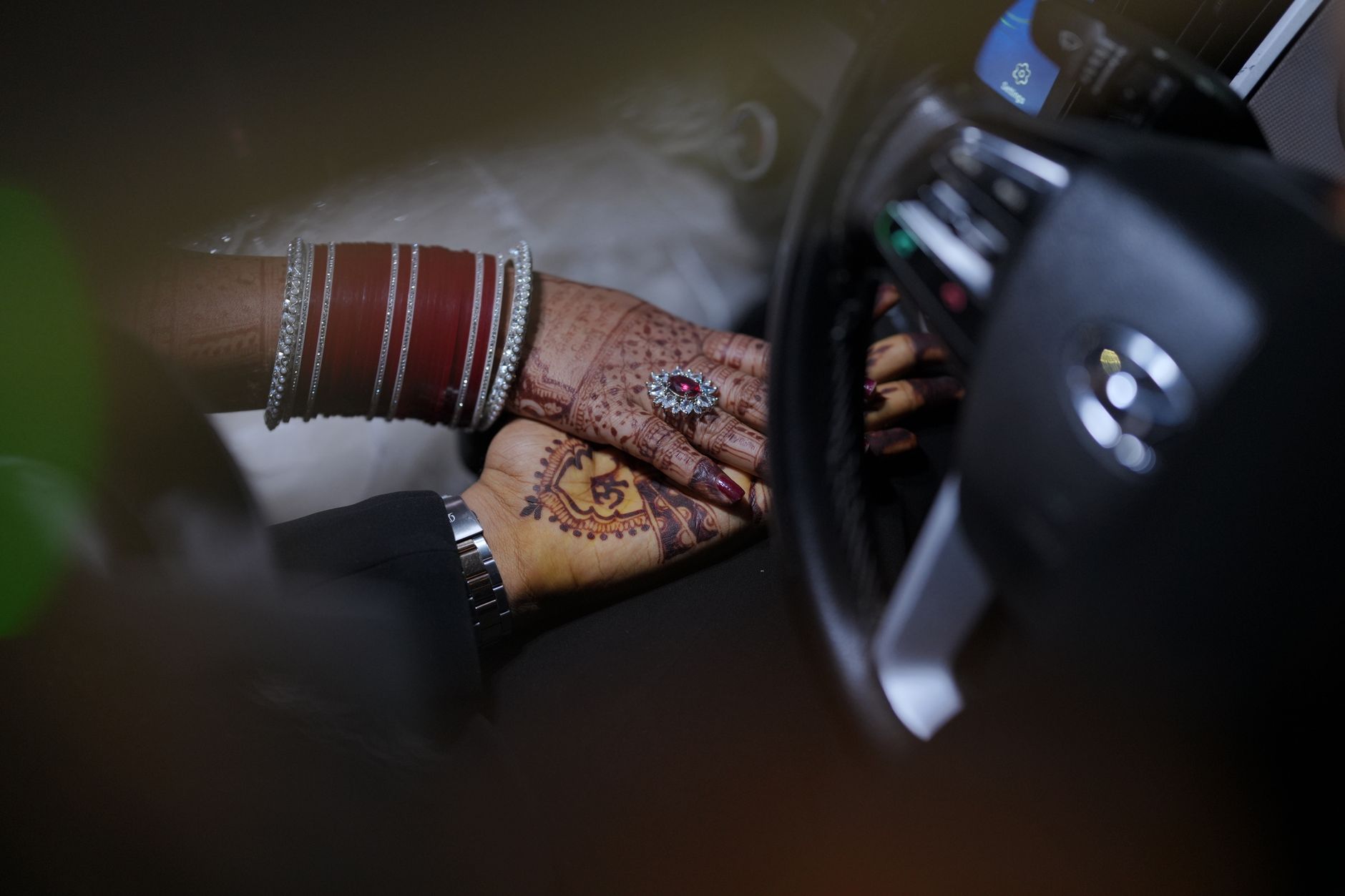
Regal Groom Jewellery in Jodhpur
Jewellery in Jodhpur
Regal Groom Jewellery in Jodhpur: The Royal Groom's Guide
Jodhpur, the Blue City and seat of Marwari royal tradition, is one of India's finest destinations for regal groom jewellery. From the magnificent havelis of Navchokiya to the bustling lanes near Sarafa Bazaar, grooms here have always adorned themselves with the full splendour that a Rajasthani wedding demands. Whether you are looking for classic dulha jewellery set craftsmanship passed down through generations or contemporary men's bridal jewellery that blends Kundan work with modern silhouettes, Jodhpur's artisans and jewellers offer unmatched depth of choice. Planning your wedding sherwani accessories well in advance ensures every piece — from sarpech to kalgi — fits your look, your venue, and your budget.
Quick Answer
Regal Groom Jewellery refers to the ceremonial ornaments worn by a groom on his wedding day, typically including a sarpech (turban ornament), mala (necklace), kada (bracelet), and ring. In Jodhpur, these pieces are deeply rooted in Rajasthani and Marwari tradition, crafted in gold, Kundan, polki, or silver. A complete set costs between ₹30,000 and ₹5,00,000+ depending on metal purity, craftsmanship, and stone work.
What Makes Jodhpur the Ideal City for Regal Groom Jewellery?
Jodhpur carries centuries of royal wedding heritage that directly shapes the jewellery available in its markets today. The Marwari and Rajput communities of this city have long celebrated the groom as a king — a Raja — for his wedding day, which means local craftsmen have mastered the art of crafting regal groom jewellery that genuinely looks and feels ceremonial rather than costume-like. Areas like Sarafa Bazaar, Tripolia Bazaar near the Clock Tower, and the lanes behind Ghanta Ghar are hubs where Kundan artisans, polki setters, and gold jewellers operate alongside each other. This concentration of skill means you can source a complete dulha jewellery set — sarpech, kanthi, mala, kada, and finger ring — in a single area and have pieces adjusted or custom-made within a few days. For destination weddings hosted at Fort Mehrangarh lawns or Umaid Bhawan Palace, grooms arriving in full Rajasthani groom ornaments for wedding ceremonies create an authenticity that no rented accessory can replicate. Gold jewellery for Indian groom requirements here ranges from 18-karat fashion pieces to 22-karat heirloom sets that families pass across generations.
Key Pieces in a Complete Groom Wedding Jewellery Set
A well-assembled set of groom wedding jewellery typically includes several distinct categories of ornament, each serving a specific aesthetic and ceremonial role. The sarpech, worn on the turban, is arguably the most dramatic piece — traditionally crafted in Kundan or polki with peacock or floral motifs, it draws every guest's eye during the baraat procession through Jodhpur's narrow blue-walled streets. The kanthi or haar is a close-set necklace worn against the sherwani collar, while a longer mala in gold or meenakari adds a layered richness. On the wrist, a heavy gold or silver kada completes the forearm. A statement ring — often featuring a ruby, emerald, or uncut diamond — finishes the hand. Men's bridal jewellery in Jodhpur also commonly includes brooch-style buttons called achkan buttons and a waistband ornament called a kamarbandh, both deeply tied to Marwari ceremonial dress. Each piece should be chosen in relation to the sherwani colour and fabric; ivory or cream sherwanis pair beautifully with Kundan-and-white-stone work, while deeper jewel-tone sherwanis suit polki and coloured meenakari. For weddings with 200–500 guests at venues like Umaid Bhawan or Ajit Bhawan, the scale of ornament should match the grandeur of the space.
How Much Does Regal Groom Jewellery Cost in Jodhpur?
Pricing for regal groom jewellery in Jodhpur varies enormously based on the metal, stone quality, and whether pieces are bought, custom-made, or rented. A rental dulha jewellery set — popular for budget-conscious grooms who want the look without the long-term investment — typically costs between ₹8,000 and ₹25,000 for a full set over the wedding period. Ready-made groom ornaments for wedding use in silver with gold plating start at around ₹30,000 for a basic set. Solid 22-karat gold sets with Kundan work range from ₹1,50,000 to ₹5,00,000 or more, depending on weight and craftsmanship. Custom polki or diamond-set sarpech pieces from established Jodhpur workshops can individually reach ₹1,00,000 to ₹3,00,000. Gold jewellery for Indian groom purchases in Jodhpur has the added advantage of city-specific hallmarking centres that verify purity, giving families confidence in long-term investment value. Always factor in making charges, which in Jodhpur range from 8% to 18% of the gold value, and negotiate these separately from the stone charges. Turban and jewellery coordination with your wedding stylist before the final purchase can save unnecessary alterations later.
Rajasthani Wedding Jewellery Traditions Every Groom Should Know
Understanding Rajasthani wedding jewellery traditions helps grooms make choices that are both culturally resonant and personally meaningful. In Marwari ceremonies, the groom's jewellery is not a mere accessory — it is a visible declaration of the family's lineage, prosperity, and respect for tradition. The sarpech has historically been gifted by the bride's family as a mark of welcome, and accepting it during the tilak ceremony carries symbolic weight. Meenakari — the art of enamel work in vivid blue, green, and red — is a craft Jodhpur shares with Jaipur, and pieces combining Kundan fronts with meenakari reverses are particularly prized because both sides are wearable. Wedding sherwani accessories like brooch sets and cufflinks in matching Kundan work are a more recent addition to the Jodhpur groom's look, blending contemporary fashion with traditional craft vocabulary. For small, intimate weddings of 50–100 guests in a haveli courtyard in Navchokiya or Ratanada, even a minimal set — sarpech, single mala, and kada — reads with full ceremonial impact when the pieces are of high quality. Men's bridal jewellery in Jodhpur reflects the understanding that less, done well, is always superior to excess done cheaply.
How to Coordinate Regal Groom Jewellery with Your Full Wedding Look?
Coordinating regal groom jewellery with the complete wedding outfit is a step many grooms overlook until the last moment, often resulting in mismatched tones or scale. The starting point should always be the sherwani — its colour, fabric weight, and embroidery style determine the jewellery finish that will photograph and appear best. A silk brocade sherwani in deep maroon or navy suits heavy Kundan or polki work, while a lighter chanderi or linen piece calls for finer, more delicate gold jewellery for Indian groom styling. Turban and jewellery coordination is essential: the sarpech must align with the turban folds, and the kalgi (feather ornament) should not compete visually with the sarpech if both are worn. Work with your wedding stylist or turban artist — many operate near Paota and Shastri Nagar in Jodhpur — at least two weeks before the wedding for a full trial run. Groom ornaments for wedding day use should be tried on with the actual sherwani, not a placeholder, because neckline depth affects how kanthi and mala lengths fall. Photographs taken during the trial let you review the look objectively and make adjustments before the wedding day.
Regal Groom Jewellery Options in Jodhpur: Side-by-Side Comparison
Expert Recommendation
Best for intimate haveli weddings
Best for grand palace or fort weddings
Best for budget-conscious grooms
Best for traditional Marwari families
Best for modern grooms seeking understated elegance
Best for large baraat processions
How to Choose the Right Option
✅ Pre-booking Checklist
- Confirm your sherwani colour and fabric at least 8 weeks before the wedding before purchasing any jewellery
- Schedule a turban and jewellery coordination trial with your turban artist and stylist together
- Set a clear budget split between rental and purchase components of your full set
- Verify BIS hallmark certification on all gold pieces before finalising payment
- Check that sarpech dimensions are proportional to your turban size and head shape
- Book custom pieces — especially Kundan or polki work — at least 6–8 weeks in advance
- Photograph the complete look (sherwani, turban, jewellery) in the trial run and review in images, not just the mirror
- Confirm a secure storage and transportation plan for pieces on and after the wedding day
🎯 Selection Criteria
- Metal purity and hallmarking: always prioritise BIS-certified 22-karat gold for investment-grade pieces
- Craftsmanship origin: Jodhpur-crafted Kundan and meenakari work carries superior authenticity versus mass-produced alternatives
- Weight and wearability: heavy sarpech or thick kadas may cause discomfort during a multi-hour baraat
- Style coherence: every piece in the set should share a design language — mixing polki with modern geometric work rarely photographs well
- Vendor reliability: use platforms like Happiffie to verify vendor track record before visiting in person
- Resale or heirloom value: if purchase is the goal, weight-to-making-charge ratio determines long-term investment quality
💰 Cost / Quality Factors
- Gold weight (in grams) is the primary cost driver for solid sets; making charges are secondary but negotiable
- Stone quality — natural rubies, emeralds, or uncut diamonds command far higher prices than glass or lab-set stones
- Custom versus ready-made: bespoke pieces add 20–40% in cost but deliver uniqueness and fit
- Seasonal demand: Jodhpur's peak wedding season (October–February) drives up artisan lead times and prices
- Rental deposits can be as high as 50–100% of the piece's value and must be factored into cash flow planning
- Photography and videography lighting affects how different metals and finishes read on camera — polki sparkles under flash, while gold shines in natural light
⚠️ Common Mistakes to Avoid
- Buying jewellery before finalising the sherwani, leading to colour or scale mismatches
- Ignoring making charges and stone charges when comparing prices across vendors — the gold rate alone is not the full cost
- Choosing oversized pieces based on showroom impression without checking proportions against your actual turban and body frame
- Leaving custom orders fewer than four weeks before the wedding and accepting rushed, lower-quality output
- Failing to insure high-value pieces for the travel and wedding period
- Overlooking the baraat-day experience — very heavy sarpech or multiple malas cause fatigue during a 3–4 hour procession
People Also Ask
What jewellery does an Indian groom typically wear at a wedding?
Can I rent regal groom jewellery in Jodhpur instead of buying it?
How early should a groom start shopping for wedding jewellery in Jodhpur?
What is the difference between Kundan and polki jewellery for grooms?
Is gold jewellery for Indian grooms a good investment in Jodhpur?
What budget should I set for a complete groom jewellery set in Jodhpur?
Which areas in Jodhpur are best for buying groom wedding jewellery?
How do I match groom jewellery with a wedding sherwani?
Related Experiences on Happiffie
Look Royal on Your Big Day
Shimla's Finest Bridal Jewellery Sets
South Indian Bridal Jewellery in Jodhpur
Royal Wedding Seating in Mussoorie
Jewellery for the Kolkata Groom
Sacred Decor for Your Church Wedding
Frequently Asked Questions
What is regal groom jewellery and why is it important in a Jodhpur wedding?
Where should I buy or rent a dulha jewellery set in Jodhpur?
How do I ensure my regal groom jewellery matches my sherwani and turban?
Is Kundan or polki better for groom ornaments in a Jodhpur wedding?
What are the most important pieces in a men's bridal jewellery set for a Rajasthani wedding?
Can I customise regal groom jewellery to incorporate family heirloom stones?
What wedding sherwani accessories should a groom plan for beyond the main jewellery set?
How do I care for gold jewellery for Indian groom use after the wedding?
Key Takeaways
- Regal groom jewellery in Jodhpur is deeply rooted in Rajasthani and Marwari royal tradition, encompassing sarpech, kanthi, mala, kada, and ring as core components.
- Sarafa Bazaar and Tripolia Bazaar near the Clock Tower are the primary sourcing areas, with craftsmen skilled in Kundan, polki, and meenakari work.
- Budget ranges vary from ₹8,000 for a rental dulha jewellery set to ₹5,00,000 or more for custom solid gold Kundan sets.
- Turban and jewellery coordination with a professional stylist is essential — a trial run in the full outfit prevents day-of surprises.
- BIS hallmarking verification is mandatory for all gold jewellery purchases to ensure metal purity and protect investment value.
- Custom pieces require 4–8 weeks of crafting time; begin shopping at least two to three months before the wedding.
- Rental is a smart, cost-effective option that provides the same visual grandeur as ownership for a single-use occasion.
- Every piece should be chosen for scale relative to the venue — intimate haveli settings call for refinement, while palace and fort venues justify bold, high-visibility ornaments.
Find Your Perfect Regal Groom Jewellery in Jodhpur
Browse Happiffie's curated list of Jodhpur jewellers — compare styles, check availability, and shortlist vendors for your dream wedding look, all in one place.
Explore Jodhpur Jewellers
Are you a Vendor? Grow Your Business with Happiffie!
- High intent verified leads
- Reverse auction opportunities
- AI business tools & insights
- Dedicated vendor dashboard
- Grow your business, your way
It's free & takes less than 2 minutes!