

Explore All Digital & Tech Experiences
Discover innovative digital and technology-enabled experiences for weddings, parties, corporate events and celebrations.
Experience Smarter,
Celebrate with Happiffie
From immersive experiences to intelligent event solutions, Happiffie helps you discover digital and technology-enabled experiences that make every celebration engaging, interactive and memorable.
- Digital & Tech ExperiencesDiscover innovative digital and technology experiences designed to elevate your event.
- AI-Powered ExperiencesDiscover smart and personalised event technology solutions
- Trusted Food NetworkConnect with verified digital and technology service providers
Digital & Tech Experiences
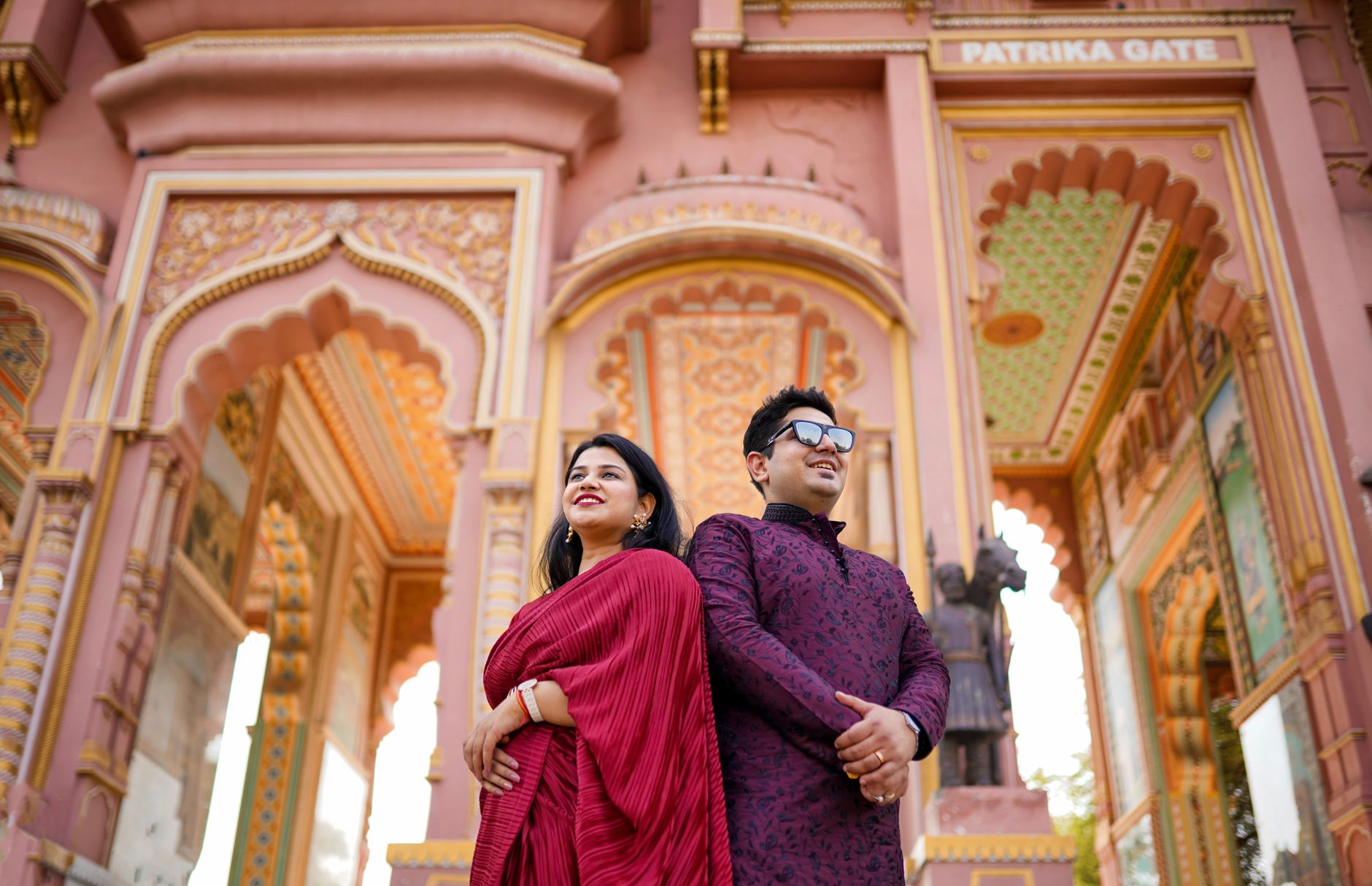 AI Celebration Support Assistant
 AI Event Check-In Solutions
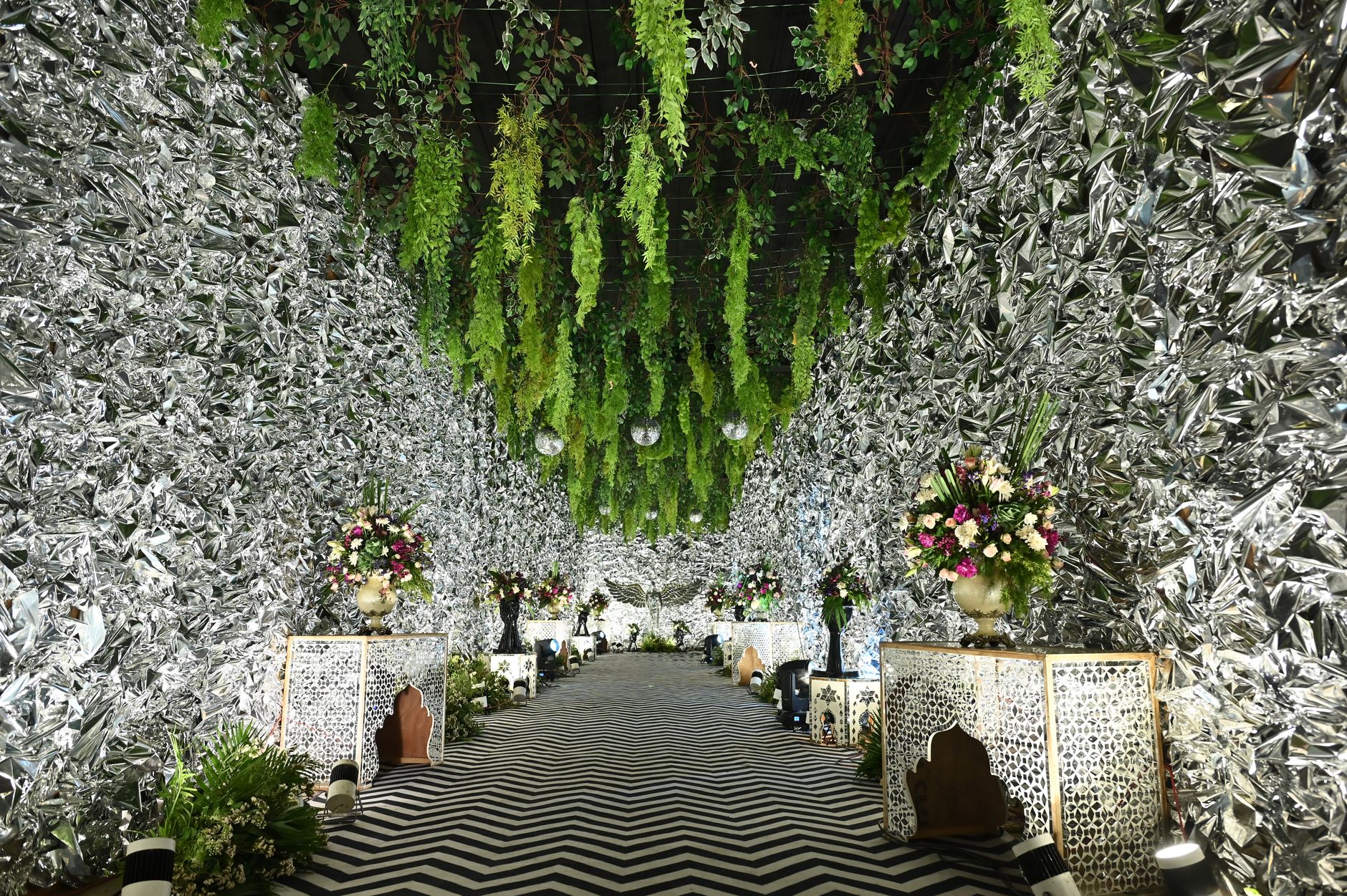 AI Event Insights Dashboard
 AI Smart Networking Platform
 Digital Self-Service Event Kiosks
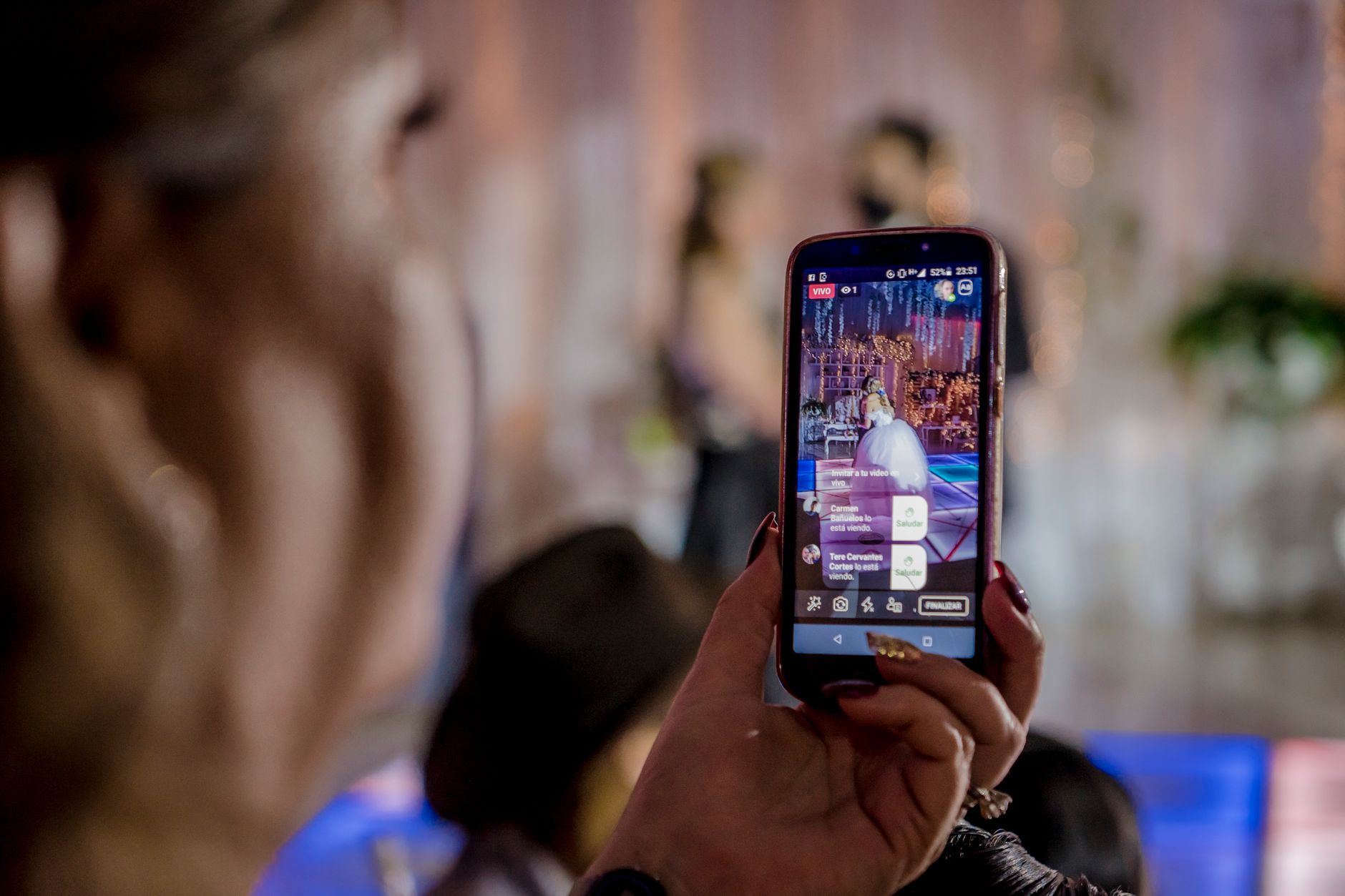 Immersive Virtual Celebration Worlds
 Intelligent Event Planning Companion
 Interactive AR Celebration Experiences
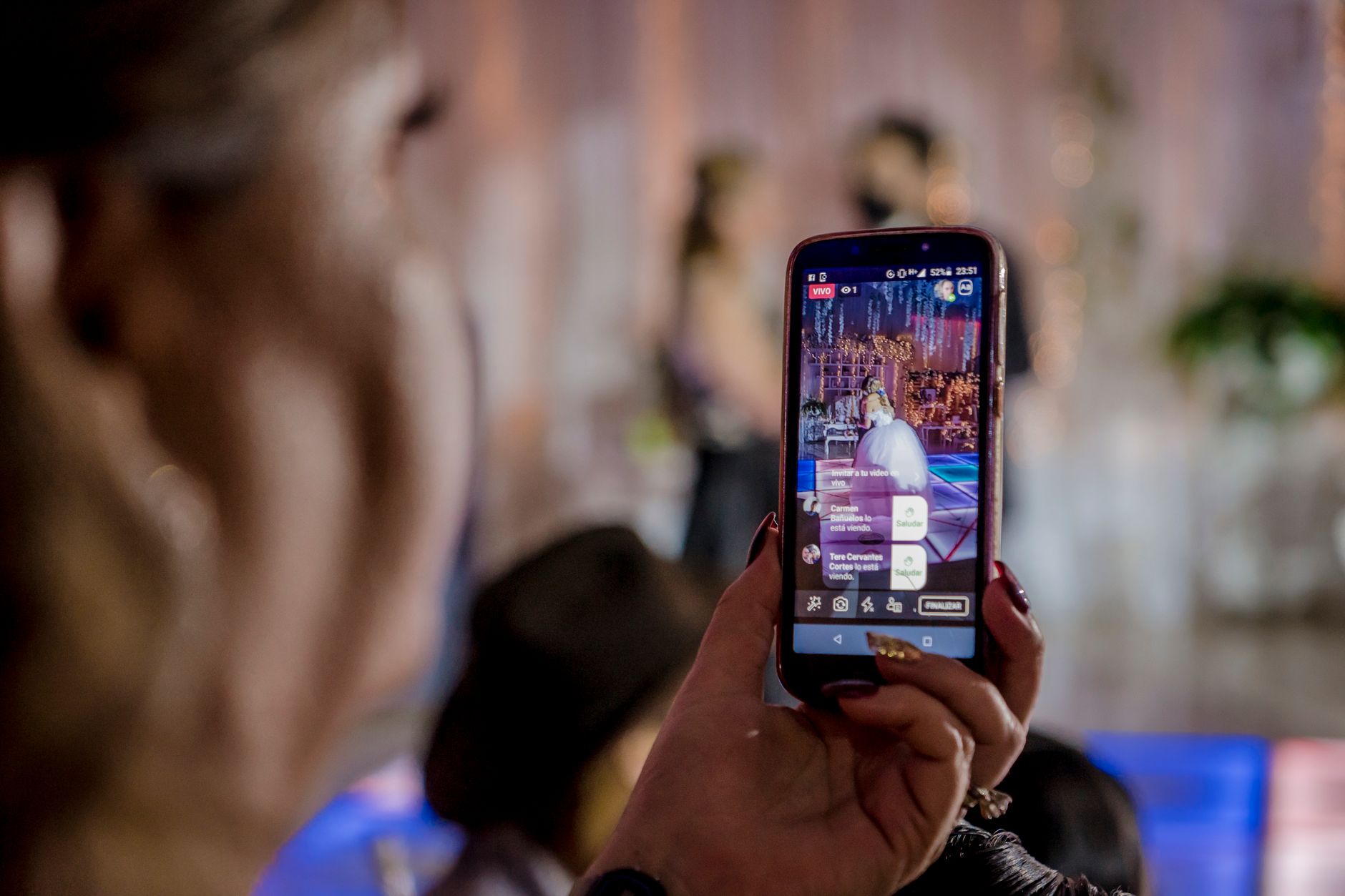 Interactive Celebration Mobile Apps
 Interactive Event Voting Systems
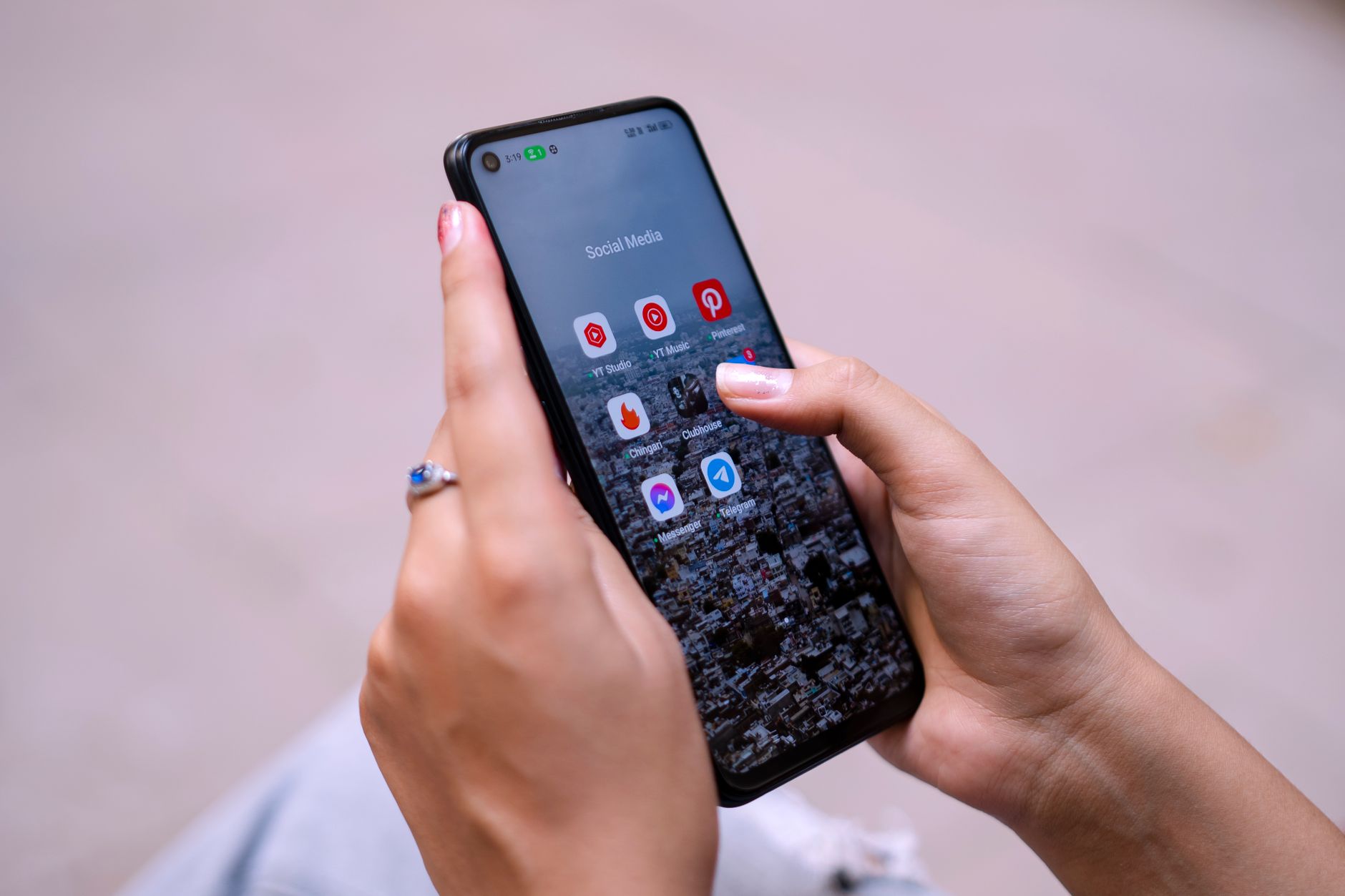 Personalized Event Mobile Platform
 Premium Online Guestbook Experiences
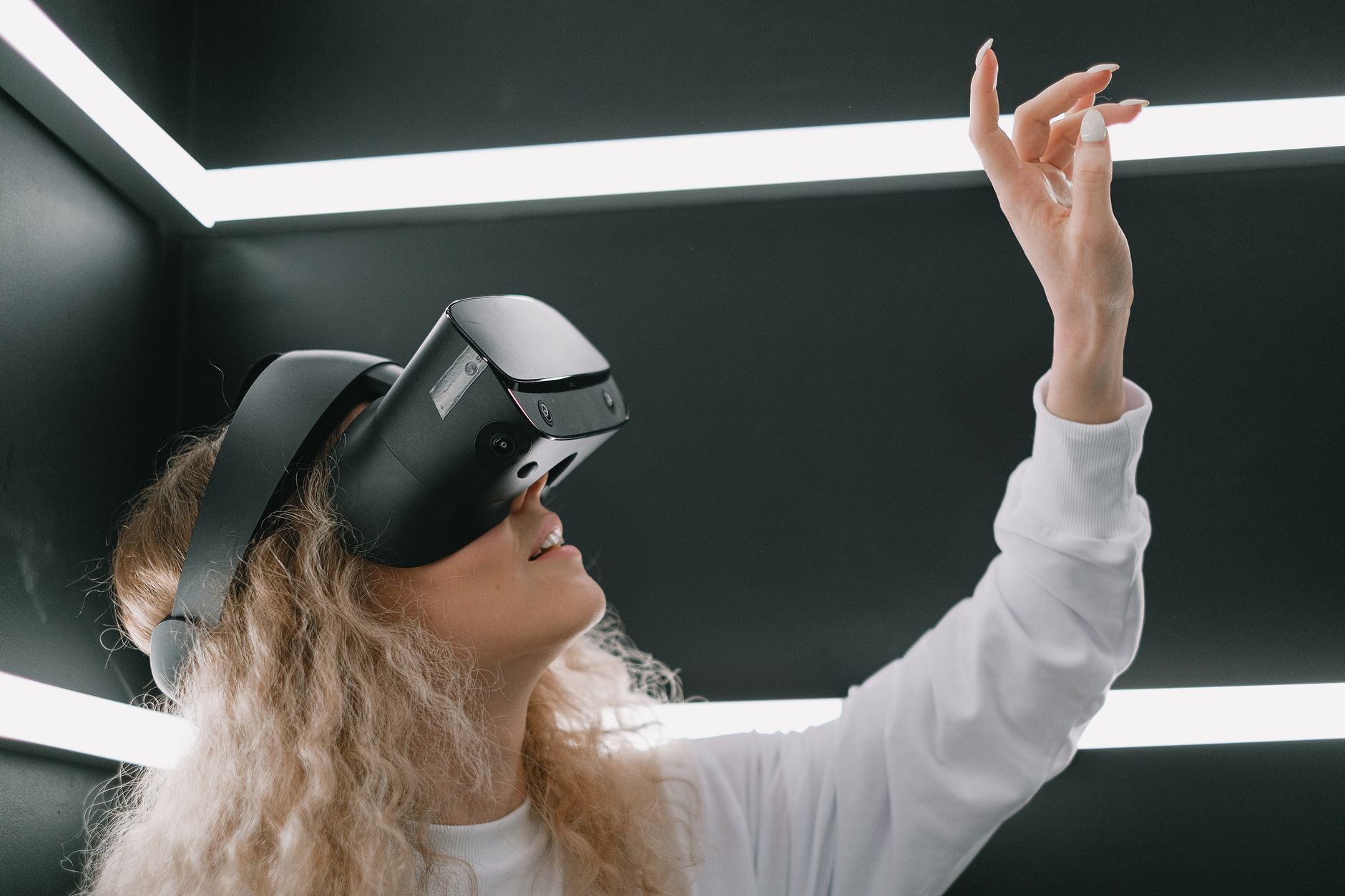 Premium Virtual Reality Experiences
 Professional Digital Event Hosting
 Professional Multi-Format Event Production
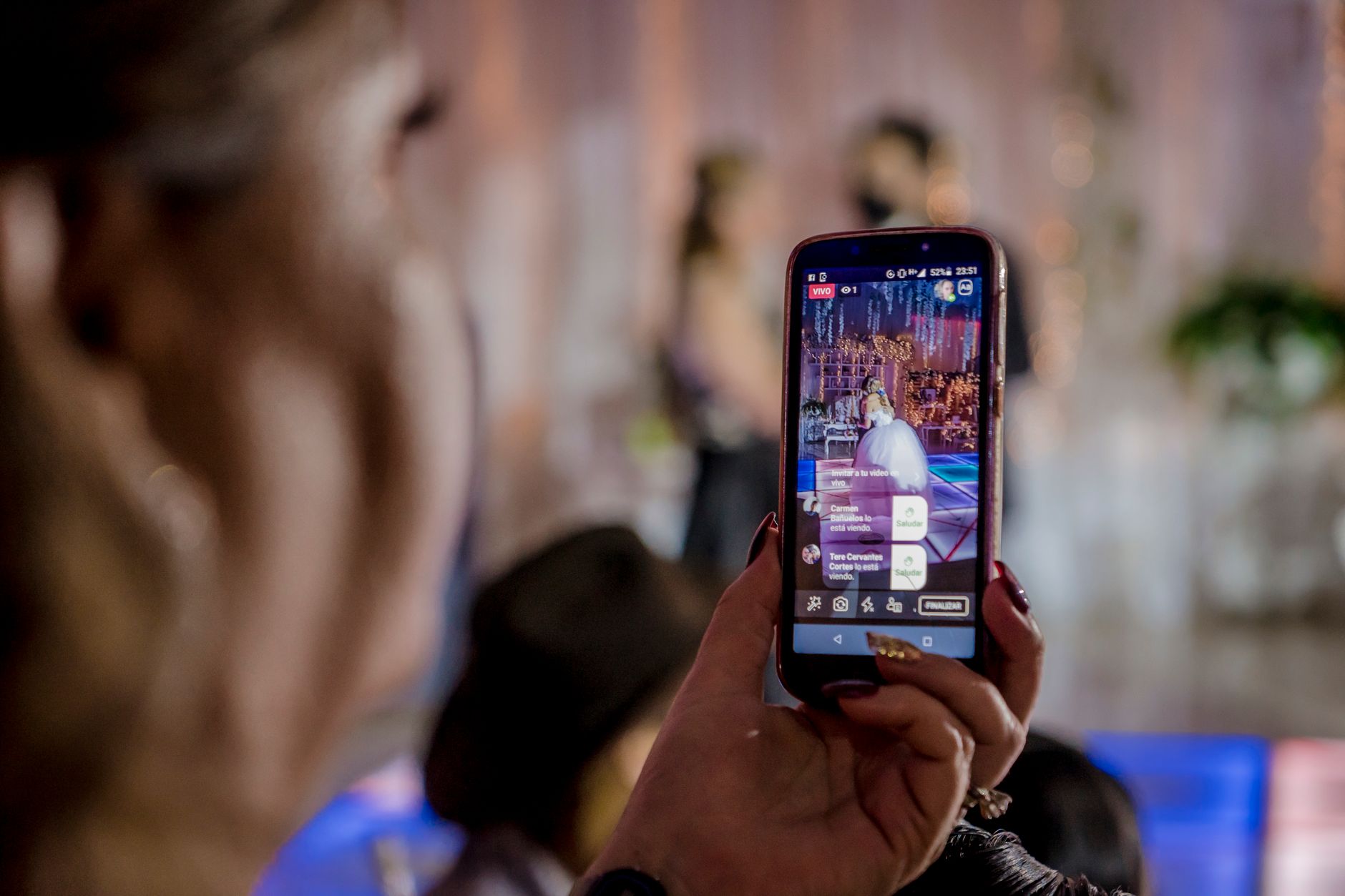 Real-Time Event Social Screens
 Secure QR Invitation Access Systems
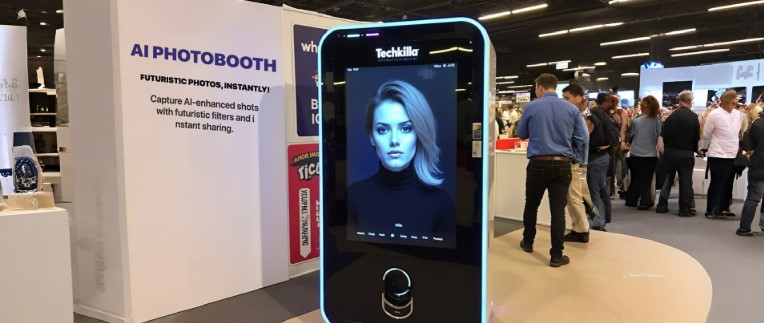 Smart AI Portrait Booth Solutions
 Smart Event Experience Feedback
 Smart Event Information Displays
 Smart Event Rewards & Games
 Smart RFID Event Access Solutions & Payments
- 400+Curated Events
- 6Event Universes
- 1000+Verified Vendors
- 70+Locations
- 24/7Customer Support


Not sure which packages fits your celebration?
Let Hiya & Hanu help you find the perfect match!
Explore Celebration Packages- AI-Powered MatchingSmart suggestions for you
- Budget OptimizerGet the best experiences in your budget
- End-to-End SupportWe are with you at every step
Serving Celebrations across 75+ locations in India
Innovative Celebration Technology Solutions for Engaging Modern Events
◆Technology is reshaping how celebrations are planned, managed and experienced. Digital platforms can simplify communication, improve guest coordination and introduce interactive experiences without taking away from the personal nature of an occasion. As celebrations become more connected, innovative technology can provide practical ways to make every stage more efficient.
Jaipur offers a distinctive setting for technology-enabled celebrations. The city is known for grand weddings, heritage-inspired occasions, destination functions, corporate gatherings and lively family celebrations. Events can take place across luxury hotels, heritage properties, banquet venues, resorts, outdoor spaces and intimate private settings. Each environment creates opportunities for technology to enhance the guest journey.
Innovative celebration technology solutions can support everything from digital invitations and online registrations to interactive displays and remote participation. Wedding organisers may use digital schedules and live streaming, while corporate planners can introduce smart check-in, event applications and audience interaction. Birthday celebrations can benefit from digital games, shared galleries and personalised visual content.
The strongest technology strategy begins with the event rather than the equipment. Understanding the audience, venue, programme and desired experience makes it easier to select useful digital features.
Building a Technology Strategy Around the Occasion
Every celebration has different priorities. A wedding may involve multiple ceremonies, a large guest list and visitors travelling from different locations. A birthday may focus on entertainment and participation. A corporate event may require registration, presentations, networking and structured communication.
Innovative celebration technology solutions should respond to these requirements instead of adding technology simply for novelty. Organisers can first identify the areas where digital tools could reduce effort or improve interaction.
For example, digital invitations can make pre-event communication easier. Smart RSVP systems can provide better attendance visibility. QR codes can give guests instant access to maps, schedules or event information.
During the occasion, interactive screens, live streaming and digital photo sharing can extend participation. Afterward, digital galleries and feedback platforms can continue the connection.
This creates a connected event journey rather than a collection of unrelated technical features.
Digital Invitations With Personalised Content
Digital invitations are now capable of much more than sharing basic event information. They can combine photographs, programme details, maps, RSVP options and personalised messages in one mobile-friendly experience.
For destination celebrations in Jaipur, digital invitations can also help guests understand travel arrangements, venue locations and function schedules. This becomes useful when an occasion involves several ceremonies or multiple locations.
Personalisation can further strengthen the invitation. Wedding hosts might incorporate family traditions, photographs or ceremony information. Corporate organisers can maintain a polished professional format with registration details and session information.
The invitation should remain easy to navigate. Guests should be able to find essential details quickly without moving through unnecessary screens.
Smart RSVP and Guest Registration
Guest management becomes increasingly complex as event size grows. Smart RSVP platforms can collect attendance confirmations, update guest information and provide organisers with a clearer picture of expected numbers.
This information can support seating, catering, accommodation and transportation planning. It can also reduce the amount of manual follow-up required before the celebration.
QR-based registration can continue the process at the venue. Guests can scan their confirmation and move through check-in more efficiently.
For corporate events, registration platforms can capture relevant attendee details and provide session information. For weddings and family occasions, the focus can remain on simple confirmation and guest coordination.
Technology becomes valuable when it reduces administrative pressure without making the guest experience complicated.
QR-Based Information Access
QR codes can act as compact gateways to event information. A scan can open a digital programme, venue map, menu, photo gallery, registration page or feedback form.
At a wedding, guests might use QR codes to understand ceremony timings or navigate between functions. At a corporate event, they can access presentations, speaker information or feedback forms.
Birthday celebrations can use QR codes for digital games, photo uploads or themed activities. This provides a simple connection between the physical venue and online content.
The linked pages should work smoothly on mobile devices. Information should load quickly and remain easy to understand.
Traditional alternatives should also be available because not every guest will want to rely on a smartphone.
Interactive Guest Experiences
Modern celebrations increasingly encourage guests to participate. Interactive technology can support this by allowing attendees to contribute photographs, messages, votes or other content.
Digital guestbooks are particularly useful for weddings, anniversaries and milestone birthdays. Guests can leave personal messages that hosts can preserve digitally after the event.
Interactive displays can showcase approved guest photographs or event-related content. These screens can become part of the venue environment without requiring guests to learn complex systems.
Corporate occasions can use audience polls, digital questions and interactive presentations to create stronger engagement.
The objective should always be meaningful participation. Technology should make contribution easier rather than distract guests from conversations and shared moments.
Immersive Visual Experiences
Innovative technology can also influence the visual environment. Large-format screens, projection systems and carefully coordinated digital content can transform stages, entrances and presentation areas.
For Jaipur celebrations, visual technology can work particularly well with heritage-inspired décor. Digital backgrounds can complement traditional architectural elements while creating contemporary visual transitions.
Wedding receptions might use personalised visual sequences, while corporate events can integrate branded presentations and product content.
The quality of the content matters as much as the equipment. High-resolution visuals, appropriate aspect ratios and carefully timed transitions create a more polished result.
Technology should complement the venue rather than compete with its architectural character.
Live Streaming for Remote Participation
Guests cannot always attend in person. Travel limitations, professional commitments and geographical distance can prevent family members or colleagues from joining physically.
Live streaming provides a practical way to extend selected parts of a celebration to remote audiences. Weddings can stream ceremonies privately for relatives living elsewhere. Corporate events can broadcast presentations, award functions or important announcements.
Streaming quality depends on camera placement, audio clarity, internet stability and technical management. A simple setup can work well for intimate events, while larger occasions may require multiple cameras and dedicated technical support.
Private access can also help protect event content and control who can participate remotely.
Hybrid Celebrations
Hybrid formats bring physical and remote audiences together. They are particularly useful for professional gatherings, conferences, launches and corporate celebrations.
Successful hybrid events require more than a video connection. Remote participants need clear audio, suitable camera views and access to relevant information.
Innovative celebration technology solutions can make hybrid participation more effective when the programme is designed with both audiences in mind. Not every physical activity needs to be reproduced online.
Organisers can identify important sessions, speeches or performances that remote guests should be able to experience. This keeps the digital component focused and manageable.
Technology for Weddings and Destination Celebrations
Jaipur is a popular setting for celebrations that bring guests together from different locations. Destination weddings can involve welcome events, ceremonies, receptions and additional guest activities.
Digital platforms can help coordinate this complexity. Guests can receive schedules, location information and updates through one communication channel.
Digital RSVP systems can provide organisers with attendance data, while online maps can help visitors navigate unfamiliar venues. Shared galleries can allow guests to contribute photographs throughout the celebration.
Live streaming can also connect family members who cannot travel.
For multi-day occasions, centralised digital communication can reduce confusion and make the guest experience more organised.
Birthday and Milestone Celebrations
Technology can add personality to birthdays without making the celebration feel overly technical. Digital invitations can introduce the theme, while online RSVPs help hosts estimate attendance.
Interactive displays can showcase photographs or messages. A milestone birthday could use a digital timeline showing childhood memories, family photographs and important achievements.
Digital photo-sharing platforms can invite guests to contribute their own images during the party. These photographs can later become part of a shared collection.
For children's celebrations, technology should remain age-appropriate. Digital games, interactive content and visual effects can be engaging when they complement the party rather than dominate it.
Corporate Celebrations and Professional Occasions
Corporate events have distinct technical requirements. Registration, presentations, networking and communication often take priority.
Digital check-in can reduce queues. Event applications can provide schedules and venue information. Interactive polling can collect audience responses during presentations.
Live streaming can extend important sessions to employees, clients or partners who are unable to attend. Recorded content can also provide value after the event.
Reliability should remain central to corporate technology planning. An innovative feature is only useful when it works consistently.
Event Apps and Connected Information
Event applications can combine several digital functions in one place. Guests may access schedules, maps, speaker details, notifications and other resources through a single interface.
Large weddings can use apps to organise information across multiple functions. Corporate events can use them for sessions, networking and announcements.
However, an app is not automatically necessary. Smaller occasions may be better served by a well-designed mobile event page.
The correct choice depends on event size, programme complexity and guest expectations.
Digital Photography and Shared Content
Technology has also changed how guests contribute to event photography. Shared digital galleries allow attendees to upload selected photographs during the occasion.
This creates a broader record of the celebration from different perspectives. Displays can show approved photographs in real time, while the completed gallery can be shared after the event.
Professional photographers remain essential for planned portraits, key ceremonies and carefully composed imagery. Guest-generated content adds another layer rather than replacing professional coverage.
This combination can create a more inclusive visual record.
Venue Connectivity and Technical Integration
Technology planning should begin with understanding the venue. Internet strength, power availability, screen connections, audio infrastructure and equipment access can determine which features are practical.
Jaipur venues can range from heritage properties and luxury hotels to banquet halls, resorts and outdoor spaces. Their technical capabilities may differ considerably.
Outdoor celebrations may require additional connectivity and power planning. Large indoor functions may need coordinated screen, audio and networking infrastructure.
Early technical assessment helps organisers avoid costly last-minute changes.
Accessibility and Guest-Friendly Technology
Technology should make celebrations more accessible rather than creating barriers. Mobile-friendly information, readable content and straightforward navigation can improve usability.
Older guests may prefer traditional information alongside digital options. Some attendees may also need assistance with QR codes, registration systems or event applications.
Event staff can provide simple guidance when necessary.
A successful digital experience accommodates different levels of technical confidence while allowing everyone to enjoy the celebration comfortably.
Protecting Digital Guest Information
Digital platforms can collect names, contact details, RSVP responses and other information. Organisers should therefore understand how data is stored, accessed and shared.
Only necessary information should be requested. Private event links should not be distributed publicly without permission.
Corporate occasions may require additional care because attendee information can include professional details.
Privacy should remain part of technology planning from the beginning rather than being considered after the platform has been selected.
Balancing Innovation With the Budget
Innovation does not necessarily mean choosing the most expensive technology. The better approach is to prioritise features according to the value they provide.
A wedding may prioritise guest communication, streaming and interactive content. A birthday might focus on digital entertainment and photography. A corporate occasion may invest more heavily in registration and presentation technology.
Organisers should compare complete service packages carefully. Setup, testing, equipment, technical operators and support may all influence the actual cost.
A moderately priced solution that works reliably can provide greater value than an impressive but unnecessary system.
Selecting the Right Technology Partner
A capable technology provider should understand the event's objectives before recommending equipment or platforms.
Experience with comparable celebrations can help identify practical requirements. Providers should be able to explain setup procedures, connectivity needs, technical support and backup arrangements clearly.
Transparent pricing is also important. Organisers should understand which services are included and whether additional charges apply for setup, extended hours or technical staffing.
Responsiveness matters as well. Technical questions often arise close to the event, so clear communication can reduce stress.
Testing Before Guests Arrive
Technology should always be tested before the celebration. Digital invitations, RSVP forms and QR links need to work across common mobile devices.
Screens, microphones, internet connections and streaming systems should be tested together where possible.
A rehearsal can also identify timing problems. For example, a presentation may need to be reformatted for a particular display, or a streaming camera may require a different position.
All technical suppliers should understand their responsibilities. Clear coordination prevents gaps between venue teams, technology providers and other event professionals.
Future-Ready Celebration Experiences
Celebration technology continues to evolve through connected platforms, interactive systems, personalised digital content and increasingly sophisticated event applications.
Artificial intelligence may support selected planning and content functions, although organisers should consider accuracy, privacy and transparency when using emerging tools.
The most valuable innovations are those that solve genuine problems. New technology should improve communication, participation or convenience rather than exist purely for novelty.
A flexible approach allows organisers to adopt useful developments without making the event unnecessarily complicated.
Creating a Connected Celebration Journey
The strongest technology experiences feel natural. Guests receive timely information, registration happens efficiently, important moments can be shared remotely and interactive features appear at appropriate points.
Innovative celebration technology solutions can quietly manage complexity while allowing people to remain at the centre of the occasion.
For Jaipur celebrations, this balance is especially valuable. Technology can complement heritage-inspired décor, contemporary venues, destination formats and large-scale productions without overshadowing the character of the event.
Final Thoughts
Digital technology has become a practical part of modern celebration planning. From invitations and RSVP management to interactive displays, live streaming and shared galleries, technology can improve both organisation and participation.
Jaipur's varied celebration landscape creates many opportunities for thoughtful digital integration. The right solution depends on the occasion, guest profile, venue, programme and budget.
Rather than adopting technology for its own sake, organisers should focus on tools that make the celebration easier, more connected and more enjoyable.
When innovation is guided by genuine guest needs, technology can enhance the occasion while keeping human interaction at its heart.
Frequently Asked Questions
1. What are innovative celebration technology solutions?
They include digital invitations, smart RSVP systems, QR-based information, interactive displays, event apps, live streaming, hybrid platforms and digital guest engagement tools.
2. Can technology support traditional celebrations?
Yes. Digital tools can assist with invitations, schedules, guest communication and remote participation while traditional ceremonies and cultural practices remain central.
3. How can technology improve a destination wedding?
It can simplify guest communication, RSVP management, venue directions, multi-function schedules, digital photography and remote participation for guests unable to travel.
4. Are interactive displays suitable for weddings?
Yes. They can showcase photographs, personalised content, ceremony information and approved guest contributions while complementing the overall event design.
5. Can birthdays benefit from innovative technology?
Yes. Digital invitations, interactive games, personalised slideshows, shared photo galleries and visual displays can make birthday celebrations more engaging.
6. What technology is useful for corporate celebrations?
Corporate events can benefit from digital registration, QR check-in, event apps, interactive polls, presentation systems, networking tools and live streaming.
7. Is live streaming suitable for private celebrations?
Yes. Private streaming can allow invited relatives and friends to participate remotely, particularly when travel or distance prevents physical attendance.
8. How early should event technology be planned?
Technology should be considered during the early planning stage, particularly when the event requires streaming, complex connectivity, interactive displays or multiple digital systems.
9. How can organisers control technology costs?
Prioritise features that directly improve communication, guest participation or event management. Comparing complete service packages can also help reveal the actual cost of implementation.
10. Why is technical testing important before an event?
Testing helps identify problems with internet connectivity, QR links, screens, audio, streaming and digital platforms before guests arrive, reducing the risk of disruption.