
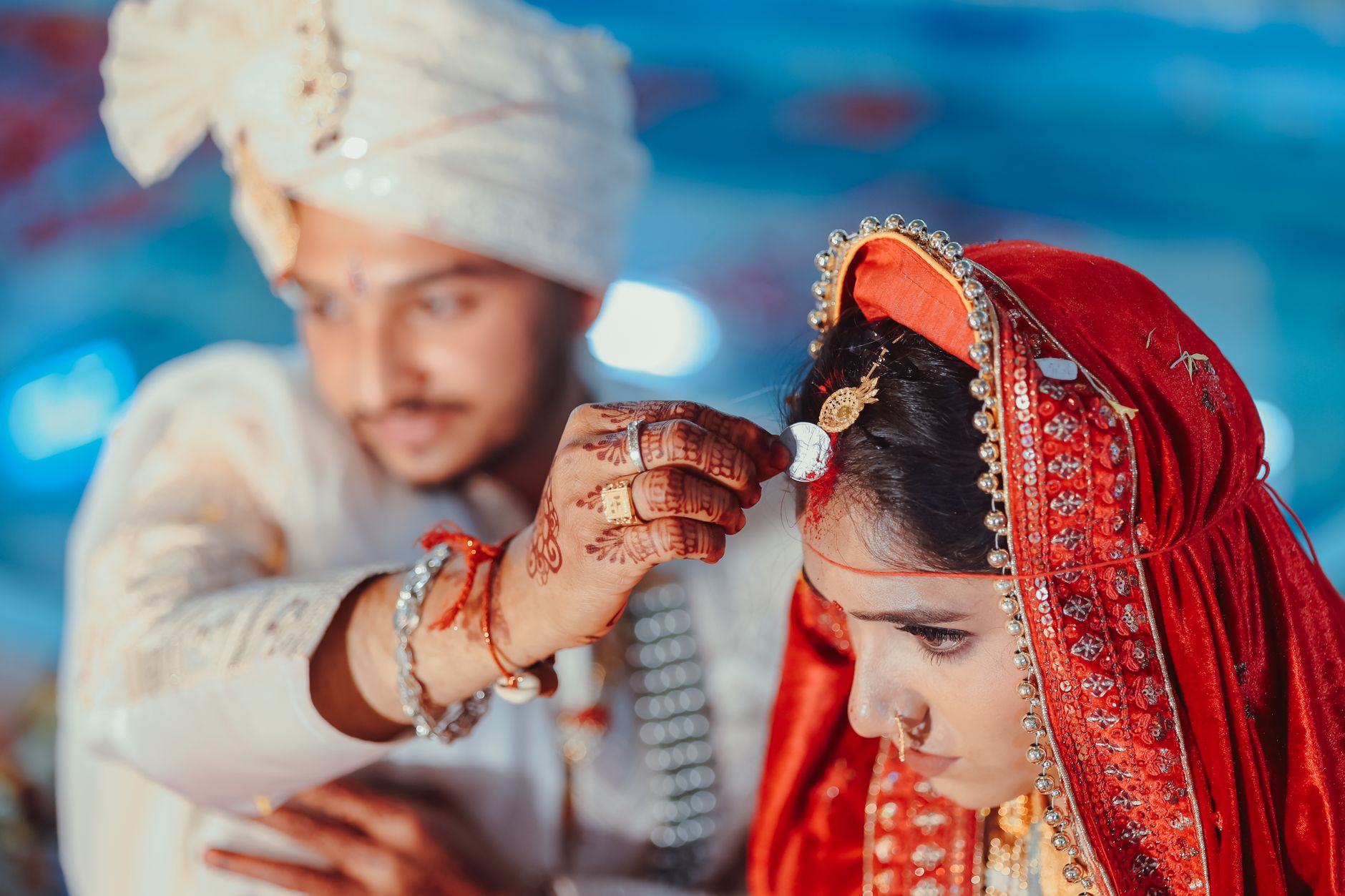
Expert Pooja Guidance in Indore
Religious cermony in Indore
Pooja Procedure Guidance for Religious Ceremonies in Indore
Planning a religious ceremony in Indore — whether a Satyanarayan Katha, Grih Pravesh, or Navratri havan — starts with clear Pooja Procedure Guidance that leaves nothing to chance. Every ritual has a precise sequence: the right auspicious muhurat selection, the correct invocation mantras, and a complete pooja samagri checklist prepared in advance. Without proper pooja vidhi consultation, even a devout family can miss crucial steps, shortening the spiritual benefit of the ceremony. Happiffie connects Indore families with experienced pandits and religious ceremony planning experts who walk you through every step — from sankalp to purnahuti — so your pooja is performed with authenticity, reverence, and zero last-minute confusion.
Quick Answer
Pooja Procedure Guidance refers to expert, step-by-step direction covering the correct sequence of mantras, rituals, offerings, and timings for a Hindu religious ceremony. In Indore, this typically includes auspicious muhurat selection, preparation of the pooja samagri checklist, pandit coordination, and post-ritual procedures — ensuring every vidhi is performed accurately according to Vedic tradition and the specific deity or occasion being honoured.
What Does Pooja Procedure Guidance Actually Cover?
Pooja Procedure Guidance is far more than simply lighting a diya and reciting a shloka. It is a structured roadmap that begins days before the ceremony. A qualified pandit or religious ceremony planning expert first establishes the purpose of the pooja — whether it is for griha shanti, a new business, a marriage-related ritual, or a seasonal festival. They then determine the correct auspicious muhurat selection based on the Hindu panchang, the family's gotra, and the deity being worshipped. This is followed by preparing a detailed pooja samagri checklist: specific flowers, fruits, grains, vessels, and sacred items that differ for each vidhi. On the day of the ceremony, the guidance covers the precise order of avahanam (invocation), shodashopachara (sixteen-step worship), havan, and visarjan. For Indore families performing rituals at neighbourhoods like Vijay Nagar, Palasia, or Scheme 54, having this guidance ensures the ceremony is rooted in tradition without any step being overlooked.
Religious Ceremony Planning in Indore: Local Context and Traditions
Indore has a deeply rooted culture of religious observance. From the famous Khajrana Ganesh Mandir puja traditions to the elaborate Navratri celebrations in the old city areas like Rajwada and Sarafa, religious ceremonies here carry both community and familial significance. Proper Pooja Procedure Guidance in Indore accounts for regional Malwi customs, including specific offerings to local deities, the use of certain regional flowers, and the timing conventions followed by Indori brahmin communities. Religious ceremony planning in this city often also involves coordinating a venue — a home, a dharamshala, or a rented hall in areas like Bhawarkuan or AB Road — alongside tent, sound, and catering arrangements. Families planning a Satyanarayan Katha, Rudrabhishek, or Vastu Pooja in Indore should seek pooja vidhi consultation from a pandit familiar with both scriptural accuracy and local practice, so nothing feels alien or disconnected from the family's heritage.
How Does Auspicious Muhurat Selection Shape Your Pooja?
One of the most critical components of Pooja Procedure Guidance is fixing the correct auspicious muhurat. A muhurat is a precise window of time determined by the position of celestial bodies, the tithi (lunar day), nakshatra, and the absence of inauspicious periods like Rahu Kalam or Yamaghantam. An experienced pandit uses the Vishwa Panchang or the regional Indore panchang — widely available at bookshops in Siyaganj and Chhawni — to calculate the most favourable start time for your ceremony. Choosing the wrong time can mean beginning a grih pravesh pooja during an inauspicious nakshatra, which many families consider spiritually counterproductive. Auspicious muhurat selection also determines when prasad is distributed, when the havan kund is lit, and when the final aarti should conclude. When paired with a solid pooja samagri checklist prepared ahead of time, correct muhurat planning ensures the ceremony flows without interruption or rushed improvisation.
What Should Be on Your Pooja Samagri Checklist?
A comprehensive pooja samagri checklist is the logistical backbone of any vedic ceremony at home. Different poojas demand different items: a Satyanarayan Katha requires panjiree, banana, and panchamrit, while a Vastu Pooja needs red brick soil, copper coins, and specific leaves. Common essentials across most ceremonies include: an idol or image of the deity, a copper or silver kalash, raw rice, turmeric, kumkum, incense sticks, ghee, camphor, betel leaves, betel nuts, seasonal fruits, and fresh flowers. For a havan or homam, additional samagri such as samidha (sacred wood), sesame seeds, jaggery, and ghee are required. In Indore, most of these items are available at specialty pooja shops in Khajuri Bazar and the Rajwada area. Your Pooja Procedure Guidance provider or pandit should hand you this checklist at least three to five days before the ceremony so you have time to source everything without panic.
How Do You Choose the Right Pandit for Home Pooja in Indore?
Pandit booking for home pooja in Indore requires more than a quick internet search. The right pandit must understand the specific tradition your family follows — Shaiva, Vaishnava, or Shakta — and must be fluent in the relevant Sanskrit texts for the ceremony you are planning. Seek a pandit who provides structured Pooja Procedure Guidance before the event, not just on the day itself. Ideally, they should brief the family on their role during the ceremony: when to hold the kalash, when to repeat the sankalp, and how to make offerings correctly. Spiritual event coordination becomes important for larger ceremonies involving 50 or more guests, where a lead pandit may need one or two assistants. Happiffie's platform in Indore allows you to compare experienced pandits based on the type of pooja, language preference, and reviews from families in your own neighbourhood — giving you confidence before committing. Always confirm the pandit's availability for the exact muhurat date and clarify the dakshina and samagri arrangements in advance.
Pooja Procedure Guidance Options in Indore: A Side-by-Side Comparison
Expert Recommendation
Best for intimate home poojas
Best for large guest counts and community poojas
Best for new homeowners in Indore
Best for budget-conscious families
Best for traditional Malwi ritual ceremonies
Best for first-time hosts
How to Choose the Right Option
✅ Pre-booking Checklist
- Confirm the purpose and deity of your ceremony before approaching a pandit
- Fix the auspicious muhurat selection using the current year's Indore panchang at least 10 days before the event
- Request a detailed pooja samagri checklist from your pandit 5 to 7 days in advance
- Clarify whether a havan kund is needed and arrange ventilation if indoors
- Discuss the pandit's dakshina and any additional charges for samagri or travel in Indore
- Brief all participating family members on their roles at least one day before the ceremony
- Arrange seating, sound, and prasad distribution logistics for guest counts above 30
- Confirm the pandit's availability for the exact muhurat time slot, not just the date
🎯 Selection Criteria
- Pandit's familiarity with your specific ceremony type and family tradition (Shaiva, Vaishnava, Shakta)
- Ability to provide structured Pooja Procedure Guidance before and during the ceremony
- Knowledge of Indori regional customs and Malwi ritual practices
- Clear communication in Hindi or your preferred language for family participation
- Verified availability for the confirmed muhurat date and time
- Experience with your venue type — flat, bungalow, dharamshala, or outdoor space
💰 Cost / Quality Factors
- Type and duration of ceremony directly impacts pandit fees and samagri costs
- Auspicious dates on the Hindu calendar see higher demand and pandit unavailability
- Sourcing samagri from Khajuri Bazar or Rajwada pooja shops in advance reduces cost
- Adding spiritual event coordination services increases budget by INR 3,000 to INR 10,000 but reduces stress
- Number of assisting priests required depends on the complexity and duration of the ceremony
- Distance from the pandit's location to your venue in Indore may add a travel charge
⚠️ Common Mistakes to Avoid
- Booking a pandit without confirming they know the exact vidhi for your specific ceremony
- Skipping the sankalp or starting the ceremony after the muhurat window has passed
- Purchasing samagri without a finalised pooja samagri checklist, leading to duplicates and missing items
- Not informing family members of their ritual roles, causing confusion mid-ceremony
- Choosing a date without proper auspicious muhurat selection, inadvertently picking an inauspicious period
- Underestimating ceremony duration and scheduling family meals or events immediately after
People Also Ask
What is included in Pooja Procedure Guidance for a Grih Pravesh in Indore?
How much does pandit booking for home pooja cost in Indore?
Can I get Pooja Procedure Guidance online before the ceremony day?
What is the difference between a Satyanarayan Katha and a regular ghar pooja?
How early should I book a pandit for a pooja in Indore?
What mistakes do families commonly make during home poojas?
Is a havan necessary for every religious ceremony at home?
How does spiritual event coordination differ from just hiring a pandit?
Related Experiences on Happiffie
Indore's Best Doorstep Salon Care
Divine Ceremonies Made Perfect
Book Trusted Pandits in Mumbai
Complete Pooja Samagri Collections
Homemade Sweets for Your Sacred Celebrations
Seamless Event Travel Coordination, Kolkata
Frequently Asked Questions
What is Pooja Procedure Guidance and why do I need it in Indore?
How do I find a qualified pandit for pooja vidhi consultation in Indore?
What ceremonies require the most detailed Pooja Procedure Guidance?
Is auspicious muhurat selection mandatory for every home pooja?
Can religious ceremony planning be done for outdoor or terrace events in Indore?
What is included in a typical pooja samagri checklist for a Navgraha Pooja?
How long does a typical vedic ceremony at home take in Indore?
What is the typical cost of full spiritual event coordination for a large pooja in Indore?
Key Takeaways
- Pooja Procedure Guidance covers the complete sequence of a Hindu religious ceremony — from muhurat to visarjan — ensuring every step is performed accurately.
- Auspicious muhurat selection is one of the most critical elements and must be calculated using the current Indore panchang well before the event date.
- A detailed pooja samagri checklist tailored to your specific ceremony prevents last-minute shopping and missed ritual items.
- Pandit booking for home pooja in Indore ranges from INR 1,500 to INR 10,000 depending on ceremony type, duration, and samagri inclusion.
- Larger ceremonies with 50 or more guests benefit significantly from full spiritual event coordination rather than a single pandit.
- Indore's regional Malwi customs should be factored into religious ceremony planning — seek a pandit familiar with local traditions.
- Happiffie makes it easy to compare and book verified pandits and religious ceremony planning services across all Indore neighbourhoods.
- Pre-ceremony briefings for both family members and the pandit are the single most effective way to ensure a seamless, spiritually fulfilling pooja.
Book Expert Pooja Procedure Guidance in Indore
Connect with verified pandits and religious ceremony planners on Happiffie — get the right vidhi, the right muhurat, and a stress-free ceremony from start to finish.
Find a Pandit
Are you a Vendor? Grow Your Business with Happiffie!
- High intent verified leads
- Reverse auction opportunities
- AI business tools & insights
- Dedicated vendor dashboard
- Grow your business, your way
It's free & takes less than 2 minutes!