
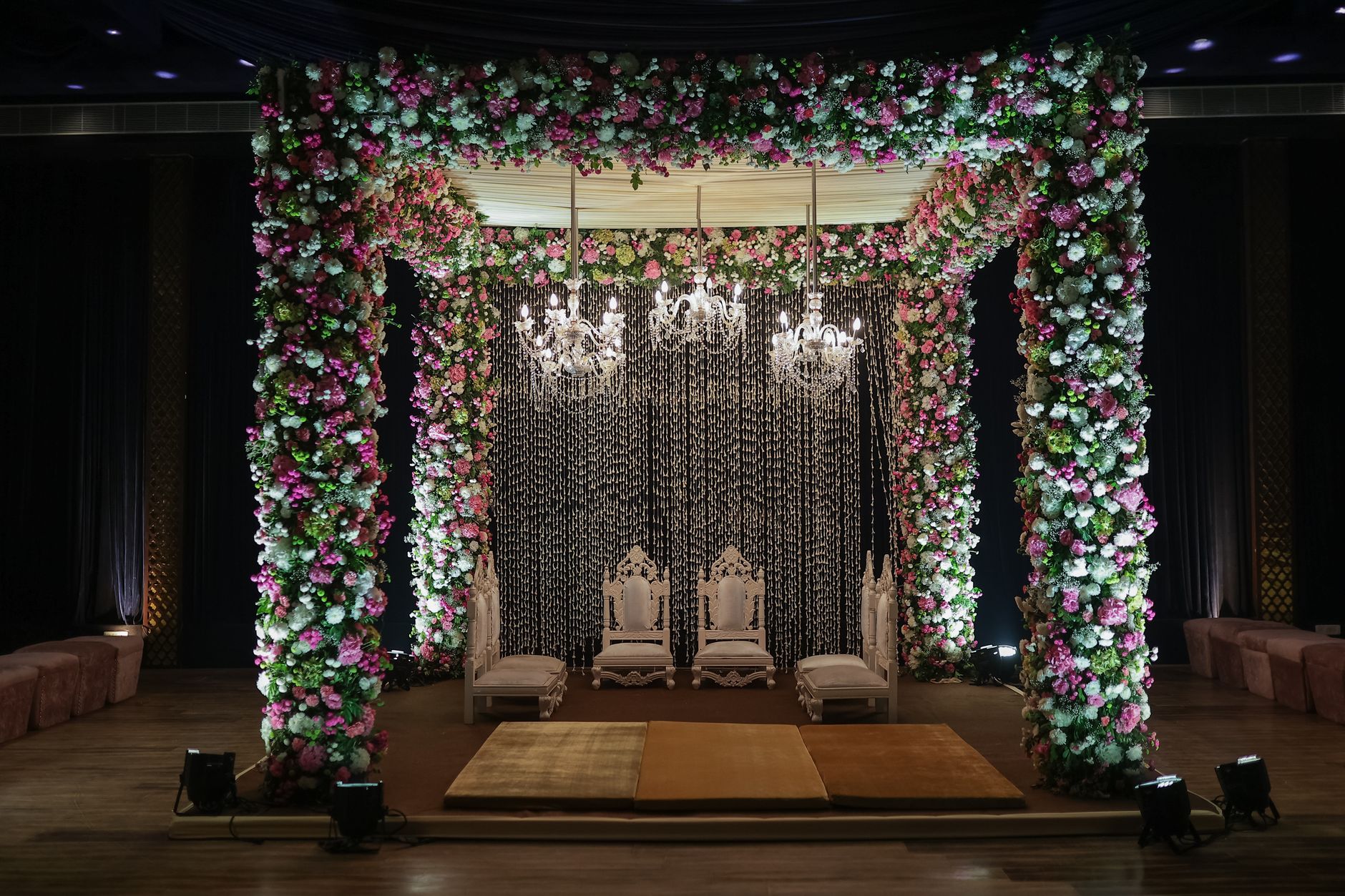
Gujarati Vivah Essentials in Indore
Religious cermony in Indore
Gujarati Vivah Essentials in Indore: Complete Ceremony Guide
Planning a wedding rooted in Gujarati tradition means attending to dozens of interlocking rituals, each with its own puja items, timing, and priest requirements. Gujarati Vivah Essentials covers everything from the pre-wedding Ganesh Sthapna and Pithi ceremony to the Saptapadi and Kanyadaan performed under an ornate mandap. In Indore, a city with a thriving Gujarati community spread across neighbourhoods like Vijay Nagar, Palasia, and Bhawarkuan, sourcing authentic Gujarati shaadi puja items and a knowledgeable wedding pandit in Indore has become far easier — but only when you know exactly what to look for and how to plan ahead.
Quick Answer
Gujarati Vivah Essentials refers to the complete set of rituals, puja samagri, priests, and ceremonial arrangements required for a traditional Gujarati wedding. Key ceremonies include Ganesh Sthapna, Pithi, Mandap Muhurat, Jaimala, Saptapadi, and Kanyadaan. In Indore, families typically budget between ₹80,000 and ₹3,50,000 for religious ceremony components alone, depending on mandap size, priest fees, and samagri quality.
What Are Gujarati Vivah Essentials and Why Do They Differ from Other Hindu Weddings?
Gujarati Vivah Essentials form a distinct ceremonial framework that differs meaningfully from North Indian or South Indian Hindu weddings. The sequence begins days before the actual wedding with rituals like Pithi (a turmeric and sandalwood paste ceremony), Mehendi, and Garba nights — each requiring specific puja samagri and space arrangements. On the wedding day itself, a traditional Gujarati ceremony places great emphasis on the Madhuparka rite, where the groom is welcomed with a mixture of honey, ghee, and curd, and on the Kanyadaan performed by the bride's maternal uncle rather than just the father. This structural difference means that Gujarati shaadi puja items must include specific vessels, ingredients, and offerings not always stocked by generic wedding suppliers. Families in Indore's Gujarati community, particularly around Palasia and Old Rajwada areas, often source samagri from community-trusted suppliers who understand these nuances. Booking a priest who is fluent in Gujarati shlokas and familiar with the Grihya Sutra variations followed by Gujarati families is equally non-negotiable. A generic wedding pandit in Indore who specialises only in Hindi-medium Vedic rites may inadvertently skip or conflate important sub-rituals, which is why community referrals matter enormously.
Core Ceremonies and Samagri Checklist for a Traditional Gujarati Ceremony
A traditional Gujarati ceremony typically spans three to four days and involves a layered sequence of rituals. Day one covers Ganesh Sthapna and Pithi, requiring kumkum, haldi, chandan, coconut, supari, and fresh flowers. Day two hosts Garba and Sangeet, where the mandap area is lit with string lights and marigold torans. The main wedding day begins with Mandap Muhurat — the auspicious entry into the ceremonial space — followed by Jaimala, Kanyadaan, Saptapadi, and Sindoor Daan. Gujarati vivah samagri for the main ceremony includes a copper or brass kalash, mango leaves, sacred thread (mauli), camphor, ghee, sesame seeds, rice, betel nuts, turmeric root, and a hand-woven cloth called the Antarpat used to separate bride and groom before the Shubh Drishti moment. Indore vendors who specialise in Hindu wedding ceremony planning often bundle samagri kits, but Gujarati families should always cross-check the kit against their family pandit's specific list, as sub-regional variations between Kathiawadi, Saurashtra, and Ahmedavadi customs can change requirements. Mandap decoration Indore specialists who work with Gujarati clients typically incorporate banana tree pillars, turmeric-dyed fabric, and traditional clay pots rather than purely floral or modern setups.
How Much Does a Gujarati Wedding Religious Ceremony Cost in Indore?
Pricing for Gujarati Vivah Essentials in Indore varies based on the scale of the ceremony, the experience of the priest, and the quality of samagri and mandap decor. A qualified wedding pandit in Indore with fluency in Gujarati rituals typically charges between ₹11,000 and ₹35,000 for the full wedding day, with pre-wedding rituals priced separately at ₹3,000 to ₹8,000 per ceremony. Gujarati shaadi puja items for the main wedding, purchased as a curated kit, cost between ₹5,000 and ₹18,000 depending on whether materials are brass or copper, and whether premium saffron and dry fruits are included for Madhuparka. Mandap decoration Indore packages that reflect traditional Gujarati aesthetics — with banana pillars, turmeric fabric drapes, and earthen pot arrangements — are priced from ₹40,000 for simple setups to ₹1,80,000 for elaborate multi-tier structures at banquet halls in areas like Vijay Nagar or Bhawarkuan. Auspicious muhurat booking through a Jyotishi or family astrologer typically adds ₹2,000 to ₹7,000. In total, a mid-range Gujarati religious ceremony in Indore for 200 to 400 guests costs approximately ₹1,20,000 to ₹2,50,000 for the ceremony components alone, excluding catering and venue.
Choosing the Right Priest and Venue for Your Gujarati Shaadi in Indore
Selecting a priest is the single most consequential decision in assembling Gujarati Vivah Essentials. The ideal pandit for a traditional Gujarati ceremony must be trained in the Paraskara or Apastamba Grihya Sutras as adapted by Gujarati tradition, must be able to conduct rituals in Sanskrit and Gujarati, and should have performed Kanyadaan and Madhuparka rites numerous times. In Indore, priests with Gujarati community experience are found through temple networks in Rajwada and Shastri Bridge areas, as well as through community sabhas like the Gujarati Samaj. For venues, indoor banquet halls in Vijay Nagar and Bhawarkuan offer air-conditioned comfort for summer weddings, while open-air lawns in Bicholi Mardana and Nipania suit winter and post-monsoon seasons when natural light and fresh air enhance the ceremonial atmosphere. Hindu wedding ceremony planning for Gujarati weddings also benefits from venues that allow open-flame havan, as several banquet halls in Indore restrict fire rituals due to safety norms — always confirm this before booking. Mandap decoration Indore vendors experienced in Gujarati weddings can advise on mandap dimensions, electrical load for lighting, and floral logistics specific to each venue type.
What Common Mistakes Do Families Make When Planning Gujarati Vivah Essentials in Indore?
The most frequent and costly mistake is treating Gujarati Vivah Essentials as interchangeable with generic Hindu wedding packages. Families often book a pandit without verifying Gujarati ritual literacy, only to discover mid-ceremony that the priest is unfamiliar with the Antarpat tradition or the specific wording of the Kanyadaan mantra in Gujarati. A second common error is purchasing a standard puja samagri kit without cross-referencing it against the family's specific regional customs — a Saurashtra Gujarati wedding and a Kathiawadi one may share 80% of samagri but diverge significantly on the remaining items. Overlooking the auspicious muhurat booking until the last moment is another frequent issue; Indore-based Jyotishis with good reputations often have their muhurat slots filled two to three months before popular wedding seasons like Kartik and Magha. Families also underestimate the time required for multi-day Gujarati shaadi puja items procurement, especially for specialty items like handmade Antarpat cloth or specific clay kalash designs. Finally, failing to brief the mandap decoration Indore team about traditional Gujarati colour schemes — predominantly red, yellow, and green rather than pastel or all-white — results in mandaps that look aesthetically mismatched with the ceremony's cultural tone.
Gujarati Vivah Essentials: Ceremony Setup Options Compared for Indore Weddings
Expert Recommendation
Best for intimate family ceremonies (under 100 guests)
Best for large celebrations (400+ guests)
Best for budget-conscious families
Best for destination or outstation Gujarati families hosting in Indore
Best for families prioritising traditional Gujarati ceremony authenticity
Best for modern Gujarati couples blending tradition and contemporary style
How to Choose the Right Option
✅ Pre-booking Checklist
- Confirm your presiding priest's fluency in Gujarati shlokas and familiarity with Kanyadaan and Madhuparka rites at least two months before the wedding
- Obtain a ritual-specific Gujarati shaadi puja items list from your pandit and cross-check it against your family's regional sub-tradition (Kathiawadi, Saurashtra, or Ahmedavadi)
- Verify that your chosen Indore venue explicitly permits open-flame havan before signing the booking contract
- Complete auspicious muhurat booking with a Jyotishi at least four to five months in advance for Kartik or Magha season weddings
- Brief your mandap decoration Indore vendor on traditional Gujarati colour schemes — red, yellow, green — and the use of banana pillars, clay pots, and turmeric fabric
- Source the Antarpat cloth from a Gujarati-community-recommended textile supplier in Indore at least six weeks before the wedding
- Confirm that your multi-day ceremony schedule includes meal and rest breaks between major ritual sequences, especially for elderly guests
- Review all vendor contracts for cancellation clauses, especially for monsoon or outdoor lawn bookings
🎯 Selection Criteria
- Priest's ritual literacy in both Gujarati and Sanskrit traditions, not just generic Hindi-medium Vedic rites
- Venue's explicit permission for open-flame havan and compatibility with mandap size requirements
- Supplier's ability to source authentic, region-specific Gujarati vivah samagri including specialty items like Antarpat cloth and Madhuparka vessels
- Mandap decoration vendor's prior experience with traditional Gujarati visual language including banana pillars and turmeric drapes
- Vendor responsiveness and willingness to attend a pre-wedding coordination meeting with the pandit
- Geographical convenience — venues within Vijay Nagar, Bhawarkuan, or Palasia minimise logistics for Indore-based guests
💰 Cost / Quality Factors
- Priest experience and reputation directly affect both ritual accuracy and ceremony flow — this is not an area to underspend
- Samagri quality varies widely; brass and copper items and pure-grade ritual ingredients cost more but are ritually significant and visually superior
- Mandap size and complexity are the largest single variable in decor pricing, ranging from ₹40,000 to ₹1,80,000 in Indore
- Season and venue type significantly affect total cost — summer indoor venues and winter lawns are priced differently by Indore suppliers
- Multi-day ceremony formats require coordinated scheduling across all vendors to prevent overlap between Garba nights, Pithi, and the main wedding
- Last-minute bookings in peak season (Kartik, Magha) attract 20-35% surcharges from experienced pandits and top mandap decorators in Indore
⚠️ Common Mistakes to Avoid
- Booking a non-Gujarati pandit without verifying ritual competency, then discovering mid-ceremony that key traditions like Shubh Drishti or Madhuparka are being skipped or incorrectly performed
- Purchasing a generic Hindu wedding samagri kit instead of a Gujarati-specific one, resulting in missing items on the actual wedding day
- Delaying auspicious muhurat booking until one or two months before a peak-season wedding, leaving the family with suboptimal time slots
- Failing to confirm the havan permission policy with the venue, and discovering restrictions only after decor installation has begun
- Neglecting to brief the mandap decoration team on Gujarati-specific aesthetics, resulting in a mandap that is visually inconsistent with the ceremony's cultural identity
- Underestimating the multi-day nature of Gujarati Vivah Essentials and allocating a single-day vendor coordination plan, causing scheduling conflicts between pre-wedding and main-day rituals
People Also Ask
What items are included in Gujarati Vivah Essentials for the main wedding day?
How do I find a Gujarati-speaking wedding pandit in Indore?
What is the Antarpat tradition and why is it central to a traditional Gujarati ceremony?
How far in advance should I book vendors for a Gujarati wedding religious ceremony in Indore?
What is the typical duration of a Gujarati vivah ceremony?
Are there season-specific considerations for Gujarati Vivah Essentials in Indore?
Can a non-Gujarati events company handle Hindu wedding ceremony planning for a Gujarati family?
What is the Madhuparka ritual and what ingredients are needed?
Related Experiences on Happiffie
Melodic Wedding Rituals in Indore
Book Wedding Halls in Indore
Complete Gujarati Wedding Supplies, Bhopal
Authentic Gujarati Vivah Supplies, Kolkata
Authentic Pahadi Wedding Pandits in Mussoorie
Sacred Supplies for Your Brahmin Wedding
Frequently Asked Questions
What exactly are Gujarati Vivah Essentials and what do they include for a wedding in Indore?
How much does a traditional Gujarati ceremony cost in Indore for 300 guests?
Where can I find authentic Gujarati shaadi puja items in Indore?
Which Indore neighbourhoods are best for hosting a Gujarati wedding ceremony?
Is open-flame havan allowed at banquet halls in Indore for Gujarati weddings?
How do I book an auspicious muhurat for a Gujarati wedding in Indore?
What is the role of the Antarpat in a traditional Gujarati ceremony?
Can Happiffie help me find all vendors for Gujarati Vivah Essentials in Indore in one place?
Key Takeaways
- Gujarati Vivah Essentials span three to four days of rituals including Pithi, Ganesh Sthapna, Garba, Jaimala, Kanyadaan, Saptapadi, and Vidai — each with distinct samagri requirements.
- In Indore, mid-range Gujarati religious ceremony costs range from ₹1,20,000 to ₹2,50,000 for ceremony components excluding catering and venue hire.
- A priest fluent in both Sanskrit and Gujarati, familiar with the Antarpat and Madhuparka traditions, is the most critical single vendor to secure early.
- Venue selection must explicitly confirm open-flame havan permission — a non-negotiable requirement for authentic Gujarati wedding ceremonies.
- Mandap decoration for Gujarati weddings should incorporate banana pillars, clay pots, and turmeric fabric in red, yellow, and green — not just generic floral arrangements.
- Auspicious muhurat booking should be completed four to six months before peak-season weddings in Indore to secure the best time slots with experienced Jyotishis.
- Community networks such as the Gujarati Samaj in Indore remain the most reliable source for referrals to ritually competent priests and authentic samagri suppliers.
- Happiffie connects Indore families with verified vendors who understand the full scope of Gujarati Vivah Essentials across all ceremony types and guest counts.
Book Every Gujarati Vivah Essential in Indore — All in One Place
From a Gujarati-literate pandit and authentic samagri to mandap decor and muhurat booking, Happiffie connects you with trusted vendors who truly understand traditional Gujarati ceremony planning in Indore.
Explore Vendors Now
Are you a Vendor? Grow Your Business with Happiffie!
- High intent verified leads
- Reverse auction opportunities
- AI business tools & insights
- Dedicated vendor dashboard
- Grow your business, your way
It's free & takes less than 2 minutes!