
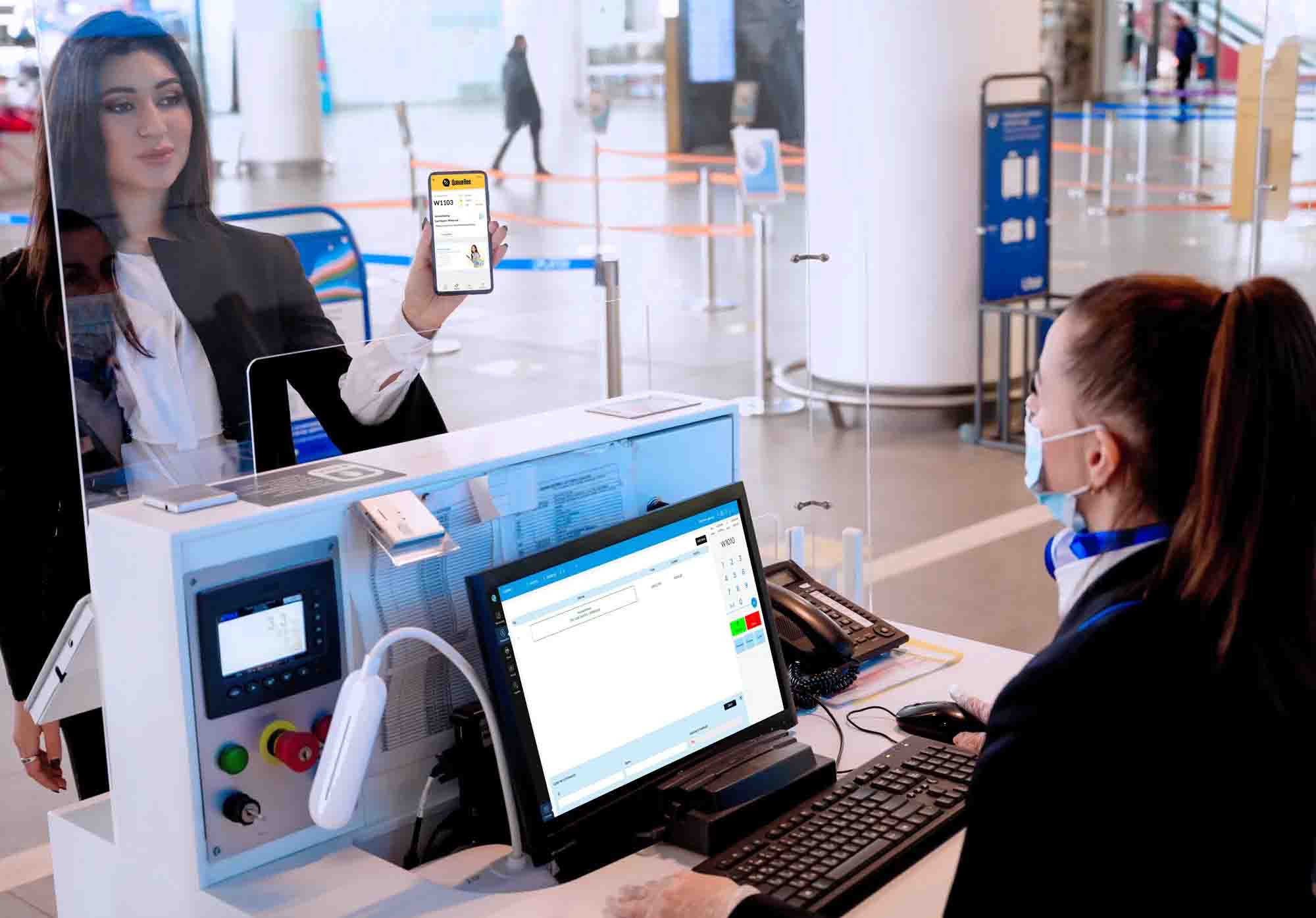
Smooth Guest Flow, Zero Chaos
Infrastructure in Hyderabad
Queue Management Systems for Large Gatherings in Hyderabad
When a Hyderabadi shaadi brings together 500 or even 2,000 guests under one roof — whether at a sprawling banquet hall in Hitec City, a heritage palace in Golconda, or an open ground in Kompally — the difference between a memorable celebration and a chaotic evening often comes down to one overlooked detail: how guests move. Queue Management Systems for Large Gatherings are the backbone of smooth event operations, handling everything from entry-gate verification to seating allocation and food-counter flow. Robust crowd flow management solutions ensure no auntie is stranded at the gate for forty minutes while the pheras are happening inside. Combined with thoughtful large-scale event logistics, these systems protect your timeline, reduce staff stress, and — most importantly — keep every guest feeling welcomed and valued from the moment they arrive.
Quick Answer
Queue Management Systems for Large Gatherings are structured tools and processes — including token dispensers, digital display boards, barcode scanners, and trained marshals — that regulate how guests enter, move through, and exit an event venue. In Hyderabad, they are widely used at weddings, corporate galas, and religious functions with 300 or more guests. Typical setups cost between ₹25,000 and ₹3,00,000 depending on technology level, venue size, and duration.
What Are Queue Management Systems for Large Gatherings and Why Do Hyderabadi Events Need Them?
Queue Management Systems for Large Gatherings are integrated operational setups that control how people enter, wait, move, and exit at an event. At their simplest, they involve a few trained crowd marshals holding ropes and directing foot traffic. At their most advanced, they include RFID wristbands, digital token display screens, barcode or QR-code scanners at entry gates, and real-time analytics dashboards visible to your event coordinator. Hyderabad's wedding culture is famously grand — a mid-range family event here routinely hosts 800 to 1,500 guests across a multi-session day that includes a morning haldi, an afternoon wedding ceremony, and an evening reception. Each session creates a fresh surge at the gates. Without event crowd control systems in place, these surges translate into bottlenecks, heated exchanges near the security desk, delayed starts, and overwhelmed catering staff who cannot time food service correctly. The city's popular venues in Banjara Hills, Jubilee Hills, and the Financial District are architecturally grand but were not all designed with modern crowd science in mind. Layering a professional queue management service on top of the venue's existing layout bridges this gap effectively. Beyond weddings, Hyderabad hosts major IT company annual days, Biryani Festival crowds at Necklace Road, and large-scale political rallies — all of which rely on crowd flow management solutions to prevent stampede risks and ensure compliance with local police permissions. Investing in a proper system is therefore not a luxury; it is an essential part of responsible event planning in this city.
Core Components of an Effective Event Crowd Control System
A well-designed event crowd control system typically combines physical infrastructure, technology, and trained human resources working in harmony. Understanding each component helps you ask the right questions when hiring a vendor through Happiffie. Physical infrastructure includes retractable belt barriers, crowd-control stanchions, directional signage in Telugu and English, dedicated entry and exit lanes, VIP fast-track corridors, and wheelchair-accessible pathways. These are the first things guests interact with, so quality and aesthetics matter — especially at premium wedding venues in Hyderabad's Shankarpally Road or Shamshabad corridor. Technology components have evolved significantly. Ticketing and token systems for events are now largely digital: guests receive a QR code on WhatsApp, which is scanned at entry by a handheld device that also logs attendance in real time. Digital token display boards guide guests to the correct food counter or seating zone, cutting confusion during the crucial dinner rush when 800 people head to the buffet simultaneously. RFID wristbands, while more expensive, provide seamless access control at multi-day events like destination weddings at Aamby Valley-style resorts near Hyderabad. Human resources remain the invisible glue. Trained crowd marshals, multilingual guest-relations executives, and a central command supervisor — often coordinating via wireless earpieces — translate technology instructions into on-ground action. The best setups also integrate with your caterer's serving schedule so that crowd flow management solutions and food service are synchronised rather than working against each other. Combined thoughtfully, these components form the foundation of strong wedding venue infrastructure in Hyderabad.
How Much Do Queue Management Systems for Large Gatherings Cost in Hyderabad?
Pricing for Queue Management Systems for Large Gatherings in Hyderabad varies widely based on guest count, event duration, technology requirements, and vendor expertise. Here is a practical breakdown to set realistic expectations. For events with 300 to 500 guests, a basic package — two to four marshals, belt barriers, manual check-in registers, and simple directional signage — typically costs between ₹25,000 and ₹60,000. This suits intimate receptions in smaller halls in Secunderabad or Dilsukhnagar. For events with 500 to 1,000 guests, a mid-range package includes QR-code-based guest entry management for weddings, digital display boards, six to ten trained staff, and a coordination supervisor. Expect to budget ₹70,000 to ₹1,50,000. For mega events with 1,000 or more guests — the kind of large Hyderabadi baraat receptions that fill entire convention centres like those near HITEX Exhibition Centre — a premium package with RFID wristbands, live attendance dashboards, multi-gate scanning, VIP corridors, and on-call technical support can range from ₹1,50,000 to ₹3,00,000 or more. Day-rate staffing (per marshal per shift of eight hours) tends to fall between ₹800 and ₹2,000 depending on training level and language skills. Technology rentals — handheld scanners, display screens, barrier sets — are often charged separately. Tip: always clarify whether pricing is per session or per full-day event, as many Hyderabadi weddings run across two or three separate sessions.
Comparing Queue Management Setup Types: Which Option Fits Your Event?
Not every large gathering needs the same level of infrastructure. The goal is to match your system to your event's actual complexity, guest profile, and venue layout. A government college annual day with 400 students and parents needs a different approach compared to a Telugu film industry personality's daughter's wedding reception with 2,000 VIP guests in a Jubilee Hills farmhouse. Manual setups with rope barriers and human marshals work well when guest count is under 400, the venue has a single clear entry point, and your budget is tight. They are also the most flexible — staff can adapt instantly to unexpected surges without waiting for a software update. QR-code-based digital check-in is the most popular mid-range solution in Hyderabad today. It integrates easily with WhatsApp, which nearly every Indian guest already uses, and generates real-time attendance data your coordinator can act on. Ticketing and token systems for events using QR codes reduce entry time per guest from approximately 45 seconds (manual) to around 8 to 12 seconds. RFID wristband systems excel at multi-zone events — think a destination wedding at a resort near Chevella where one wristband grants access to ceremony, pool, mehendi lounge, and shuttle — but the upfront cost and setup time are higher. Hybrid setups blend physical barriers with digital tools and are the most commonly recommended option for Hyderabad's 800-to-1,500-guest weddings. They offer resilience: if the scanner network drops, marshals fall back to manual checks without the event grinding to a halt. Choosing correctly is a key part of large-scale event logistics planning.
What Common Mistakes Should You Avoid When Planning Guest Entry Management for Weddings?
Even experienced event planners in Hyderabad make avoidable errors when deploying Queue Management Systems for Large Gatherings. Knowing these pitfalls ahead of time saves money, embarrassment, and — most critically — your guests' patience. The most frequent mistake is underestimating peak arrival time. Research consistently shows that 60 to 70 percent of guests at an Indian wedding arrive within a 30-to-45-minute window, regardless of what the invitation card says. If your entry system — whether it uses guest entry management for weddings tech or simple barriers — is not dimensioned for that spike, everything downstream breaks. A related mistake is having too few entry lanes. One scanner for 800 guests will create a 200-person line regardless of how fast the technology is. Plan for one active scanning lane per 150 guests as a baseline. Ignoring accessibility is another costly oversight. Banquet hall crowd planning must account for guests using wheelchairs, elderly attendees with walking aids, and families with prams. Dedicated accessible lanes are not only considerate but increasingly required under venue licensing in Hyderabad. Failing to brief your catering team on crowd flow management solutions creates a disconnect — when 600 guests are cleared to enter simultaneously but the buffet counters only open 20 minutes later, you create a secondary crush at the food area. Finally, not having a communication protocol for gate staff means small problems escalate. Define a clear escalation chain — gate marshal to supervisor to event coordinator — with radio or phone contact established before the first guest arrives. These steps collectively protect the guest experience at Indian weddings.
Queue Management Setup Types: Side-by-Side Comparison for Hyderabad Events
Expert Recommendation
Best for Intimate Celebrations (Under 300 Guests)
Best for Mid-Scale Weddings (300–800 Guests)
Best for Mega Receptions (800–2,000+ Guests)
Best for Budget-Conscious Planners
Best for Destination or Multi-Day Weddings
Best for Corporate or Hybrid Events
How to Choose the Right Option
✅ Pre-booking Checklist
- Confirm final guest count and identify your peak 30-minute arrival window before choosing a system
- Map all entry and exit points at your venue — request a floor plan from the banquet hall crowd planning team
- Decide on digital vs manual check-in based on your guests' average age and tech comfort level
- Verify the vendor has experience with your specific venue or a similar one in Hyderabad
- Ensure your crowd management plan includes a dedicated accessible lane for elderly and differently-abled guests
- Coordinate your entry management timeline with your caterer's food service schedule
- Conduct a walkthrough and dry run at least two hours before the first guest is expected
- Confirm there is a mobile network backup plan (hotspot or offline mode) for digital scanners
🎯 Selection Criteria
- Vendor's prior experience with events of your specific guest-count range in Hyderabad
- Flexibility to scale up or down on the day if guest count changes at the last minute
- Integration capability with your digital invitation or guest list platform
- Availability of multilingual staff (Telugu, Hindi, English) for diverse Hyderabadi guest profiles
- Response protocol in case of technical failure — every system should have a manual fallback
- Transparent per-session vs per-day pricing with no hidden charges for overtime or additional staff
💰 Cost / Quality Factors
- Guest count directly determines the number of entry lanes and staff needed — underestimating is the most costly mistake
- Venue complexity (multiple halls, floors, or zones) increases system cost significantly
- Technology tier chosen (manual vs QR vs RFID) is the biggest single driver of pricing
- Event duration and number of sessions within a day affect total staff hours billed
- Peak-season premiums in Hyderabad (November through February, and April) can add 15–25 percent to vendor quotes
- Post-event reporting requirements (attendance data, analytics) may attract additional charges if not agreed upfront
⚠️ Common Mistakes to Avoid
- Deploying only one entry lane for 500 or more guests — always plan for parallel lanes
- Booking crowd management as an afterthought rather than coordinating it with venue and catering from day one
- Ignoring the food-counter crowd as a secondary bottleneck — banquet hall crowd planning must cover dining zones
- Not specifying accessible pathways in the vendor brief, creating problems for elderly or differently-abled guests
- Choosing the cheapest manual option for a 1,000-plus-guest event to save money — the reputational cost of chaos far exceeds any saving
- Failing to share the final guest list with the entry management team at least 48 hours before the event
People Also Ask
What is a Queue Management System for a large event?
How many staff do I need for crowd control at a 1,000-guest wedding in Hyderabad?
Can QR codes replace physical tickets at Hyderabad wedding receptions?
What is the typical cost of guest entry management for a 500-person event in Hyderabad?
How early should queue management setup begin before guests arrive?
Are RFID wristbands worth the extra cost for a wedding in Hyderabad?
How do queue management systems improve the guest experience at Indian weddings?
What venues in Hyderabad typically require professional crowd management?
What is the difference between crowd control and queue management?
Can the same queue management system work for both a wedding and a corporate event?
How do I handle latecomers without disrupting the main event queue?
Is it possible to manage a 2,000-person guest list with just manual methods?
Related Experiences on Happiffie
Expert Crowd Management for Your Events
Advanced Crowd Control for Chennai Events
Premium Event Truss Solutions
Smart QR Entry Solutions
Complete Wedding Infrastructure Solutions
Interactive Guest Solutions
Frequently Asked Questions
How far in advance should I book a Queue Management System for a large gathering in Hyderabad?
Can Queue Management Systems for Large Gatherings handle multi-session Hyderabadi weddings?
Are there local Hyderabad regulations I need to be aware of for crowd management at large events?
What happens if the QR scanner stops working during my wedding reception?
How are VIP guests handled differently within a queue management setup?
Can queue management services also cover parking and vehicle movement at large venues?
What is the ideal staff-to-guest ratio for managing crowds at a large Hyderabad event?
Do queue management systems work for outdoor events and shamianas in Hyderabad?
How does queue management affect food service timing at large wedding receptions?
Can I use the same guest list data from my queue management system for post-event follow-up?
Is professional queue management necessary for a 300-person event, or can the venue handle it?
What questions should I ask a queue management vendor before booking?
Key Takeaways
- Queue Management Systems for Large Gatherings are essential infrastructure for any Hyderabad event hosting 300 or more guests, directly impacting safety, timing, and guest satisfaction.
- Costs range from ₹25,000 for basic manual setups to ₹3,00,000 or more for full digital RFID deployments at mega weddings.
- QR-code-based guest entry management for weddings is currently the most practical and cost-effective mid-range solution in Hyderabad, leveraging WhatsApp familiarity.
- Hybrid setups — combining digital check-in with trained marshals as a manual fallback — are the most resilient option for 500 to 2,000 guest events.
- Peak arrival windows (typically 30 to 45 minutes) concentrate 60 to 70 percent of your guest traffic — your system must be sized for this spike, not your average arrival rate.
- Crowd flow management solutions must be coordinated with caterers, venue staff, and security from the planning stage — not bolted on at the last minute.
- Always include an accessible pathway, a dedicated late-entry process, and a clear staff communication chain to prevent small issues from escalating.
Get the Right Queue Management System for Your Hyderabad Event
Compare verified vendors, check availability, and book crowd flow management solutions tailored to your guest count and venue — all in one place on Happiffie.
Find Vendors Now
Are you a Vendor? Grow Your Business with Happiffie!
- High intent verified leads
- Reverse auction opportunities
- AI business tools & insights
- Dedicated vendor dashboard
- Grow your business, your way
It's free & takes less than 2 minutes!