

Explore All Religious Ceremonies
Discover traditional rituals, wedding ceremonies, spiritual occasions and meaningful cultural celebrations in Chennai, with trusted services to honour every tradition.
Give Thoughtfully,
Celebrate with Happiffie
From personalised gifts and curated collections to thoughtful presents for every occasion, Happiffie helps you discover gifting options that make celebrations more meaningful and memorable.
- Thoughtful Gift DiscoveryFind gifting options suited to every celebration and occasion
- Personalised GiftingDiscover customised gifts made to create meaningful moments
- Trusted Gift ProvidersConnect with reliable gifting professionals and service providers
Popular Religious Ceremonies
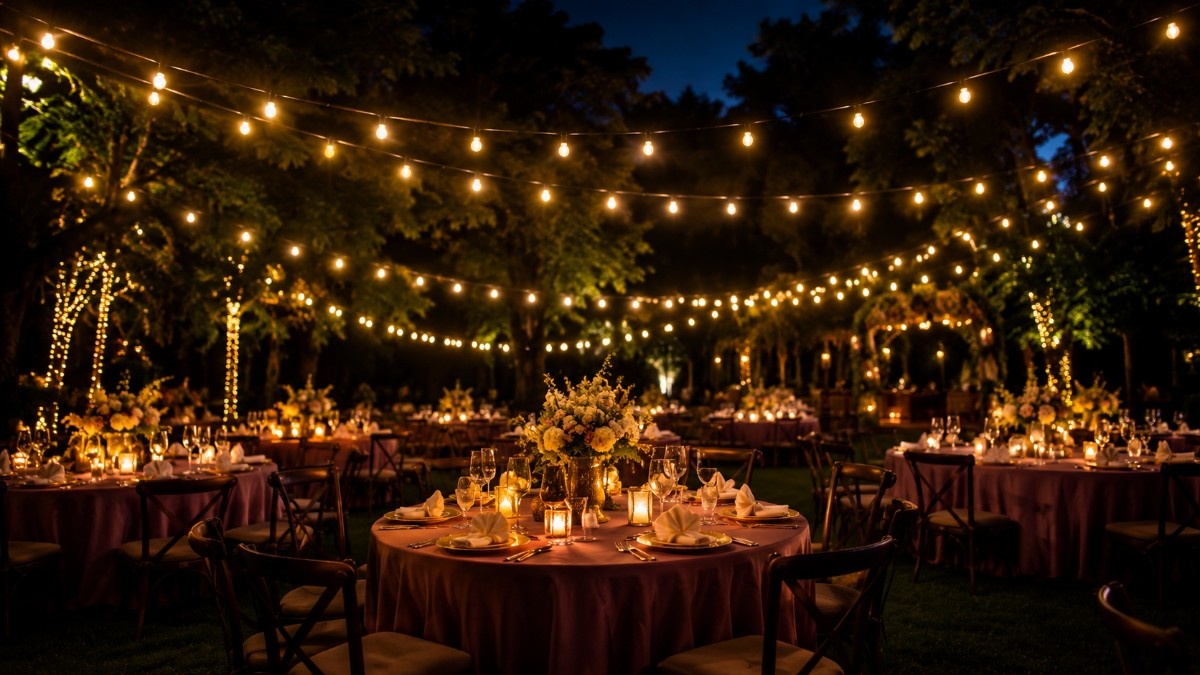 Engagement
 Mehendi
 Sangeet
 Haldi
Haldi Wedding
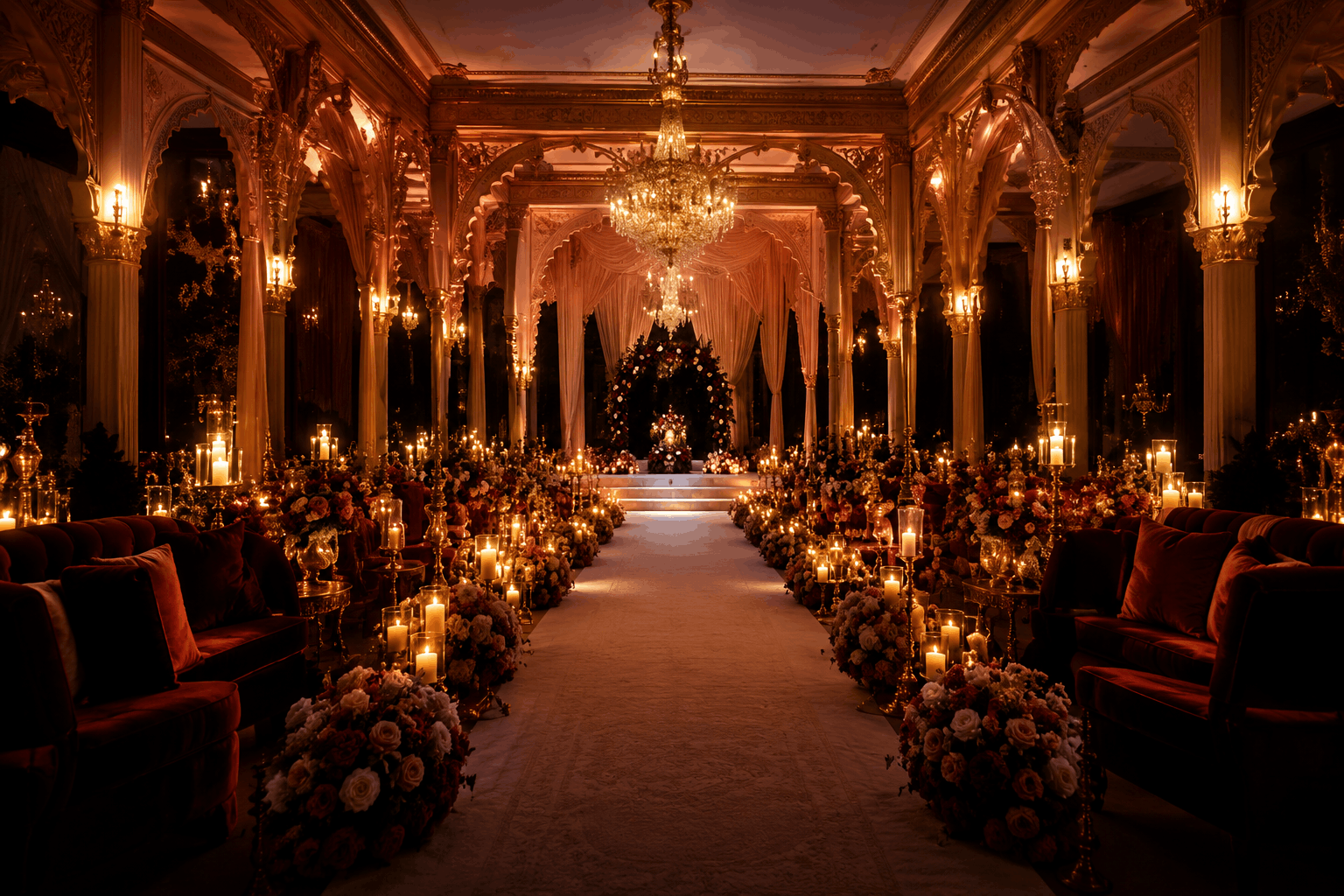 Reception
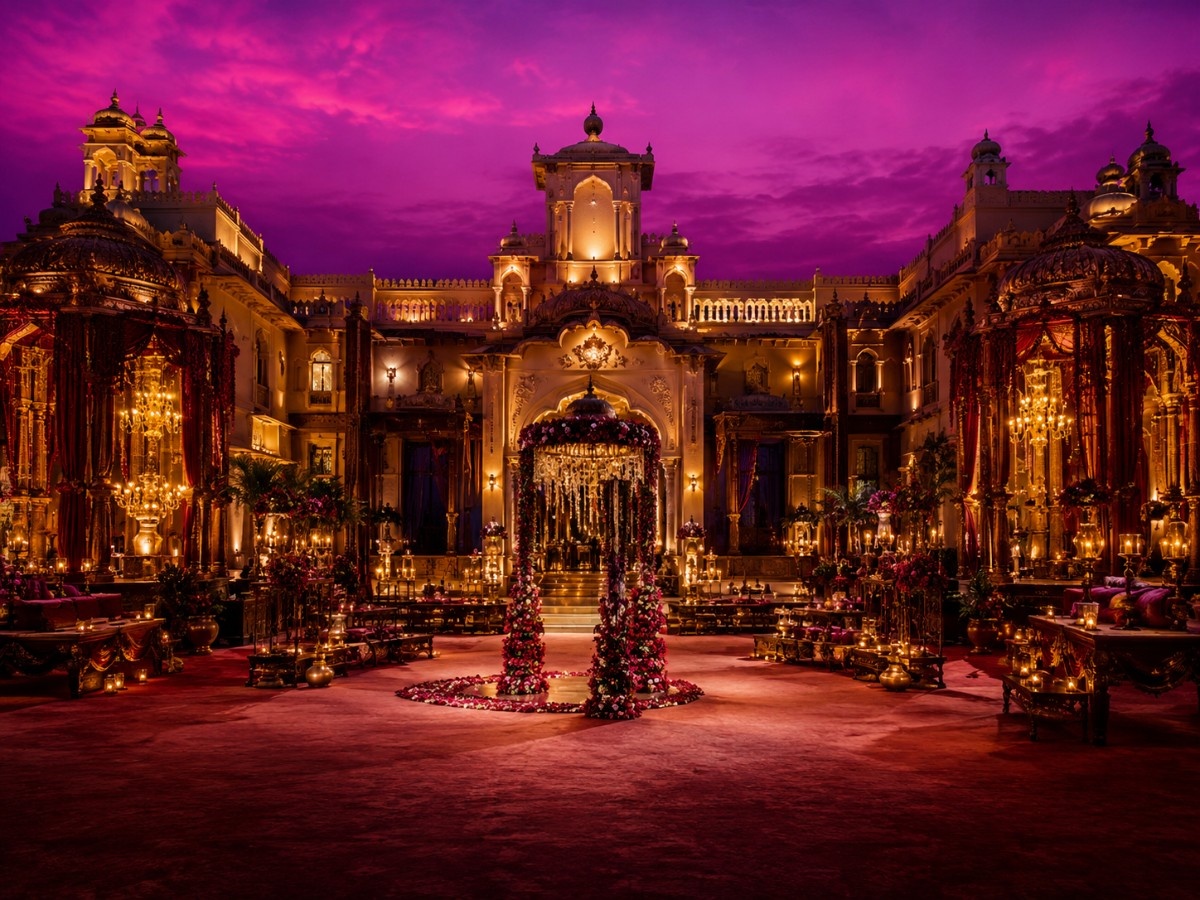 Pre Wedding Shoot
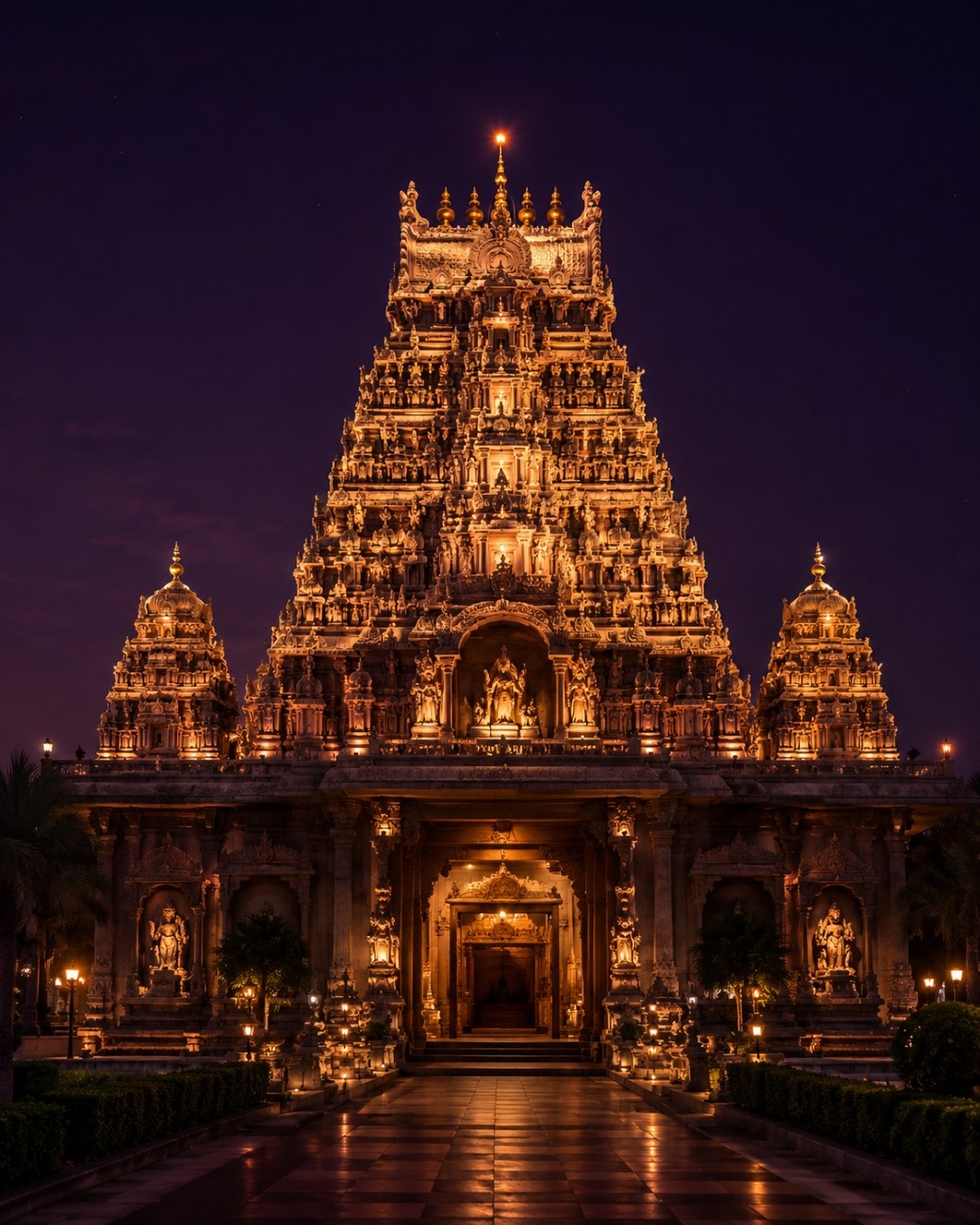 Save The Date Shoot
 Ring Ceremony
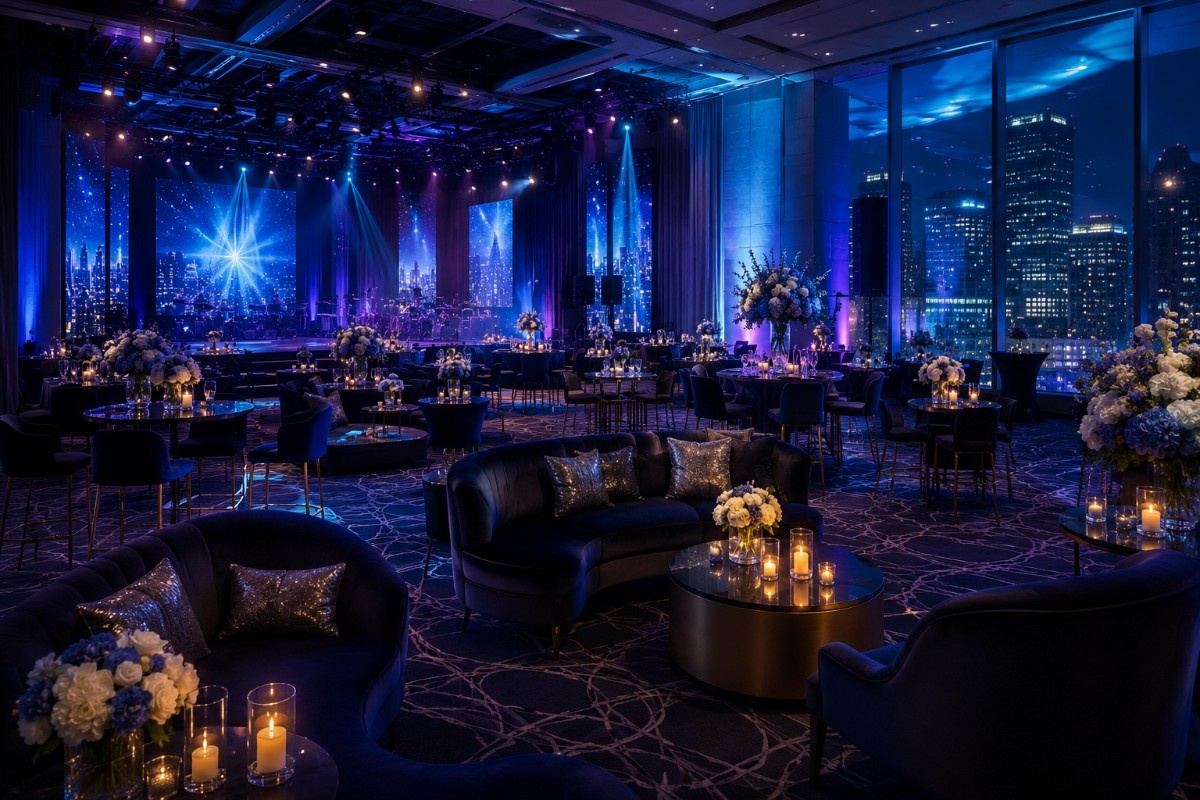 Destination Wedding
 Aviratham (Engagement)
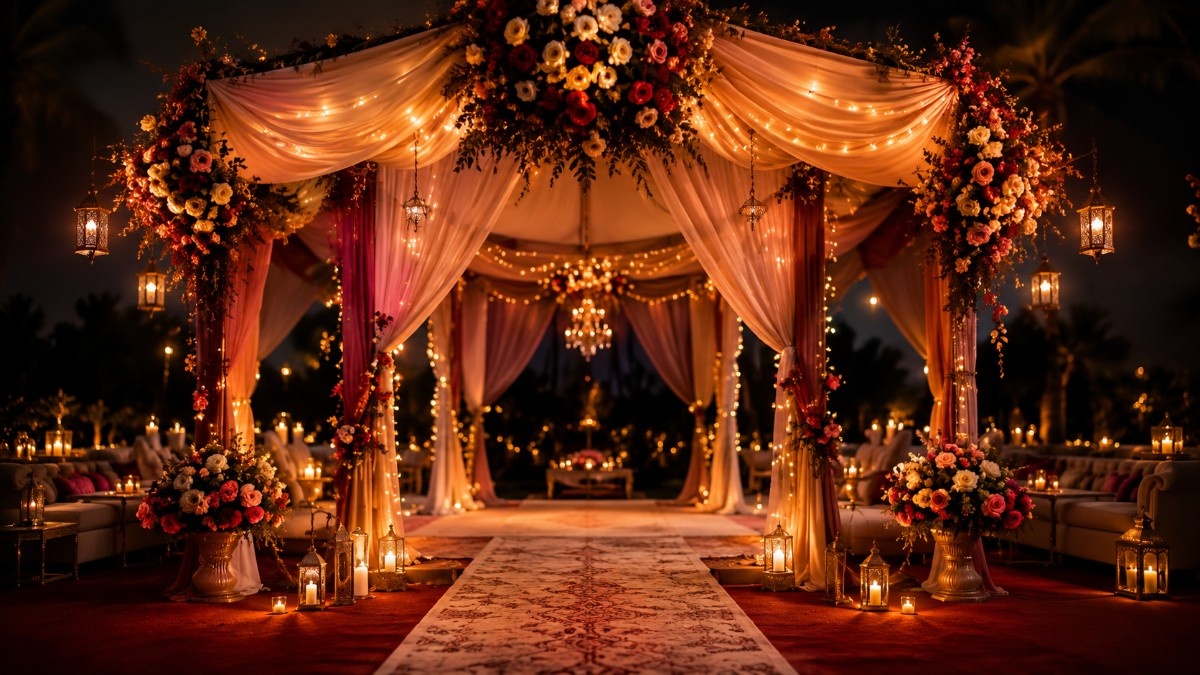 Guru Pooja
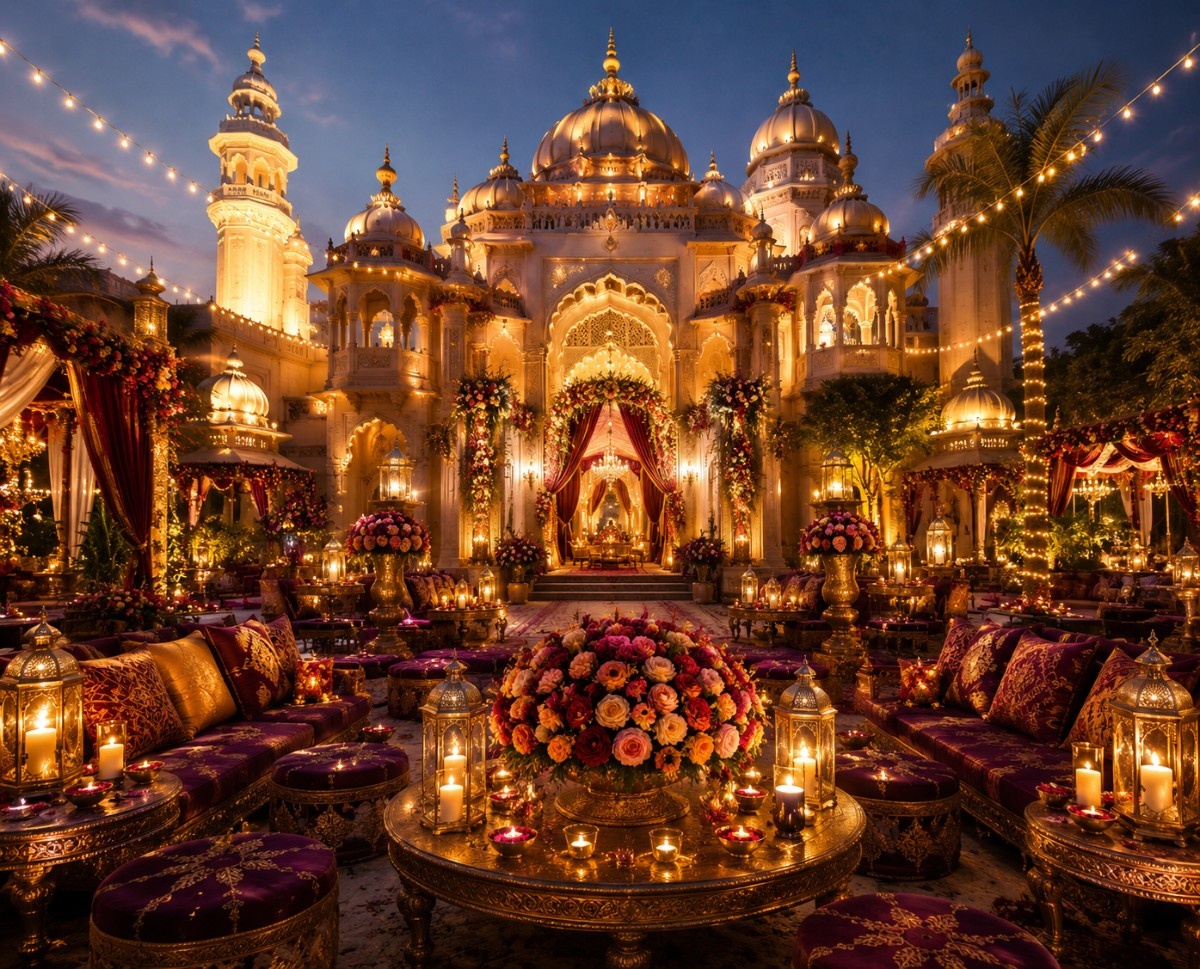 Kashi Yatra
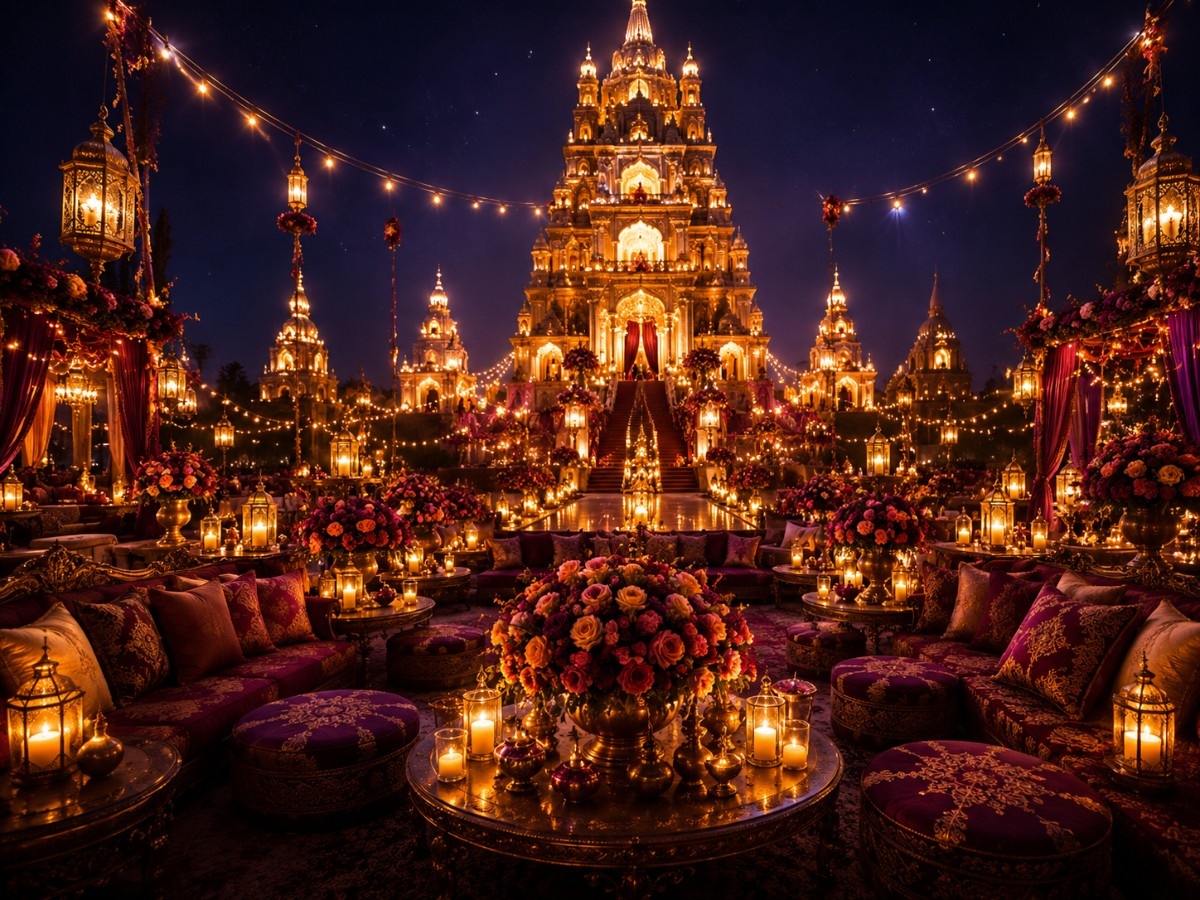 Oonjal Ceremony
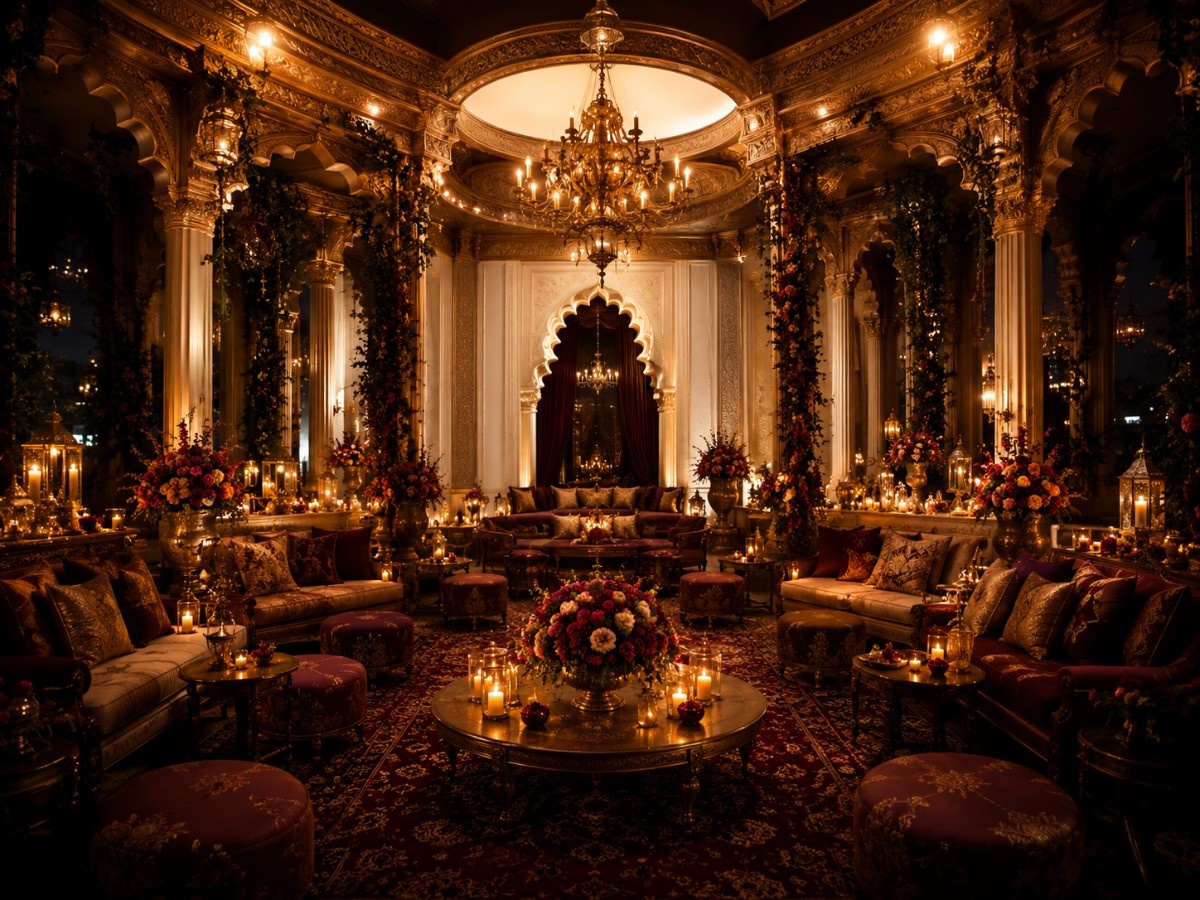 Muhurtham
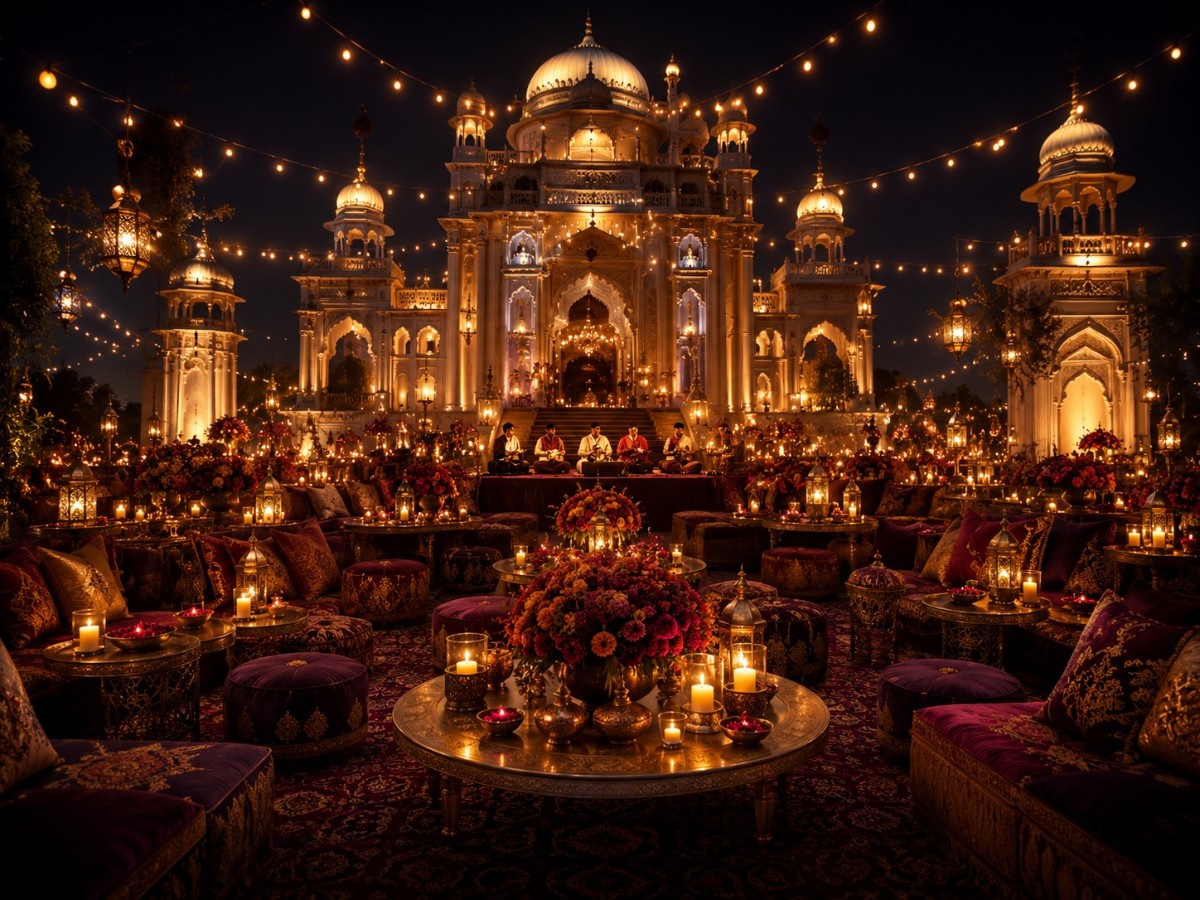 Vidaai
 Post Wedding Shoot
 Anniversary Celebration
 Vow Renewal
 Honeymoon Celebration
 Bridal Shower
 Bachelor Party
 Bachelorette Party
 Cocktail Party
 House Warming
 Griha Pravesh
 Satyanarayan Puja
 Naming Ceremony
 Thread Ceremony
 Upanayanam
- 400+Curated Events
- 6Event Universes
- 1000+Verified Vendors
- 70+Locations
- 24/7Customer Support


Not sure which packages fits your celebration?
Let Hiya & Hanu help you find the perfect match!
Explore Celebration Packages- AI-Powered MatchingSmart suggestions for you
- Budget OptimizerGet the best experiences in your budget
- End-to-End SupportWe are with you at every step
Serving Celebrations across 75+ locations in India
Top Sacred Ceremonies for Celebrations With Meaningful Family Traditions
◆Understanding Sacred Celebrations
Planning top sacred ceremonies for celebrations begins with bringing together faith, family and tradition in a respectful setting. These occasions may mark important milestones, express gratitude, honour cultural customs or create a shared spiritual experience. Whether the gathering is intimate or welcomes a large group, careful preparation helps protect the meaning of the ceremony while making the occasion comfortable for everyone.
The best celebrations begin with a clear understanding of the purpose, traditions and people involved. Some occasions are closely connected to a religious calendar, while others mark family milestones, blessings, thanksgiving or community gatherings. Before selecting suppliers or a venue, organisers should identify the essential rituals, required participants, preferred timings and any customs that should remain unchanged.
Planning should also consider the age range and needs of guests. Elderly relatives may need accessible seating and convenient parking, while families with children may appreciate clear schedules and comfortable waiting areas. A thoughtful plan allows the spiritual purpose to remain central without overlooking practical details.
Choosing the Right Ceremony and Format
Choosing top sacred ceremonies for celebrations depends on faith, family traditions, the reason for gathering and the wishes of those taking part. A ceremony may be held at a place of worship, a family home, a community venue or another suitable setting where the required customs can be observed respectfully.
When comparing options, confirm what the ceremony requires in terms of space, timings, specialist participants, offerings, music, seating and guest movement. This helps prevent last-minute changes and gives suppliers enough information to work around the ceremony rather than interrupt it.
Meaningful Planning From the Start
Good preparation gives every element a clear purpose. Begin by preparing a simple ceremony brief that records the date, expected guest numbers, rituals, key people, venue requirements, decoration preferences, food arrangements and photography needs. This document can become a useful reference for everyone involved.
Meaningful spiritual event planning should also allow room for family guidance. Elders, religious advisers and cultural specialists can clarify traditions that should be followed, while professional organisers can turn those requirements into a practical schedule. The result is a celebration that feels organised without becoming overly formal or commercial.
Selecting a Suitable Venue
The venue should support both the spiritual character of the occasion and the practical needs of guests. Consider accessibility, capacity, privacy, parking, washrooms, seating, power supply and weather protection. If the ceremony includes specific rituals, check whether the venue permits the required arrangements.
Smaller family occasions may benefit from an intimate layout that keeps relatives close to the central ritual. Larger gatherings require careful planning for guest movement, preparation and service areas.
Confirm timings for set-up and clear-up before making a final decision. This allows decorators, caterers, photographers and ceremony specialists to work efficiently without affecting the main proceedings.
Respectful Décor and Sacred Details
Decoration should enhance the atmosphere without taking attention away from the ceremony. Traditional flowers, lamps, fabrics, natural elements and carefully chosen colours can create a welcoming setting. Where particular symbols or arrangements have religious significance, they should be handled according to the relevant tradition.
Top sacred ceremonies for celebrations often benefit from décor that is coordinated rather than excessive. A simple entrance arrangement, an elegant ceremonial backdrop and well-planned guest seating can create visual harmony while preserving a respectful atmosphere. Lighting should be comfortable for guests and suitable for photography without making the space feel like a stage.
Religious and Cultural Support
Specialist support can be important when a ceremony includes detailed customs or religious requirements. Religious leaders, officiants, cultural advisers and experienced coordinators can help families understand timings, materials, participant roles and appropriate etiquette.
Families should confirm responsibilities early. Ask who will lead each part of the ceremony, who will prepare traditional items and who will coordinate guests. Clear communication reduces confusion and allows relatives to participate confidently.
For meaningful spiritual event planning, respect should be placed ahead of trends. Contemporary touches can be introduced where appropriate, but they should complement rather than replace important traditions.
Food and Hospitality
Food can be an important part of a sacred gathering, particularly when relatives and community members spend several hours together. Menu planning should reflect the occasion and any religious or cultural dietary requirements. Confirm vegetarian, allergen-aware and other relevant options early.
Catering teams should understand the ceremony timetable so that food service does not disrupt important moments. For longer sacred celebrations, water, refreshments and comfortable seating can improve guest experience without distracting from the central purpose.
Photography and Memories
Professional photography can document the atmosphere, family participation and important ceremonial moments. The photographer should understand that certain rituals may require quiet observation, restricted movement or limits on flash photography.
A clear shot list can include family portraits, venue details, meaningful decorations and group photographs. It is useful to identify moments that should not be interrupted.
Music and Entertainment
Music may contribute to the atmosphere when it is appropriate to the ceremony and cultural setting. Live instrumental performances, devotional music or carefully selected background arrangements can help guests feel welcomed. Entertainment should never compete with sacred proceedings.
For larger celebrations, music can be planned around arrival, meal service and the transition after the main ceremony. Volume levels and performance timings should be agreed with the venue and ceremony leaders.
Managing Suppliers and the Event Schedule
A reliable schedule brings together the venue, decorators, caterers, photographers, musicians and ceremony specialists. Each supplier should know arrival times, access arrangements, set-up requirements and the exact point at which their work must be completed.
A practical timeline should include preparation, guest arrival, the ceremony, photographs, food service and closing activities. Build in small buffers because family occasions often involve unexpected delays.
Creating a Comfortable Guest Experience
Sacred occasions can bring together guests from different generations. Comfortable seating, clear directions, accessible facilities and sensible timings make a noticeable difference. Consider whether guests need shaded areas, indoor waiting space, drinking water or assistance moving between locations.
Children and older relatives may have different needs, so a flexible layout can help everyone participate. If the ceremony involves a long period of standing or waiting, provide suitable seating without disrupting the ritual space.
Balancing Tradition With Personalisation
Personalisation within top sacred ceremonies for celebrations does not have to mean changing sacred customs. It can involve thoughtful choices around invitations, family photographs, floral arrangements, welcome signage, seating or the way guests are received.
Top sacred ceremonies for celebrations feel especially meaningful when personal details reflect the family story while the essential traditions remain intact. A family heirloom, a familiar flower or a carefully chosen keepsake can add emotional value without altering the ceremony itself.
Planning the Budget
A clear budget should cover venue costs, ceremony-related requirements, décor, catering, photography, music, transport and professional coordination. It is helpful to separate essential costs from optional enhancements so that spending decisions remain straightforward.
Request clear quotations and confirm what is included. Check delivery, set-up, overtime, cleaning and cancellation terms before making commitments. Good planning can improve value without reducing the quality or respect of the occasion.
Why Professional Support Helps
Professional organisers can make meaningful spiritual event planning easier and coordinate multiple suppliers while keeping the family's priorities at the centre. They can help compare venues, organise schedules, communicate requirements and manage practical details on the day.
Meaningful spiritual event planning becomes easier when responsibilities are clearly allocated. Instead of asking several family members to manage suppliers while also participating in the ceremony, a dedicated coordinator can handle logistics and provide a single point of contact.
Making the Occasion Memorable
A memorable sacred celebration is not necessarily the largest or most elaborate event. Its value often comes from meaningful participation, respectful traditions and time spent with family. Thoughtful preparation allows guests to understand what is happening and helps important moments unfold naturally.
Top sacred ceremonies for celebrations can be planned in many styles, from simple family gatherings to larger community occasions. The most successful approach is one that respects the ceremony, understands the guests and brings practical details together smoothly.
Planning With Happiffie
Happiffie can help families explore event services and organise the practical elements surrounding important occasions. From venue considerations and décor support to catering, photography and specialist event assistance, a coordinated approach can make planning more manageable.
When exploring top sacred ceremonies for celebrations, start by defining the purpose of the occasion, confirming the essential traditions and creating a realistic guest plan. Then choose suitable suppliers, establish a timeline and communicate requirements clearly. With careful preparation, families can create a respectful gathering that feels organised, welcoming and genuinely meaningful.
Frequently Asked Questions
1. What are sacred ceremonies for celebrations?
Sacred ceremonies are meaningful gatherings connected with faith, spirituality, family traditions or important cultural milestones. They may include blessings, prayers, thanksgiving or other established rituals.
2. How should I begin planning a sacred celebration?
Start by confirming the purpose, date, traditions, guest numbers and people responsible for the ceremony. Then select a suitable venue and build the supplier and guest arrangements around the essential rituals.
3. How do I choose a venue for a sacred ceremony?
Consider capacity, accessibility, privacy, parking, facilities, weather protection and whether the venue can accommodate the required rituals. A site visit can help confirm practical suitability.
4. What decorations are suitable for a sacred celebration?
Choose décor that complements the tradition and does not distract from the ceremony. Flowers, fabrics, lamps, natural details and understated backdrops can create a respectful atmosphere.
5. Should I hire a professional ceremony organiser?
Professional support can be useful when several suppliers, detailed traditions or larger guest numbers are involved. An organiser can coordinate timings and practical tasks while the family focuses on the occasion.
6. How can catering respect religious or cultural requirements?
Discuss dietary rules, traditional food preferences, allergies and serving times with the caterer before confirming the menu. Make sure the catering schedule fits around the ceremony.
7. Can photography be included in a sacred ceremony?
Yes, provided the photographer understands any restrictions around movement, flash, specific rituals or sacred areas. A pre-agreed photography plan helps protect the atmosphere.
8. How can I make a sacred ceremony personal?
Personalise appropriate elements such as flowers, family photographs, invitations, welcome details or keepsakes while keeping essential religious and cultural customs unchanged.
9. How can I manage the budget for a sacred celebration?
Set priorities first, separate essential expenses from optional enhancements, compare quotations and confirm all additional charges. A clear budget helps prevent unnecessary last-minute spending.
10. How can Happiffie help with sacred celebration planning?
Happiffie can support families in exploring suitable event services and coordinating practical requirements such as venues, décor, catering, photography and other celebration support.