
Safe Celebrations in Haridwar
Planners in Haridwar
Guest Movement Security for Haridwar Weddings & Events
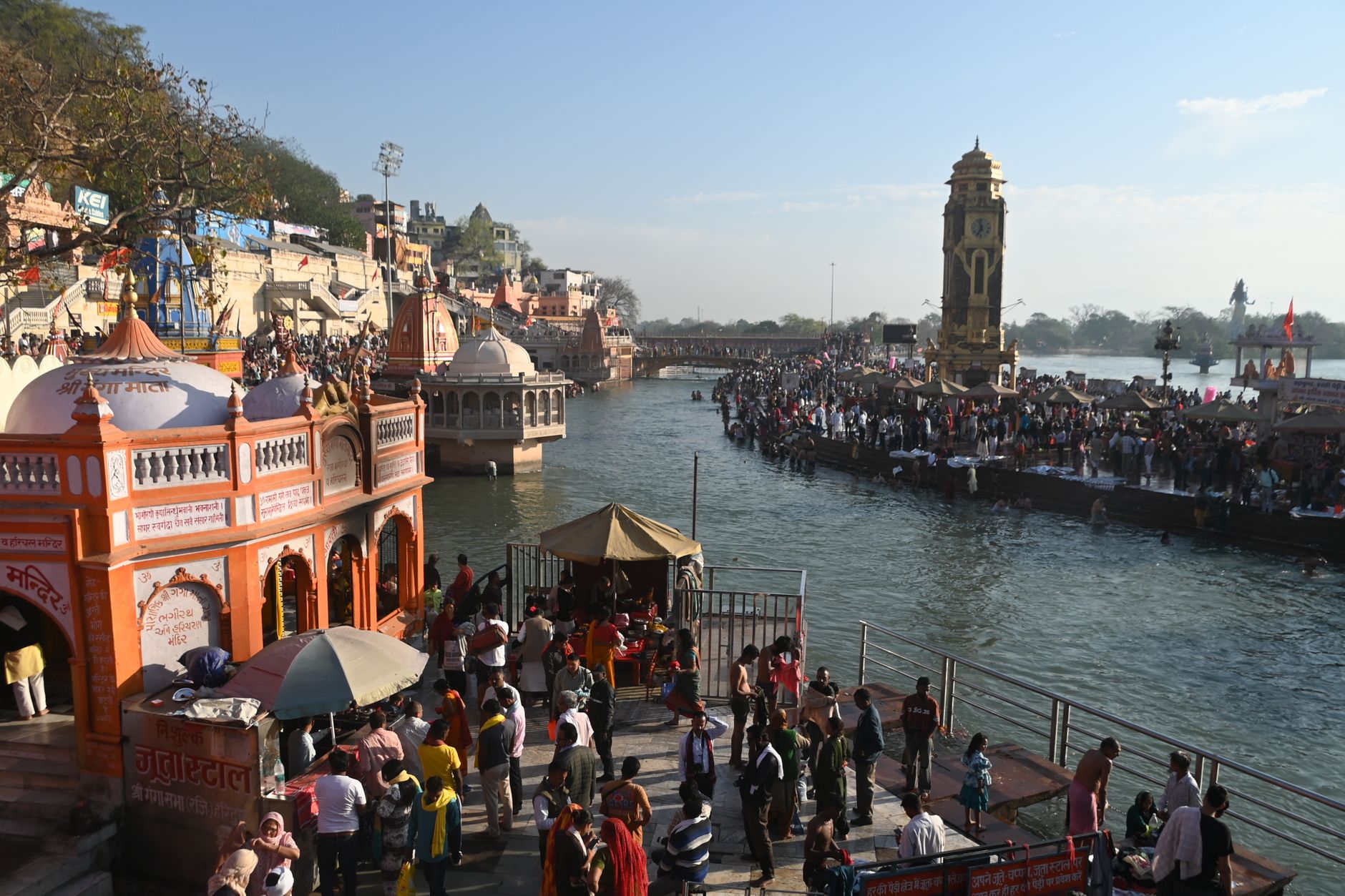
Haridwar's ghats, dharamshalas, and heritage banquet halls draw thousands of wedding guests every season — and managing their safe, orderly movement is non-negotiable. Guest Movement Security in this pilgrimage city demands a unique blend of crowd flow management, religious sensitivity, and real-time coordination because narrow lanes near Har Ki Pauri and riverside mandap setups create bottlenecks that ordinary event security simply cannot handle. Happiffie connects you with Haridwar-based wedding planners who build venue entry management into every event blueprint, ensuring your mehendi, pheras, and reception unfold without chaos — even when the Ganga aarti swells the surrounding streets.
Quick Answer
Guest Movement Security at Haridwar weddings refers to the planned, supervised control of how guests enter, move through, and exit event venues. Given Haridwar's dense pilgrimage-city layout, narrow ghats, and riverside mandap settings, professional planners deploy crowd flow management systems, designated entry-exit zones, and trained marshals to prevent stampede risks, manage VIP access, and ensure every guest reaches the right area safely and on time.
Why Does Guest Movement Security Matter More in Haridwar Than Other Cities?
Haridwar is not a typical wedding city. It sits at the foothills of the Himalayas where pilgrimage traffic, narrow market lanes, and riverbank venues create a permanently high-density environment. During peak wedding seasons — October to February and April to June — the city hosts simultaneous religious events, tourist footfall, and multiple large weddings on the same ghats. This convergence makes guest movement security a critical planning priority, not an afterthought. A riverside mandap near Har Ki Pauri can see uninvited crowd spillover from the evening Ganga aarti within minutes. Haridwar wedding planning therefore requires dedicated crowd flow management teams who understand local geography, police coordination norms, and the rhythm of the city's daily religious activity. Planners on Happiffie who specialise in pilgrimage city event logistics build contingency movement corridors into every floor plan, so even a 500-person baraat entry does not create dangerous congestion near temple precincts.
Core Components of Professional Crowd Flow Management at Haridwar Venues
Effective crowd flow management at a Haridwar wedding involves four interlocking systems. First, venue entry management establishes clearly marked entry and exit points, often with RFID wristbands or printed QR passes, so gate marshals can distinguish family guests from general invitees and media. Second, zoning divides the venue into VIP, family, general, and vendor corridors — critical in dharamshala banquet halls where corridors are narrow and multipurpose. Third, timed arrival scheduling staggers the baraat, bride's side, and extended family across 30-minute windows to prevent simultaneous gate rushes. Fourth, emergency evacuation routes are mapped in advance and communicated to floor marshals, which is especially important at riverside venues where the only exit is often a single ramp leading back to the ghat road. Wedding guest safety protocols require each of these four elements to work in sequence; missing even one creates the kind of bottleneck that turns a joyful celebration into a stressful incident.
How Much Does Guest Movement Security Cost for a Haridwar Wedding?
Pricing for guest movement security in Haridwar varies based on guest count, venue type, and the duration of the event. For an intimate celebration of 100–200 guests held at a single dharamshala hall, a basic crowd flow management package — including two trained marshals, a floor plan review, and an entry management system — typically costs between INR 18,000 and INR 35,000. Mid-scale weddings of 300–600 guests at riverfront or farm venues, where festive crowd management is more complex, range from INR 40,000 to INR 85,000. Large destination-style weddings above 800 guests that span multiple function areas — mandap, dining pavilion, sangeet stage — can require comprehensive guest movement security setups costing INR 90,000 to INR 1,80,000, including walkie-talkie networks, real-time crowd monitoring, and dedicated liaison with local police. Happiffie planners provide itemised quotes so you know exactly what each component costs before you commit.
Choosing the Right Venue Entry Management System for Your Event Scale
Not every entry management approach suits every Haridwar wedding. Small family gatherings of under 150 guests in a private dharamshala courtyard can be managed with a simple guest list at the gate, one marshal, and a colour-coded invitation card system — low cost and low friction. Medium weddings benefit from printed QR passes that marshals scan on a tablet, giving real-time headcount data to the event planner and reducing fake-invitation entry. Large multi-day celebrations — particularly those combining a Haridwar riverside mandap phera ceremony with a separate sangeet venue across town — need RFID wristband systems linked to a central dashboard, enabling venue entry management across two physical locations simultaneously. Pilgrimage city event logistics also demand that the chosen system works reliably without strong Wi-Fi, since many riverside and ghat-adjacent venues have inconsistent mobile data coverage. Planners familiar with Haridwar recommend offline-capable QR scanners as the safest middle-ground technology for most mid-to-large weddings here.
What Are Wedding Guest Safety Protocols Specific to Haridwar's Religious Venues?
Haridwar's wedding venues often sit adjacent to or within actively functioning religious spaces, which creates safety considerations not found in typical banquet halls. Wedding guest safety protocols here must include footwear management zones — large shoe-deposit counters with numbered tokens — because guests removing footwear at mandap entrances near temples can create sudden floor-level hazards and trip risks for elderly relatives. Crowd flow management must also account for the Ganga aarti schedule: the 6:30 PM Har Ki Pauri aarti draws thousands, so any wedding function that overlaps with this window must have its own self-contained perimeter and clear internal signage directing guests away from the public ghat crowds. Additionally, riverside venue coordination requires planners to map the riverbank tide schedule and coordinate with local authorities on safe guest proximity to the water's edge, especially for functions involving jal pravah rituals or pre-wedding photography on the ghats. Happiffie-listed planners with Haridwar experience embed all these protocols into their standard operating procedures.
Guest Movement Security Setup Options for Haridwar Weddings
Expert Recommendation
Best for Intimate Celebrations (under 150 guests)
Best for Mid-Scale Weddings (150–400 guests)
Best for Large Multi-Day Celebrations (400+ guests)
Best for Budget-Conscious Couples
Best for Traditional Religious Ceremonies Near Temples
Best for Destination-Style Haridwar Weddings with Outstation Guests
How to Choose the Right Option
✅ Pre-booking Checklist
- Map all entry and exit points of your chosen Haridwar venue at least 6 weeks before the wedding date.
- Confirm whether your venue has reliable internet or mobile data coverage before choosing a digital venue entry management system.
- Check the Ganga aarti schedule and avoid scheduling peak guest arrival windows between 6:00 PM and 7:30 PM near the ghats.
- Book a planner with documented experience in pilgrimage city event logistics, not just general wedding coordination.
- Set up a dedicated footwear deposit counter with numbered tokens if any function area requires guests to remove shoes.
- Share the zone-wise seating and movement plan with key family members and all marshals at least 24 hours before the event.
- Confirm local police liaison requirement with your planner if your guest count exceeds 300 or the venue is near a public religious site.
- Conduct a physical walkthrough of the full guest movement route — from parking to mandap to dining — with your planner and venue manager.
🎯 Selection Criteria
- Planner's prior experience with crowd flow management at Haridwar-specific venues and ghat-side setups.
- Technology choice that matches venue connectivity and guest demographic (older guests may need simpler pass systems).
- Scalability of the security plan to absorb unexpected additional guests, which is common at Indian weddings.
- Clear escalation protocol defining who contacts local police or medical services if an incident occurs.
- Integration of guest movement security within the overall wedding timeline so marshals are briefed on function transitions.
💰 Cost / Quality Factors
- Guest count directly determines marshal headcount and technology investment required.
- Venue type (dharamshala, riverside, farm, heritage hotel) determines infrastructure available for entry management.
- Multi-day versus single-day events multiply security complexity and cost proportionally.
- Distance between venue and city centre affects parking management and guest arrival predictability.
- Peak pilgrimage season increases ambient crowd density, requiring a higher security-to-guest ratio.
⚠️ Common Mistakes to Avoid
- Booking security as an afterthought two weeks before the wedding, limiting planner availability in peak Haridwar season.
- Choosing a venue without adequate road width for baraat entry, causing dangerous external congestion.
- Ignoring the Ganga aarti crowd surge and scheduling a large baraat arrival at the same time as the aarti begins.
- Relying on family volunteers alone for festive crowd management at weddings above 250 guests.
- Selecting the most technologically advanced system without checking whether the venue supports it operationally.
- Failing to designate a single planner as the central point of contact for all marshals, leading to uncoordinated crowd responses.
People Also Ask
What is guest movement security at a wedding?
Do I need crowd control for a small Haridwar wedding?
How do planners handle guest movement near Haridwar's ghats?
What technology is used for venue entry management at Indian weddings?
How early should I book a planner for guest movement security in Haridwar?
Can a wedding planner also handle security coordination with Haridwar police?
What mistakes do couples make with guest movement planning in Haridwar?
Is riverside venue coordination different from a regular banquet hall setup?
Related Experiences on Happiffie
Control the Flow, Elevate the Celebration
Expert Crowd Control for Kolkata Events
Intimate Weddings, Big on Love
Seamless Entry. Zero Chaos.
Jaipur Fusion Weddings Done Right
Udaipur Multi-Day Event Retreats
Find Your Perfect Delhi Wedding Venue
Safe, Smooth & Grand Events in Madurai
Frequently Asked Questions
What does guest movement security include for a Haridwar wedding?
How is guest movement security different for riverside venues in Haridwar?
Can one planner manage guest movement security for a 500-person Haridwar wedding?
What is the best time of day for large baraat arrivals in Haridwar?
Does Happiffie list planners who specialise in guest movement security in Haridwar?
How many marshals do I need per 100 guests in Haridwar?
Is RFID the best technology for venue entry management at Haridwar weddings?
What happens if uninvited crowds from the ghats enter the wedding venue?
Key Takeaways
- Guest movement security is essential at Haridwar weddings due to the city's dense pilgrimage-city layout, narrow lanes, and riverside venue constraints.
- Crowd flow management must account for local religious event schedules, particularly the evening Ganga aarti, to prevent dangerous crowd convergence.
- Venue entry management technology should be chosen based on venue connectivity and guest count — offline QR scanners suit most mid-scale Haridwar weddings.
- Costs range from INR 18,000 for intimate setups to over INR 1,80,000 for large multi-venue destination weddings.
- Wedding guest safety protocols at temple-adjacent venues must include footwear management, timed ritual entry, and water-edge safety boundaries.
- Book planners with proven pilgrimage city event logistics experience at least three to four months ahead during peak wedding season.
- Police liaison is recommended for events of 300-plus guests or those held near Har Ki Pauri and other high-traffic religious sites.
- Happiffie connects couples with Haridwar specialists who build guest movement security into the core event plan, not as an add-on.
Secure Every Guest's Journey at Your Haridwar Wedding
Connect with Happiffie-verified planners who specialise in guest movement security and crowd flow management for Haridwar's unique venues.
Find Haridwar Planners
Are you a Vendor? Grow Your Business with Happiffie!
- High intent verified leads
- Reverse auction opportunities
- AI business tools & insights
- Dedicated vendor dashboard
- Grow your business, your way
It's free & takes less than 2 minutes!