
Sweeten Every Celebration in Guwahati
Food & Beverage in Guwahati
Traditional Sweet Stations for Weddings in Guwahati
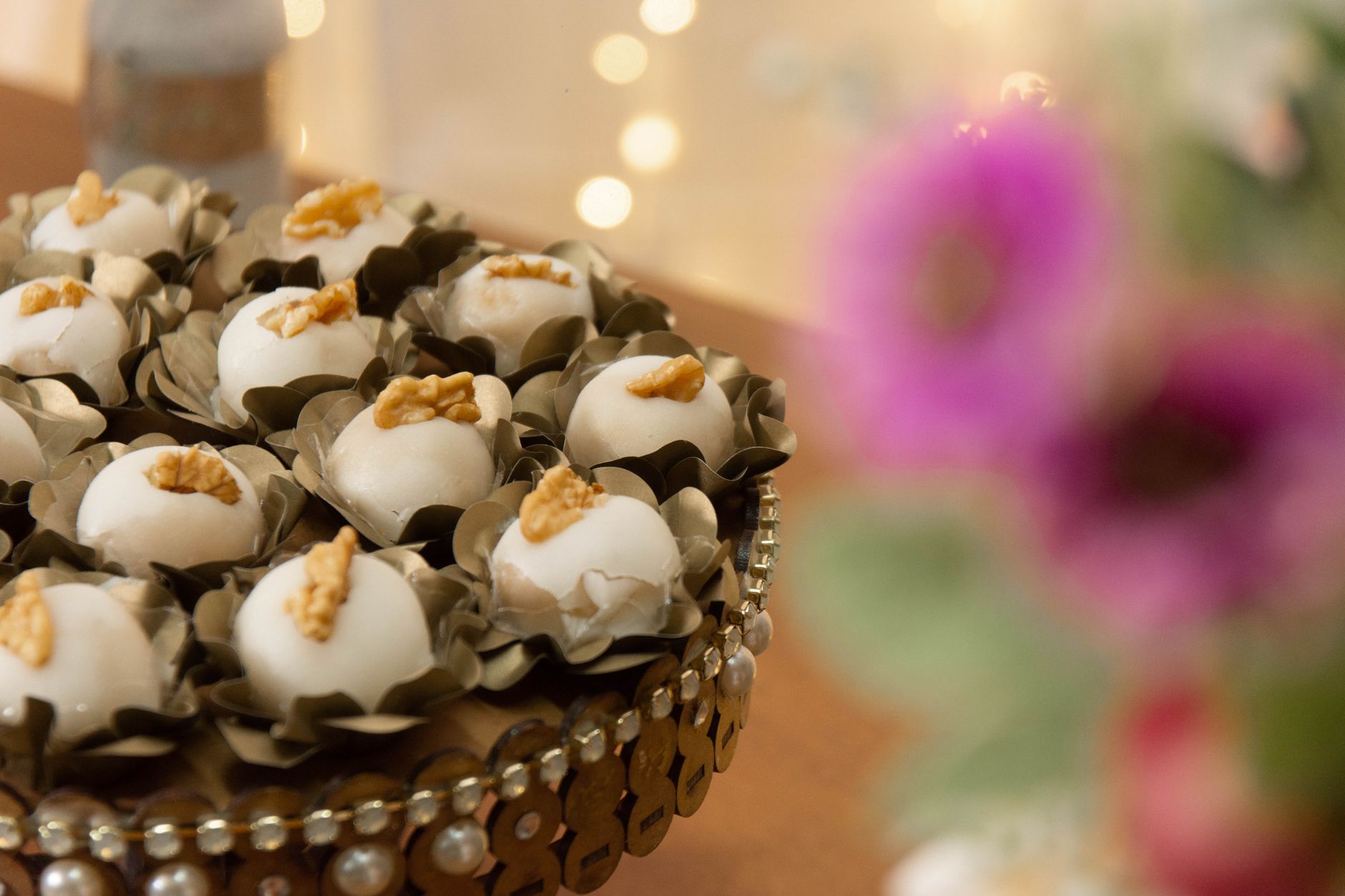
Traditional Sweet Stations have become one of the most cherished focal points at Guwahati weddings, blending the city's deep-rooted love for mithai with the grandeur of modern celebrations. Whether you are planning an intimate bihu-season gathering at a riverside banquet hall in Fancy Bazar or a grand reception at a Pan Bazar venue, Indian mithai counters loaded with laddoos, pitha, sandesh, and kalakand instantly create a festive, welcoming atmosphere. A well-designed wedding food experience around sweets not only satisfies guests but also photographs beautifully, making it a smart investment for couples who want their reception to feel both authentic and memorable.
Quick Answer
Traditional Sweet Stations are curated dessert counters at Indian weddings that showcase a themed selection of mithai, regional sweets, and live preparations in decorative setups. At Guwahati weddings, they typically feature local favourites like til pitha, narikolor laru, sandesh, and pan-Indian classics, served from styled carts, brass urns, or banana-leaf displays. They typically cost between INR 80 and INR 300 per head depending on variety, live elements, and décor.
What Makes Traditional Sweet Stations a Must-Have at Guwahati Weddings?
Guwahati's wedding culture is deeply tied to hospitality, and no gesture communicates warmth more universally than offering sweets. Traditional Sweet Stations bring this sentiment to life at scale, letting every guest — from grandparents to children — find something they love without queuing at a single overloaded counter. Unlike a standard dessert table, these stations are experiential: a live jalebi fryer sizzling in brass kadhai, a sandesh station hand-finished by a trained halwai, or a narikolor laru (coconut ball) corner styled with bamboo and cane. This kind of wedding food experience creates natural conversation clusters and keeps guests engaged long after the main meal. Venues across Guwahati, from LGBI Road banquet halls to riverfront lawns in Uzan Bazar, accommodate these setups with ease, and local caterers are increasingly skilled at integrating Assamese sweet heritage into globally inspired presentation styles.
Popular Sweet Station Formats and Regional Flavours
Guwahati couples typically choose from several formats when planning Indian mithai counters. The Assamese Heritage Station spotlights til pitha, narikolor laru, xandoh, and tekeli pitha displayed on banana leaves and terracotta platters — a format that resonates especially well at traditional Bihu and Bihagi weddings. The Pan-India Mithai Corner brings together Bengali sandesh, Rajasthani ghewar, Punjabi pinni, and South Indian mysore pak to cater to diverse guest lists in the city's cosmopolitan neighbourhoods like Six Mile and Ganeshguri. Live Sweet Corners featuring freshly fried gulab jamun, hot jalebi, or molten rabri poured tableside add drama and aroma that pre-plated options simply cannot match. Festive mithai displays styled around a colour palette — marigold gold, ruby red, or ivory — are increasingly popular for destination weddings held at Kaziranga-adjacent resorts booked from Guwahati. Each format serves a different guest expectation and budget tier.
How Much Do Traditional Sweet Stations Cost in Guwahati?
Pricing for Traditional Sweet Stations in Guwahati varies widely based on variety, live elements, and sweet stall decoration quality. A basic curated mithai display with 6-8 varieties and standard décor starts at INR 80-120 per guest. A mid-range package with 10-12 varieties, live jalebi or gulab jamun, and themed décor — bamboo frames, brass vessels, floral garlands — runs INR 150-200 per head. Premium setups featuring 15-plus varieties, multiple live counters, halwai staff in traditional attire, and custom Assamese-styled sweet stall decoration can reach INR 250-300 per person. For a 300-guest wedding, that translates to a total station cost of roughly INR 24,000 to INR 90,000, depending on the tier. Couples should clarify whether pricing includes staffing, décor, crockery, and service time to avoid last-minute additions to the final invoice.
Integrating Assamese Wedding Catering Traditions into Your Sweet Station
One of the most distinctive aspects of planning Traditional Sweet Stations in Guwahati is the opportunity to weave in authentic Assamese culinary heritage. Assamese wedding catering traditions call for sweets made with black sesame, coconut, and sticky rice — ingredients rarely seen at mainstream mithai counters across India. Incorporating items like til pitha (sesame rice cakes), narikolor laru (coconut and jaggery balls), and payox (rice pudding served in clay cups) not only honours local culture but also gives out-of-town guests a genuinely new tasting experience. Working with caterers who have dedicated halwais trained in these recipes ensures authenticity. This approach also integrates beautifully with eco-styled venues — think bamboo-lined halls in Dispur or garden mandaps in Beltola — where natural materials in sweet stall decoration reinforce the cultural narrative from décor to food.
What Should You Look for When Booking Wedding Dessert Stations in Guwahati?
Choosing the right vendor for wedding dessert stations involves more than comparing sweet varieties. Start by reviewing whether the caterer can customise the menu around dietary requirements — many Guwahati families include guests who are diabetic or lactose-intolerant, so sugar-free or dairy-free mithai options should be available on request. Assess the sweet stall decoration quality: sturdy, visually consistent, and suited to your venue's aesthetic — a riverside mandap calls for a different look than a hotel ballroom in Bhangagarh. Confirm staffing ratios; a busy 500-guest reception needs at least one dedicated attendant per live counter. Ask whether the vendor has experience managing a wedding reception buffet setup alongside a sweet station to ensure flow and replenishment are coordinated. Finally, insist on a tasting session — a reliable vendor will always offer one — so you can approve flavour, freshness, and portion sizes before the wedding day.
Comparing Traditional Sweet Station Setup Types for Guwahati Weddings
Expert Recommendation
Best for intimate celebrations (under 100 guests)
Best for large receptions (300-plus guests)
Best for traditional Assamese weddings
Best for budget-conscious couples
Best for destination or resort weddings near Guwahati
Best for modern fusion celebrations
How to Choose the Right Option
✅ Pre-booking Checklist
- Confirm the caterer's experience with Traditional Sweet Stations specific to Guwahati wedding formats
- Schedule a tasting session at least 6 weeks before the wedding date
- Finalise sweet count and variety based on guest count and meal flow
- Request a mood board or reference photos for sweet stall decoration aligned with your venue theme
- Clarify whether pricing includes décor, staffing, crockery, and service hours
- Arrange a site visit with the caterer to assess space, electrical access, and traffic flow
- Confirm availability of diabetic-friendly or vegan mithai options if required
- Ask about replenishment protocols for live stations during peak service
🎯 Selection Criteria
- Menu diversity: covers both Assamese regional sweets and pan-Indian mithai
- Live station capability: trained halwais available for on-site preparation
- Décor quality: sweet stall decoration consistent with overall wedding aesthetic
- Staffing: adequate attendants per counter for the guest count
- Flexibility: ability to customise for dietary restrictions and thematic briefs
💰 Cost / Quality Factors
- Number of sweet varieties directly impacts per-head cost
- Live elements (frying, plating) require additional staffing and equipment, raising cost
- Seasonal availability of Assamese ingredients like new-harvest rice can affect pricing
- Venue location — remote resorts near Guwahati add logistics costs for caterers
- Décor material quality (brass vs. plastic, real florals vs. artificial) significantly affects visual outcome
- Booking timeline: last-minute bookings often attract premium surcharges during peak season
⚠️ Common Mistakes to Avoid
- Ordering too many varieties without sufficient quantities per variety, leading to early depletion
- Ignoring traffic flow planning, which causes bottlenecks at popular live counters
- Skipping the tasting session and discovering flavour issues only on the wedding day
- Choosing décor that clashes with the venue's existing colour scheme and lighting
- Failing to label allergens or sugar-free items, causing confusion among guests
- Underestimating staffing needs for large guest counts at live sweet corners
People Also Ask
What sweets are typically served at a Traditional Sweet Station in Guwahati?
How many varieties of sweets should a wedding dessert station have for 300 guests?
Can I have a Traditional Sweet Station alongside the main wedding buffet?
What is the difference between a festive mithai display and a live sweet corner?
How early should I book a Traditional Sweet Station vendor in Guwahati?
Is it possible to get sugar-free or diabetic-friendly options at a Traditional Sweet Station?
What décor works best for Traditional Sweet Stations at Guwahati outdoor venues?
How much space does a Traditional Sweet Station typically require at a wedding venue?
Related Experiences on Happiffie
Authentic South Indian Food Counters
Live Food Stations for Your Mussoorie Wedding
Royal Sweets, Udaipur Style
Raise a Toast in Rishikesh
Redefine Your Wedding Table
Say 'I Do' by the River in Delhi
Pahadi Sweet Stalls — Rishikesh
Frequently Asked Questions
What is a Traditional Sweet Station at a Guwahati wedding?
How many sweet stations do I need for a 500-guest Guwahati wedding?
Can Traditional Sweet Stations work for daytime Guwahati wedding functions like the mehendi or haldi?
Do Guwahati caterers provide sweet stall decoration as part of the package?
Are Traditional Sweet Stations suitable for winter weddings in Guwahati?
How do I ensure freshness of sweets at an outdoor Traditional Sweet Station?
Can a Traditional Sweet Station be combined with a pan dessert or ice cream counter?
What is the minimum budget for a decent Traditional Sweet Station in Guwahati?
Key Takeaways
- Traditional Sweet Stations are a centrepiece hospitality feature at Guwahati weddings, blending Assamese culinary heritage with modern event presentation.
- Pricing ranges from INR 80 to INR 300 per guest depending on variety, live elements, and sweet stall decoration quality.
- Assamese specialities like til pitha, narikolor laru, and payox differentiate local sweet stations from generic pan-India mithai counters.
- Live sweet corners featuring freshly prepared jalebi or gulab jamun significantly elevate the wedding food experience but require advance planning.
- For 300-plus guest weddings, multiple Indian mithai counters placed at different points in the venue prevent congestion and improve service flow.
- Book vendors 3-4 months in advance during peak wedding and Bihu seasons in Guwahati.
- Always conduct a tasting session, confirm staffing ratios, and review décor references before finalising any wedding dessert station vendor.
Find the Best Traditional Sweet Stations in Guwahati
Happiffie connects you with trusted catering vendors who specialise in authentic Indian mithai counters, live sweet corners, and festive mithai displays — all tailored to Guwahati's wedding culture.
Explore Sweet Vendors
Are you a Vendor? Grow Your Business with Happiffie!
- High intent verified leads
- Reverse auction opportunities
- AI business tools & insights
- Dedicated vendor dashboard
- Grow your business, your way
It's free & takes less than 2 minutes!