
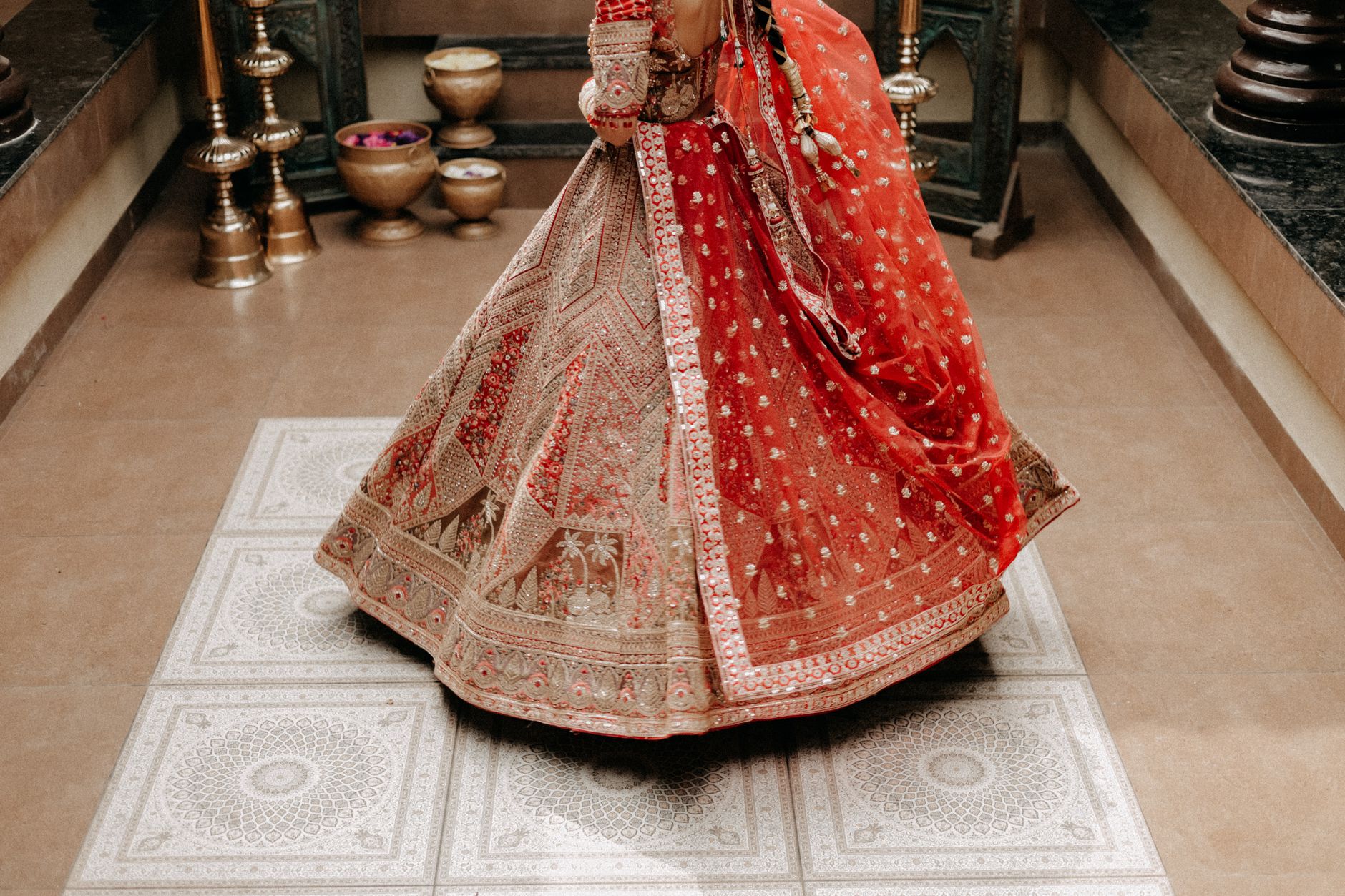
Protect Your Bridal Lehenga in Guwahati
Event Support in Guwahati
Lehenga Dry Cleaning in Guwahati: Complete Guide
Your wedding lehenga is far more than a garment — it carries the weight of one of the most significant days of your life. After the celebrations wind down across venues in Guwahati, from banquet halls in Dispur to riverside resorts near the Brahmaputra, lehenga dry cleaning becomes an urgent priority. Zari borders, silk panels, and intricate thread embroidery are vulnerable to sweat, food stains, and humidity. Professional bridal lehenga cleaning ensures these details survive intact. Proper post-wedding garment preservation also means you can pass the outfit to the next generation or simply relive the memory every time you open that garment bag.
Quick Answer
Lehenga dry cleaning is a specialised fabric-care process that safely removes stains, sweat, and odour from heavily embellished bridal and festive lehengas without damaging zari, silk, or mirror work. In Guwahati, the service typically costs between ₹800 and ₹3,500 depending on embroidery density and fabric type. Most professional dry cleaners complete the process in 3–7 days and return the garment pressed and packed for long-term storage.
Why Does a Bridal Lehenga Need Specialised Dry Cleaning?
A bridal lehenga is not a regular outfit — it combines multiple delicate fabrics such as raw silk, georgette, velvet, and net, often layered together and heavily embellished with zari, sequins, mirrors, and thread work. Standard machine washing causes colour bleeding, thread pulls, and irreversible distortion of embroidery. Lehenga dry cleaning uses solvent-based processes and hand-finishing techniques that dissolve oil-based stains and lift sweat salts without submerging the fabric in water. In Guwahati's humid climate, where the monsoon season runs long and indoor event venues can still feel muggy, sweat absorption into heavy fabric is especially pronounced. Embroidered lehenga care at a professional facility also includes spot treatment for mehendi pigment, food oil, and floral stain — all common at a Bengali or Assamese wedding reception. The result is a garment that looks as close to its original condition as possible, ready for preservation or re-wear.
What Does Lehenga Dry Cleaning Cost in Guwahati?
Pricing for lehenga dry cleaning in Guwahati varies based on four main factors: fabric type, embroidery density, stain severity, and whether you also need pressing and packaging. A simple printed or lightly embroidered festive lehenga usually costs ₹800–₹1,200. A mid-range bridal lehenga with moderate zari work typically falls between ₹1,500 and ₹2,200. Heavily embellished bridal pieces with mirror work, stone setting, or multi-layer skirts can cost ₹2,500–₹3,500 or more. Wedding dress dry cleaning that includes dupatta and blouse as a set is often priced as a bundled package, which saves 10–15% compared to individual pricing. Post-wedding garment preservation add-ons — like acid-free garment boxes or vacuum-sealed bags — add another ₹300–₹700. Always ask for a written estimate before handing over the outfit, and confirm the turnaround time, which is typically 3–7 working days in Guwahati.
How to Choose the Right Lehenga Dry Cleaning Service in Guwahati
Not every dry cleaner in Guwahati is equipped to handle a heavily embellished bridal lehenga. Before you book, ask specifically whether the facility has experience with silk and zari fabrics and whether they use gentle solvent cycles or hand-spot cleaning for embellished sections. A reputable service will inspect the garment, document existing damage, and give you a condition report before beginning work. Bridal lehenga cleaning requires that sequins and mirrors be individually protected or hand-cleaned so the adhesive does not loosen. Look for cleaners in established commercial areas such as GS Road, Ulubari, or Fancy Bazar, where multi-service garment-care shops with trained staff are more commonly found. Ask about their lehenga stain removal process for specific stain types — food curry, haldi, and floral pigment each require a different pre-treatment approach. A reliable provider will also offer festive dress maintenance advice for future storage, such as using muslin wrapping instead of plastic.
Common Stains and How Professionals Treat Them
Weddings in Guwahati involve biryani, mishti doi, marigold garlands, sindoor, and mehendi — all of which leave stubborn marks on fabric. Professional lehenga stain removal starts with stain classification: protein-based stains like food and sweat need enzyme pre-treatment, while oil-based stains from ghee or moisturiser require solvent pre-spotting. Turmeric and haldi stains are particularly tricky because curcumin bonds quickly to silk fibres; early treatment within 48 hours dramatically improves results. Embroidered lehenga care facilities apply localised treatment to stained zones before the main dry-cleaning cycle, preventing the stain from spreading or setting further. Sindoor and kumkum stains on the dupatta need gentle oxidising agents that lift pigment without fading the base colour. Knowing which stains you have and communicating them clearly when you drop off the garment makes the process significantly more effective.
How Should You Store Your Lehenga After Dry Cleaning?
Proper wedding attire storage in Guwahati is a step that many brides overlook, but it determines whether the lehenga remains wearable a decade later. Once lehenga dry cleaning is complete, the garment should be stored in a breathable muslin or cotton cover — never in the plastic wrap dry cleaners use for transport, as plastic traps moisture and causes yellowing over time. Acid-free tissue paper between folds prevents zari tarnishing and fabric crease lines from becoming permanent. In Guwahati's humid climate, storing the box in a cool, dry interior room with a silica gel packet helps control moisture. Avoid cedar balls or strong-smelling repellents near embroidered work, as residues can affect thread colour. Bridal outfit restoration becomes necessary when storage conditions have been poor, so investing in correct storage immediately after cleaning is far more cost-effective. Revisit the garment every 12–18 months to refold it along different lines and replace the silica gel.
Lehenga Cleaning Options: A Side-by-Side Comparison
Expert Recommendation
Best for brides with heavy zari or stonework
Best for budget-conscious families
Best for brides planning long-term preservation
Best for urgent pre-event re-wear
Best for heirloom or vintage lehengas
Best for destination wedding returns
How to Choose the Right Option
✅ Pre-booking Checklist
- Book lehenga dry cleaning within 48–72 hours of the wedding to prevent stains from setting
- Photograph the garment from multiple angles before handing it over, noting any pre-existing damage
- Ask the facility whether they hand-clean embellished sections separately from the main fabric
- Request a written estimate covering stain treatment, pressing, and any packaging add-ons
- Confirm the delivery date in writing and keep your receipt with the garment description
- Clarify whether dupatta and blouse are included or priced separately
- Ask about their specific process for haldi, sindoor, and oil stains — the three most common at Indian weddings
- Discuss post-wedding garment preservation options at the time of drop-off
🎯 Selection Criteria
- Experience specifically with silk, zari, and mirror-work lehengas rather than general garment cleaning
- Availability of hand-spot treatment for embellished sections before the main cleaning cycle
- Transparent pricing with a written quote before work begins
- Proven turnaround time that fits your schedule — especially if a re-wear event is approaching
- Ability to offer storage or preservation packaging as part of the service
- Clear damage documentation process at intake so liability is agreed upon upfront
💰 Cost / Quality Factors
- Fabric complexity — silk, velvet, and net panels each require different solvent strengths
- Embroidery density — more zari and stonework increases hand-treatment time and cost
- Stain age — stains older than a week are harder to remove and may cost more
- Number of pieces — bundling skirt, blouse, and dupatta affects overall price
- Turnaround urgency — express services carry a premium of 20–40% over standard rates
- Storage add-ons — acid-free packaging and garment boxes add to the final bill but are worth the investment
⚠️ Common Mistakes to Avoid
- Waiting more than a week after the wedding to begin lehenga dry cleaning — stains become increasingly permanent
- Attempting home washing of embroidered or zari-heavy lehengas, which causes irreversible fabric damage
- Storing the lehenga in plastic wrap after cleaning, which traps moisture and leads to yellowing
- Not pointing out all stains to the dry cleaner at drop-off, leading to incomplete treatment
- Choosing a facility based solely on price without confirming their experience with embellished bridal garments
- Skipping post-wedding garment preservation steps after cleaning, undoing the benefits of professional care
People Also Ask
How soon after my wedding should I get lehenga dry cleaning done?
Can dry cleaning damage zari or mirror work on a bridal lehenga?
Does lehenga dry cleaning include the dupatta and blouse?
How long does lehenga dry cleaning take in Guwahati?
What is the average cost of lehenga stain removal in Guwahati?
Can a dry-cleaned lehenga be re-worn or is it just for preservation?
Is post-wedding garment preservation the same as dry cleaning?
What should I tell the dry cleaner when dropping off my lehenga?
Related Experiences on Happiffie
Zardozi Bridal Lehenga – Raipur's Finest
Chandigarh's Trusted Premium Dry Cleaning
Begin Your Journey Together
Bridal Outfit Stylists in Nainital
Premium Baby Wedding Attire Collection
All Wedding & Event Services
Frequently Asked Questions
Where in Guwahati can I find reliable lehenga dry cleaning services?
Will lehenga dry cleaning remove all stains completely?
Is it safe to dry clean a pure silk lehenga?
How should I transport my lehenga to the dry cleaner?
Can lehenga dry cleaning fix loose threads or missing sequins?
How often should I dry clean my lehenga if I plan to re-wear it?
Does Guwahati's climate affect lehenga storage after cleaning?
What is the difference between dry cleaning and steam cleaning for a lehenga?
Key Takeaways
- Lehenga dry cleaning in Guwahati costs ₹800–₹3,500 depending on embroidery density, fabric type, and stain severity.
- Book the service within 48–72 hours of your wedding — early action is the single biggest factor in successful stain removal.
- Specialised bridal lehenga cleaning uses hand-spot treatment on embellished sections to protect zari, mirrors, and stonework.
- Always request a written condition report and estimate before leaving your garment with any facility.
- Post-wedding garment preservation — acid-free packaging, muslin covers, and silica gel — should follow cleaning for long-term storage.
- Bundled wedding dress dry cleaning packages for skirt, blouse, and dupatta together typically save 10–15% over individual pricing.
- Guwahati's high humidity makes proper storage and timely cleaning even more critical than in drier cities.
- Express turnaround options exist in Guwahati for an additional fee, useful when a re-wear event is imminent.
Find Trusted Lehenga Dry Cleaning Services in Guwahati
Protect your bridal lehenga with expert care. Explore vetted garment-care providers on Happiffie and book with confidence.
Explore Services Now
Are you a Vendor? Grow Your Business with Happiffie!
- High intent verified leads
- Reverse auction opportunities
- AI business tools & insights
- Dedicated vendor dashboard
- Grow your business, your way
It's free & takes less than 2 minutes!