

Explore All Religious Ceremonies
Discover traditional rituals, wedding ceremonies, spiritual occasions and meaningful cultural celebrations in Chennai, with trusted services to honour every tradition.
Give Thoughtfully,
Celebrate with Happiffie
From personalised gifts and curated collections to thoughtful presents for every occasion, Happiffie helps you discover gifting options that make celebrations more meaningful and memorable.
- Thoughtful Gift DiscoveryFind gifting options suited to every celebration and occasion
- Personalised GiftingDiscover customised gifts made to create meaningful moments
- Trusted Gift ProvidersConnect with reliable gifting professionals and service providers
Popular Religious Ceremonies
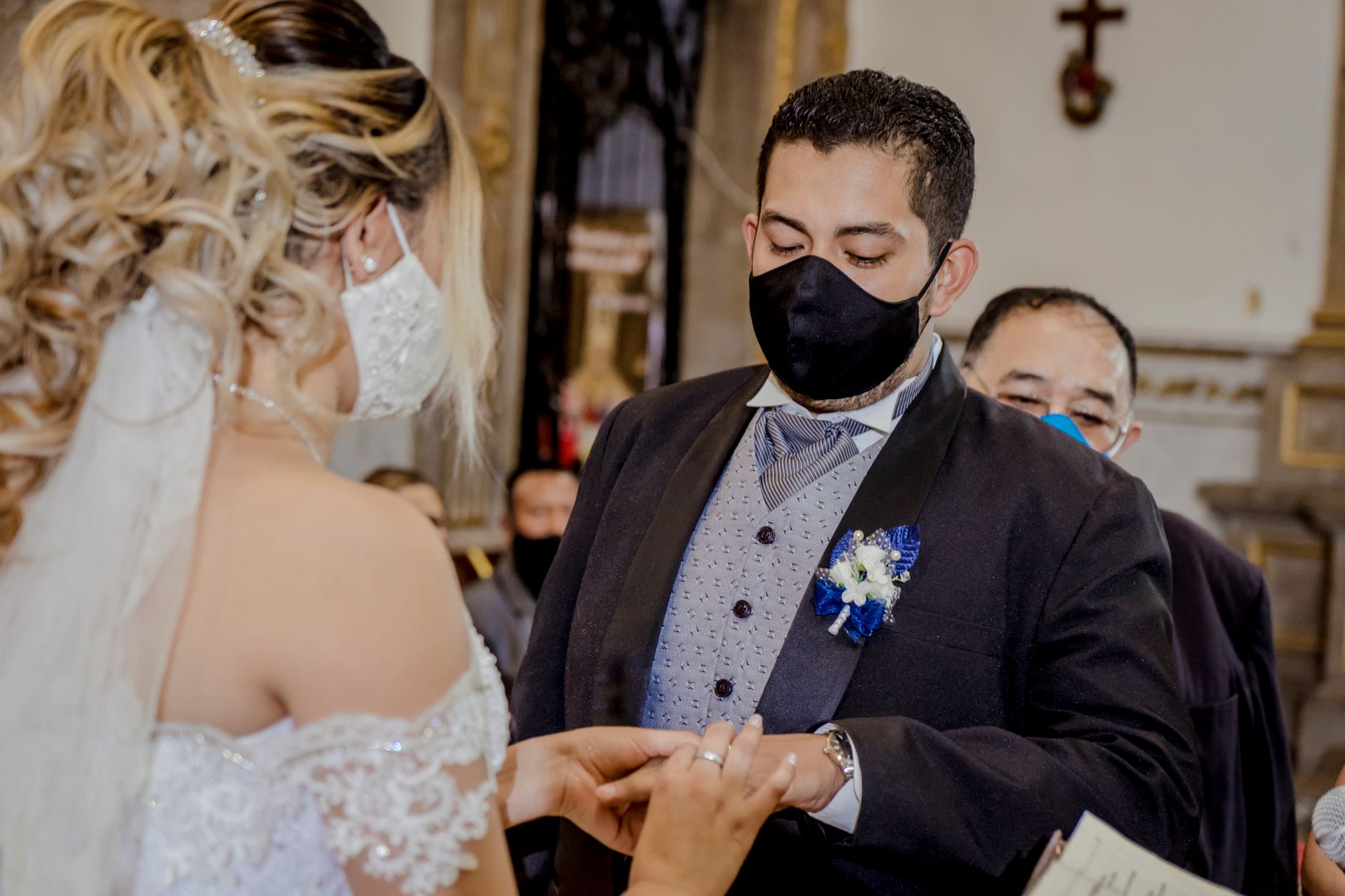 Artificial Flower Boutonnieres
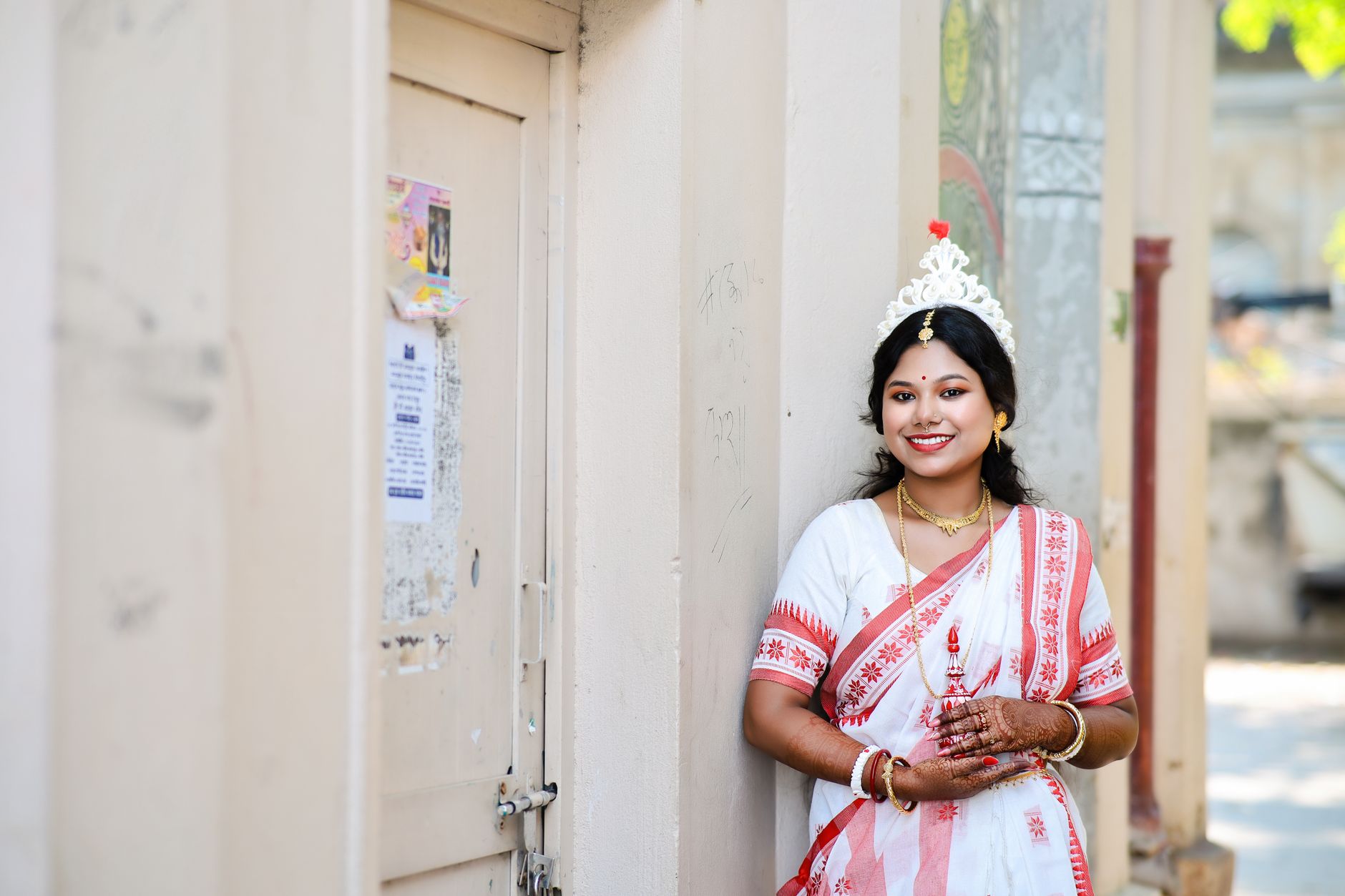 Artisan Return Gifts
 Attar Gift Sets
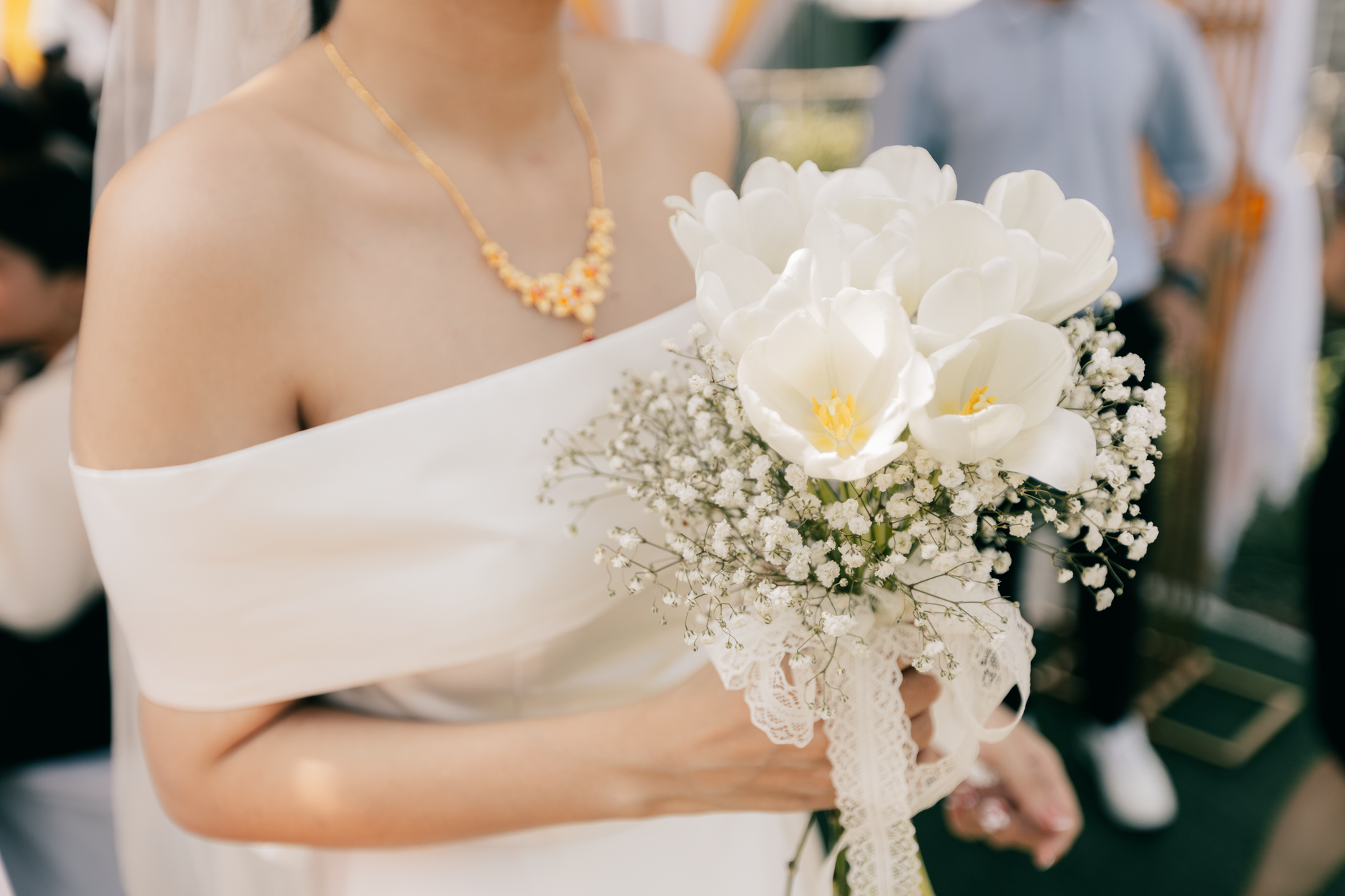 Baby’s Breath Varmala
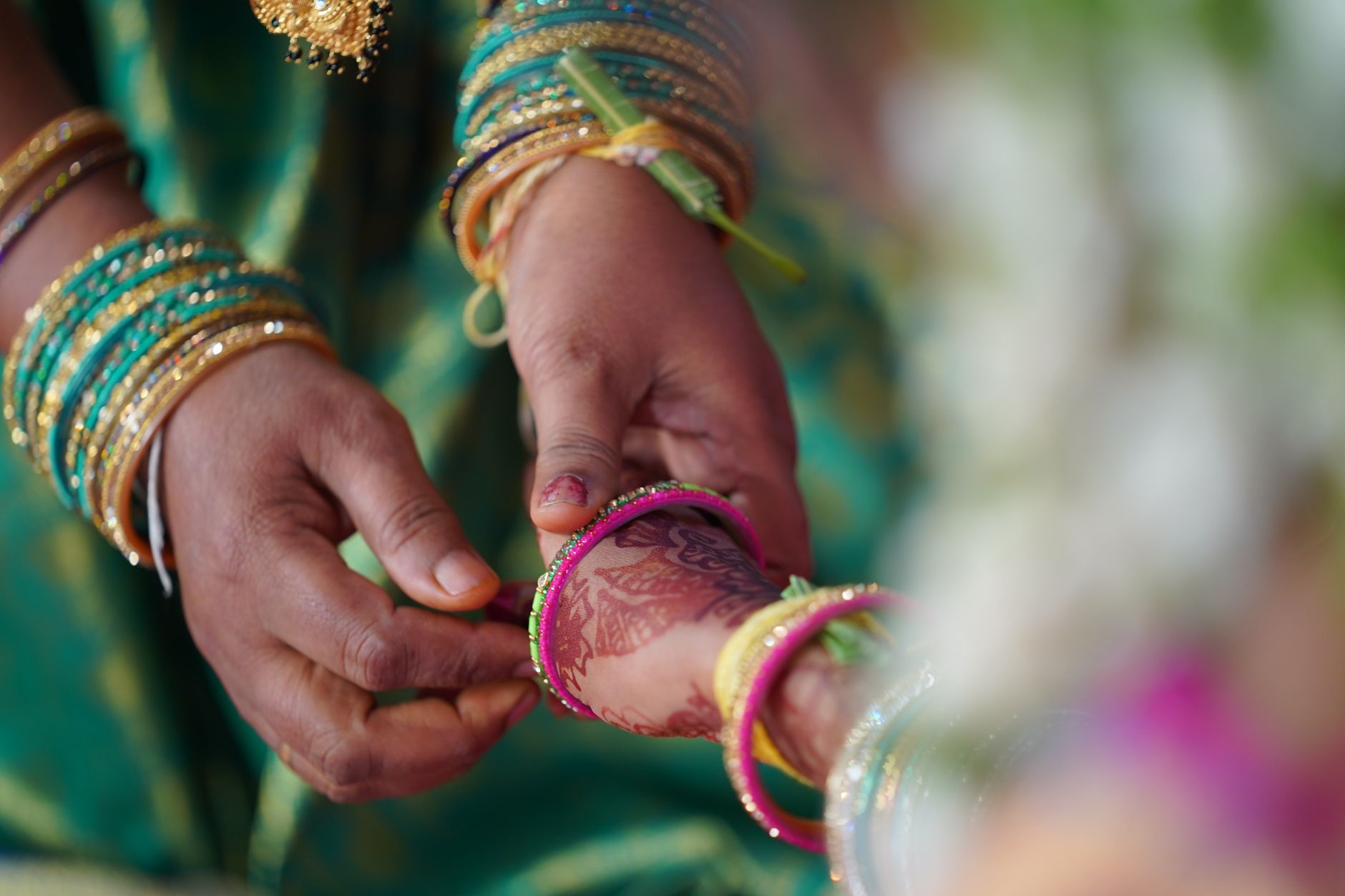 Brahmin Mangalyam Ceremony Articles
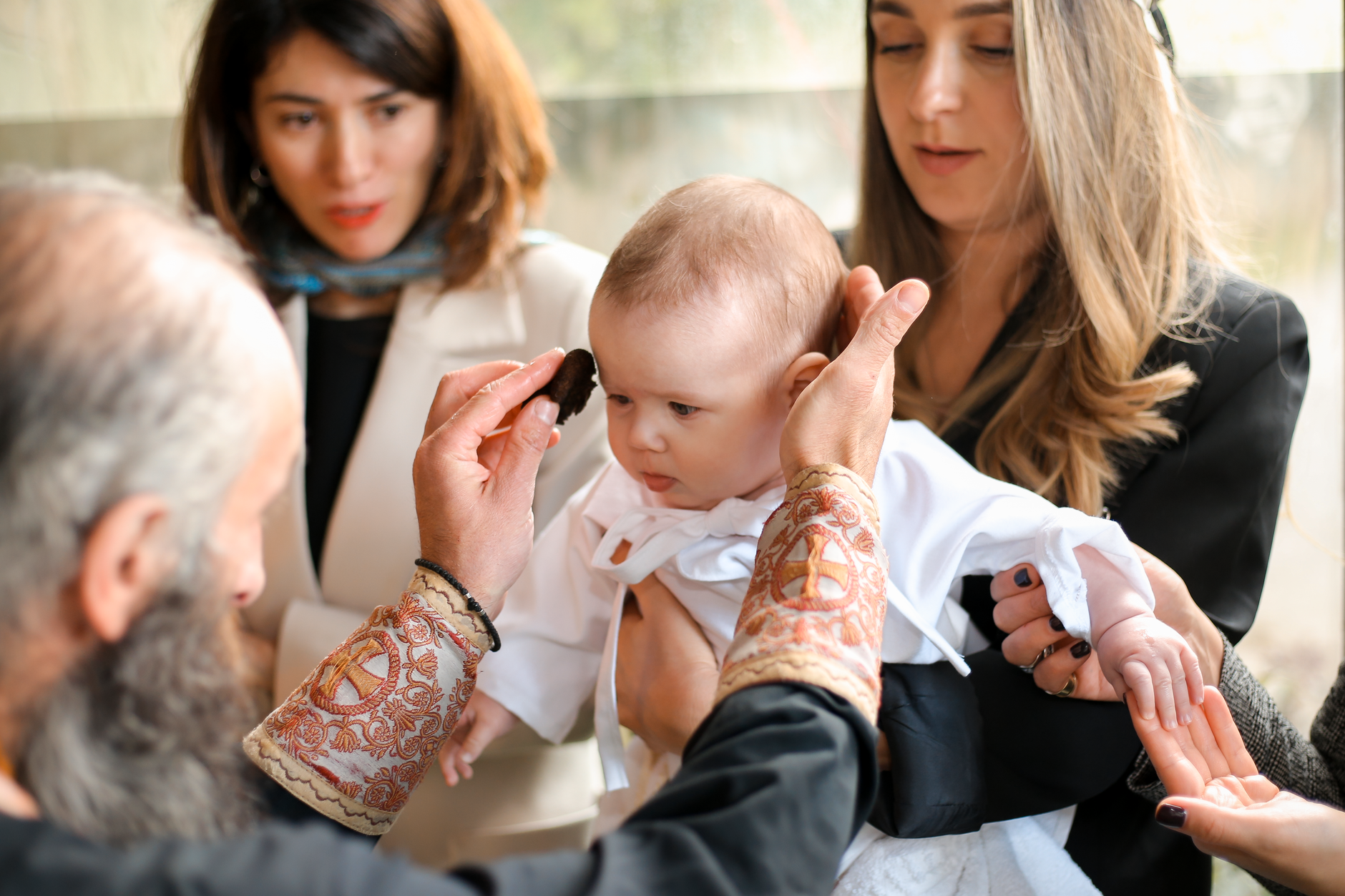 Christening Cakes
 Christian Ring Pillow
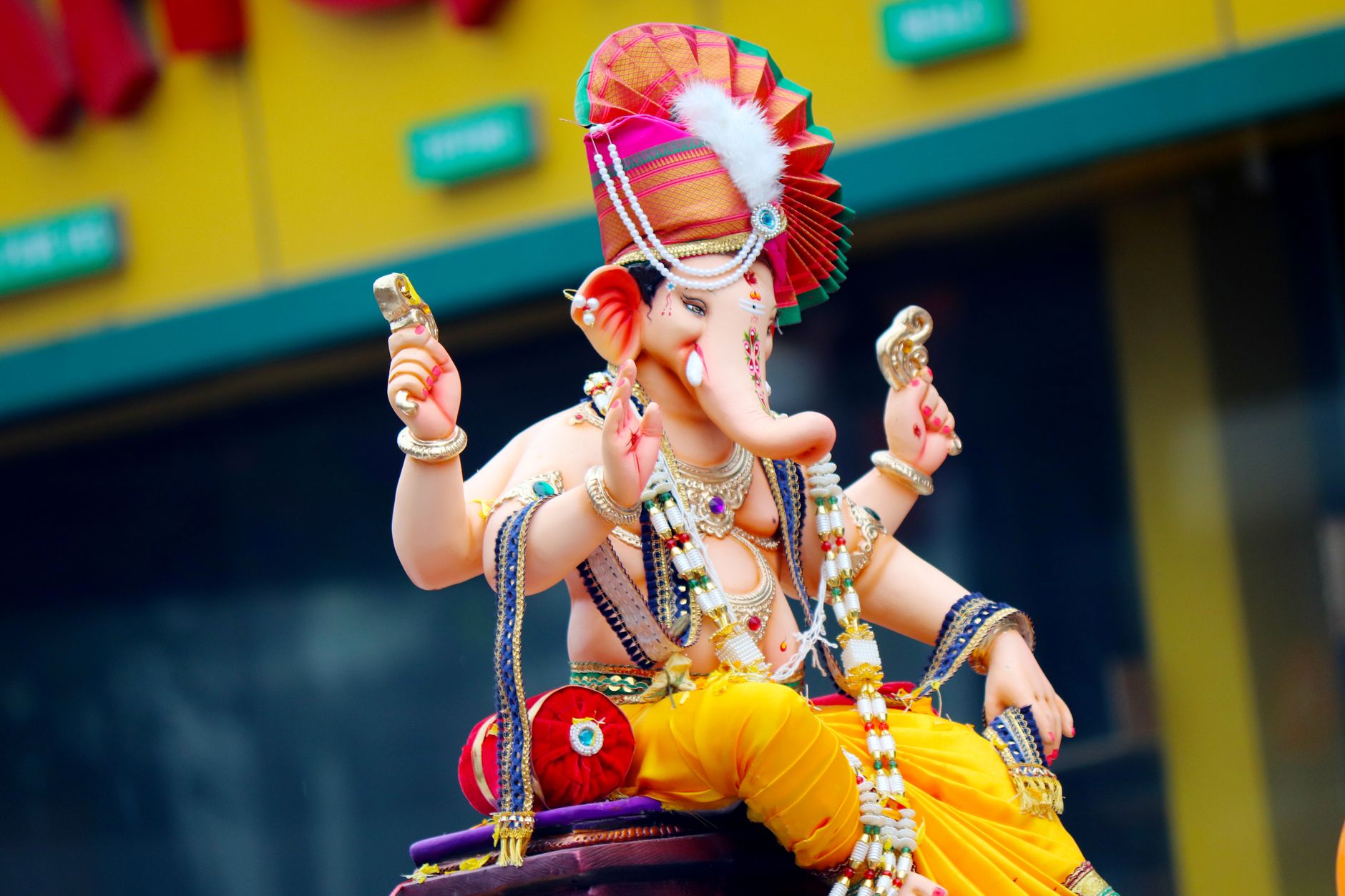 Ganesh Bhajan Group
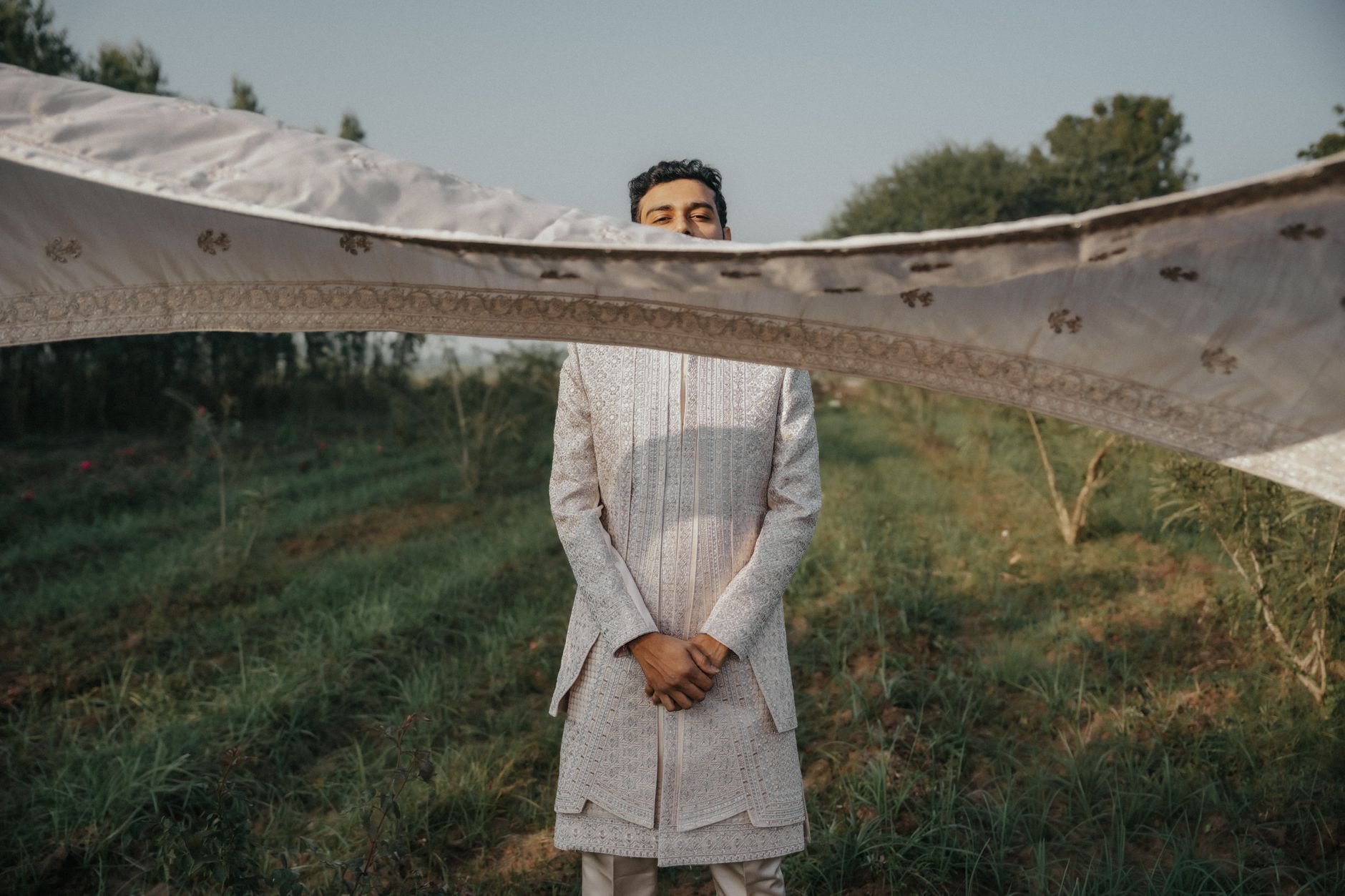 Gujarati Jaan Ritual Supplies
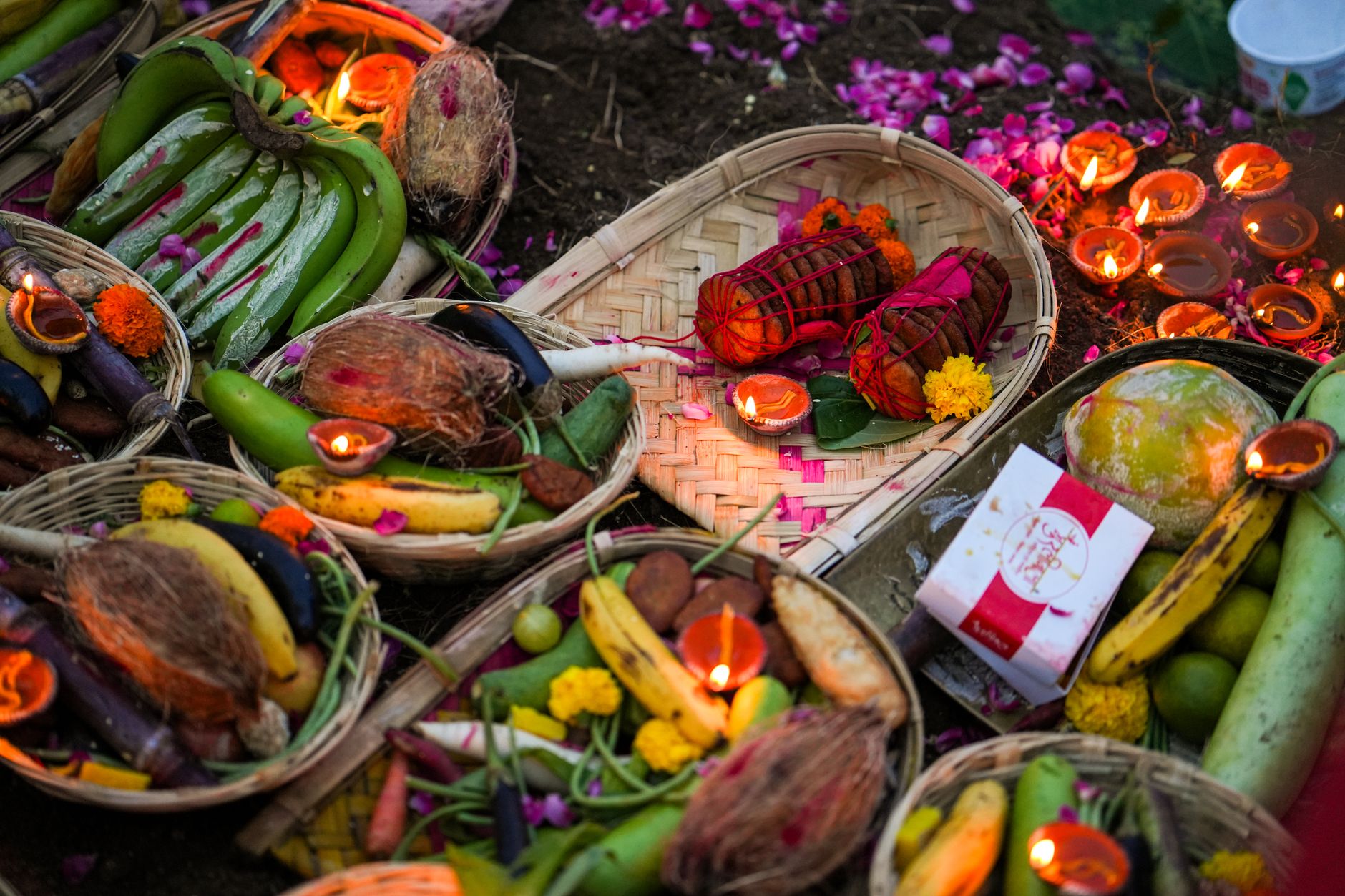 Hindu Ritual Streaming
 Imported Champagne
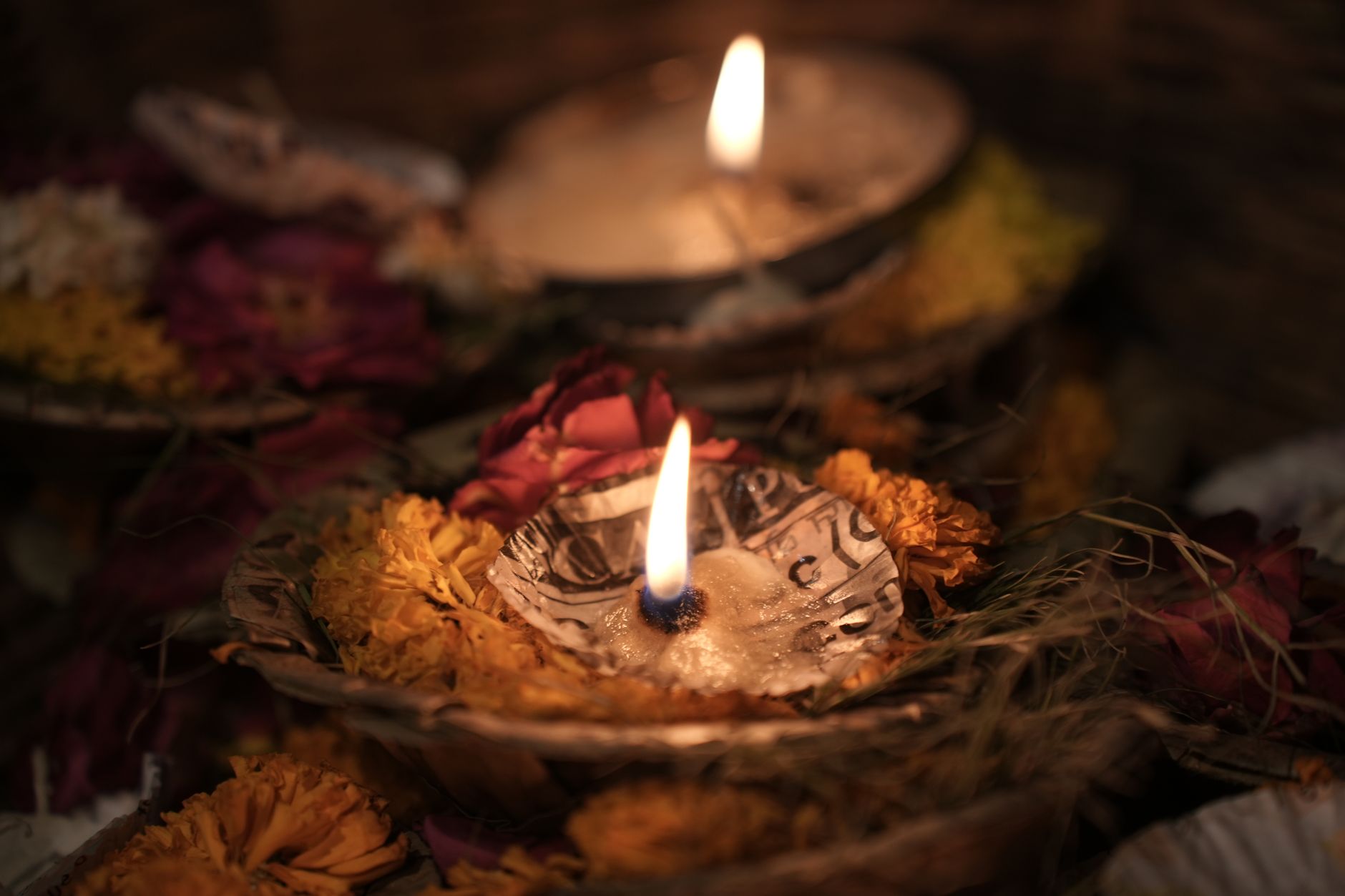 Jain Diya Ceremony Supplies
 Jasmine Bouquets
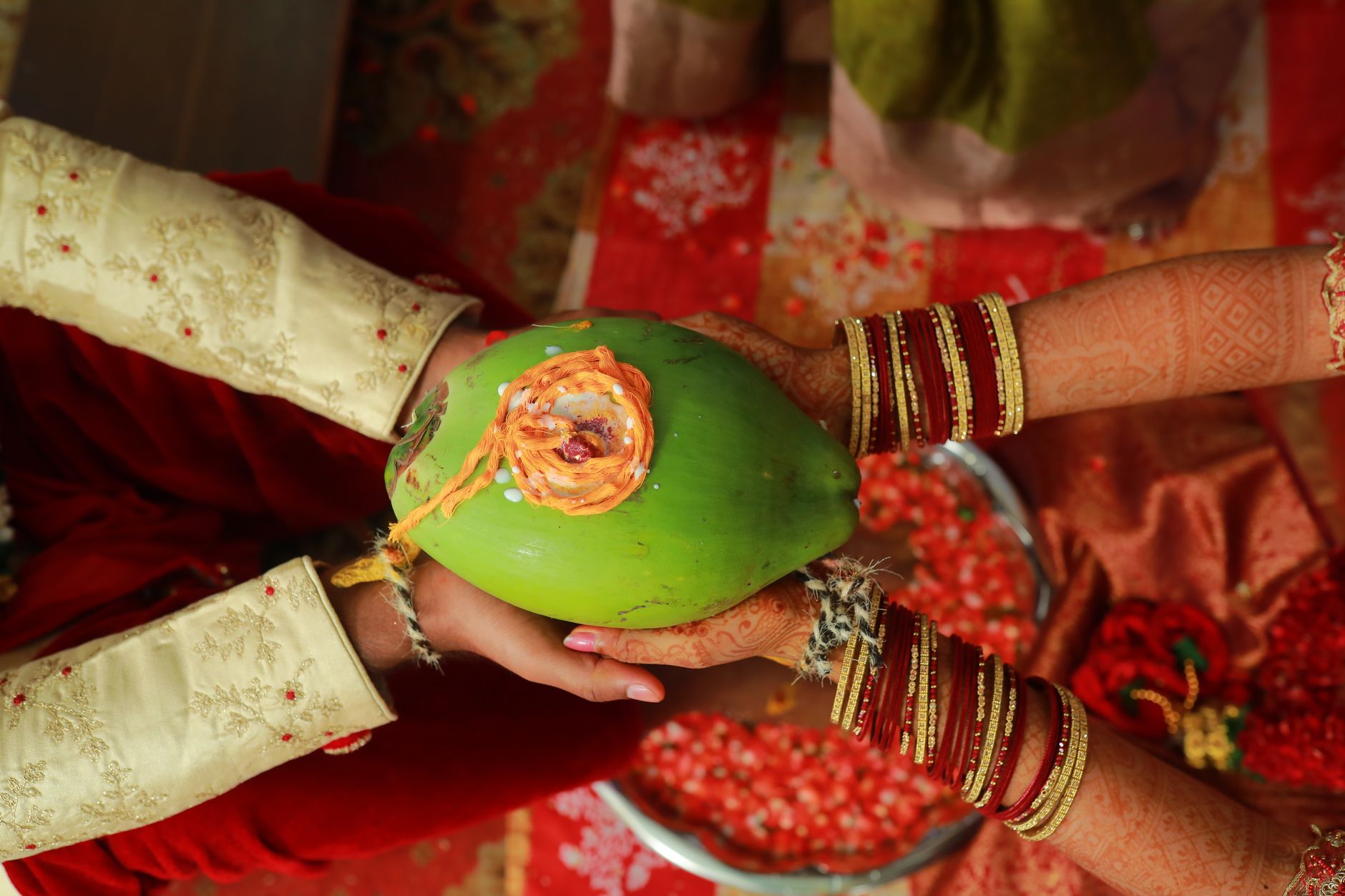 Kannada Saptapadi Supplies
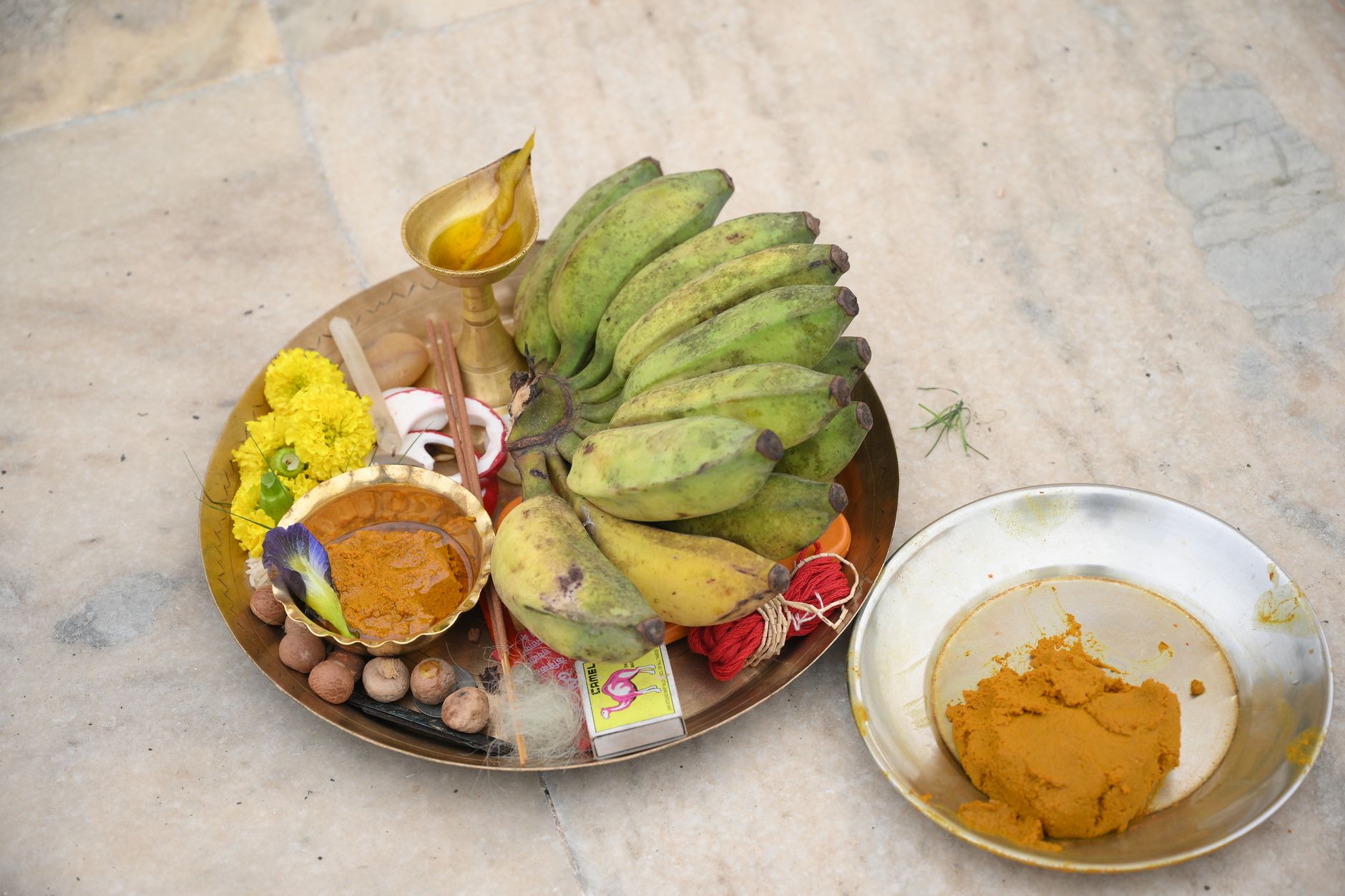 Kerala Ritual Plate Sets
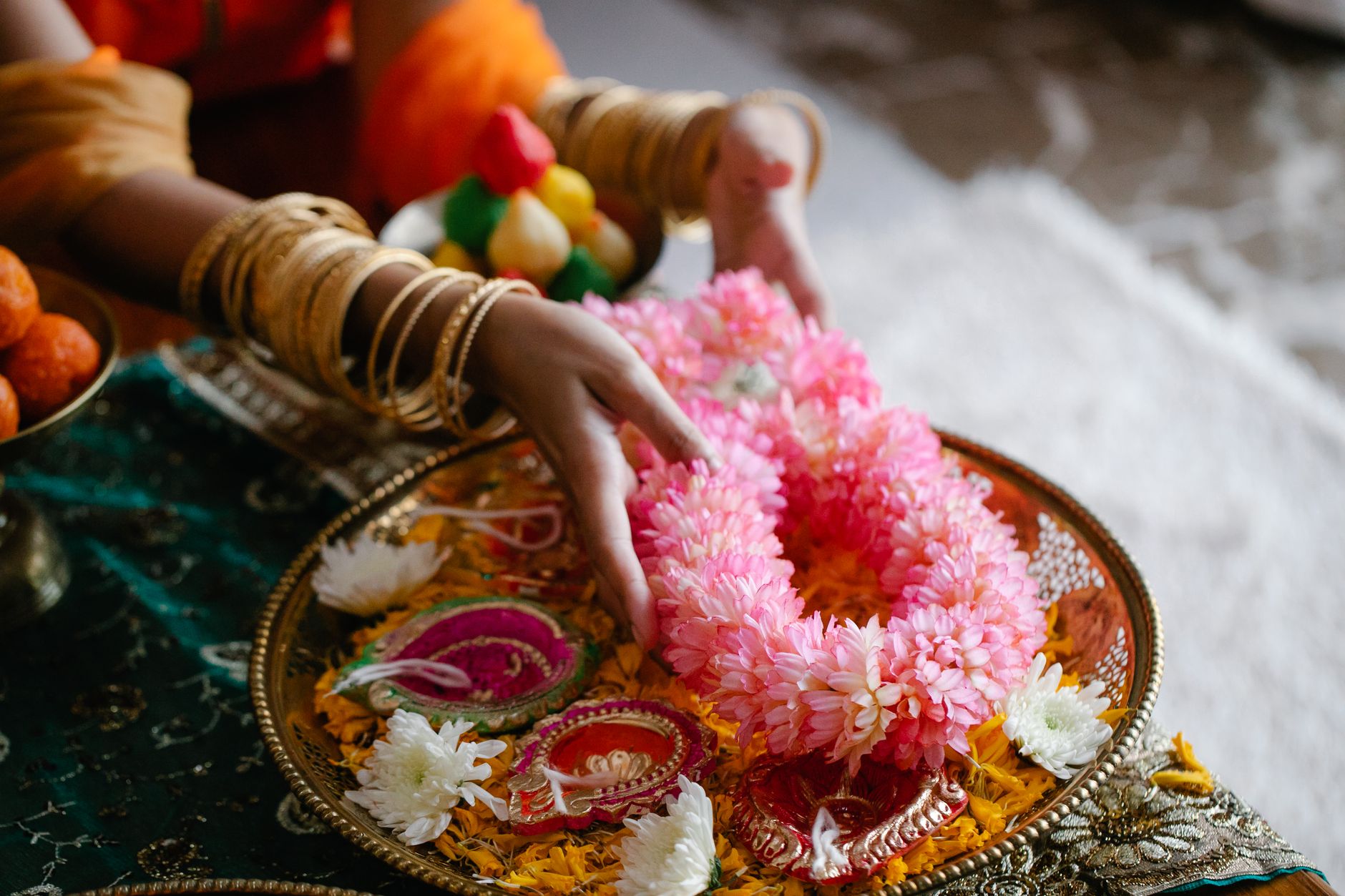 Lace Flower Baskets
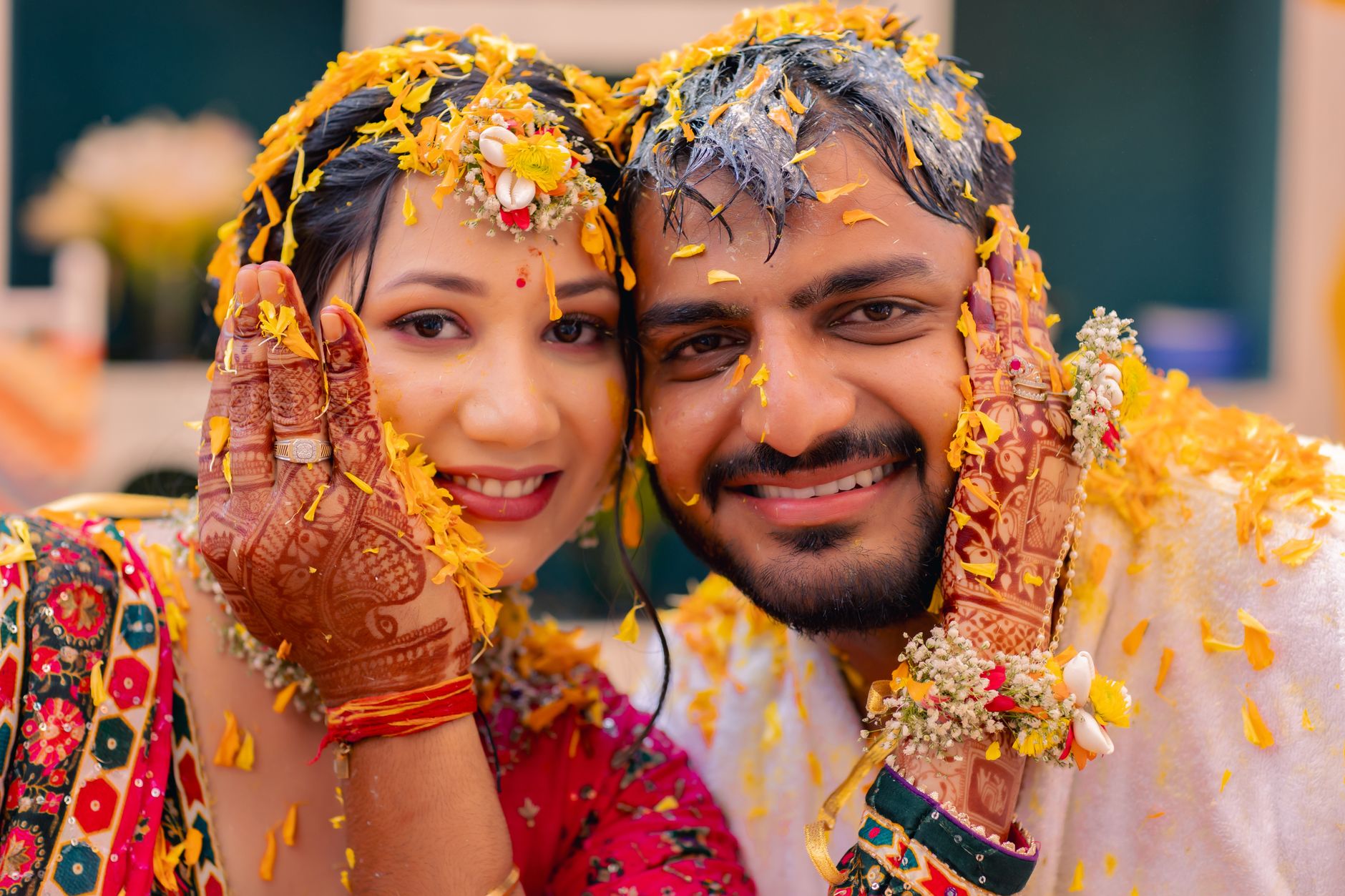 Marwari Marriage Pandit
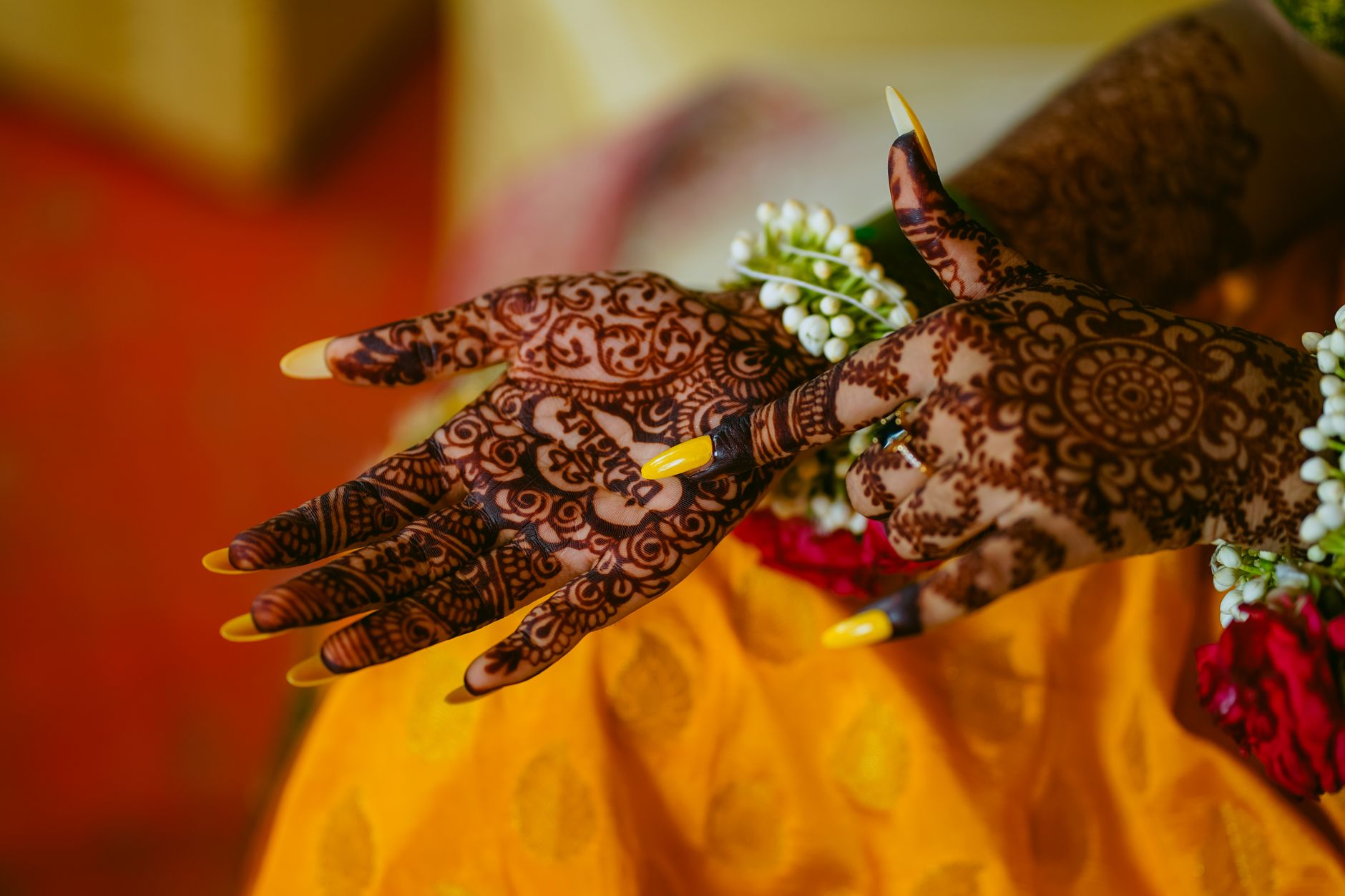 Marwari Mehndi Ritual Supplies
 Nakshatra Matching Service
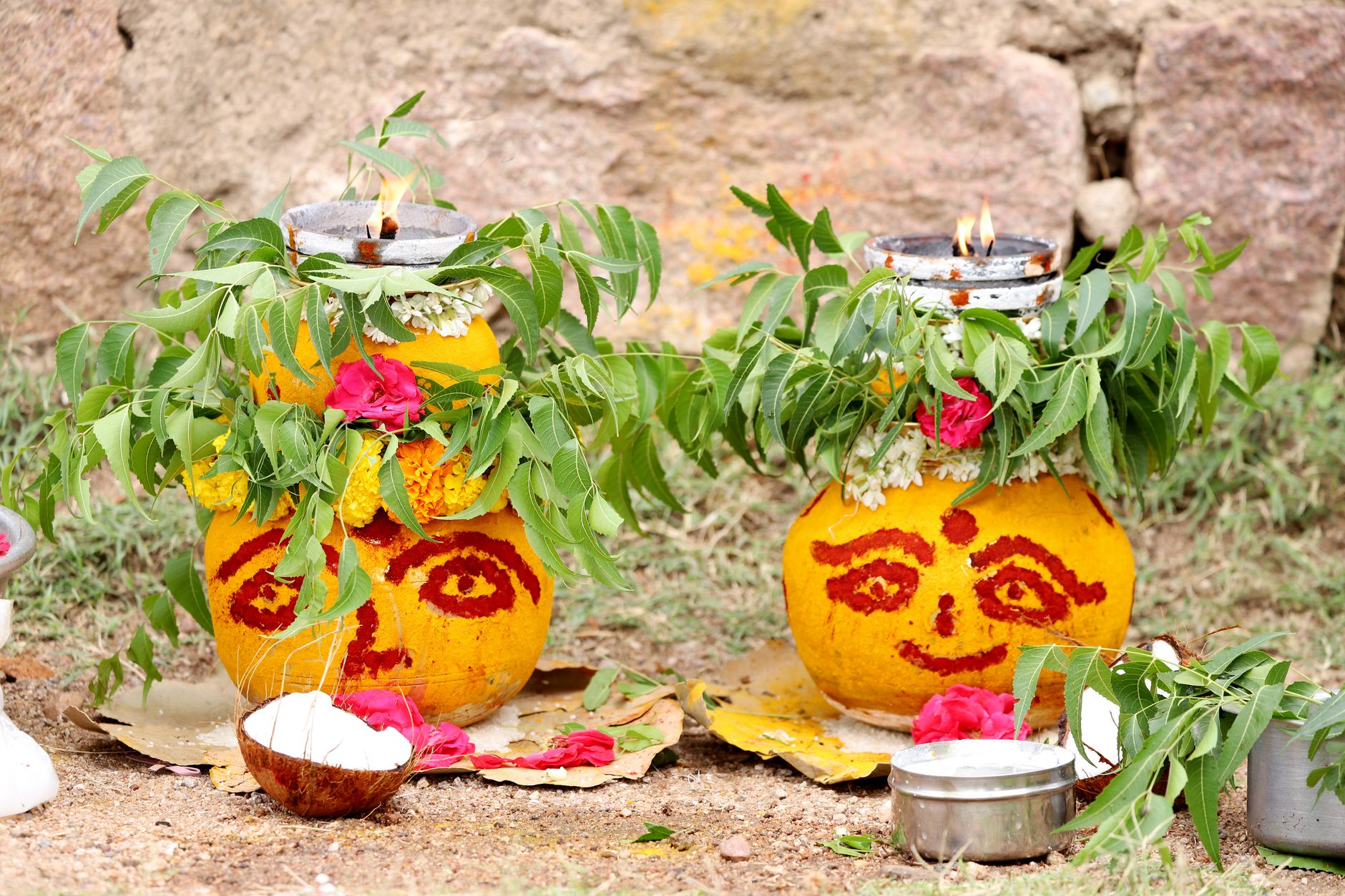 Navagraha Pooja Kit
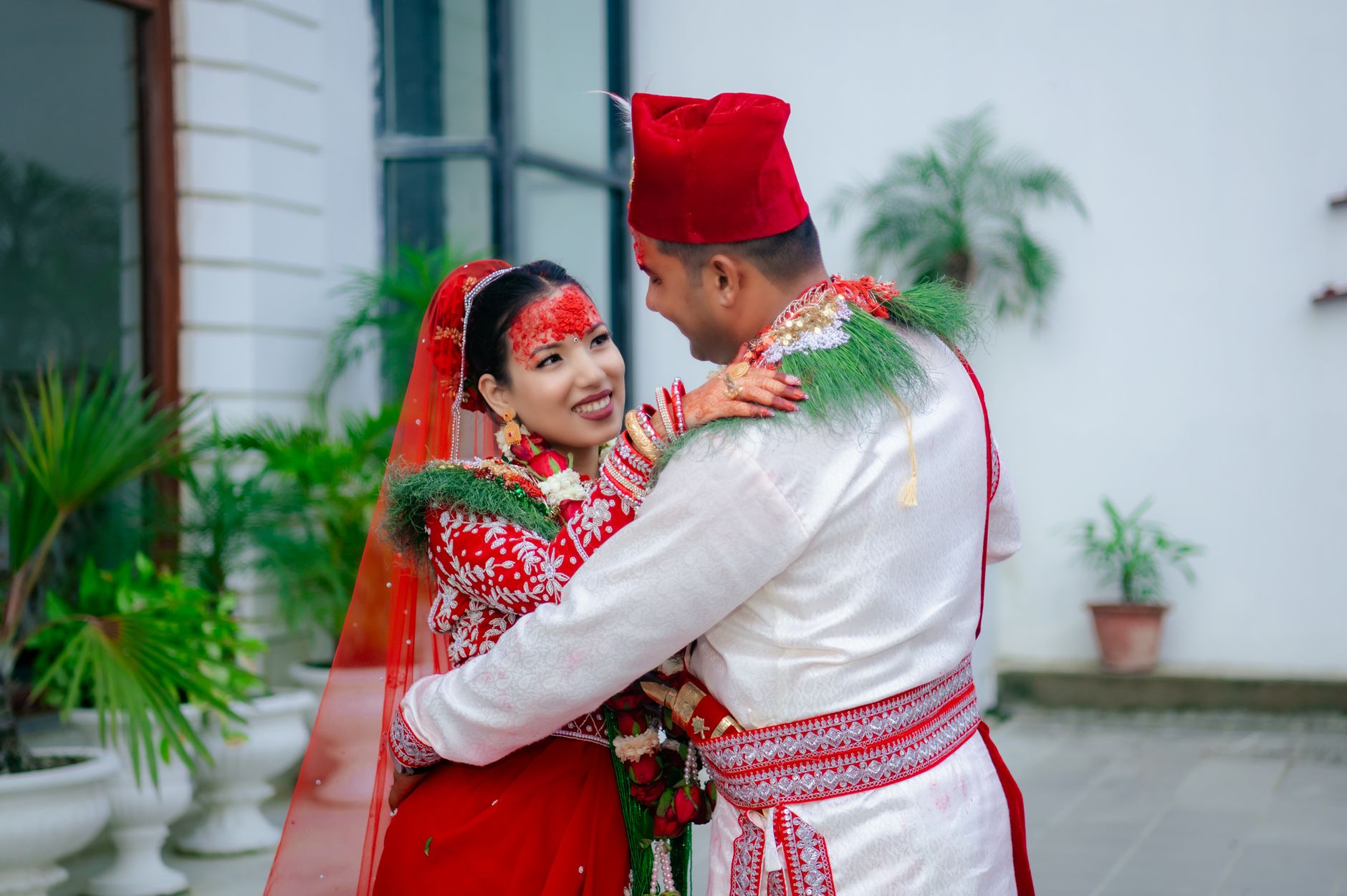 Secular Marriage Celebrant
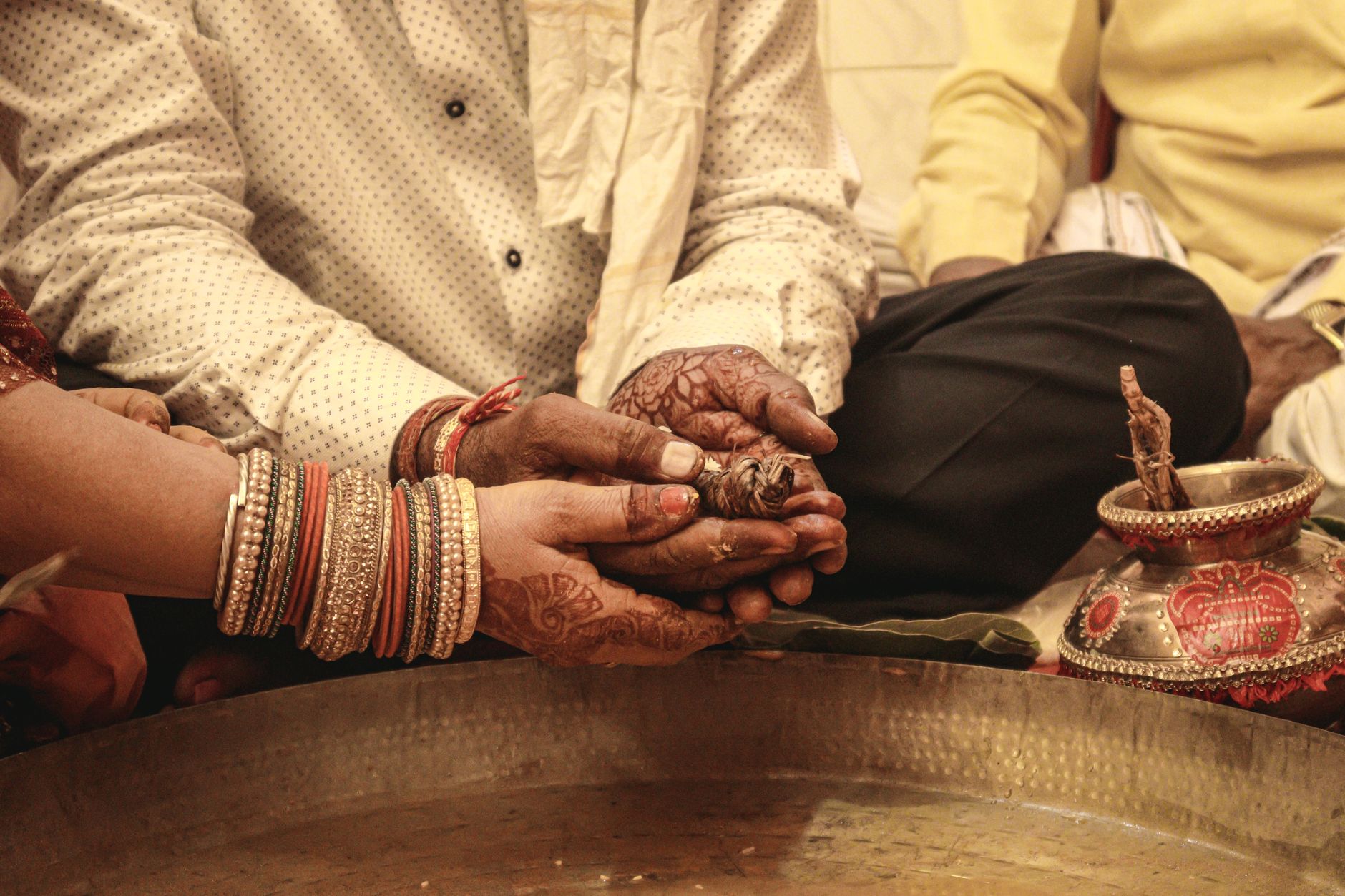 Tamil Marriage Priest Supplies
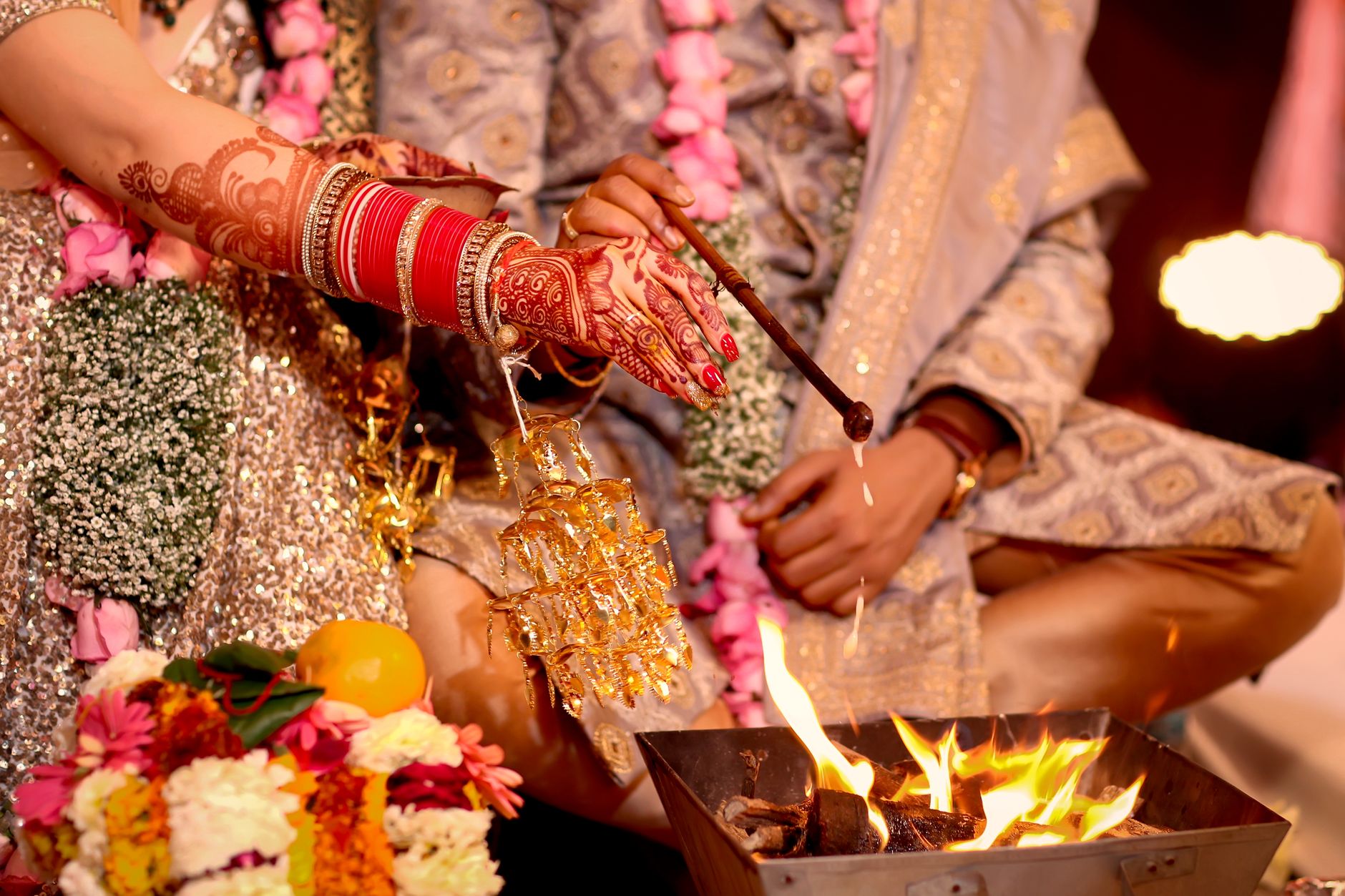 Telugu Sapthapadi Ritual Supplies
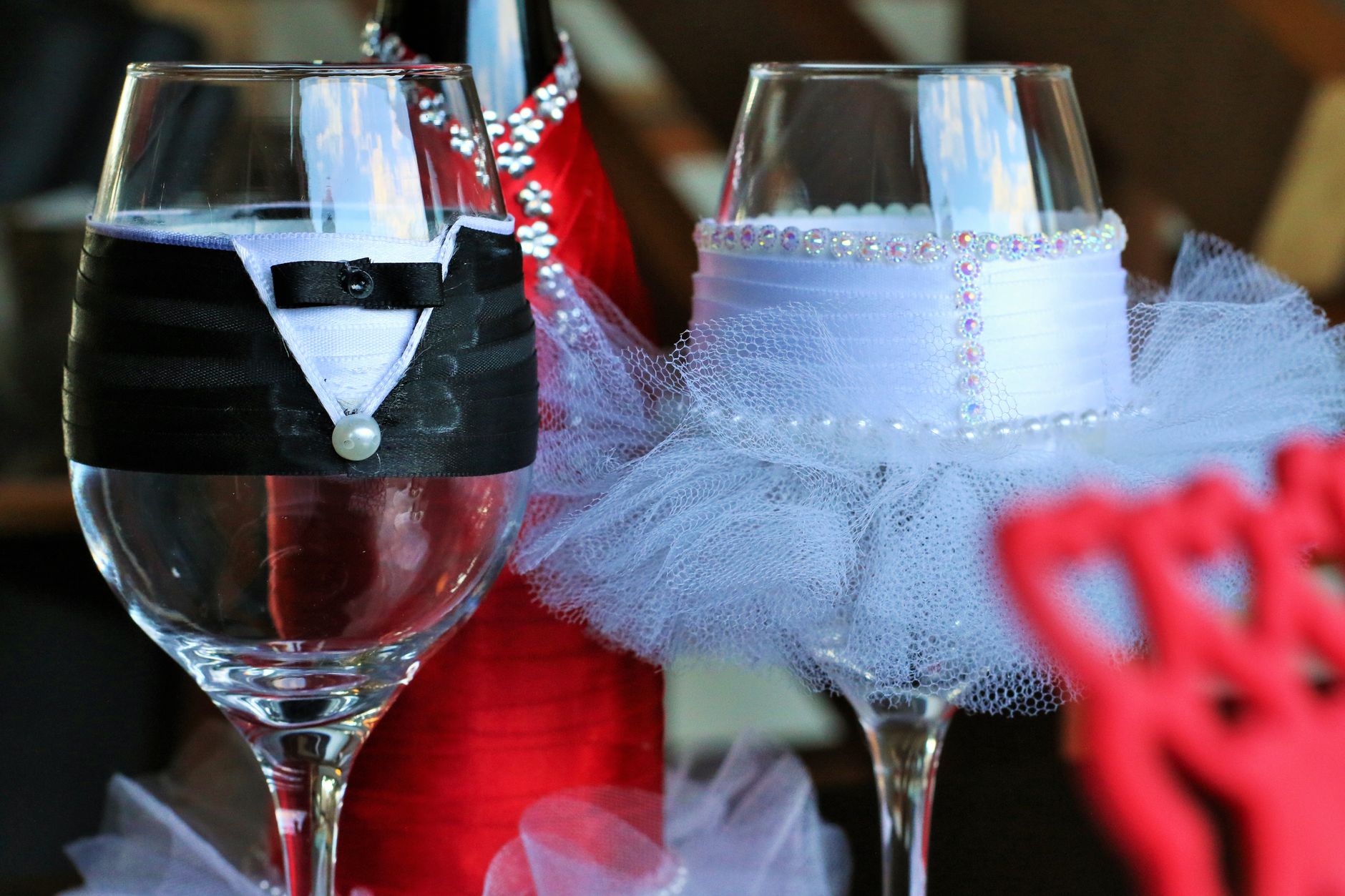 Tulle Car Decor
 Velvet Ring Platters
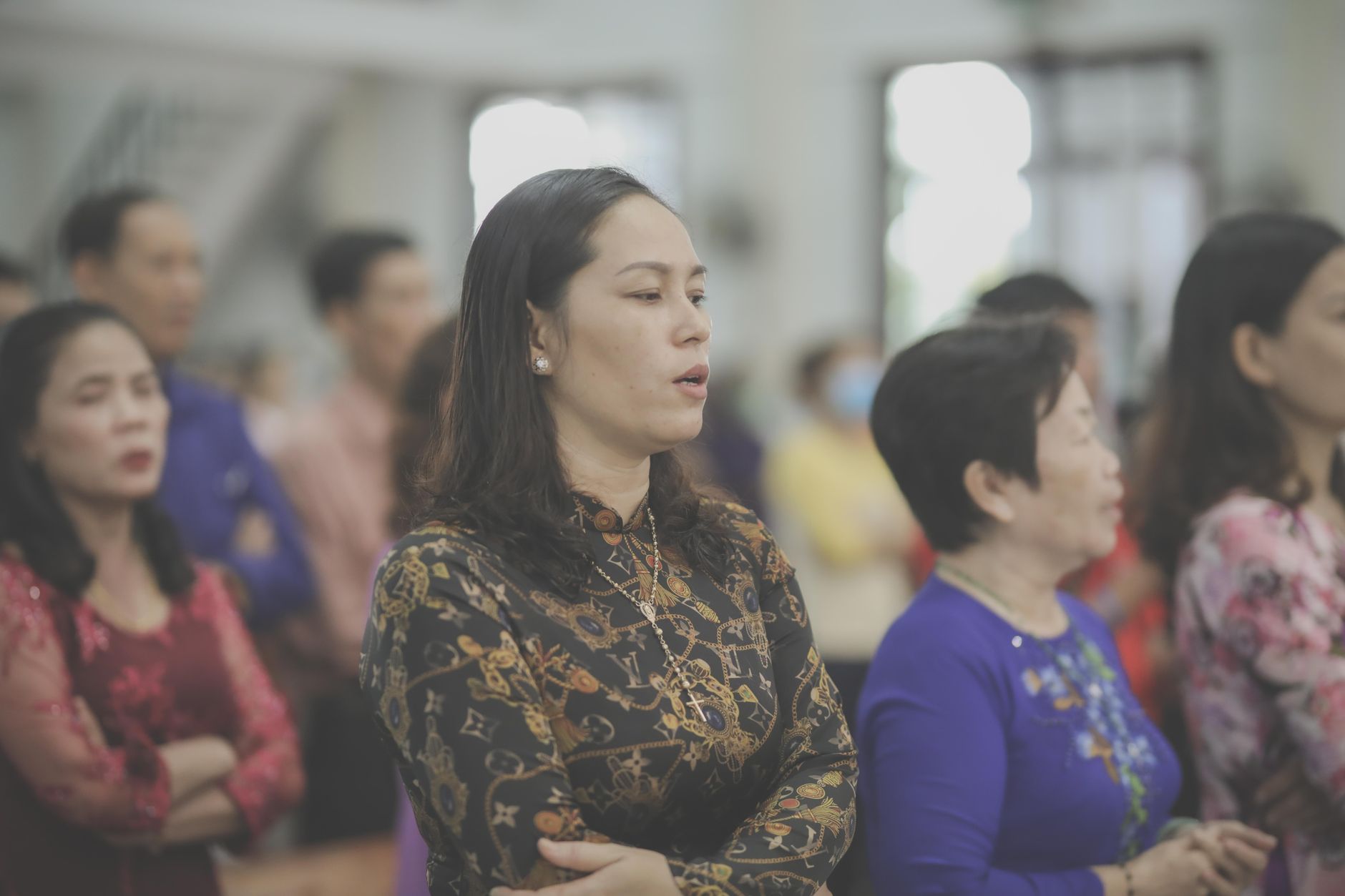 Vocal Harmony Group
- 400+Curated Events
- 6Event Universes
- 1000+Verified Vendors
- 70+Locations
- 24/7Customer Support


Not sure which packages fits your celebration?
Let Hiya & Hanu help you find the perfect match!
Explore Celebration Packages- AI-Powered MatchingSmart suggestions for you
- Budget OptimizerGet the best experiences in your budget
- End-to-End SupportWe are with you at every step
Serving Celebrations across 75+ locations in India
Best Sacred Ceremony Services for Meaningful Spiritual Family Celebrations
◆Sacred ceremonies often hold a special place in family life, bringing people together through faith, tradition, culture and shared values. From religious gatherings and traditional rituals to family spiritual occasions, these events deserve careful planning that respects their meaning while creating a comfortable experience for everyone attending.
Best sacred ceremony services can help families organise the different elements required for a meaningful occasion. Venue selection, ceremonial arrangements, decoration, specialist support, catering, photography and guest coordination can all contribute to the success of the event.
A well-planned sacred ceremony does not have to be overly elaborate. The focus should remain on the purpose of the gathering, the traditions being followed and the people taking part. Thoughtful organisation can ensure that practical details support rather than distract from the significance of the ceremony.
Understanding Sacred Ceremony Planning
Sacred ceremony planning begins by understanding why the event is being held and which traditions or practices are important to the family. Different occasions may have very different requirements, so planning should always be tailored to the specific ceremony.
A religious ceremony may require a priest, officiant or other specialist. A traditional family gathering may involve particular rituals, flowers, ceremonial items or food. A spiritual celebration may focus on creating a peaceful environment where guests can participate comfortably.
Meaningful spiritual event planning brings these considerations together into one organised approach. It allows families to establish priorities before choosing individual suppliers or services.
Starting early is particularly helpful when the ceremony involves a large guest list or multiple service providers. Early planning provides time to compare venues, discuss ceremonial requirements and make adjustments before the event date.
Choosing the Right Sacred Ceremony
The type of ceremony should reflect the purpose of the gathering and the traditions of the family. Some occasions may follow established religious practices, while others may combine cultural customs with a more contemporary celebration format.
Families should discuss important requirements with the people who will participate in the ceremony. This can help clarify the sequence of rituals, necessary items, appropriate timings and any specialist support required.
Best sacred ceremony services should always be selected according to the occasion rather than simply choosing the largest or most elaborate package. Relevance, reliability and respect for the ceremony are more important than unnecessary additions.
Selecting a Suitable Venue
The venue provides the foundation for the entire ceremony. It should have enough space for guests while also accommodating the specific requirements of the sacred occasion.
Sacred event venues can include temples, religious centres, community halls, hotels, dedicated function spaces and suitable private properties, depending on the nature of the ceremony.
When comparing venues, consider accessibility, seating, parking, ventilation, lighting, washroom facilities and areas for ceremonial preparation. If catering, photography or entertainment is planned afterwards, the venue should also support those activities.
Ceremony venue selection should ideally be based on both practical suitability and the atmosphere of the location. A peaceful, accessible and well-maintained environment can contribute significantly to the experience.
Respecting Religious and Cultural Traditions
Traditions are often the most meaningful part of a sacred ceremony. Families may have customs that have been followed for generations, making it important to understand and respect them throughout the planning process.
Religious ceremony services may include specialist practitioners who can advise on the appropriate format, timings and ceremonial requirements. Families should communicate with them early rather than leaving important decisions until the final stages.
Cultural ceremony services can also be useful when a celebration includes traditional practices, music, clothing, food or symbolic elements.
The objective should be to preserve the meaning of the tradition while ensuring that guests can participate comfortably. Clear planning can help different generations understand the schedule and know what to expect.
Creating Appropriate Sacred Decorations
Decoration should complement the atmosphere of the ceremony rather than overpower it. Flowers, lighting, fabrics, traditional symbols and carefully selected colours can create an appropriate setting.
Sacred ceremony decorations can be designed around the customs of the occasion. Traditional floral arrangements may work well for one ceremony, while another may benefit from a simpler and more understated approach.
Traditional event décor can also be used to create a visual connection between the ceremony area, entrance and guest spaces. Consistency in colours and materials can make the overall setting feel considered.
Good decoration planning also considers practical matters. Walkways should remain clear, important ceremonial areas should have enough space and decorative elements should not interfere with guests or specialists carrying out the ceremony.
Arranging Specialist Ceremony Support
Some sacred occasions require the involvement of a priest, officiant, spiritual leader or cultural specialist. Choosing the right person is an important part of the planning process.
Priest and officiant services should be arranged according to the specific requirements of the ceremony. Families should confirm availability, timings, location, ceremonial expectations and any items that need to be prepared in advance.
It is also useful to ensure that everyone involved understands the event schedule. This can prevent delays and make it easier for the ceremony to progress smoothly.
Professional ceremony support should always be respectful of the family's traditions and should contribute positively to the experience rather than making the occasion feel unnecessarily complicated.
Planning Catering for Guests
Food and refreshments are an important consideration for many sacred and family gatherings. Catering should reflect the nature of the occasion, the number of guests and any dietary requirements.
Ceremonial catering services may include traditional meals, refreshments, buffet arrangements or seated dining. The choice depends on the venue, duration and style of the celebration.
Families should confirm menu options, serving times and preparation arrangements in advance. If the ceremony itself has specific food-related customs, these should be discussed with the appropriate family members or ceremony specialists.
Well-organised catering can make the transition from ceremony to social gathering more comfortable for guests.
Capturing Meaningful Moments
Sacred ceremonies often create important family memories. Photography can preserve moments that families may want to revisit for years to come.
Sacred event photography should be planned sensitively. Photographers need to understand which parts of the ceremony require discretion and which moments can be photographed more openly.
Before the event, families can identify important group photographs, family members and key ceremonial moments. This helps the photographer create a useful schedule without disrupting the ceremony.
For larger events, photography can also include the venue, decorations, family interactions and informal guest moments, providing a complete record of the occasion.
Considering Entertainment Carefully
Not every sacred ceremony requires entertainment, and the choice should depend on the nature of the event. Where appropriate, families may include traditional music, cultural performances or suitable background arrangements.
The ceremony itself should remain the central focus. Entertainment can be positioned before or after the main ritual so that it supports the wider celebration without interrupting important moments.
Traditional music and culturally appropriate performances can sometimes add warmth to a family gathering while reinforcing the character of the occasion.
Creating a Comfortable Guest Experience
A sacred ceremony can bring together people of different ages and backgrounds. Guest comfort should therefore be considered throughout the planning process.
Seating should be sufficient and appropriately positioned. Older guests may benefit from easier access, while families with young children may appreciate convenient facilities and clear movement between different areas.
Signage, welcome arrangements and clear information about the ceremony schedule can also make guests feel more comfortable.
Meaningful spiritual event planning should consider not only the ceremonial requirements but also how guests experience the occasion from arrival through to departure.
Managing the Event Schedule
A clear schedule helps ensure that all parts of the ceremony happen at the right time. Begin by confirming the main ceremony timing and then plan preparation, guest arrival, photography, catering and any additional activities around it.
Sacred ceremonies may involve several stages, making timing particularly important. Specialists, decorators, caterers and photographers may all require different setup periods.
A detailed event timeline gives each supplier clear information about their responsibilities. It also helps family members understand when they need to be available.
Leaving reasonable time between activities can make the event feel calm rather than rushed.
Coordinating Ceremony Suppliers
Managing several suppliers can become challenging without clear communication. Decoration teams, caterers, photographers and ceremony specialists may all have different requirements.
Best sacred ceremony services should provide an organised approach where the different parts of the event work together.
Supplier details should be confirmed well before the ceremony. This includes arrival times, setup requirements, contact information, venue access and payment arrangements.
Trusted suppliers should also have relevant experience and a clear understanding of the type of ceremony being organised. Checking previous work, discussing expectations and confirming inclusions can help families make informed decisions.
Personalising the Sacred Occasion
Personal details can make a ceremony feel especially meaningful. Families may choose particular flowers, colours, traditional objects, photographs or family arrangements that have personal significance.
Personalised ceremony planning allows these details to become part of the wider event rather than appearing as separate additions.
Personalisation can also involve the guest experience. Special seating for senior family members, a personalised welcome area or carefully selected family photographs can make the occasion feel more connected to the people attending.
The most effective personal details are those that have genuine meaning rather than being included simply for appearance.
Managing the Ceremony Budget
Sacred ceremonies can be organised across a wide range of budgets. A thoughtful celebration does not necessarily require expensive décor or numerous services.
Families should begin by identifying essential requirements. Venue costs, ceremonial support, food and basic arrangements may take priority, while additional services can be considered according to available funds.
Obtaining clear quotations can help avoid unexpected expenses. Families should understand what each supplier includes and whether setup, transport, additional hours or other charges apply.
A realistic budget should also allow some flexibility for last-minute requirements.
Why Professional Planning Helps
Organising a sacred ceremony can involve emotional and practical responsibilities. Family members may want to participate fully in the occasion rather than spending the day coordinating suppliers.
Professional planning support can help manage schedules, venues, decorations, catering, photography and other requirements.
Best sacred ceremony services are most valuable when they simplify the planning process while respecting the meaning of the occasion. The role of professional support should be to create structure and reliability without taking away from the family's traditions.
Creating a Meaningful Sacred Celebration
A successful sacred ceremony combines purpose, tradition and thoughtful organisation. The venue should be suitable, the ceremony should follow the family's requirements and guests should feel comfortable throughout the occasion.
Sacred celebration planning becomes easier when each decision is connected to the overall purpose of the event. Instead of choosing services individually, families can consider how every element contributes to the atmosphere and experience.
At Happiffie, families can explore event-related services and planning options for meaningful gatherings. From venue arrangements and decoration to catering, photography and specialist ceremony support, the right combination of services can help create a celebration that feels organised and personal.
Plan Your Sacred Ceremony With Confidence
Planning a sacred occasion requires sensitivity as well as practical organisation. Start by identifying the ceremony's purpose, important traditions and essential requirements. Then select a suitable venue and arrange specialist support before building the remaining event details around the main ceremony.
Best sacred ceremony services can help families bring together the practical and meaningful aspects of an important gathering. With a clear schedule, suitable suppliers and thoughtful attention to guest needs, the event can remain respectful while also providing a warm and memorable experience.
Whether you are arranging a religious function, traditional family ritual, cultural gathering or spiritual celebration, careful preparation can make every stage easier to manage. A well-coordinated ceremony gives families more opportunity to focus on the occasion itself and the people who make it meaningful.
FAQs
1. What are best sacred ceremony services?
Best sacred ceremony services combine planning, venue arrangements, ceremonial support, decoration, catering, photography and other suitable services to create a well-organised sacred occasion.
2. What is included in sacred ceremony planning?
Sacred ceremony planning may include venue selection, ceremony scheduling, religious or cultural support, decoration, catering, photography, guest arrangements and supplier coordination.
3. How do I choose a suitable sacred ceremony venue?
Consider the type of ceremony, guest numbers, accessibility, seating, facilities, parking, atmosphere and whether the location can accommodate any specific ceremonial requirements.
4. Can religious traditions be included in the event planning?
Yes. Religious traditions can be incorporated through suitable ceremonial specialists, appropriate timings, traditional arrangements and respectful venue planning.
5. Can a sacred ceremony include cultural traditions?
Yes. Cultural traditions, traditional décor, music, food and rituals can be incorporated when they are appropriate to the family and the purpose of the ceremony.
6. How important is decoration for a sacred ceremony?
Decoration can help establish an appropriate atmosphere, but it should complement rather than distract from the ceremony. Flowers, lighting, colours and traditional elements can be selected thoughtfully.
7. Should I hire a photographer for a sacred ceremony?
Photography can be valuable for preserving family memories. The photographer should understand the ceremony schedule and respect any moments where photography needs to remain discreet.
8. How can I organise catering for a sacred occasion?
Consider the guest count, ceremony duration, dietary requirements, traditional food preferences and venue facilities before selecting a catering provider.
9. How can I keep sacred ceremony planning within budget?
Prioritise essential ceremony requirements, compare supplier quotations, understand package inclusions and allocate additional spending only to services that genuinely benefit the occasion.