
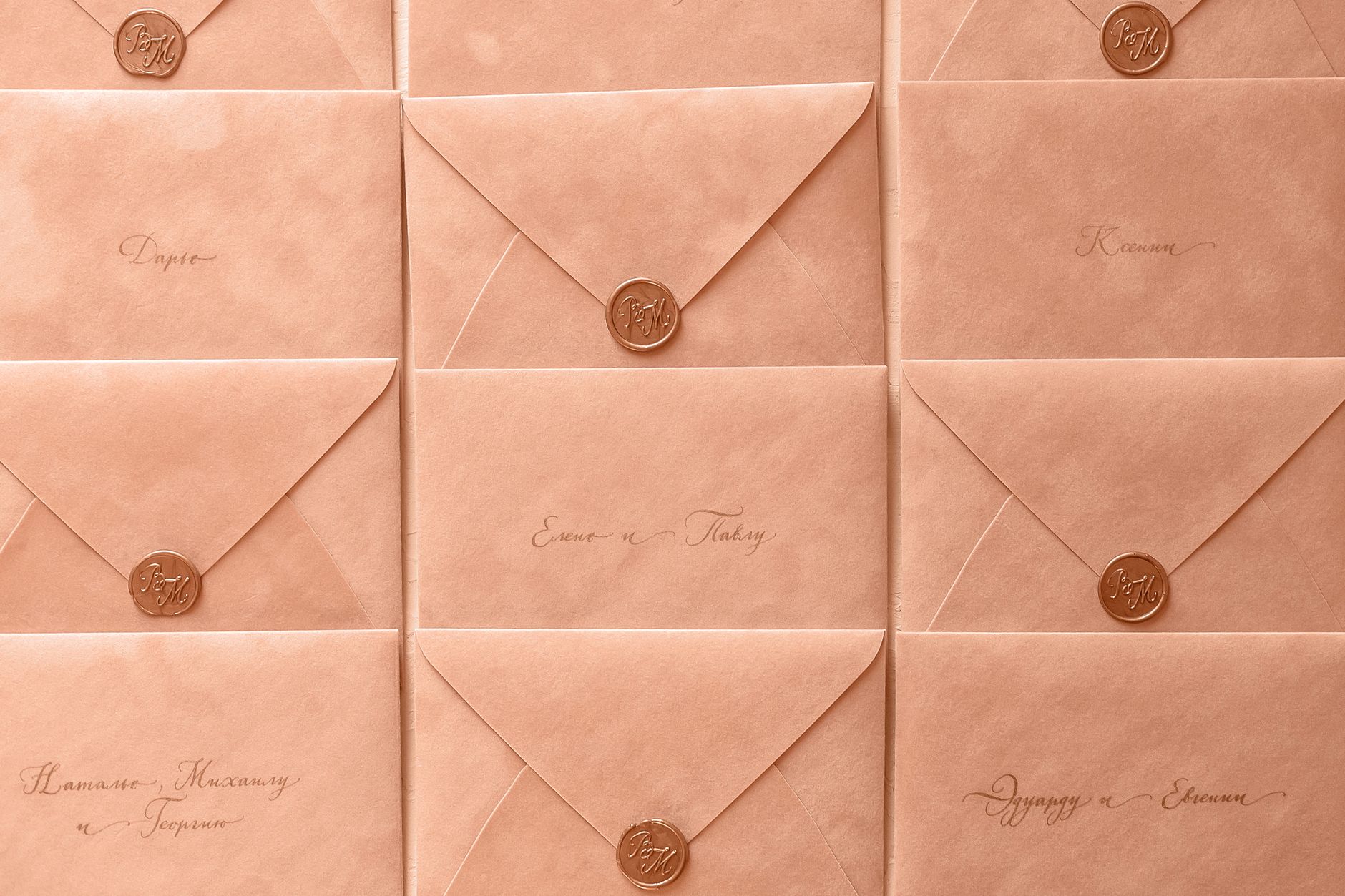
Cotton Paper Invitations for Guwahati Weddings
Invitation & Stationery in Guwahati
Cotton Paper Invitations in Guwahati: A Complete Guide
Cotton Paper Invitations have become the statement choice for Guwahati couples who want their wedding stationery to feel as memorable as the celebration itself. Made from 100% cotton fibre — not wood pulp — these cards carry a soft, weighty texture that digital prints and ordinary cardstock simply cannot replicate. Whether you are planning a grand Bihu-season wedding at a riverside banquet hall in Dispur or an intimate mekhela-chador ceremony in a Jalukbari heritage home, handmade wedding cards on cotton stock set the perfect first impression. Paired with thoughtful wedding stationery Guwahati vendors now offer — from foil-stamped inserts to hand-tied dhoti folds — cotton invitations signal elegance, intention, and a genuine respect for sustainable wedding decor values.
Quick Answer
Cotton Paper Invitations are wedding and event cards made from 100% cotton fibre, giving them a soft, thick, and naturally textured feel. Unlike standard paper, cotton stock does not yellow over time and accepts letterpress, foil, and watercolour printing beautifully. In Guwahati, they typically cost between ₹80 and ₹350 per card depending on printing technique, customisation, and order quantity, making them a premium yet accessible choice for couples prioritising quality and eco-conscious gifting.
What Makes Cotton Paper Invitations Different from Regular Wedding Cards?
Cotton Paper Invitations are produced from cotton linters — the short fibres left after ginning — rather than the wood-pulp cellulose used in standard printing paper. This difference in raw material produces a card that feels substantially heavier, softer, and more durable. When a guest in Guwahati receives a cotton-stock card, the tactile experience alone communicates thoughtfulness before they even read the text. Regular cardstock tends to feel uniform and machine-made; cotton paper has a natural variation in surface texture that makes each sheet subtly unique. Deckle edge invitation cards, where the borders are left deliberately rough and uncut, are among the most popular formats in this category — they enhance the handcrafted feel and pair beautifully with watercolour motifs drawn from Assamese flora. Cotton paper also resists yellowing for decades, which is why many couples keep their wedding invitations as keepsakes long after the celebrations end. From a printing perspective, cotton stock absorbs letterpress and engraving inks with exceptional depth, producing text that stands slightly raised and invites guests to run their fingers across the wording. This multi-sensory quality is impossible to replicate with coated or glossy cardstock.
Style Options and Printing Techniques Available in Guwahati
The wedding stationery Guwahati market has expanded considerably, and cotton-stock options now cover a wide range of aesthetics. Couples can choose from letterpress, foil stamping, digital offset, screen printing, and hand-painted watercolour finishes. Letterpress presses the design into the cotton fibre, creating a tactile impression that catches light differently from every angle — ideal for classic and minimalist aesthetics. Foil stamping in gold, rose-gold, or silver sits beautifully on the natural off-white tone of cotton paper, making it the preferred choice for Assamese wedding traditions that value grandeur. Eco-friendly invitation cards go one step further by using soy-based or vegetable inks and avoiding lamination, keeping the card fully biodegradable. Textured paper wedding invites in a gatefold or trifold format work well for large Guwahati celebrations where the suite must include venue maps, accommodation details, and multiple event schedules. Handmade wedding cards can also incorporate embedded seeds — wildflower or tulsi — into the paper itself, so guests can plant the invitation after the wedding. This seed-paper variant is an emerging trend among sustainability-conscious couples who want their luxury wedding planning choices to reflect broader environmental values.
How Much Do Cotton Paper Invitations Cost in Guwahati?
Pricing for Cotton Paper Invitations in Guwahati depends on four main variables: paper weight (gsm), printing method, customisation complexity, and order quantity. Basic digital-print cotton cards with a single insert start at roughly ₹80–₹120 per set. Mid-range suites featuring letterpress or foil stamping, a belly band, and two inserts typically range from ₹150 to ₹250 per set. Premium hand-painted or embossed designs with multiple inserts and custom packaging can reach ₹280–₹350 per set or higher for very small batches. Minimum order quantities in Guwahati generally sit at 50–100 units for custom work. Bulk orders of 300 or more cards often attract a 10–20% discount. Eco-friendly invitation cards made with seed paper carry a 15–25% premium over standard cotton stock because of the additional manufacturing step. Deckle edge invitation cards add roughly ₹10–₹20 per unit due to the hand-torn finishing process. Always factor in envelope costs, wax seals, and courier packaging when calculating your full stationery budget, as these can add ₹20–₹50 per set to the final figure.
Choosing the Right Cotton Invitation for Assamese Wedding Themes
Guwahati's wedding culture blends Assamese heritage with contemporary design sensibilities, and Cotton Paper Invitations can be tailored to honour both. For traditional mekhela-chador ceremonies, motifs drawn from Assam's gamosa — the red-and-white hand-woven cloth — translate strikingly onto natural cotton stock. Deep burgundy, forest green, and antique gold palettes resonate with the visual language of Assamese wedding traditions, and these colours sit especially richly on cotton fibre compared with coated paper. Couples planning a destination wedding near Kaziranga or Majuli Island may prefer watercolour landscapes of the Brahmaputra riverfront as their invitation artwork, which cotton paper renders with painterly softness. For modern couples in Guwahati's Bhangagarh or GS Road localities who prefer clean typography and minimal ornamentation, textured paper wedding invites in a simple single-panel format with blind embossing achieve an understated luxury. Sustainable wedding decor themes are gaining traction across city venues; matching your invitations' eco credentials with plantable seed envelopes or recycled raffia ties reinforces a cohesive, values-led wedding narrative that guests notice and appreciate.
What Should You Check Before Placing Your Order?
Ordering Cotton Paper Invitations requires more lead time than standard printed cards, so planning early is essential. Most Guwahati-based stationery vendors need 3–5 weeks for custom cotton-stock orders, and letterpress work can take up to 6 weeks. Always request a physical sample card — not just a digital proof — because the tactile quality of handmade wedding cards cannot be assessed on a screen. Confirm the paper weight you want: 300 gsm is a popular choice for single-panel cards, while multi-insert suites often use 220–250 gsm for the inner leaves to reduce overall weight and postage cost. Check that your chosen stationer can handle both English and Assamese script accurately, as font rendering for regional languages on cotton paper requires specific plate-making expertise. Verify the envelope lining, closure method, and whether the finished cards will fit standard courier packaging without bending. For Guwahati deliveries, humidity during the monsoon season (June–September) can affect ink adhesion on uncoated cotton stock, so ask your vendor about protective tissue interleaving during transit. Finally, review the proofing and revision policy before signing off — most premium vendors include one or two rounds of revisions at no extra cost within their wedding stationery Guwahati packages.
Cotton Paper Invitations vs Other Wedding Card Options in Guwahati
Expert Recommendation
Best for Intimate Celebrations (Under 80 Guests)
Best for Large Guwahati Weddings (200+ Guests)
Best for Budget-Conscious Couples
Best for Traditional Assamese Ceremonies
Best for Destination Weddings Near Kaziranga or Majuli
Best for Modern, Minimalist Couples
How to Choose the Right Option
✅ Pre-booking Checklist
- Confirm your final guest count before requesting quotes — cotton paper orders are difficult to top up at short notice.
- Request a physical sample card in your chosen gsm and printing method before approving the full run.
- Verify the vendor can accurately render Assamese script and request a text proof separately from the design proof.
- Calculate the total weight of your invitation suite (card + inserts + envelope) to estimate postage costs for outstation guests.
- Book your order at least 6–8 weeks before your planned dispatch date, allowing buffer time for revisions.
- Confirm whether the quote includes envelopes, tissue interleaving, and humidity-safe packaging for Guwahati monsoon deliveries.
- Agree on the number of complimentary revision rounds included in the price before signing any contract.
- Store finished cards in a cool, dry space and aim to dispatch within two to three weeks of receiving them.
🎯 Selection Criteria
- Paper weight and fibre quality — 300 gsm cotton from reputable mills provides the best balance of feel and durability.
- Printing technique suitability — match the method (letterpress, foil, digital) to your design's complexity and your budget.
- Regional script expertise — confirm the vendor has demonstrated experience with Assamese typography.
- Eco credentials — if sustainable wedding decor is a priority, verify ink type, finishing, and packaging materials.
- Minimum order flexibility — choose a vendor whose minimums align with your actual guest count to avoid wastage.
- Portfolio relevance — review past work that specifically features cotton or textured paper wedding invites, not just standard cardstock.
💰 Cost / Quality Factors
- Paper gsm and grade — higher gsm and pure cotton content increase both cost and perceived quality.
- Printing method — letterpress and foil stamping cost significantly more than digital offset but deliver a tactile premium.
- Customisation depth — bespoke artwork, hand-painting, or embedded seeds each add to the per-unit price.
- Order volume — larger batches lower the per-unit cost; orders under 100 units attract setup charge premiums.
- Finishing details — deckle edges, wax seals, belly bands, and custom envelope liners all contribute to the final bill.
- Delivery logistics — courier packaging for uncoated cotton paper, especially during Guwahati's monsoon, requires protective materials that add to fulfilment costs.
⚠️ Common Mistakes to Avoid
- Approving only a digital PDF proof — always insist on a physical printed sample before confirming the full order.
- Underestimating lead time — ordering Cotton Paper Invitations less than four weeks before your dispatch date risks delays and rushed production.
- Forgetting postage weight — a premium cotton suite with multiple inserts can weigh 80–120 grams, pushing it into a higher postage bracket.
- Ignoring humidity risks — storing cards in Guwahati's monsoon conditions without tissue interleaving can cause warping and ink smudging.
- Choosing a vendor solely on price — the cheapest cotton paper option often uses low-gsm blended stock that lacks the tactile quality guests associate with handmade wedding cards.
- Skipping a language proof — errors in Assamese script discovered after printing are costly to rectify and may require a full reprint.
People Also Ask
Are cotton paper invitations actually eco-friendly?
How far in advance should I order cotton wedding invitations in Guwahati?
What is deckle edge and why is it popular for wedding invitations?
Can I print Assamese script on cotton paper invitations?
What gsm (weight) of cotton paper is best for wedding cards?
How do I store cotton paper invitations before sending them out?
Do cotton wedding invitations cost more than regular printed cards?
Can I get sample cards before placing a bulk order in Guwahati?
Related Experiences on Happiffie
Handcrafted Cards That Set the Tone
Green Weddings Start With the Invite
Eco Invites That Bloom After Your Wedding
Foil Wedding Cards That Wow
Alappuzha Wedding Decor Made Easy
Jaipur Fusion Weddings Done Right
Frequently Asked Questions
Where can I order Cotton Paper Invitations in Guwahati?
What is the minimum order quantity for cotton wedding cards in Guwahati?
Are Cotton Paper Invitations suitable for Assamese traditional weddings?
How do Cotton Paper Invitations compare to regular printed cards for durability?
Can I include a venue map and RSVP card in a cotton paper invitation suite?
Do eco-friendly invitation cards cost more than regular cotton paper cards?
How should I handle Cotton Paper Invitations during Guwahati's monsoon season?
Can I get personalised names printed on each cotton paper invitation card?
Key Takeaways
- Cotton Paper Invitations are made from 100% cotton fibre, giving them a soft, heavy, and naturally textured feel that standard cardstock cannot replicate.
- In Guwahati, cotton invitation suites range from approximately ₹80 to ₹350 per set depending on printing method, customisation, and order size.
- Letterpress and foil stamping deliver the richest tactile results on cotton stock but require 5–6 weeks of production lead time.
- Deckle edge invitation cards and seed-paper variants are the fastest-growing sub-categories among Guwahati couples prioritising artisanal and sustainable choices.
- Always request a physical sample card before approving a bulk order — digital proofs cannot convey the paper's texture, weight, or print depth.
- Assamese script printing on cotton paper requires plate-making expertise; confirm regional typography capability with your vendor before booking.
- Guwahati's monsoon humidity (June–September) can affect uncoated cotton paper during storage and transit; tissue interleaving and airtight packaging are essential precautions.
- Happiffie connects Guwahati couples with vetted wedding stationery vendors offering cotton paper options across all budget and style preferences.
Find the Perfect Cotton Paper Invitations for Your Guwahati Wedding
Browse Happiffie's curated list of wedding stationery vendors in Guwahati, request free quotes, and get physical samples delivered to your door before you commit.
Explore Vendors Now
Are you a Vendor? Grow Your Business with Happiffie!
- High intent verified leads
- Reverse auction opportunities
- AI business tools & insights
- Dedicated vendor dashboard
- Grow your business, your way
It's free & takes less than 2 minutes!