
Find Your Ceremony Officiant in Gurugram
Religious Ceremonies in Gurugram
Traditional Ceremony Officiant in Gurugram: Complete Guide
Choosing the right Traditional Ceremony Officiant is one of the most consequential decisions you will make for your Gurugram wedding. Whether your family follows North Indian Brahmin customs rooted in Vedic texts, a regional rite from Rajasthan, UP, or Punjab, or a more contemporary interpretation, the officiant sets the spiritual tone for every ritual — from the sacred sapta padi ceremony to the final pheras around the agni. A skilled Hindu wedding pandit does far more than recite Sanskrit shlokas; they guide the entire wedding ritual coordination, ensuring each step unfolds at the auspicious muhurat and timing selection advised by your family jyotish or in consultation with the pandit himself. On Happiffie, families across Gurugram's DLF phases, Sohna Road, and Sector 56 neighbourhoods connect with verified, experienced officiants who speak the couple's language — literally and culturally.
Quick Answer
A Traditional Ceremony Officiant in Gurugram is a qualified pandit or religious priest who conducts Hindu, Vedic, or regional wedding rituals according to scripture and family custom. They perform rites including kanyadaan, saptapadi, and mangalsutra dharana at the correct muhurat. In Gurugram, fees typically range from ₹11,000 to ₹75,000 depending on the ritual scope, regional tradition, and whether samagri is included.
What Does a Traditional Ceremony Officiant Actually Do at a Gurugram Wedding?
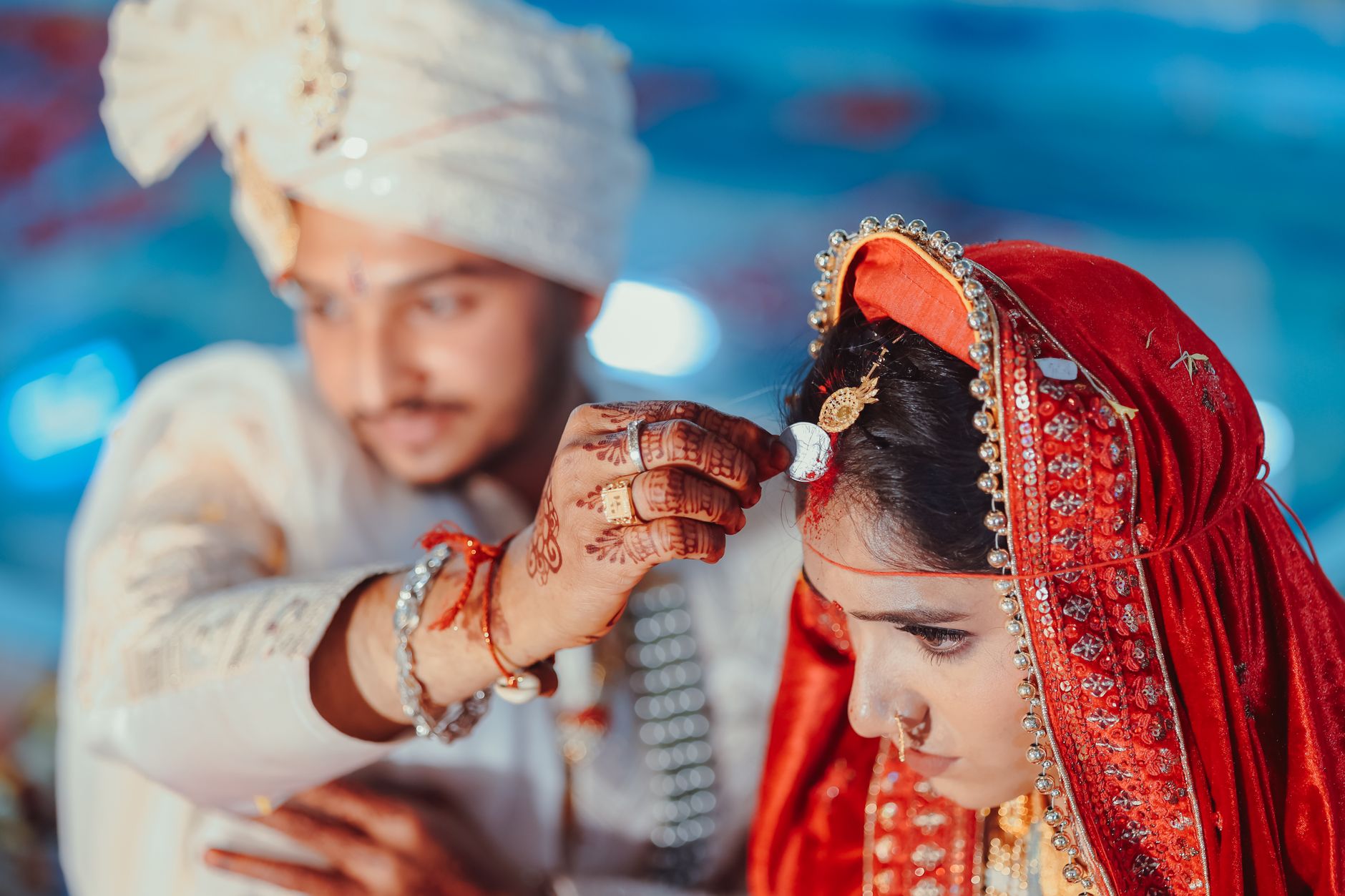
A Traditional Ceremony Officiant manages every ritual milestone from the havan setup to the final ashirwad, ensuring the ceremony reflects both scriptural authenticity and the family's regional customs. In Gurugram, where many families have roots in UP, Haryana, Rajasthan, and Punjab, officiants are often expected to blend multiple regional rites seamlessly. Core duties include conducting the ganesh puja before main rituals begin, performing the kanyadaan with correct mantras, guiding the sapta padi ceremony step by step — each of the seven vows explained in Hindi or English so guests understand their meaning — and completing the sindoor and mangalsutra rituals at the auspicious muhurat. A experienced religious ceremony pandit also manages the havan samagri list, coordinates with the venue catering team on fire-safety for the agni kund, and advises the family on correct attire colours for each sub-ritual. Beyond ceremony itself, many officiants offer a pre-wedding consultation — typically 60-90 minutes — to align on kundali matching, gotra verification, and the sequence of events for the wedding day. This level of wedding ritual coordination is especially important for large Gurugram banquet hall weddings where tight event schedules leave little room for improvisation.
How Much Does a Traditional Ceremony Officiant Cost in Gurugram?
Pricing for a Traditional Ceremony Officiant in Gurugram varies based on ritual complexity, regional tradition, the pandit's experience, and whether samagri (havan materials) is included in the package. Entry-level packages from a religious ceremony pandit for a straightforward North Indian Hindu wedding typically start at ₹11,000–₹18,000 and cover core rituals over two to three hours. Mid-range engagements, which include pre-wedding rites such as tilak, haldi puja, and the main pheras plus post-wedding grih pravesh, run between ₹20,000 and ₹40,000. Premium vedic marriage priest engagements — featuring elaborate Vedic havan with multiple ritvij priests, Sanskrit shlokas with live translation, and full-day ritual management — are priced at ₹45,000 to ₹75,000 or more. Samagri packages, if not supplied by the couple's family, add ₹3,000–₹10,000. Travel beyond the Gurugram-Delhi NCR belt and accommodation for destination ceremonies attract additional charges. Always request an itemised quote so muhurat and timing selection consultations, pre-wedding meetings, and post-ceremony dakshina expectations are transparent from the start.
Regional Traditions Served by Gurugram Officiants
Gurugram's cosmopolitan population means a wedding ritual officiant must be versatile. The city hosts families from over a dozen North and North-West Indian communities, and the best officiants are trained in multiple sampradayas. A skilled wedding rituals officiant can transition from a Kayastha ceremony (which follows a distinct puja sequence) to a Punjabi Arya Samaj ceremony on consecutive weekends, adjusting mantra sets and ritual structure each time. For inter-caste wedding ceremonies — increasingly common among Gurugram's corporate-professional couples — a seasoned officiant is invaluable: they design a ceremony that honours both families' traditions without conflict, sometimes weaving elements from two distinct regional customs. Bengalis, Gujaratis, and South Indian families settling in areas like Sector 29 or Golf Course Road occasionally seek officiants bilingual in their regional language and Hindi. Officiants who specialise in the sapta padi ceremony often provide printed bilingual booklets so guests follow each vow in real time — a practice especially appreciated at multi-cultural Gurugram weddings.
What Should You Look for When Selecting a Wedding Ritual Officiant?
The first criterion is scriptural competence — your vedic marriage priest should hold formal training from a recognised gurukul or Sanskrit institution, or have demonstrable lineage in their family pandit tradition. Ask specifically which Veda or regional grantha their ritual style is based on. Second, assess communication skills: a Traditional Ceremony Officiant working at a modern Gurugram banquet in Udyog Vihar or a resort on Sohna Road must be able to explain rituals in simple Hindi or English to guests who may not speak Sanskrit. Third, evaluate ritual coordination experience — can the officiant synchronise with a DJ, live dhol players, and a wedding photographer without disrupting the sapta padi ceremony's sacred flow? Fourth, confirm their familiarity with your specific gotra and kula devi traditions, because incorrect mantra selection for a gotra can be considered inauspicious by orthodox family elders. Fifth, ask about their approach to inter-caste wedding ceremonies if that applies to your situation — a confident, culturally sensitive response indicates genuine experience. Finally, ensure the contract specifies the full ritual list, the samagri responsibility, and the start time aligned to your muhurat and timing selection.
How Do Venue Type and Guest Count Affect Your Ceremony Officiant Choice?
Venue and scale significantly shape which Traditional Ceremony Officiant is right for your Gurugram wedding. Intimate home ceremonies in residential sectors like DLF Phase 4 or Sushant Lok, with 30–80 guests, allow a single pandit to manage all rituals personally, maintain eye contact with the couple, and guide every family member through participation. Banquet hall weddings with 200–500 guests in venues along MG Road or Cyber City need an officiant comfortable using a discreet microphone system and coordinating with a master of ceremonies. For large shaadi grounds in Manesar or South Gurugram hosting 800+ guests, some families engage a lead religious ceremony pandit supported by one or two junior ritvij priests who manage parallel rites simultaneously. Destination-style farmhouse weddings on the Gurugram-Faridabad highway benefit from officiants who carry their own portable havan kund and are accustomed to outdoor wind conditions affecting the agni. Wedding ritual coordination across these formats is a distinct skill — always confirm your shortlisted officiant has done ceremonies of comparable scale.
Types of Traditional Ceremony Officiant Setups in Gurugram: A Comparison
Expert Recommendation
Best for intimate home ceremonies
Best for large banquet hall weddings
Best for NRI and destination-style weddings
Best for inter-caste couples
Best for budget-conscious families
Best for orthodox traditional families
How to Choose the Right Option
✅ Pre-booking Checklist
- Confirm the officiant's training credentials — gurukul, lineage, or institutional certification
- Share both families' gotras and regional tradition at least 60 days before the wedding
- Agree on muhurat and timing selection in writing and align it with your venue contract
- Clarify samagri responsibility — what the officiant brings versus what the family arranges
- Request a pre-wedding consultation session to walk through the full ritual sequence
- Confirm microphone and audio setup availability for banquet or large-venue ceremonies
- Discuss bilingual or Hindi explanation requirements if guests are non-Hindi speakers
- Obtain a written agreement specifying all events covered, fees, travel, and dakshina
🎯 Selection Criteria
- Scriptural training in the relevant Vedic or regional tradition matching your family's sampradaya
- Demonstrated experience with ceremonies of comparable scale and venue type in Gurugram
- Communication clarity — ability to explain rituals in Hindi or English as needed
- Flexibility for inter-caste wedding ceremony requirements if applicable
- Positive references verifiable through a trusted platform like Happiffie
💰 Cost / Quality Factors
- Ritual scope — number of events covered from mehendi puja to grih pravesh affects total cost
- Samagri inclusion — bundled kits add ₹3,000–₹10,000 but reduce family stress
- Travel distance — officiants from central Gurugram may charge extra for Manesar or Faridabad venues
- Muhurat timing — early morning or weekday muhurats often attract lower fees
- Team size — solo pandit versus ritvij team significantly changes the price bracket
- Bilingual requirement — English-fluent vedic marriage priests command a premium of 20-35%
⚠️ Common Mistakes to Avoid
- Booking a pandit without confirming their familiarity with your specific gotra and regional ritual style
- Skipping the pre-wedding consultation and discovering ritual sequence conflicts on the wedding day
- Overlooking venue fire-safety rules for the agni kund — always get approval in advance
- Not locking the muhurat and timing selection before finalising the venue's event schedule
- Assuming samagri is the pandit's responsibility without confirming it in the written agreement
- Hiring a Traditional Ceremony Officiant based on price alone without verifying credentials or experience
People Also Ask
Can a Traditional Ceremony Officiant in Gurugram conduct ceremonies in English for NRI couples?
How far in advance should I book a wedding ritual officiant in Gurugram?
What is the difference between a vedic marriage priest and a family pandit?
Is the sapta padi ceremony compulsory for a legally valid Hindu marriage?
Can one officiant handle both the mehendi puja and the main wedding ceremony?
How does muhurat and timing selection work for Gurugram weddings?
What samagri should the family prepare, and what does the officiant typically bring?
Are there officiants in Gurugram who specialise in inter-caste wedding ceremonies?
Related Experiences on Happiffie
Book Your Perfect Wedding Choultry
Sacred Vedic Weddings in Coorg
Sacred Engagements in the Himalayas
Melodic Wedding Rituals in Indore
Seamless Muslim Weddings in Vizag
Sacred Saptapadi Essentials in Guwahati
Stream Your Sacred Rites Worldwide
Frequently Asked Questions
How do I verify a Traditional Ceremony Officiant's credentials in Gurugram?
Can a Traditional Ceremony Officiant conduct an Arya Samaj ceremony in Gurugram?
What languages do religious ceremony pandits in Gurugram typically speak?
Is it possible to have a Traditional Ceremony Officiant for a garden or farmhouse wedding near Gurugram?
What is the typical duration of a full Vedic wedding ceremony in Gurugram?
Do Traditional Ceremony Officiants in Gurugram provide a ritual itinerary for the family?
Can I book a vedic marriage priest for only the pheras if we are handling other rituals ourselves?
Does Happiffie allow families to compare multiple Traditional Ceremony Officiant options in Gurugram?
Key Takeaways
- A Traditional Ceremony Officiant in Gurugram manages all Vedic and regional rites from ganesh puja through grih pravesh, ensuring scriptural accuracy and family-specific customisation.
- Fees range from ₹11,000 for a simple ceremony to ₹75,000+ for a full-day, multi-priest Vedic engagement — always request an itemised quote.
- Muhurat and timing selection is a core officiant responsibility that must be locked before finalising the venue event schedule.
- The sapta padi ceremony carries legal significance under the Hindu Marriage Act 1955 — correct ritual performance by a qualified officiant matters beyond tradition.
- Inter-caste wedding ceremony specialists are increasingly sought in Gurugram's corporate communities and can design unified rituals honouring both families.
- Bilingual vedic marriage priests who explain rituals in English are in high demand for NRI and destination-style weddings at Sohna Road and Manesar venues.
- Book four to six months ahead for peak season muhurats; top-rated officiants in Gurugram are often fully committed eight to twelve months in advance.
- Happiffie's verified officiant listings allow you to compare credentials, ritual scope, and pricing transparently before committing to a booking.
Find Your Perfect Traditional Ceremony Officiant in Gurugram
Browse verified pandits and vedic marriage priests on Happiffie — compare ritual scope, pricing, and availability in minutes.
Explore Officiants Now
Are you a Vendor? Grow Your Business with Happiffie!
- High intent verified leads
- Reverse auction opportunities
- AI business tools & insights
- Dedicated vendor dashboard
- Grow your business, your way
It's free & takes less than 2 minutes!