
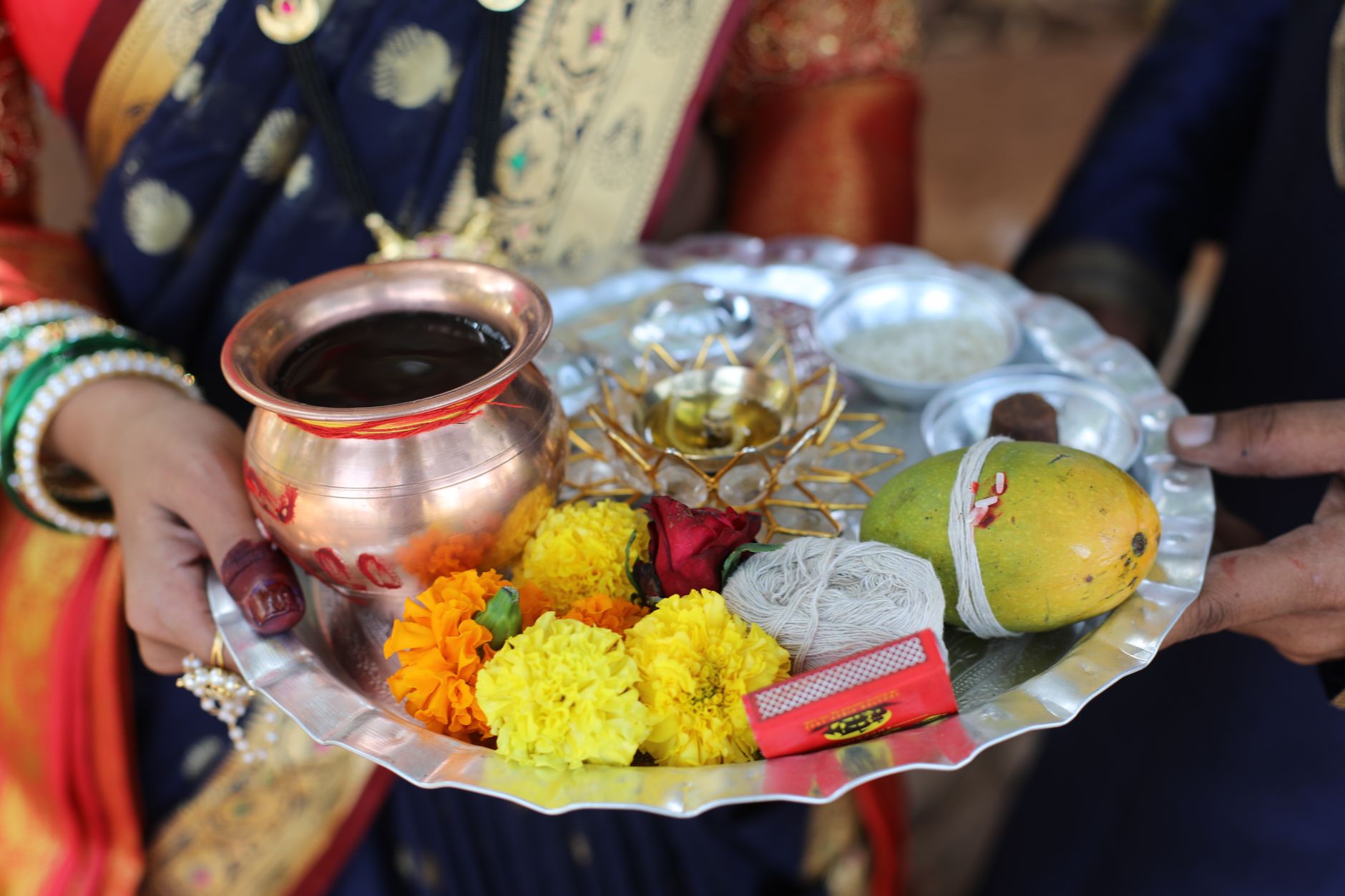
Pure, Ethical Pooja Essentials in Gurugram
Religious Ceremonies in Gurugram
Natural Pooja Materials for Religious Ceremonies in Gurugram
Planning a Satyanarayan Katha, griha pravesh, or navratri puja in Gurugram? The quality of your natural pooja materials shapes not just the ambience but the spiritual integrity of every ritual. From Sector 14's bustling mandis to curated marketplaces in DLF Phase 4 and Sohna Road, Gurugram now offers a growing ecosystem of suppliers who stock organic puja samagri — tulsi leaves free of pesticides, unbleached cotton wicks, cow-dung diyas, and forest-harvested dhoop. Happiffie helps families and pandits connect with verified providers who prioritise sustainable religious ceremonies, ensuring every offering placed before the deity is as pure as the intent behind it.
Quick Answer
Natural pooja materials are ritual supplies sourced without synthetic chemicals, artificial dyes, or plastic — including organic flowers, pure ghee, clay diyas, hand-rolled incense, and herbal havan samagri. In Gurugram, these items are available through specialty puja stores, organic mandis, and curated online vendors who supply both household ceremonies and large-scale religious events, typically priced between ₹300 and ₹5,000 per complete samagri kit depending on ritual type and scale.
Why Do Natural Pooja Materials Matter for Gurugram Ceremonies?
Gurugram hosts thousands of religious ceremonies every month — from intimate satyanarayan pujas in high-rise apartments in Golf Course Road to grand jagran nights in community halls near Palam Vihar. When synthetic colours, paraffin-based candles, or chemically treated flowers enter these spaces, they introduce toxins into the air that participants breathe and into sacred water bodies where remnants are eventually immersed. Natural pooja materials eliminate this risk entirely. Cow-dung diyas burn clean, clay idols dissolve without polluting the Yamuna, and chemical-free floral offerings decompose naturally. For Gurugram's increasingly eco-conscious residents — many of whom work in sustainability-driven corporate environments — choosing organic puja samagri is both a spiritual and civic responsibility. Pandits across Sector 56 and Sushant Lok confirm that sattvic home rituals conducted with unadulterated materials produce noticeably calmer, more focused atmospheres, aligning with classical Vedic prescriptions that insist on ingredient purity.
What Types of Natural Pooja Materials Are Essential for Different Rituals?
The specific natural pooja materials required vary significantly by ceremony type. A griha pravesh puja demands pure cow ghee, unbroken whole spices like laung and elaichi, and freshly cut mango leaves — all verifiably organic. A havan or yagna, popular in large Gurugram farmhouse venues near Manesar, calls for pure herbal worship essentials: dried neem twigs, pure sesame seeds, guggal resin, and havan samagri blended from over 40 Ayurvedic herbs. Navratri celebrations typically require organic kumkum derived from turmeric, unpolished rice (akshat), and cotton wicks hand-spun without synthetic thread. For satyanarayan katha, a complete traditional pooja items kit includes panchamrit components — raw honey, unprocessed sugar, organic curd, pure ghee, and whole milk — each sourced without adulteration. Eco-friendly ritual supplies providers in Gurugram now offer ceremony-specific curated boxes, reducing the guesswork for first-time organisers while ensuring compliance with shastriya requirements.
How Much Do Natural Pooja Materials Cost in Gurugram?
Pricing for natural pooja materials in Gurugram follows a tiered structure based on ritual scale, ingredient rarity, and sourcing transparency. A basic daily puja kit with organic puja samagri — agarbatti, diyas, fresh flowers, and akshat — runs between ₹150 and ₹400. A mid-range ceremony kit covering satyanarayan or ganesh puja for 20-50 guests is priced between ₹800 and ₹2,500, depending on whether pure ghee and forest-harvested dhoop are included. Premium havan kits with certified pure herbal worship essentials and custom havan samagri blends for larger guest counts of 100-plus range from ₹3,500 to ₹8,000. Zero-waste pooja setup packages, which bundle biodegradable packaging, clay containers, and eco-friendly ritual supplies for post-ceremony immersion, add roughly 15-20% to the base kit cost. Comparing rates across Sector 14 mandis, Sadar Bazar in old Gurgaon, and organic online suppliers is advisable before finalising orders.
Sourcing Standards: What Certifications Should You Look For?
Not every product labelled 'natural' meets genuine standards. When procuring natural pooja materials in Gurugram, look for suppliers who can demonstrate FSSAI compliance for edible items like ghee and honey, NPOP (National Programme for Organic Production) certification for flowers and herbs, and Agmark grading for dry grains used as akshat or naivedya. Reputable providers of eco-friendly ritual supplies will also disclose their supply chain — cow-dung diyas should ideally trace back to verified gaushalas, and forest-harvested dhoop should come from NTFP (non-timber forest product) certified cooperatives. Gurugram's sustainable religious ceremonies ecosystem has matured considerably; vendors near DLF Cyber City who cater to corporate pooja events often maintain digital traceability records. For chemical-free floral offerings, ask whether blooms were grown without synthetic pesticides, as conventionally farmed marigolds commonly used in puja garlands carry residual chemicals that volatilise when placed near agni. Happiffie's verified vendor network includes providers who meet these documentation benchmarks.
How Can You Plan a Zero-Waste Pooja Setup in Gurugram?
A zero-waste pooja setup is achievable across Gurugram's diverse ceremony venues — from rooftop settings in Sector 40 to banquet halls in Udyog Vihar — with disciplined pre-planning. Begin by replacing plastic decorations with banana-leaf backdrops, bamboo torans, and handmade cotton bunting. Switch all single-use plastic cups for earthen kulhads when serving prasad, and use banana leaves as serving plates. Source your natural pooja materials in bulk to reduce excess packaging, and choose suppliers who offer compostable pouches. Designate a post-ceremony collection zone for used diyas, flower garlands, and puja ash, and partner with local composting services or gaushala volunteers who accept organic waste from sattvic home rituals. For large jagran events hosting 200-plus guests near Palam Vihar, coordinating with a puja event planner experienced in sustainable religious ceremonies ensures logistical flow from setup through nimajjan. Families in Gurugram's DLF colonies increasingly request full zero-waste pooja setup audits from Happiffie vendors, measuring everything from plastic eliminated to compostable material diverted.
Natural Pooja Materials: Setup Types Compared for Gurugram Ceremonies
Expert Recommendation
Best for Intimate Home Pujas (10-30 guests)
Best for Large Havan or Yagna Events (100+ guests)
Best for Budget-Conscious Families
Best for Traditional and Shastriya-Compliant Ceremonies
Best for Eco-Conscious Corporate or Colony Pujas
Best for Destination or Outdoor Ceremonies
How to Choose the Right Option
✅ Pre-booking Checklist
- Confirm your pandit's ingredient list at least 5 days before the ceremony
- Verify NPOP or FSSAI certification for all edible and herbal components
- Check vendor delivery coverage for your specific Gurugram sector or locality
- Request compostable or zero-plastic packaging when placing your order
- Cross-check ghee purity — ask for A2 cow ghee with fat percentage documentation
- Order chemical-free floral offerings 24-48 hours in advance for freshness
- Confirm post-ceremony waste collection or composting arrangements
- Compare at least two Happiffie-verified vendors before finalising your kit
🎯 Selection Criteria
- Source transparency — can the vendor trace ingredients to certified farms or gaushalas?
- Ritual specificity — does the kit match your exact ceremony type and guest count?
- Delivery reliability — confirmed lead time for your Gurugram locality
- Pandit compatibility — are the materials pre-approved by your conducting pandit?
- Sustainability compliance — is packaging fully compostable or reusable?
- Price-to-quality ratio — compare per-item cost across bundle sizes before ordering
💰 Cost / Quality Factors
- Ingredient rarity — forest-harvested dhoop and bilva leaves cost more than commonly available items
- Order volume — bulk orders above ₹2,000 typically attract free delivery within Gurugram
- Certification premium — NPOP-certified organic items cost 20-35% more than uncertified natural alternatives
- Ceremony complexity — multi-ritual events like griha pravesh require a broader and costlier samagri range
- Seasonal demand — prices for flowers and certain herbs spike during Navratri, Diwali, and Shravan
- Vendor specialisation — pandit-affiliated vendors charge a coordination fee but ensure shastriya accuracy
⚠️ Common Mistakes to Avoid
- Buying natural pooja materials from unverified street vendors without checking ingredient provenance
- Assuming all 'natural' labelled products are chemical-free — always request certifications
- Ordering too late — rare herbs and bulk havan samagri need 48-72 hours minimum lead time
- Overlooking post-ceremony waste planning, resulting in sacred materials ending in landfill
- Not informing the pandit about ingredient substitutions, causing mid-ritual disruptions
- Ignoring seasonal price fluctuations and failing to lock in rates with vendors in advance
People Also Ask
Where can I buy natural pooja materials in Gurugram?
What is organic puja samagri and how is it different from regular puja items?
Are eco-friendly ritual supplies more expensive than conventional ones?
Can I get a complete pooja kit delivered for a same-day ceremony in Gurugram?
What natural materials are used in a havan and why must they be pure?
How do I plan a zero-waste pooja setup for a large ceremony in Gurugram?
Which flowers are best as chemical-free floral offerings for puja?
Is it important for the pandit to agree on using natural pooja materials?
Related Experiences on Happiffie
Light Up the Sky, Not the Planet
Authentic Brass Pooja Items in Auli
Sacred Garlands, Crafted with Devotion
Celebrate Responsibly in the Himalayas
All Wedding & Event Services
Venues in Gurugram
Frequently Asked Questions
What natural pooja materials are mandatory for a griha pravesh puja in Gurugram?
Are natural pooja materials available for same-day delivery in Gurugram?
Is pure A2 ghee considered a natural pooja material for havan purposes?
Can natural pooja materials be ordered in bulk for a navratri event in Gurugram?
What makes eco-friendly ritual supplies different from natural alternatives?
Do Gurugram pandits accept substitutions to traditional pooja items with organic alternatives?
How do I identify fake 'natural' labels when buying pooja materials in Gurugram?
What is the ideal advance booking time for natural pooja materials for a large ceremony in Gurugram?
Key Takeaways
- Natural pooja materials cover a wide range — from organic kumkum and clay diyas to forest-harvested dhoop and pure A2 ghee — and are now readily available across Gurugram through certified vendors.
- Organic puja samagri kits in Gurugram range from ₹150 for daily-use packs to ₹8,000+ for premium havan bundles, with bulk orders offering 15-25% savings.
- Eco-friendly ritual supplies carry NPOP, FSSAI, or Agmark certifications — always verify these before purchasing for religious use.
- A zero-waste pooja setup combines biodegradable materials, compostable packaging, and post-ceremony organic waste collection, suitable for both home pujas and large colony events.
- Chemical-free floral offerings from pesticide-free farms are essential for ceremonies involving agni, as conventional flowers release harmful residues when heated.
- Aligning natural pooja material choices with your pandit in advance prevents shastriya non-compliance and ensures ritual integrity.
- Happiffie connects Gurugram families with verified suppliers of sustainable religious ceremonies essentials, from neighbourhood mandis to specialised Ayurvedic cooperative vendors.
- Planning 5-7 days ahead for specialised items — rare havan herbs, custom samagri blends, bulk floral orders — prevents last-minute shortages during peak festival seasons.
Source Certified Natural Pooja Materials in Gurugram
Happiffie connects you with verified suppliers of organic, eco-friendly, and shastriya-compliant pooja essentials — delivered fresh to your ceremony venue across Gurugram.
Find Verified Vendors
Are you a Vendor? Grow Your Business with Happiffie!
- High intent verified leads
- Reverse auction opportunities
- AI business tools & insights
- Dedicated vendor dashboard
- Grow your business, your way
It's free & takes less than 2 minutes!