
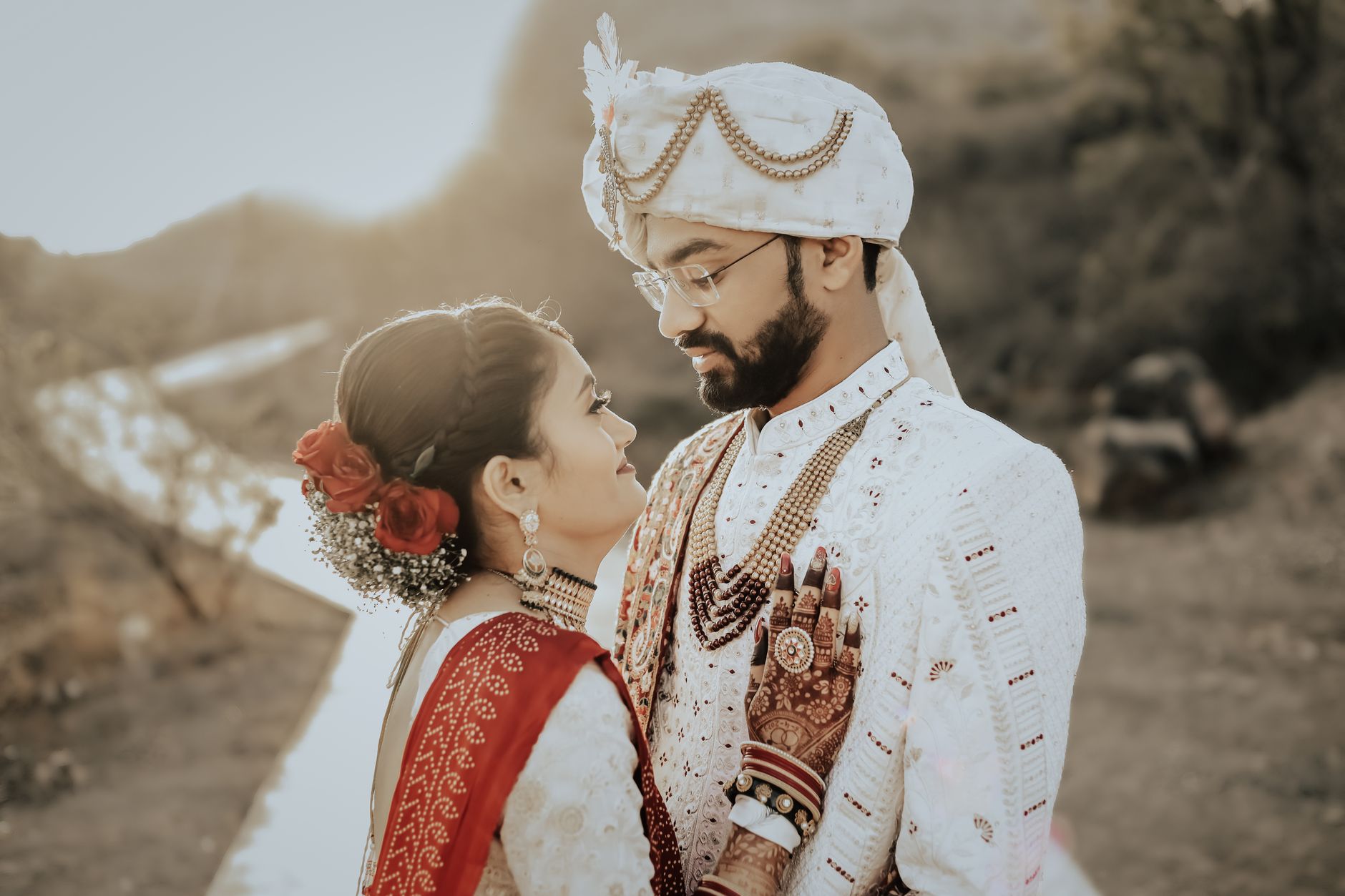
Wear Your Roots with Pride in Goa
Costume in Goa
Traditional Veshti Attire for Weddings in Goa
Goa's stunning beach and heritage venues have made it a favourite destination for South Indian families celebrating unions far from their home state. When the setting is Goa, the sentiment must still feel like home — and nothing anchors that feeling better than Traditional Veshti Attire. Whether you are the groom, a groomsman, or a senior family elder, stepping into a crisp South Indian men's ethnic wear ensemble instantly signals cultural pride. Happiffie connects you with Goa-based costume stylists, rental studios, and tailors who specialise in the dhoti kurta ensemble and the ceremonial Veshti set, ensuring every fold, colour, and border pattern honours the occasion perfectly.
Quick Answer
Traditional Veshti Attire is a South Indian men's formal garment — an unstitched cloth draped around the waist and legs — typically paired with a matching angavastram and kurta or shirt. For weddings and festivals, it is woven in silk or cotton with zari borders. In Goa, rental and styling services make it easy for destination wedding guests and grooms to access authentic pieces without carrying them from home states like Tamil Nadu or Kerala.
What Makes Traditional Veshti Attire the Right Choice for a Goa Wedding?
Goa's wedding scene blends natural beauty with deep cultural expression. When a Tamil, Telugu, or Malayali family hosts a destination wedding here, guests arrive from across India and expect the groom's side to present themselves with heritage pride. Traditional Veshti Attire achieves exactly that. A well-draped Veshti in Kanjivaram silk with a gold zari border photographs brilliantly against Goa's terracotta churches, palm-fringed beaches, and Portuguese-era mandaps. Unlike a suit or sherwani, the Veshti draping style is entirely unique to South Indian culture — it communicates lineage, regional identity, and reverence for ritual in a single garment. Grooms who choose a ceremonial Veshti set for the muhurtham moment often report that the act of draping itself becomes meditative, slowing the morning down and grounding the ceremony in meaning. Happiffie's listed stylists in Goa understand this emotional weight and treat every draping session accordingly.
How Much Does a Traditional Veshti Attire Rental Cost in Goa?
Costs in Goa vary based on fabric quality, border weight, and whether you need a full styled look with angavastram and accessories. A basic cotton ceremonial Veshti set rental starts at around INR 800–1,200 per day. Mid-range pure silk pieces with medium-weight zari borders typically rent for INR 2,000–4,000 per event. Premium Kanjivaram or Mysore silk sets with heavy gold zari, often used for the main wedding ritual, are priced between INR 5,000–10,000 for a single-day rental. If you add a professional draping session — essential for guests unfamiliar with the Veshti draping style — expect an additional INR 500–1,500. Buying a ready-made dhoti kurta ensemble from a Goa ethnic wear boutique starts at INR 3,500 for cotton and can exceed INR 25,000 for hand-woven silk. For large wedding parties, bundled group rental packages offer meaningful savings, with per-person rates dropping 20–30% for five or more pieces booked together through Happiffie.
Fabric and Border Guide for the Ceremonial Veshti Set
Choosing the right fabric is the most consequential decision when styling Traditional Veshti Attire for Goa's climate and your wedding's formality level. Pure cotton Veshtis — particularly from Coimbatore or Salem — breathe exceptionally well in Goa's coastal humidity and are ideal for daytime rituals or beach-side events. Silk Veshtis, especially Kanjivaram, are reserved for the main wedding ceremony or evening receptions because the sheen and weight demand a cooler, indoor or sunset setting. The border — the coloured or zari-woven stripe running along the edge — signals occasion. A single-colour cotton border (called 'single' locally) suits everyday puja and casual family functions. A broad, heavy zari border in gold or silver marks the garment as a ceremonial Veshti set for life events like weddings, thread ceremonies, and Seemantham. When coordinating South Indian men's ethnic wear across a wedding party, ask your Happiffie stylist to align border colours with the bride's saree palette for photographs that feel intentional and cohesive.
Why Is Professional Draping Essential for the Veshti Draping Style?
The Veshti draping style is not a single technique — it differs across Tamil Nadu, Kerala, Karnataka, and Andhra Pradesh, each regional variation carrying its own cultural signature. The Madisar drape, the single-fold pancha, the double-fold worn for rituals — each requires muscle memory that many younger grooms and guests simply do not possess, especially if they grew up outside their home state. In a destination wedding context like a South Indian wedding in Goa, hiring a professional dresser or costume stylist through Happiffie ensures the drape holds firmly through hours of rituals, sitting, and dancing. A poorly secured Veshti that loosens mid-ceremony is distracting for the groom and stressful for family elders. Professional dressers also know how to adjust for the groom's body type, the mandap floor surface, and the specific ritual sequence of the day. Many Happiffie vendors offer early-morning house-call draping so the look is fresh and tight from the first ritual to the last.
How Does Goa's Destination Setting Influence Your Traditional Veshti Attire Choice?
A South Indian wedding in Goa presents unique styling decisions that a wedding in Chennai or Coimbatore would not. Goa's weather, even in the cooler months of November to February, retains ambient humidity that makes heavy silk uncomfortable for prolonged outdoor wear. Many Goa-based costume studios on Happiffie now stock lightweight pure silk blends — silk-cotton and tussar — that offer the visual grandeur of Traditional Veshti Attire without the heat burden. Venue type also matters. If the ceremony is held at a heritage villa in Panjim or a beach resort in Candolim, the festive men's traditional costume aesthetic pairs naturally with the architectural backdrop. For outdoor beach weddings in Morjim or Ashvem, a pristine white cotton Veshti with a minimal border reads as both culturally authentic and practically sensible. Happiffie's Goa listings filter by vendor location — North Goa, South Goa, Panjim, and Margao — so you can find a rental or styling service that is genuinely close to your venue, reducing logistics stress on a packed wedding morning.
Traditional Veshti Attire Options Compared for Goa Weddings
Expert Recommendation
Best for the Wedding Groom
Best for Groomsmen and Brothers
Best for Budget-Conscious Families
Best for a Beach Wedding Setting
Best for Heritage Venue Weddings
Best for Senior Family Members
How to Choose the Right Option
✅ Pre-booking Checklist
- Confirm your regional draping style — Tamil, Kerala, Telugu — before briefing the stylist
- Book your Veshti draping stylist at least four to six weeks before the Goa wedding date
- Choose fabric based on Goa's climate and the ceremony's indoor or outdoor setting
- Align border colour with the bride's saree palette for cohesive couple photographs
- Request a trial draping session two days before the wedding to test comfort and security
- Arrange for the angavastram, accessories, and footwear alongside the Veshti rental
- Confirm vendor location — North or South Goa — to minimise morning-of travel time
- Check rental terms for deposit, damage liability, and return timeline
🎯 Selection Criteria
- Stylist's demonstrated experience with regional Veshti draping styles
- Fabric quality verified in person or through high-resolution vendor photos
- Proximity of rental studio to your ceremony venue in Goa
- Availability of group packages for groomsmen and family members
- Vendor's willingness to offer an at-venue house call on the wedding morning
💰 Cost / Quality Factors
- Pure silk commands a 3–5x price premium over cotton but significantly elevates ceremony photographs
- Heavy zari borders increase rental cost and fabric weight — balance formality with comfort
- Peak-season demand in Goa (October–February) inflates pricing by 15–25%
- Professional draping adds to total cost but eliminates the risk of wardrobe failure during rituals
- Custom tailoring adds INR 2,000–8,000 in labour but results in a better-fitting, reusable garment
- Group rental discounts of 20–30% apply for parties of five or more through bundled packages
⚠️ Common Mistakes to Avoid
- Booking a stylist unfamiliar with your specific regional draping convention
- Choosing heavy pure silk for an outdoor daytime beach ceremony in Goa's humidity
- Ignoring the angavastram — an incomplete set undermines the entire traditional look
- Leaving costume booking until the week of the wedding during peak Goa season
- Failing to coordinate border colours with the bridal party, causing visual inconsistency
- Not requesting a draping trial run before the actual wedding morning
People Also Ask
What is the difference between a Veshti and a dhoti?
Can I rent Traditional Veshti Attire in Goa for a destination wedding?
How far in advance should I book a Veshti draping stylist in Goa?
What accessories complete a ceremonial Veshti set?
Is the dhoti kurta ensemble suitable for a beach wedding in Goa?
How much does a professional Veshti draping session cost in Goa?
What Veshti colour works best for a South Indian wedding in Goa?
Where in Goa can I find South Indian men's ethnic wear for a wedding?
Related Experiences on Happiffie
Goa Groom Style, Sorted
Groom Ceremonial Veshti Dressing in Goa
Wedding Costume Rentals Hyderabad
Authentic South Indian Wedding Decor
Adorn Your Feet for the Big Day
All Wedding & Event Services
Frequently Asked Questions
Is Traditional Veshti Attire appropriate for a Goa destination wedding?
How do I find a Veshti draping stylist near my venue in Goa?
What is the correct angavastram to pair with Traditional Veshti Attire?
Can grooms in Goa buy a ceremonial Veshti set rather than renting?
Does the dhoti kurta ensemble differ from Traditional Veshti Attire?
Are there ethnic wear rental studios in South Goa for Traditional Veshti Attire?
What is the best way to preserve a Kanjivaram Veshti after a Goa wedding?
How can Happiffie help me plan South Indian men's ethnic wear for a full wedding party in Goa?
Key Takeaways
- Traditional Veshti Attire is the defining garment of South Indian men's wedding dress, distinct by region, fabric, and border style.
- Goa's destination wedding context demands careful fabric selection — lightweight silk-cotton blends balance cultural authenticity with coastal comfort.
- Professional Veshti draping style services are available in Goa and are strongly recommended to ensure the drape holds through long ceremonies.
- Rental costs range from INR 800 for cotton to INR 10,000 for premium Kanjivaram silk; group bookings reduce per-person rates by 20–30%.
- A ceremonial Veshti set must include the Veshti, angavastram, kurta, and coordinated accessories — each element matters for a complete traditional look.
- Book stylists and rentals four to six weeks in advance for Goa's October–February peak wedding season.
- Happiffie lists verified Goa vendors filterable by location — North Goa, South Goa, Panjim, Margao — simplifying logistics on a busy wedding morning.
- Coordinating dhoti kurta ensemble colours across the groom's party with the bridal palette creates cohesive, publication-quality wedding photographs.
Dress the Occasion in Tradition
Explore Goa's best Traditional Veshti Attire rentals and draping experts on Happiffie — and let every fold tell your family's story.
Find Veshti Stylists
Are you a Vendor? Grow Your Business with Happiffie!
- High intent verified leads
- Reverse auction opportunities
- AI business tools & insights
- Dedicated vendor dashboard
- Grow your business, your way
It's free & takes less than 2 minutes!