
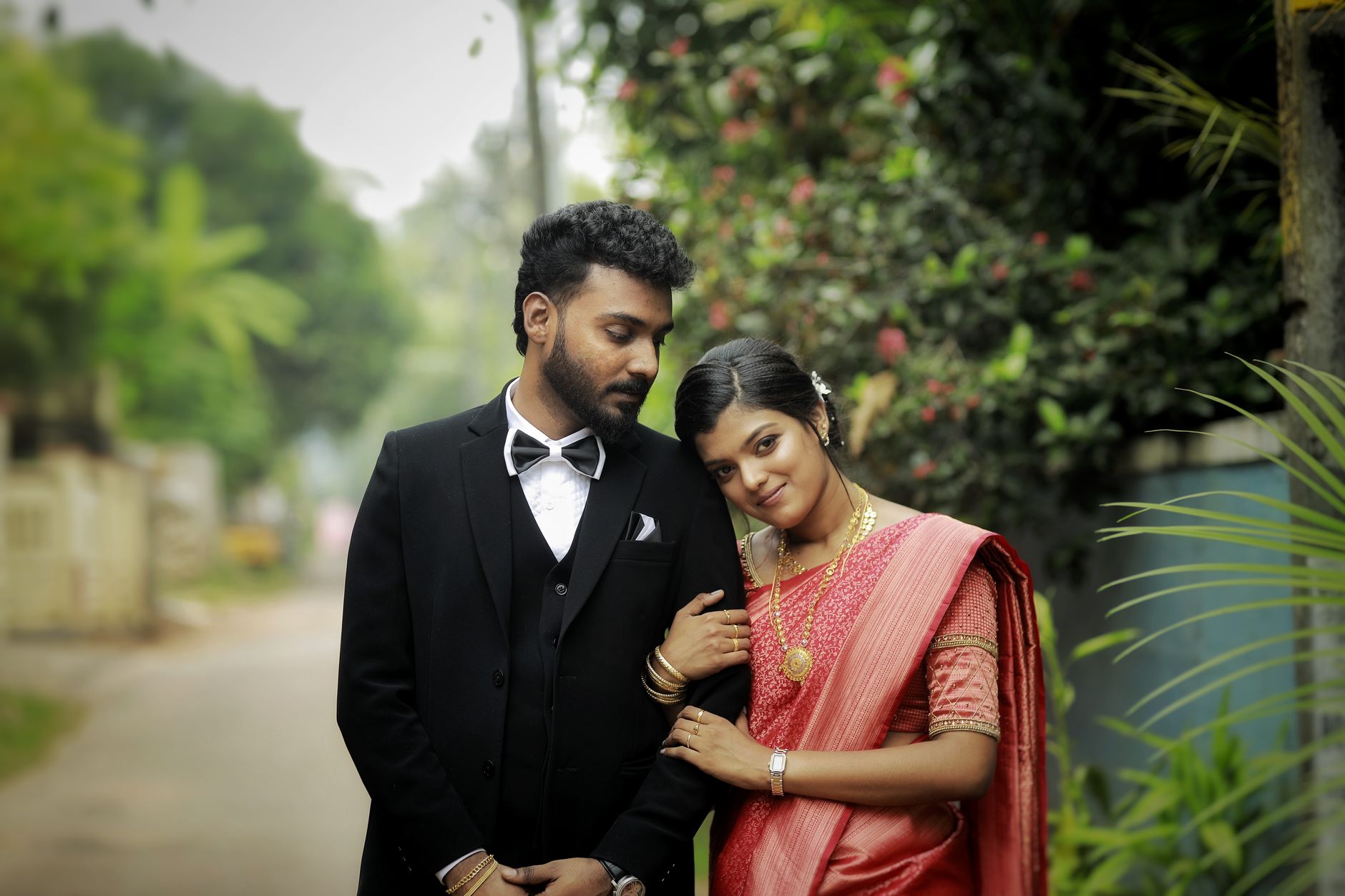
Authentic Kerala Decor in Goa
Religious cermony in Goa
Traditional Kerala Ceremony Decor Essentials for Goa Weddings
Goa destination wedding planning has a new dimension for Kerala families who want their rituals to feel exactly like home, even when the venue is a sun-kissed resort or a riverside mandap in North Goa. Sourcing the right Traditional Kerala Ceremony Decor Essentials — from the iconic nilavilakku brass lamp to fresh konna (golden shower) garlands — sets the spiritual and visual tone for every ritual, from the Nischayam engagement to the Thaali tying. Banana leaf and brass lamp decor is not merely aesthetic; it is woven into the sacred geometry of a Kerala ceremony. Whether you are hosting an intimate family puja in Panaji or a grand destination shaadi in Calangute, understanding what these elements are, where to source them in Goa, and how to budget for them will save you weeks of stress and thousands of rupees.
Quick Answer
Traditional Kerala Ceremony Decor Essentials refer to the set of ritual and aesthetic elements used in Malayalam Hindu weddings and ceremonies — including the nilavilakku (brass oil lamp), konna poo (golden shower flower) garlands, banana leaf floor spreads, kolam rangoli, sacred plantain stems, coconut clusters, and red-and-gold fabric drapes. Together these items create the spiritually correct and visually authentic ambience expected in a Kerala religious ceremony, whether conducted in Kerala or at a destination like Goa.
What Are the Core Traditional Kerala Ceremony Decor Essentials?
Traditional Kerala Ceremony Decor Essentials can be grouped into five functional categories: lighting, florals, natural materials, fabric, and sacred props. Understanding each group helps families and decorators in Goa build an accurate shopping list rather than improvising on the wedding day. The nilavilakku, a tall brass oil lamp with five wicks, is the single most important piece. It must be lit before any ritual begins and is placed at the centre or entrance of the mandap. Sourcing a genuine, well-polished brass lamp in Goa is possible from old-city shops in Panaji's Latin Quarter and some Margao wholesale markets, though many families prefer to transport heirloom lamps from Kerala. Next come South Indian ceremony floral arrangements — specifically konna poo, jasmine strings (mulla), and rose petals. Konna is associated with Vishu and carries deep cultural meaning; fresh konna is seasonal, but skilled florists in Goa who serve destination weddings can air-freight blooms from Thrissur or Palakkad flower markets. Banana leaf and brass lamp decor go hand in hand: fresh banana leaves serve as floor spreads during the Sadhya feast, as backdrop panels behind the couple, and as natural platters during ritual offerings. Plantain stems decorated with coconut bunches flank the entrance. Sacred props include the para (a bronze measuring vessel filled with paddy), an uruli (wide bronze bowl) floating with petals and oil lamps, and small kindi (bronze spouted vessels) used during rituals. Fabric-wise, off-white or cream Kerala kasavu sarees are often draped as canopy borders, and red-and-gold fabric panels replace synthetic decorations for an authentic look. When all five categories are addressed together, the result is a cohesive, culturally faithful setting that resonates with every guest who recognises these symbols.
How Does Goa Destination Wedding Planning Affect Your Kerala Decor Choices?
Goa destination wedding planning introduces logistics that families in Kerala do not normally encounter. The first challenge is sourcing: Goa's flower markets, primarily in Mapusa and Margao, stock marigolds, roses, and carnations abundantly, but konna poo, areca palm, and specific banana varieties used in Kerala rituals may need to be ordered two to four weeks in advance. Working with a decorator experienced in Kerala wedding ritual decor is essential; they maintain supply chains with florists in Thrissur, Kochi, and Kozhikode. The second challenge is climate. Goa's humidity — particularly from June to September — accelerates wilting. Refrigerated storage for floral garlands is non-negotiable if the ceremony starts after midday. Many destination wedding planners in North Goa (Anjuna, Vagator, Siolim) now have cold-storage tie-ups precisely for this reason. The third challenge is venue permissions. Beachside Hindu ceremony setup sounds romantic, but Goa's Coastal Regulation Zone rules restrict permanent structures on the beach. A skilled event coordinator will know which hotel lawns and riverside venues in Betalbatim and Cansaulim offer beach proximity with fully permitted mandap structures. Budget buffers of 15 to 25 percent above standard Kerala market rates should be built in for logistics, transport, and last-minute sourcing. Finally, the travel timing of priests (Gurukkal or Namboothiri) from Kerala needs to be coordinated alongside decor delivery timelines, since both must arrive before the auspicious muhurtham.
Kashi Yatra and Nischayam Decorations: What Makes Each Ritual Unique?
Not every Kerala ceremony uses identical decor, and recognising this helps families avoid over-ordering or under-preparing. The Nischayam (engagement) typically features a smaller setup: a decorative thamboolam tray covered in red silk, a nilavilakku, and Malabar floral garland traditions expressed through simple jasmine strands and rose-petal floors. The colour palette leans toward gold, cream, and red. The Kashi Yatra and Nischayam decorations for the wedding day itself are more elaborate. The Kashi Yatra is a playful pre-wedding ritual where the groom mock-departs on a pilgrimage; his entrance path is decorated with banana leaf arches and konna garlands, and the brother-in-law meets him under a ceremonially decorated doorway. For this segment, South Indian ceremony floral arrangements must be concentrated at the entrance rather than the main mandap, which is a common planning oversight. The Vidhi (the core wedding ceremony) demands the most complete spread of Traditional Kerala Ceremony Decor Essentials: the full nilavilakku, the para, the uruli, the kindi, kasavu fabric canopy, and a fresh flower-strewn aisle path. The Sadhya and puja setup elements differ again — banana leaf rows replace floral centrepieces at dining tables, and smaller diyas replace the large brass lamp. When a decorator understands these ritual-by-ritual distinctions, each segment feels purposeful rather than generic. Families hosting ceremonies at South Goa resort venues such as those near Cavelossim or Benaulim benefit from decorators who map decor requirements against the muhurtham timetable.
Budgeting for Traditional Kerala Ceremony Decor Essentials in Goa
Cost is one of the most searched topics for families planning Kerala ceremonies away from home, and Goa introduces a premium over standard Kochi or Thrissur market rates. Here is a realistic breakdown based on typical destination wedding setups. A basic Traditional Kerala Ceremony Decor Essentials package — covering nilavilakku rental, banana leaf panels, minimal konna garlands, and red-and-gold fabric draping for a 50-guest ceremony — typically starts at INR 35,000 to INR 55,000 in Goa. A mid-range package for 100 to 150 guests that includes Sadhya and puja setup elements, a full flower-strewn aisle, multiple brass lamps, uruli bowls, and plantain stem entrances costs INR 80,000 to INR 1,40,000. Premium packages for 200-plus guests at five-star resort venues in Candolim or Dona Paula, featuring air-freighted konna poo, customised kasavu fabric canopies, multiple mandap zones, and Malabar floral garland traditions executed with fresh jasmine and rose, can range from INR 2,00,000 to INR 4,00,000 or more, depending on scale and décor complexity. Key cost variables include flower freight charges (INR 5,000 to INR 15,000 for air-cargo from Kerala), brass item rentals versus purchases, the number of ceremony zones, and generator or ambient lighting requirements for evening events. Beachside Hindu ceremony setup attracts a premium for CRZ-compliant structure rentals. Always request an itemised quote; lump-sum quotes for Kerala decor in Goa often hide substitutions where mass-market marigolds replace authentic konna poo.
How Do You Choose the Right Decorator for Kerala Religious Ceremonies in Goa?
Choosing a decorator who genuinely understands Traditional Kerala Ceremony Decor Essentials — rather than one who has simply seen photos — is the most critical decision you will make for a Goa ceremony. Start by asking for a portfolio of previous Kerala or South Indian ceremony floral arrangements they have executed, specifically in Goa or coastal Maharashtra. A skilled decorator should be able to describe the difference between a Thrissur-style mandap and a Palakkad-style one without prompting. Ask whether they have direct sourcing relationships with Kerala flower markets or if they depend entirely on Mapusa. Inquire about their cold-storage arrangements, because wilted konna on the wedding morning is not recoverable. Check if they have handled Sadhya and puja setup elements separately — table layouts for Sadhya require different planning than the mandap. Goa destination wedding planning veterans recommend booking Kerala-specialist decorators at least four to six months before a peak-season wedding (November to February). Ask specifically about their experience with banana leaf and brass lamp decor installation, as incorrect placement of the nilavilakku or the uruli can cause ritual concerns for the presiding priest. Request references from Kerala families who have previously used their services in Goa, and if possible, conduct a site walkthrough of your chosen venue together before finalising. Happiffie's verified vendor network includes decorators in Goa who have documented experience with Kerala and other South Indian ceremony setups, making your search significantly more reliable than generic online listings.
Comparing Traditional Kerala Ceremony Decor Setup Types for Goa Weddings
Expert Recommendation
Best for Intimate Celebrations (Under 50 Guests)
Best for Beachside Hindu Ceremony Setup
Best for Large Guest Counts (200-Plus)
Best for Budget-Conscious Families
Best for Deeply Traditional Ceremonies
Best for Modern-Traditional Fusion
How to Choose the Right Option
✅ Pre-booking Checklist
- Confirm your venue in Goa has the required CRZ or event permissions for an outdoor mandap structure at least six months before the wedding date.
- Book a Kerala-specialist decorator with a verified portfolio of South Indian ceremony floral arrangements in Goa or coastal destinations at least four to six months in advance.
- Order konna poo (golden shower flowers) and specific Kerala banana varieties through your decorator's Kerala supplier network at least three to four weeks before the ceremony.
- Arrange cold-storage with your decorator for all fresh garlands and flower panels, especially if the ceremony is scheduled after 11 AM.
- Share the full ritual timetable — including Nischayam, Kashi Yatra, Vidhi, and Sadhya — with your decorator so decor is staged and removed at the correct times.
- Confirm whether brass items (nilavilakku, uruli, para, kindi) will be rented locally in Goa or transported from Kerala, and plan logistics accordingly.
- Review fabric samples from your decorator to confirm genuine kasavu cloth is used for canopy borders and not printed synthetic substitutes.
- Request an itemised decor quote listing every element by name so you can cross-check against your Traditional Kerala Ceremony Decor Essentials list.
🎯 Selection Criteria
- Demonstrated experience with Kerala wedding ritual decor in a destination or out-of-state setting, not just generic South Indian weddings.
- Established supply chain with Kerala flower markets for seasonal and specialty blooms including konna poo and jasmine.
- Cold-storage facility or arrangement for fresh floral garlands delivered to a Goa venue.
- Willingness to coordinate placement of ritual items with the presiding Gurukkal or Namboothiri priest.
- Transparent itemised pricing with no substitution clauses that allow marigolds to replace culturally specific flowers without consent.
- References or verifiable testimonials from Kerala families who have held ceremonies in Goa or similar destinations.
💰 Cost / Quality Factors
- Flower freight costs from Kerala (typically INR 5,000 to INR 15,000 per air-cargo shipment) directly affect the total budget.
- The number of distinct ceremony segments (Nischayam, Kashi Yatra, Vidhi, Sadhya) multiplies the decor requirement and the labour cost.
- Venue size and layout determine how many nilavilakku placements, uruli stations, and banana leaf panels are needed.
- Season affects both flower availability and price — peak wedding season (November to February) inflates specialty flower costs by 20 to 40 percent.
- Brass item quality (rental versus heirloom versus new purchase) affects both visual impact and budget significantly.
- Decorator's familiarity with Goa's venue landscape reduces last-minute surprises around power access, surface type, and logistics timing.
⚠️ Common Mistakes to Avoid
- Booking a general event decorator without verifying Kerala-specific experience, resulting in inauthentic substitutions like fake plastic brass lamps.
- Ignoring cold-storage requirements for fresh konna and jasmine garlands in Goa's humidity, leading to wilted decor at the ceremony.
- Using a single decor layout for all ceremony segments instead of customising Kashi Yatra and Nischayam decorations separately from the Vidhi mandap.
- Accepting a lump-sum quote without an itemised breakdown, which often hides use of cheaper materials than specified.
- Not coordinating with the priest before finalising nilavilakku and para placement, causing last-minute rearrangements that delay the muhurtham.
- Underestimating logistics lead time for specialty items, particularly konna poo and specific Kerala banana varieties, which can leave key decor elements missing on the day.
People Also Ask
What flowers are used in Traditional Kerala Ceremony Decor Essentials?
Can I have a traditional Kerala ceremony on a beach in Goa?
How much does Kerala wedding decor cost in Goa?
What is the nilavilakku and why is it important?
Where can I source banana leaves and plantain stems in Goa?
What is a Sadhya setup and how is it decorated for a Goa wedding?
How early should I book Kerala decor services in Goa?
Can a Goa-based decorator handle South Indian ceremony floral arrangements authentically?
What fabrics are used in traditional Kerala mandap decoration?
What is the role of the uruli in Kerala ceremony decor?
Are there venues in Goa that specialise in Kerala-style ceremony setups?
What is the Kashi Yatra and how is its decor different from the main ceremony?
Related Experiences on Happiffie
Kerala Wedding Rituals, Beautifully Recreated
Sacred Blooms for Goan Ceremonies
Dream Weddings, Any Destination
Telugu Addutera Ceremonies, Beautifully Done
Authentic Floral Garlands for Your Celebrations
All Wedding & Event Services
Frequently Asked Questions
What are the most essential items in a Traditional Kerala Ceremony Decor Essentials list for a Goa wedding?
Are there Kerala florists or flower suppliers who deliver to Goa for weddings?
Is it possible to rent brass ceremony items like nilavilakku and uruli in Goa?
Which Goa neighbourhoods are best for hosting a Kerala ceremony?
How does the Sadhya and puja setup elements differ from the main mandap decor?
What is the significance of banana leaf and brass lamp decor in a Kerala ceremony?
How do I explain traditional Kerala decor requirements to a Goa-based venue coordinator?
Can Malabar floral garland traditions be replicated in Goa using local flowers?
What is a typical timeline for setting up Traditional Kerala Ceremony Decor Essentials at a Goa venue?
Do I need a separate permit for a traditional ceremony with fire (homa) in a Goa venue?
Is Goa destination wedding planning more expensive than planning a Kerala ceremony in Kerala itself?
How do I find a verified decorator for Kerala religious ceremonies on Happiffie?
Key Takeaways
- Traditional Kerala Ceremony Decor Essentials include five core categories: brass lighting (nilavilakku, uruli), specialty florals (konna poo, jasmine), natural materials (banana leaves, plantain stems), sacred ritual props (para, kindi), and kasavu fabric draping.
- Hosting a Kerala ceremony in Goa adds a 15 to 25 percent logistics premium over Kerala market rates, primarily due to flower freight and specialty material sourcing.
- Each ceremony segment — Nischayam, Kashi Yatra, Vidhi, and Sadhya — requires a distinct decor configuration; one-size-fits-all decoration is a common and costly mistake.
- Cold storage for fresh garlands is non-negotiable in Goa's humidity; confirm this arrangement with your decorator before signing any contract.
- Book Kerala-specialist decorators at least four to six months before a peak-season (November to February) Goa wedding to secure flower supply chains and brass rentals.
- Beachside Hindu ceremony setup in Goa is achievable but requires CRZ-compliant venue selection; hotel resort lawns near the shoreline are the practical solution.
- Happiffie's Goa vendor network helps families find verified decorators with documented experience in South Indian and Kerala religious ceremony setups.
- Always request an itemised decor quote to protect against substitution of culturally specific materials like konna poo with generic marigolds.
Plan Your Authentic Kerala Ceremony in Goa
Connect with Happiffie's verified decorators who specialise in Traditional Kerala Ceremony Decor Essentials — from nilavilakku setups to fresh konna garlands, all sourced and delivered to your Goa venue.
Find Goa Vendors
Are you a Vendor? Grow Your Business with Happiffie!
- High intent verified leads
- Reverse auction opportunities
- AI business tools & insights
- Dedicated vendor dashboard
- Grow your business, your way
It's free & takes less than 2 minutes!