
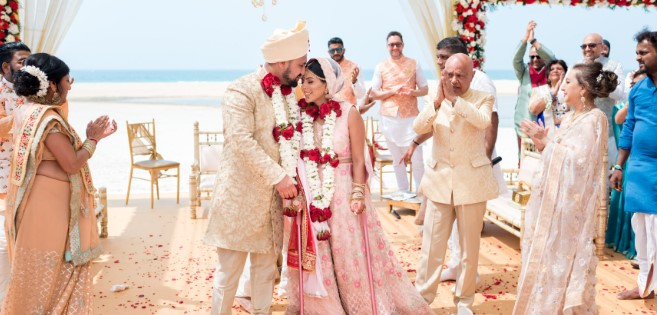
Sacred Sounds for Your Goa Wedding
Entertainment in Goa
Live Mangala Vadhiyam Performances for Goa Weddings
When your wedding day begins with the soul-stirring notes of Live Mangala Vadhiyam Performances, every ritual feels divinely timed and deeply rooted in tradition. Goa, with its breathtaking beach venues, lush garden resorts, and Portuguese-era chapel backdrops, has become a magnet for South Indian destination couples who want the best of both worlds — coastal beauty and age-old ceremony. Whether you are planning a traditional Tamil, Telugu, or Kannada wedding in Panaji, Candolim, or South Goa's serene resorts, bringing in a Carnatic Wedding Ensemble transforms the muhurtham ambience entirely. For families organising a South Indian Wedding in Goa, the blend of ocean breezes and sacred woodwind music creates an atmosphere that guests remember for years. Happiffie connects you with verified performers so your sacred soundscape is never left to chance.
Quick Answer
Live Mangala Vadhiyam Performances refer to live ceremonial music played on traditional instruments — primarily the Nadaswaram (a double-reed wind instrument) and Thavil (a percussion drum) — during Hindu wedding rituals. In Goa, these performances are commonly hired for South Indian destination weddings to mark auspicious moments like the Muhurtham, Vara Puja, and Oonjal. Ensembles typically comprise two to six musicians and perform for two to four hours across key ceremonies.
What Are Live Mangala Vadhiyam Performances and Why Do They Matter at a Goa Wedding?
Live Mangala Vadhiyam Performances are structured sets of ceremonial music rooted in the Carnatic classical tradition. The word 'Mangala Vadhiyam' loosely translates to 'auspicious instruments,' and the ensemble traditionally includes the Nadaswaram — a powerful double-reed oboe-like wind instrument — paired with the Thavil percussion drum. Together, they produce the sonic identity of a South Indian Hindu wedding. In the context of a Goa destination wedding, these performances serve a purpose beyond aesthetics. They acoustically signal the beginning of sacred rituals: the Muhurtham (the auspicious wedding moment), the Kasi Yatra procession, the Oonjal (swing ceremony), and the Mangalya Dharanam (tying of the thali). Each ritual sequence has a corresponding raga or musical passage that the performers know by heart. Hiring trained musicians ensures that these transitions happen on cue, keeping the priest and the family in sync. For couples organising a South Indian Wedding in Goa, the challenge is often logistics — sourcing experienced performers who can travel to Goa's venues in Vagator, Anjuna, or Colva and still deliver a performance of the same quality they would in Chennai or Hyderabad. Happiffie's curated listings make this cross-state coordination far simpler, with transparent pricing and performer profiles that outline travel arrangements, equipment, and repertoire. Traditional Nadaswaram Music carries a spiritual resonance that no recorded playlist can replicate, and Goa's open-air venues amplify that resonance beautifully.
How Much Do Live Mangala Vadhiyam Performances Cost in Goa?
Pricing for Live Mangala Vadhiyam Performances in Goa varies based on ensemble size, travel distance, number of performance hours, and the experience level of the lead Nadaswaram artiste. As a general benchmark, a standard two-musician duo (one Nadaswaram, one Thavil) hired for a Goa event typically costs between INR 15,000 and INR 35,000 for a three-to-four-hour slot, inclusive of basic travel from South India. A larger ensemble of four to six musicians, featuring additional percussion and flute, can range from INR 40,000 to INR 90,000 or more, depending on the artiste's reputation and the venue's location within Goa. For Beach Wedding Ceremony Music settings — say, a sunrise muhurtham at a Candolim or Morjim resort — some performers charge a premium for outdoor acoustic adaptation, which may include wireless microphone setups or custom amplification. This adds roughly INR 5,000 to INR 15,000 to the base quote. When comparing this to a pre-recorded track system, live performance costs more, but the value lies in the adaptability: musicians can extend or shorten a segment based on real-time cues from the priest or family, something a playlist simply cannot do. Auspicious Temple Music for Weddings performed live also carries a customary tip (called 'Dakshina') that families traditionally offer at the end, usually INR 1,000 to INR 5,000 per musician. Budget for this alongside your formal quote. Happiffie listings display inclusions clearly so you can compare apples to apples before booking.
Choosing the Right Ensemble: Nadaswaram, Shehnai, or Full Carnatic Setup?
Not all ceremonial wind music is identical, and choosing the right format for your Goa wedding is an important decision. Traditional Nadaswaram Music is the dominant choice for Tamil and Telugu weddings — the instrument's piercing, devotional tone is considered especially auspicious. For North Indian families hosting a Hindu Wedding Rituals in Goa celebration, a Wedding Shehnai Band may feel more culturally aligned. The Shehnai produces a softer, more lyrical tone compared to the Nadaswaram, and a Wedding Shehnai Band typically performs Hindustani classical compositions or folk wedding songs like 'Mangal Sohila.' A Carnatic Wedding Ensemble, on the other hand, offers the widest repertoire for South Indian weddings. Such an ensemble may include Nadaswaram, Thavil, Mridangam, flute, and Veena players who can perform during both the morning ceremony and the evening reception cocktail hour. Goa's destination wedding venues, particularly the five-star properties in Cavelossim and Coco Beach, often have dedicated outdoor stages that can accommodate a full Carnatic Wedding Ensemble without acoustic issues. For Telugu families accustomed to the Purnakumbham welcome or Vara Puja sequences, specifying your ritual requirements in advance ensures the performers arrive with the correct ragas in their repertoire. Happiffie's booking interface allows you to share your ritual runsheet directly with the performer during the inquiry stage, saving time and avoiding last-minute surprises.
What Venues in Goa Work Best for Live Mangala Vadhiyam Performances?
Goa offers a remarkably diverse range of wedding venues, and each type interacts differently with live ceremonial music. Beachfront properties in North Goa — particularly around Calangute, Baga, and Anjuna — provide open-air canopies where the sound of Traditional Nadaswaram Music carries naturally without the need for heavy amplification. The sea breeze and the gentle rhythm of waves create a layered acoustic landscape that guests find unforgettable. However, beach venues can be challenging during high-wind months (November to January), so performers may need windshields for their instruments. Inland resort venues in areas like Ponda, Panjim, and Old Goa's heritage belt offer shaded courtyards and grand lawns that work exceptionally well for Live Mangala Vadhiyam Performances. The natural canopy of trees and the surrounding greenery actually improve sound quality, making every note richer and more resonant. Portuguese-era mansions repurposed as wedding venues — common in the Fontainhas neighbourhood of Panaji — lend a beautiful heritage aesthetic that pairs surprisingly well with South Indian ceremonial music, creating a multi-cultural sensory experience. For Goa Destination Wedding Entertainment that doubles as a guest experience, some couples position musicians near the mandap entrance so guests are welcomed by live music as they take their seats. South Goa resorts in Cavelossim, Mobor, and Colva typically have better logistical infrastructure for outstation performers, including green rooms and parking facilities. When booking through Happiffie, filter by venue type to find performers who have prior experience with your specific property or neighbourhood.
How Do You Plan and Book Live Mangala Vadhiyam Performances Without Stress?
Planning Live Mangala Vadhiyam Performances for a Goa destination wedding requires a slightly different approach compared to booking a local event in Chennai or Bengaluru. Start by locking your performance dates and ceremony timings at least four to six months in advance, especially if your wedding falls between October and February — Goa's peak season, when venues and performers book up rapidly. Once timings are confirmed, share your complete ritual schedule with potential performers through Happiffie's messaging system. A detailed runsheet — listing each ritual, its duration, and the expected musical cue — allows performers to prepare specific ragas and ensures seamless transitions during the ceremony. Discuss travel logistics openly. Most experienced ensembles performing Auspicious Temple Music for Weddings at Goa events will require travel by train or flight from Tamil Nadu, Karnataka, or Andhra Pradesh. Clarify who bears the cost of return travel, accommodation, and meals before signing an agreement. For Beach Wedding Ceremony Music setups, ask the performer specifically about their experience with outdoor sound — whether they own portable amplification, how they handle humidity effects on instruments, and whether they have a backup plan for equipment failure. Carnatic Wedding Ensemble groups experienced in destination events usually carry spare reeds and tuning accessories. Finally, confirm the exact number of musicians, the attire (traditional veshti and angavastram is standard and looks elegant in photographs), and the specific ragas they plan to perform at each ritual juncture. Happiffie's structured quote request form covers most of these points, ensuring nothing is missed in the initial discussion.
Comparing Live Mangala Vadhiyam Performance Setups for Goa Weddings
Expert Recommendation
Best for Intimate Ceremonies (Under 100 Guests)
Best for Large Destination Weddings (300+ Guests)
Best for Beach Wedding Settings
Best for Budget-Conscious Couples
Best for Multi-Cultural Goa Destination Weddings
Best for Heritage Venue Weddings in Goa
How to Choose the Right Option
✅ Pre-booking Checklist
- Confirm your wedding date, ceremony timings, and muhurtham slot before reaching out to performers
- Prepare a complete ritual runsheet listing each ceremony, its expected duration, and the required musical cue
- Clarify travel arrangements — who books and pays for trains or flights from South India to Goa
- Confirm accommodation and meal arrangements for outstation musicians on the day of and night before the wedding
- Ask the ensemble specifically about outdoor performance experience and whether they own portable amplification
- Discuss the Dakshina tradition and agree on a customary amount to include in your wedding-day budget
- Request a sample audio or video of a recent wedding performance to assess sound quality and ritual familiarity
- Sign a written agreement covering performance hours, musician count, travel reimbursements, and cancellation terms
🎯 Selection Criteria
- Demonstrated experience performing at South Indian wedding ceremonies (not just temple events)
- Prior destination event experience, specifically weddings held in Goa or outside the performer's home state
- Ability to coordinate directly with the wedding priest on ritual cues and musical transitions
- Ensemble size matched to your venue capacity and outdoor or indoor setting
- Transparent pricing that separates performance fees from travel and accommodation costs
- Availability to attend a pre-event call or rehearsal walkthrough with your event coordinator
💰 Cost / Quality Factors
- Ensemble size directly impacts cost — each additional musician adds INR 5,000 to INR 15,000 to the quote
- Travel origin matters — ensembles from Chennai or Bengaluru incur lower travel costs than those from Madurai or Tirupati
- Peak season surcharges (October to February) can add 15-25 percent to base performance fees
- Outdoor acoustic adaptation equipment — portable PA systems, microphone setups — adds to overall cost
- Lead artiste seniority and classical training credentials influence the upper end of pricing significantly
- Number of performance hours contracted affects cost; extending on the day without prior agreement can be expensive
⚠️ Common Mistakes to Avoid
- Booking performers without confirming their knowledge of your specific community's ritual sequence and ragas
- Failing to budget for travel, accommodation, and meals, which can be a significant hidden cost for outstation ensembles
- Scheduling the performance without coordinating timing in advance with the wedding priest
- Assuming outdoor venues will naturally project the sound — always ask about amplification for spaces over 200 guests
- Not getting a written agreement, which leads to disputes about performance duration or musician count on the day
- Waiting until one or two months before a peak-season Goa wedding to start the booking process
People Also Ask
What instruments are used in Mangala Vadhiyam at a wedding?
Can I hire a Nadaswaram group for my destination wedding in Goa?
How long does a Mangala Vadhiyam performance last at a typical wedding?
What is the difference between Mangala Vadhiyam and a Shehnai band?
How much does it cost to book Mangala Vadhiyam musicians in Goa?
Is Mangala Vadhiyam suitable for a beach wedding in Goa?
How many musicians should I hire for a Mangala Vadhiyam ensemble?
Which Goa neighbourhoods are most popular for South Indian destination weddings?
What rituals specifically require Mangala Vadhiyam music?
What should I look for when reviewing a Mangala Vadhiyam performer profile?
Can Mangala Vadhiyam be performed alongside a DJ or live band at the reception?
How far in advance should I book Mangala Vadhiyam performers for a Goa wedding?
Related Experiences on Happiffie
Dream Weddings, Perfectly Planned in Goa
Unforgettable Beach Wedding Catering in Goa
All Wedding & Event Services
Venues in Goa
Discover Verified Vendors
Reverse Auction
Frequently Asked Questions
Are Live Mangala Vadhiyam Performances available for weddings in North Goa beach venues like Candolim or Morjim?
Can Mangala Vadhiyam musicians travel from Tamil Nadu or Andhra Pradesh to perform in Goa?
How do I share my wedding ritual schedule with Mangala Vadhiyam performers booked through Happiffie?
What is the best time of day for Mangala Vadhiyam performances at a Goa beach wedding?
Do Mangala Vadhiyam performers in Goa also perform at Telugu weddings or only Tamil ceremonies?
Is there a minimum booking duration for Mangala Vadhiyam performers in Goa?
Can I combine Mangala Vadhiyam with other entertainment at my Goa wedding?
What attire do Mangala Vadhiyam musicians typically wear at South Indian weddings in Goa?
How do Hindu Wedding Rituals in Goa differ from those performed in South India, and does this affect the music?
Can Mangala Vadhiyam music be recorded during the wedding for the family to keep?
What is the Dakshina tradition for Mangala Vadhiyam musicians, and how much should I offer?
Does Happiffie verify the credentials of Mangala Vadhiyam performers listed on the platform?
Key Takeaways
- Live Mangala Vadhiyam Performances involve the Nadaswaram and Thavil instruments played during key South Indian Hindu wedding rituals such as Muhurtham, Oonjal, and Mangalya Dharanam.
- Costs in Goa range from INR 15,000 to INR 90,000 or more depending on ensemble size, artiste experience, and travel from South India.
- Goa's beachfront, inland resort, and heritage mansion venues each present distinct acoustic environments that require different performance setups.
- Booking four to six months in advance is essential for peak-season Goa weddings, as experienced performers fill their calendars early.
- Always prepare a detailed ritual runsheet and share it with your performers and priest together to ensure seamless musical transitions.
- Budget for travel, accommodation, meals, and the customary Dakshina in addition to the quoted performance fee.
- Happiffie's verified performer listings allow couples to compare ensemble profiles, view prior destination event experience, and request structured quotes in one place.
- A hybrid approach — Live Mangala Vadhiyam Performances for the ceremony and a DJ or band for the reception — is the most popular entertainment format at Goa destination weddings.
Book Live Mangala Vadhiyam Performances for Your Goa Wedding
Connect with verified Traditional Nadaswaram Music ensembles and Carnatic Wedding performers through Happiffie. Get transparent quotes, share your ritual runsheet, and secure your sacred soundscape — all in one place.
Get Free Quotes
Are you a Vendor? Grow Your Business with Happiffie!
- High intent verified leads
- Reverse auction opportunities
- AI business tools & insights
- Dedicated vendor dashboard
- Grow your business, your way
It's free & takes less than 2 minutes!