
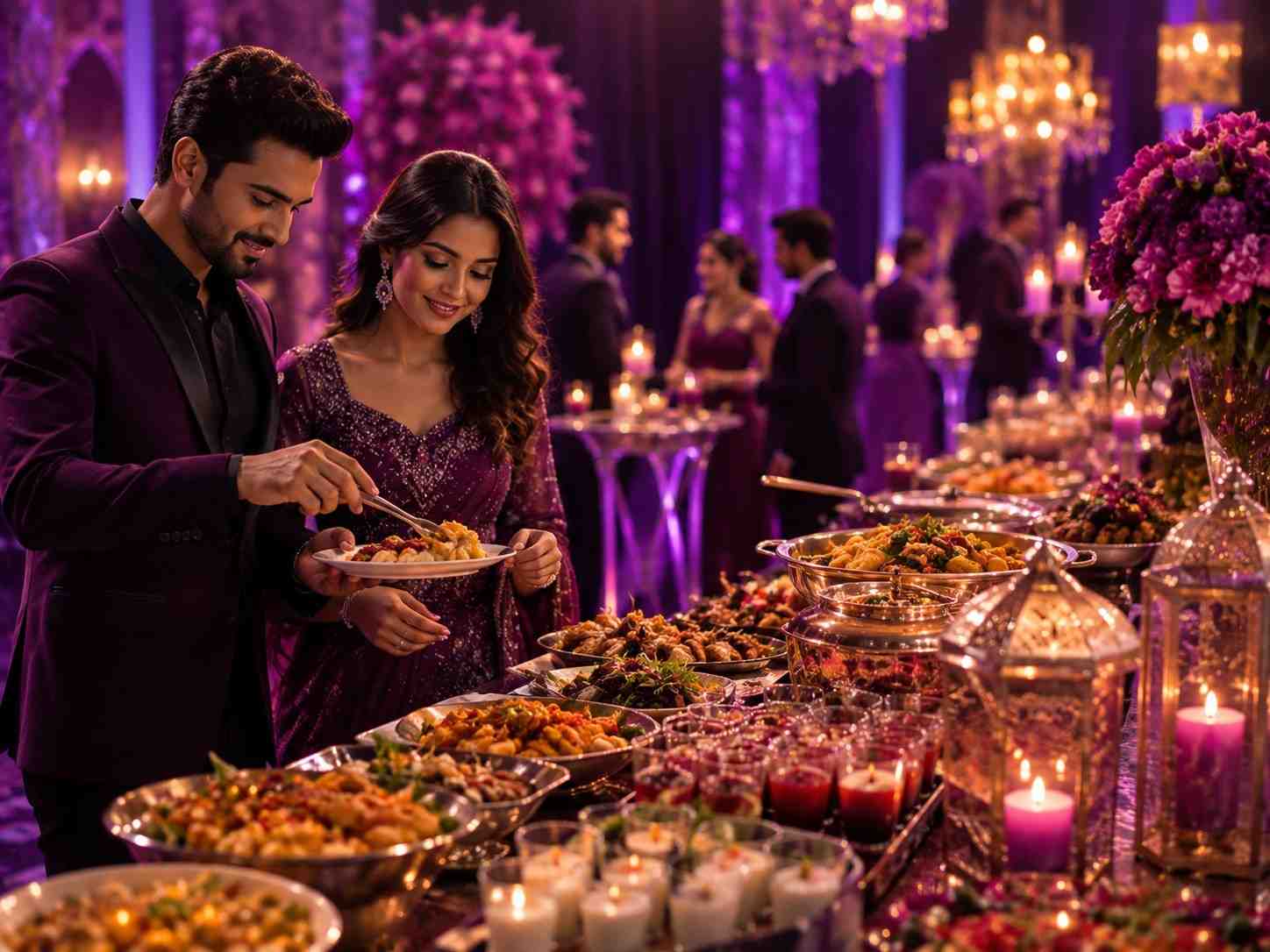
Explore All Catering & Dining
Discover delicious food and refreshment options for every celebration and event in Chennai
Taste Better,
Celebrate with Happiffie
From the first menu idea to the final serving, Happiffie helps you discover catering, food and dining experiences that make every celebration memorable.
- Smart Food DiscoveryFind catering and dining options for your event
- AI RecommendationsGet personalised food and catering matches for your occasion
- Trusted Food NetworkConnect with verified catering and food service vendors
Food & Beverage Options
 Beach BBQ Grill Experiences
 Beach Wedding Catering Experiences
 Beachfront Outdoor Dining Experiences
 Beachside Food Truck Experiences
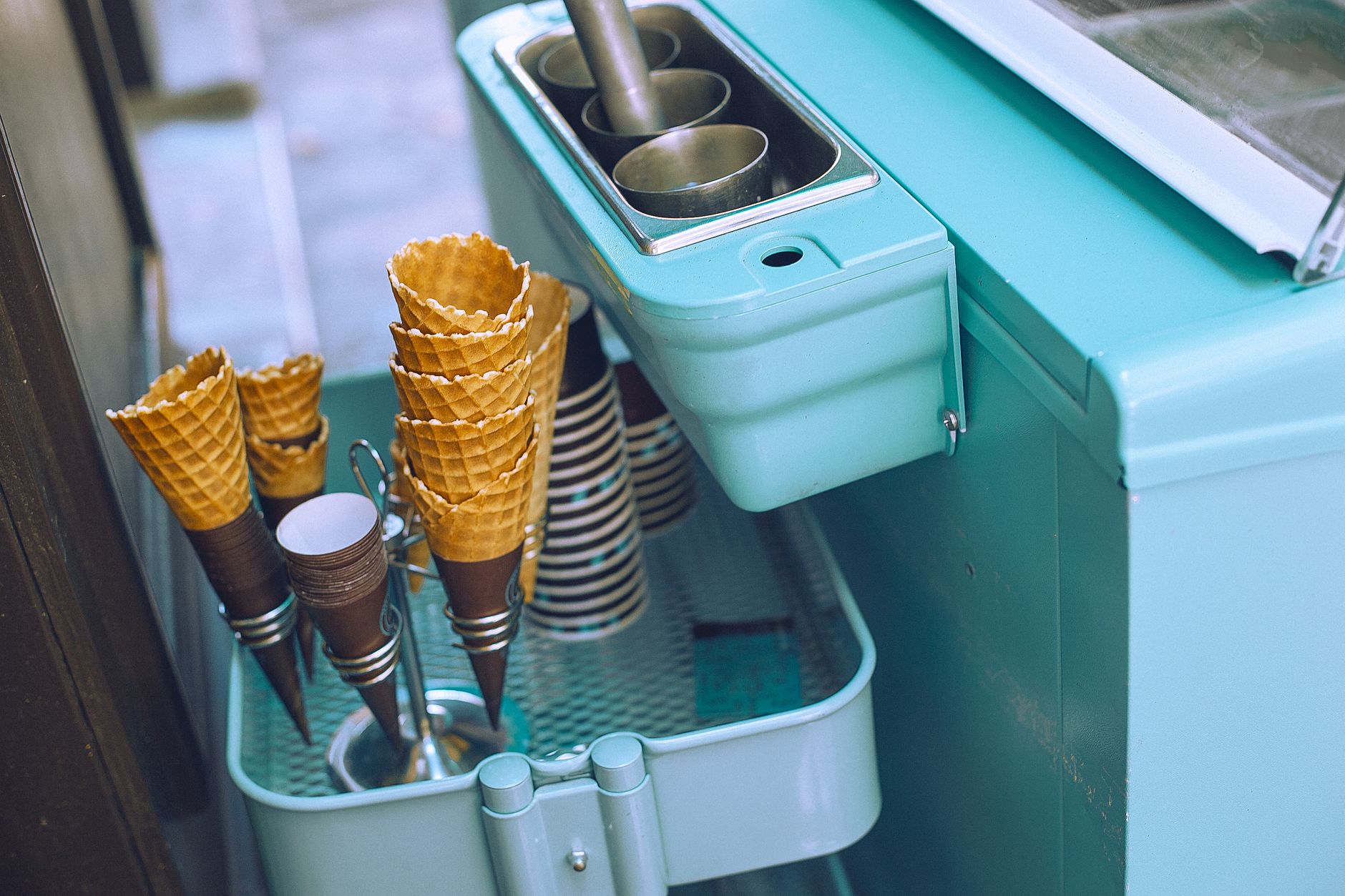 Beachside Frozen Dessert & Ice Cream Stations
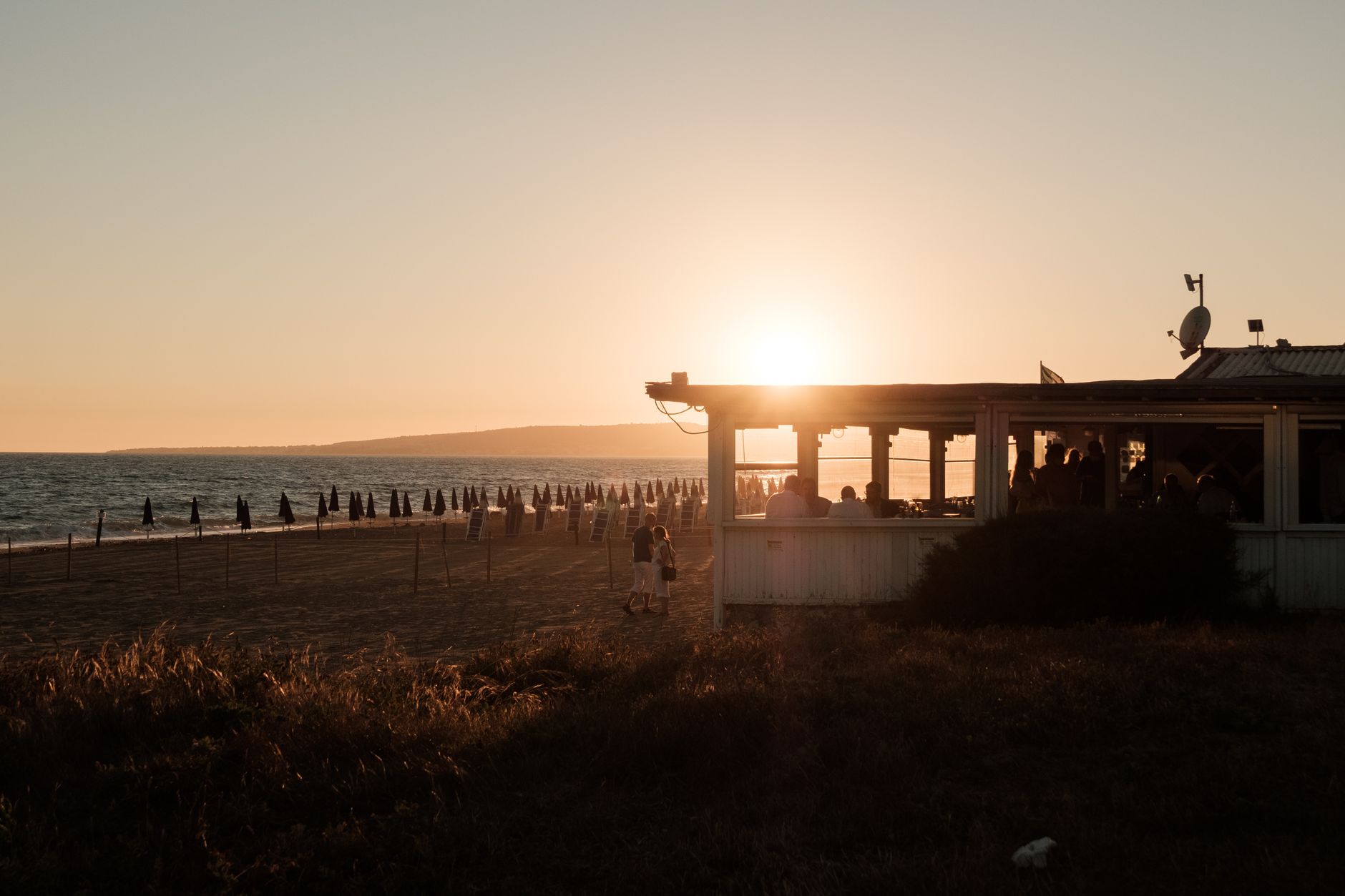 Beachside Mocktail Lounge Services
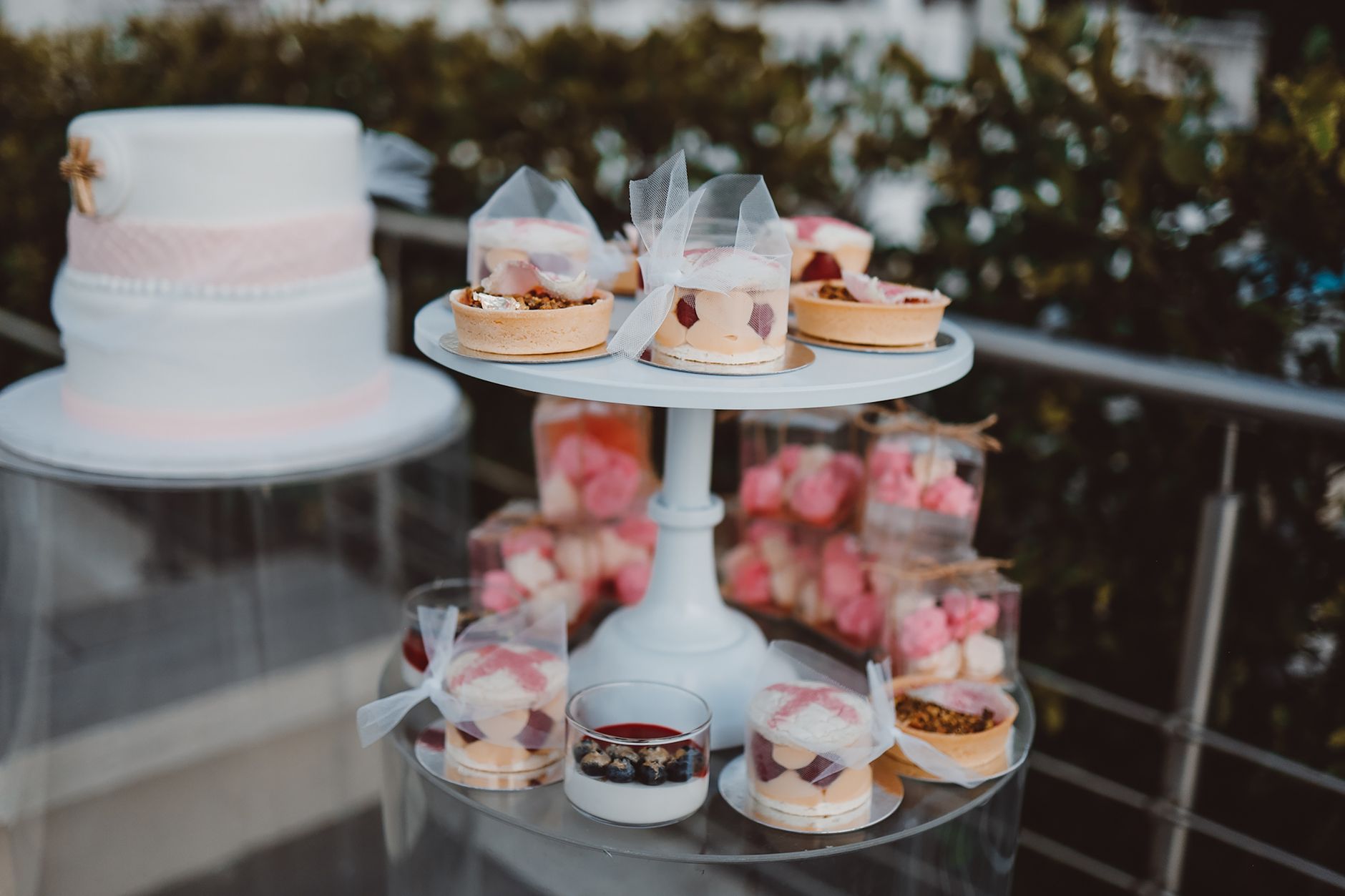 Boutique Patisserie Counter
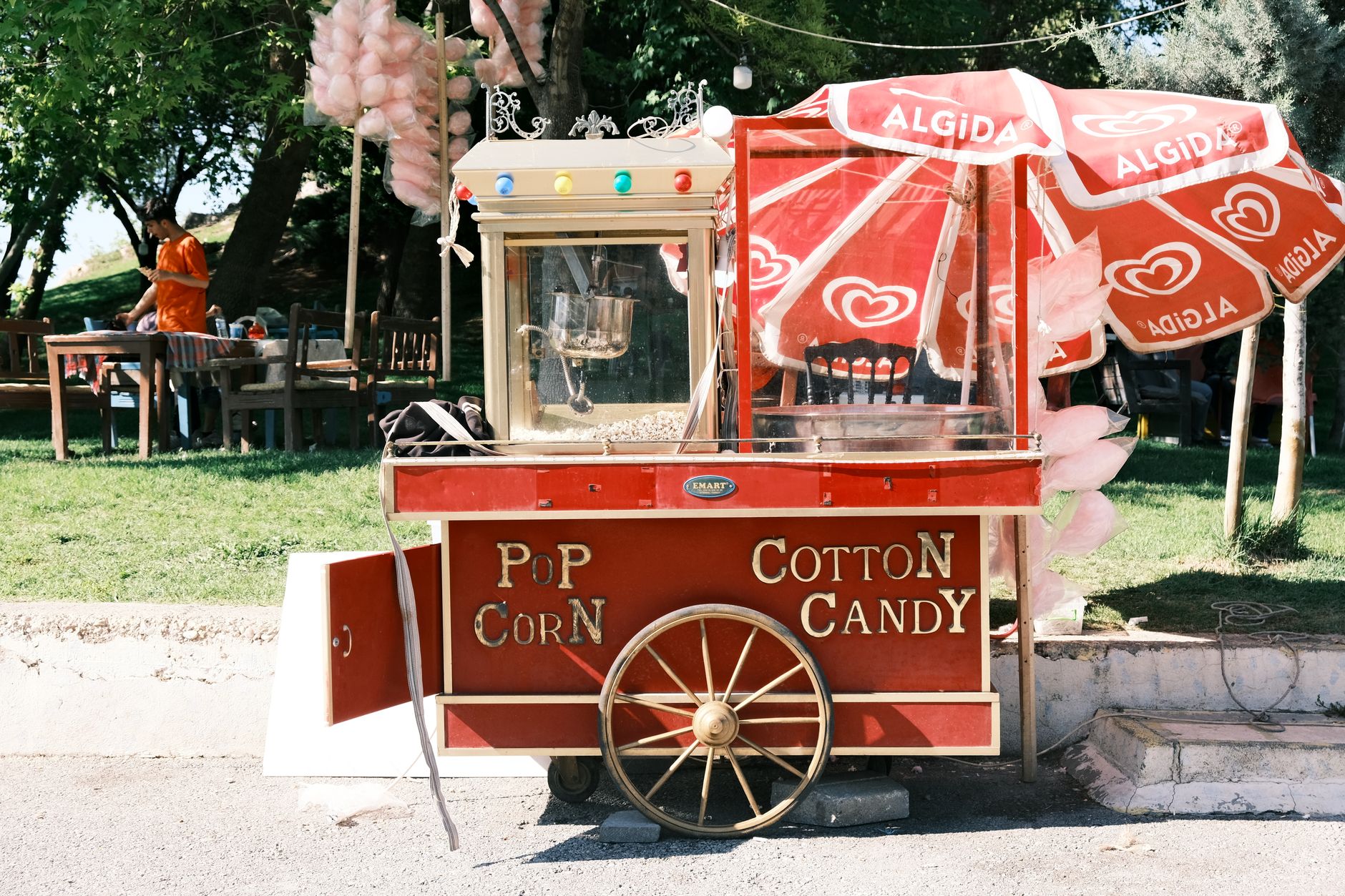 Candy Floss Cart
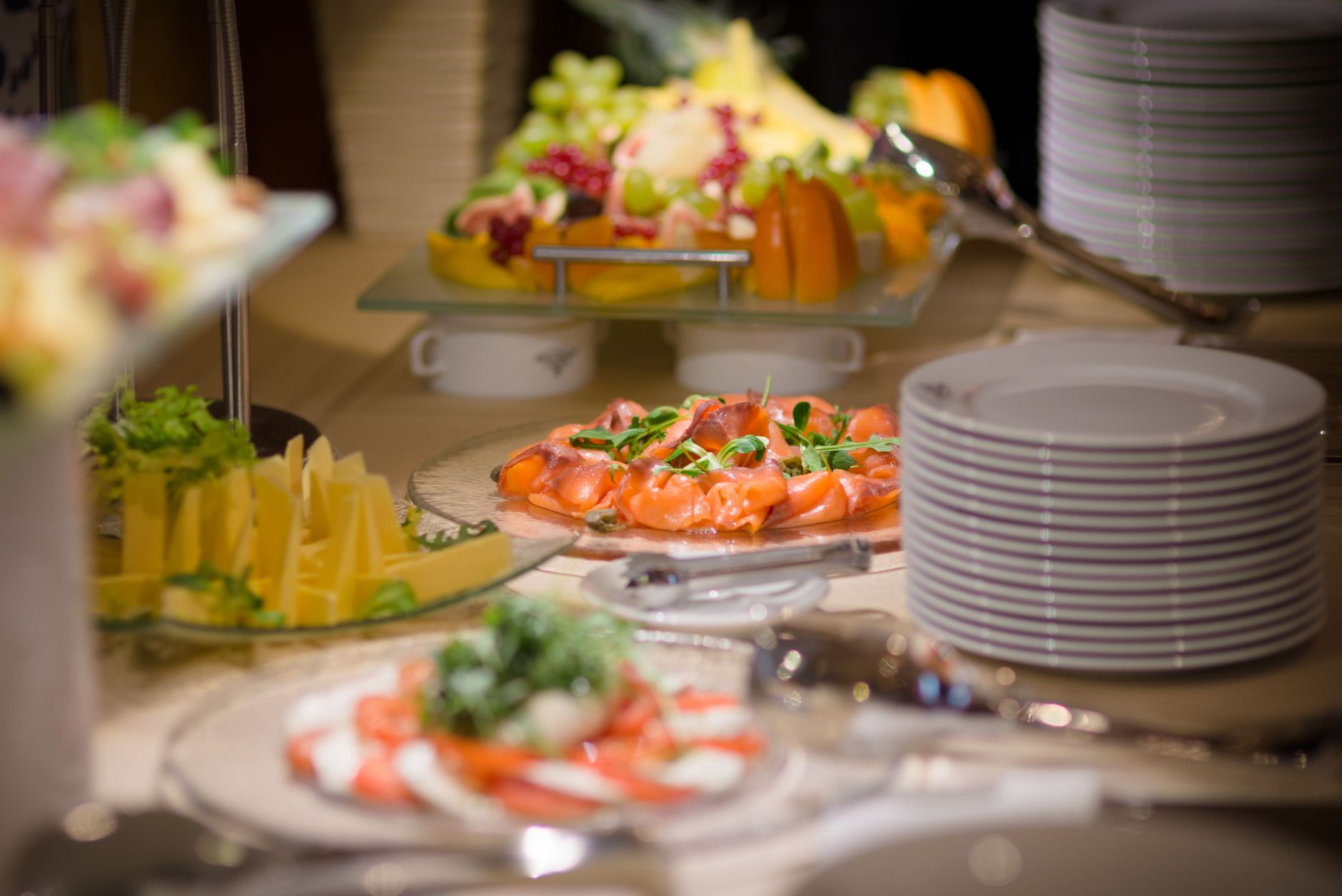 Celebration Food Caterers
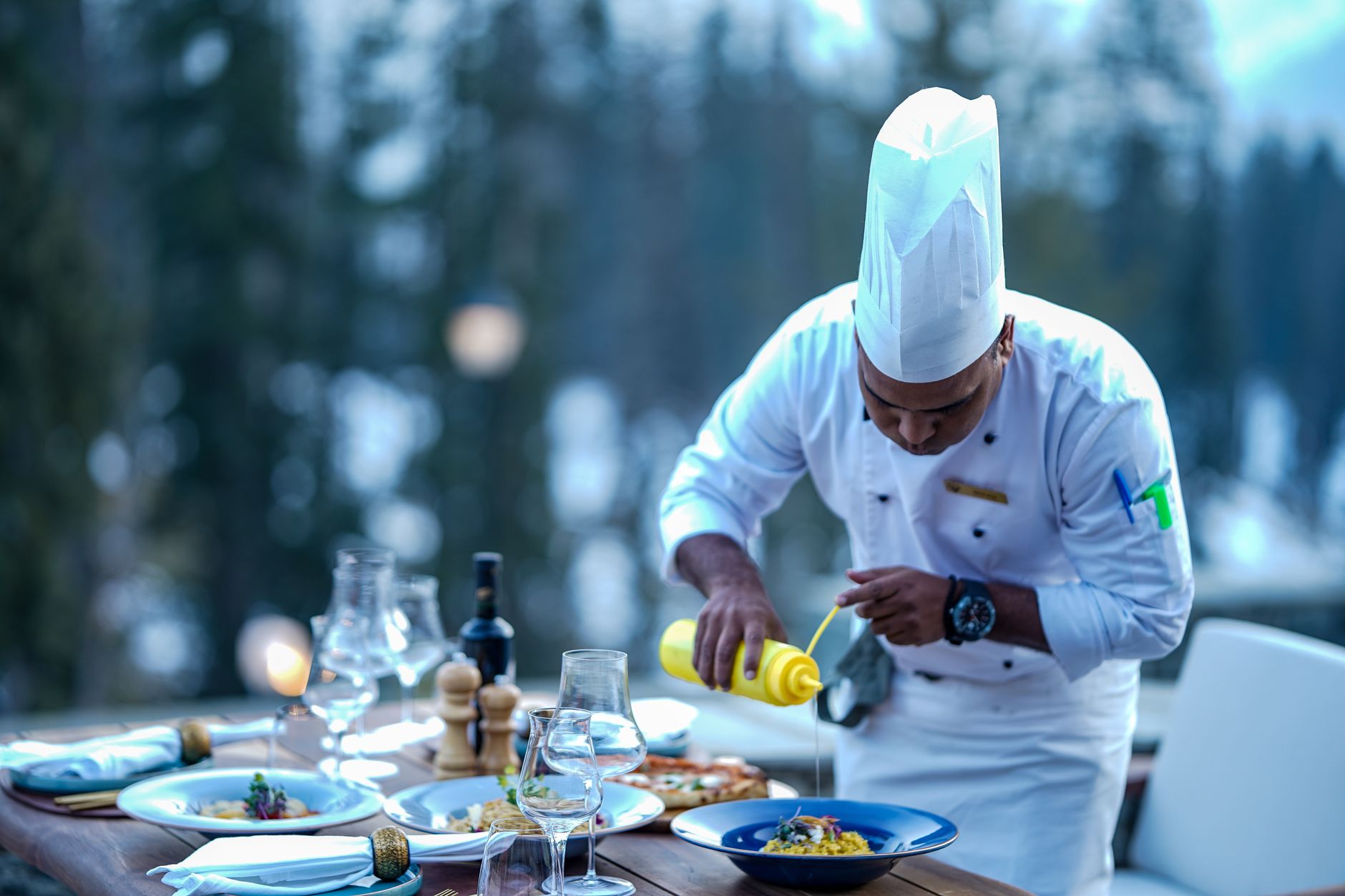 Celebrity Chef Table
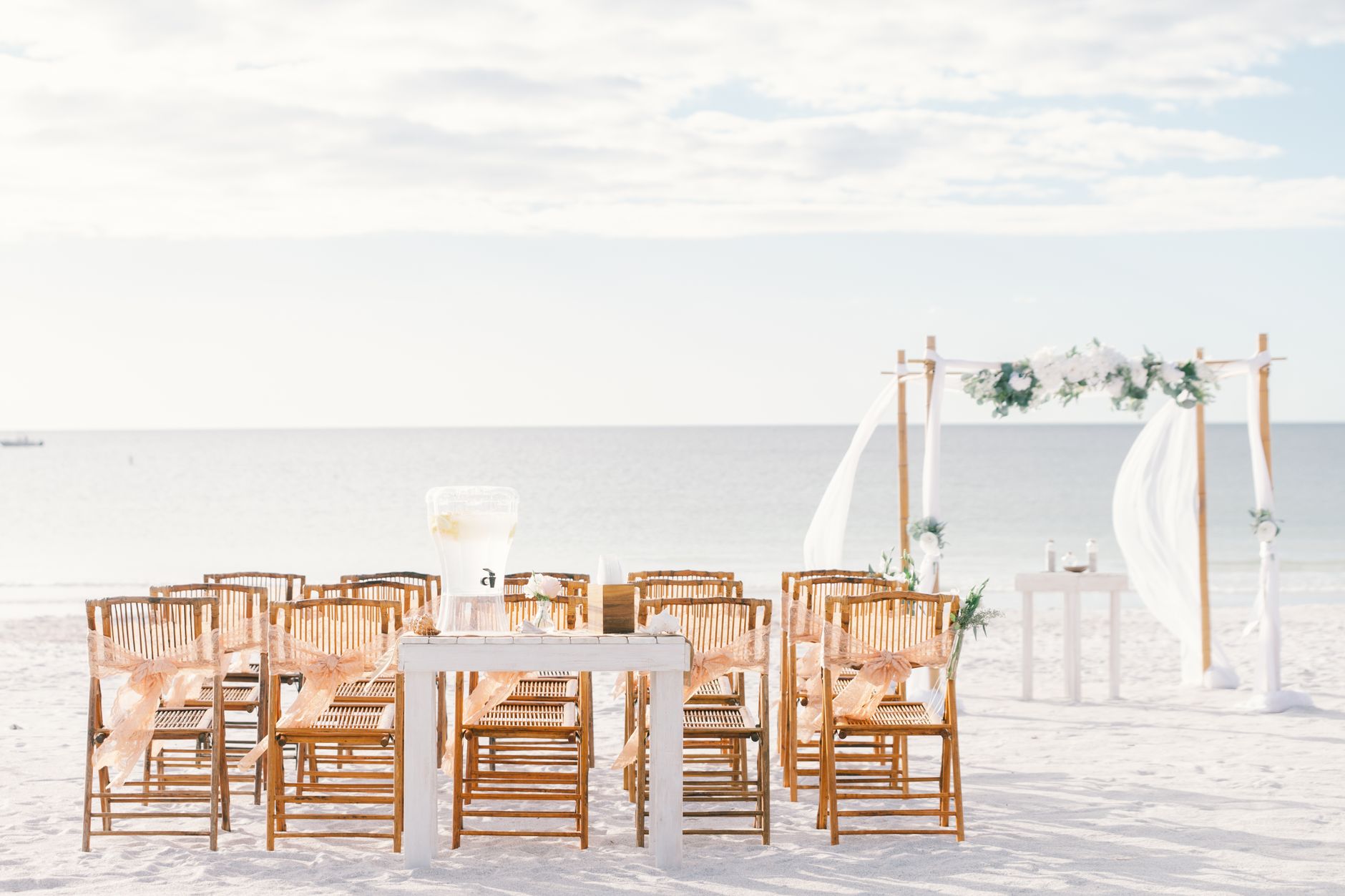 Coastal Café Style Beverage Counters
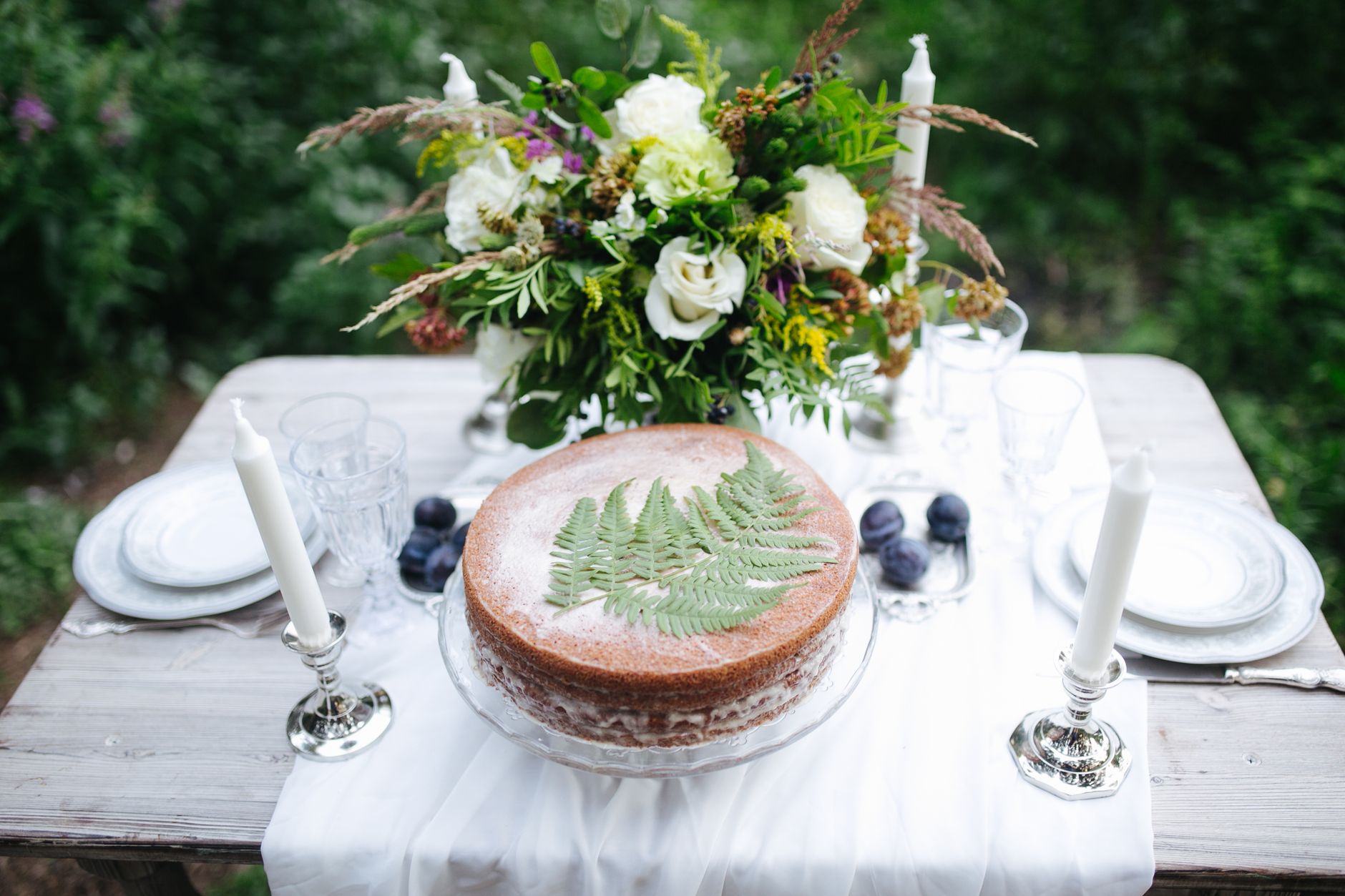 Community Meal Support Partners
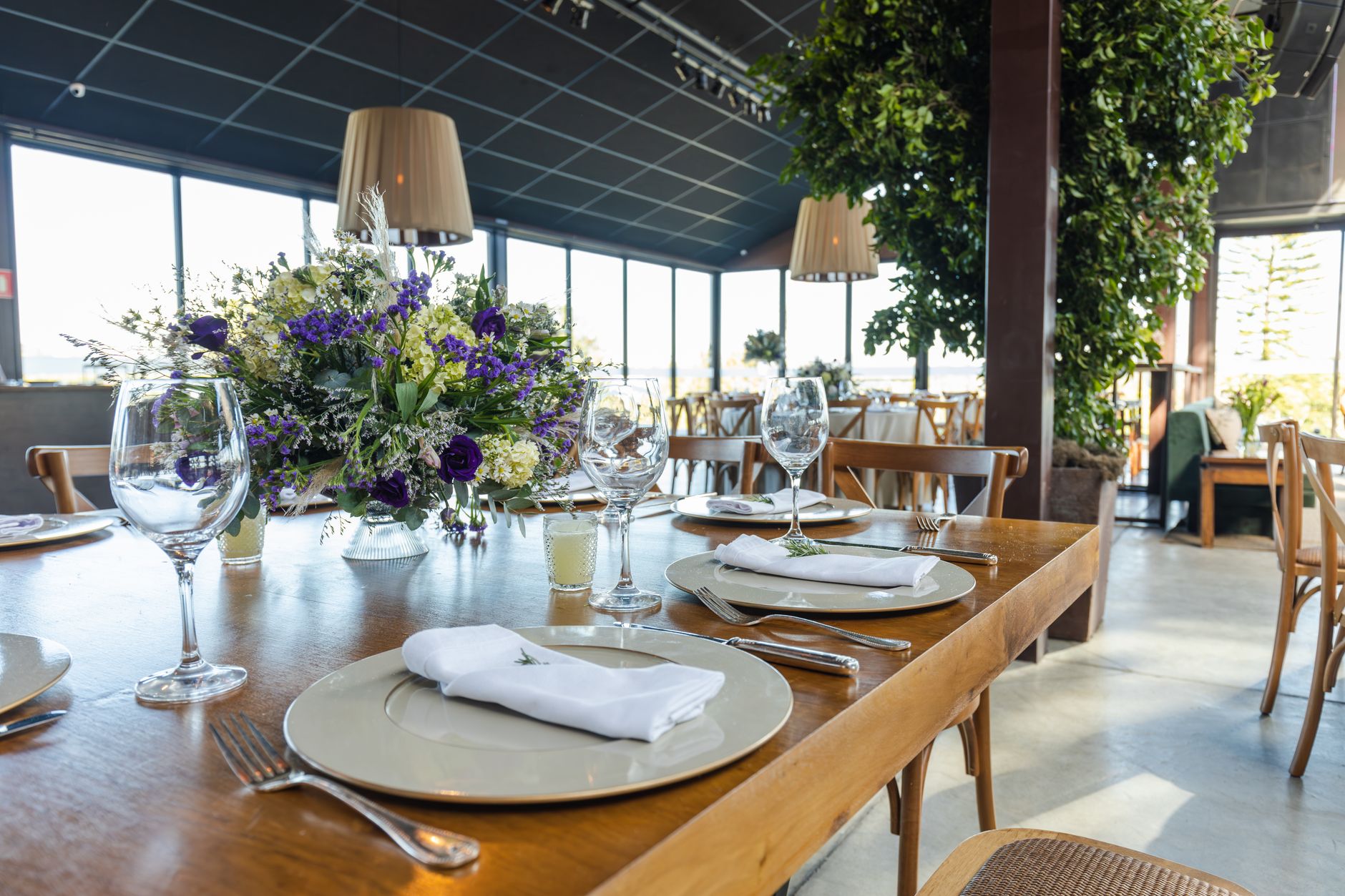 Destination Culinary Planning Experts
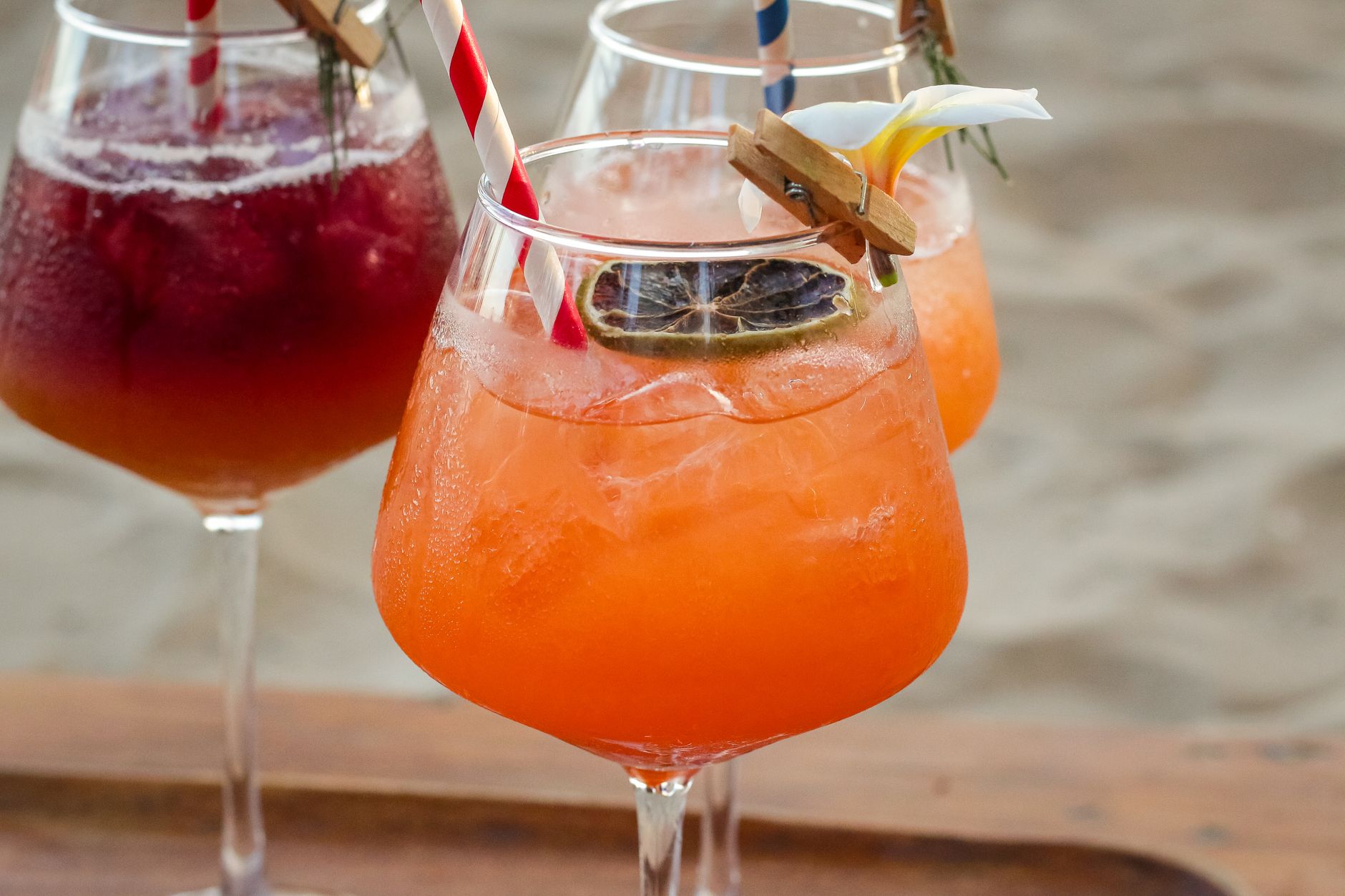 Destination Event Mixologists
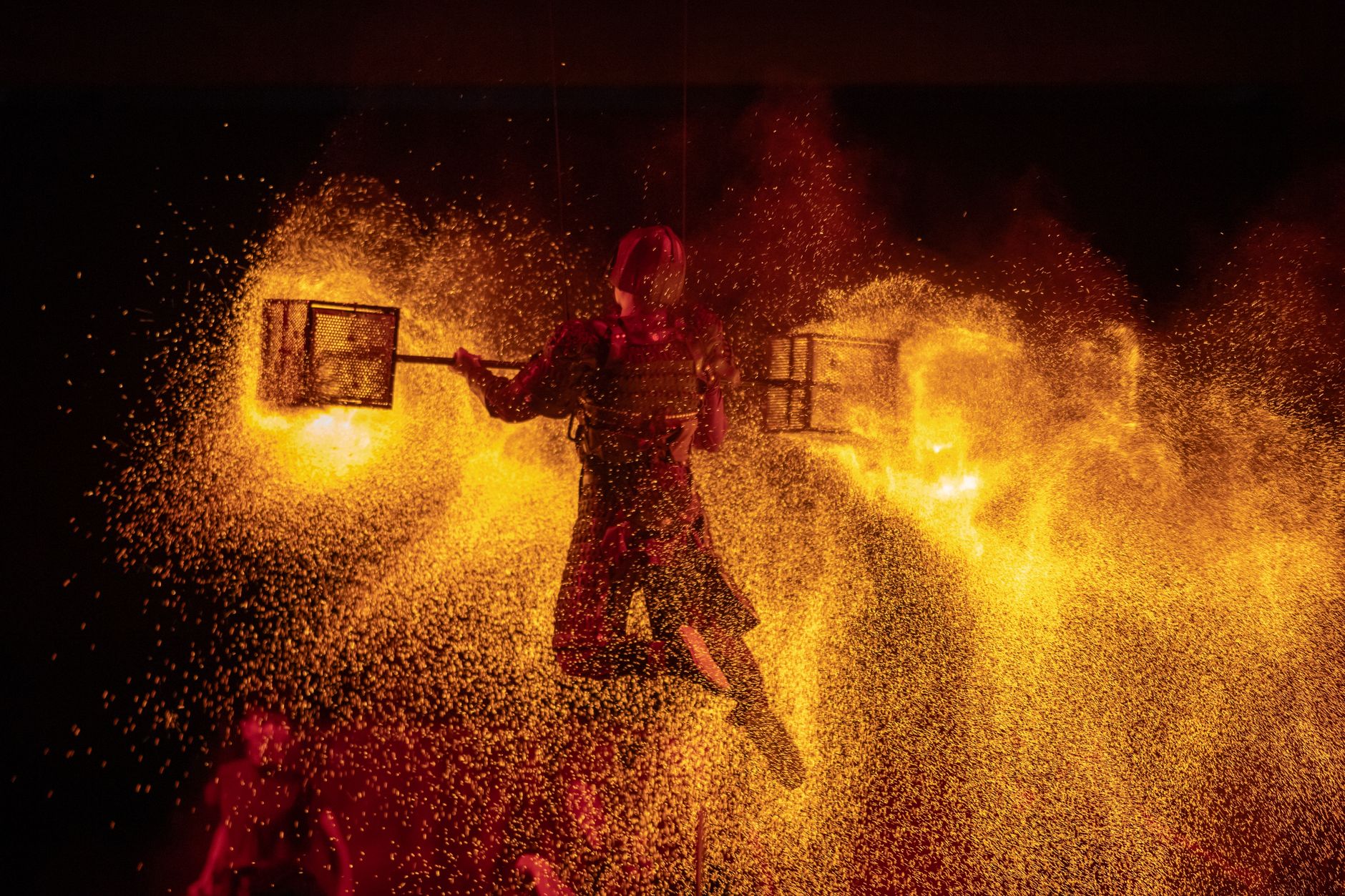 Experimental Food Theatre
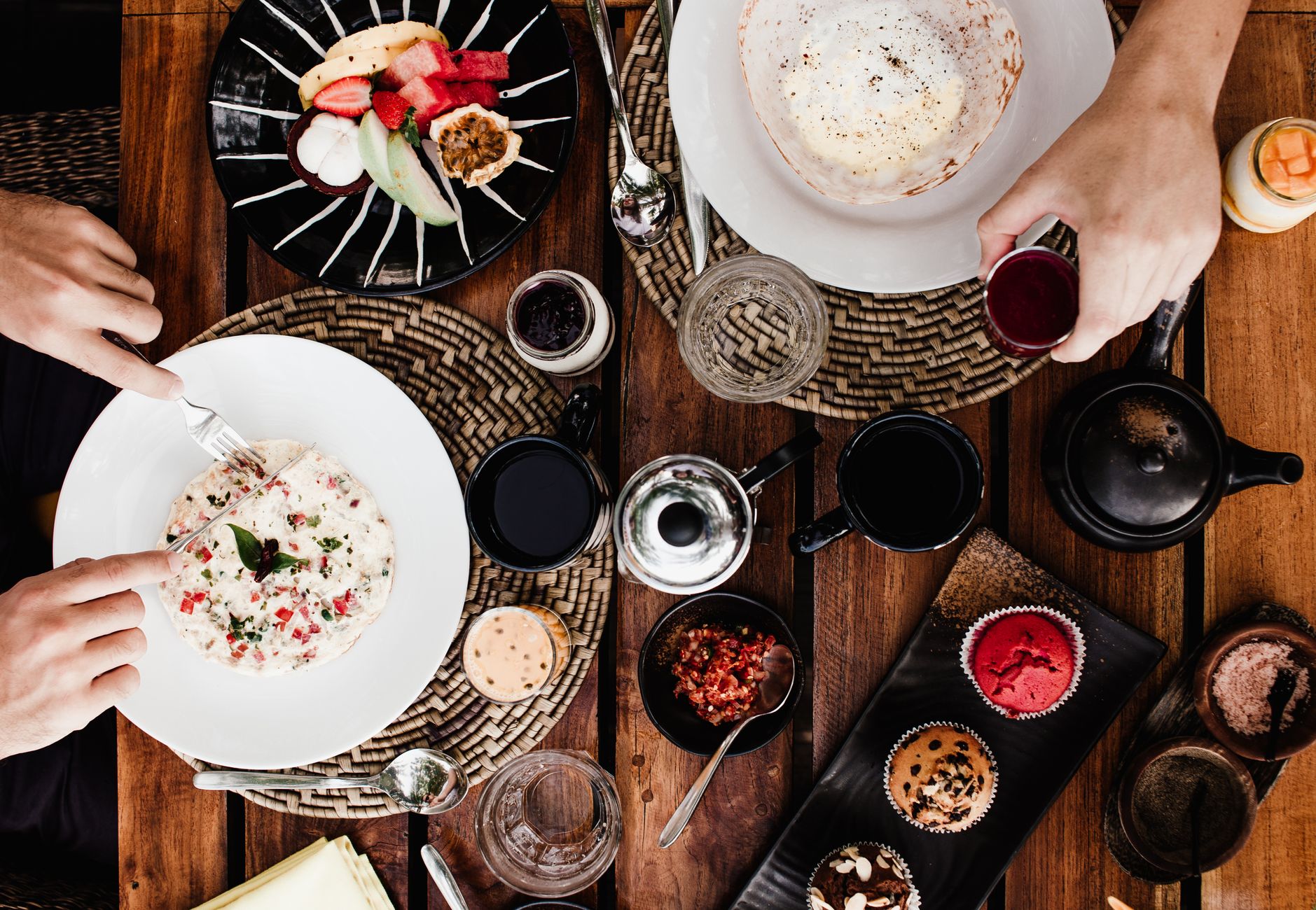 Flavoured Popcorn Station
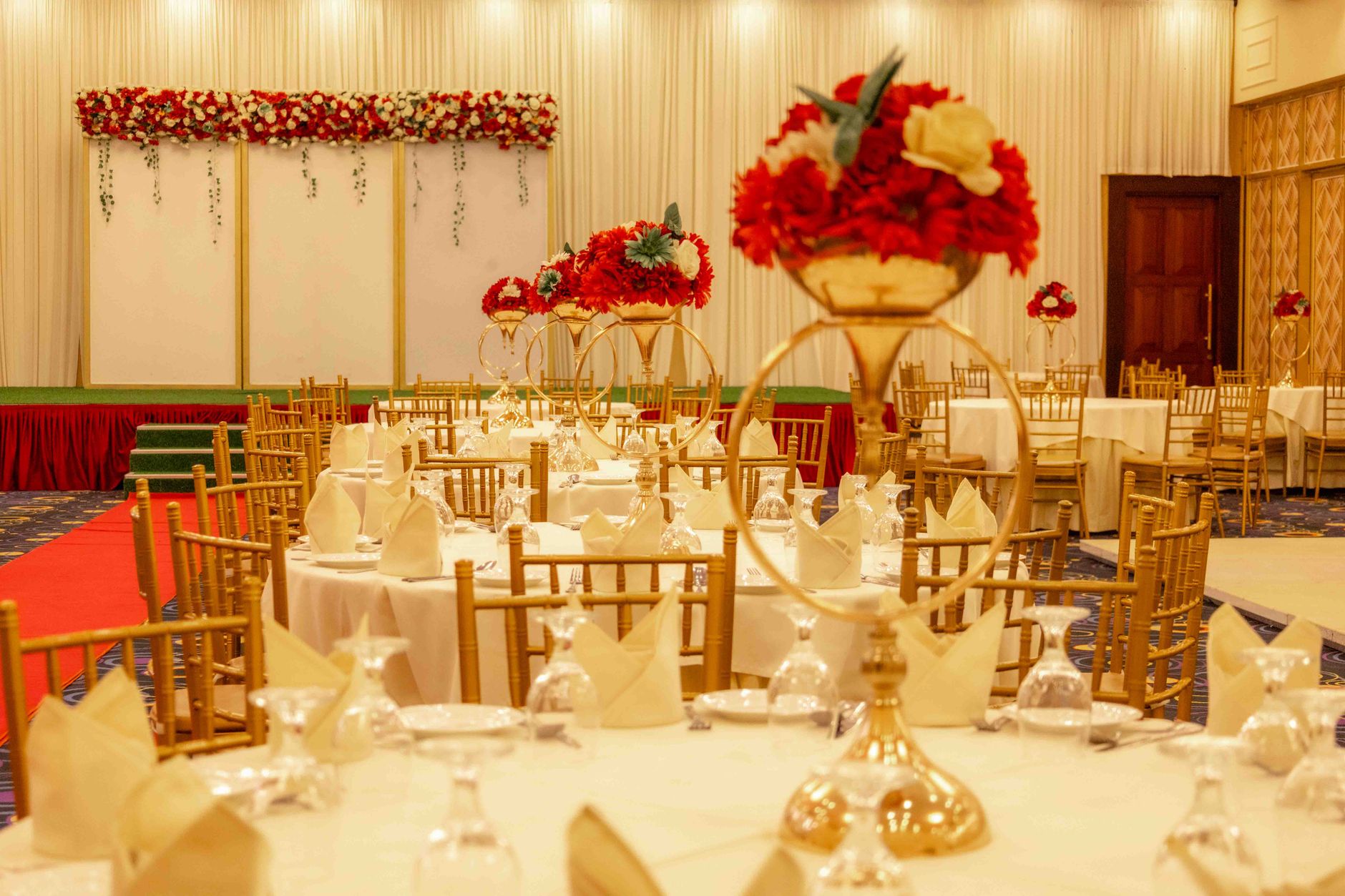 Formal Seated Meal
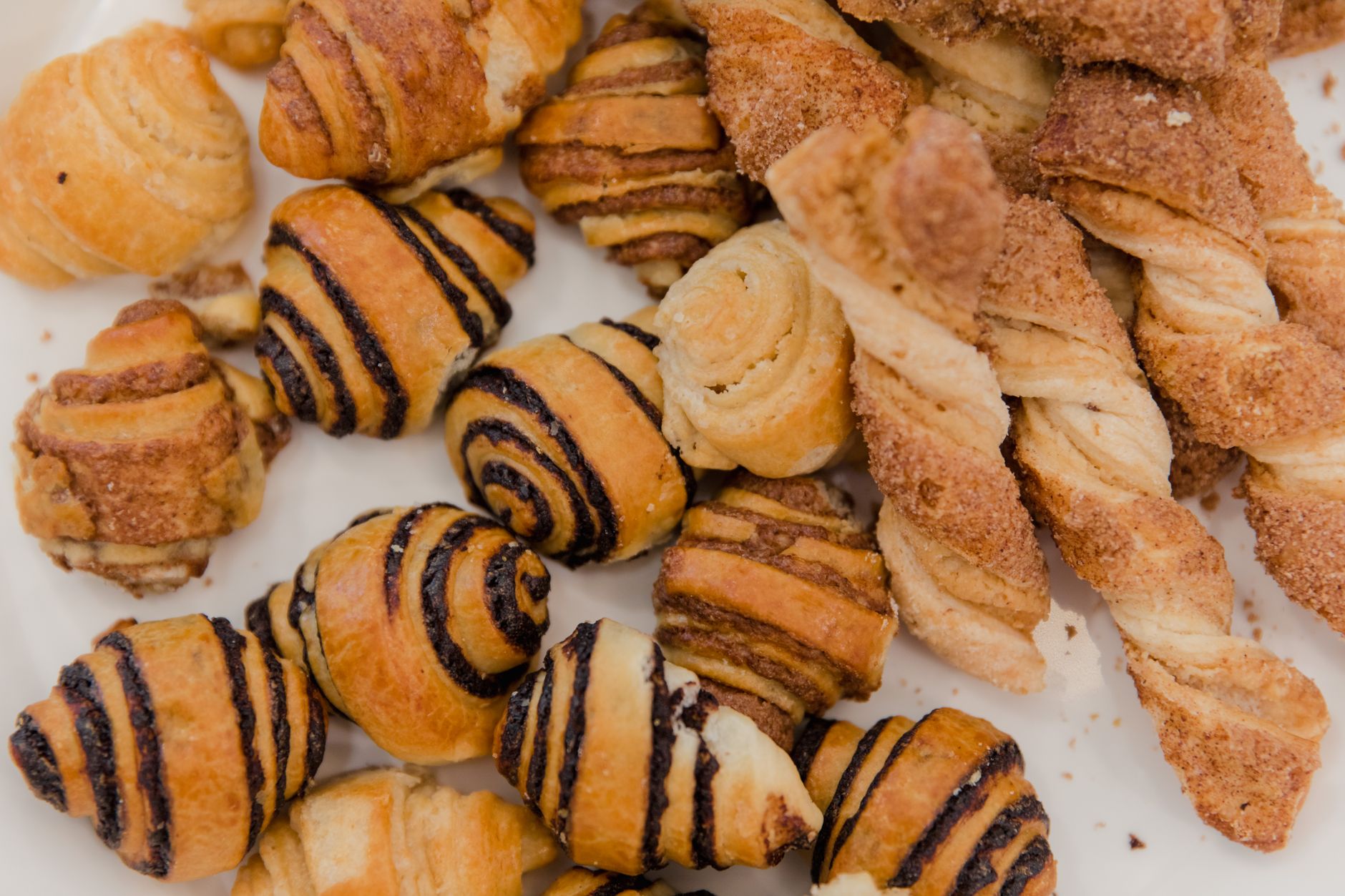 Fresh-Baked Treats Station
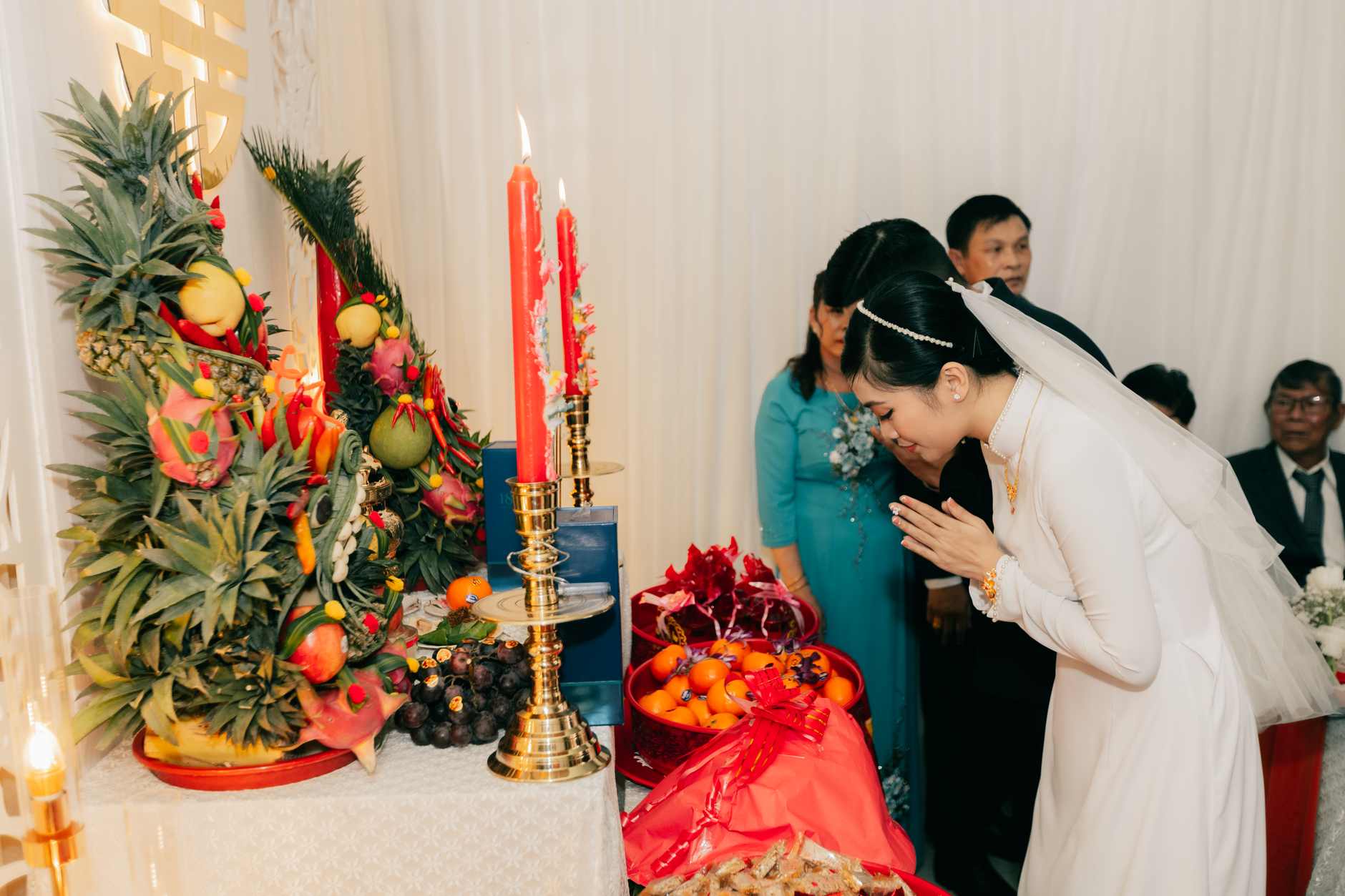 Fruit Artistry Service
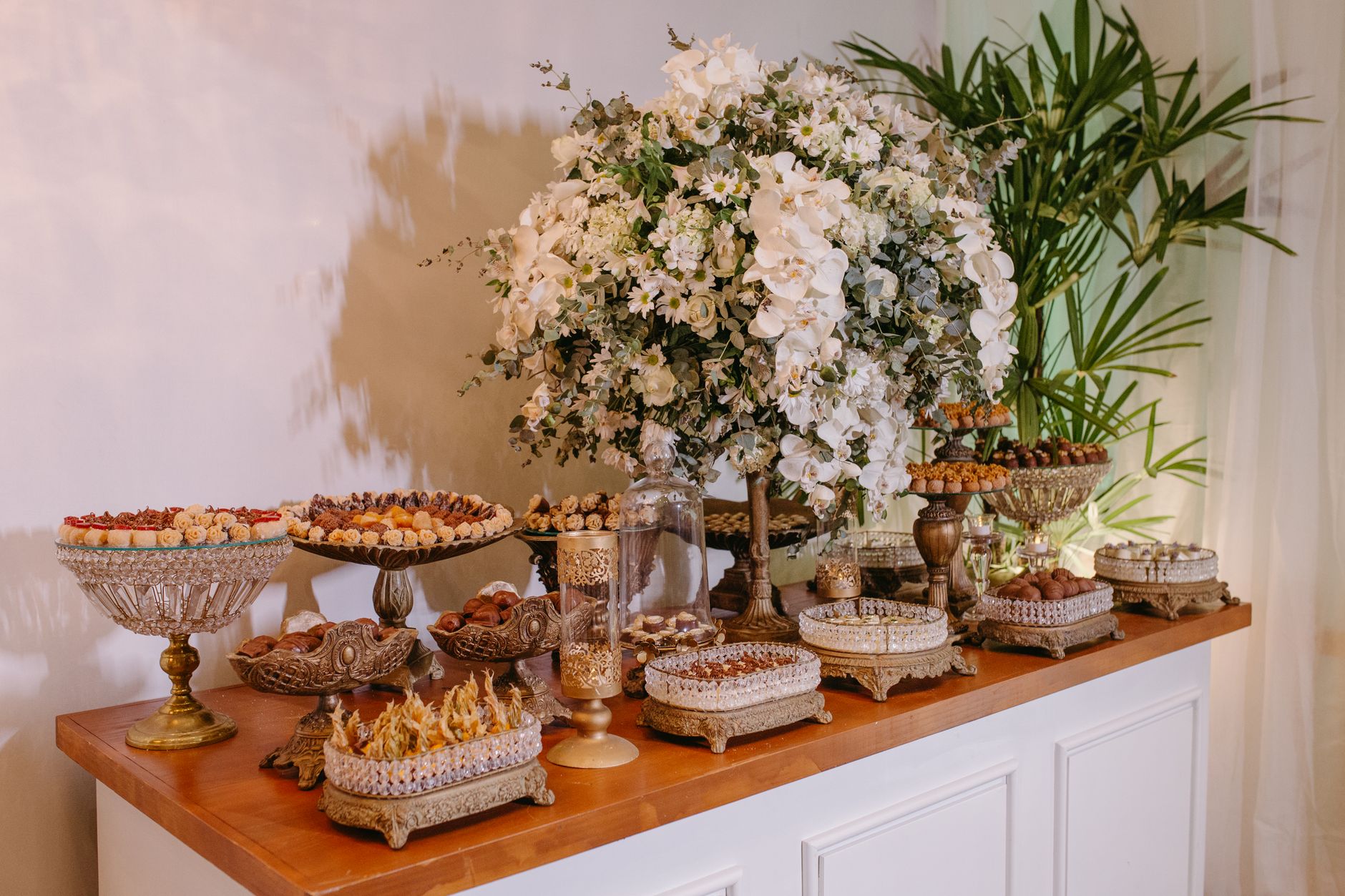 Grand Chocolate Fountain Experiences
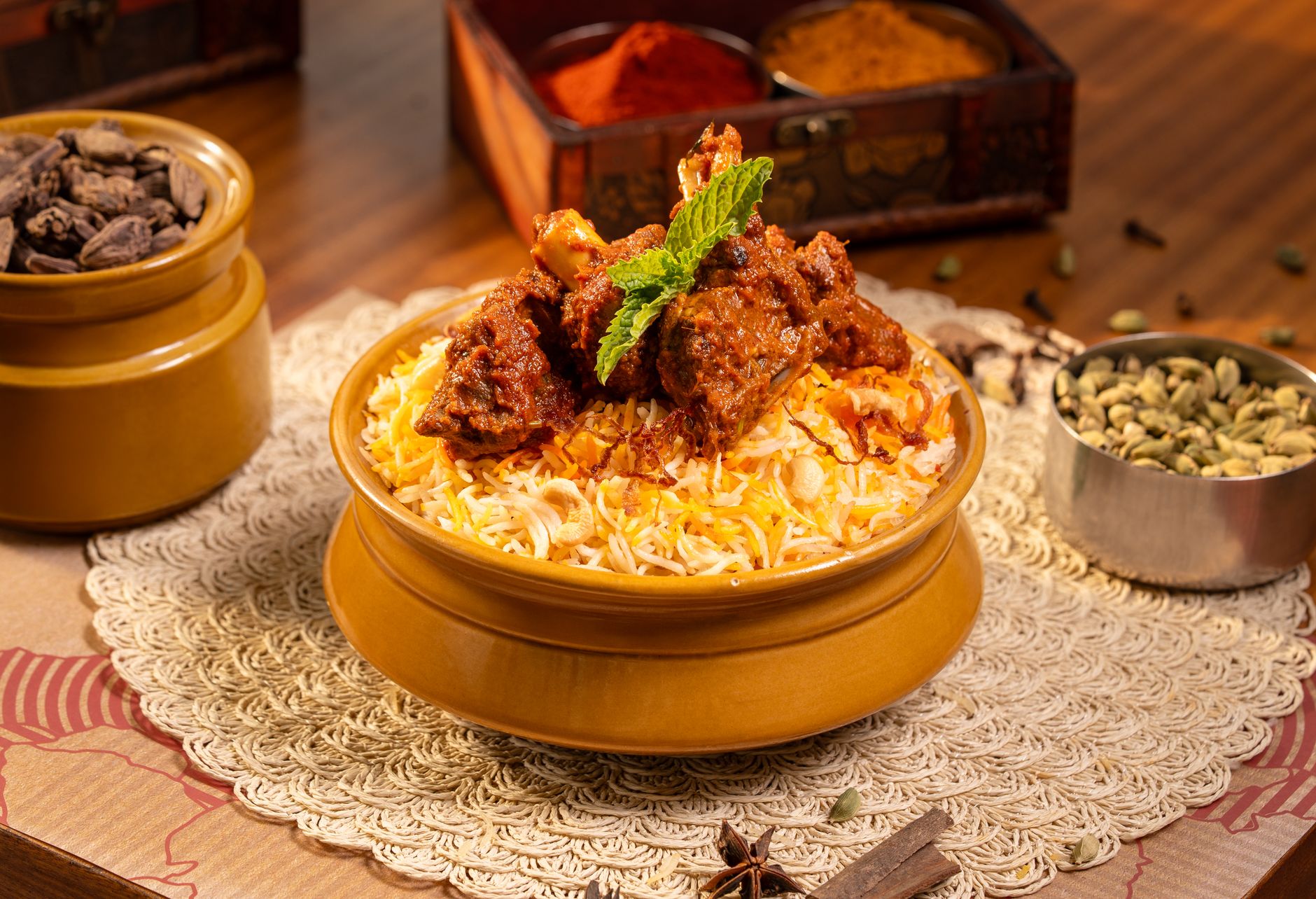 Handi Biryani Counter
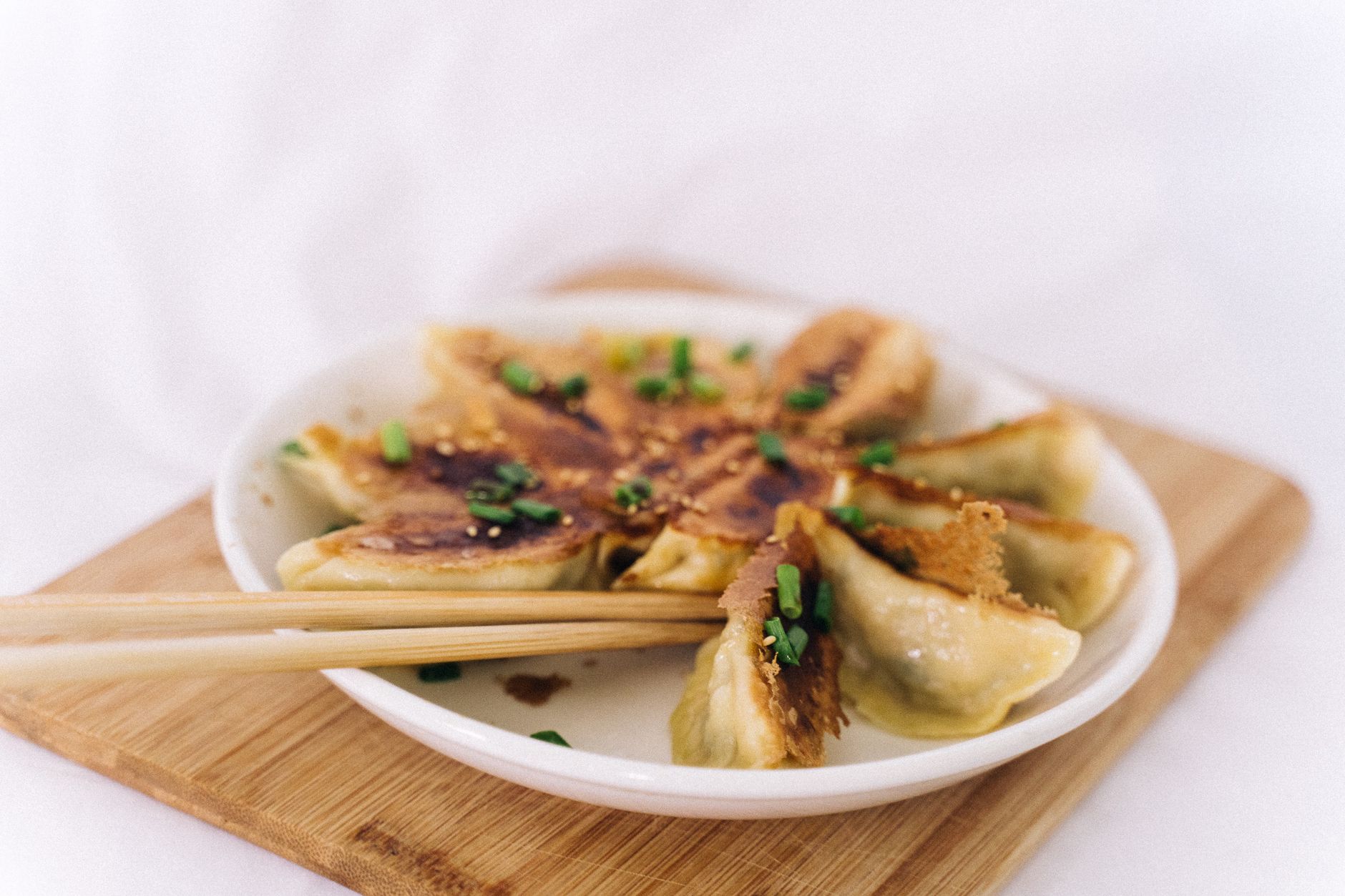 Interactive Pan Asian Food Bars
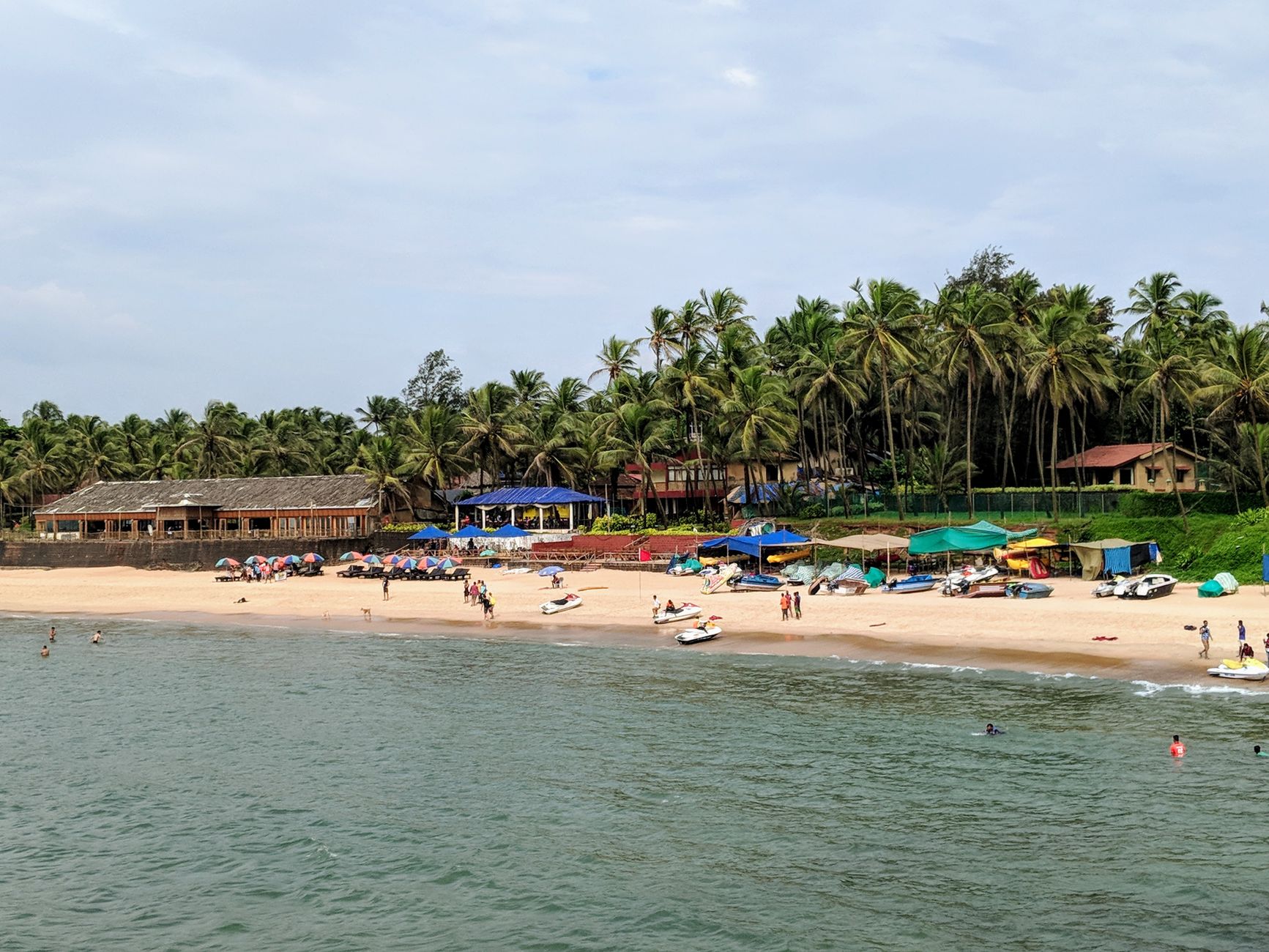 Intimate Celebration Catering Experiences
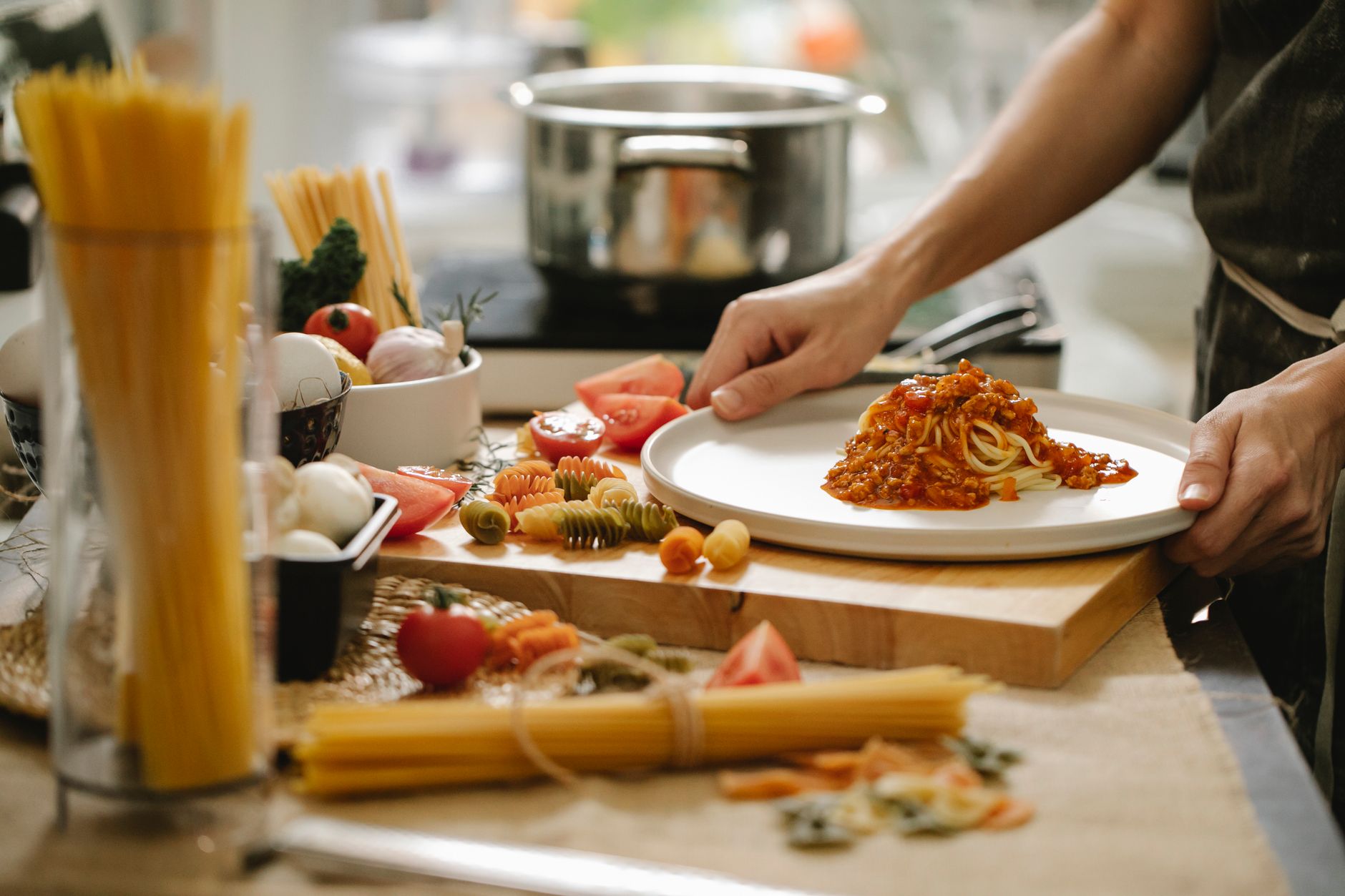 Italian Pasta Live Kitchen
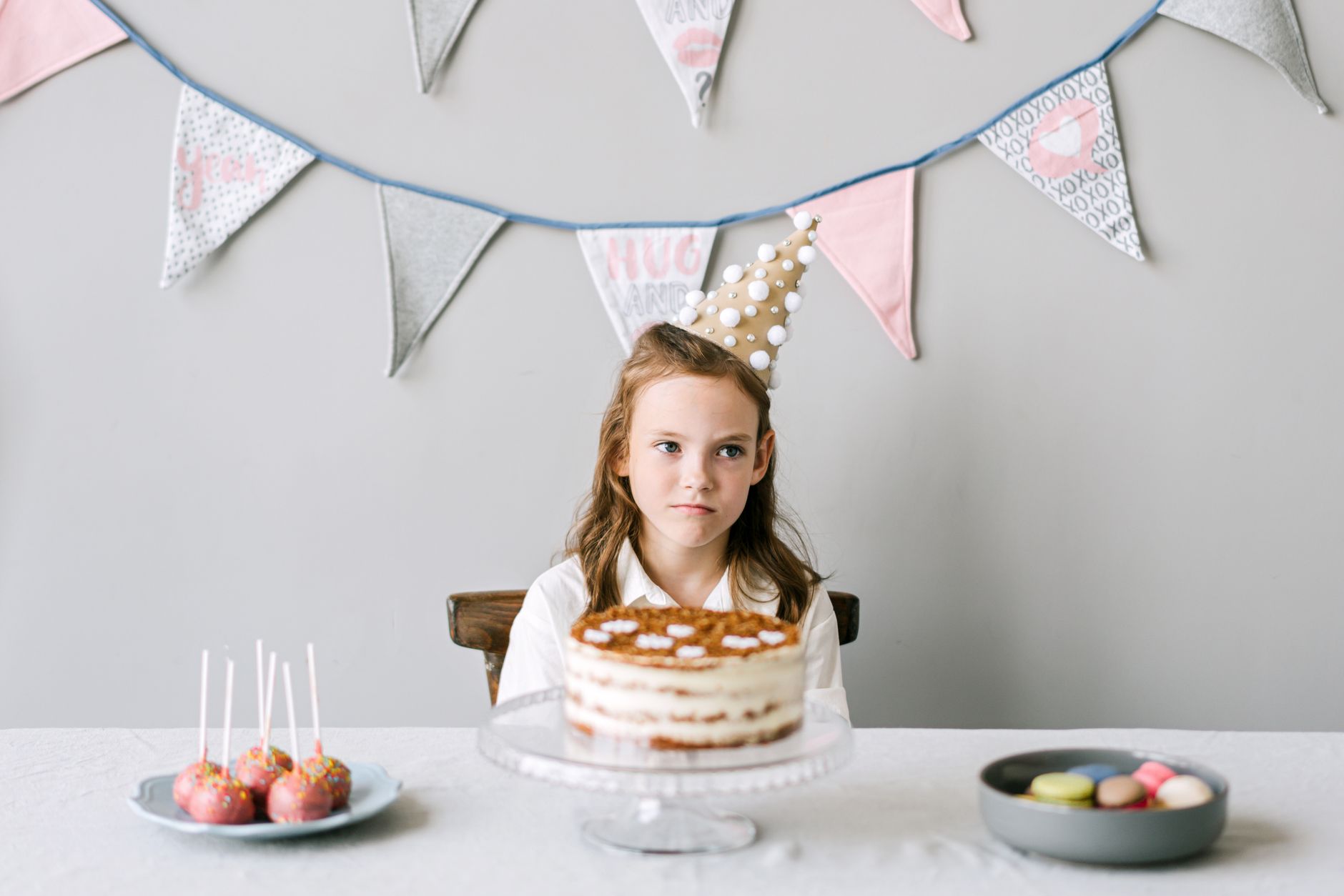 Kids Party Dining Menu Curation
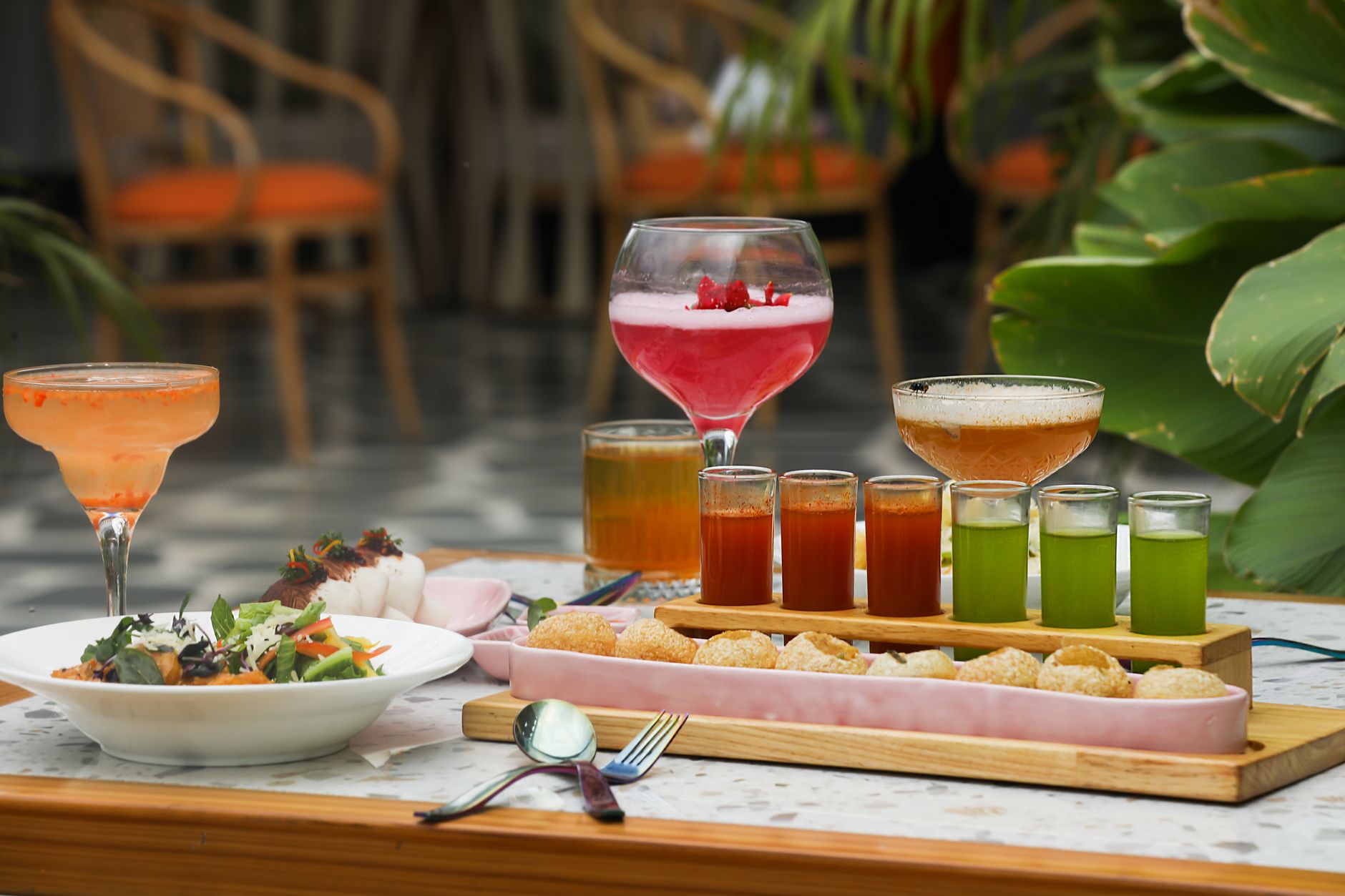 Live Chaat Lounge Concepts
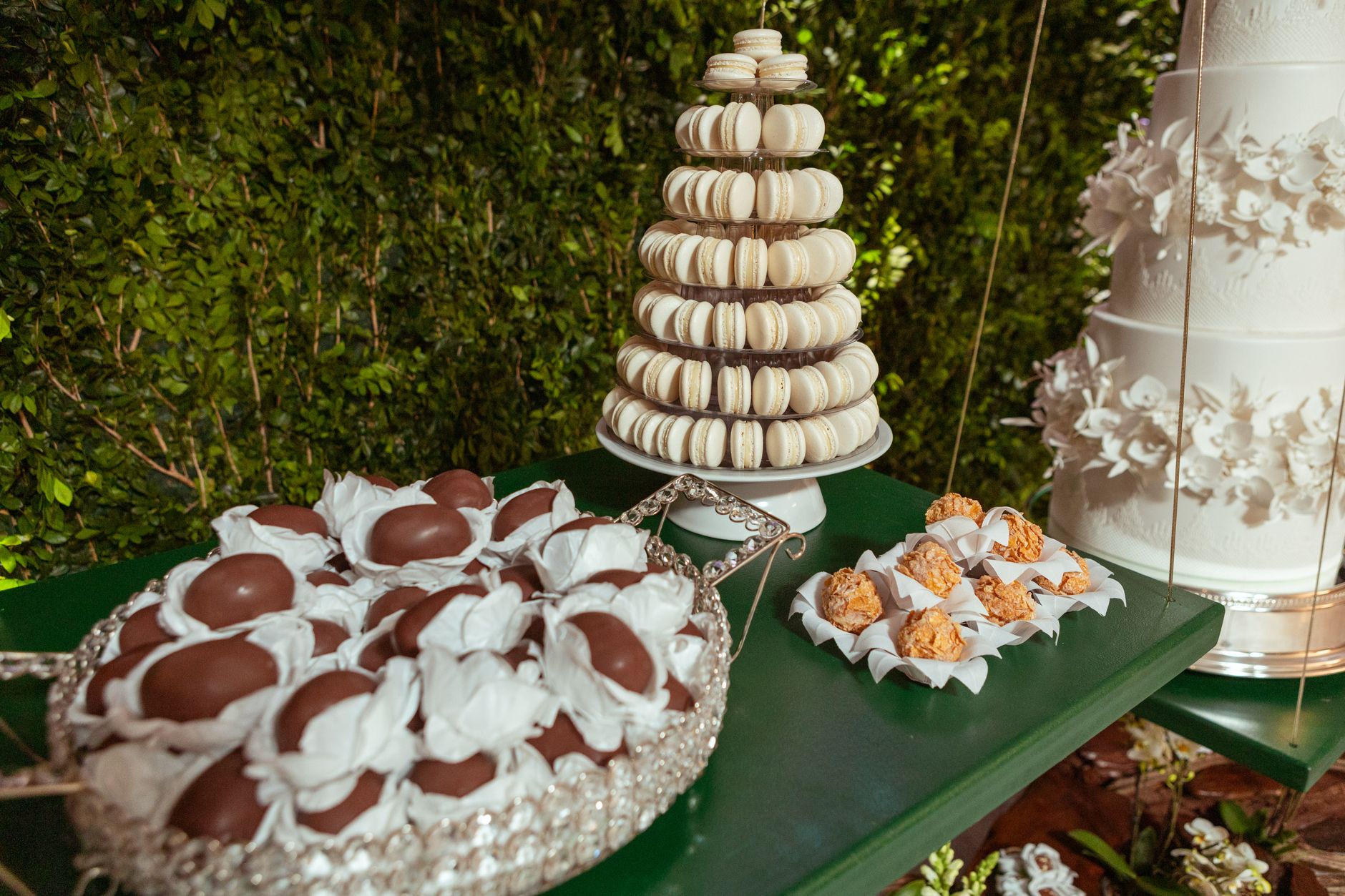 Luxury Dessert Lounge Experiences
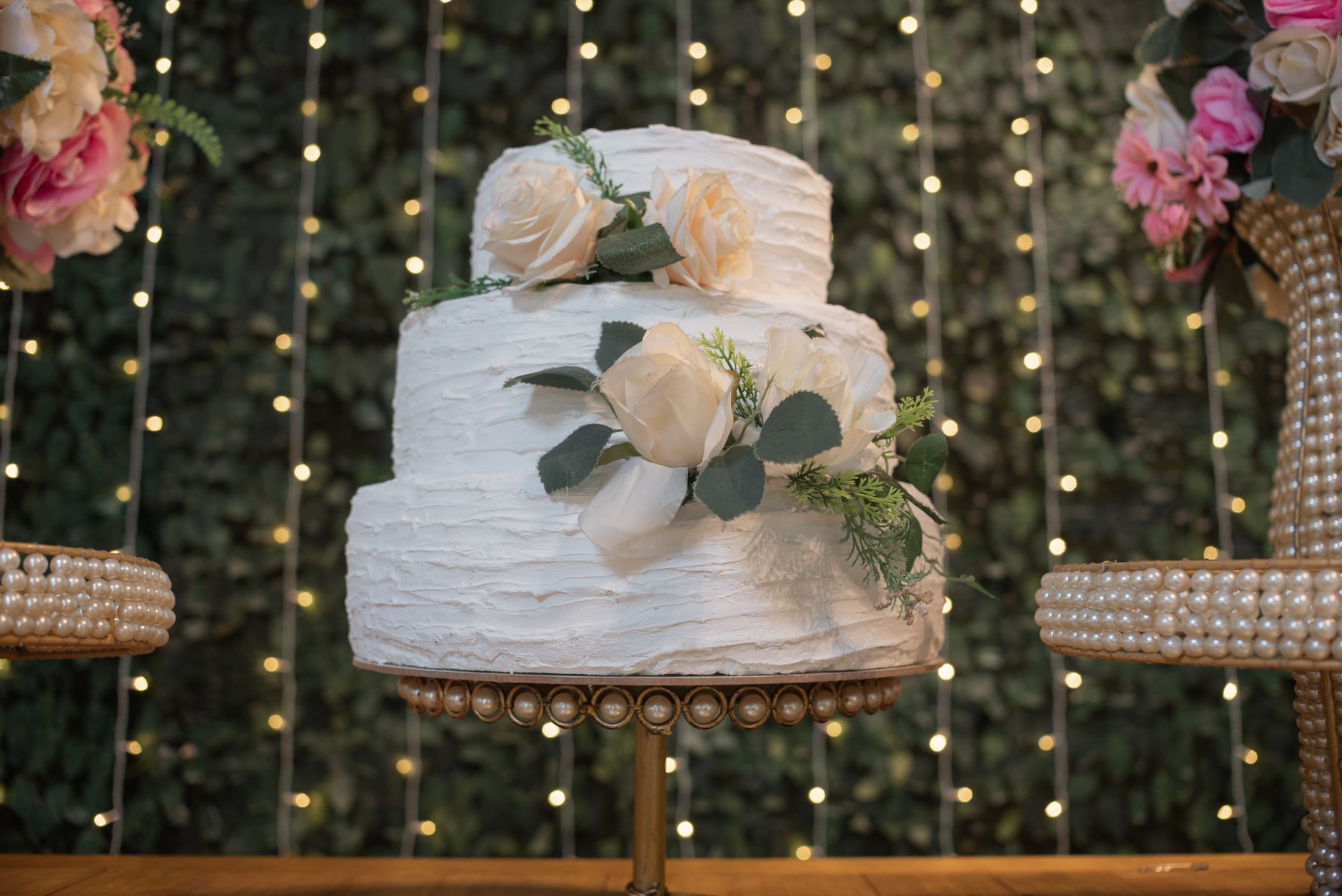 Luxury Event Cake Creations
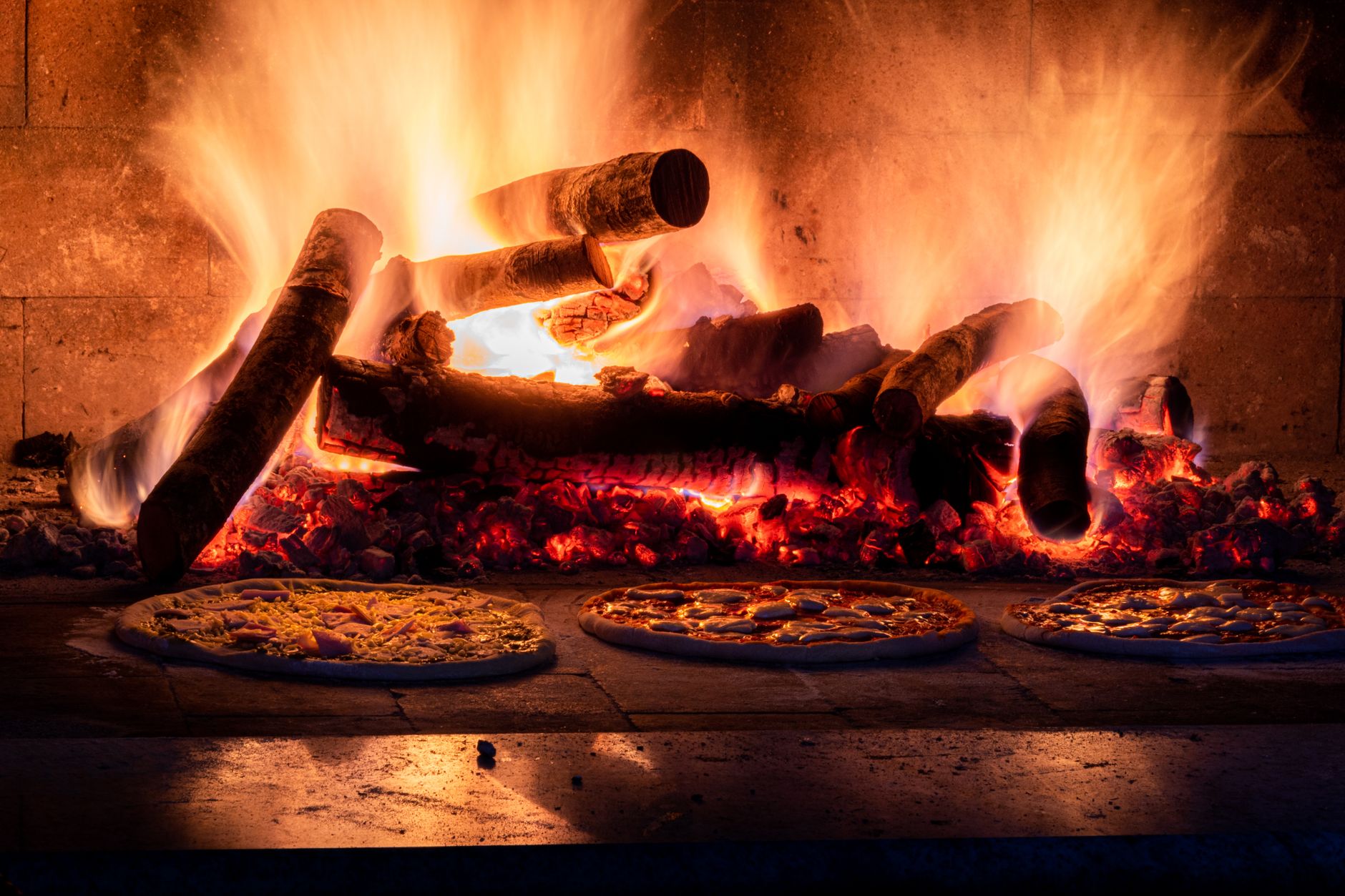 Neapolitan Pizza Counter
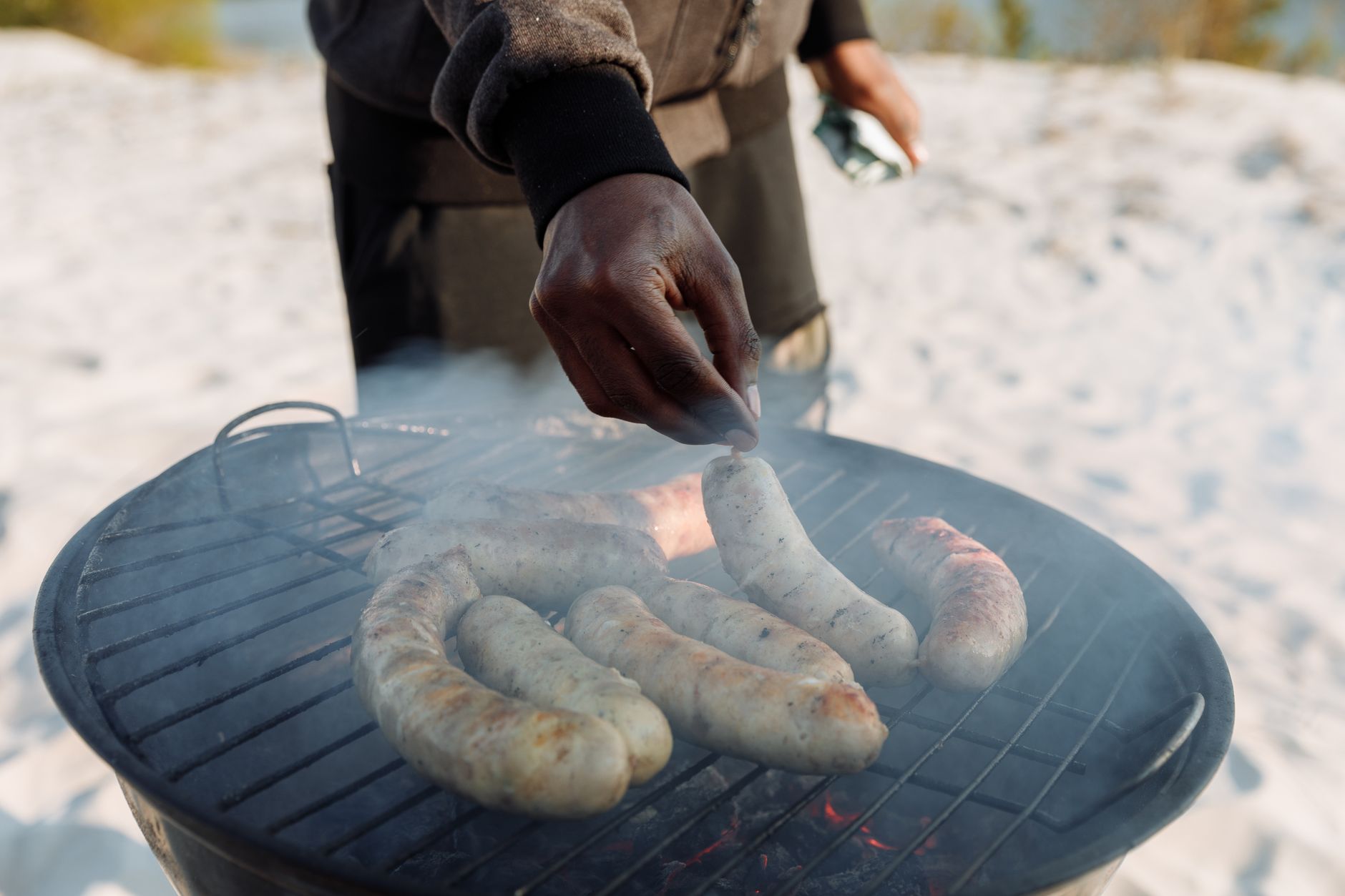 Open-Flame Cooking Experience
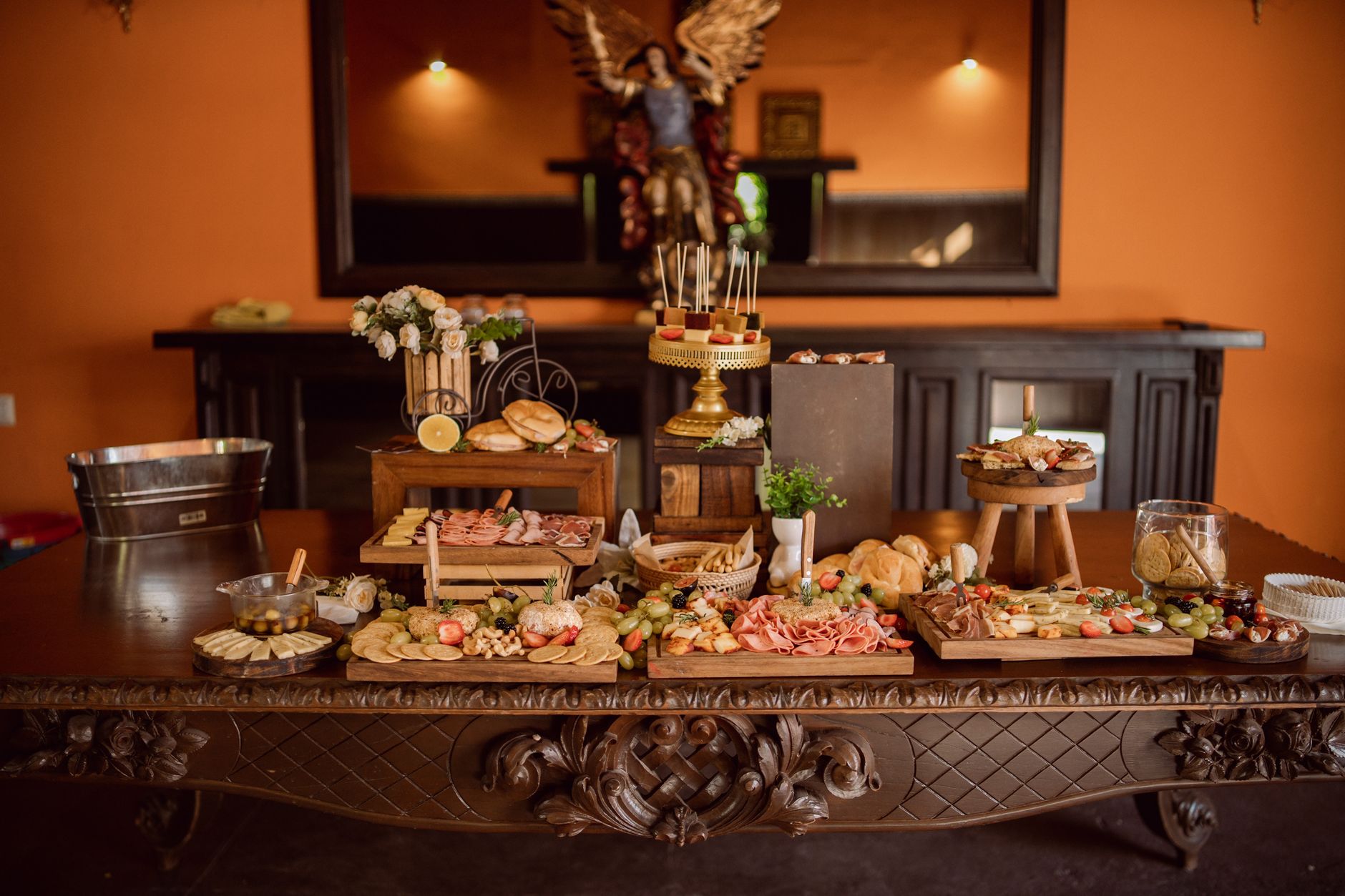 Organic & Healthy Lifestyle Catering Services
- 400+Curated Events
- 6Event Universes
- 1000+Verified Vendors
- 70+Locations
- 24/7Customer Support


Not sure which packages fits your celebration?
Let Hiya & Hanu help you find the perfect match!
Explore Celebration Packages- AI-Powered MatchingSmart suggestions for you
- Budget OptimizerGet the best experiences in your budget
- End-to-End SupportWe are with you at every step
Serving Celebrations across 75+ locations in India
Top Food Counters and Catering for Memorable Celebration Dining
◆Food is one of the most anticipated parts of any celebration. Guests may forget small details of a programme, but a thoughtfully planned menu often remains part of the conversation long afterwards. In Goa, catering can take on an especially vibrant character because the destination brings together coastal flavours, regional traditions, international influences and relaxed hospitality.
Top food counters and catering can transform the dining experience by offering variety throughout an event. Instead of relying on a single buffet arrangement, organisers can introduce live cooking stations, regional food counters, dessert displays, beverage points and interactive culinary experiences.
Goa provides a wide range of settings for weddings, destination celebrations, birthdays, corporate gatherings, beachside occasions and private parties. Each venue creates different requirements for kitchen access, food storage, service flow and guest seating.
Choosing catering therefore involves more than selecting dishes. Guest preferences, dietary requirements, event timing, venue facilities, service style and presentation all need to be considered together.
Understanding Food Counters and Catering Formats
Food counters allow guests to experience different dishes within one dining environment. They can make the meal feel more interactive while providing greater variety.
Live cooking counters are particularly useful when organisers want freshly prepared food. Chefs can prepare selected dishes in front of guests, creating both aroma and visual interest.
Regional counters can introduce guests to specific culinary traditions. In Goa, a menu may include local specialities alongside Indian, Asian or continental options.
Dessert counters provide another opportunity for variety. Cakes, pastries, traditional sweets, ice creams and plated desserts can be presented in different formats.
Beverage counters can also be integrated into the dining layout. Fresh juices, mocktails, regional drinks and speciality beverages can complement the main menu.
The right combination depends on the event size, guest profile and overall dining concept.
Wedding Catering in Goa
Wedding catering requires careful planning because different functions often have different culinary identities.
A welcome dinner may feature lighter dishes and regional appetisers. A traditional ceremony can be followed by a more structured meal, while the reception may include multiple food counters and live stations.
Destination weddings often bring together guests from different regions. A diverse menu can help accommodate varying preferences while still introducing local Goan flavours.
Live counters can be especially effective during evening receptions. Guests can choose freshly prepared dishes while interacting with chefs and other attendees.
Dessert stations can become a visual feature of the reception. Presentation should complement the wider décor without compromising food quality or service efficiency.
For larger weddings, catering teams should also plan separate arrangements for children, elderly guests and people with specific dietary needs.
Goan Flavours for Celebrations
Local cuisine can give a celebration a stronger connection with its destination. Goan food offers a distinctive combination of coastal ingredients, regional spices and Portuguese influences.
Seafood-based dishes can be included where appropriate, while vegetarian preparations can provide equally varied choices.
Regional appetisers, rice dishes, curries and traditional sweets can introduce guests to local culinary traditions.
However, local cuisine does not need to dominate the entire menu. It can be presented as a dedicated Goan counter alongside familiar Indian and international selections.
This approach works particularly well for destination weddings, where visiting guests may appreciate trying local dishes without giving up familiar favourites.
Live Food Counters
Live food stations create a more interactive dining experience. Guests can watch dishes being assembled or prepared according to their preferences.
Popular formats can include grills, breads, pasta, chaat, dosa, noodles and dessert preparation. The exact selection should reflect the occasion and guest profile.
Live counters also create a natural focal point within the dining area. Their placement should allow guests to move freely without creating congestion.
Each station should have enough preparation and service space. Chefs need room for ingredients, cooking equipment and serving arrangements.
For outdoor celebrations, weather protection becomes particularly important. Cooking equipment and food preparation areas should be appropriately covered and positioned away from guest traffic.
Catering for Birthday Parties
Birthday celebrations can use food counters to create a relaxed and varied dining experience.
Children's birthdays may benefit from familiar snacks, mini portions, desserts and colourful beverage options. Adult celebrations can introduce more sophisticated appetisers, regional dishes and speciality counters.
Milestone birthdays can also include food inspired by the host's favourite cuisines.
Interactive stations can encourage guests to customise their dishes. This can work particularly well for informal parties where people move around rather than sitting for a long formal meal.
The menu should remain practical for the venue. Smaller spaces may require compact counters, while larger lawns and banquet halls can support several stations.
Corporate Catering in Goa
Corporate events require catering that is efficient, professional and appropriate for the schedule.
Breakfast and networking sessions may benefit from convenient counters offering tea, coffee, juices and light refreshments.
Lunch can be structured around a buffet or selected food stations, allowing guests to dine according to their available time.
Corporate evening events can introduce more elaborate live counters and dessert stations after formal proceedings.
Menu design should consider dietary preferences and professional schedules. Guests may need quick access to food between meetings, presentations or activities.
Service efficiency is particularly important. Queues should be managed carefully, and food replenishment should happen without interrupting the programme.
Catering for Beachside and Outdoor Events
Goa's outdoor venues create attractive possibilities for food counters, but they also require additional preparation.
Beachside and open-air celebrations may face heat, humidity, wind and changing weather conditions. Food storage, preparation and service areas should therefore be protected.
Cold items require appropriate temperature control, while hot dishes need suitable holding arrangements.
Counter placement should also consider sand, guest movement and access for catering staff.
Lighting becomes important for evening outdoor dining. Guests should be able to see the food clearly while service teams need sufficient visibility for safe preparation.
A suitable backup arrangement should also be considered if weather conditions change unexpectedly.
Designing a Diverse Menu
Menu variety should be broad enough to satisfy different preferences without becoming unnecessarily complicated.
A balanced celebration menu can combine vegetarian and non-vegetarian dishes, regional flavours, familiar favourites and a few distinctive specialities.
For mixed-age audiences, smaller portions and easy-to-eat options can be useful.
Dietary requirements should be collected before the event. Vegetarian, vegan, gluten-conscious and allergy-related needs may require separate preparation or clear labelling.
The menu should also reflect the time of day. Breakfast, lunch, afternoon functions and late-night celebrations naturally require different food choices.
A thoughtful menu creates variety while maintaining a coherent culinary identity.
Beverage and Dessert Counters
Drinks can form an important part of the catering experience.
Welcome beverages can introduce guests to the event, while speciality mocktails and fresh juices can complement outdoor celebrations.
For evening occasions, beverage counters can offer a broader range of non-alcoholic options. The selection should suit the audience and event format.
Dessert counters provide an opportunity to add visual appeal. Traditional sweets can be presented alongside pastries, cakes, ice creams and contemporary desserts.
For weddings, a dedicated dessert area can also become a social focal point after dinner.
The key is to maintain presentation quality while ensuring efficient replenishment.
Catering Presentation and Décor
Food presentation contributes to the overall visual character of an event.
Counters can be styled to complement the venue décor without compromising hygiene or accessibility.
Traditional celebrations may use regional presentation elements, while contemporary events can use clean, modern counter designs.
Lighting should illuminate dishes clearly and support the wider event styling.
Signage can also help guests understand different dishes, particularly where menus include unfamiliar regional or international food.
The catering setup should remain visually attractive while allowing staff to work efficiently behind the counters.
Guest Comfort and Service Flow
Even an excellent menu can become frustrating if guests cannot access food comfortably.
Counter placement should provide enough space for queues and movement. Popular dishes may need duplicate stations when guest numbers are high.
Service teams should monitor replenishment throughout the event. Empty trays or delayed dishes can affect the overall dining experience.
Seating should also be positioned conveniently relative to the dining area.
Elderly guests and guests with mobility needs should have practical access to food and seating without navigating crowded spaces.
Good catering planning considers the complete guest journey from arrival through dessert.
Managing Catering Quantities
Accurate quantity planning helps control both cost and food wastage.
Guest numbers should be estimated carefully, while menu quantities should reflect the event duration and type of service.
Buffet dining can require different calculations from plated meals or live counters.
The caterer should also understand whether children, staff, performers and vendors require separate meals.
Food replenishment should be planned according to demand. Popular counters may need additional preparation capacity during peak dining periods.
Weather can also influence consumption, particularly for outdoor events. Beverage requirements may increase during warmer conditions.
Planning the Catering Budget
Catering costs depend on menu complexity, guest numbers, service format, ingredients, staff requirements and equipment.
Live counters can involve additional chefs and preparation equipment. Premium ingredients or specialised regional dishes may also influence the price.
Destination celebrations may require transportation, accommodation or additional logistics for catering teams.
Hosts should understand whether the quoted price includes service staff, crockery, cutlery, counters, cooking equipment and cleanup.
A detailed catering brief makes cost comparisons more meaningful. It should include guest numbers, venue, event duration, preferred cuisines and service format.
Booking Catering Services in Advance
Early planning is particularly useful for weddings and large destination celebrations.
Before confirming a caterer, organisers should discuss menu options, tasting arrangements, staffing, equipment, setup times and service responsibilities.
Food tastings can help evaluate flavour, portion size and presentation before finalising the menu.
Venue rules should also be confirmed. Some properties may have restrictions on external caterers, cooking equipment or preparation areas.
For outdoor events, weather contingencies should be discussed as part of the catering plan.
Clear communication reduces last-minute changes and helps the catering team prepare effectively.
Catering for Different Celebration Styles
The menu should reflect the personality of the occasion.
A formal wedding may require a carefully structured dining experience, while a beachside party may benefit from informal food stations.
Corporate dinners often require efficient service and balanced menu choices. Family gatherings may place greater emphasis on familiar comfort food.
Cultural celebrations can include regional specialities and traditional preparation styles.
There is no universal catering format. The strongest menus are built around the occasion, venue and people attending.
Creating an Interactive Dining Experience
Food counters can turn dining into part of the entertainment.
Guests can watch chefs prepare dishes, choose ingredients and discover new flavours. This creates natural interaction without requiring a separate entertainment programme.
Live dessert preparation can be especially engaging for family celebrations. Regional food counters can also become conversation points when guests discover unfamiliar dishes.
The experience should remain organised. Cooking areas need adequate ventilation, safety measures and separation from crowded guest pathways.
When well planned, food becomes more than sustenance. It becomes part of the social experience of the celebration.
Making Catering Part of the Celebration
The most successful catering plans consider food as one component of the entire event design.
Décor, lighting, entertainment, seating and photography can all interact with the dining setup.
A beautifully presented food counter can contribute to the visual environment, while efficient service keeps guests comfortable.
For destination occasions in Goa, local flavours can add another layer of authenticity. Guests can enjoy regional cuisine while also having access to familiar dishes.
This balance can make the dining experience feel both distinctive and inclusive.
Creating Memorable Dining in Goa
Top food counters and catering can bring variety, regional character and interactive dining to celebrations across Goa.
The best approach begins with understanding the occasion. Wedding receptions may require multiple stations, birthday parties can use flexible counters, and corporate events may prioritise efficiency.
Goan cuisine can provide a strong local element, while Indian and international dishes can broaden the menu.
Live cooking stations, beverage counters and dessert displays can further enhance the experience when space and service flow are planned carefully.
Ultimately, successful catering depends on more than food selection. Ingredient quality, preparation, presentation, staffing, hygiene, timing and guest comfort all contribute to the final experience.
With thoughtful planning, suitable food formats and a menu designed around the people attending, dining can become one of the most enjoyable parts of a Goa celebration.
Frequently Asked Questions
1. What are food counters at celebrations?
Food counters are dedicated dining stations offering specific dishes or cuisines. They can include live cooking, regional food, desserts, beverages and interactive culinary formats.
2. Can Goan cuisine be included in wedding catering?
Yes, Goan dishes can be included as a dedicated regional counter or integrated into a wider wedding menu alongside Indian and international cuisine.
3. Are live food counters suitable for outdoor events?
Yes, live counters can work well outdoors when cooking areas have appropriate weather protection, ventilation, power access and safe positioning.
4. What types of live food counters can be arranged?
Options can include grills, chaat, dosa, pasta, breads, noodles, regional specialities and live dessert preparation. Selection depends on the event and guest preferences.
5. Can catering accommodate dietary requirements?
Catering teams can often plan vegetarian, vegan, allergy-conscious and other dietary options when requirements are communicated sufficiently early.
6. What affects the cost of catering?
Guest numbers, menu selection, ingredients, service format, staffing, live stations, equipment and presentation requirements can all influence the total catering cost.
7. Are food counters suitable for corporate events?
Yes, food counters can work well for corporate breakfasts, lunches, networking sessions, dinners and informal team gatherings when service is organised efficiently.
8. How can food counters be arranged at a beachside celebration?
Counters should be positioned on stable, protected surfaces with suitable cooking, storage, lighting and electrical arrangements. Weather contingencies should also be considered.
9. Should catering be booked early for destination weddings?
Yes, early booking gives organisers more time for menu planning, tastings, staffing arrangements and coordination with the venue.
10. How do I choose the right catering format?
Consider the guest count, event type, venue, dining style, preferred cuisines, dietary needs and budget. These factors help determine whether buffets, live counters or combined formats are suitable.