
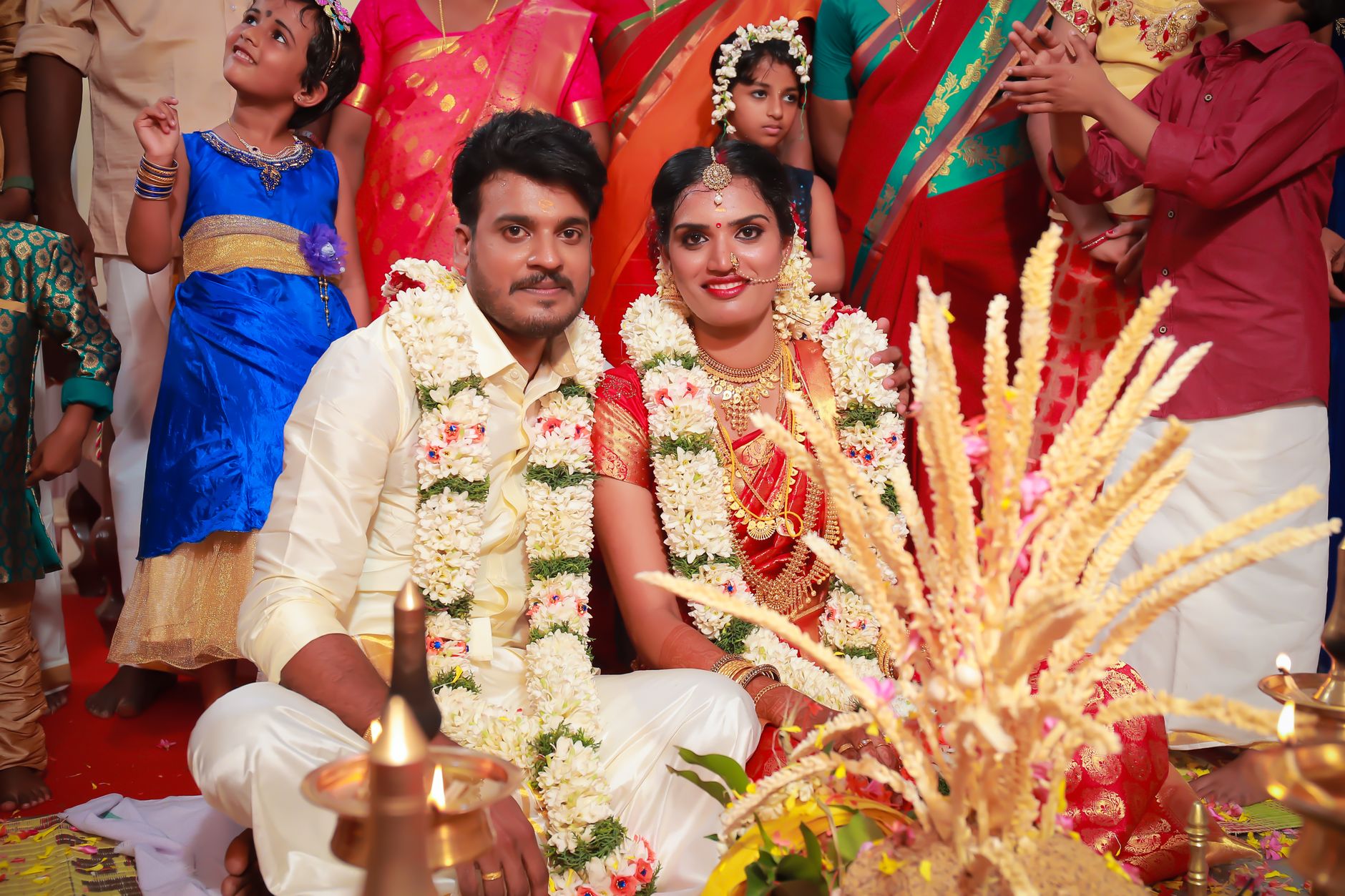
Sacred Kasi Yathra Rituals in Goa
Religious cermony in Goa
Authentic Brahmin Kasi Yathra Ritual Setup in Goa
Goa may be celebrated for its sun-kissed beaches and vibrant carnival spirit, but the state is also home to a thriving South Indian and Konkani Brahmin community that holds its sacred customs close to heart. If your family is planning a Brahmin wedding Kasi Yathra ceremony in this coastal paradise, you deserve specialists who understand every chant, every prop, and every precise moment of this charming pre-wedding drama. An Authentic Brahmin Kasi Yathra Ritual Setup transforms a simple courtyard or banquet hall into a miniature pilgrimage scene — complete with an umbrella, palm-leaf fan, wooden sandals, and a water pot — while ensuring Vedic wedding rituals in Goa are performed with scriptural accuracy. Happiffie connects families across North and South Goa with verified ritual coordinators, experienced pandits, and traditional South Indian wedding decor suppliers so your Kasi Yathra unfolds exactly as tradition demands, whether your celebration is intimate or grand.
Quick Answer
An Authentic Brahmin Kasi Yathra Ritual Setup recreates the symbolic moment when the groom pretends to renounce worldly life and walk to Kashi (Varanasi), only to be lovingly stopped by the bride's father. Essential props include a traditional umbrella, palm-leaf fan, wooden footwear, a water pot, and a walking stick. A learned Vedic pandit conducts the Sanskrit shlokas while the staging area is decorated to evoke a sacred pilgrimage. In Goa, this setup typically costs between ₹8,000 and ₹35,000 depending on venue, props, and pandit fees.
What Is an Authentic Brahmin Kasi Yathra Ritual Setup and Why Does It Matter?
The Authentic Brahmin Kasi Yathra Ritual Setup is one of the most theatrically delightful and spiritually meaningful pre-wedding rituals in the South Indian Brahmin tradition. The ceremony dramatises the groom announcing his intention to leave worldly life, pursue knowledge in Kashi, and become a sanyasi — a renunciant. The bride's father then intervenes, urging the groom to choose the householder's path (grihastha ashrama) by offering him his daughter in marriage. This playful yet profound exchange encodes an important philosophical message: worldly duty and spiritual growth are not opposites. For Iyer, Iyengar, Smartha, and Konkani Brahmin families settled across Panaji, Margao, Ponda, and Mapusa, this moment is a centrepiece of the wedding day that guests eagerly anticipate. A well-organised Brahmin wedding Kasi Yathra ceremony requires careful coordination of multiple elements simultaneously — the pandit must chant the correct Vedic hymns, the groom must carry the right props in the correct hand, and the bride's father must respond at precisely the right cue. When any element is off, the ritual loses its storytelling power. This is why investing in a professionally planned traditional Kasi Yathra ritual arrangement matters enormously, especially in a destination like Goa where vendors may not specialise in Tamil Nadu or Karnataka Brahmin customs. Vedic wedding rituals in Goa are gaining momentum as more South Indian families choose beachside or heritage-property weddings, making it essential to find coordinators who can blend coastal venue logistics with strict scriptural requirements.
Essential Props and Staging for a Traditional Kasi Yathra Ritual Arrangement
A proper traditional Kasi Yathra ritual arrangement is built around a set of culturally specific props, each carrying symbolic weight. The groom carries a panchapatra (small brass water pot), an umbrella (typically yellow or white to symbolise saintly simplicity), a palm-leaf fan (thazhambu), a walking stick, and wooden sandals (paaduka). Some families also include a bundle of sacred items wrapped in a yellow cloth, representing the groom's readiness to depart. The staging area — often the entrance or a designated side of the mandap — should be clear of clutter and elevated slightly so guests can watch the theatrical exchange easily. For a South Indian Kasi Yathra setup in Goa's popular venues such as heritage bungalows in Fontainhas, riverside resorts along the Mandovi, or open lawns in Calangute, the décor team must factor in tropical humidity and outdoor lighting. Marigold garlands, banana-leaf arrangements, and brass deepa lamps are traditional South Indian wedding decor elements that frame the Kasi Yathra tableau beautifully. The pandit for Hindu wedding ceremonies conducting the ritual must be fluent in the specific sub-tradition of the family — an Iyengar Kasi Yathra differs subtly from a Smartha one in its mantras and sequence. Happiffie's platform allows families to specify their sub-sect so the matched pandit arrives fully prepared. Budget for props generally falls between ₹3,500 and ₹10,000, while full Kasi Yathra pooja decoration service packages range from ₹12,000 to ₹28,000 inclusive of manpower and cleanup.
How Much Does an Authentic Brahmin Kasi Yathra Ritual Setup Cost in Goa?
Understanding the cost of an Authentic Brahmin Kasi Yathra Ritual Setup in Goa helps families plan their wedding budget with confidence. Pricing depends on four main variables: pandit expertise, prop quality, decor scope, and venue logistics. A basic South Indian Kasi Yathra setup covering a single experienced pandit, standard brass props, a simple floral arrangement, and one hour of ceremony coordination can start from ₹8,000 to ₹12,000. A mid-range traditional Kasi Yathra ritual arrangement that includes two pandits for call-and-response chanting, curated prop kit with antique-finish items, marigold and mango-leaf décor, and a dedicated ritual coordinator typically costs ₹15,000 to ₹22,000. Premium packages offering a senior Vedic scholar, handcrafted brass and silver props, elaborate traditional South Indian wedding decor with silk drapes and oil lamps, live nadaswaram music, and venue-to-venue transport in Goa range from ₹25,000 to ₹35,000 or more. Families planning destination weddings in luxury resorts along Candolim or Anjuna should factor in a travel surcharge of ₹1,500 to ₹3,000 for pandits travelling from Panaji or Margao. Auspicious wedding ritual planning also involves booking the muhurtha (auspicious time) slot in advance, which may require a pandit consultation fee of ₹500 to ₹1,500. Always request an itemised quote so you know exactly what is covered — props, cleanup, and travel are the three items most often excluded from headline prices.
Choosing the Right Pandit and Ritual Coordinator in Goa
The pandit for Hindu wedding ceremonies is the single most important person in your Authentic Brahmin Kasi Yathra Ritual Setup. In Goa, the priest community includes both local Konkani Brahmin pandits and South Indian priests who have relocated to serve the Tamil, Telugu, and Kannadiga communities concentrated in Vasco da Gama, Margao, and Panaji. When evaluating a pandit, ask these specific questions: Which Veda are you versed in? Have you conducted this specific sub-tradition's Kasi Yathra before? Can you accommodate a bilingual explanation for non-Tamil-speaking guests? A good ritual coordinator does more than relay messages between the pandit and the family. They create a run-of-show document, manage prop logistics, brief the groom on movements, and liaise with the venue manager to ensure the staging area is set up at least 45 minutes before the ceremony. For a Brahmin wedding Kasi Yathra ceremony held at a Goa resort, the coordinator must also communicate with the venue's audio-visual team to ensure a cordless microphone is available for the pandit so all 200-plus guests can follow the ritual. Vedic wedding rituals in Goa have an added complexity: many venues have noise ordinances after 10 pm, so early muhurthas are strongly recommended. Happiffie's listings show each pandit's sub-tradition expertise and language proficiency, helping families make an informed decision rather than relying on word-of-mouth alone.
What Are Common Mistakes Families Make When Planning a Kasi Yathra in Goa?
Even the most detail-oriented families make avoidable errors when organising an Authentic Brahmin Kasi Yathra Ritual Setup in a destination city like Goa. The most frequent mistake is treating the Kasi Yathra as an afterthought — booking the pandit and props only two or three days before the wedding. During peak South Indian wedding season (April-May and December-January), experienced pandits in Goa are booked weeks in advance. Securing your Kasi Yathra pooja decoration service at least four to six weeks ahead is strongly advisable. A second common error is hiring a pandit unfamiliar with the family's specific sub-tradition. The mantras and sequence for an Iyer household differ from those for a Vaishnava Iyengar family, and guests who know the tradition will notice the discrepancy. Third, many families underestimate the space required for the ritual. A traditional Kasi Yathra ritual arrangement needs a clear 12-by-12-foot staging area with natural-light access if held during daylight hours. Fourth, families often skip the dress rehearsal briefing with the groom, who may be unfamiliar with prop handling etiquette. Fifth, neglecting auspicious wedding ritual planning — specifically ignoring the muhurtha timing — can result in the ceremony starting late and clashing with the main wedding schedule. Finally, ordering generic North Indian-style floral décor instead of traditional South Indian wedding decor elements like banana stems, mango leaves, and kolam patterns can strip the ritual of its authentic visual character and make photographs feel culturally mismatched.
Kasi Yathra Setup Options in Goa: Which Package Suits Your Wedding?
Expert Recommendation
Best for Intimate Family Gatherings (20-50 Guests)
Best for Destination Weddings at Goa Beach Resorts
Best for Large Community Celebrations (200+ Guests)
Best for Budget-Conscious Families
Best for Strictly Traditional Sub-Sect Accuracy
Best for Modern Couples Wanting Explanation-Led Ceremonies
How to Choose the Right Option
✅ Pre-booking Checklist
- Confirm your Brahmin sub-tradition (Iyer, Iyengar, Smartha, Madhwa, Konkani Brahmin) and share it with the pandit at least two weeks before the wedding
- Book the pandit for Hindu wedding ceremonies and the décor vendor at least four to six weeks in advance, especially during December-January and April-May peak seasons in Goa
- Secure the muhurtha (auspicious time) from a jyotishi and cross-check with the venue's event schedule to avoid timing conflicts
- Inspect or approve the full prop kit — umbrella, panchapatra, palm-leaf fan, wooden paaduka, walking stick — at least 48 hours before the ceremony
- Arrange a 12-by-12-foot clear staging area at the venue and confirm with the event manager that it will not be repurposed before the ritual
- Brief the groom on prop-handling etiquette and the sequence of movements through a 15-minute walkthrough with the pandit the day before
- Arrange a cordless microphone or portable PA system so the pandit's chanting is audible to all guests, especially for outdoor Goa venues
- Confirm sattvic prasad items (coconut, banana, betel leaves) are available from the venue kitchen or an external caterer
🎯 Selection Criteria
- Pandit's familiarity with your specific sub-tradition and fluency in the correct Sanskrit chanting sequence for that sub-sect
- Quality and authenticity of the prop kit — handcrafted brass or silver items versus generic plastic or painted replicas
- Availability of a dedicated ritual coordinator who manages logistics independently of the main wedding planner
- Vendor's experience with Goa venues, including knowledge of noise ordinances, outdoor wind challenges, and resort event protocols
- Package transparency — clear itemised quotes covering props, decor, pandit dakshina, travel, and cleanup
- Flexibility to accommodate your family's regional customs and any last-minute muhurtha adjustments
💰 Cost / Quality Factors
- Pandit seniority and sub-tradition expertise directly influence dakshina, ranging from ₹2,500 for junior priests to ₹8,000 for senior Vedic scholars
- Handcrafted or antique-finish brass props command a 40-60% premium over standard rental items but significantly elevate ceremony photographs
- Outdoor Goa venues incur additional costs for wind barriers, weighted lamp holders, and extended setup time of 30-45 minutes
- Nadaswaram or live Carnatic music accompaniment adds cultural richness but adds ₹5,000 to ₹12,000 to the overall budget
- Travel charges for pandits commuting from Panaji or Margao to North Goa beach resorts typically range from ₹1,500 to ₹3,000
- Last-minute bookings (within one week) may attract a 20-30% premium due to reduced vendor availability during peak wedding season
⚠️ Common Mistakes to Avoid
- Booking a pandit without verifying their knowledge of your specific sub-tradition, resulting in incorrect mantras or wrong prop sequence during the ceremony
- Treating the Kasi Yathra as a secondary event and allocating too little time — the ritual including setup, chanting, and groom walkthrough needs at least 45-60 minutes
- Ordering North Indian-style floral décor instead of authentic traditional South Indian wedding decor elements, making the staging look culturally inconsistent
- Ignoring Goa's outdoor venue challenges — wind, humidity, and noise restrictions — and arriving on the wedding day unprepared for their impact on the ritual
- Failing to share the muhurtha timing with the venue coordinator, causing the staging area to be occupied or the lighting to be wrong when the ceremony begins
- Skipping the groom's briefing session, which often results in incorrect prop handling or awkward pauses that disrupt the flow of this visually and spiritually significant ceremony
People Also Ask
What is a Kasi Yathra ceremony and why is it performed at South Indian Brahmin weddings?
Which props are needed for an Authentic Brahmin Kasi Yathra Ritual Setup?
How much does a Kasi Yathra setup cost in Goa?
How far in advance should I book a pandit for a Kasi Yathra in Goa?
Can the Kasi Yathra be held outdoors at a Goa beach or resort venue?
Does the Kasi Yathra differ between Iyer and Iyengar families?
What language is used during the Kasi Yathra ceremony?
What is the best time of day to schedule the Kasi Yathra in Goa?
How many guests can comfortably witness a Kasi Yathra ceremony?
Is it possible to combine Kasi Yathra with other rituals like Nichayathartham?
Are there vegetarian catering or prasad requirements tied to the Kasi Yathra?
How do I find a reliable Kasi Yathra setup vendor in Goa on Happiffie?
Related Experiences on Happiffie
Celebrate Kasi Yatra the Right Way
Sacred Kobbari Bunda Rituals, Perfectly Arranged
Telugu Kasi Yatra in Goa — Done Right
Sacred Aarthi Plates, Beautifully Crafted
Dress Together, Shine Together
Sacred Kobbari Bondam Decor, Done Right
Dream Goa Weddings, Perfectly Planned
Frequently Asked Questions
Can I book an Authentic Brahmin Kasi Yathra Ritual Setup for a wedding at a Goa beach resort?
Are there pandits in Goa who specialise in Tamil Brahmin Kasi Yathra ceremonies?
What is a reasonable dakshina (honorarium) to offer the pandit for a Kasi Yathra in Goa?
How long does the Kasi Yathra ceremony typically last?
Is nadaswaram mandatory for the Kasi Yathra, or is it optional?
Can the Kasi Yathra be conducted in the evening in Goa?
Do vendors on Happiffie provide traditional South Indian wedding decor alongside the Kasi Yathra ritual setup?
What is the difference between Kasi Yathra and Gotrochcharana rituals?
Can a Konkani Brahmin family in Goa perform the Kasi Yathra?
What documentation or information should I prepare before consulting a Kasi Yathra vendor?
Is photography or videography allowed during the Kasi Yathra ceremony?
Does Happiffie charge families for browsing and comparing Kasi Yathra vendors in Goa?
Key Takeaways
- An Authentic Brahmin Kasi Yathra Ritual Setup recreates the groom's symbolic renunciation and the bride's father's persuasion, making it one of the most theatrically rich South Indian wedding rituals.
- Essential props include a traditional umbrella, panchapatra, palm-leaf fan, wooden paaduka, and a walking stick — quality and tradition-accuracy of these items significantly affect ceremony authenticity.
- In Goa, costs range from ₹8,000 for a basic setup to ₹35,000 or more for a premium package with handcrafted props, nadaswaram music, and elaborate traditional South Indian wedding decor.
- Always verify the pandit's sub-tradition expertise — Iyer, Iyengar, Madhwa, and Konkani Brahmin Kasi Yathra ceremonies differ in mantras and sequence.
- Book your pandit and Kasi Yathra pooja decoration service at least four to six weeks in advance, particularly during Goa's busy December-January and April-May wedding seasons.
- Outdoor Goa venues require additional planning for wind barriers, PA systems, and compliance with noise ordinances — morning muhurthas are strongly recommended.
- Happiffie simplifies the search by matching families to verified pandits and décor vendors based on sub-tradition, language preference, budget, and Goa venue type.
- A dedicated ritual coordinator — separate from the main wedding planner — is the single most impactful investment for ensuring your auspicious wedding ritual planning runs smoothly on the day.
Plan Your Authentic Brahmin Kasi Yathra Ritual Setup in Goa with Happiffie
Connect with verified pandits, traditional prop specialists, and South Indian décor experts — all in one place. Get itemised quotes tailored to your sub-tradition, guest count, and Goa venue.
Find Vendors Now
Are you a Vendor? Grow Your Business with Happiffie!
- High intent verified leads
- Reverse auction opportunities
- AI business tools & insights
- Dedicated vendor dashboard
- Grow your business, your way
It's free & takes less than 2 minutes!