
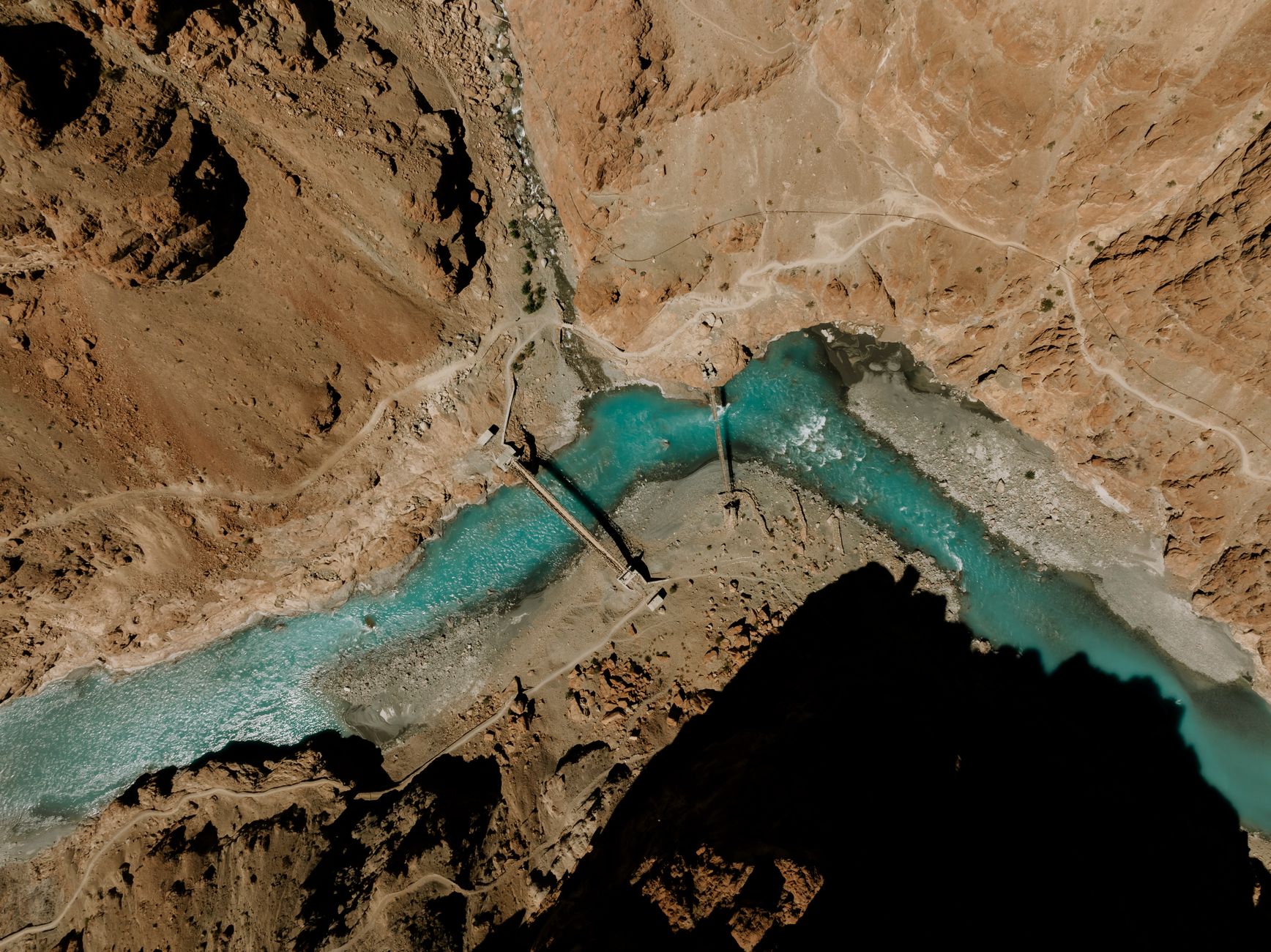
Aerial Coverage for Gangtok Cultural Events
Photo & Video in Gangtok
Cultural Function Aerial Coverage in Gangtok: Complete Guide
Cultural Function Aerial Coverage has transformed how Gangtok families preserve their most treasured ceremonies — from grand Lepcha and Nepali wedding processions winding through MG Marg to intimate Losar celebrations at monastery courtyards in Rumtek. Drone photography for cultural events lets you capture the sheer scale of mandap arrangements, the geometry of ritual fire circles, and the sweep of mountain skylines that make Sikkim's celebrations visually unmatched anywhere in India. Unlike ground-level videography, overhead event filming reveals the true grandeur of a procession or a seated guest arrangement, context that no ground camera can provide. With Gangtok wedding photography packages now routinely including aerial add-ons, understanding what to ask for — and what to budget — is essential before you book.
Quick Answer
Cultural Function Aerial Coverage refers to the use of licensed drones and aerial camera rigs to photograph and film traditional ceremonies, processions, and cultural functions from above. In Gangtok, it typically costs between ₹15,000 and ₹60,000 per event day, depending on drone type, editing deliverables, and venue altitude permissions. It is especially valuable for large outdoor rituals, mountain-view venues, and multi-stage Sikkimese wedding functions where ground cameras cannot capture full spatial context.
What Makes Cultural Function Aerial Coverage Unique in Gangtok?
Gangtok sits at roughly 1,650 metres above sea level, and its event venues — rooftop banquet halls near Tadong, monastery grounds in Rumtek, or open hillside pandals in Ranipool — present both breathtaking backdrops and specific operational challenges. Cultural Function Aerial Coverage here must account for mountain wind patterns that shift quickly after 2 PM, making morning drone windows the most reliable for steady footage. Aerial videography for traditional ceremonies in this region also means navigating the visual complexity of layered Sikkimese rituals: the simultaneous movement of priests, guests, and family elders across a mandap space that ground cameras simply cannot capture in a single frame. Operators experienced with Gangtok terrain understand how altitude affects drone battery life, typically reducing flight time by 15–20% compared to plains operations, and plan multi-battery rotations accordingly. Sikkimese ritual documentation benefits enormously from the top-down perspective — whether it is the placement of a traditional dhungro ceremony or the synchronized movement of a baraat through a narrow hillside lane.
How Much Does Aerial Coverage for Cultural Events Cost in Gangtok?
Pricing for Cultural Function Aerial Coverage in Gangtok typically ranges from ₹15,000 to ₹60,000 per day of shooting, with the final figure shaped by several variables. Entry-level packages at ₹15,000–₹25,000 usually cover two to three hours of drone flight using a mid-range consumer drone, raw footage delivery, and basic colour grading. Mid-tier packages between ₹25,000 and ₹40,000 include festival aerial documentation with a professional-grade drone, a dedicated drone pilot plus a ground coordinator, highlight reel editing of three to five minutes, and same-week delivery. Premium packages above ₹40,000 feature cinema-quality aerial rigs, full-day coverage across multiple function stages, synchronised ground and overhead filming, and extended editing with music synchronisation. Most Gangtok wedding photography packages that bundle aerial add-ons offer a 10–15% discount compared to booking drone coverage separately. Always clarify whether DGCA compliance fees and location permit costs are included, as monastery and government-adjacent venues often require prior written clearance that can add ₹2,000–₹5,000 to the total.
Regulatory Requirements and Venue Permissions
Overhead event filming in Gangtok is governed by the DGCA's Drone Rules 2021, which require all commercial operators to hold a Remote Pilot Certificate and register their drone on the Digital Sky platform. Gangtok falls within a green zone for most residential and banquet venues, meaning automated permission can be obtained within minutes through the platform, but certain areas near the Sikkim Government Secretariat, helipads, and the Rumtek Monastery complex are amber or red zones requiring advance clearance. As a client, always ask to see the operator's UIN (Unique Identification Number) and their Digital Sky approval for your specific venue date. Buddhist ceremony film production at monastery venues often requires the monastery's own written consent in addition to DGCA clearance — a step many inexperienced operators skip, creating day-of disruptions. Reputable operators familiar with mountain venue event coverage will have handled these clearances for prior events and can share documentation timelines with you during the quotation stage.
What Equipment Standards Should You Expect?
For meaningful Cultural Function Aerial Coverage at a Gangtok event, the minimum acceptable standard is a drone capable of shooting 4K video at 30 fps with a three-axis gimbal for stable footage despite Himalayan gusts. Drones in the DJI Mavic 3 class or equivalent offer compact portability for monastery courtyards and narrow hillside venues while delivering broadcast-quality imagery. Larger events — guest counts above 300, multi-stage functions at resorts in Deorali or Sichey — benefit from heavier platforms with longer flight times and greater wind resistance, particularly relevant given Gangtok's afternoon thermal activity. Drone photography for cultural events should also include a wide-angle lens capable of capturing full mandap setups without distortion. Ask whether the operator carries a backup drone body; at high-altitude events, mechanical failure mid-function with no backup is a genuine risk. Aerial videography for traditional ceremonies increasingly pairs drone footage with stabilised ground gimbal footage, giving editors richer material for a seamless final film.
How Do You Choose the Right Aerial Coverage Specialist for Your Gangtok Function?
Selecting the right team for Cultural Function Aerial Coverage in Gangtok requires looking beyond a flashy showreel. Prioritise operators who have documented experience with festival aerial documentation in hill-station or high-altitude environments — ask specifically for sample footage from Gangtok or comparable Himalayan locations, not just plains footage. Verify their DGCA certification is current and their drone is registered. Discuss your function timeline in detail: morning pheras, afternoon baraat, and evening reception each have different light qualities and wind conditions in Gangtok, and an experienced operator will plan battery rotations and flight windows proactively. Gangtok wedding photography packages that integrate aerial and ground coverage under one team generally produce more cohesive final edits, since ground and drone operators can coordinate shot timing in real time. Request a detailed shot list specific to your cultural rituals — Buddhist ceremony film production, for instance, benefits from an operator who understands which ritual moments are visually pivotal and plans hovering altitude accordingly for respectful, unobtrusive coverage.
Aerial Coverage Setup Types for Gangtok Cultural Functions
Expert Recommendation
Best for intimate Sikkimese rituals
Best for large Nepali wedding processions
Best for destination couples from outside Sikkim
Best for Buddhist and monastery-adjacent ceremonies
Best for budget-conscious families
Best for hillside open-air venues
How to Choose the Right Option
✅ Pre-booking Checklist
- Confirm the operator holds a valid DGCA Remote Pilot Certificate and drone UIN before signing any agreement.
- Verify Digital Sky platform approval has been filed for your specific venue coordinates and event date.
- If booking a monastery or government-adjacent venue, obtain the venue's own written drone permission at least two weeks in advance.
- Request a shot list tailored to your specific cultural rituals and confirm the operator understands their visual significance.
- Clarify the number of batteries and backup equipment the operator will bring, given Gangtok's altitude-related battery drain.
- Confirm all deliverable formats, file resolutions, editing timelines, and hard-drive handover terms in writing.
- Ask for sample footage from prior hill-station or Gangtok events specifically, not just plains showreels.
- Discuss morning flight windows versus afternoon wind risks and agree on a contingency plan for weather disruptions.
🎯 Selection Criteria
- Demonstrated experience with high-altitude drone operations in Himalayan or comparable environments.
- Full DGCA compliance including current Remote Pilot Certificate, registered drone UIN, and Digital Sky approvals.
- Cultural sensitivity and familiarity with Sikkimese, Nepali, Lepcha, or Buddhist ceremony formats relevant to your function.
- Availability of backup drone equipment and multi-battery rotation plans for uninterrupted coverage.
- Transparent, itemised pricing that clearly separates equipment, editing, permits, and travel costs.
💰 Cost / Quality Factors
- Drone category and camera resolution directly determine footage quality and post-production flexibility.
- Venue altitude and wind exposure affect battery performance and flight stability, impacting coverage reliability.
- Permit complexity varies by venue zone — green-zone venues are cheaper and faster to clear than amber-zone sites.
- Editing scope including highlight reel length, colour grading quality, and turnaround time significantly affects total package value.
- Team size and ground-aerial coordination capability determine how seamlessly drone footage integrates with ground camera deliverables.
⚠️ Common Mistakes to Avoid
- Booking an operator without verifying DGCA certification, risking legal penalties and mid-event grounding by authorities.
- Assuming all Gangtok venues are green zones — monastery and government-adjacent sites require separate advance clearances.
- Scheduling all key aerial shots for afternoon when mountain thermal winds make stable hovering unreliable in Gangtok.
- Choosing a package based on lowest price without checking if the operator has high-altitude or hill-terrain experience.
- Failing to agree on backup plans for rain or fog, which are common in Gangtok and can ground drones unexpectedly.
People Also Ask
Is drone footage allowed at monastery venues in Gangtok?
How early should I book aerial coverage for a Gangtok cultural event?
Will altitude affect drone performance at Gangtok venues?
What is the best time of day for aerial videography at Gangtok functions?
Can aerial coverage capture indoor or tented function areas in Gangtok?
How much raw footage should I expect from one day of cultural function aerial coverage?
Does aerial coverage work well for large Nepali wedding processions in Gangtok?
What editing deliverables should I expect from a Gangtok aerial coverage package?
Related Experiences on Happiffie
Grace Every Stage with Mohiniyattam
Capture Kochi Weddings from the Sky
Fly Your Vision, Legally & Beautifully
Capture Your Dream Wedding in Lucknow
Celebrate Amid Mussoorie's Peaks
Capture Every Delhi Wedding Moment
Frequently Asked Questions
Is Cultural Function Aerial Coverage legal at private venues in Gangtok?
How does Gangtok's weather affect drone coverage during monsoon season?
What is the typical turnaround time for edited aerial footage from a Gangtok cultural event?
Can aerial coverage capture the landscape backdrop of the Himalayas during the ceremony?
Do I need to inform guests that a drone will be filming during the cultural function?
Can one aerial package cover multiple function days, such as mehendi, wedding, and reception?
What should I do if the drone operator cancels on the event day due to weather in Gangtok?
How far in advance should permits be arranged for aerial coverage at Rumtek Monastery events?
Key Takeaways
- Cultural Function Aerial Coverage in Gangtok costs between ₹15,000 and ₹60,000 per day depending on drone grade, editing scope, and permit complexity.
- Gangtok's altitude reduces drone battery life by 15–20%, making multi-battery planning and morning flight scheduling essential for reliable coverage.
- DGCA certification, UIN registration, and Digital Sky approval are mandatory for all commercial drone operators in Gangtok — always verify these before booking.
- Monastery and government-adjacent venues require additional written permissions beyond standard DGCA clearance, with lead times of at least two weeks.
- Aerial videography for traditional ceremonies is most effective when paired with coordinated ground camera teams, producing a richer and more cohesive final film.
- Morning hours between 7 AM and 11 AM offer the best wind stability and natural light for overhead event filming at Gangtok cultural functions.
- Bundled Gangtok wedding photography packages that include aerial add-ons typically offer 10–15% savings compared to booking drone coverage separately.
- Shot lists tailored to specific cultural rituals ensure the aerial operator captures visually and emotionally pivotal moments rather than generic overhead footage.
Book Aerial Coverage for Your Gangtok Cultural Function
Connect with Happiffie's verified drone specialists experienced in Himalayan venues, DGCA-compliant, and ready to capture every ritual from above.
Explore Aerial Packages
Are you a Vendor? Grow Your Business with Happiffie!
- High intent verified leads
- Reverse auction opportunities
- AI business tools & insights
- Dedicated vendor dashboard
- Grow your business, your way
It's free & takes less than 2 minutes!