

Explore All Religious Ceremonies
Discover traditional rituals, wedding ceremonies, spiritual occasions and meaningful cultural celebrations in Chennai, with trusted services to honour every tradition.
Give Thoughtfully,
Celebrate with Happiffie
From personalised gifts and curated collections to thoughtful presents for every occasion, Happiffie helps you discover gifting options that make celebrations more meaningful and memorable.
- Thoughtful Gift DiscoveryFind gifting options suited to every celebration and occasion
- Personalised GiftingDiscover customised gifts made to create meaningful moments
- Trusted Gift ProvidersConnect with reliable gifting professionals and service providers
Popular Religious Ceremonies
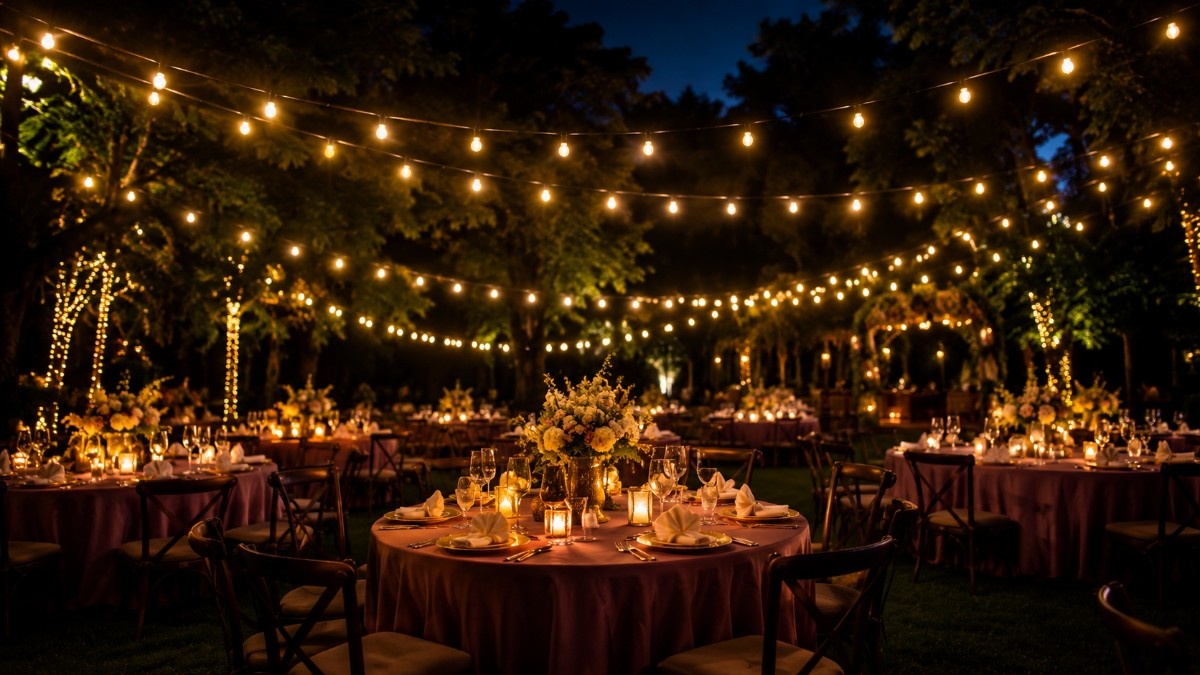 Engagement
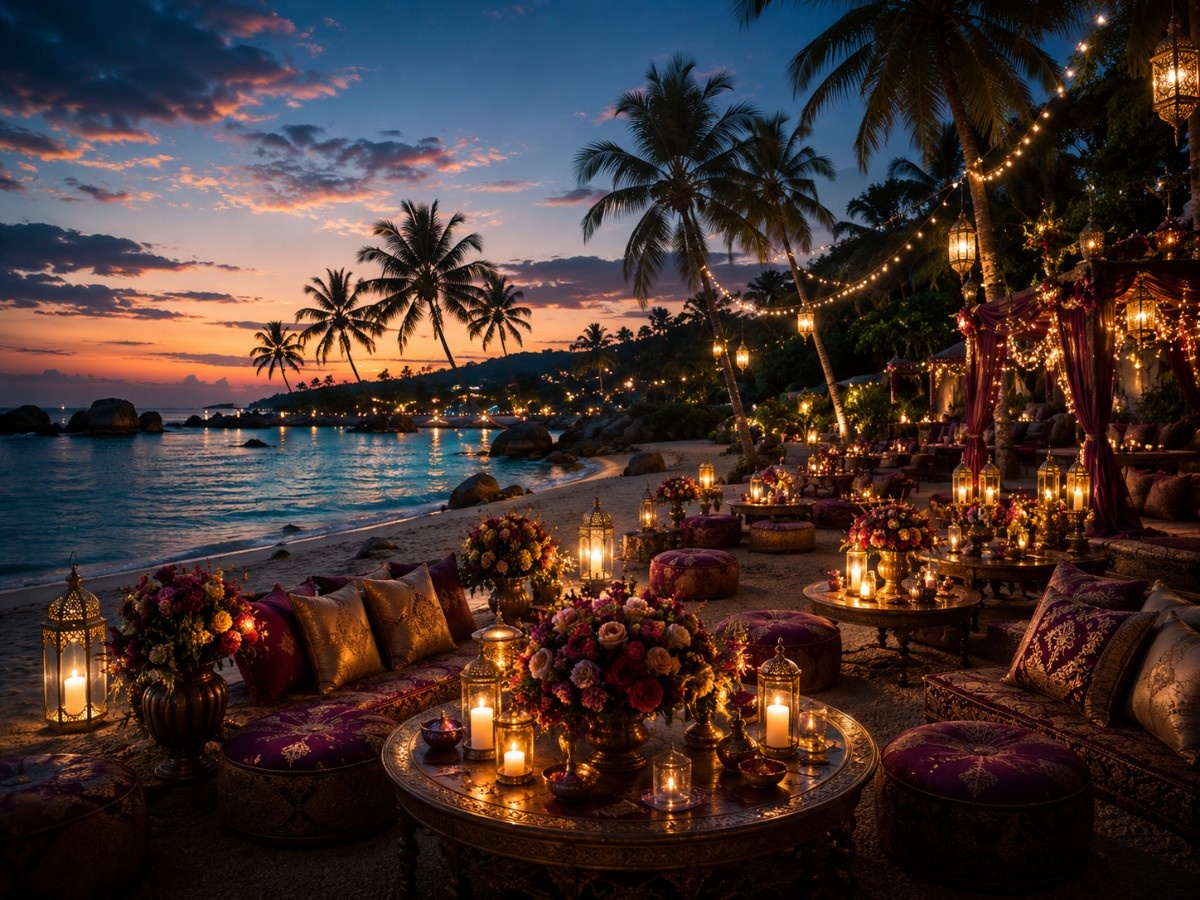 Mehendi
 Sangeet
 Haldi
Haldi Wedding
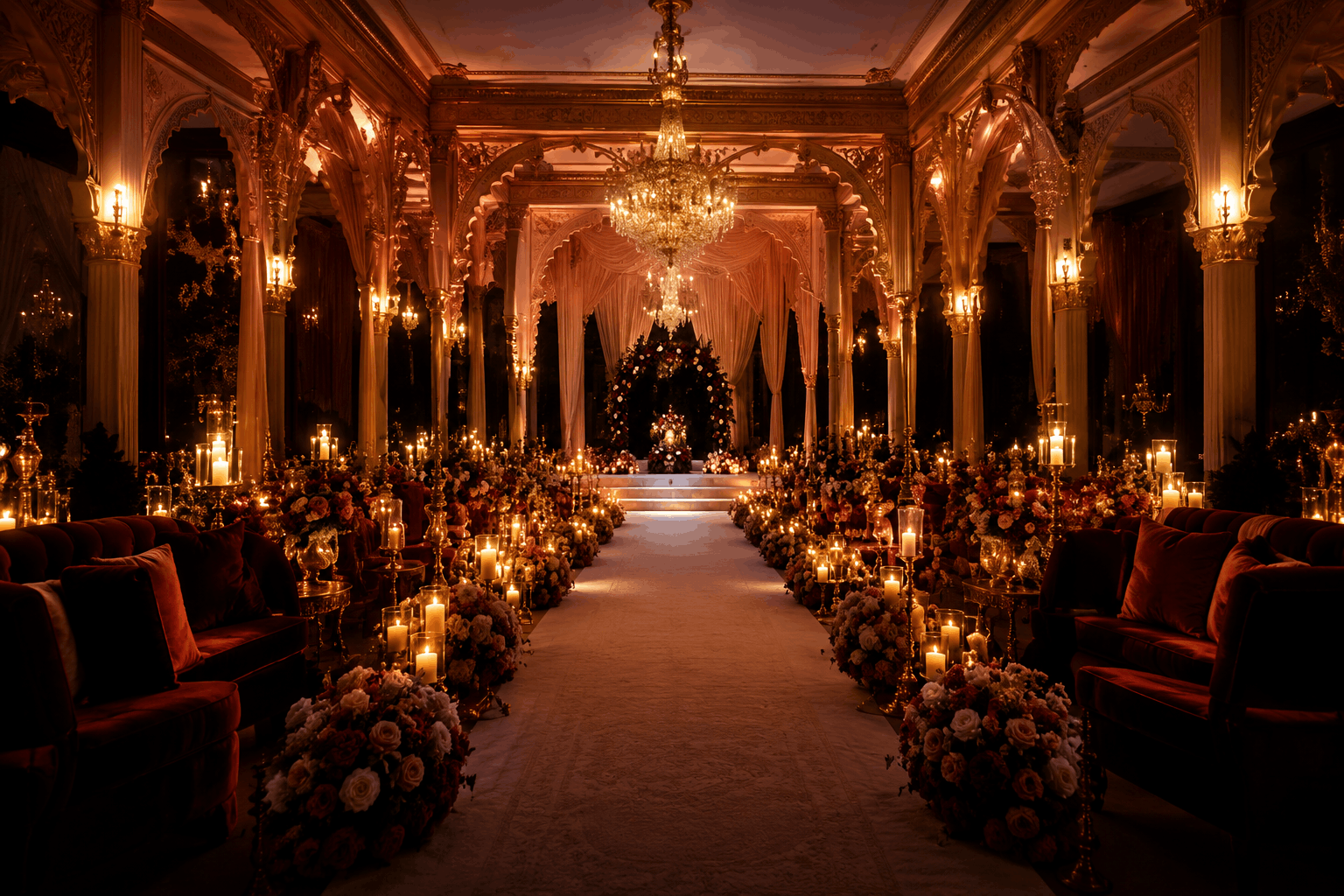 Reception
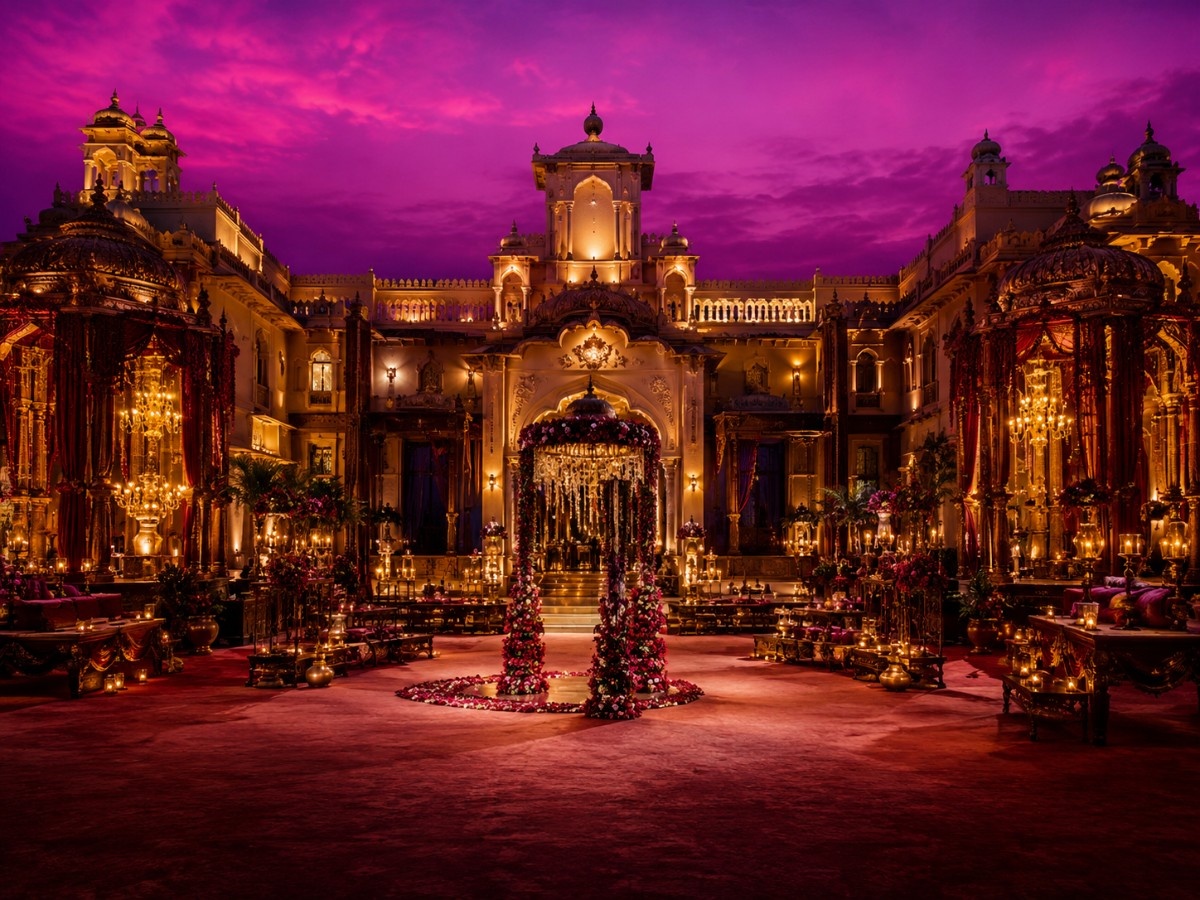 Pre Wedding Shoot
 Save The Date Shoot
 Ring Ceremony
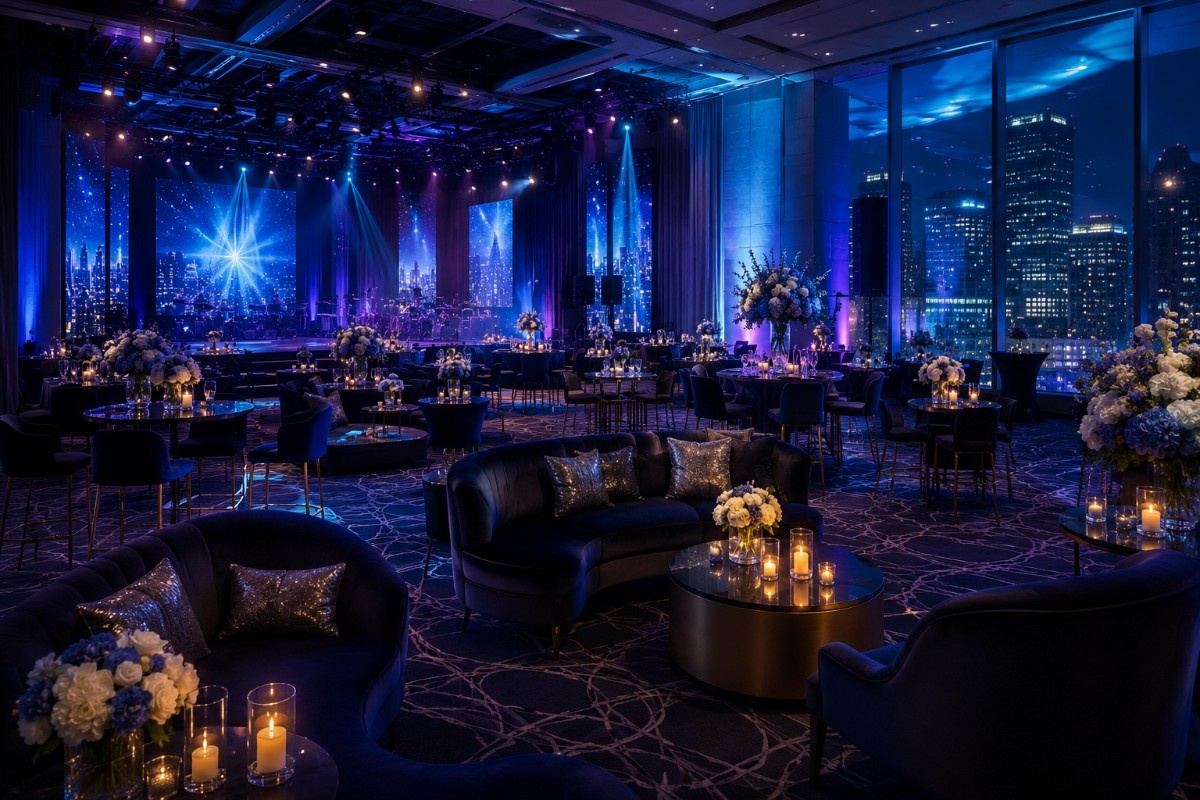 Destination Wedding
 Aviratham (Engagement)
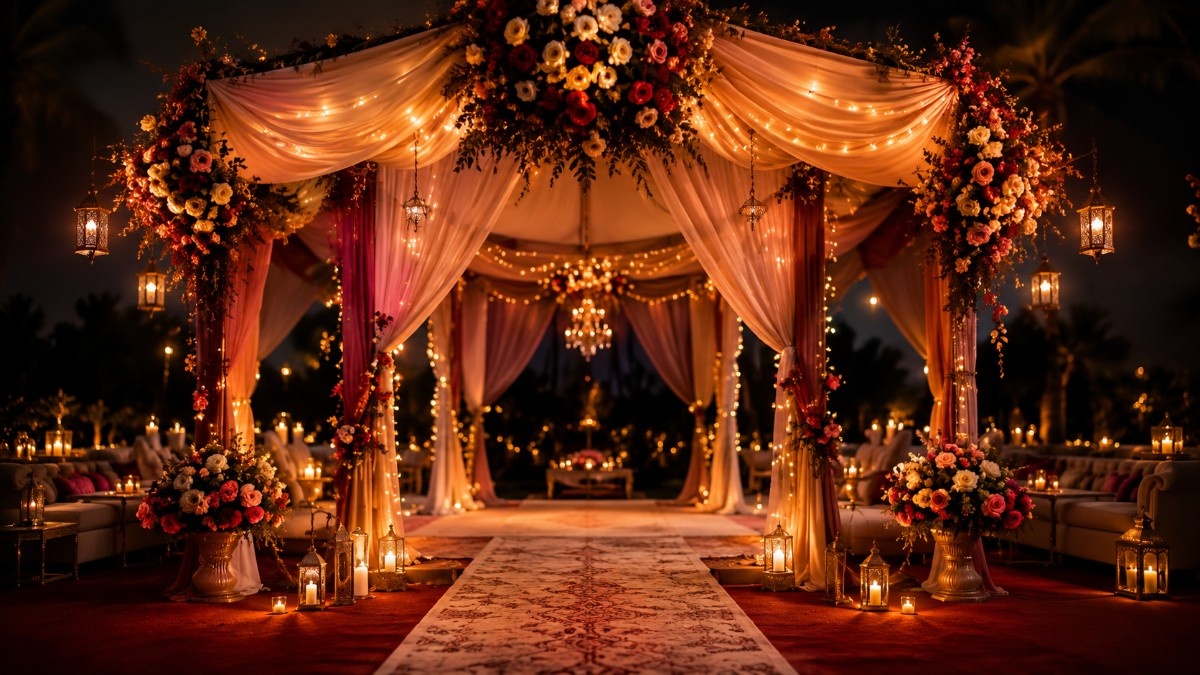 Guru Pooja
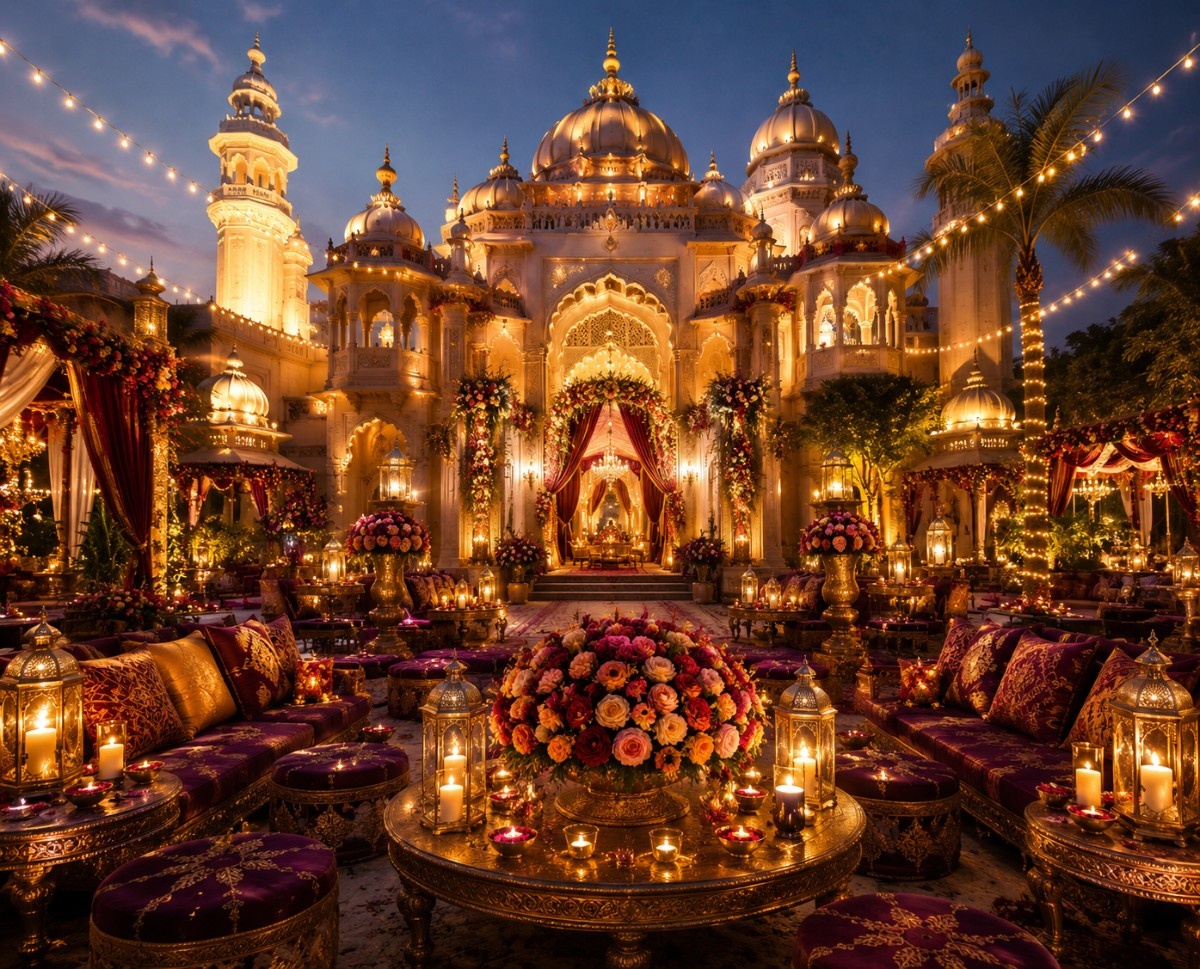 Kashi Yatra
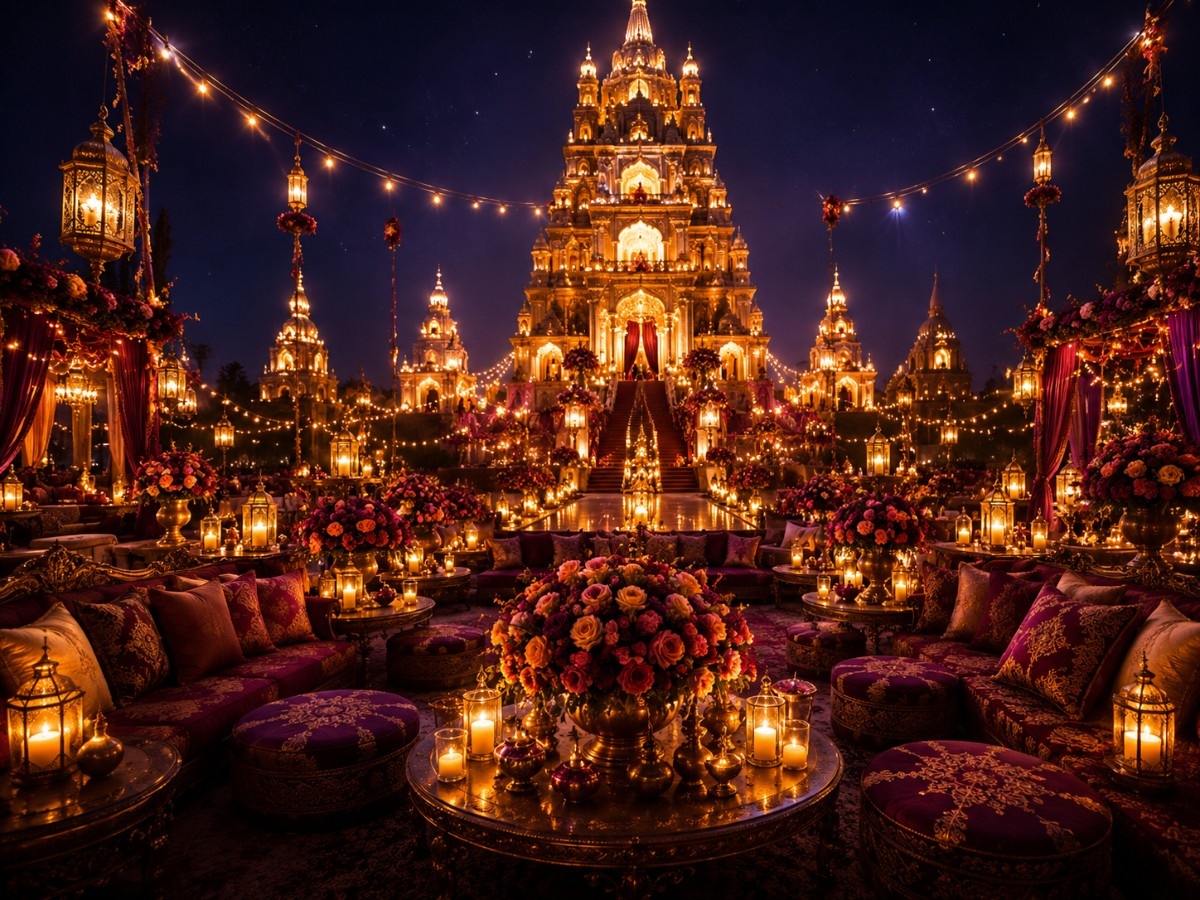 Oonjal Ceremony
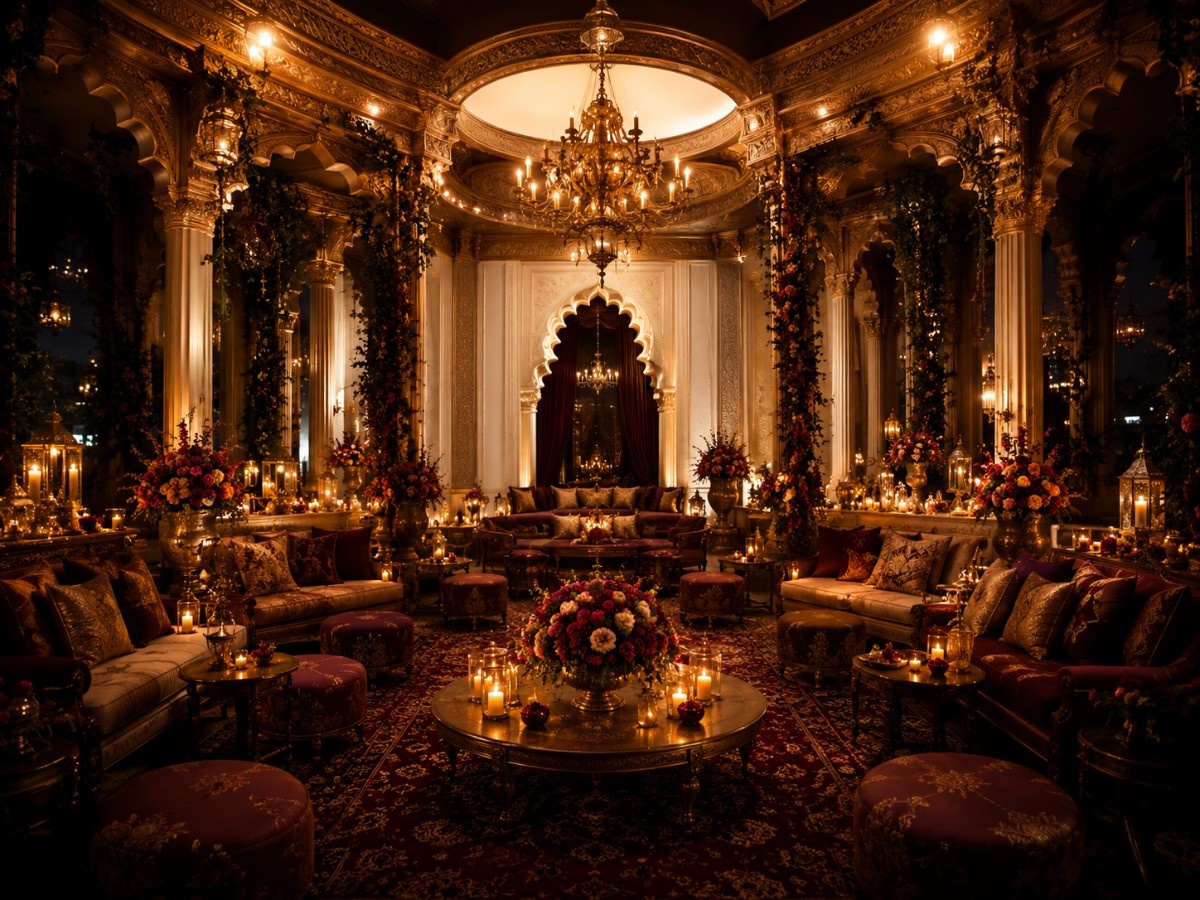 Muhurtham
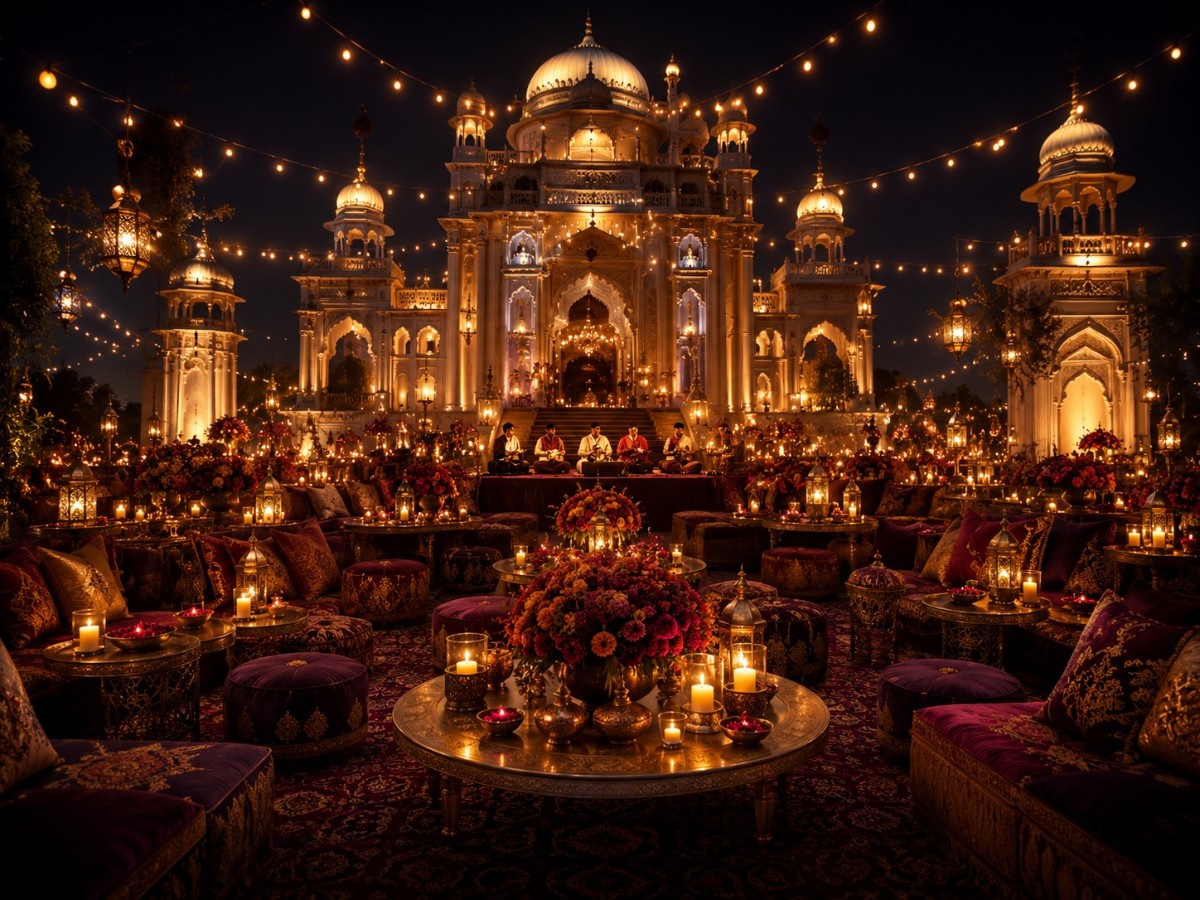 Vidaai
 Post Wedding Shoot
 Anniversary Celebration
 Vow Renewal
 Honeymoon Celebration
 Bridal Shower
 Bachelor Party
 Bachelorette Party
 Cocktail Party
 House Warming
 Griha Pravesh
 Satyanarayan Puja
 Naming Ceremony
 Thread Ceremony
 Upanayanam
- 400+Curated Events
- 6Event Universes
- 1000+Verified Vendors
- 70+Locations
- 24/7Customer Support


Not sure which packages fits your celebration?
Let Hiya & Hanu help you find the perfect match!
Explore Celebration Packages- AI-Powered MatchingSmart suggestions for you
- Budget OptimizerGet the best experiences in your budget
- End-to-End SupportWe are with you at every step
Serving Celebrations across 75+ locations in India
Popular Religious Ritual Services for Meaningful Traditional Celebrations
◆Religious rituals give many celebrations their deeper meaning, bringing families together through prayer, blessings, customs and traditions. Whether the occasion is a family milestone, auspicious ceremony, religious gathering or culturally important celebration, thoughtful preparation can help the event feel peaceful and well organised. Choosing popular religious ritual services provides families with practical assistance while allowing them to focus on the significance of the occasion.
A well-planned religious ceremony involves more than the central ritual. The venue, ceremonial materials, flowers, seating, timing, priest coordination and guest arrangements can all influence how smoothly the occasion takes place. Professional support brings these elements together in a structured way while respecting the family's chosen traditions.
For families organising an important religious event, Traditional Ceremony Planning can provide a useful framework for balancing customary practices with modern event requirements. The result is a celebration that feels authentic, comfortable and carefully prepared.
Understanding Religious Ritual Services
Religious ritual services are designed to support ceremonies that have spiritual, cultural or family significance. The exact format varies according to the faith, tradition, community and purpose of the occasion. Some rituals are intimate family gatherings, while others form part of larger celebrations involving many guests.
The first step is understanding what the ceremony represents. Families should identify the customs they wish to follow and discuss any specific requirements with an appropriate religious or ceremony professional. This helps ensure that arrangements are relevant rather than based on assumptions.
Popular religious ritual services can assist with practical preparation such as ceremony coordination, material checklists, venue setup and decoration. Depending on the provider, they may also help coordinate priests or other knowledgeable professionals.
Good Traditional Ceremony Planning keeps the ceremonial purpose at the centre while organising the supporting details around it.
Why Professional Support Can Improve a Religious Celebration
Religious ceremonies can involve many individual arrangements. Several materials may need to be available at specific times, the ceremonial area may require a particular layout, and the event schedule may need to accommodate important prayer or ritual periods.
Professional popular religious ritual services can reduce the pressure on family members by coordinating these details before the event. Instead of managing every supplier separately, families may have one point of contact for ceremony-related arrangements.
Another advantage is preparation. A service provider can help create a checklist covering the venue, ritual materials, decoration, seating and professional coordination. This makes it easier to identify missing details before the celebration begins.
Professional support can also improve guest experience. Elderly relatives may need accessible seating, children may require comfortable spaces, and guests unfamiliar with the ceremony may appreciate clear guidance.
Choosing the Right Religious Ceremony
The most suitable ceremony depends on the purpose of the celebration and the traditions followed by the family. Religious events may be connected with blessings, family milestones, auspicious beginnings, prayer gatherings, festivals or significant personal occasions.
Families should avoid choosing a ceremony simply because it is widely offered. Instead, the ritual should be appropriate to the occasion and meaningful to those participating.
Discussing the event with a trusted religious authority or experienced ceremony professional can help clarify the customary requirements. This is especially valuable when younger family members are helping organise a traditional occasion for the first time.
Traditional Ceremony Planning should therefore begin with understanding the ceremony rather than selecting decoration or venue arrangements first.
Preparing for a Religious Ritual
Successful popular religious ritual services generally begin with preparation well before the event date. A simple planning process can make the occasion considerably easier to manage.
Confirm the Ceremony Requirements
Establish the type and purpose of the ritual, expected duration, number of participants and any customary requirements. Confirm details with the relevant religious professional where necessary.
Prepare a Material Checklist
Create a complete list of required items. Depending on the ceremony, this may include flowers, fruits, lamps, vessels, offerings, cloth, grains and other traditional materials.
Arrange the Venue
Choose a clean, accessible space with enough room for the ceremony and participating family members. Guest seating should not obstruct the ceremonial area.
Confirm Professional Availability
If a priest or other religious professional is required, confirm the date and timing early. Share relevant ceremony details so that any special requirements can be addressed.
Plan Decoration
Traditional floral arrangements, lamps, entrance décor and simple ceremonial backdrops can create an appropriate atmosphere without overwhelming the ritual itself.
Finalise the Schedule
Allow preparation time before the ceremony and sufficient space afterwards for photographs, refreshments or other celebration activities.
Creating an Appropriate Ceremony Venue
Venue preparation is a significant part of Traditional Ceremony Planning. A suitable location should support both the ritual and the comfort of the guests.
For a home ceremony, families may need to rearrange furniture to create an open ceremonial area. The space should be clean, well ventilated and easy for elders to access.
For a hall or event venue, families should confirm whether the location can accommodate the required ceremonial arrangements. This may include floral decoration, traditional lamps, seating and a dedicated ritual area.
The entrance should also be considered. A simple floral or traditional welcome arrangement can establish the character of the occasion as guests arrive.
When using popular religious ritual services, venue preparation can be coordinated alongside ceremony requirements so that the final layout is both practical and respectful.
Traditional Decoration for Religious Occasions
Decoration should enhance the atmosphere without taking attention away from the religious purpose of the event. Flowers are particularly suitable for many traditional celebrations because they add colour, freshness and a natural festive quality.
Depending on the occasion, decoration may include garlands, floral arrangements, traditional lamps, rangoli-inspired designs, entrance décor and subtle backdrop elements.
The choice of flowers and decorative details can reflect the family's preferences while remaining appropriate to the ceremony. Simpler arrangements may suit an intimate prayer gathering, whereas a larger family celebration may benefit from more elaborate decoration.
Professional popular religious ritual services may coordinate ceremonial decoration with the required layout. This is useful when the ritual needs an uncluttered space for participants.
Coordinating Priests and Religious Professionals
The person conducting the ceremony is an important part of many religious occasions. Families should confirm availability, ceremony duration and any specific requirements before the event.
Clear communication is particularly important when families have established traditions they want to maintain. If there are customary practices specific to the family, these should be discussed in advance.
Professional coordination can make this process more straightforward. Rather than leaving communication until the day of the ceremony, the service provider can help organise timings and practical requirements beforehand.
Reliable popular religious ritual services should make the scope of coordination clear, including whether priest arrangements are included or whether the family needs to make them independently.
Managing Ritual Materials Carefully
Ceremonial materials should be checked before the celebration. A written checklist can separate essential items from optional additions and make purchasing easier.
Families should also consider when each material is needed. Some items may need to be prepared shortly before the ceremony, while others can be arranged well in advance.
Storage and transportation should be considered when the event takes place away from home. Fragile or perishable items may require special handling.
A professional service can help organise this process and reduce the risk of last-minute shortages. Families should nevertheless confirm the final checklist with the relevant ceremony professional because requirements can differ between traditions.
Making the Experience Comfortable for Guests
Religious celebrations often involve several generations. Good planning should make the event accessible and comfortable for everyone.
Elderly guests may benefit from comfortable seating close to the ceremonial area. Clear pathways can make movement easier, particularly when the venue becomes busy.
Families should also consider children. A welcoming environment can allow younger guests to participate respectfully without making the ceremony unnecessarily difficult for them.
If the ceremony lasts for an extended period, refreshments can be planned around the schedule. The timing of meals and other activities should not interfere with important ritual moments.
These practical details are an important part of Traditional Ceremony Planning because they allow families to focus on the ceremony rather than solving logistical problems during the event.
Combining Religious Rituals with Larger Celebrations
A religious ceremony may form only one part of a larger occasion. Weddings, family milestones and cultural celebrations can include photography, meals, entertainment and other activities around the main ritual.
The event timetable should keep important ceremonial periods protected from unnecessary interruptions. Photography teams should be briefed about the ceremony schedule, while entertainment should be arranged at suitable times.
Food service can also be planned around the ritual. If guests are expected to participate in prayers or ceremonial activities, meal service should not create avoidable distractions.
Coordinating all these elements is where popular religious ritual services can provide practical value. A structured approach helps connect the religious ceremony with the wider event.
How to Select a Reliable Ritual Service Provider
Families comparing service providers should consider experience, communication, transparency and flexibility rather than relying only on promotional descriptions.
Ask what types of religious ceremonies the provider supports and whether they understand the practical requirements associated with the occasion. Enquire about material sourcing, venue setup, decoration and professional coordination.
A clear quotation is equally important. It should explain what is included in the package and identify any additional charges for materials, transport, decoration or extended service time.
Families can also ask for examples of previous work where appropriate. However, a provider should be willing to listen to the family's specific needs rather than simply offering a standard package.
The best popular religious ritual services combine respectful planning with dependable event coordination.
Benefits of Organised Ceremony Planning
Professional Traditional Ceremony Planning can provide several practical benefits. It creates a structured process from initial preparation through to the completion of the ceremony.
Families can save time by coordinating several requirements through one service provider. They can also reduce the chance of overlooking small but important details.
Another benefit is consistency. When venue setup, decoration, ceremonial materials and professional timings are coordinated together, the event is less likely to experience avoidable interruptions.
Good planning also supports personalisation. Families can explain their preferences and identify which traditional elements are essential to them.
Personalising Religious Celebrations
Traditional does not have to mean identical. Families can respect established customs while creating a celebration that reflects their own preferences.
Personalisation can include floral choices, venue layout, welcome arrangements, seating styles and family-specific elements. The important consideration is to understand which aspects of the ritual are customary and which presentation details can be adapted.
Professional popular religious ritual services can help families organise these choices while keeping the ceremonial area functional.
The aim should be a celebration that feels genuine rather than overly complicated. Meaningful details often have greater value than excessive decoration.
Budgeting for Religious Ritual Services
A practical budget should distinguish between essential ceremony requirements and optional event enhancements.
Start by considering professional ceremony charges and required materials. Then include venue preparation, decoration, seating, transportation and other guest-related arrangements where applicable.
Families should request an itemised quotation before booking popular religious ritual services. This makes it easier to understand what the package covers and identify any additional costs.
Budgeting should also allow for last-minute requirements. A small contingency can be useful when material quantities or guest numbers change.
Spending thoughtfully helps preserve the focus of the celebration while avoiding unnecessary expenses.
Preserving Tradition Through Thoughtful Planning
Religious rituals are often closely connected with family identity, memories and values. They provide an opportunity for different generations to participate together and pass traditions forward.
Modern event planning can support these customs without changing their meaning. Practical organisation, appropriate decoration and clear scheduling can make traditional celebrations easier for families to manage.
Traditional Ceremony Planning is most effective when it respects the purpose of the ritual while addressing the practical realities of the event.
For families looking for popular religious ritual services, the priority should be finding professionals who understand the importance of respectful coordination, careful preparation and clear communication.
Create a Meaningful and Well Organised Celebration
A religious ceremony deserves preparation that reflects its significance. From selecting the appropriate venue and organising ceremonial materials to coordinating professionals and preparing the guest experience, every detail can contribute to a smoother occasion.
Happiffie can help families explore event-related services and professionals for meaningful celebrations. When choosing popular religious ritual services, consider the provider's experience, service inclusions, communication, customisation and ability to coordinate the complete ceremony.
With thoughtful preparation, families can preserve cherished traditions while creating a celebration that feels organised, welcoming and memorable.
Frequently Asked Questions
1. What are popular religious ritual services?
Popular religious ritual services are professional services that help families organise religious or spiritually significant ceremonies. Depending on the provider, support may include ceremony coordination, materials, venue preparation, decoration and priest coordination.
2. What does Traditional Ceremony Planning involve?
Traditional Ceremony Planning involves understanding the ceremony, identifying customary requirements, preparing materials, arranging the venue, coordinating relevant professionals and creating a suitable event schedule.
3. Which occasions can use religious ritual services?
Religious ritual services can support many occasions, including family milestones, auspicious ceremonies, prayer gatherings, religious celebrations, traditional functions and other culturally significant events.
4. Can religious rituals be arranged at home?
Yes. Many religious ceremonies can take place at home if there is a suitable clean and accessible space. The required layout and materials depend on the specific ritual and tradition.
5. How far in advance should religious ritual services be booked?
Booking several weeks ahead is advisable, especially when a particular priest, specialist professional, venue or specific ceremonial materials are required. Larger celebrations may benefit from even earlier preparation.
6. Can decoration be included in religious ritual services?
Some providers include traditional decoration within their packages, while others offer it separately. Families should confirm whether flowers, garlands, lamps, entrance décor and ceremonial backdrops are included.
7. How can I choose reliable popular religious ritual services?
Compare experience, communication, service inclusions, reviews, pricing transparency and the provider's understanding of your ceremony. Request a detailed quotation before making a booking.
8. Do ritual service providers arrange ceremonial materials?
Many popular religious ritual services can source or coordinate ceremonial materials. However, requirements differ between ceremonies, so families should request a complete checklist before confirming the service.
9. Can religious ceremony planning be combined with other event services?
Yes. Traditional Ceremony Planning can be integrated with venue arrangements, decoration, catering, photography and other celebration services. The schedule should ensure that other activities do not disrupt important ceremonial moments.
10. What should I check before booking a religious ritual service?
Confirm the ceremony coverage, professional coordination, materials, venue setup, decoration, timings, service charges, additional costs and cancellation terms. A clear discussion beforehand helps ensure that expectations are aligned.