
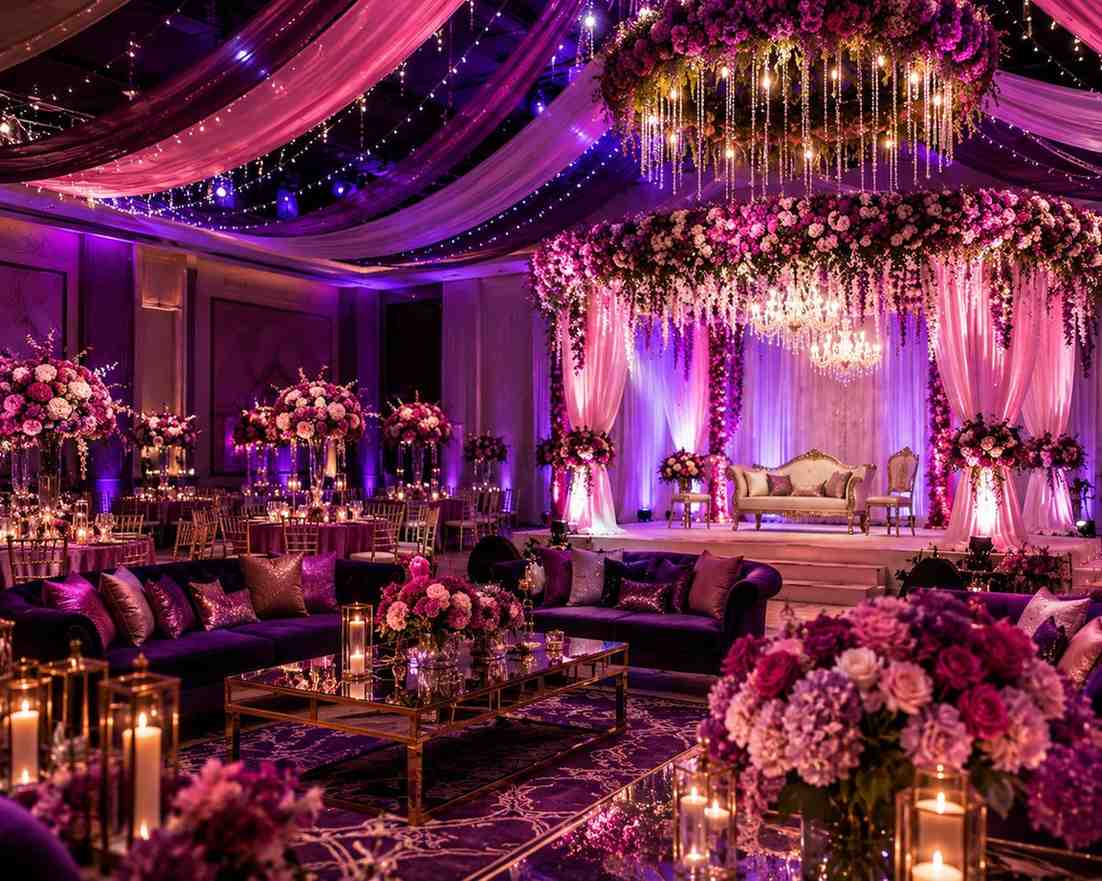
Explore Event Decor
Discover creative decoration, styling and floral design ideas for every celebration and event in Chennai
Style Better,
Celebrate with Happiffie
From the first creative concept to the final finishing touch, Happiffie helps you discover event decoration, styling and floral design services that transform celebrations into memorable experiences.
- Smart Decor DiscoveryFind decoration and styling options suited to your celebration
- AI RecommendationsGet personalised decor matches based on your event needs
- Trusted Decor NetworkConnect with verified decoration, styling and floral professionals
Event Decoration & Styling
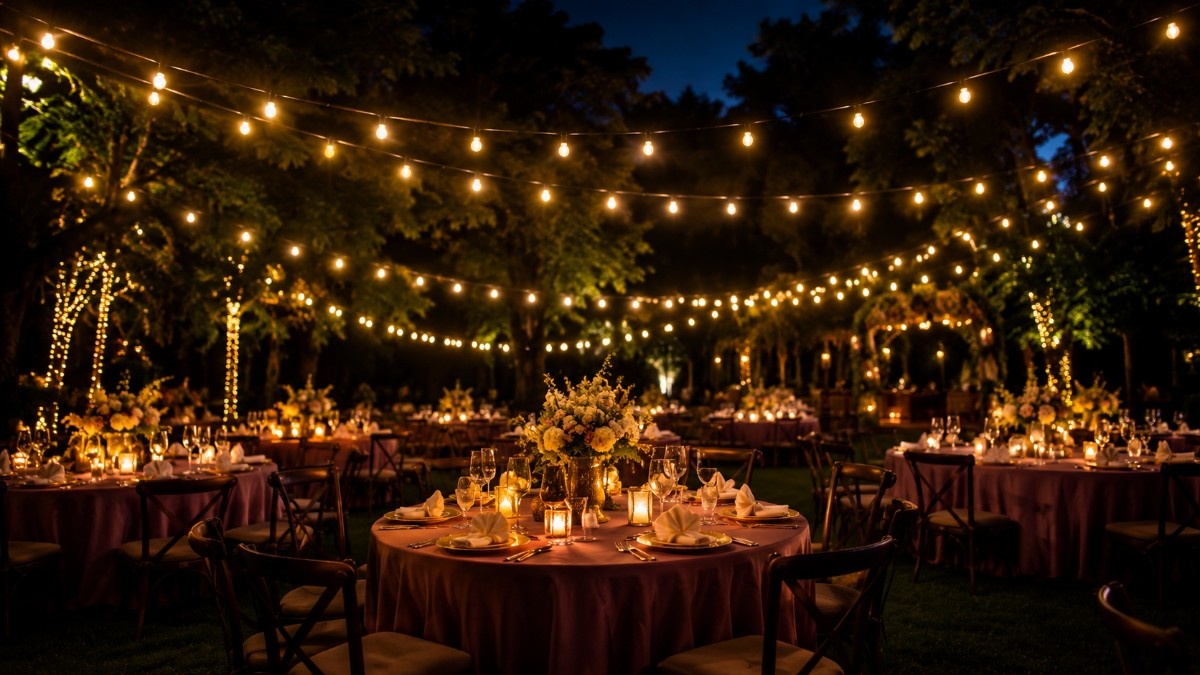 Engagement
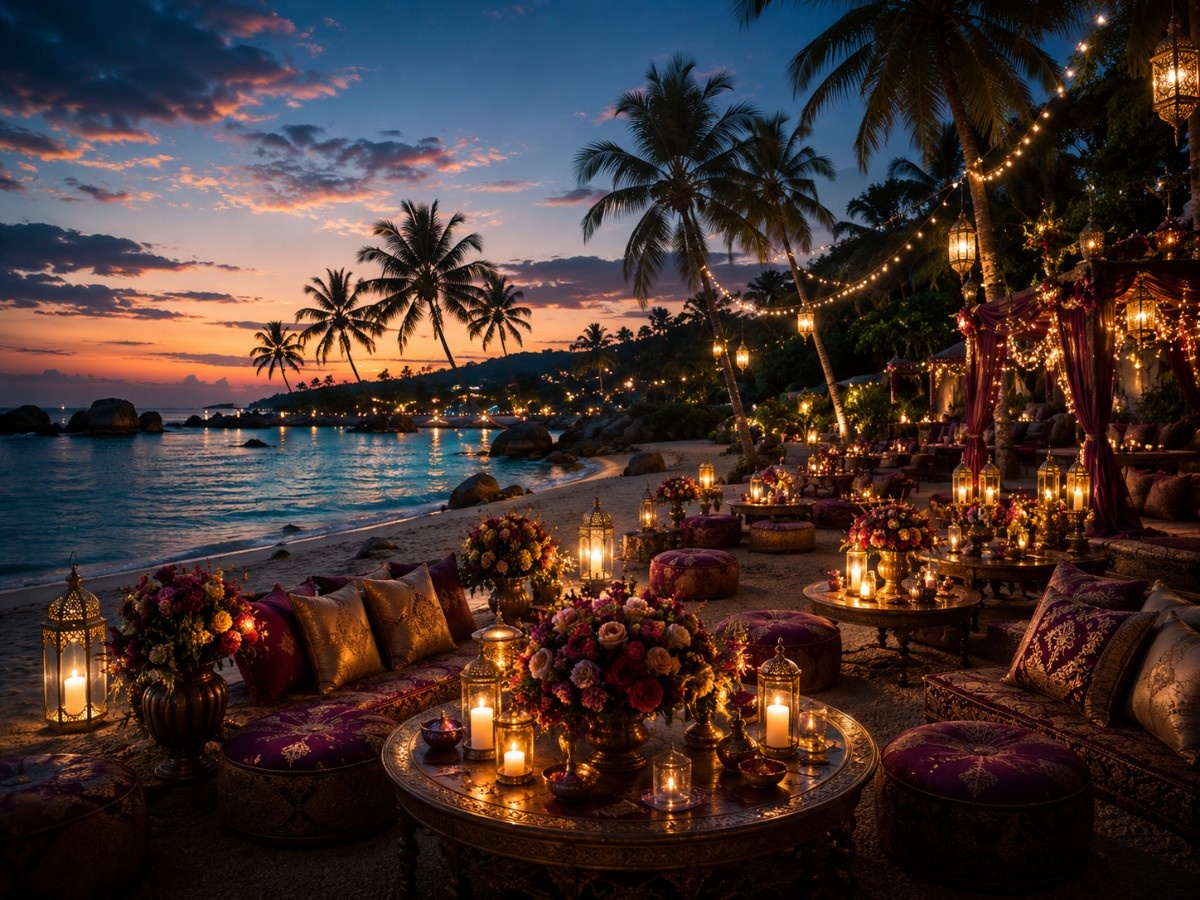 Mehendi
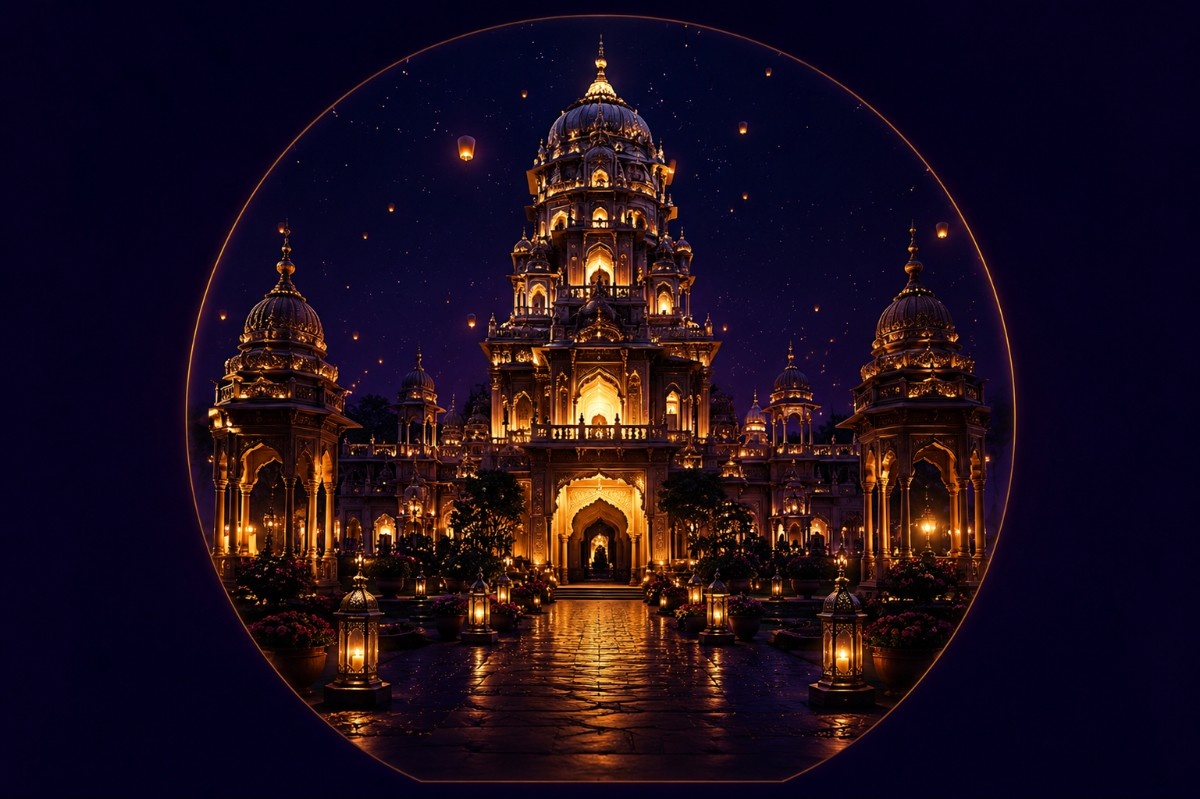 Sangeet
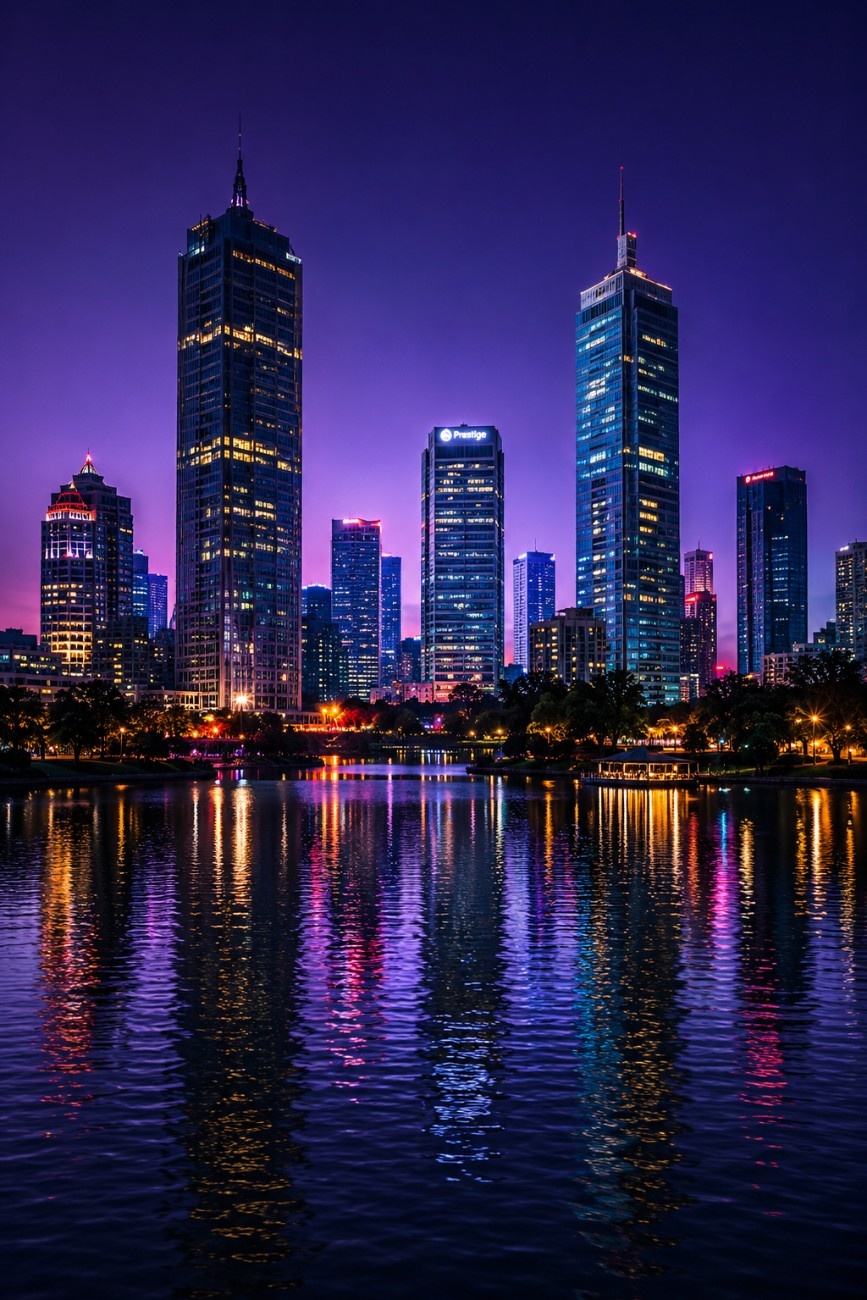 Haldi
Haldi Wedding
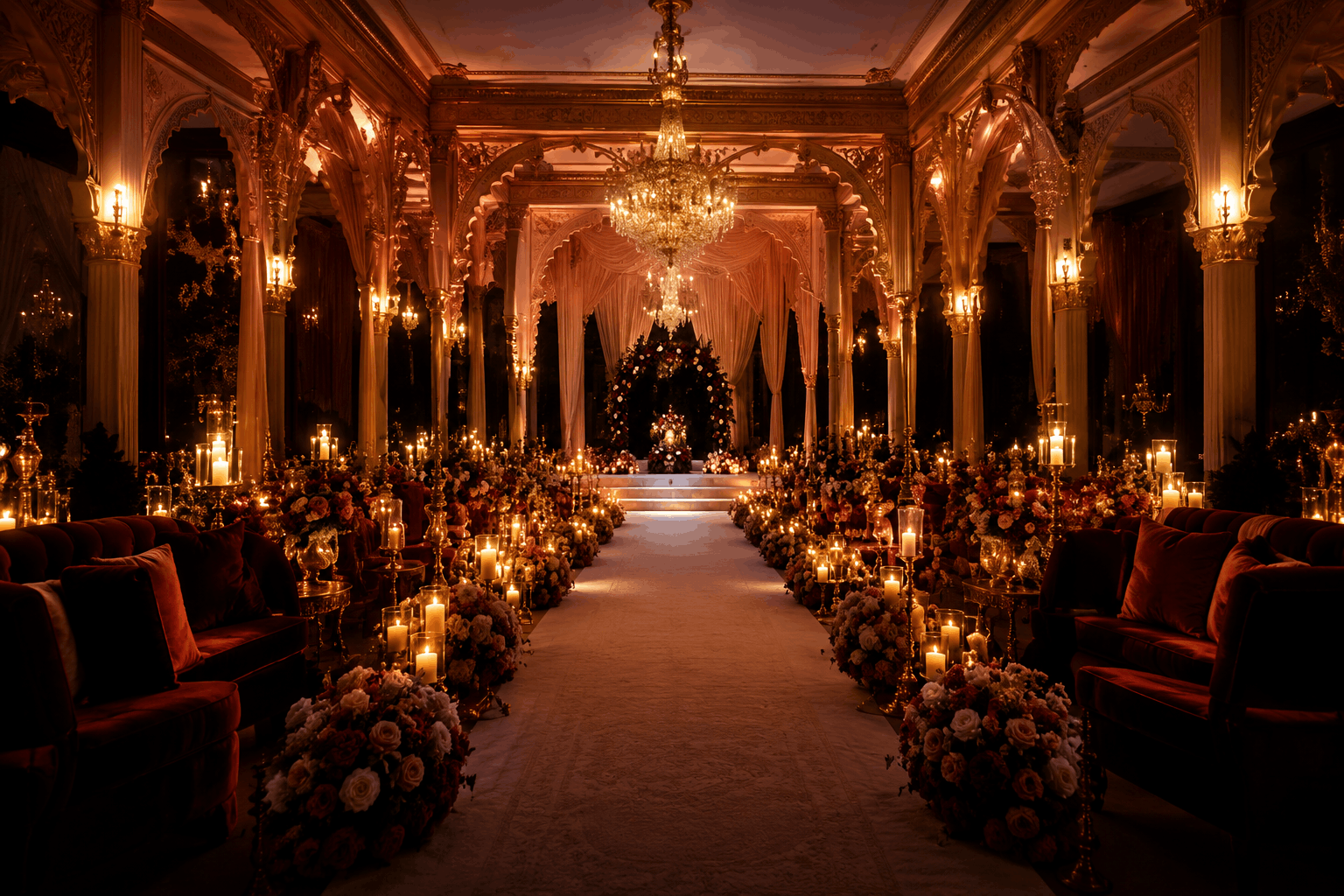 Reception
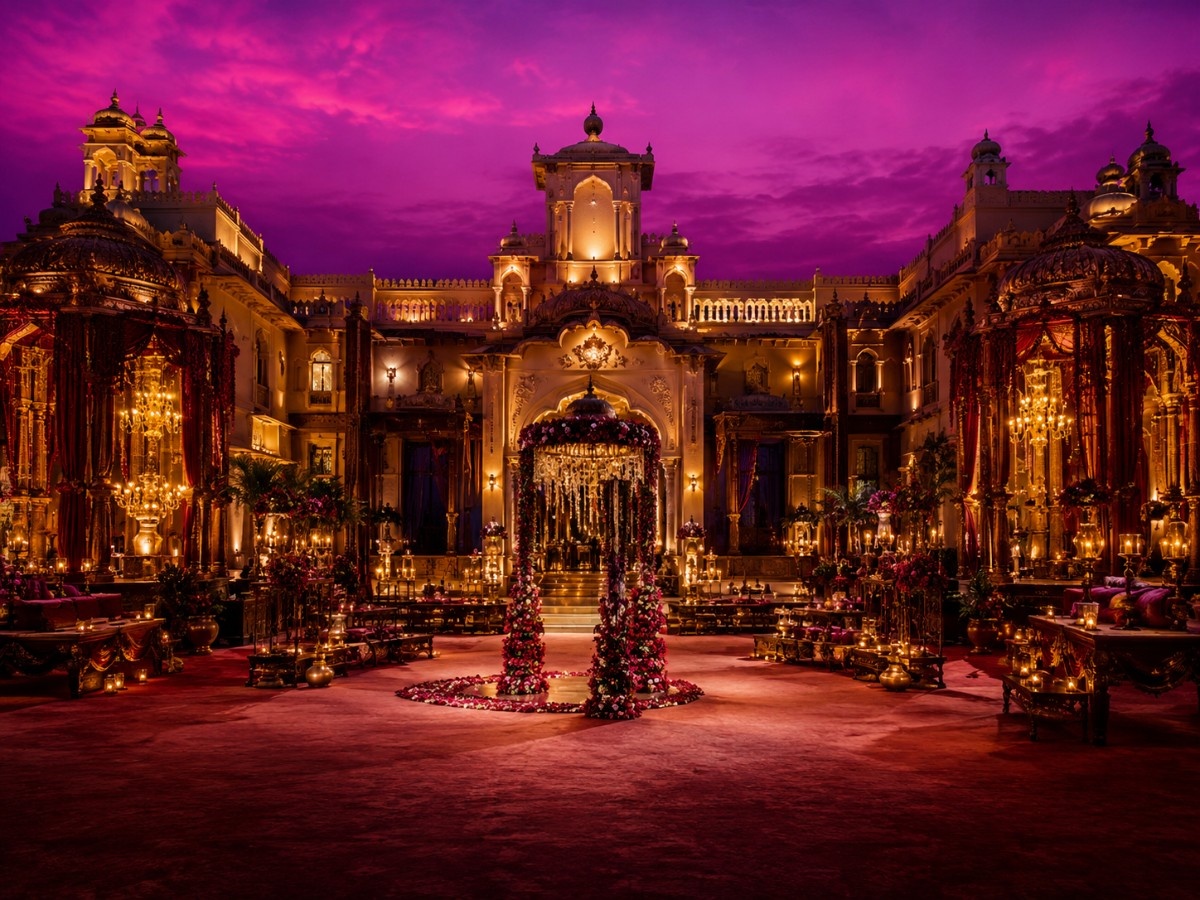 Pre Wedding Shoot
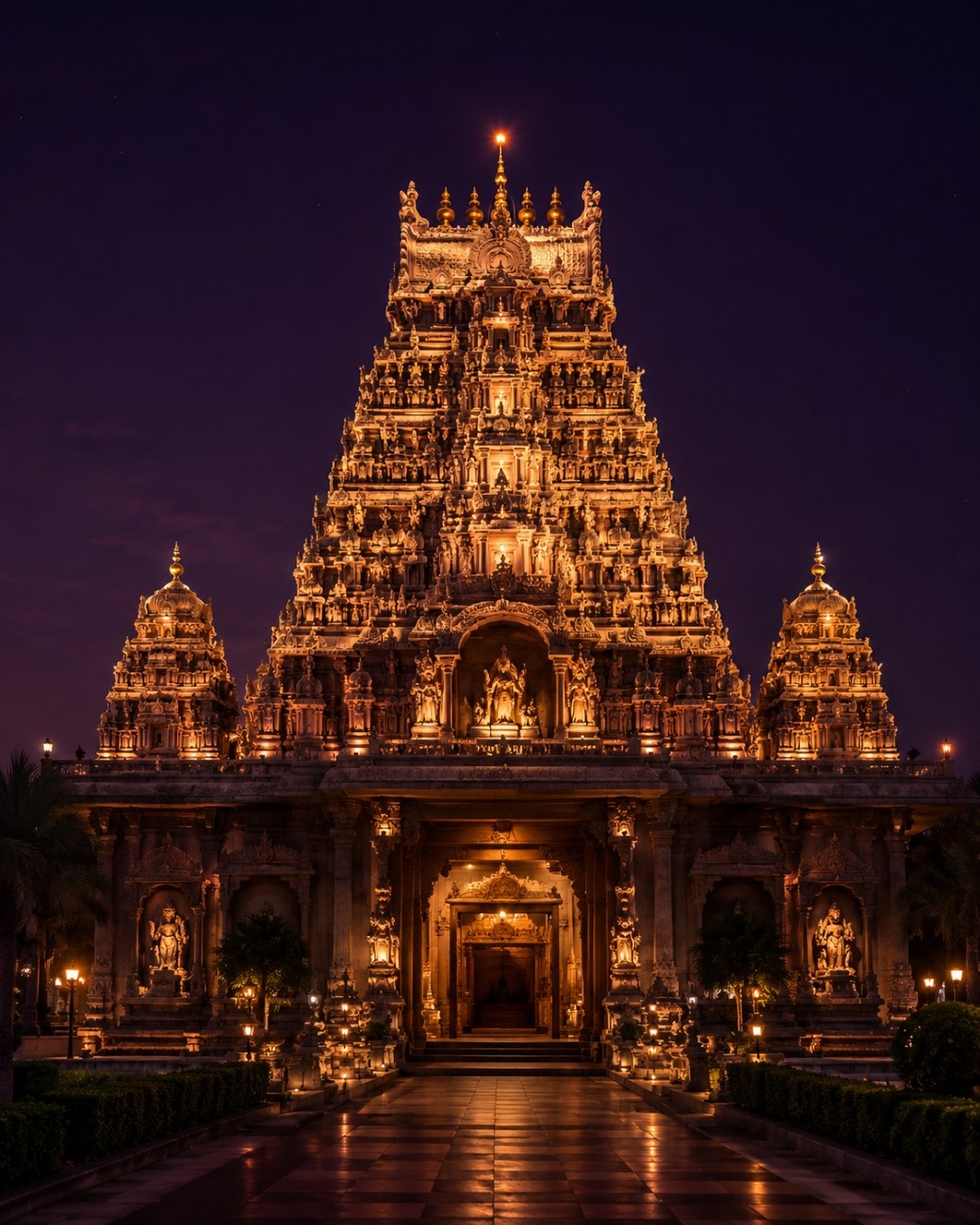 Save The Date Shoot
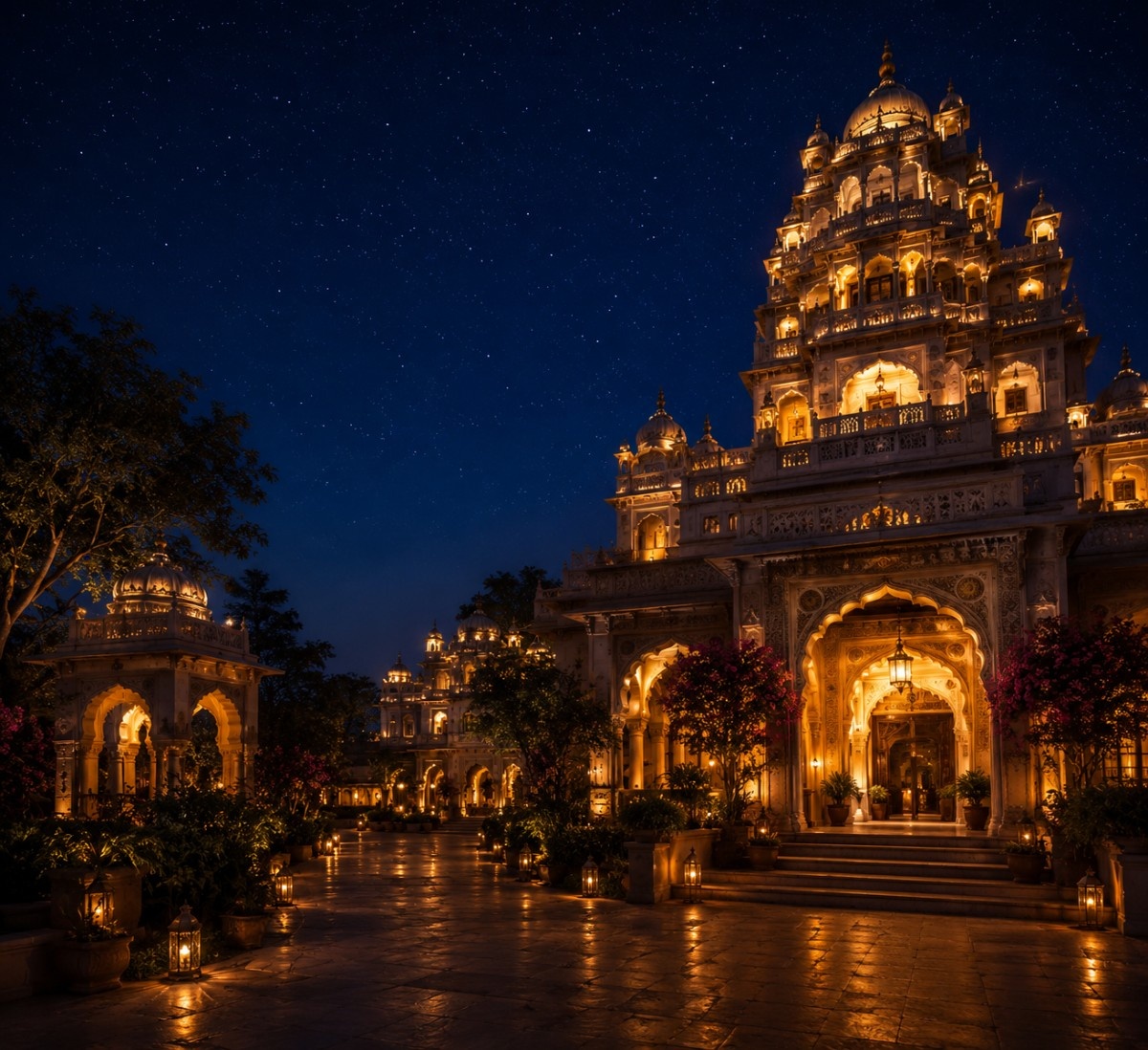 Ring Ceremony
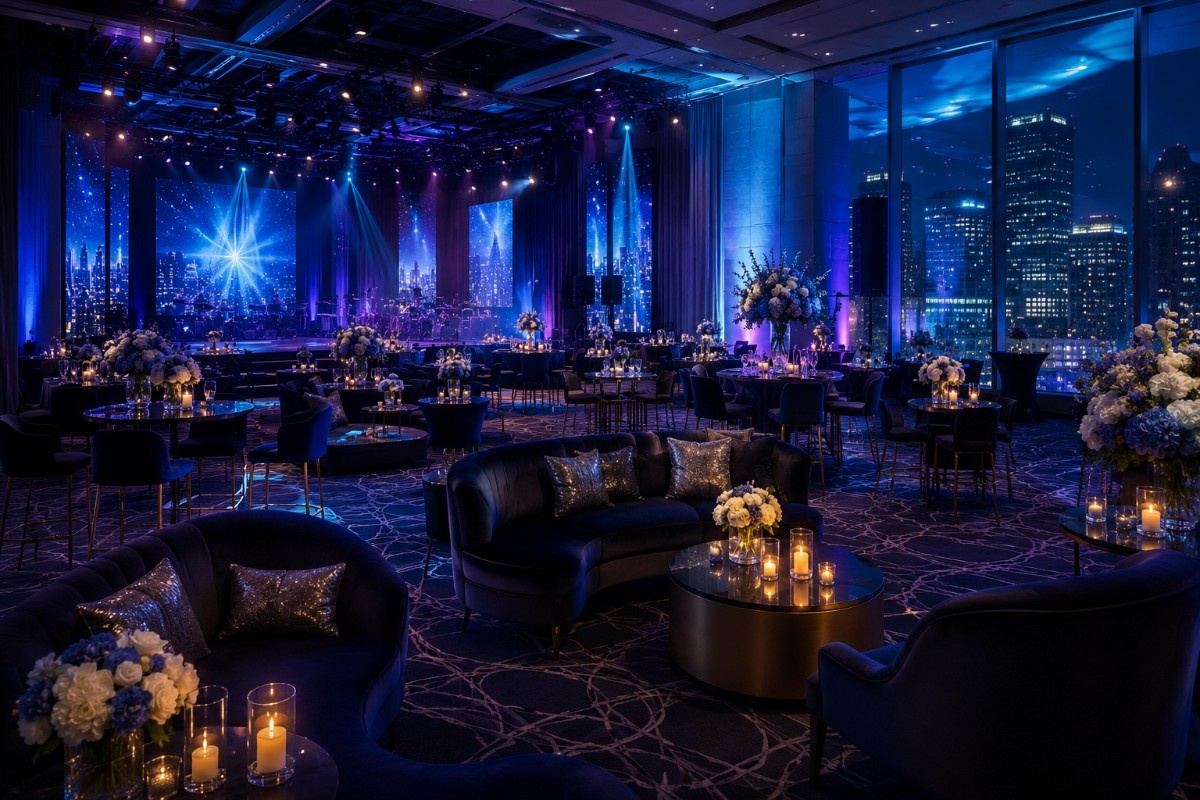 Destination Wedding
 Aviratham (Engagement)
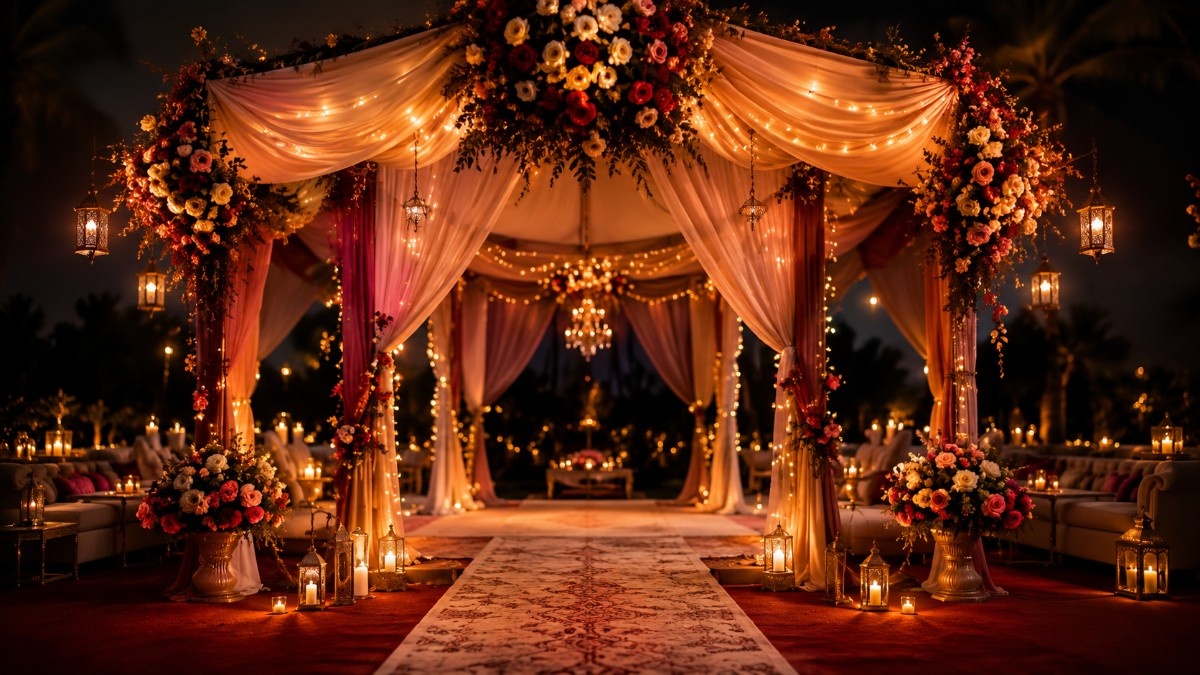 Guru Pooja
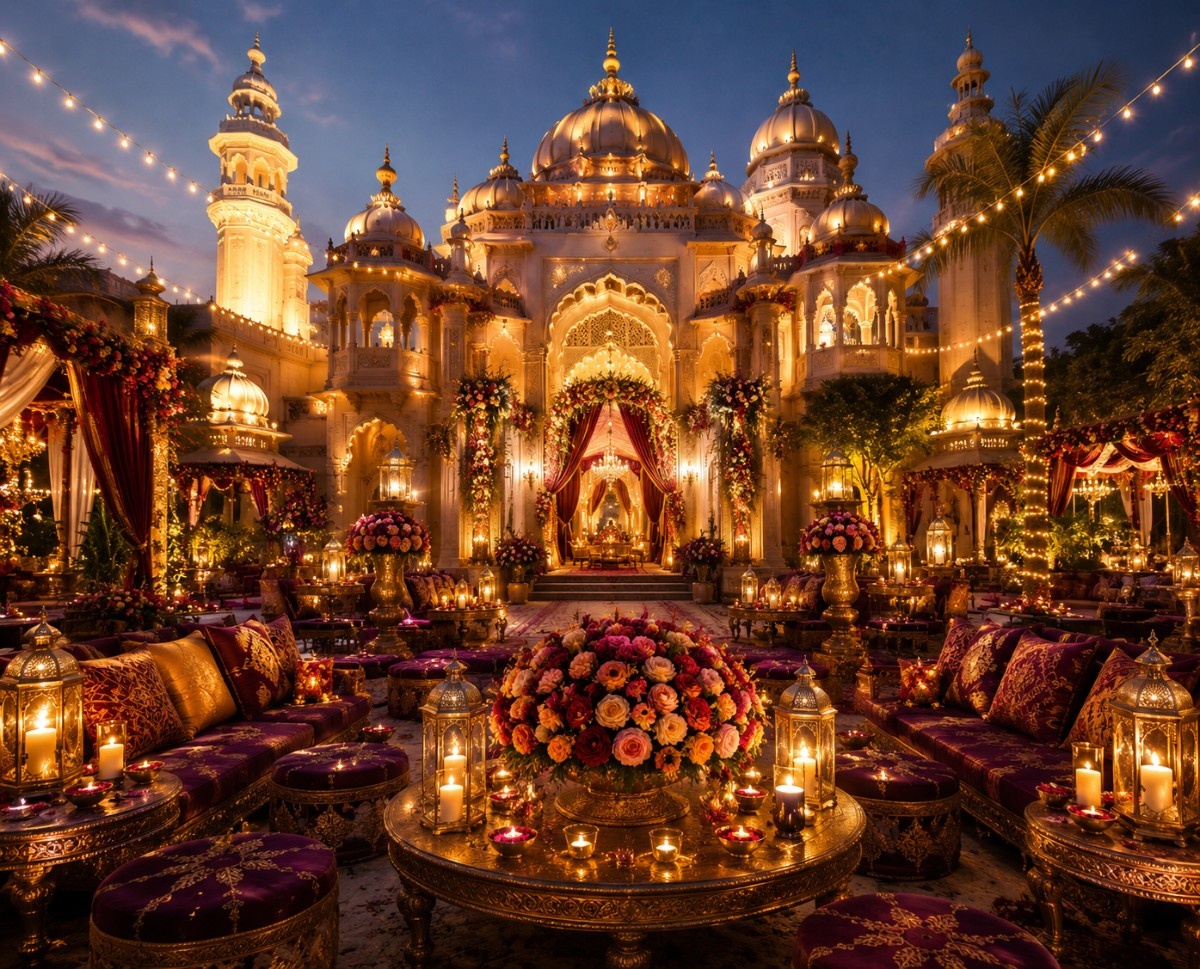 Kashi Yatra
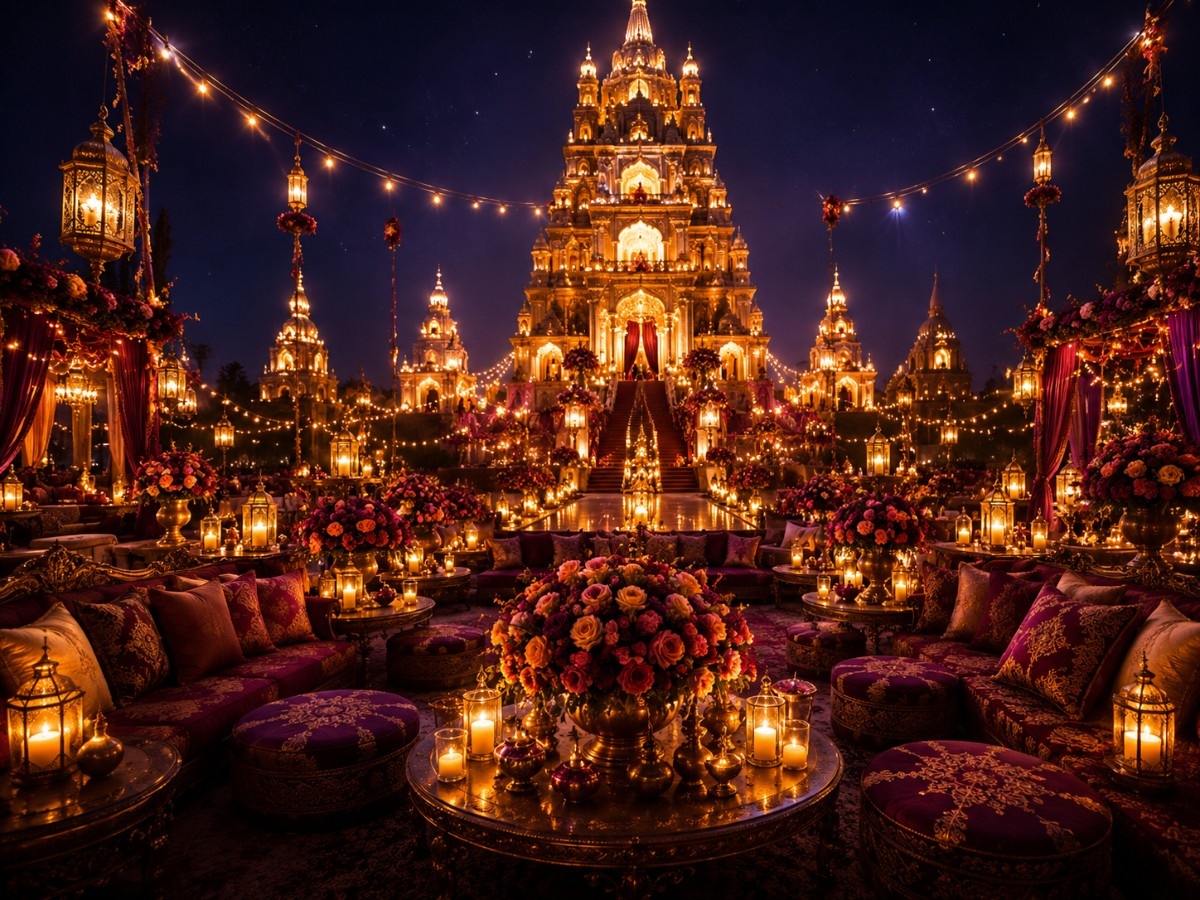 Oonjal Ceremony
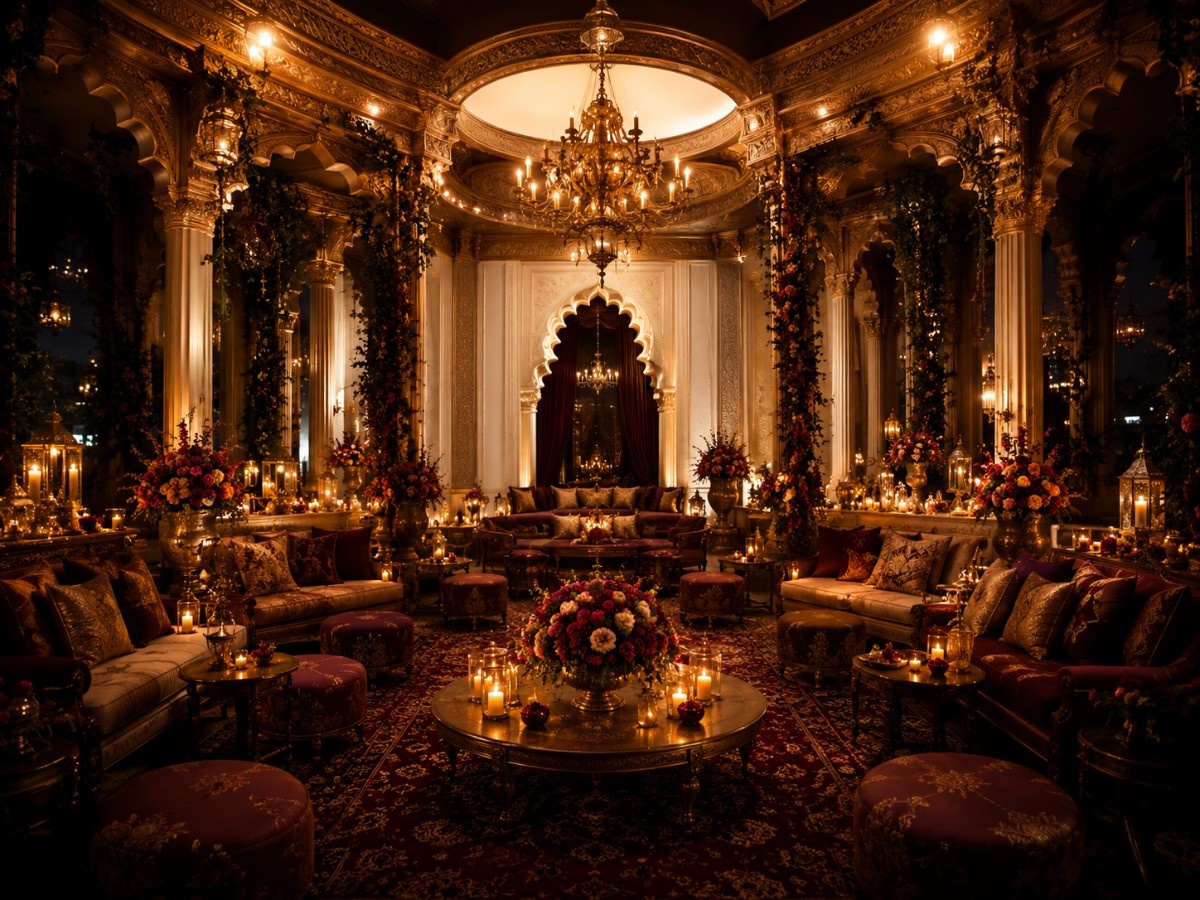 Muhurtham
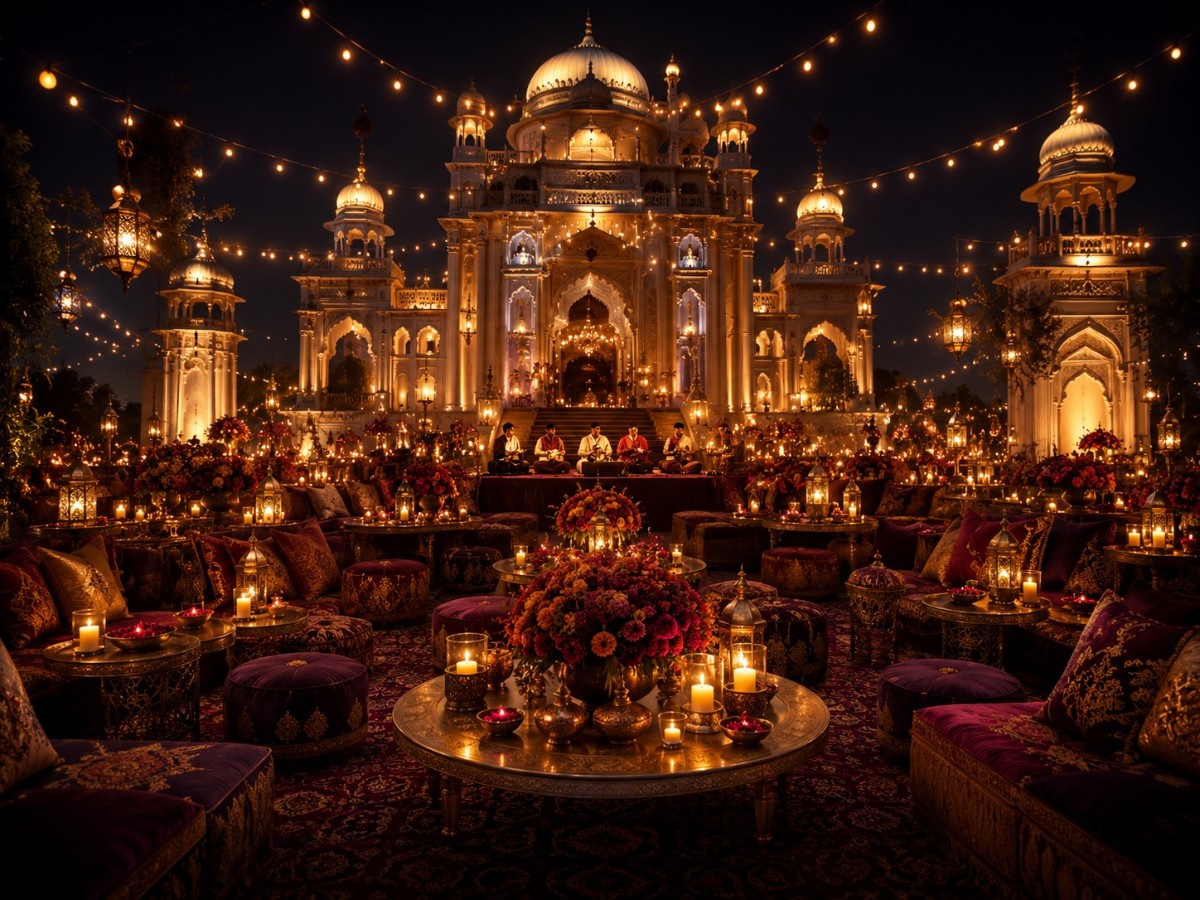 Vidaai
 Post Wedding Shoot
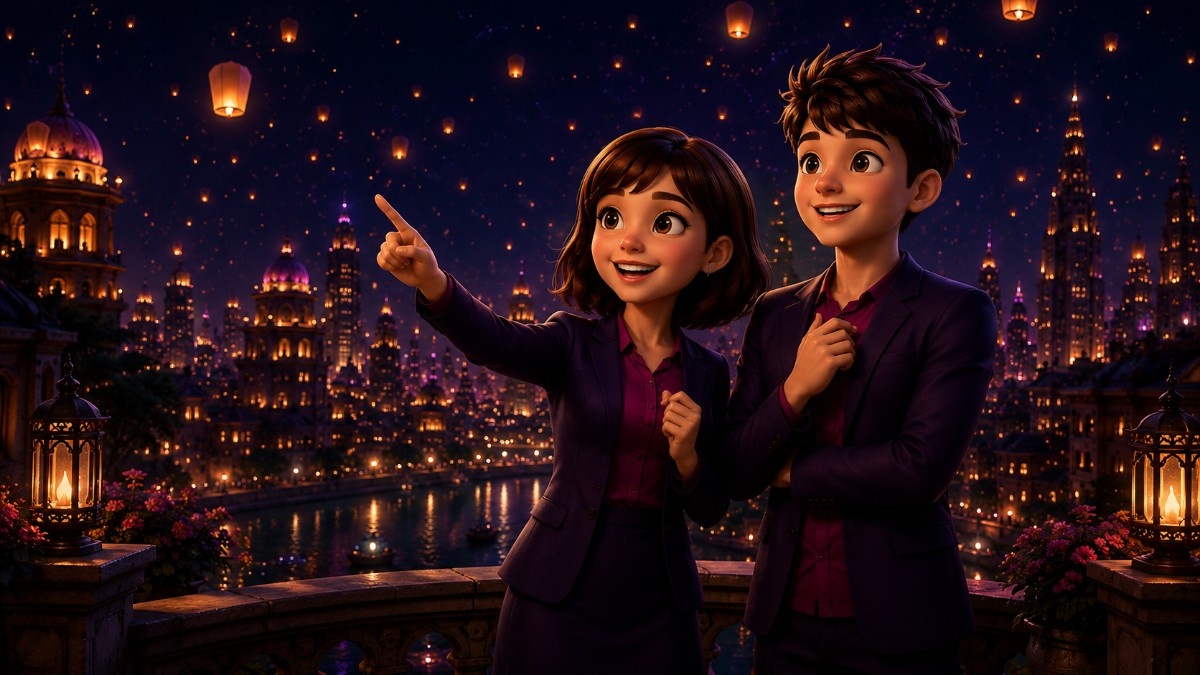 Anniversary Celebration
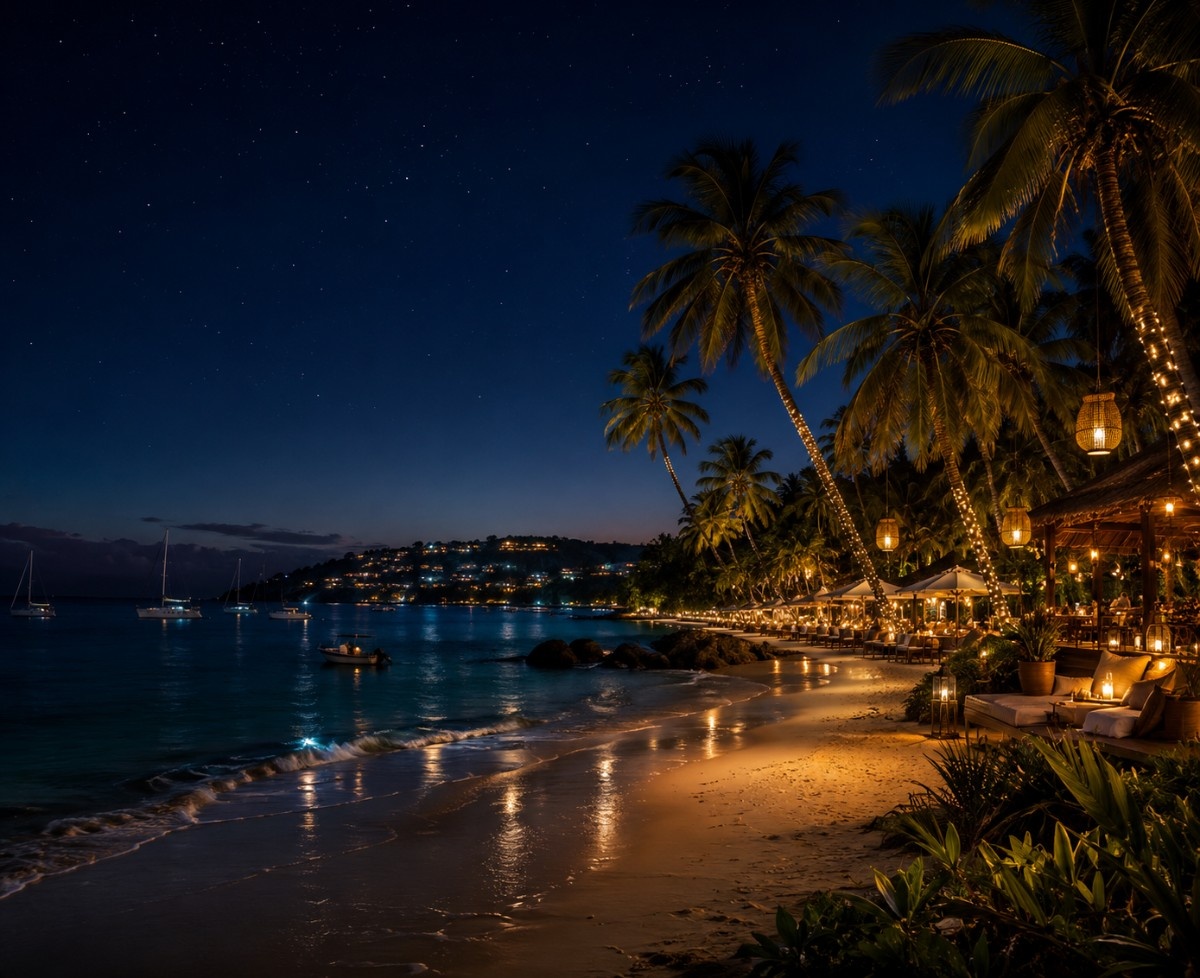 Vow Renewal
 Honeymoon Celebration
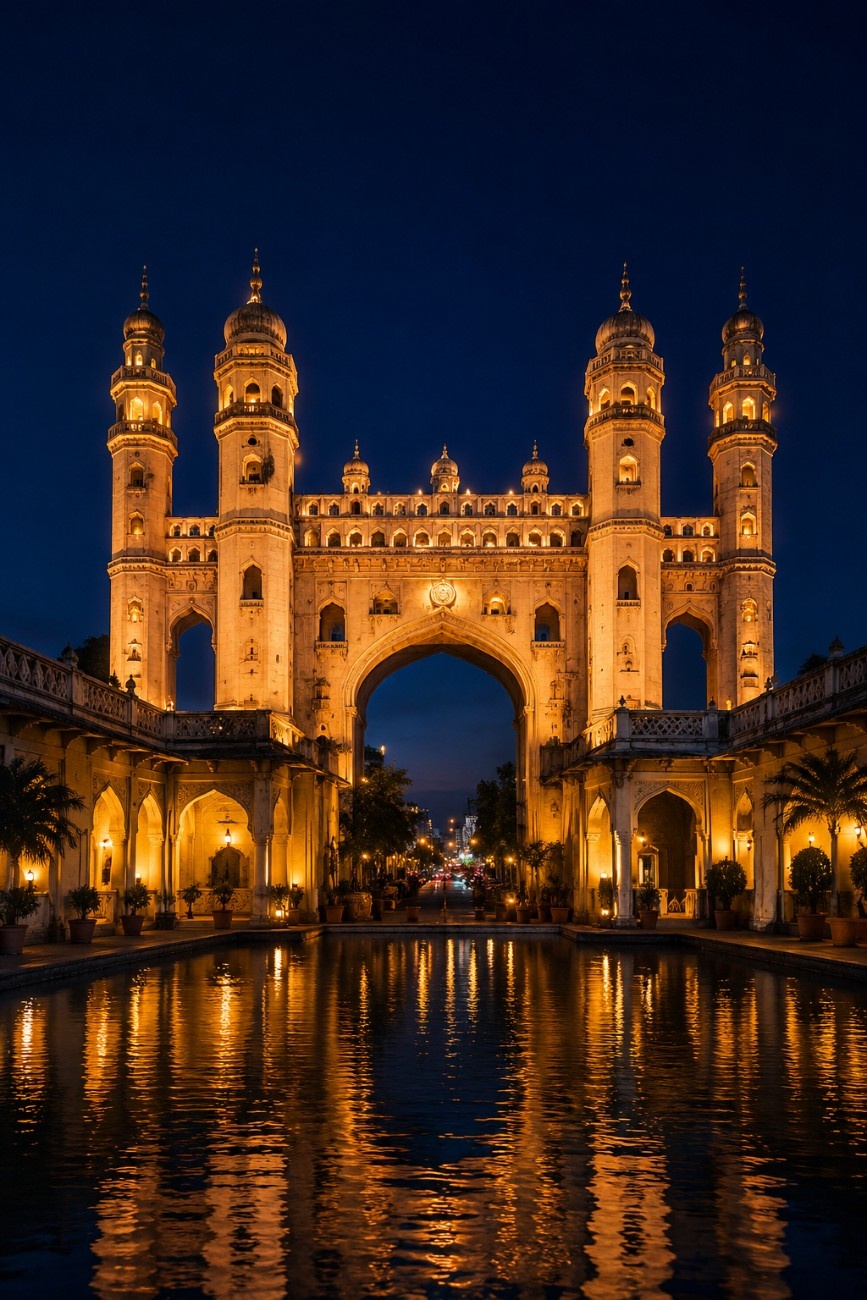 Bridal Shower
 Bachelor Party
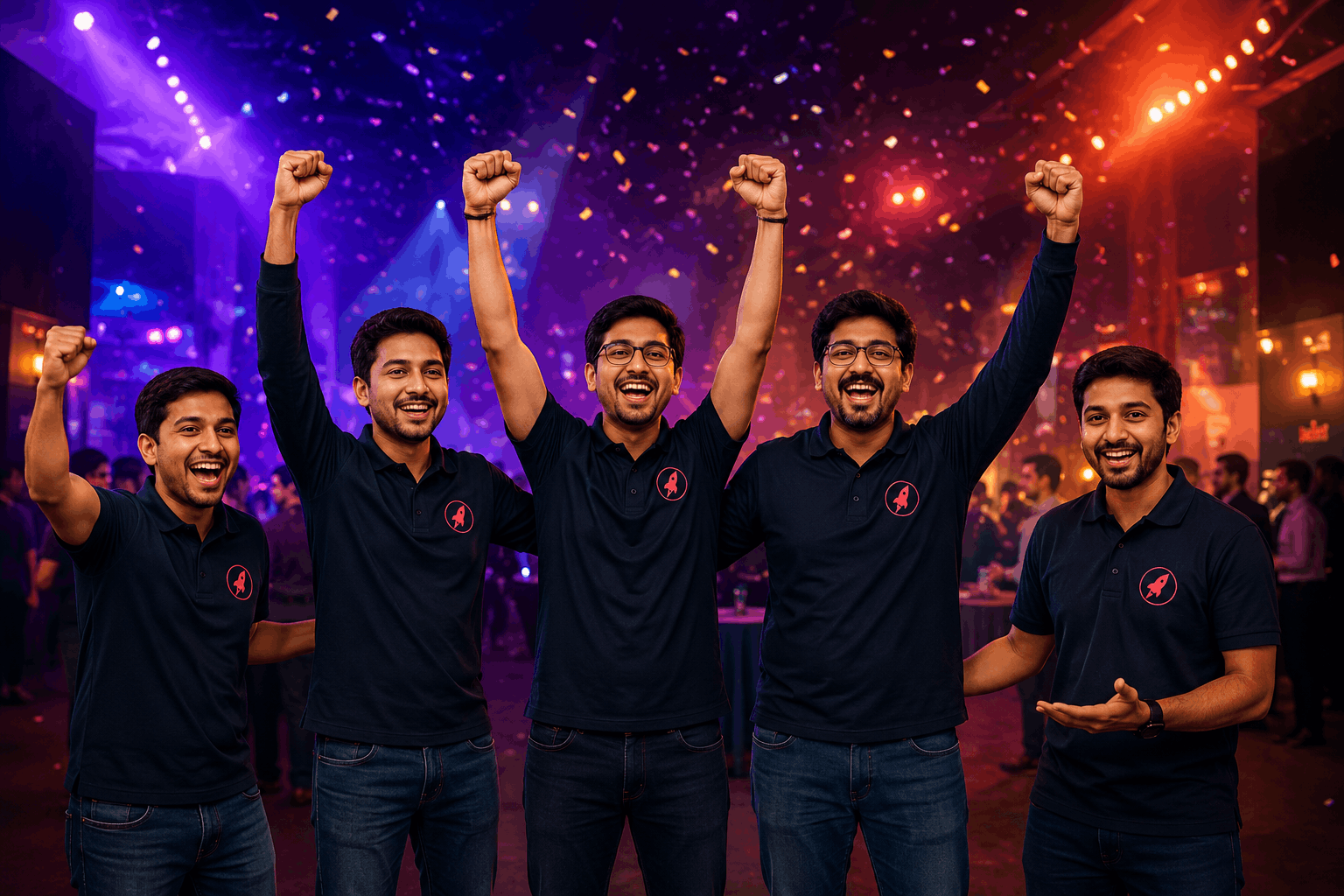 Bachelorette Party
 Cocktail Party
 House Warming
 Griha Pravesh
 Satyanarayan Puja
 Naming Ceremony
 Thread Ceremony
 Upanayanam
- 400+Curated Events
- 6Event Universes
- 1000+Verified Vendors
- 70+Locations
- 24/7Customer Support


Not sure which packages fits your celebration?
Let Hiya & Hanu help you find the perfect match!
Explore Celebration Packages- AI-Powered MatchingSmart suggestions for you
- Budget OptimizerGet the best experiences in your budget
- End-to-End SupportWe are with you at every step
Serving Celebrations across 75+ locations in India
Popular Design Ideas for Stylish Celebrations
◆Popular celebration design ideas make it easier to create an attractive and welcoming event atmosphere. They combine familiar styling trends with thoughtful details, giving hosts plenty of inspiration for birthdays, anniversaries, milestones, parties, and family occasions.
A successful design does more than decorate a venue. It establishes a mood, creates visual interest, and gives guests an environment that feels carefully prepared for the occasion.
Current celebration styling often focuses on coordinated colors, statement backdrops, creative lighting, floral arrangements, personalized features, and comfortable guest spaces. These elements can be adapted to suit different venues and celebration styles.
The most effective ideas are also flexible. A popular concept can become more distinctive when colors, materials, themes, and personal details are adjusted to reflect the occasion.
Start With a Clear Design Theme
A strong celebration design usually begins with a central concept. This provides direction for the decorative choices that follow.
The theme may be based on a favorite color combination, a seasonal mood, a particular aesthetic, or an interest connected with the guest of honor. Once that direction is established, the remaining elements can be selected more confidently.
Elegant celebrations may use refined neutrals, soft florals, and warm lighting. Lively parties can take a brighter approach with expressive colors, playful props, and energetic installations.
Keeping one clear visual idea throughout the venue prevents the decoration from feeling disconnected. Different areas can still have their own character, provided they share a few recognizable design elements.
Create an Eye-Catching Backdrop
Backdrops remain one of the most popular celebration design features. They provide a strong focal point and create a natural setting for photographs.
Floral walls offer a graceful appearance. Balloon arrangements can create a more playful atmosphere, while layered panels and geometric structures suit contemporary celebrations.
Fabric draping adds softness and movement. Illuminated backdrops can bring additional depth, particularly when the celebration continues into the evening.
Personalization can make the backdrop more distinctive. Names, initials, dates, messages, or themed artwork can be incorporated into the design while keeping the main feature visually balanced.
Experiment With Balloon Styling
Balloon decor has evolved beyond simple arrangements. Organic clusters, arches, layered installations, and mixed-size compositions can create a much more sophisticated appearance.
Different balloon sizes can introduce movement and depth. Combining selected shades with metallic or translucent accents may create additional visual interest.
Balloon styling also works across different celebration types. Bright arrangements can suit children's birthdays, while restrained palettes can complement adult milestones and elegant parties.
Placement matters greatly. A carefully designed balloon feature can frame a backdrop, entrance, dessert table, or photo area without taking over the entire venue.
Bring Florals Into the Celebration
Flowers remain a timeless choice for event decoration. Their natural colors and textures can create everything from a romantic setting to a vibrant festive atmosphere.
Large floral arrangements can become the main visual feature. Smaller blooms can then be repeated around tables, welcome areas, seating spaces, and display corners.
The arrangement style should reflect the overall concept. Soft floral combinations may work well for intimate celebrations, while fuller compositions can add drama to larger gatherings.
Greenery can also be incorporated for additional texture. It provides a natural contrast against structured backdrops, fabrics, furniture, and polished decorative surfaces.
Choose a Memorable Color Palette
Color has a direct influence on the mood of a celebration. Popular design ideas often use carefully coordinated palettes rather than relying on many unrelated shades.
Pastel combinations can create a gentle and sophisticated atmosphere. Rich colors add depth, while bright palettes bring energy to lively occasions.
Neutral tones provide another versatile option. They can create an elegant foundation while allowing flowers, signage, lighting, or statement features to become visual highlights.
Repeating selected colors across different areas strengthens the overall design. When the backdrop, tables, flowers, and smaller accents share related shades, the venue feels more cohesive.
Add Warm and Decorative Lighting
Lighting can completely change the appearance of celebration decor. It can highlight focal points, create atmosphere, and add depth to photographs.
Warm lighting is particularly effective for evening celebrations. Fairy lights, candles, lantern-inspired details, and subtle accent illumination can make the venue feel inviting.
Modern celebrations may benefit from illuminated panels or statement fixtures. These features can create a more dramatic appearance when positioned around the main decorative areas.
Lighting should remain comfortable for guests. The best arrangements enhance the design without becoming distracting or overpowering.
Create Personalized Celebration Displays
Personalization continues to be a popular part of celebration design. It gives guests an immediate connection to the person or occasion being celebrated.
Photographs can create memory walls or visual timelines. Custom signage can feature names, dates, or meaningful messages, while themed props can reflect hobbies and interests.
Personal elements do not need to dominate the venue. A few carefully placed features can create a stronger impression than filling every surface with customized decoration.
This approach also keeps the overall styling refined. The celebration feels personal while maintaining a clear and attractive visual direction.
Design Attractive Dessert and Cake Areas
Cake and dessert tables naturally attract attention, making them useful decorative features. A well-designed display can become an extension of the main celebration theme.
The backdrop behind the table can repeat colors and materials from the primary decor. Floral accents, balloons, candles, signage, or decorative stands can add further dimension.
The table itself should remain visually balanced. Different heights can help display desserts attractively, while coordinated serving pieces create a more polished appearance.
For themed celebrations, the dessert area can become a creative focal point. It combines decoration with one of the event's most anticipated moments.
Build Comfortable Lounge Areas
Modern celebrations increasingly benefit from relaxed guest spaces. Lounge areas provide somewhere for guests to sit, converse, and enjoy the atmosphere away from the main activity.
Comfortable seating can be paired with cushions, rugs, side tables, flowers, or subtle lighting. These details make the area feel connected to the broader design.
The furniture should complement the event rather than appear unrelated. Similar colors, textures, or materials can help the lounge blend naturally into the venue.
Comfort remains important. A beautiful lounge area should still provide enough space for guests to move and interact comfortably.
Create Dedicated Photo Corners
Photo opportunities have become an important part of celebration styling. A dedicated photo corner gives guests another place to capture memorable moments.
Floral walls, themed backdrops, illuminated signs, decorative arches, and personalized installations can all create attractive photo settings.
The location should be easy to access without interrupting guest movement. Adequate lighting also helps ensure that the decorative details remain visible in photographs.
Different photo areas can offer different moods. One may feel elegant, another playful, while a third can focus on personal memories or the celebration theme.
Explore Ceiling and Hanging Decor
Ceiling decoration can add another dimension to event styling. It draws attention upward and can make a venue feel more immersive.
Suspended flowers, hanging greenery, decorative lights, fabric installations, and lightweight artistic features can create visual interest above the main gathering area.
This approach works especially well in venues with generous ceiling height. The vertical space can become part of the overall design rather than remaining visually empty.
Hanging elements should complement the rest of the decoration. When coordinated with the backdrop, lighting, and color palette, they can make the entire venue feel more complete.
Mix Textures for a Richer Look
Texture adds depth without requiring excessive decoration. Combining complementary materials can make even a simple design feel more sophisticated.
Soft fabrics can balance structured panels. Flowers and greenery can introduce natural texture, while metallic or polished surfaces provide a refined contrast.
Wood-inspired elements can bring warmth to contemporary settings. Glass and reflective details can add a lighter, more elegant quality.
The goal is not to use every available material. A few carefully selected textures can create enough contrast while keeping the design visually controlled.
Blend Modern and Traditional Styles
Many popular celebration designs combine contemporary elements with traditional influences. This creates a familiar yet updated appearance.
Traditional motifs, floral patterns, cultural details, and handcrafted features can be paired with modern furniture, clean structures, and contemporary lighting.
This combination is particularly useful for family celebrations and festive occasions. It allows the design to respect familiar traditions while introducing a fresh visual perspective.
Balance is important when combining styles. One approach should not completely overpower the other, allowing both influences to remain visible within the overall concept.
Design the Entrance With Style
The entrance is the first decorative area guests experience. Styling it thoughtfully can establish the celebration's visual direction immediately.
A floral arrangement, personalized welcome sign, decorative frame, or illuminated feature can create a strong first impression.
The entrance should connect with the main venue. Repeating a color, flower type, material, or design shape can create a subtle transition between the arrival area and the celebration space.
Even a modest entrance can feel sophisticated when the proportions are right. Thoughtful placement often creates more impact than simply adding more decoration.
Make Tables Part of the Design
Tables provide many opportunities for creative styling. Centerpieces, linens, candles, flowers, tableware, and small personalized details can all support the overall concept.
Centerpieces should be attractive without blocking conversation. Lower arrangements often work well for dining tables, while taller displays may suit larger spaces where visibility remains comfortable.
Repeating selected colors and textures creates continuity. Small details can echo the main backdrop without making the table look overly coordinated.
The result should feel elegant and practical. Guests need to enjoy the setting while still having enough space for dining and conversation.
Adapt Popular Ideas to the Venue
A popular design concept should always be adjusted to suit the available space. Venue dimensions, architecture, natural lighting, ceiling height, and guest movement can influence how each idea works.
Large venues can accommodate dramatic installations and spacious photo areas. Smaller spaces often benefit from one or two strong focal points that create impact without reducing usable room.
Outdoor celebrations provide natural scenery that can become part of the design. Gardens, terraces, lawns, and open spaces can work beautifully with greenery and atmospheric lighting.
Indoor venues offer greater control over decorative placement. Layered backdrops, lighting features, furniture, and themed displays can be arranged with greater precision.
Keep the Design Comfortable
Beautiful decoration should never make guests uncomfortable. Clear pathways, practical seating, accessible areas, and sensible spacing should remain part of the design process.
Large decorative features need careful positioning. They can attract attention while leaving entrances and walkways open.
Table arrangements should also preserve useful space. Decorative details are most effective when they enhance the celebration without interfering with dining or interaction.
This balance makes the entire event feel more natural. Guests can appreciate the styling while focusing on conversations, activities, food, photographs, and shared experiences.
Create a Cohesive Celebration Setting
Popular design ideas become more effective when they are connected. The entrance, main backdrop, dessert table, seating areas, dining space, and photo corners should share a recognizable visual identity.
They do not need to look identical. Instead, selected colors, textures, materials, or decorative motifs can appear throughout the venue in different forms.
This creates a smooth visual flow. Guests discover new details while still recognizing the same design concept across the celebration.
A cohesive setting also feels more polished. Each decorative choice appears intentional, creating an environment that feels thoughtfully planned rather than simply filled with decorations.
Make Popular Ideas Feel Personal
The best celebration design ideas provide inspiration without limiting creativity. A popular concept can become much more distinctive when it is adapted to the people, venue, and purpose of the event.
The most memorable setups usually combine attractive visual features with meaningful details. A beautiful backdrop may establish the setting, while photographs and personalized accents give it emotional character.
Lighting can shape the atmosphere, flowers can add softness, and coordinated colors can bring the different spaces together. Each element contributes something different to the final experience.
Whether the celebration is intimate or grand, thoughtful design can make the venue feel special. It creates a setting where guests can gather comfortably, capture photographs, enjoy the occasion, and remember the atmosphere long afterward.
Popular celebration design ideas continue to evolve, but the fundamentals remain consistent. Good proportion, creative styling, personal expression, and practical planning work together to create a stronger result.
When those elements are balanced carefully, even familiar decoration concepts can feel fresh. The final setting becomes more than a collection of popular trends; it becomes a beautiful expression of the celebration itself.