
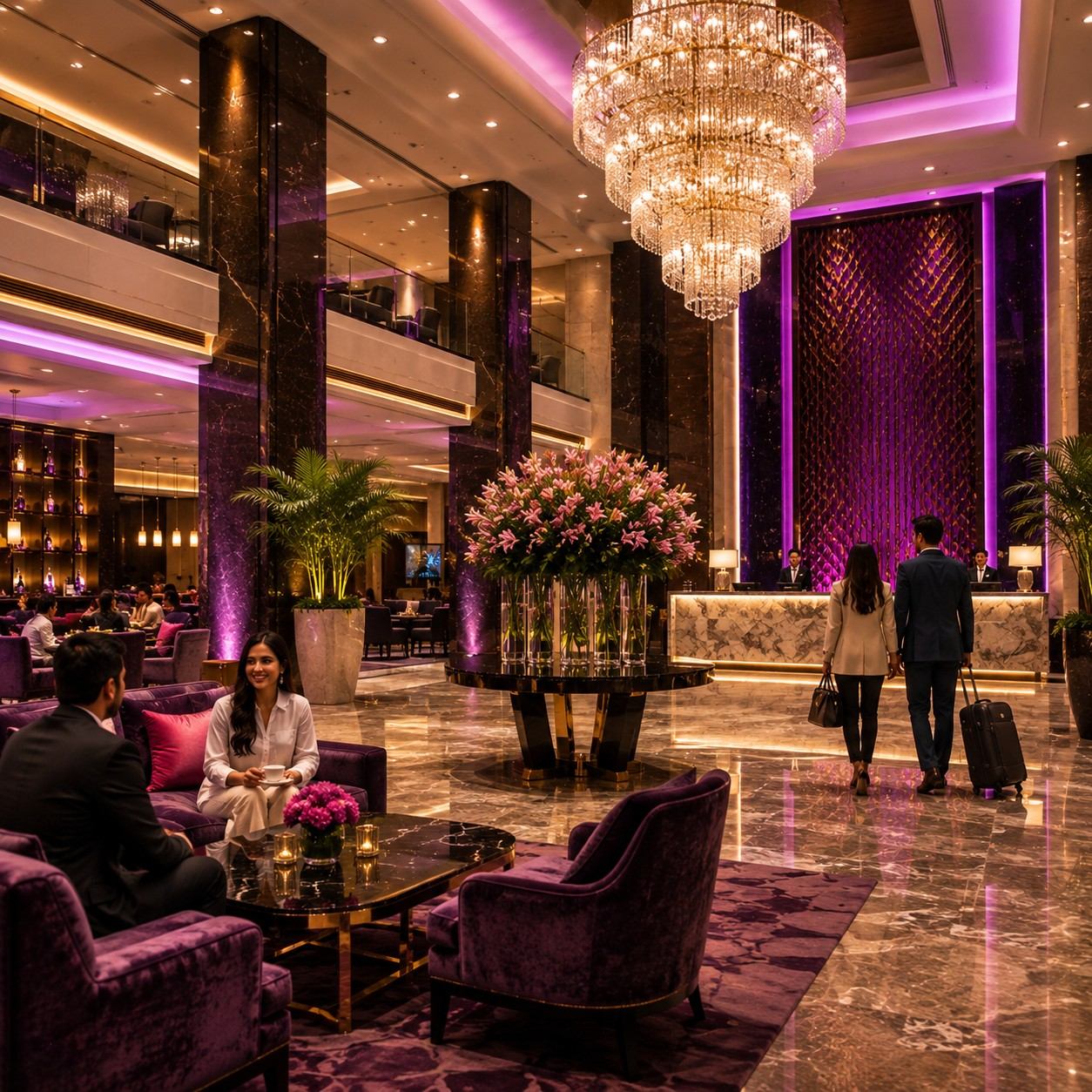
Hotel Function Celebration Space
Hotel function celebration spaces combine banquet rooms, ballroom facilities and guest accommodation for convenient weddings, corporate events and celebrations.
Explore Other Venue Types
Related Experiences

Popular Cities
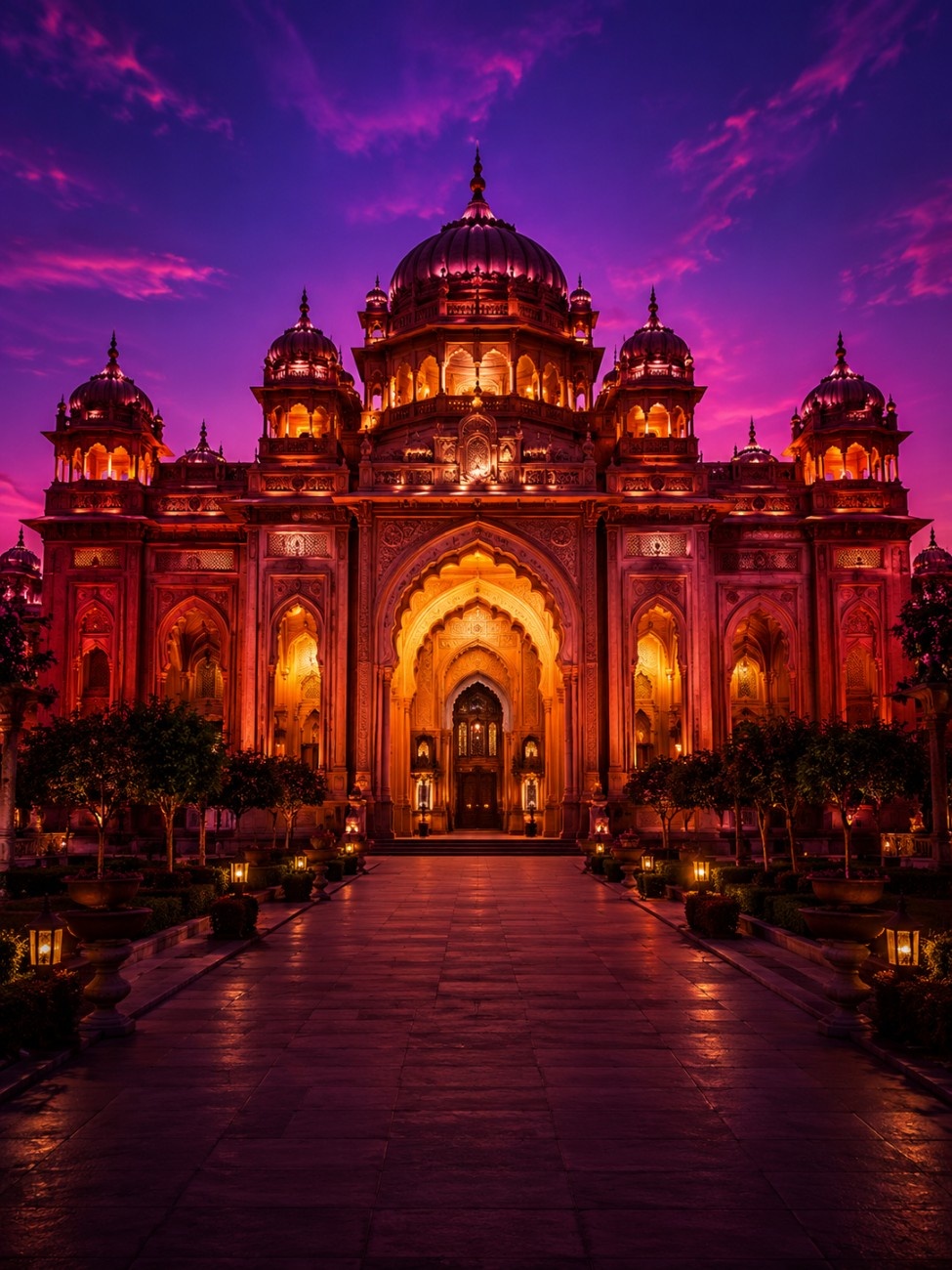
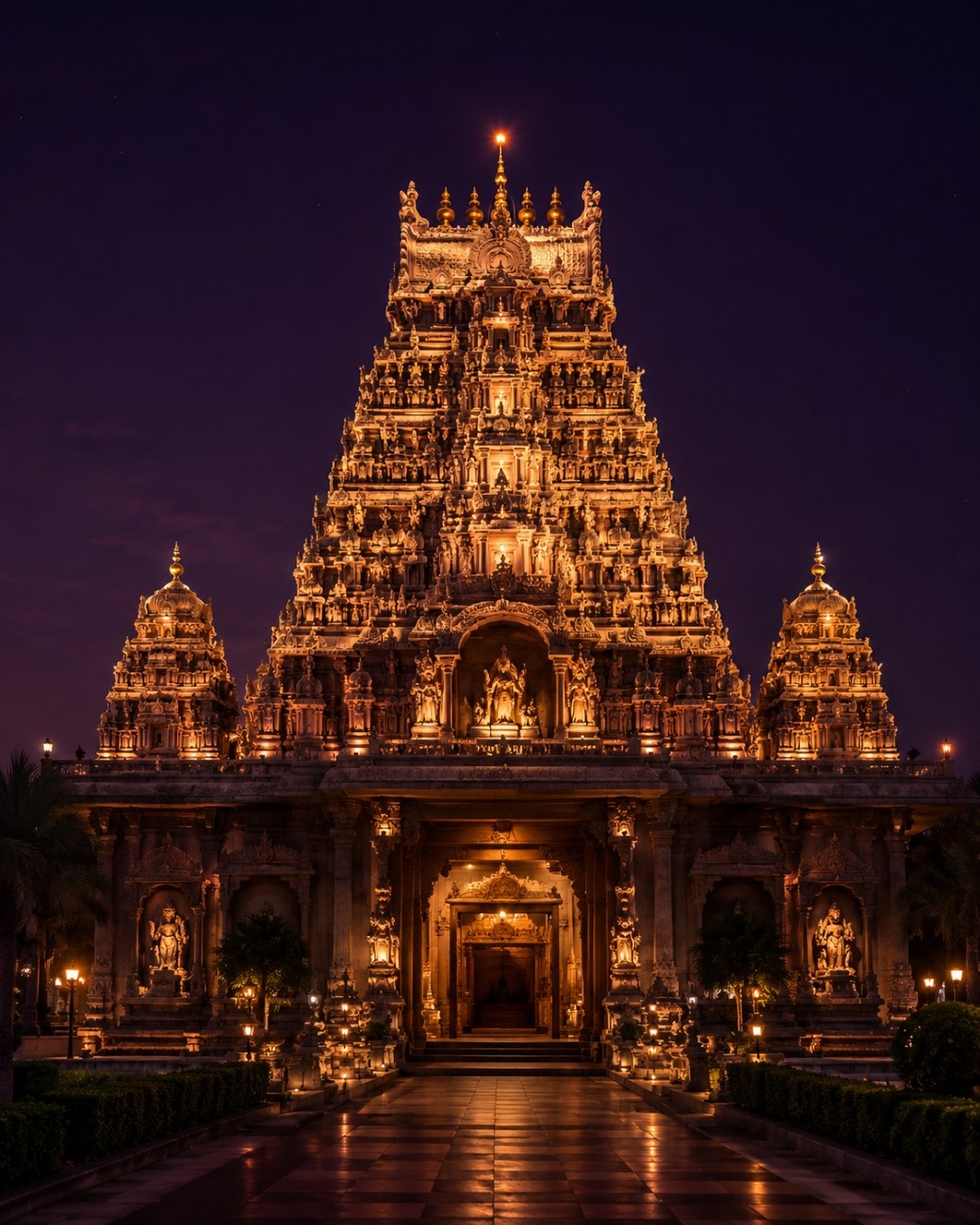
Hotel Function Celebration Spaces for Weddings & Corporate Events
◆Hotels can provide a convenient and versatile setting for weddings, corporate events, receptions, conferences, milestone celebrations, social gatherings, and other functions. A hotel function celebration space can bring together event rooms, banquet facilities, hospitality services, guest accommodation, dining options, and other supporting amenities within one property.
This combination can simplify event planning because guests may be able to attend the celebration, dine at the venue, and stay overnight without travelling between multiple locations. For weddings, this can be particularly useful when families and guests are travelling from different cities. For corporate events, accommodation within the same property can make multi-day conferences, meetings, and business gatherings easier to coordinate.
Hotel event spaces can range from smaller function rooms to large ballrooms capable of accommodating substantial gatherings. The appropriate space depends on the guest count, event format, seating arrangement, stage requirements, dining setup, audiovisual needs, and overall event design.
The facilities and services available differ between hotels, so event organizers should confirm room capacity, accommodation options, catering, parking, event timings, technical facilities, décor policies, and booking conditions before selecting a venue.
Hotel Banquet Rooms for Celebrations
Banquet rooms are commonly used for weddings, receptions, birthday celebrations, anniversaries, family gatherings, corporate dinners, award functions, and other private events.
A banquet room can provide a controlled indoor environment where seating, dining, stage arrangements, entertainment, and décor can be coordinated around the event format.
Smaller rooms may be suitable for intimate celebrations or corporate gatherings, while larger banquet spaces can accommodate bigger guest groups.
The room layout should be selected according to the number of guests and the type of interaction expected. A formal dinner may require structured table seating, while a networking event may benefit from a combination of seating and open areas.
Hotel Ballroom Facility
A ballroom can provide a larger event environment for weddings, receptions, gala dinners, corporate celebrations, conferences, award ceremonies, and other major functions.
Ballrooms often provide greater flexibility for stage setups, dining tables, dance floors, entertainment areas, decorative installations, and guest seating.
For weddings, the ballroom can accommodate the ceremony, reception, dining, entertainment, and photography requirements depending on its size and configuration.
For corporate events, the space may be arranged for presentations, conferences, product launches, networking, awards, or formal dinners.
Before booking, organizers should review the ballroom's dimensions, ceiling height, seating capacity, stage possibilities, technical infrastructure, loading access, and available event services.
Guest Accommodation for Weddings
One of the key advantages of holding a wedding at a hotel is the availability of guest accommodation within the same property.
Wedding guests travelling from outside the city can stay at the hotel before or after the celebration, reducing the need for additional transportation between the venue and separate accommodation.
This can be especially useful for multi-day wedding programs that include welcome gatherings, ceremonies, receptions, and post-event activities.
Families can also benefit from having accommodation close to the main function spaces, particularly when elderly guests or young children are part of the wedding group.
Room availability, check-in and check-out times, group rates, room categories, and booking policies should be confirmed in advance.
Hotel Wedding Reception Venue
A hotel can provide a complete setting for a wedding reception by combining a dedicated event space with dining, hospitality, guest rooms, and supporting facilities.
The reception can be arranged in a ballroom, banquet hall, terrace, restaurant area, or other approved event space.
Wedding décor may include stage backdrops, floral arrangements, lighting, seating décor, entrance displays, photo areas, and other elements according to the couple's preferred theme.
The hotel event team can often coordinate with decorators, caterers, audiovisual suppliers, photographers, and other vendors according to the property's policies.
Corporate Event Hotel Venue
Hotels are frequently used for corporate events because they can combine meeting facilities, event spaces, dining, accommodation, and hospitality services.
Corporate gatherings may include conferences, seminars, workshops, annual meetings, networking events, product launches, award ceremonies, employee celebrations, and executive meetings.
A hotel can provide different spaces for different parts of the program. A conference room may be used for presentations, while a ballroom can host a larger reception or dinner.
For multi-day corporate events, guest accommodation within the property can simplify logistics for attendees travelling from different locations.
Conference and Meeting Facilities
Many hotels provide meeting rooms and conference facilities in addition to larger banquet spaces.
These rooms can support presentations, training sessions, workshops, board meetings, seminars, and smaller business gatherings.
The appropriate room depends on the number of attendees, seating configuration, presentation format, and technical requirements.
Audiovisual equipment may include screens, projectors, microphones, speakers, video-conferencing systems, and other presentation tools, depending on the hotel.
Organizers should confirm the equipment included with the room and whether additional technical services are available.
Hotel Event Dining Facilities
Food and beverage service is a major part of many hotel functions. Hotels may offer banquet menus, buffet arrangements, plated meals, refreshments, coffee breaks, snacks, and other dining options.
For weddings, menu selection can be an important part of the planning process. Couples may need to consider regional cuisine, dietary preferences, children's meals, desserts, beverages, and service styles.
Corporate events may require breakfast, lunch, dinner, tea breaks, or networking refreshments depending on the program.
The hotel's catering team can typically advise on menu options, service timings, guest capacity, and dining arrangements.
Wedding Ballroom Décor
A ballroom provides a large visual canvas for wedding décor. The space can be transformed through lighting, stage design, floral arrangements, table décor, backdrops, entrance features, and other decorative elements.
The design should complement the couple's chosen theme while working within the hotel's structural and safety requirements.
Decorative installations may need approval from the hotel, particularly when they involve walls, ceilings, electrical systems, hanging elements, or large structures.
Coordinating décor with existing ballroom lighting and architecture can help create a cohesive appearance.
Corporate Ballroom Styling
Corporate events can also benefit from a professionally styled ballroom. Branding elements, company colors, stage backdrops, presentation screens, signage, and event graphics can be incorporated into the space.
For an annual celebration or award event, the ballroom can be designed around the company's visual identity.
For a product launch, branded displays and presentation areas can become central features.
Corporate décor should remain consistent with the company's brand guidelines and should not interfere with audiovisual systems or guest circulation.
Hotel Reception and Arrival Experience
The arrival area plays an important role in the guest experience. Hotels already provide reception and hospitality infrastructure, which can make guest arrival more organized than at some standalone event locations.
For large weddings and corporate events, additional registration or welcome counters may be arranged in designated areas.
Signage can help direct guests to the ballroom, banquet room, meeting room, dining area, or accommodation.
For multi-event programs, clear wayfinding can be particularly useful when several activities are taking place in different parts of the property.
Guest Rooms for Corporate Events
Corporate conferences and multi-day events often involve attendees travelling from different locations. Hotel accommodation can provide a convenient solution by keeping participants close to the meeting and event areas.
Attendees can move from their rooms to conference sessions, meals, networking events, and evening functions without requiring external transportation.
Corporate organizers may arrange room blocks or group accommodation depending on the hotel's availability and booking policies.
The number of required rooms should be estimated early because hotel availability can become limited during busy periods.
Multi-Day Wedding Celebrations
Hotels can be particularly useful for weddings that take place over multiple days. Different functions can be organized in different event spaces within the property.
A welcome dinner may use a restaurant or smaller function room, while a larger reception can take place in the ballroom.
Guest accommodation allows families to remain together throughout the celebration.
This can also simplify transportation planning because guests do not necessarily need to travel between separate hotels and event venues.
The schedule should be coordinated carefully with hotel operations, room availability, housekeeping, catering, and event setup teams.
Hotel Event Parking and Transportation
Guest access is an important consideration when selecting a hotel function venue. Hotels may provide parking facilities, valet arrangements, drop-off zones, or transportation support depending on the property.
For weddings and corporate events with large guest numbers, parking capacity should be confirmed in advance.
If guests are travelling from airports, railway stations, or other locations, transportation arrangements may also need to be coordinated.
Clear arrival information can help guests understand the preferred entrance, parking location, event room, and check-in process.
Accessibility and Guest Comfort
Hotel event spaces should be evaluated for accessibility and guest comfort. Considerations may include accessible entrances, elevators, restrooms, seating arrangements, parking access, and pathways between guest rooms and event areas.
This is particularly important for weddings and family gatherings where guests may include elderly relatives, young children, or people with mobility requirements.
Corporate events should also consider accessibility for all attendees.
Organizers should confirm the hotel's available accessibility facilities before finalizing the event plan.
Hotel Function Space for Private Celebrations
Hotels can accommodate more than weddings and corporate programs. Birthday parties, anniversaries, family reunions, engagement celebrations, retirement events, festive gatherings, and milestone occasions may also be suitable for hotel function spaces.
The flexibility of banquet rooms and ballrooms allows the event to be scaled according to the expected guest count.
A smaller celebration can use a private dining room or banquet space, while a larger milestone event may require a ballroom with stage, dining, and entertainment areas.
Entertainment and Stage Facilities
Some hotel function spaces can accommodate live entertainment, DJs, performances, speeches, presentations, and other stage activities.
A stage or presentation platform can become the focal point of a wedding reception, corporate award ceremony, or celebration.
The venue should be evaluated for available stage dimensions, sound systems, lighting, electrical connections, audiovisual equipment, and entertainment policies.
External entertainment suppliers may need to coordinate with the hotel's technical team.
Event Photography at Hotels
Hotel ballrooms, lobbies, landscaped areas, terraces, stairways, and architectural features can provide different settings for event photography.
Wedding couples may use selected areas for portraits and family photographs, while corporate events may require branded photo backdrops.
Photography arrangements should respect hotel operations and guest privacy.
The event team can identify suitable photography locations in advance so that the photographer can work efficiently during the celebration.
Event Coordination and Hotel Services
Hotel functions often involve multiple service teams, including banquet staff, kitchen teams, housekeeping, front desk personnel, technical staff, security, and event coordinators.
This integrated structure can make it easier to manage a large event within one property.
For weddings, the event team may coordinate the timing of ceremonies, meals, décor setup, guest movement, and accommodation.
For corporate programs, the hotel may coordinate meeting-room preparation, audiovisual support, meals, breaks, and accommodation.
The level of event coordination varies by hotel and should be confirmed during the planning process.
Hotel Function Space for Conferences and Receptions
A hotel can provide flexibility when an event combines formal and social activities. A conference may be followed by a networking reception, dinner, or awards program within the same property.
Different rooms can be used for separate parts of the schedule, allowing organizers to transition guests between activities.
This can be especially useful for corporate events where attendees need meeting facilities during the day and hospitality arrangements in the evening.
The event schedule should include sufficient transition time between rooms and activities.
Why Choose a Hotel Function Celebration Space?
A hotel function celebration space combines event facilities with hospitality and accommodation within one property. Banquet rooms, ballrooms, dining facilities, meeting spaces, guest rooms, parking, and event services can support a wide range of weddings, corporate events, receptions, and social celebrations.
For weddings, the combination of event space and guest accommodation can simplify arrangements for travelling families and guests. For corporate events, it can provide a convenient environment for conferences, meetings, networking, dinners, and multi-day programs.
The right hotel depends on location, guest capacity, room configuration, ballroom size, accommodation availability, catering, technical facilities, accessibility, parking, and event policies.
With careful planning around guest accommodation, event layout, dining, décor, entertainment, technical requirements, and guest movement, a hotel function venue can provide a convenient and comprehensive setting for memorable weddings and professional corporate events.
Frequently Asked Questions
1. What is a hotel function celebration space?
A hotel function celebration space is an event area within a hotel that can include banquet rooms, ballrooms, meeting spaces, dining facilities, and supporting hospitality services for weddings, corporate events, and social occasions.
2. Can hotels provide guest accommodation for wedding events?
Yes. Hotels can provide guest rooms for wedding attendees, subject to availability. This can make multi-day celebrations more convenient for families and guests travelling from outside the area.
3. What types of events can be held in a hotel ballroom?
Hotel ballrooms can be suitable for weddings, receptions, corporate dinners, conferences, award ceremonies, product launches, milestone celebrations, and other large gatherings, depending on the hotel's facilities and policies.
4. Can hotel function spaces support corporate events?
Yes. Hotels may provide conference rooms, banquet halls, ballrooms, dining facilities, audiovisual equipment, accommodation, and other services suitable for corporate meetings, conferences, networking events, and celebrations.
5. What should I check before booking a hotel function space?
Check the venue capacity, ballroom or banquet-room dimensions, guest accommodation, catering, parking, accessibility, audiovisual facilities, décor policies, entertainment permissions, event timings, setup requirements, and booking conditions before confirming the venue.