
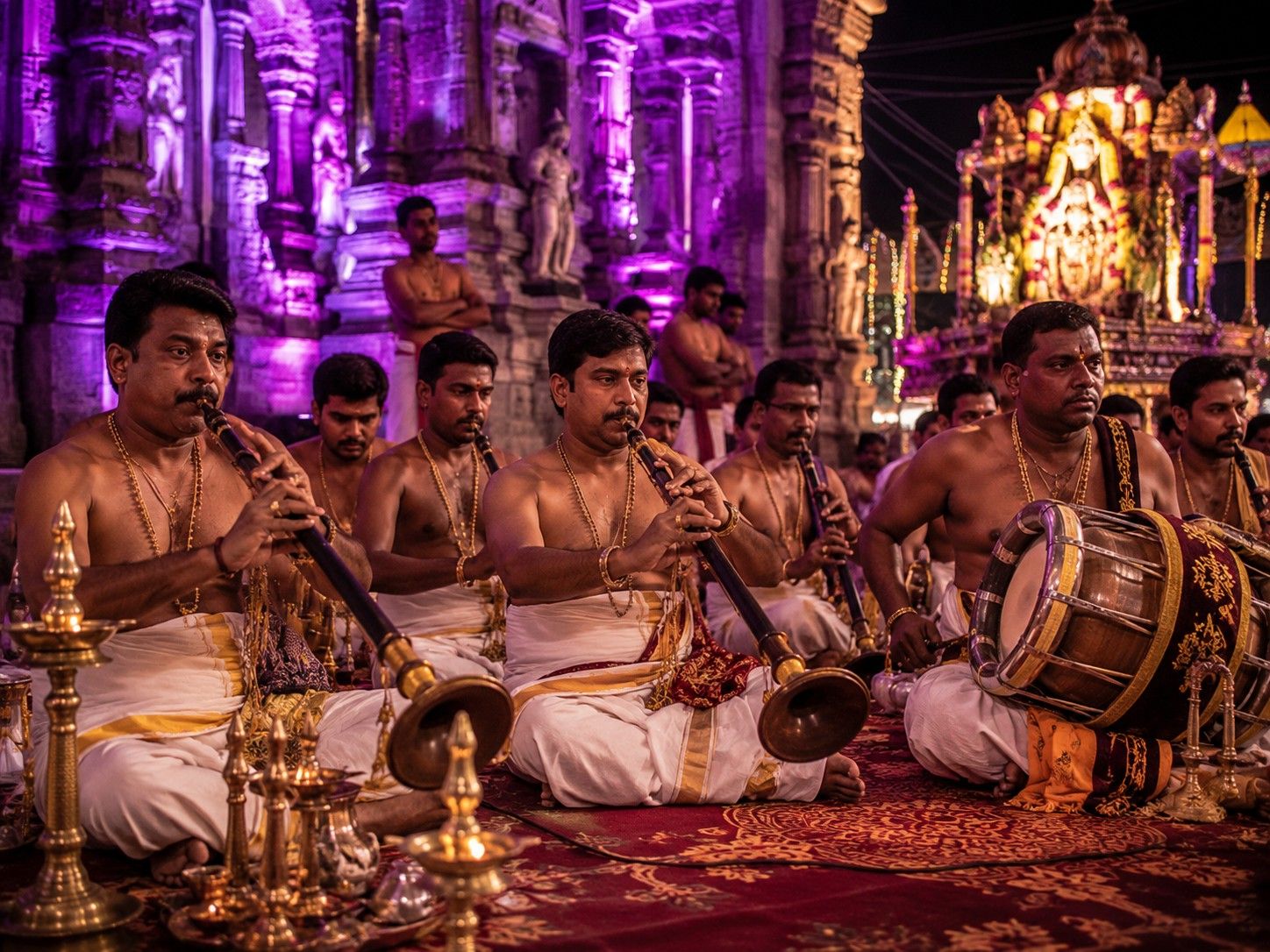
The Traditional Nadaswaram
Traditional Nadaswaram artists bring divine melodies and Thavil rhythms, creating sacred and vibrant atmospheres for weddings, temples, and cultural ceremonies.
Explore Entertainment Experiences


Related Experiences



Explore by Occasion
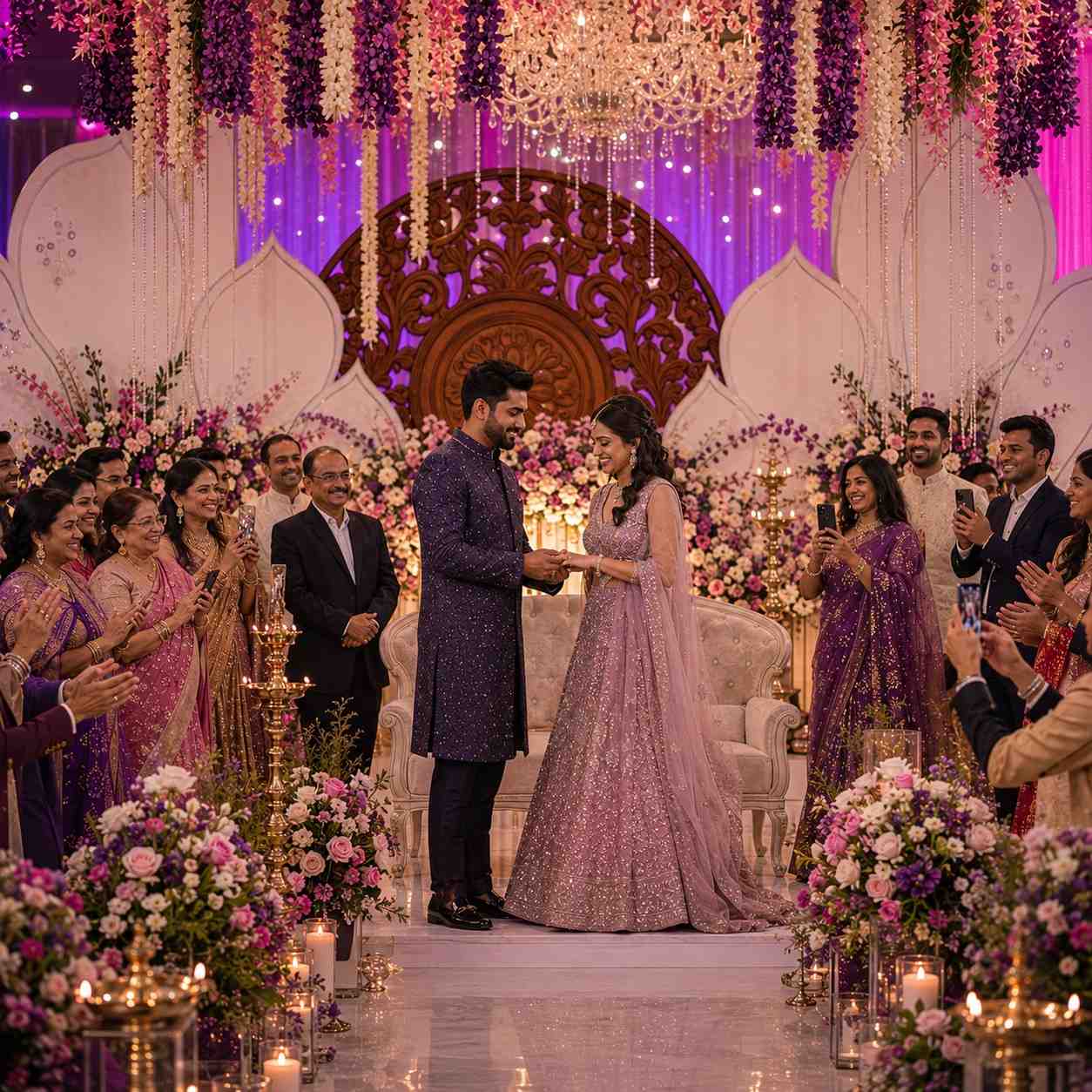

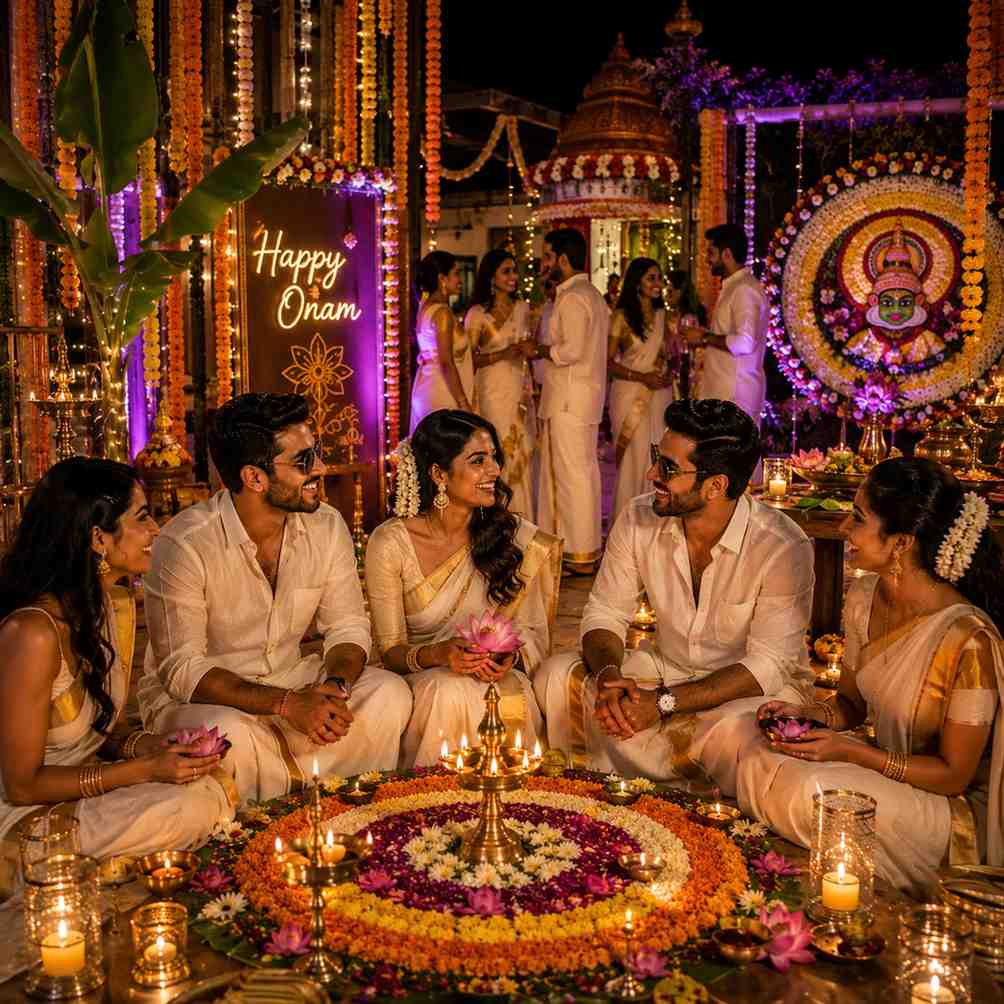
Traditional Nadaswaram artists for authentic cultural and ceremonial performances
◆Cultural ceremonies are deeply rooted in tradition, spirituality, and symbolic rituals that have been passed down through generations. Music plays a central role in enhancing these occasions, adding emotional depth and spiritual significance. Among the most revered forms of ceremonial music is the sound of Traditional Nadaswaram, known for its powerful, auspicious, and soul-stirring melodies that elevate the atmosphere of any sacred gathering.
The presence of Traditional Nadaswaram is especially significant in South Indian weddings and temple ceremonies, where it is considered a symbol of prosperity and divine blessing. The instrument’s rich and resonant tone creates a spiritual ambiance that aligns perfectly with the rituals being performed. Its music is not just heard but felt, creating a connection between tradition and emotion that enhances the overall experience.
Accompanying the Nadaswaram is the rhythmic power of the Thavil, a percussion instrument that complements the melody with dynamic beats. Together, they form a harmonious blend that defines traditional ceremonial music. When performed by skilled artists, Traditional Nadaswaram and Thavil create a captivating performance that draws attention and adds grandeur to the event.
One of the key aspects of Traditional Nadaswaram performances is their ability to adapt to different moments within a ceremony. From welcoming guests to marking significant rituals, the music changes in tone and intensity to match the occasion. This adaptability ensures that every moment is enhanced with the right musical expression, creating a seamless and immersive experience for attendees.
In temple festivals and religious gatherings, the sound of Traditional Nadaswaram holds a sacred significance. It is often played during processions, poojas, and special rituals, symbolising devotion and reverence. The music creates an atmosphere of spirituality that encourages reflection and connection, making it an integral part of religious traditions.
Beyond its spiritual importance, Traditional Nadaswaram also adds a cultural richness to events. It represents a heritage that has been preserved and celebrated for centuries. By including this form of music in ceremonies, organisers not only honour tradition but also provide guests with an authentic cultural experience that stands out in today’s modern event landscape.
The skill required to perform Traditional Nadaswaram at a professional level is extensive. It involves years of training, dedication, and a deep understanding of classical music. Artists must master breath control, finger techniques, and rhythmic coordination to produce the desired sound. Their expertise ensures that each performance is both technically precise and emotionally engaging.
Audience engagement is another important element of ceremonial music. While the setting may be formal or spiritual, the music still plays a role in connecting with attendees. The expressive melodies of Traditional Nadaswaram have the ability to evoke emotions and create a sense of unity among guests, making the ceremony more meaningful and memorable.
In weddings, the role of Traditional Nadaswaram is particularly significant during key moments such as the entrance of the bride and groom, the tying of the sacred knot, and other important rituals. The music enhances these moments, adding a sense of grandeur and emotional depth that leaves a lasting impression on everyone present.
The combination of melody and rhythm provided by Nadaswaram and Thavil creates a balanced and dynamic performance. While the Nadaswaram delivers the main melodic line, the Thavil provides a rhythmic foundation that drives the performance forward. This synergy is what makes Traditional Nadaswaram performances so unique and impactful.
Modern event planning often seeks to blend tradition with contemporary elements, and Traditional Nadaswaram fits perfectly into this approach. It can be integrated into various types of events, from traditional ceremonies to modern celebrations, providing a touch of authenticity that enhances the overall experience. This versatility makes it a valuable addition to any event that values cultural depth.
Professionalism is a key factor in ensuring the success of any performance. Experienced artists understand the importance of timing, coordination, and presentation. Their ability to align with the event schedule and adapt to specific requirements ensures a smooth and seamless experience. With Traditional Nadaswaram, organisers can rely on performers who bring both skill and dedication to their craft.
The visual aspect of the performance also adds to its appeal. Traditional attire, coordinated presentation, and disciplined performance styles create a visually engaging experience that complements the music. This combination of sound and presentation enhances the overall impact of Traditional Nadaswaram at any event.
Another advantage of incorporating this music into ceremonies is its ability to create a peaceful and uplifting environment. The soothing yet powerful tones of the instrument help set a calm and positive mood, making it ideal for both spiritual and celebratory occasions. The presence of Traditional Nadaswaram ensures that the atmosphere remains respectful, elegant, and emotionally resonant.
Ultimately, cultural ceremonies are about preserving traditions, celebrating heritage, and creating meaningful experiences. Music plays a vital role in achieving these goals, and few forms are as impactful as the Nadaswaram and Thavil ensemble. With their timeless appeal and deep cultural significance, Traditional Nadaswaram performances continue to be an essential part of ceremonies, bringing people together through music that transcends generations.
FAQ:
1. What is Traditional Nadaswaram?
It is a classical South Indian wind instrument used in weddings, temple rituals, and cultural ceremonies.
2. What is Thavil?
Thavil is a traditional percussion instrument that accompanies Nadaswaram performances.
3. Where is Nadaswaram commonly used?
It is widely used in South Indian weddings, temple ceremonies, and religious festivals.
4. Why is Nadaswaram important in ceremonies?
It is considered auspicious and brings a spiritual and traditional essence to events.
5. Can Nadaswaram be used in modern events?
Yes, it can be blended with modern elements to create a unique cultural experience.
6. How long do performances last?
Performance duration depends on the event and can vary based on ceremony requirements.
7. Do artists wear traditional attire?
Yes, performers typically wear traditional outfits to match the cultural setting.
8. Is it suitable for temple events?
Absolutely, it is one of the most important musical elements in temple ceremonies.
9. How many artists perform together?
Usually, a group includes Nadaswaram players and Thavil artists for a complete performance.
10. What makes it unique?
Its powerful sound, cultural significance, and ability to create a spiritual atmosphere make it unique.