
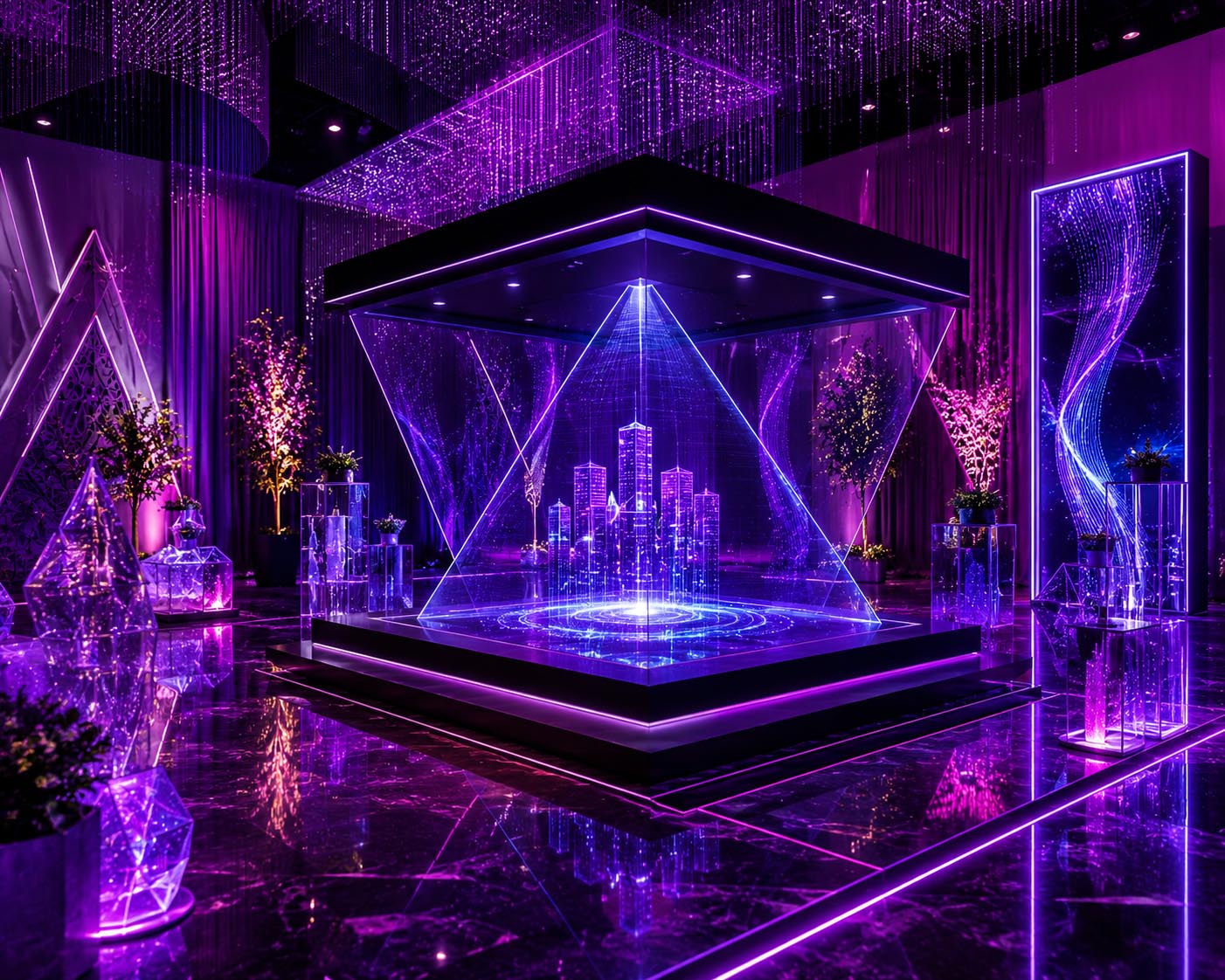
Hologram Projection
Transform your venue with hologram projection featuring captivating 3D visuals, futuristic digital displays, immersive technology, and memorable presentations that engage every audience.
Explore Entertainment Experiences
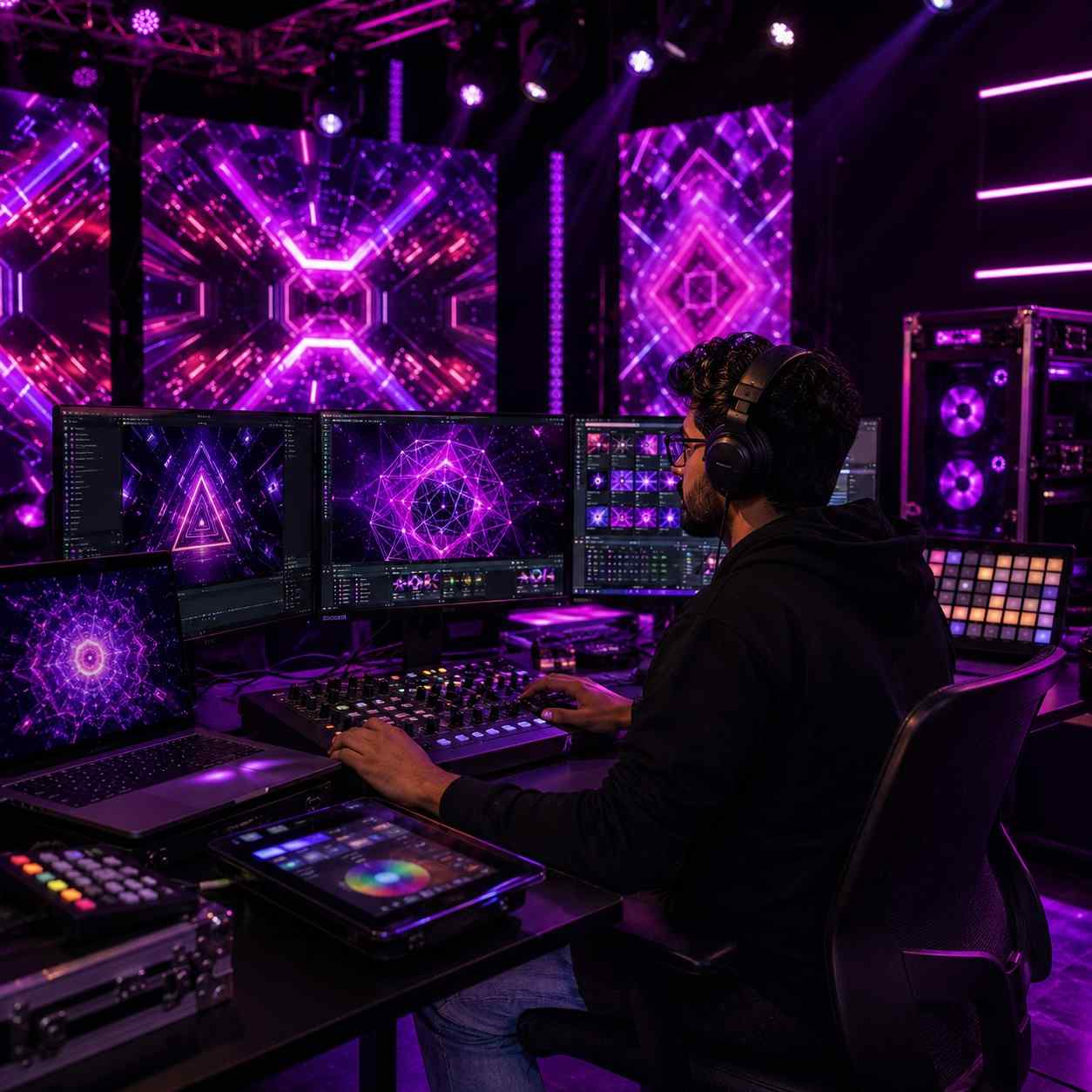
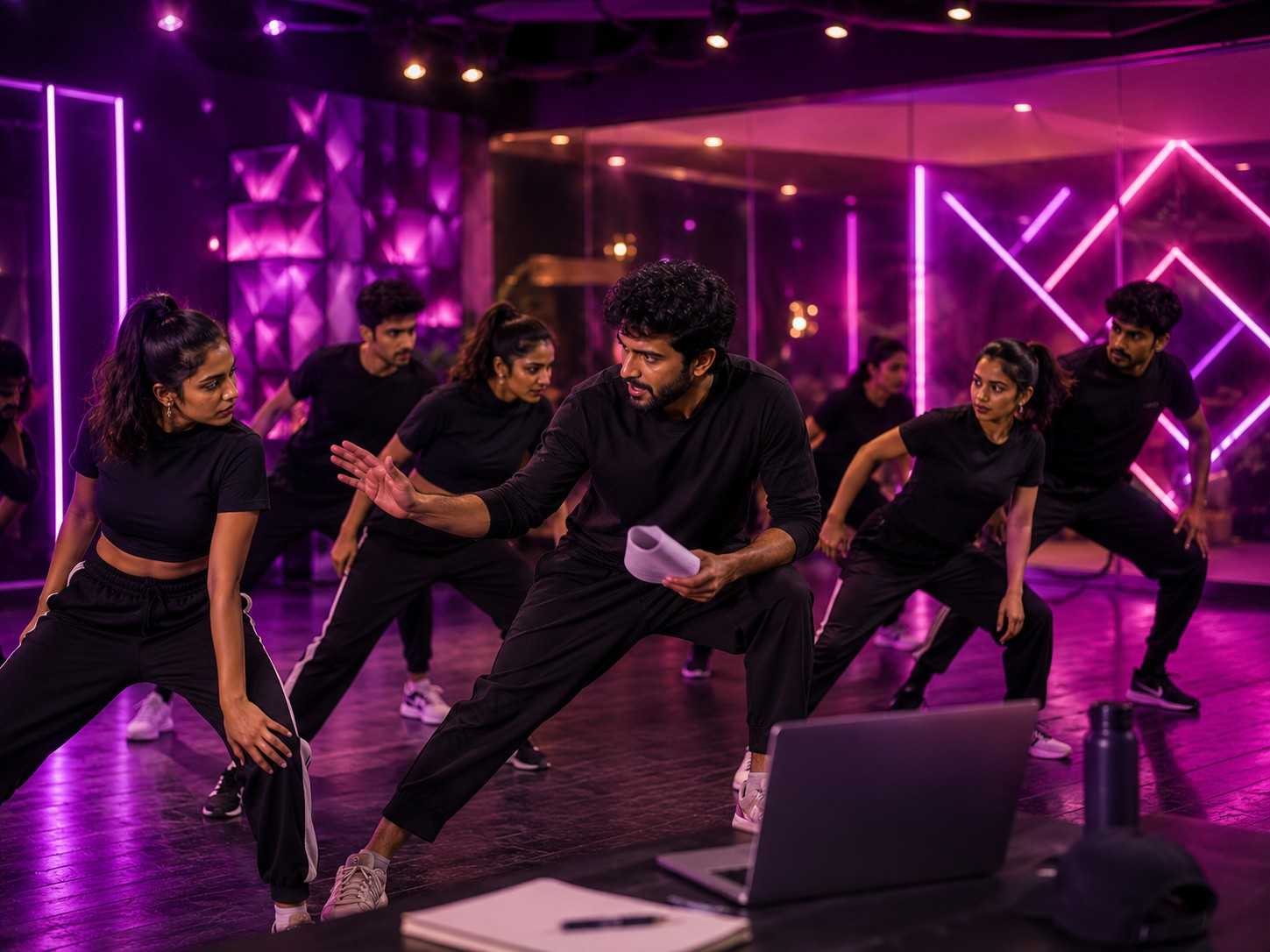
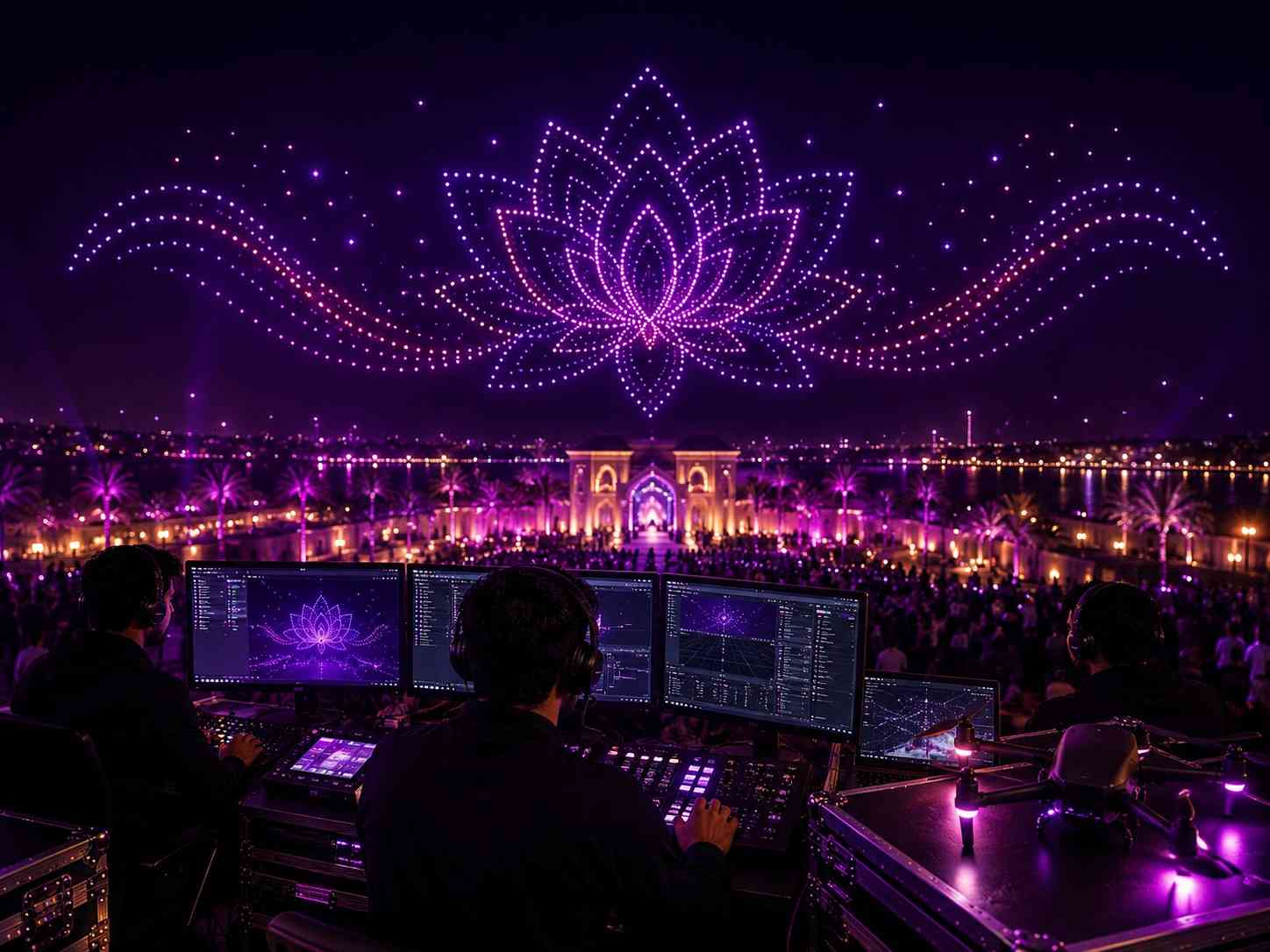
Related Experiences
Explore by Occasion


Hologram Projection for Futuristic Digital Experiences
◆Visual technology continues to transform the way audiences experience presentations, celebrations, exhibitions, brand showcases, and entertainment. Instead of relying only on conventional screens or static backdrops, modern digital installations can create a sense of depth, movement, and visual surprise.
Hologram Projection offers a futuristic approach to digital presentation by creating three-dimensional visual effects that appear to float within a defined viewing space. When combined with carefully produced content, lighting, sound, and stage design, holographic technology can turn an ordinary presentation into a memorable visual experience.
These installations can be used for product launches, exhibitions, corporate presentations, entertainment programmes, cultural showcases, retail displays, and special celebrations.
The effectiveness of a holographic presentation depends on more than the equipment itself. Content quality, viewing angle, venue conditions, lighting, screen technology, and technical execution all contribute to the final result.
Happiffie helps users discover professionals who can plan and execute futuristic visual installations according to the venue, audience, content, and purpose of the presentation.
Professional Hologram Projection for Modern Presentations
A successful holographic installation begins with understanding the intended experience. The technical team needs to consider where the audience will stand or sit, how far they will be from the display, how much ambient light exists, and what type of content will be presented.
The installation should be positioned so the visual effect remains clear from the primary viewing areas. Designers also consider how the holographic element will interact with the surrounding stage, furniture, lighting, and decorative features.
Professional execution helps ensure that the technology feels integrated into the presentation rather than appearing as an isolated technical attraction.
The result can be a sophisticated digital environment that captures attention while supporting the overall purpose of the function.
Understanding 3D Holographic Displays
A 3D holographic display creates the visual impression of depth or a floating three-dimensional object. Depending on the technology used, the effect may rely on specialised projection surfaces, transparent display systems, LED-based solutions, reflective techniques, or other visual technologies.
Different systems produce different types of visual experiences. Some are designed for product visualisation, while others are better suited to performances, presentations, or immersive installations.
The appropriate technology depends on the venue, content, audience distance, required display size, and desired visual effect.
Professional providers can recommend a suitable system rather than treating every application as identical.
Creating Futuristic Digital Experiences
The appeal of holographic technology comes from its ability to make digital content feel more dimensional and visually engaging.
A presentation can introduce a floating product model, animated character, brand message, architectural visualisation, artistic performance, or three-dimensional graphic.
Motion can be carefully designed to create the illusion that digital elements are emerging into the physical environment.
The experience becomes more powerful when the visuals are supported by appropriate lighting and sound. However, restraint is important. Excessive animation can reduce clarity and make the presentation difficult to follow.
The strongest experiences use technology to enhance storytelling rather than simply displaying technology for its own sake.
Holographic Technology for Product Presentations
Product launches are particularly suitable for holographic presentations because three-dimensional visuals can reveal product features from different perspectives.
A product can appear to rotate, transform, open, or transition between different configurations. This can provide an engaging alternative to conventional product photography.
For luxury products, automobiles, electronics, architecture, and technology demonstrations, holographic visuals can create a premium presentation environment.
The digital content can also be synchronised with a speaker's presentation, allowing specific product features to appear at relevant moments.
Hologram Display for Exhibitions and Trade Shows
Exhibitions compete for attention because visitors are surrounded by displays, banners, demonstrations, and promotional messages.
A hologram display can provide a distinctive visual focal point. Moving three-dimensional content can attract visitors from a distance and encourage them to explore the associated presentation.
The display can be used to introduce products, explain services, present company information, or demonstrate technical concepts.
Because exhibition spaces often have strong ambient lighting and heavy foot traffic, professional planning is particularly important. Screen visibility, positioning, content duration, and audience flow should all be considered.
Immersive Technology for Celebrations
Holographic experiences can also be adapted for private celebrations and special functions. Personal photographs, animated graphics, artistic visuals, names, messages, and themed content can be incorporated into a presentation.
A celebration may use holographic visuals as part of a grand entrance, stage presentation, entertainment segment, or personalised surprise.
For evening functions, controlled lighting can enhance the visual effect. The technology can become part of the entertainment programme while maintaining the overall theme of the celebration.
The design should remain appropriate to the occasion and should complement rather than overwhelm the surrounding décor.
Digital Visual Experiences for Corporate Functions
Businesses can use holographic technology to create memorable presentations and branded environments.
A company logo can be introduced through a three-dimensional animation, while products, data, architectural models, or brand stories can be presented using dynamic visual sequences.
Corporate presentations can benefit from this approach when the objective is to communicate innovation or create a strong first impression.
The content should remain aligned with the company's visual identity. Typography, colour, motion, and branding elements need to be designed specifically for the holographic format.
Interactive Hologram Possibilities
Some advanced systems can support interactive features, live camera feeds, sensors, motion tracking, or other forms of audience engagement.
Interactive elements can encourage visitors to explore a product, trigger different visual sequences, or participate in a digital presentation.
These experiences require additional technical planning. Hardware, software, content, and interaction logic must work together reliably.
For large-scale presentations, rehearsals are essential because interactive technology introduces additional variables that need to be tested before the audience arrives.
Content Creation for Holographic Displays
Content production is one of the most important parts of a successful holographic experience. Standard video content cannot always be transferred directly to a holographic display without modification.
The creative team needs to understand the display format, viewing angle, dimensions, transparency requirements, resolution, and visual limitations of the chosen system.
Three-dimensional assets should be designed with the intended illusion in mind. Objects may need specific positioning, contrast, movement, and depth cues to appear convincing.
Backgrounds should also be carefully controlled. Unnecessary visual detail can reduce the clarity of the main subject.
Lighting and Holographic Visuals
Lighting has a significant impact on holographic presentation. Excessive ambient light can reduce the apparent contrast of projected visuals, while carefully controlled lighting can make digital elements appear more prominent.
Professional teams assess the venue's lighting conditions before selecting the final setup.
Stage lighting can also be synchronised with holographic content to create transitions and visual emphasis. During a product reveal, for example, lighting can change as the digital object appears.
The objective is to create harmony between physical illumination and digital visuals.
Sound and Visual Synchronisation
Holographic technology becomes more engaging when visual content is coordinated with sound.
Music, narration, sound effects, and presentation cues can be synchronised with animation and movement. This creates a multi-sensory experience rather than a purely visual display.
For performances, timing becomes especially important. The technical team should rehearse the complete sequence to ensure audio and visuals remain aligned.
Reliable playback systems and backup content are also valuable for important presentations.
Planning a Holographic Installation
Planning should begin with the venue assessment. Available floor space, ceiling height, ambient lighting, electrical access, audience position, and installation requirements should all be considered.
The content should be developed alongside the technical plan. This prevents situations where the final visual material is incompatible with the chosen display system.
Installation and testing should take place before guests arrive. The team should check brightness, positioning, playback, audio, visual alignment, and viewing angles.
A rehearsal is particularly useful when the display is part of a larger stage programme.
Benefits of Holographic Experiences
Holographic technology offers strong visual differentiation. It can help presentations stand out in environments where audiences are exposed to many conventional displays.
The technology also provides creative flexibility. Digital content can be changed for different presentations, products, audiences, or occasions.
Three-dimensional visuals can make complex concepts easier to demonstrate when the content is designed appropriately.
Personalisation is another advantage. Custom animations and digital scenes can be created around a particular brand, product, celebration, or presentation.
Best Practices for Holographic Presentations
The visual concept should always begin with the audience. Designers should understand what viewers need to see and where they will be positioned.
Content should be simple enough to understand quickly. Strong contrast, controlled movement, and clear focal points can improve visual communication.
The surrounding environment should also be considered. Too much physical decoration may compete with the holographic display, while a carefully designed stage can frame the technology effectively.
Technical testing should never be skipped. Even visually impressive content can lose its impact if playback, positioning, or lighting is not properly calibrated.
How to Choose the Right Holographic Technology Provider
Choosing the right provider requires evaluating both creative and technical capabilities.
Review previous installations to understand the quality of the visual experience. Ask about the display technology, content production process, installation requirements, rehearsal procedures, and on-site technical support.
It is also important to explain the venue and audience conditions clearly. A provider should be able to recommend an appropriate solution based on the real environment rather than simply offering the most complex technology available.
The best partner combines creative storytelling with dependable technical execution.
Why Choose Happiffie?
Happiffie helps users discover professionals who specialise in holographic technology, three-dimensional visual displays, digital presentations, immersive installations, and futuristic experience design.
Through experienced service providers, users can explore holographic solutions for exhibitions, corporate presentations, product launches, celebrations, entertainment programmes, and special showcases.
Professionals can support the process from concept development and content creation to installation, testing, presentation, and technical supervision.
Happiffie makes it easier to connect innovative visual ideas with specialists capable of turning them into polished experiences.
Conclusion
Holographic technology offers a distinctive way to present digital content and create memorable visual experiences. By combining three-dimensional graphics, carefully produced content, lighting, sound, and technical precision, an ordinary presentation can become an engaging futuristic showcase.
Hologram Projection is particularly effective when the technology supports a clear purpose, whether that is product storytelling, brand communication, entertainment, audience engagement, or celebration.
With Happiffie, users can discover experienced professionals who combine creative visual design with technical execution to deliver immersive digital experiences suited to modern venues and audiences.
Frequently Asked Questions
What is Hologram Projection?
Hologram Projection refers to technologies and visual techniques that create the appearance of three-dimensional or floating digital imagery within a presentation environment.
What are 3D holographic displays used for?
They can be used for product launches, exhibitions, corporate presentations, entertainment, retail displays, celebrations, educational demonstrations, and immersive experiences.
Can holographic displays show videos?
Yes. Compatible systems can display specially prepared animations, videos, three-dimensional graphics, and other digital visual content.
Can holographic technology be used at exhibitions?
Yes. Holographic displays can act as attention-grabbing focal points for product demonstrations, brand communication, and visitor engagement.
Can holograms be customised?
Yes. Content can be developed around specific products, brands, presentations, celebrations, characters, messages, and visual themes.
Is holographic technology suitable for corporate presentations?
Yes. Businesses can use three-dimensional visuals to present products, architectural models, technical concepts, brand stories, and innovation-focused presentations.
Can holographic displays be interactive?
Some advanced systems support interactive features such as sensors, live feeds, motion tracking, or audience-triggered visual content.
Does lighting affect holographic displays?
Yes. Ambient and stage lighting can significantly affect visibility and contrast, making venue assessment and lighting coordination important.
How early should a holographic installation be planned?
Planning should begin early enough to assess the venue, select suitable technology, create content, install equipment, test the system, and conduct rehearsals.
Can holographic experiences be used for celebrations?
Yes. Personalised animations, photographs, messages, themed visuals, and entertainment content can be incorporated into suitable celebration programmes.
What type of content works best for holographic displays?
Content with strong contrast, clear subjects, appropriate movement, suitable depth cues, and a format specifically designed for the selected display system generally performs best.
How do I choose a holographic technology provider?
Consider previous work, display technology, content production expertise, installation support, rehearsal procedures, and on-site technical assistance.
How does Happiffie help with holographic experiences?
Happiffie connects users with professionals who provide holographic displays, three-dimensional visual content, immersive technology solutions, digital presentations, and technical execution support.