
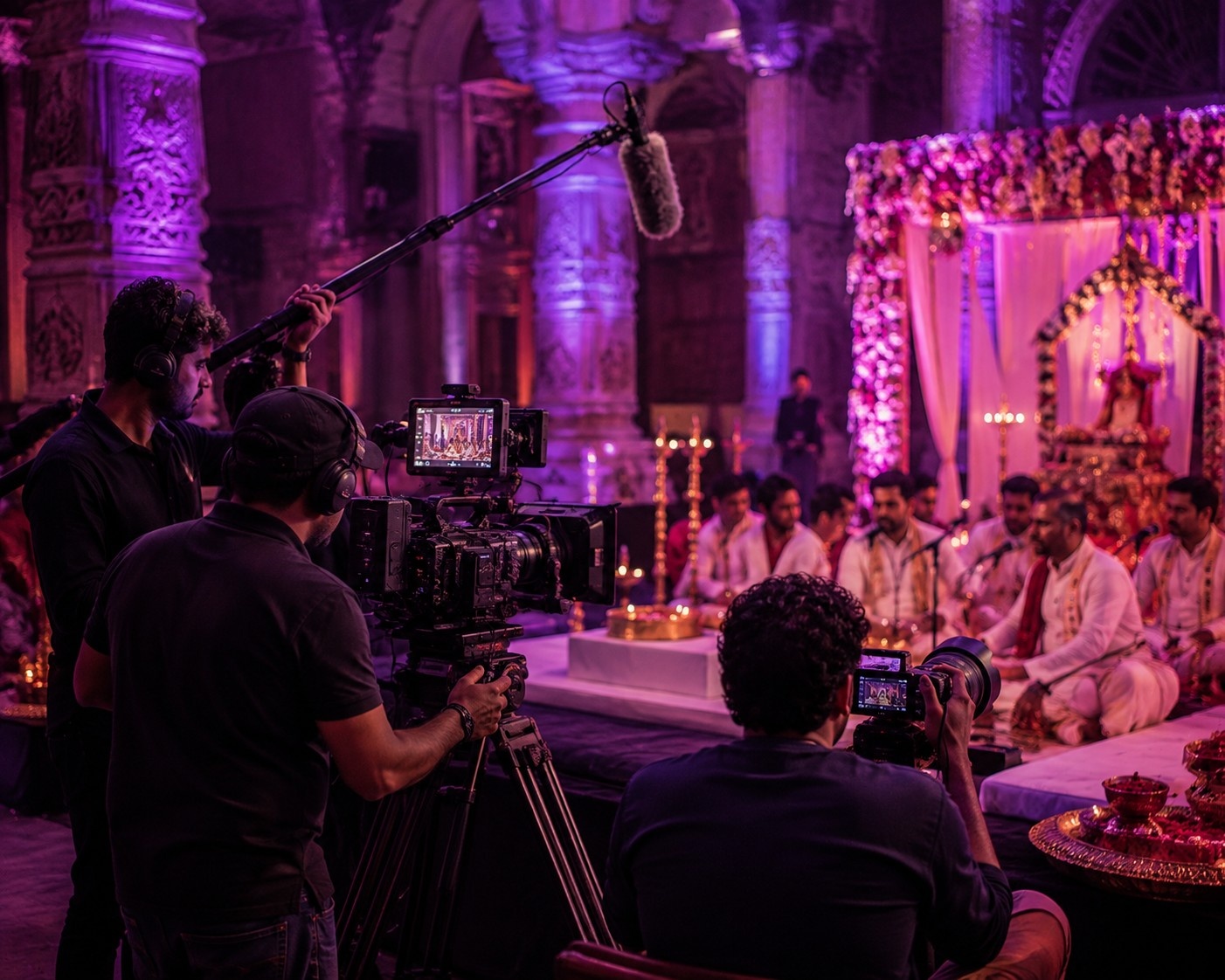
Documentary Film Production
Bring stories to life with Documentary Film Production, capturing history, brand journeys, and real emotions through cinematic storytelling and interviews.
Explore Photography & Videography Experiences





Related Experiences




Explore by Occasion





Documentary Film Production
◆In a world driven by visual storytelling, the power of authentic narratives has never been more significant. Documentary Film Production stands as one of the most compelling ways to capture real-life stories, preserve history, and communicate meaningful messages. Unlike scripted content, documentaries focus on truth, emotions, and lived experiences, making them deeply engaging and impactful.
From corporate brand stories to cultural events and historical documentation, this form of filmmaking blends creativity with reality. It transforms moments, voices, and perspectives into cinematic experiences that resonate with audiences on a deeper level.
What is Documentary Film Production?
Documentary Film Production is the process of creating films that document reality for the purposes of education, storytelling, or historical preservation. It involves capturing real events, interviews, and environments to present an authentic narrative.
This type of filmmaking focuses on truth and authenticity. Instead of actors and scripts, it relies on real people, genuine emotions, and actual events. The goal is to inform, inspire, and connect with viewers through meaningful content.
Whether it’s a company’s journey, a cultural tradition, or a social issue, documentaries bring stories to life in a powerful and relatable way.
Importance of Documentary Storytelling
Storytelling is at the heart of every successful documentary. Documentary Film Production allows stories to be told in their most authentic form, creating a strong emotional connection with the audience.
Unlike traditional marketing or entertainment content, documentaries focus on depth and substance. They explore the “why” behind events and experiences, providing context and insight.
This approach not only engages viewers but also builds trust and credibility. Audiences are more likely to connect with real stories than scripted narratives, making documentaries a powerful communication tool.
Brand Storytelling and Corporate Films
In the corporate world, storytelling has become a key strategy for building brand identity. Documentary Film Production is widely used to create compelling brand stories that highlight a company’s journey, values, and vision.
These films go beyond promotional content. They showcase the people behind the brand, the challenges faced, and the milestones achieved. This humanizes the brand and makes it more relatable.
Corporate documentaries are often used for marketing, internal communication, and investor presentations. They provide a deeper understanding of the company’s purpose and impact.
Capturing Cultural Events and Traditions
Cultural events and traditions are rich in history and significance. Documentary Film Production plays a vital role in preserving these moments for future generations.
From festivals and rituals to community gatherings, documentaries capture the essence of cultural heritage. They highlight the values, beliefs, and practices that define a community.
These films not only serve as historical records but also promote cultural awareness and appreciation. They allow audiences to experience traditions from different parts of the world.
The Role of Interviews in Documentaries
Interviews are a fundamental element of Documentary Film Production. They provide firsthand insights and personal perspectives that add depth and authenticity to the story.
Through interviews, filmmakers capture emotions, experiences, and opinions directly from the people involved. This creates a more intimate and engaging narrative.
Well-conducted interviews can reveal powerful stories and uncover hidden aspects of a subject. They are essential for building a strong and credible documentary.
Pre-Production Planning
Every successful documentary begins with thorough planning. Pre-production involves research, concept development, and logistical preparation.
Filmmakers identify the story, define the objectives, and plan the structure of the film. This includes selecting locations, scheduling interviews, and arranging equipment.
Proper planning ensures that the production process runs smoothly and that the final film aligns with the intended vision.
Filming Techniques and Cinematography
Cinematography plays a crucial role in Documentary Film Production. The way a story is visually presented can greatly impact its effectiveness.
Filmmakers use a variety of techniques to capture compelling footage. This includes handheld shots for realism, wide shots for context, and close-ups for emotional impact.
Lighting, composition, and camera movement are carefully considered to enhance the visual storytelling. The goal is to create a cinematic experience while maintaining authenticity.
Sound Design and Audio Quality
Audio is just as important as visuals in a documentary. Clear and high-quality sound ensures that interviews and narration are easily understood.
Filmmakers use professional microphones and recording equipment to capture audio accurately. Background sounds and ambient noise are also recorded to add depth and realism.
Sound design and music are used to enhance the emotional tone of the الفيلم, creating a more immersive experience for the audience.
Editing and Post-Production
The editing process is where the documentary truly comes together. Documentary Film Production involves organizing footage, selecting the best moments, and crafting a cohesive narrative.
Editors work on pacing, transitions, and storytelling structure. They also add visual effects, color grading, and sound enhancements to improve the overall quality.
Post-production transforms raw footage into a polished film that effectively communicates the intended message.
Applications Across Industries
Documentary Film Production is versatile and can be applied across various industries.
In education, documentaries are used to explain complex topics and share knowledge. In healthcare, they highlight patient stories and medical advancements. In non-profits, they raise awareness about social issues.
Businesses use documentaries for branding, while individuals use them to preserve personal stories and memories. This versatility makes documentaries a valuable tool in many fields.
Emotional Impact and Audience Engagement
One of the greatest strengths of documentaries is their ability to evoke emotions. Documentary Film Production connects with audiences on a human level, making stories more impactful.
By presenting real experiences and genuine emotions, documentaries create empathy and understanding. They encourage viewers to think, feel, and sometimes take action.
This emotional connection is what makes documentaries memorable and influential.
Choosing the Right Production Team
Selecting the right team is crucial for creating a successful documentary. Experience, creativity, and technical expertise are key factors to consider.
A professional team will guide you through every stage of Documentary Film Production, from concept to completion. They will understand your vision and bring it to life effectively.
Reviewing portfolios and past work can help in choosing a team that aligns with your goals.
Future of Documentary Filmmaking
The future of Documentary Film Production is evolving with advancements in technology. High-resolution cameras, drones, and digital platforms are expanding the possibilities of storytelling.
Streaming services and online platforms have also increased the reach of documentaries, making them more accessible to global audiences.
As the demand for authentic content continues to grow, documentaries will remain a powerful medium for storytelling and communication.
Conclusion
Documentary Film Production is more than just filmmaking—it is a powerful way to capture reality, tell meaningful stories, and preserve history. By combining authenticity with creativity, documentaries create lasting impressions that resonate with audiences.
Whether it’s a brand story, cultural event, or personal journey, documentaries offer a unique and impactful way to share experiences. With the right approach and expertise, they can transform real-life moments into compelling cinematic narratives.
FAQ Section
1. What is Documentary Film Production?
It is the process of creating films that capture real-life events, stories, and experiences for storytelling or educational purposes.
2. How long does it take to produce a documentary?
The timeline varies depending on the complexity, but it can range from a few weeks to several months.
3. What types of documentaries can be created?
Corporate, cultural, historical, educational, and personal story documentaries are common types.
4. Are interviews necessary in documentaries?
Yes, interviews provide authenticity and firsthand perspectives that enhance the story.
5. Can documentaries be used for marketing?
Absolutely, they are highly effective for brand storytelling and building credibility.
6. What equipment is used in documentary filmmaking?
Professional cameras, microphones, lighting equipment, and editing software are typically used.
7. How is a documentary different from a regular video?
Documentaries focus on real stories and authenticity, जबकि regular videos may be scripted or promotional.
8. Where can documentaries be published?
They can be shared on websites, social media, streaming platforms, and during events.