
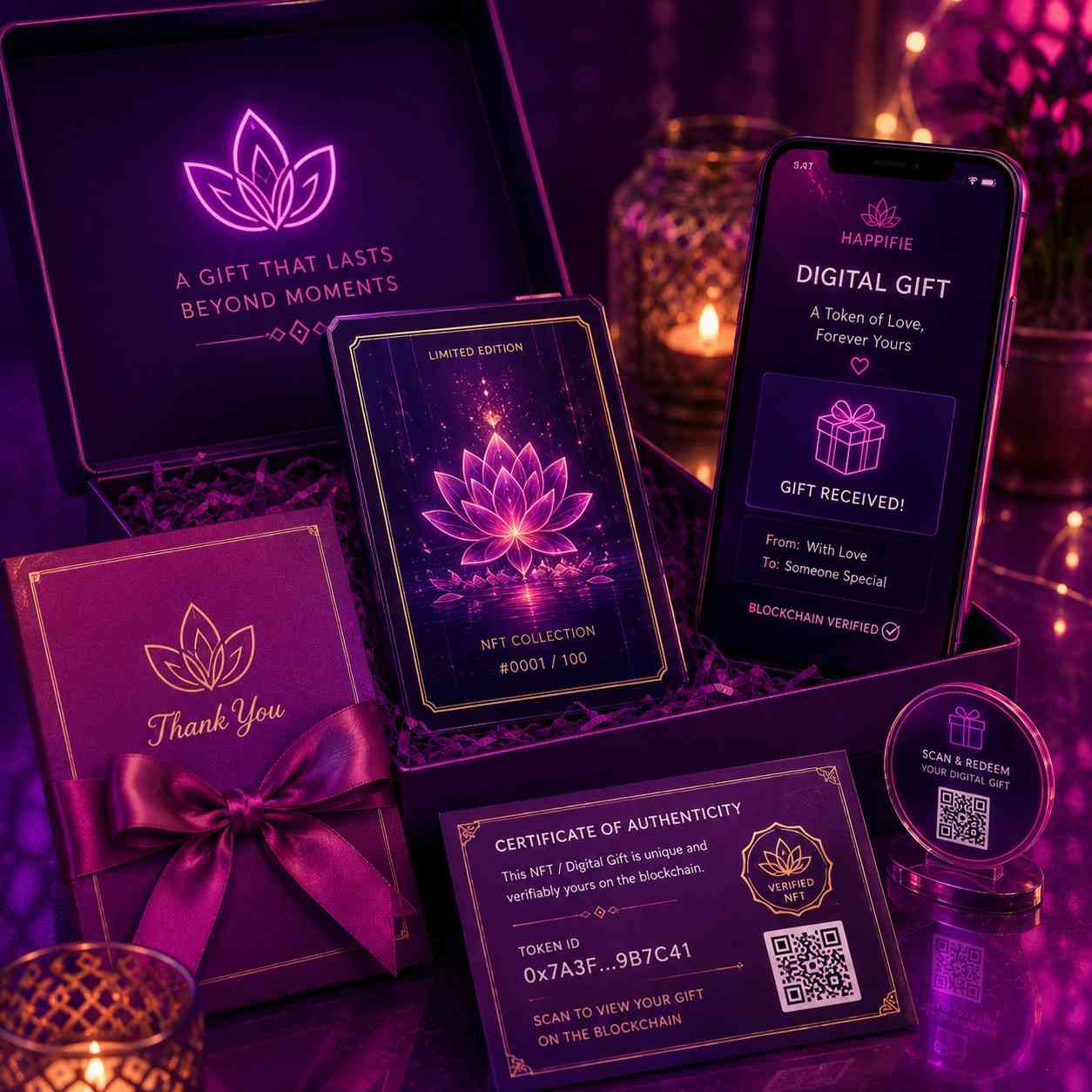
NFT Digital Collectibles
Discover NFT Digital Collectibles that bring creativity and personalization to modern celebrations. Explore unique digital art, personalized virtual assets, commemorative collectibles, and innovative digital gifting experiences for special occasions and events.
Explore Gifting Experiences
Explore Other Experiences

Explore by Occasion
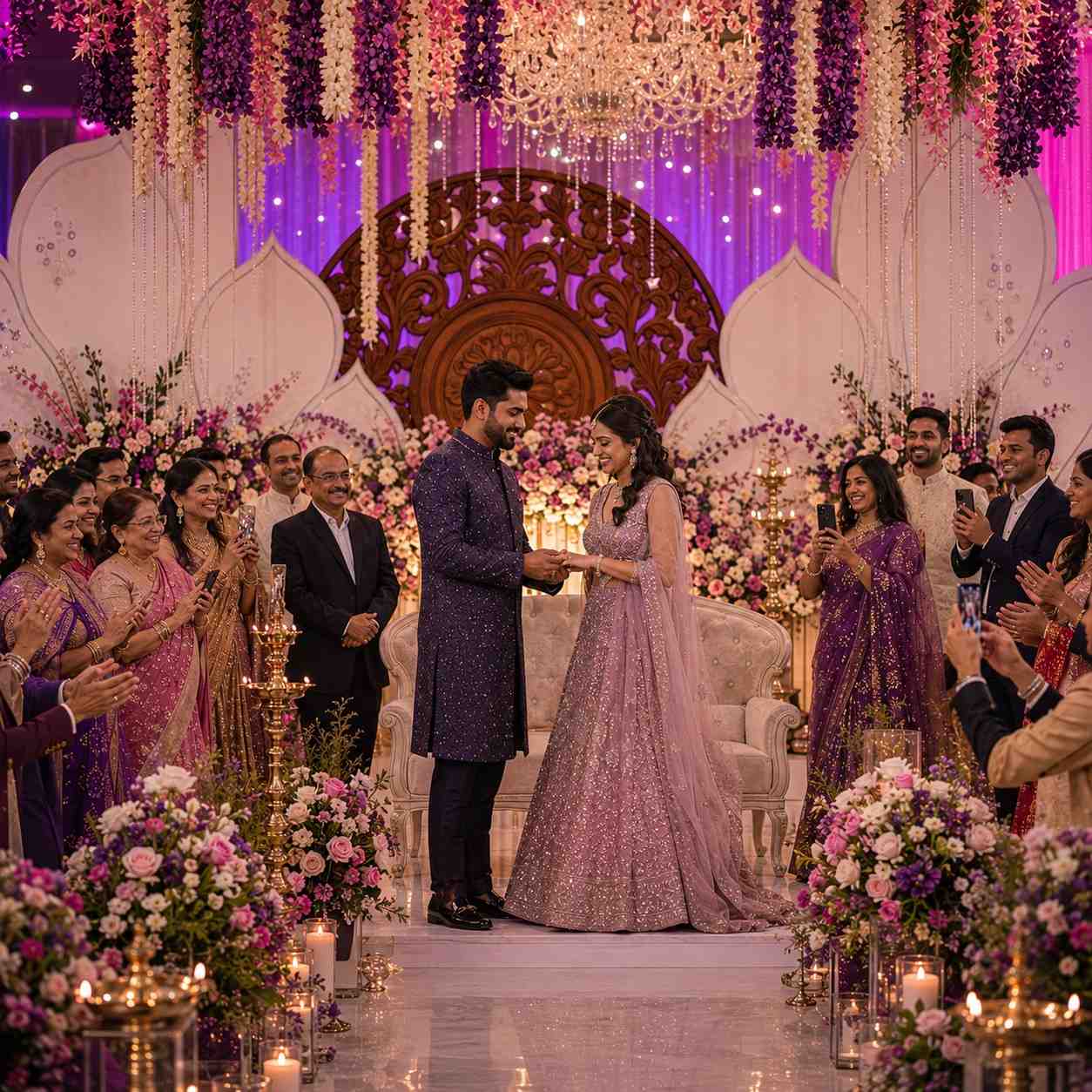
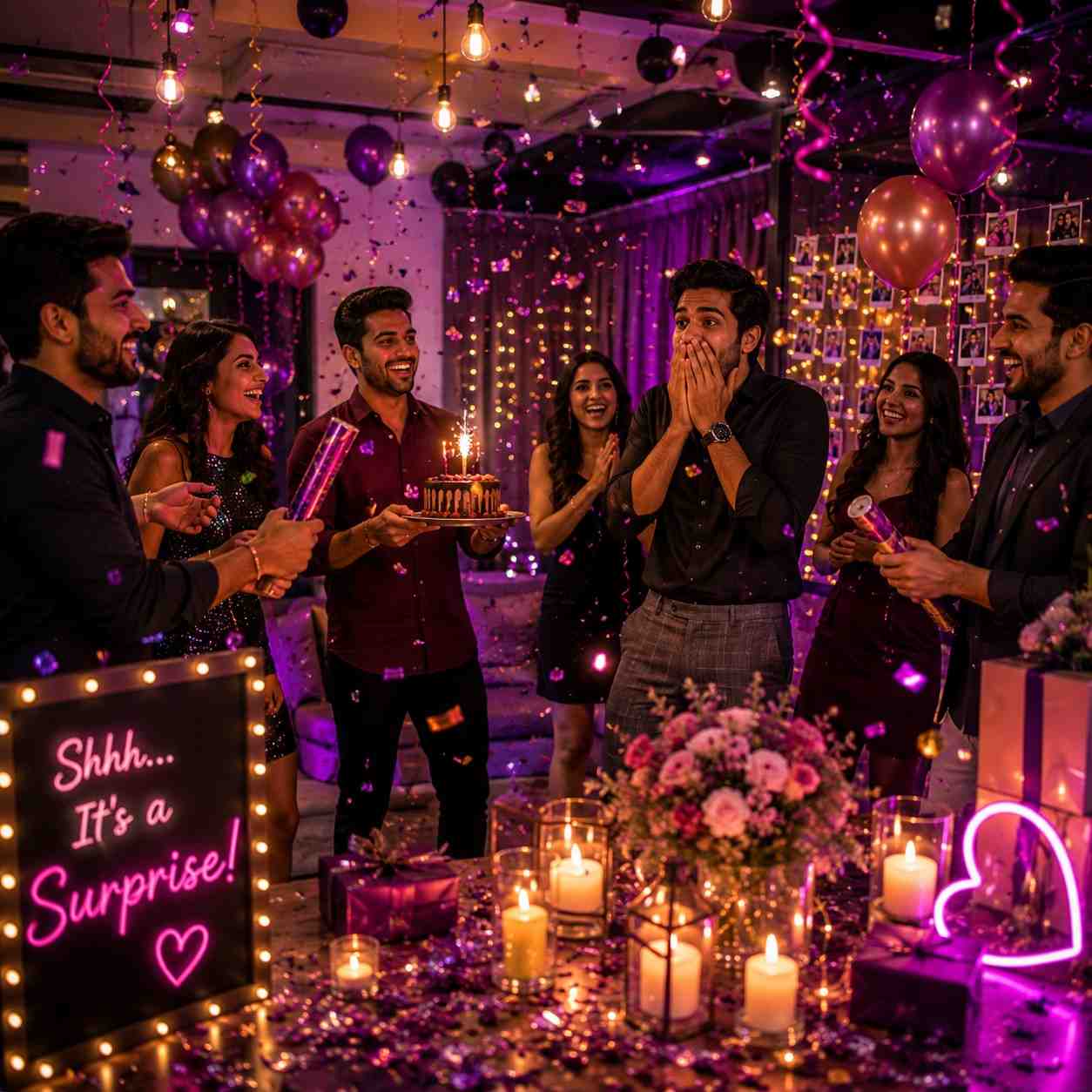
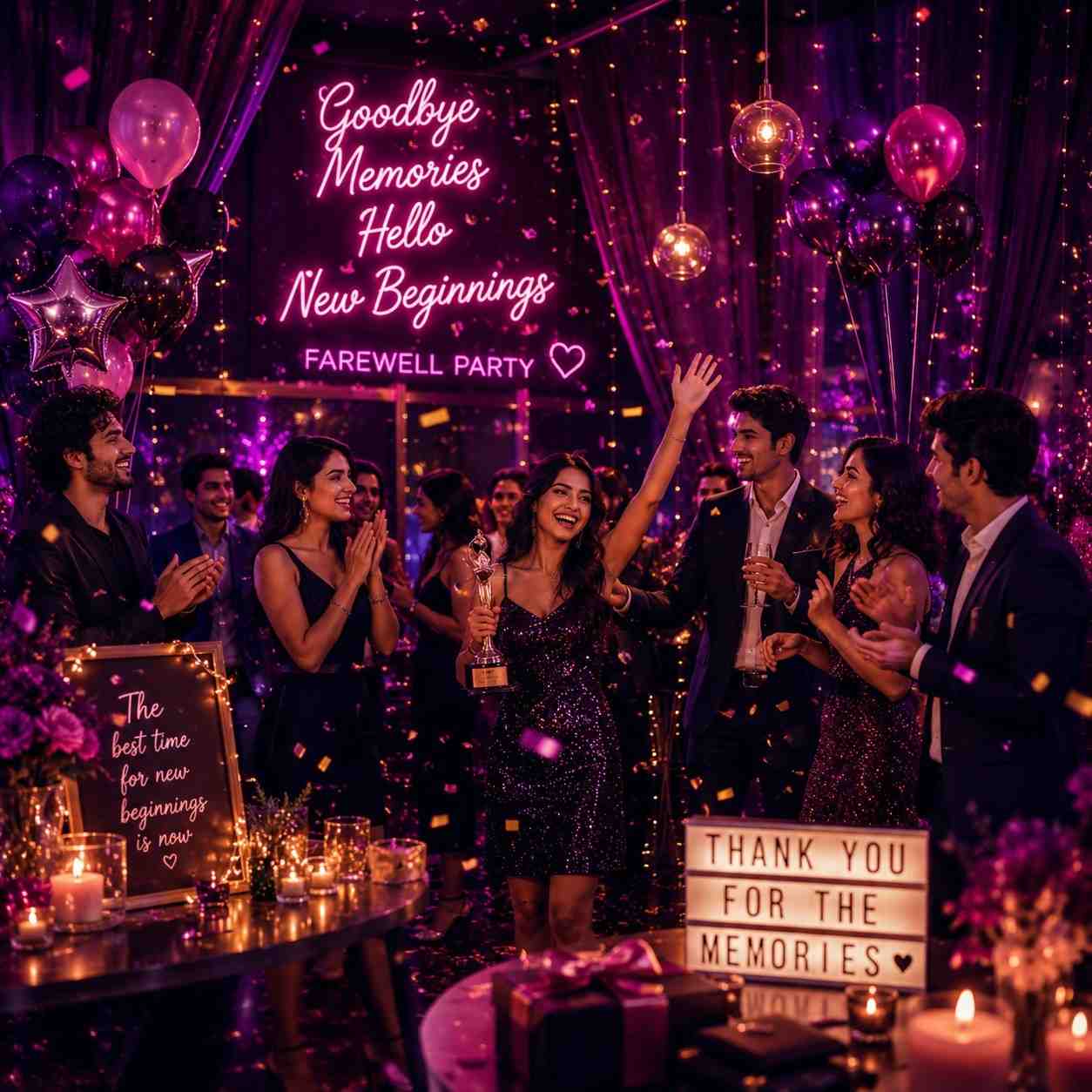

NFT Digital Collectibles for Blockchain Gifts, Virtual Assets & Corporate Rewards in India
◆NFT Digital Collectibles are blockchain-based digital assets that can be created, personalised, and gifted for corporate events, weddings, milestone celebrations, brand activations, festivals, and special occasions. They offer a modern alternative to physical gifts by allowing hosts and organisations to present unique digital artwork, commemorative designs, digital certificates, membership benefits, or virtual keepsakes.
NFT stands for Non-Fungible Token. Unlike interchangeable digital tokens, an NFT is designed to represent a distinct digital asset or record on a blockchain. The associated digital content may include artwork, illustrations, animations, videos, music, event memories, digital certificates, or other creative assets.
Blockchain Gifts can be used to commemorate important occasions. Companies may create digital collectibles for employees, customers, partners, speakers, award recipients, or event participants, while families and event organisers can explore them as innovative keepsakes for weddings, anniversaries, birthdays, and other celebrations.
Corporate Rewards are one potential application of NFT Digital Collectibles. Organisations can create limited-edition digital assets to recognise employee achievements, participation, milestones, loyalty, or special contributions.
Event organisers can also create commemorative NFTs for conferences, exhibitions, product launches, festivals, and community events. Each collectible can represent attendance, participation, a special achievement, or a memorable moment from the occasion.
Special occasion NFTs can be designed around the theme of the celebration. Weddings may feature digital artwork representing the couple, while anniversaries can include milestone illustrations, photographs, or animated memories.
Personalisation can make digital collectibles more meaningful. Names, initials, event dates, guest numbers, messages, artwork, or unique identifiers can be incorporated into the creative design where appropriate.
For large guest lists, organisers can create a collection with variations for different guest categories. VIP guests, family members, speakers, sponsors, employees, and general attendees can receive different editions.
Limited-edition collections can create a sense of exclusivity. Organisers can define the number of editions created for a particular event or audience, subject to the capabilities of the chosen blockchain and platform.
Digital artwork can be developed specifically for the event. Designers may create illustrations, animated graphics, 3D artwork, photographs, generative designs, or other visual assets suitable for digital collectibles.
Wedding NFTs can serve as digital mementos of the celebration. Couples may create artwork featuring their wedding date, initials, venue-inspired elements, or selected memories and share them with guests.
Anniversary collectibles can commemorate relationship milestones such as a first anniversary, silver jubilee, golden jubilee, or other significant occasions.
Birthday celebrations can feature personalised digital artwork, animated greetings, collectible illustrations, or digital memories designed around the recipient's interests.
Corporate events can use NFTs as digital certificates or commemorative tokens. They may recognise attendance, participation, achievements, speaker contributions, or special awards.
Conference organisers can explore NFT-based digital badges for attendees. These can function as digital records of participation when implemented through an appropriate platform.
Employee recognition programs can use digital collectibles as one component of a broader rewards strategy. Collectibles can commemorate promotions, work anniversaries, project achievements, training completion, or special contributions.
Brand activations can use digital collectibles to create interactive experiences for customers. Limited-edition designs can be distributed during launches, campaigns, exhibitions, or community events.
NFTs can also be used as digital invitations or access credentials in certain event ecosystems. Where applicable, blockchain-based verification can help identify eligible holders.
Some NFT platforms support utility features beyond the collectible itself. Depending on the implementation, ownership may provide access to digital content, communities, event experiences, discounts, memberships, or other benefits.
However, an NFT does not automatically provide ownership of the underlying artwork, copyright, trademark, or other intellectual-property rights. The rights granted to recipients should be clearly stated by the creator or issuer.
Digital ownership and licensing terms should therefore be communicated clearly. Recipients should understand what they receive when they claim or purchase a collectible.
Blockchain selection is an important technical consideration. Different blockchains have different transaction structures, costs, environmental characteristics, wallet requirements, and ecosystem support.
Organisers should choose a blockchain and platform based on factors such as audience familiarity, transaction costs, accessibility, security, supported features, and long-term availability.
Wallet access is another consideration when distributing NFTs. Some recipients may already use compatible digital wallets, while others may be unfamiliar with blockchain technology.
For non-technical audiences, organisers can consider platforms that simplify claiming or accessing digital collectibles. Any onboarding process should be explained clearly and should never require recipients to share private keys or sensitive wallet credentials.
Security is essential when working with blockchain-based assets. Organisers should use reputable platforms, protect administrative credentials, verify smart-contract information, and follow appropriate security practices.
Recipients should also be educated about common digital scams. They should avoid sharing private keys, seed phrases, passwords, or other sensitive wallet information.
NFT collections can be accompanied by digital certificates, personalised messages, event photographs, or links to additional content. These supporting materials can make the collectible more meaningful.
Storage of the associated digital content should also be considered. Depending on the implementation, the media may be stored directly on a blockchain or through decentralised or conventional storage systems.
Long-term accessibility is important for commemorative collectibles. Organisers should consider how recipients will access the digital asset and associated content years after the event.
Environmental considerations may influence blockchain selection. Some modern blockchain networks use energy-efficient consensus mechanisms, while the environmental impact varies depending on the network and activity.
NFTs can also support digital guest experiences without replacing traditional physical gifts. Hosts may provide a digital collectible alongside sweets, hampers, photographs, or other celebration presents.
For destination weddings and international events, digital collectibles can be particularly convenient because they can be delivered electronically without physical shipping.
International distribution may still involve platform availability, local regulations, tax considerations, and recipient eligibility depending on the nature of the asset and service.
Corporate organisations should review applicable legal, tax, intellectual-property, data-protection, and financial regulations before implementing blockchain-based rewards at scale.
NFTs should not be represented as investments or guaranteed financial assets. Their value, utility, demand, and resale potential can vary significantly.
For event organisers, the primary purpose can instead be commemorative, experiential, creative, or membership-based. Clear communication helps recipients understand the purpose of the collectible.
Professional designers, blockchain developers, NFT platforms, event planners, and digital experience specialists can collaborate to create and distribute event-specific collectibles.
The process generally includes defining the purpose, developing the creative concept, creating digital assets, selecting the blockchain and platform, configuring the collection, testing the claiming process, preparing recipient communication, and distributing the collectibles.
Testing is important before the event. Organisers should verify artwork, metadata, links, wallet compatibility, claim instructions, transaction processes, and recipient communications.
For large events, distribution can be automated or managed through dedicated platforms depending on the technical setup. Organisers should maintain accurate records while respecting applicable privacy requirements.
A digital collectible can also become part of a broader event memory experience. Guests may receive access to photographs, videos, digital albums, behind-the-scenes content, or other approved materials associated with the event.
In conclusion, NFT Digital Collectibles provide a modern way to create memorable Blockchain Gifts, Corporate Rewards, event credentials, and virtual keepsakes for weddings, conferences, celebrations, brand activations, and special occasions. By combining creative design with appropriate blockchain technology, clear ownership terms, secure distribution, accessible onboarding, and thoughtful digital experiences, organisers can create unique gifts that extend the memory of an event beyond the physical celebration.
FAQ Section
Q1: What are NFT Digital Collectibles?
NFT Digital Collectibles are unique blockchain-based digital assets that can represent artwork, certificates, event memories, digital badges, or other creative assets.
Q2: Can NFTs be used as event gifts?
Yes. NFTs can be created as digital keepsakes for weddings, anniversaries, birthdays, corporate events, conferences, festivals, and other special occasions.
Q3: Can NFT gifts be personalised?
Yes. Depending on the platform, collectibles can include names, initials, event dates, personalised artwork, messages, edition numbers, or other customised elements.
Q4: Can NFTs be used as Corporate Rewards?
Yes. Organisations can use digital collectibles to recognise employee milestones, achievements, participation, loyalty, awards, or special contributions.
Q5: Can an NFT provide event access?
Some platforms support NFT-based access credentials or membership features. The specific functionality depends on the platform, blockchain, and implementation.
Q6: Does owning an NFT mean owning the copyright?
Not automatically. NFT ownership and copyright ownership are separate. The creator or issuer should clearly specify the intellectual-property rights and licences granted to the recipient.
Q7: Do recipients need a crypto wallet?
It depends on the distribution platform. Some systems require compatible wallets, while others provide simplified claiming or custodial solutions for users who are unfamiliar with blockchain technology.
Q8: Are NFT Digital Collectibles suitable for wedding guests?
Yes. Couples can create personalised digital wedding keepsakes, commemorative artwork, digital invitations, or limited-edition collectibles for guests.
Q9: Are NFTs financial investments?
An NFT should not automatically be considered an investment. Its value and resale potential can vary significantly, and organisers should clearly communicate whether the collectible has any utility beyond its commemorative purpose.
Q10: How can Happiffie help arrange NFT Digital Collectibles?
Happiffie helps event organisers, corporations, couples, and families discover digital experience providers, designers, blockchain specialists, and event professionals who can assist with NFT artwork, personalised collectibles, digital rewards, event badges, blockchain-based gifting, and distribution experiences.