
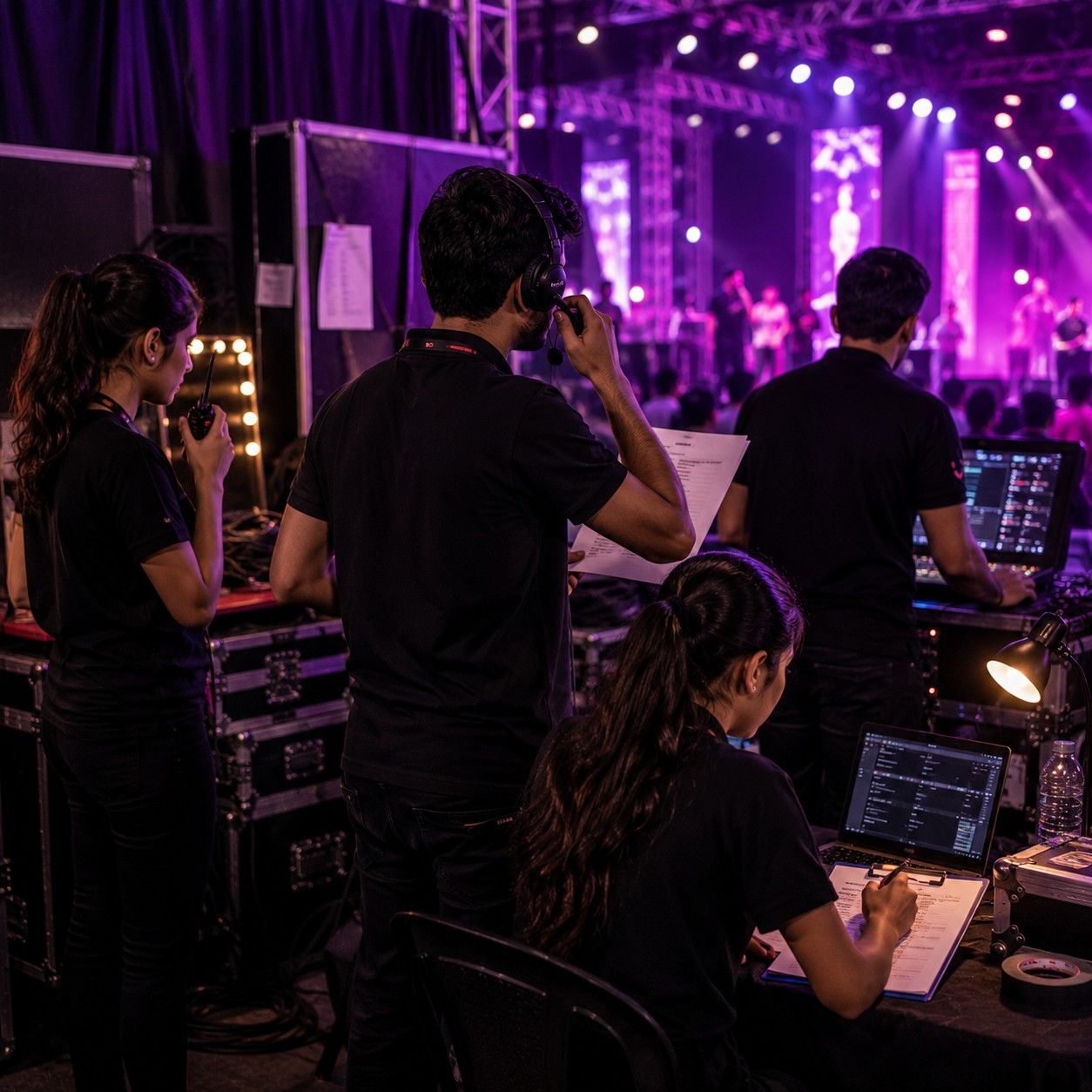
Backstage Management
Ensure smooth behind-the-scenes execution with Backstage Operations Support covering crew coordination, artist management, equipment handling, stage schedules, technical communication, cue management, and production logistics for concerts, stage shows, weddings, corporate events, and festivals.
Explore Planning & Coordination Experiences


Related Experiences




Explore by Occasion
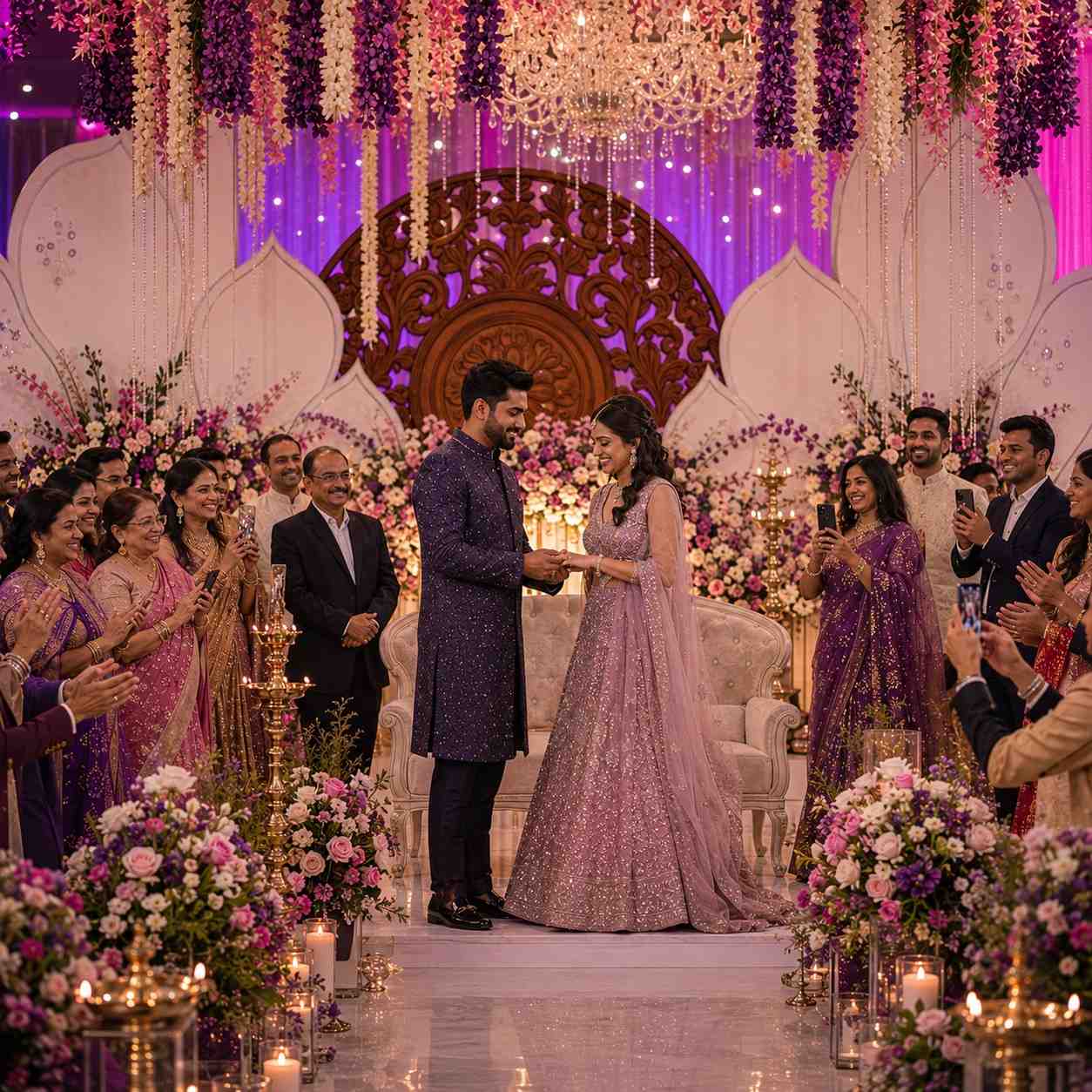




Backstage Operations Support – Seamless Crew Coordination, Artist Assistance
◆Backstage Operations Support provides the essential behind-the-scenes coordination required to keep performances, ceremonies, presentations, shows, concerts, conferences, and celebrations running smoothly. While guests experience the final event, a dedicated backstage operations team works in the background to coordinate artists, performers, speakers, crew members, equipment, schedules, stage access, and programme transitions.
Whether it is a wedding, corporate event, concert, cultural programme, fashion show, conference, award ceremony, festival, product launch, or large-scale celebration, professional backstage support helps ensure that the operational side of the event remains organised.
Happiffie helps event organisers, production teams, wedding planners, corporate companies, venues, and celebration hosts discover experienced backstage coordinators, event crew, artist support teams, stage assistants, production professionals, and trusted operations specialists.
Why Backstage Operations Matter
A successful event requires much more than what the audience sees.
Performers need to arrive at the right time, speakers need to be prepared before going on stage, technical teams need to coordinate cues, equipment must be accessible, and programme transitions need to happen smoothly.
Backstage Operations Support provides a structured coordination system that helps manage these activities behind the scenes.
Strong backstage management helps the visible part of the event run more smoothly.
Backstage Crew Coordination
Backstage teams can include coordinators, stage assistants, runners, artist support staff, technical crew, production assistants, and other operations professionals.
Their responsibilities depend on the event requirements and can involve coordinating movements, communicating updates, managing access, and supporting the event schedule.
Clear role allocation helps the backstage team work efficiently.
Artist and Performer Coordination
Artists and performers often require dedicated coordination before and during an event.
Backstage teams can support arrival management, green room coordination, rehearsal schedules, stage call times, performance readiness, hospitality communication, and movement between backstage and performance areas.
This helps performers focus on their role while operational details are coordinated separately.
Speaker and Presenter Support
Conferences, corporate events, award ceremonies, and business functions often involve multiple speakers and presenters.
Backstage support can help coordinate arrival timings, presentation readiness, microphone requirements, stage call times, and communication with the programme team.
Proper preparation helps create smoother stage transitions.
Stage Call Management
Stage calls help ensure that performers, speakers, and participants are ready before their scheduled appearance.
Backstage coordinators can communicate upcoming programme timings and help guide participants to the appropriate waiting or preparation areas.
This reduces delays and helps maintain the event schedule.
Green Room Coordination
Green rooms provide preparation and waiting spaces for artists, performers, speakers, and special guests.
Backstage teams can help coordinate access, schedules, hospitality arrangements, artist requirements, and communication between the green room and stage teams.
Well-managed green rooms contribute to a more comfortable and organised experience.
Programme and Show Flow Support
Backstage Operations Support plays an important role in maintaining programme flow.
The team can coordinate performers, hosts, speakers, technical teams, and stage managers according to the approved event schedule.
Communication between different teams helps ensure smoother transitions from one segment to the next.
Stage Entry and Exit Coordination
Managing stage entry and exit is important when multiple performers or participants are involved.
Backstage teams can guide artists and speakers to the correct access points and coordinate movements according to the programme.
This helps reduce unnecessary interruptions and confusion during live segments.
Rehearsal Support
Rehearsals allow teams to review programme flow before the live event.
Backstage operations teams can help coordinate rehearsal timings, participant movement, stage access, technical requirements, and communication between artists and production teams.
A well-organised rehearsal can help identify operational issues before guests arrive.
Technical Team Communication
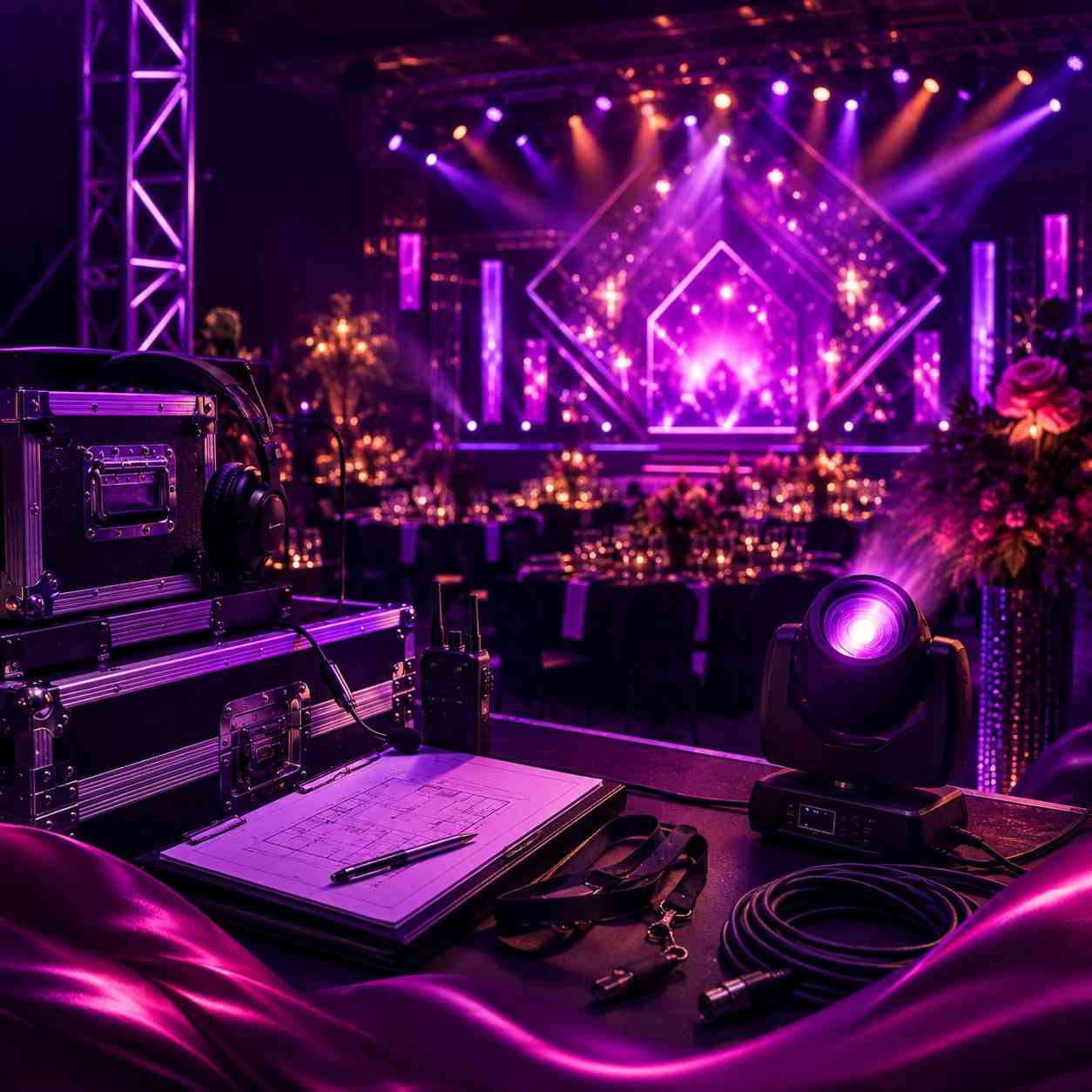
Backstage operations often require close communication with sound, lighting, audiovisual, staging, and production teams.
Coordinators can communicate programme updates, artist readiness, stage requirements, and transition timings to the relevant teams.
Clear communication helps technical cues align with the live programme.
Equipment and Prop Coordination
Performances and presentations may require specific equipment, props, costumes, instruments, or materials.
Backstage support teams can help ensure that agreed items are available in the correct preparation or stage areas at the appropriate time.
Proper coordination helps reduce last-minute searching and unnecessary delays.
Costume and Quick-Change Support
Fashion shows, dance performances, theatre productions, and cultural programmes may involve multiple costumes and quick changes.
Backstage teams can coordinate preparation areas, costume movements, performer schedules, and transitions between performances.
The level of support can be planned according to the requirements of the production.
Event Runner Services
Event runners provide practical support by assisting with time-sensitive tasks and communication between different areas of the venue.
They may support the movement of approved materials, coordinate messages, assist teams with operational requirements, and help manage routine event-related tasks.
Runners can be particularly useful for large venues and multi-stage events.
Guest and VIP Backstage Coordination
Some events require special coordination for VIP guests, celebrity appearances, speakers, and important participants.
Backstage teams can help coordinate approved arrival schedules, access arrangements, waiting areas, stage timings, and communication with the relevant event teams.
Privacy and access arrangements should be managed according to the event's requirements.
Backstage Access Management
Backstage areas often need controlled access to avoid unnecessary congestion.
Operations teams can support access coordination by guiding authorised participants, artists, crew, and approved event personnel to the appropriate areas.
Clear access management helps maintain a more organised backstage environment.
Communication and Coordination Systems
Effective communication is essential for backstage operations.
Teams may use approved communication systems such as radios, intercoms, cue systems, mobile communication, and operational briefing processes to coordinate live event requirements.
The communication approach should be selected according to the size and complexity of the event.
Emergency and Contingency Coordination
Unexpected changes can occur during live events.
Schedule delays, performer changes, technical adjustments, or other operational requirements may need immediate coordination.
Backstage teams can communicate updates to the appropriate event professionals and support agreed contingency procedures.
Professional coordination helps teams respond more efficiently.
Backstage Support for Concerts and Live Shows
Concerts and live performances involve multiple artists, technical teams, stage requirements, rehearsals, instruments, equipment, and performance schedules.
Backstage Operations Support helps coordinate the movement and readiness of participating teams while supporting the overall production schedule.
Strong coordination is particularly important for events with multiple performers.
Backstage Support for Corporate Events
Corporate events may involve speakers, presentations, awards, performers, senior executives, and technical production.
Backstage teams can help coordinate participant readiness, presentation schedules, stage access, programme transitions, and communication between event teams.
This helps maintain a professional event flow.
Backstage Support for Weddings and Celebrations
Large weddings and celebrations can involve performances, family programmes, artists, entertainers, ceremonies, and multiple event segments.
Backstage support can help coordinate performers, family participants, entertainment teams, and programme schedules so that the event flow remains organised.
Large-Scale Event Operations
Festivals, exhibitions, concerts, fashion shows, and large public events can require extensive backstage coordination.
Multiple teams may be working simultaneously across different areas of the venue.
Professional operations support helps establish communication, schedules, responsibilities, access arrangements, and coordination procedures.
Pre-Event Backstage Planning
Successful backstage operations begin before the event day.
Planning may include reviewing the programme schedule, identifying backstage areas, understanding artist requirements, planning crew responsibilities, coordinating access, reviewing technical requirements, and establishing communication procedures.
Early preparation helps teams work more efficiently during the live event.
Day-of-Event Backstage Management
During the event, the backstage team can monitor the approved schedule and coordinate participants according to upcoming programme requirements.
The team can support communication between performers, stage managers, technical teams, production teams, and other relevant professionals.
Continuous coordination helps maintain smoother event operations.
Plan Your Backstage Operations Support with Happiffie
Happiffie helps event organisers, production teams, corporate companies, wedding planners, venues, and celebration hosts discover experienced Backstage Operations Support professionals for events of different sizes and formats.
Whether you are organising a concert, corporate conference, wedding celebration, fashion show, cultural programme, festival, award ceremony, product launch, or live performance, Happiffie helps you discover professionals suited to your operational requirements.
From backstage crew coordination and artist assistance to stage calls, green room management, programme transitions, technical communication, rehearsal support, access coordination, and complete behind-the-scenes operations, Happiffie helps support smooth and professionally managed event execution.
Frequently Asked Questions
What is Backstage Operations Support?
Backstage Operations Support involves coordinating the behind-the-scenes activities required for an event, including crew coordination, artist support, stage readiness, programme flow, communication, and operational assistance.
What types of events need backstage support?
Backstage support can be useful for concerts, live shows, corporate events, conferences, weddings, fashion shows, cultural programmes, festivals, award ceremonies, and large celebrations.
Can backstage teams coordinate artists and performers?
Yes. They can help coordinate arrival timings, rehearsals, green room arrangements, stage calls, performance readiness, and communication with relevant event teams.
What is stage call management?
Stage call management involves informing performers, speakers, and participants when they need to prepare for and move toward their scheduled stage appearance.
Can backstage teams support rehearsals?
Yes. Backstage operations teams can help coordinate participant movement, rehearsal schedules, stage access, and communication between production and technical teams.
What is green room coordination?
Green room coordination involves managing the preparation and waiting areas used by artists, performers, speakers, and special guests before their scheduled appearances.
Can backstage operations help with technical coordination?
Yes. Backstage teams can communicate programme updates, artist readiness, and transition requirements with sound, lighting, audiovisual, staging, and production teams.
How can Happiffie help with Backstage Operations Support?
Happiffie connects event organisers with experienced backstage coordinators, crew members, artist support teams, stage assistants, and operations professionals who help manage behind-the-scenes event requirements and support smooth execution.