
Event Stationery
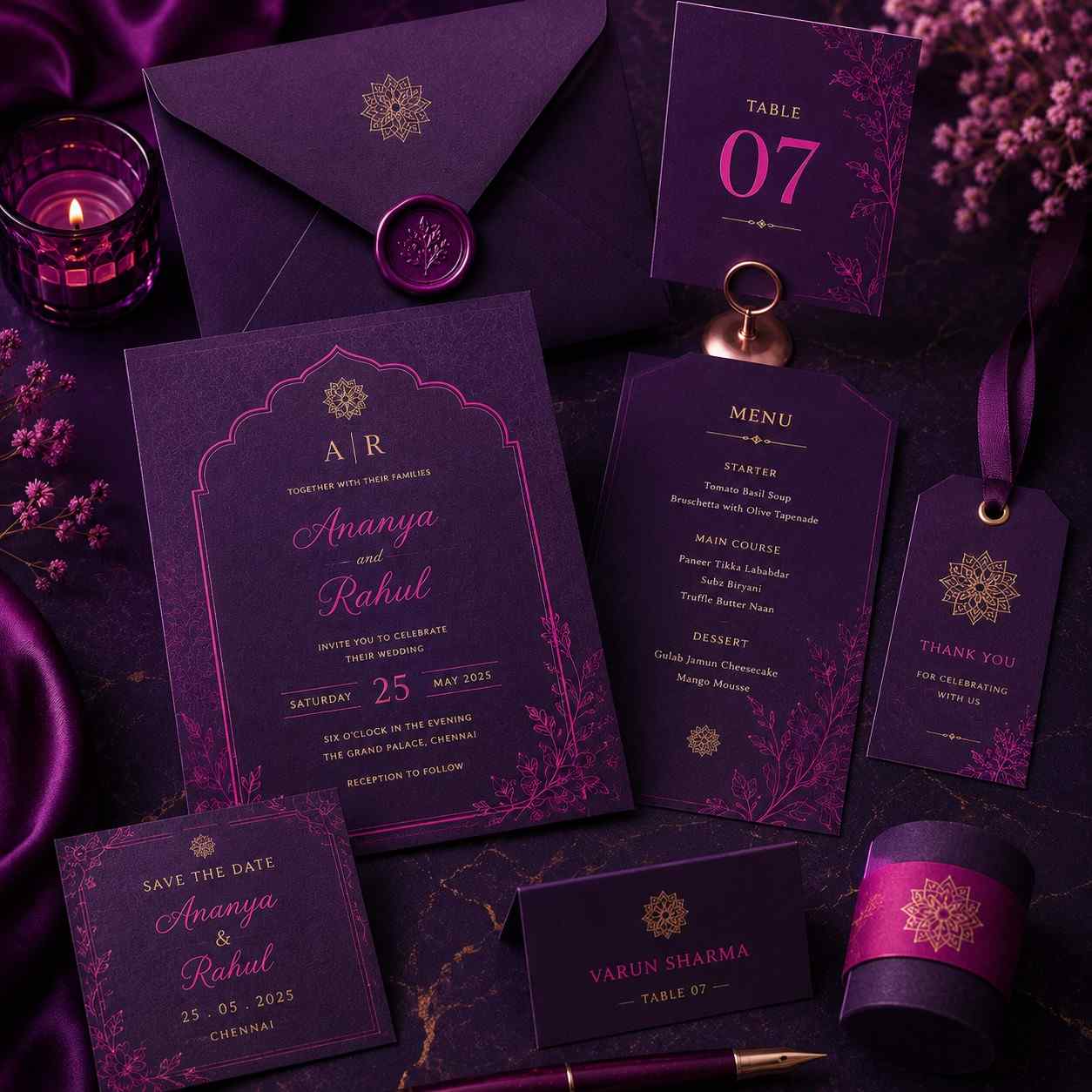
Complete your event tables with beautifully coordinated Menu Cards, Place Cards, and Thank You Tags featuring personalized names, menus, messages, and elegant designs for weddings, receptions, parties, corporate events, and special celebrations.
Explore Invitation & Stationery Experiences
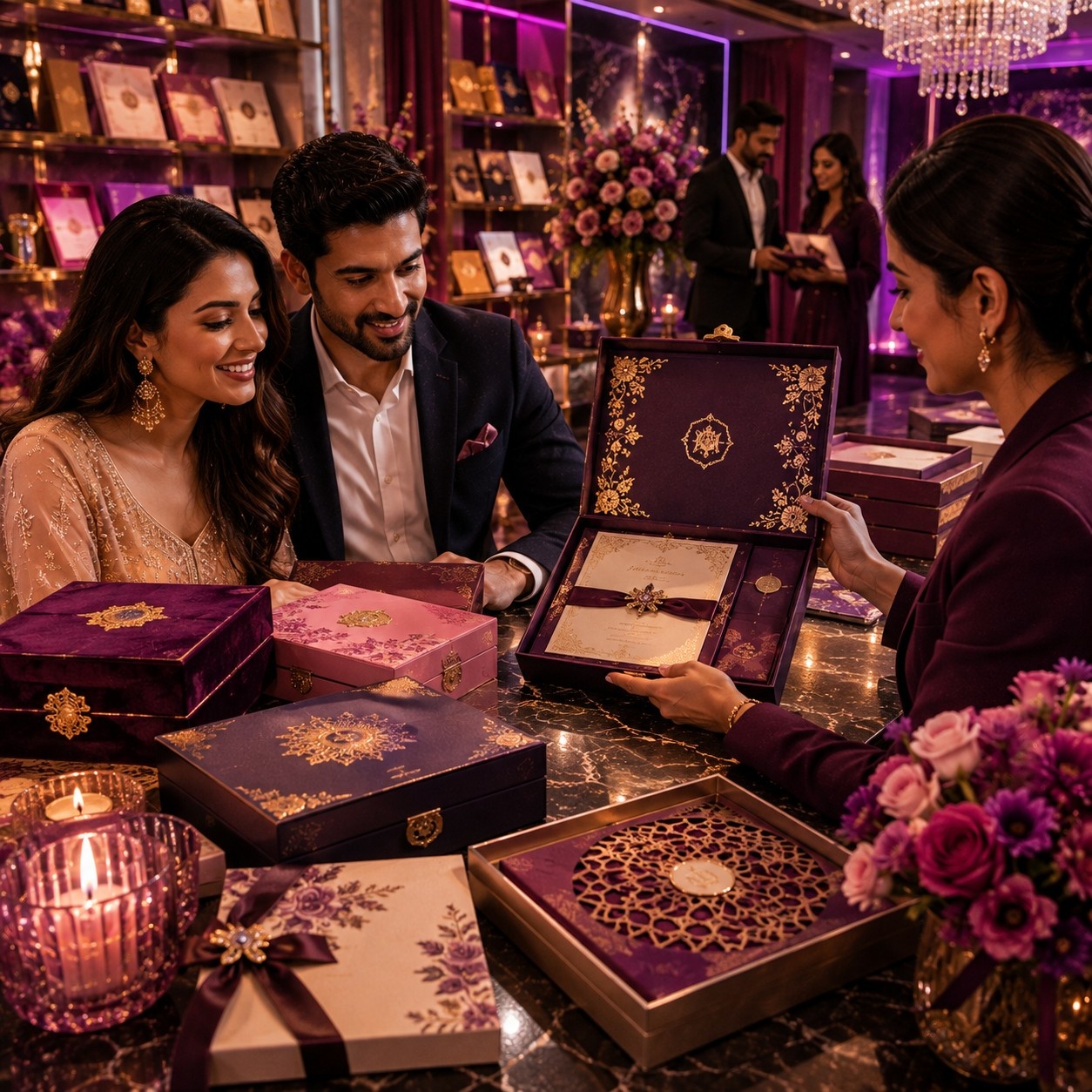
Explore Other Experiences

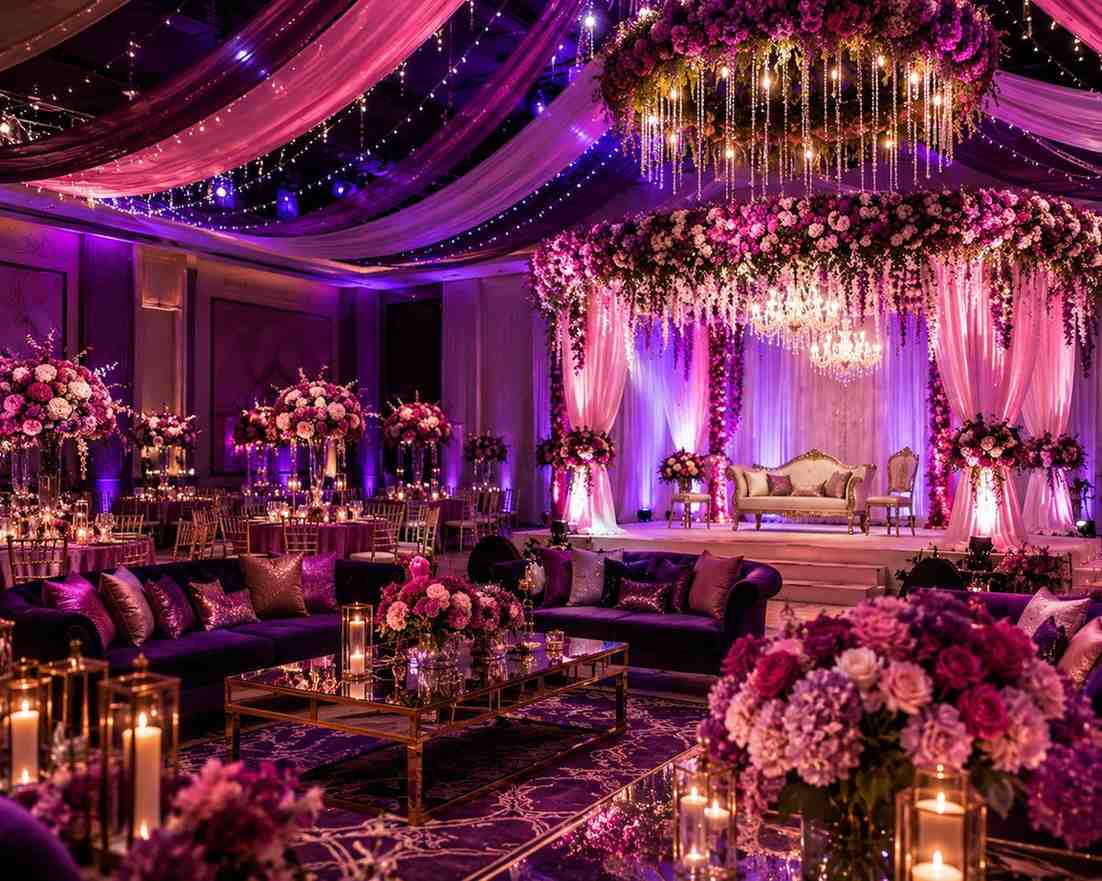






Explore by Occasion



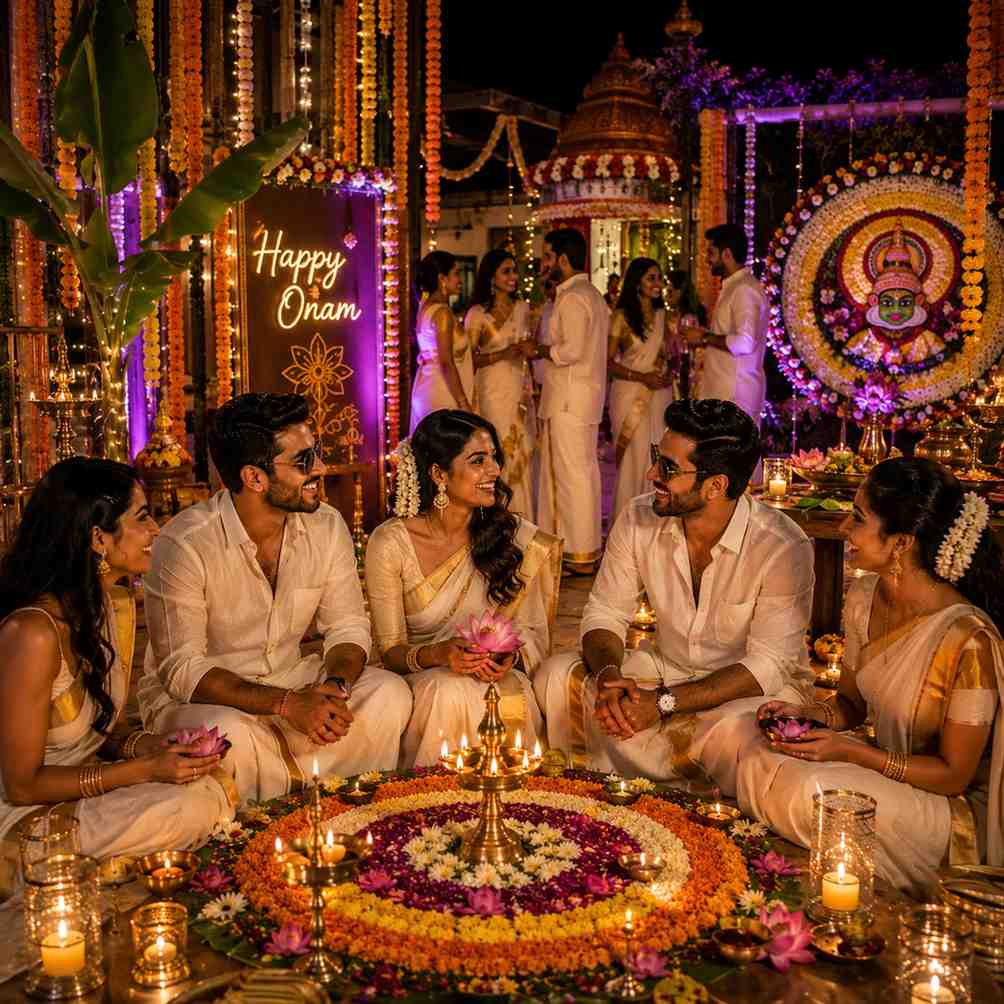
Menu Cards, Place Cards & Thank You Tags for Weddings & Events in India
◆Menu cards, place cards, and thank you tags are important elements of reception table stationery that combine practical information with elegant event styling. These small but meaningful details help guests understand the dining experience, identify their assigned seating, and receive personalised messages of appreciation. When thoughtfully designed, they also contribute to the overall visual identity of weddings, corporate dinners, celebrations, and formal events.
In India's diverse wedding and celebration landscape, reception table stationery is widely used at wedding receptions, engagement parties, anniversary celebrations, corporate dinners, gala evenings, festive gatherings, destination weddings, birthday celebrations, and luxury events. Coordinated menu cards, place cards, and thank you tags can transform dining tables into beautifully styled guest experiences.
Menu cards provide guests with information about the food and beverages being served. They can list starters, main courses, desserts, beverages, live counters, regional specialities, dietary options, or a curated tasting menu. Beyond their practical purpose, beautifully designed menu cards become part of the table décor and can complement the wedding theme, floral arrangements, tableware, and overall reception styling.
Place cards are used to identify where individual guests or groups should sit. They can display guest names, table numbers, seating information, or personalised messages. Place cards are particularly useful for formal receptions, family seating arrangements, VIP dinners, corporate events, and celebrations with assigned tables.
Thank you tags provide a personal way to express gratitude to guests. They can be attached to wedding favours, gift boxes, dessert boxes, welcome bags, return gifts, or table settings. A short message from the couple, host, or organisation can make each favour feel more thoughtful and personalised.
Wedding menu cards can be designed to match the complete invitation suite. Colours, fonts, monograms, illustrations, patterns, and decorative motifs can be carried across invitations, menus, place cards, ceremony programs, signage, thank you cards, and other stationery to create a cohesive visual identity.
Table stationery is available in many formats. Popular menu card styles include flat cards, folded cards, tent cards, individual menu sheets, layered cards, vellum overlays, acrylic menus, wooden menus, mirror menus, and premium specialty materials. The choice depends on the event style, table layout, menu length, and budget.
Place cards can be designed as simple printed cards or creative decorative elements. Popular formats include folded name cards, flat cards, acrylic name tags, wooden name plaques, floral tags, personalised tokens, miniature frames, ribbon tags, and edible place cards.
Tent-style menu cards are especially useful for dining tables because they can stand independently. They can display the menu on one or both sides while remaining visible to guests throughout the meal.
Folded menu cards provide additional space for detailed information. They can include the food menu on one side and a welcome message, wedding monogram, couple's story, cocktail list, or thank you note on another panel.
Vellum menu cards create a soft and elegant appearance. Transparent or translucent vellum can be layered over printed artwork, floral illustrations, coloured backgrounds, or textured cardstock to create a sophisticated table setting.
Acrylic menu cards are popular for modern and luxury celebrations. Clear, frosted, coloured, or mirrored acrylic can be printed or engraved with menu details, guest names, table numbers, or event branding.
Wooden menu and place cards provide a rustic and natural look. They are particularly suitable for outdoor weddings, farmhouse celebrations, garden receptions, destination weddings, and nature-inspired themes.
Floral place cards can combine guest names with fresh or dried flowers. Small floral arrangements, pressed flowers, leaves, or botanical elements can be attached to cards or incorporated into the table setting.
Personalised place cards are particularly useful for formal wedding receptions. Guests can be assigned specific seats or tables, helping families, VIP guests, elderly relatives, and close friends sit according to the planned arrangement.
Corporate dinner place cards can display attendee names, company names, designations, table numbers, or organisation logos. This creates a structured dining environment while also supporting networking and professional introductions.
Menu cards can also include dietary information. Vegetarian, vegan, gluten-free, allergen-sensitive, Jain, regional, or other dietary options can be identified where relevant. Clear labelling helps guests understand their choices and supports a more comfortable dining experience.
For Indian weddings, menus can be particularly diverse. A reception menu may include regional cuisines, international dishes, live food stations, desserts, mocktails, beverages, traditional sweets, and speciality counters. Menu cards allow organisers to present this variety in an organised and attractive format.
Thank you tags can be attached to a wide range of guest favours. Popular options include candles, chocolates, sweets, dry-fruit boxes, personalised gifts, miniature plants, fragrance products, handmade soaps, photo frames, keepsakes, and other wedding favours.
Custom messages can make thank you tags more meaningful. Couples may include their names, wedding date, initials, a short gratitude message, a favourite quote, or a personalised note for guests.
Thank you tags can also be used for corporate events. Organisations may attach appreciation tags to employee gifts, conference kits, client hampers, promotional gifts, awards, or event giveaways. Branded messages and company logos can be incorporated into the design.
Stationery finishing options can significantly enhance the appearance of menu cards and place cards. Popular finishes include foil stamping, embossing, debossing, letterpress, rounded corners, laser cutting, die cutting, metallic accents, textured paper, and specialty coatings.
Typography should be selected carefully to balance elegance and readability. Decorative scripts may work well for names and headings, while simpler fonts can be used for menu descriptions and other detailed information.
Colour coordination helps table stationery blend naturally with the reception décor. Menu cards and place cards can match table linens, floral arrangements, candles, table numbers, wedding signage, napkins, charger plates, and other decorative elements.
Monograms are a popular personalisation option. Couples can feature their initials or custom wedding emblem on menu cards, place cards, thank you tags, favour packaging, and other reception stationery.
Table numbers can be integrated with place cards or menu designs. Coordinated table numbers help guests locate their assigned seating while maintaining the visual consistency of the reception décor.
Thank you tags can also double as decorative elements. A beautifully designed tag attached to a favour box, ribbon, napkin, or gift can add colour and personality to the table setting.
Creative place-card alternatives are increasingly popular. Guests may receive personalised wooden tokens, miniature frames, handwritten tags, acrylic discs, ceramic pieces, engraved objects, or edible treats that serve as both seating markers and keepsakes.
Destination weddings often incorporate local cultural elements into table stationery. Regional motifs, destination illustrations, local crafts, traditional patterns, maps, or natural materials can create a stronger connection to the wedding location.
Eco-friendly table stationery is becoming increasingly popular. Recycled cardstock, seed paper, handmade paper, bamboo, wood, reusable acrylic, natural fibres, vegetable-based inks, and minimal packaging can help reduce waste.
Digital integration can also be incorporated through QR codes. Menu cards may link to detailed menus, ingredient information, wedding websites, digital photo galleries, event schedules, or guest information. This can reduce the amount of printed content required.
Quantity planning is important for reception stationery. Menu cards may be required per table or per guest, while place cards are generally prepared for each assigned guest. Thank you tags depend on the number of favours or gifts being distributed.
Proofreading is essential before printing. Guest names, menu descriptions, dietary information, table numbers, wedding dates, couple names, and thank you messages should be carefully checked to avoid mistakes.
Professional stationery providers can manage the complete production process. Services may include design, printing, cutting, finishing, personalisation, guest-name printing, assembly, packaging, and delivery to the venue.
On-site placement can also be coordinated with event decorators and planners. Menu cards, place cards, and thank you tags should be positioned consistently to maintain a polished appearance across all tables.
For large weddings, personalised stationery may require careful sorting. Place cards can be organised by table number or guest list, while thank you tags and menu cards can be packed according to reception zones to simplify venue setup.
Cost varies depending on material, size, printing technique, quantity, personalisation, finishing, packaging, and delivery. Comparing stationery providers helps organisers select options that match both the event style and budget.
In conclusion, menu cards, place cards, and thank you tags are more than small stationery pieces—they help organise the dining experience, personalise guest seating, communicate important information, and enhance reception décor. From intimate weddings and destination celebrations to corporate dinners and luxury events across India, thoughtfully designed table stationery can turn every dining table into a memorable part of the celebration.
FAQ Section
Q1: What are menu cards used for at weddings?
Menu cards provide guests with information about the food and beverages being served, including starters, main courses, desserts, beverages, live counters, and dietary options.
Q2: What are place cards?
Place cards are personalised cards or markers displaying a guest's name and sometimes their table or seating information. They help organise assigned seating at weddings, formal dinners, and corporate events.
Q3: What are thank you tags used for?
Thank you tags are attached to wedding favours, gifts, hampers, dessert boxes, and other guest gifts to express appreciation and add a personalised finishing touch.
Q4: Can menu cards and place cards be customised?
Yes. They can be customised with names, menus, monograms, wedding dates, colours, illustrations, typography, table numbers, logos, and decorative elements.
Q5: What materials are available for table stationery?
Popular options include cardstock, textured paper, handmade paper, vellum, acrylic, wood, linen-finish stock, metallic paper, recycled materials, and specialty stationery.
Q6: Can place cards be used for corporate dinners?
Yes. Corporate place cards can display attendee names, designations, company names, table numbers, or branding to create an organised and professional dining environment.
Q7: Can thank you tags be attached to wedding favours?
Yes. Thank you tags can be attached to chocolates, candles, sweets, gift boxes, plants, keepsakes, welcome bags, and other wedding favours.
Q8: Can table stationery include dietary information?
Yes. Menu cards can identify vegetarian, vegan, gluten-free, Jain, allergen-sensitive, regional, or other dietary options where relevant.
Q9: Can menu cards match wedding décor?
Yes. Menu cards, place cards, and thank you tags can be designed to coordinate with invitations, table linens, flowers, napkins, table numbers, signage, and the overall wedding theme.
Q10: How can Happiffie help with Menu Cards, Place Cards & Thank You Tags?
Happiffie helps couples, wedding planners, event organisers, caterers, and corporate hosts discover trusted stationery professionals offering customised menu cards, personalised place cards, thank you tags, table numbers, favour tags, premium printing, laser cutting, foil finishing, and complete reception table stationery solutions.