
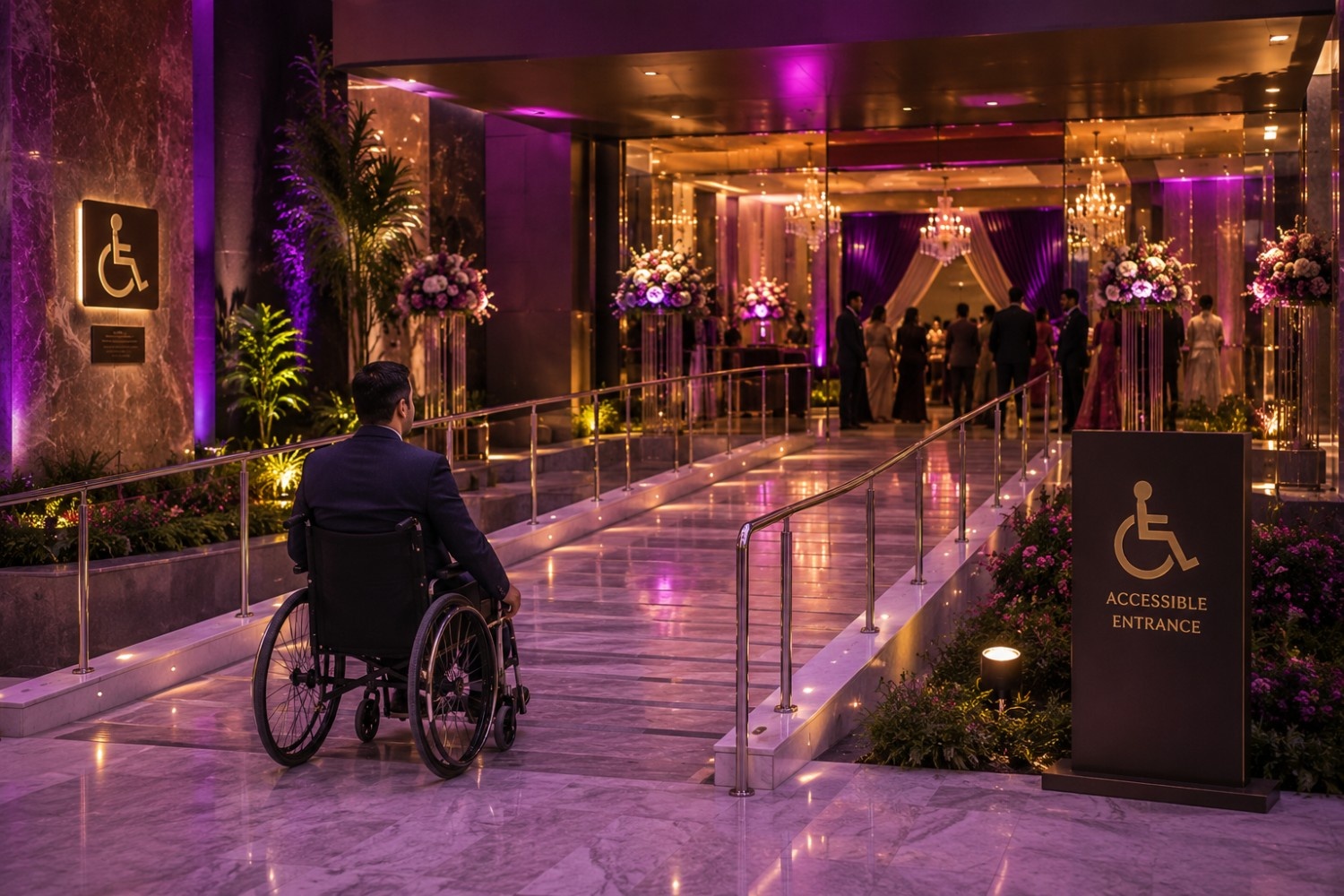
The Wheelchairs
Wheelchairs enhance event accessibility by ensuring safe mobility, comfort, and dignity for senior guests and individuals needing medical support.
Explore Event Rental & Infrastructure Services


Explore Other Experiences








Explore by Occasion



Wheelchairs for Events – Mobility Assistance & Accessibility Support
◆Creating an inclusive and comfortable environment is a fundamental aspect of modern event planning. Among the many elements that contribute to accessibility, Wheelchairs play a crucial role in ensuring that every guest—regardless of age or physical ability—can participate fully and comfortably. Whether it is a wedding, corporate gathering, social celebration, or large-scale public event, mobility assistance solutions help bridge the gap between infrastructure and inclusivity.
In today’s event landscape, accessibility is no longer optional—it is an expectation. Guests include elderly family members, individuals recovering from injuries, and people with mobility challenges who require thoughtful support systems. By incorporating Wheelchairs into event planning, organisers demonstrate care, professionalism, and a commitment to creating experiences that are welcoming for everyone.
Importance of Wheelchairs in Event Planning
Events are designed to bring people together, celebrate milestones, and create memorable experiences. However, without proper accessibility measures, some guests may face challenges navigating the venue. Wheelchairs ensure that movement within the event space is smooth, safe, and stress-free.
From entrance areas to seating arrangements, dining zones, and restrooms, mobility assistance must be integrated across all touchpoints. This not only enhances guest comfort but also prevents logistical disruptions during the event. For example, elderly guests attending a wedding ceremony may need assistance moving between different sections of the venue. Providing Wheelchairs ensures they can participate without fatigue or discomfort.
In corporate events, accessibility reflects organisational values. Companies hosting conferences or award ceremonies often prioritise inclusive arrangements to accommodate all attendees. Wheelchairs become an essential part of this approach, supporting both employees and guests with varying mobility needs.
Enhancing Guest Experience Through Accessibility
Guest experience is at the heart of every successful event. When accessibility is prioritised, it creates a sense of belonging and respect. Wheelchairs enable guests to move freely, interact with others, and enjoy the event without limitations.
For families hosting weddings or celebrations, ensuring that elderly relatives can comfortably attend every function is deeply meaningful. Wheelchairs provide the independence and dignity needed for such moments. Instead of feeling restricted, guests can engage fully in ceremonies, rituals, and social interactions.
Accessibility also reduces dependency on others. While assistance from family members or staff is helpful, having Wheelchairs available allows individuals to maintain autonomy. This independence significantly enhances their overall experience.
Types of Wheelchairs for Events
Different events require different types of mobility solutions. Understanding the available options helps organisers choose the most suitable Wheelchairs for their needs.
Manual wheelchairs are commonly used for short-term events. They are lightweight, easy to manoeuvre, and suitable for indoor and outdoor use. These are ideal for weddings, exhibitions, and social gatherings where assistance may be provided by staff or family members.
Transport wheelchairs are another popular option. Designed for easy movement by a caregiver, they are compact and convenient for crowded venues. These are particularly useful in events with large guest lists.
Electric wheelchairs, while less common in event setups, may be required for guests with specific medical conditions. These provide enhanced mobility and independence but require charging facilities and adequate space.
Specialised wheelchairs, such as reclining or bariatric models, may also be arranged depending on guest requirements. Customisation ensures that all mobility needs are addressed effectively.
Strategic Placement and Accessibility Planning
Providing Wheelchairs is only one part of accessibility planning. Their placement and integration within the event layout are equally important. Organisers must ensure that Wheelchairs are easily available at entry points, parking areas, and key zones within the venue.
Clear pathways, ramps, and accessible flooring are essential for smooth movement. Narrow passages, uneven surfaces, or obstacles can hinder mobility and create discomfort. Proper planning ensures that Wheelchairs can be used efficiently across all areas of the event.
Signage and staff assistance further enhance accessibility. Guests should be able to locate Wheelchairs easily and request support when needed. Having trained personnel to assist with mobility arrangements adds an extra layer of convenience.
Role in Medical and Emergency Support
In addition to mobility assistance, Wheelchairs play a vital role in medical support during events. Guests with temporary injuries, chronic conditions, or fatigue may require immediate assistance. Having Wheelchairs readily available ensures quick response and safety.
Medical teams or first aid stations often rely on Wheelchairs to transport individuals comfortably. This is particularly important in large-scale events such as concerts, festivals, or corporate gatherings where crowd movement can be challenging.
By integrating Wheelchairs into emergency planning, organisers can handle unforeseen situations more effectively. This proactive approach enhances overall event safety and preparedness.
Inclusive Events and Social Responsibility
Inclusivity is a defining characteristic of modern events. Providing Wheelchairs reflects a commitment to social responsibility and equal participation. It sends a message that every guest is valued and considered.
Inclusive events go beyond basic accessibility—they create environments where everyone feels welcome. Wheelchairs contribute to this vision by removing physical barriers and enabling participation.
For brands and organisations, inclusivity also enhances reputation. Events that prioritise accessibility are often viewed more positively, strengthening relationships with clients, employees, and stakeholders.
Wheelchair Rental and Logistics
Most event organisers prefer renting Wheelchairs rather than purchasing them. Rental services provide flexibility, cost-effectiveness, and access to well-maintained equipment. Depending on the scale of the event, multiple Wheelchairs can be arranged to meet demand.
Logistics planning includes delivery, setup, and collection. Ensuring timely availability is crucial for smooth operations. Organisers must also consider storage and parking areas for Wheelchairs when not in use.
Working with reliable vendors ensures quality and hygiene standards. Clean, well-maintained Wheelchairs contribute to a positive guest experience and reflect professionalism.
Comfort and Safety Considerations
Comfort and safety are key factors when providing Wheelchairs. Cushioned seating, proper back support, and stable конструкции ensure a comfortable experience for users. Adjustable features may also be considered for added convenience.
Safety measures include functional brakes, sturdy frames, and smooth wheels. Regular inspection and maintenance are essential to prevent any issues during the event.
Staff training is equally important. Personnel should be aware of how to assist guests safely, including pushing Wheelchairs, navigating ramps, and handling emergencies.
Integration with Venue Design
Modern venues are increasingly designed with accessibility in mind. However, temporary setups such as wedding venues or outdoor locations may require additional arrangements. Wheelchairs must be integrated seamlessly into these environments.
Decor and aesthetics should not compromise accessibility. Pathways, seating arrangements, and stage designs must accommodate Wheelchairs without creating obstacles. A balance between visual appeal and functionality ensures a successful setup.
Future Trends in Event Accessibility
As event planning evolves, accessibility solutions continue to improve. Technological advancements and increased awareness are driving innovation in this space. Smart Wheelchairs, improved materials, and ergonomic designs are becoming more common.
Event planners are also adopting comprehensive accessibility strategies, including digital tools, virtual assistance, and inclusive design principles. Wheelchairs remain a central component of these efforts.
Sustainability is another emerging trend. Eco-friendly materials and energy-efficient solutions are being incorporated into mobility equipment, aligning with broader environmental goals.
Why Wheelchairs Are Essential for Every Event
Ultimately, Wheelchairs are not just an added सुविधा—they are a necessity for inclusive and well-organised events. They ensure that all guests, regardless of physical ability, can participate fully and comfortably.
From enhancing guest experience to supporting medical needs and reflecting social responsibility, Wheelchairs play a multifaceted role in event planning. Their presence transforms events into truly inclusive spaces where everyone feels valued.
Event organisers who prioritise accessibility demonstrate foresight and care. By integrating Wheelchairs into their planning process, they create environments that are not only functional but also welcoming and respectful.
FAQ Section
1. Why are Wheelchairs important in events?
They provide mobility assistance, ensuring that senior guests and individuals with disabilities can move comfortably and safely.
2. Are Wheelchairs necessary for small events?
Yes, even small gatherings benefit from accessibility arrangements to accommodate all guests.
3. What types of Wheelchairs are used in events?
Manual, transport, electric, and specialised wheelchairs depending on guest needs.
4. Can Wheelchairs be rented for events?
Yes, rental services offer flexible and cost-effective solutions for short-term use.
5. Where should Wheelchairs be placed at an event?
At entry points, parking areas, and key zones for easy access.
6. Do Wheelchairs require special maintenance during events?
They should be clean, well-maintained, and regularly checked for safety.
7. Who can assist guests using Wheelchairs?
Trained staff or volunteers can provide assistance when needed.
8. How do Wheelchairs support inclusive events?
They remove mobility barriers, allowing all guests to participate equally and comfortably.