
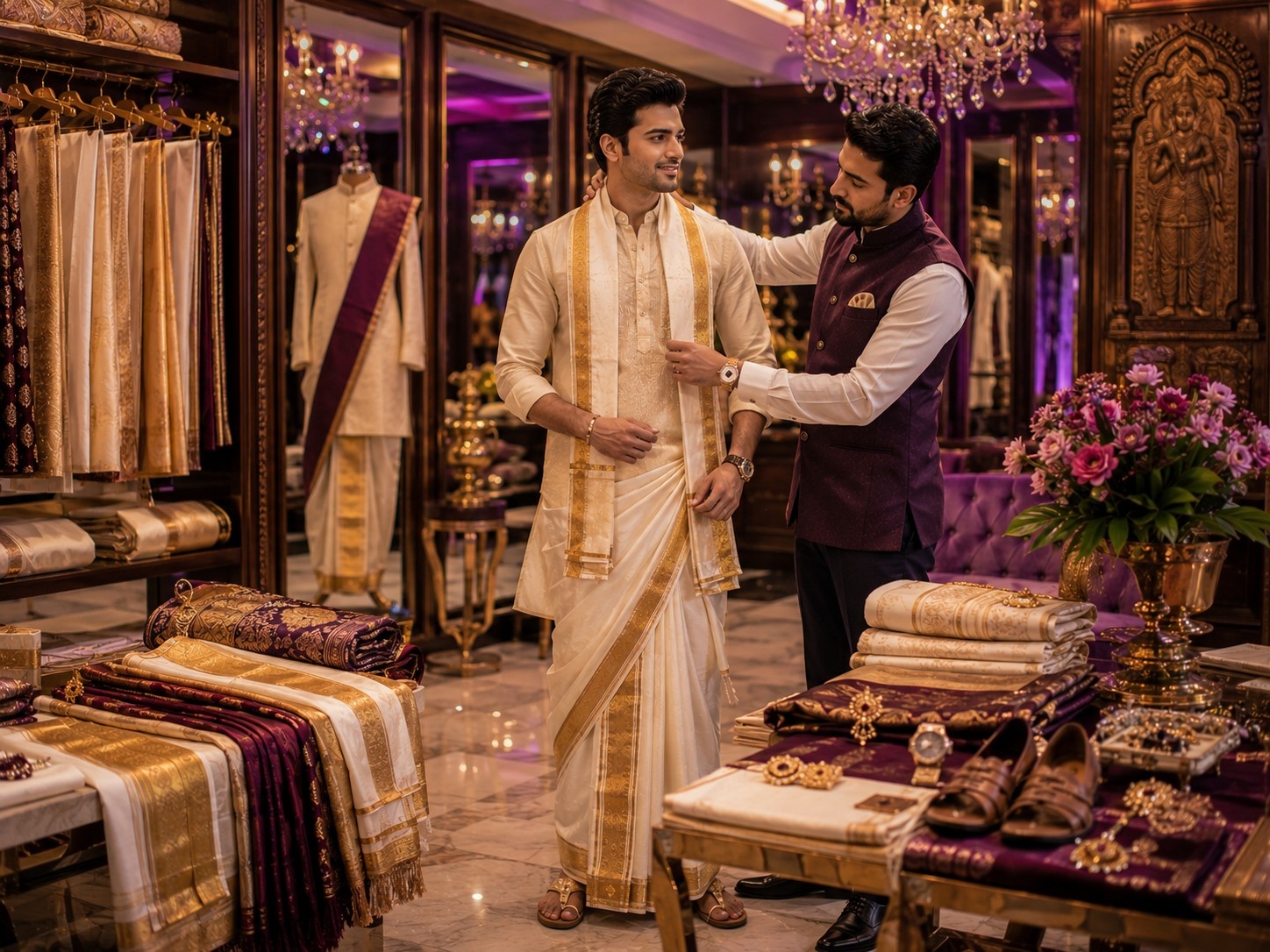
The Groom Dhoti Veshti
Discover groom dhoti veshti styles with panchakacham, silk mundu, and angavastram for muhurtham and weddings, reflecting tradition and timeless elegance.
Explore Costume & Fashion Collections
Related Experiences

Explore by Occasion
Groom Dhoti Veshti for Traditional Wedding, Panchakacham & Muhurtham Attire
◆Traditional weddings in India are deeply rooted in cultural heritage, and attire plays a vital role in preserving these customs. Among the most iconic styles, the Groom Dhoti Veshti holds a special place, especially in South Indian weddings. Known for its simplicity, elegance, and spiritual significance, this attire reflects tradition while offering comfort and grace for the groom.
From sacred muhurtham rituals to temple ceremonies, the dhoti veshti continues to be a preferred choice for grooms who value authenticity and cultural identity. With variations such as panchakacham, silk mundu, and angavastram, this traditional outfit offers versatility while maintaining its timeless appeal.
The Cultural Significance of Groom Dhoti Veshti
The dhoti veshti is more than just a garment; it is a symbol of tradition, purity, and respect for cultural values. It is commonly worn during religious ceremonies and is considered auspicious for wedding rituals.
For many families, the groom wearing a dhoti veshti during the wedding ceremony signifies adherence to tradition and respect for ancestral customs. The attire is often chosen to align with the spiritual and ceremonial aspects of the wedding.
Panchakacham: Sacred and Structured Style
The panchakacham style of draping the dhoti is one of the most traditional forms, often worn during important rituals such as the muhurtham. This style involves a specific method of wrapping the fabric around the waist and between the legs, creating a structured and secure fit.
Panchakacham is commonly associated with Brahmin weddings and temple ceremonies, where adherence to tradition is essential. It not only enhances the groom’s appearance but also ensures ease of movement during rituals.
Silk Mundu: Elegance in Simplicity
The silk mundu is another popular variation, known for its smooth texture and elegant finish. Typically made from high-quality silk, it features a simple yet refined design, often with a golden border.
This style is widely preferred for weddings due to its luxurious feel and understated elegance. The silk mundu is comfortable to wear, making it suitable for long ceremonies and celebrations.
Angavastram: Completing the Look
The angavastram is an essential accessory that complements the dhoti veshti. Draped over the shoulder, it adds a layer of sophistication and completes the traditional ensemble.
Angavastrams are often made from matching or contrasting fabrics, featuring subtle patterns or borders. They enhance the overall look while maintaining the simplicity of the outfit.
Muhurtham Attire: Sacred and Symbolic
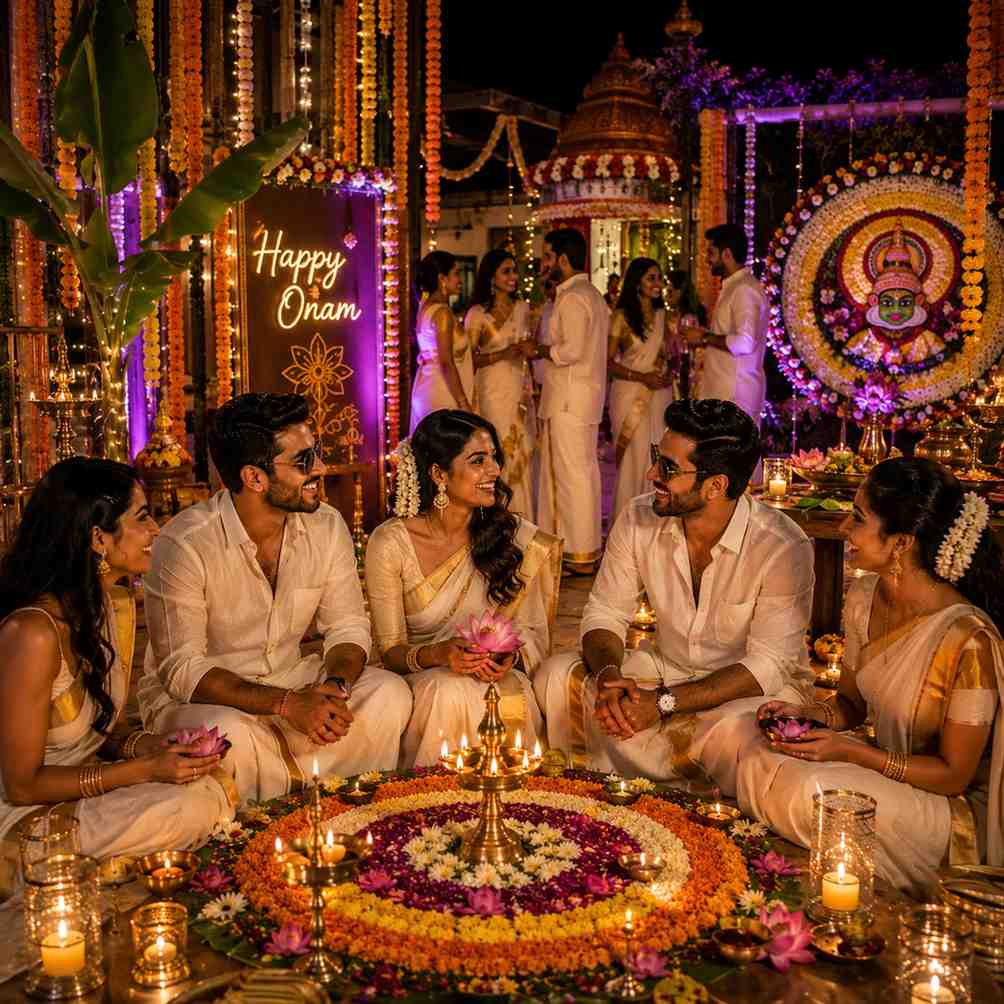
The muhurtham is the most important part of a wedding ceremony, and the groom’s attire plays a significant role in this ritual. The dhoti veshti, often in white or cream with gold borders, is considered the ideal choice.
This attire reflects purity and tradition, aligning with the spiritual nature of the ceremony. The simplicity of the outfit allows the focus to remain on the rituals and their significance.
Fabric Choices for Dhoti Veshti
Fabric selection is crucial for achieving the right balance between comfort and elegance. Commonly used materials include:
- Cotton: Lightweight and breathable, ideal for daytime ceremonies
- Silk: Luxurious and suitable for special occasions
- Cotton-silk blends: Combining comfort with a refined appearance
Choosing the right fabric ensures that the groom remains comfortable throughout the ceremony while maintaining a polished look.
Colour Traditions and Preferences
Traditional dhoti veshti outfits are usually in white or off-white shades, symbolising purity and simplicity. Gold borders add a touch of richness and are considered auspicious.
In some cases, grooms may opt for subtle variations in colour, such as cream or ivory, while still maintaining the traditional aesthetic. The choice of colour often depends on cultural customs and personal preference.
Styling the Groom Dhoti Veshti
Styling plays a key role in enhancing the overall appearance of the groom. Accessories such as traditional jewellery, waistbands, and footwear can add elegance to the outfit.
Simple sandals or barefoot styles are commonly preferred, especially for temple weddings. The focus remains on maintaining a clean and traditional look.
Comfort and Practicality
One of the main advantages of the Groom Dhoti Veshti is its comfort. The loose and breathable design allows for ease of movement, which is essential during long wedding ceremonies.
The attire is also practical for warm climates, making it a popular choice for South Indian weddings. Proper draping ensures that the outfit remains secure and comfortable throughout the event.
Modern Adaptations of Traditional Wear
While the dhoti veshti remains rooted in tradition, modern adaptations have introduced subtle changes to suit contemporary preferences. Pre-stitched dhotis and ready-to-wear options are now available, offering convenience without compromising on style.
Designers are also experimenting with fabrics and borders, creating variations that appeal to modern grooms while retaining the essence of traditional attire.
Choosing the Right Dhoti Veshti
Selecting the right dhoti veshti involves considering factors such as fabric, style, and cultural requirements. Grooms should ensure that the outfit aligns with the wedding rituals and personal comfort.
Trying different styles and consulting with family members or experts can help in making the right choice. Attention to detail ensures that the outfit enhances the overall wedding experience.
Why Groom Dhoti Veshti Remains Timeless
The enduring popularity of the Groom Dhoti Veshti lies in its simplicity, elegance, and cultural significance. It offers a unique blend of tradition and comfort, making it a preferred choice for many grooms.
Unlike heavily embellished outfits, the dhoti veshti focuses on subtle elegance, allowing the groom to stand out in a refined and dignified manner.
Balancing Tradition and Personal Style
Modern grooms often look for ways to incorporate personal style into traditional attire. This can be achieved through accessories, fabric choices, or slight variations in design.
Maintaining a balance between tradition and individuality ensures that the outfit reflects both cultural values and personal preferences.
Future Trends in Traditional Groom Wear
Traditional attire continues to evolve, with designers introducing innovative elements while preserving cultural authenticity. Sustainable fabrics and minimalist designs are gaining popularity.
As weddings become more personalised, grooms are exploring new ways to adapt traditional outfits to suit their style. The dhoti veshti will continue to remain a significant part of wedding fashion, evolving with changing trends while retaining its heritage.
FAQs
1. What is a groom dhoti veshti?
It is a traditional South Indian outfit worn by grooms during wedding ceremonies.
2. What is panchakacham style?
It is a traditional method of draping the dhoti, commonly used for rituals.
3. What is a silk mundu?
A silk mundu is a dhoti made from silk, known for its elegance and smooth texture.
4. What is an angavastram?
It is a cloth draped over the shoulder, completing the traditional outfit.
5. Why is dhoti veshti worn for muhurtham?
It symbolises purity and tradition, making it suitable for sacred rituals.
6. What colours are traditional for dhoti veshti?
White, cream, and off-white with gold borders are common.
7. Is dhoti veshti comfortable?
Yes, it is lightweight and allows easy movement.
8. Can dhoti veshti be customised?
Yes, fabrics and borders can be customised.
9. Are there modern versions available?
Yes, pre-stitched and designer options are available.
10. Why is groom dhoti veshti popular?
It combines tradition, comfort, and cultural significance, making it ideal for weddings.