
The Family Dresses
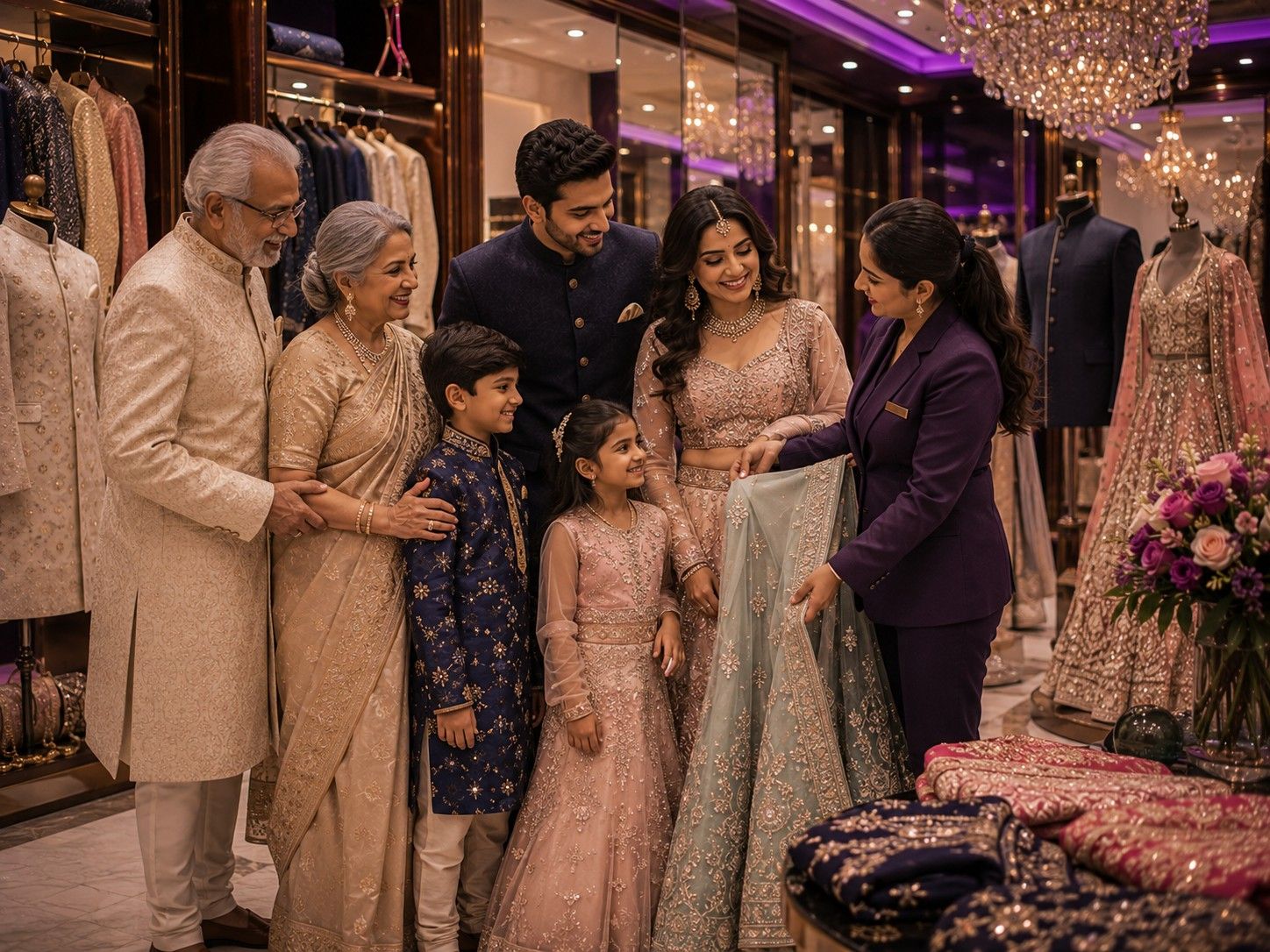
Discover family dresses with matching coordinated styles for weddings, sangeet fashion, and ethnic wear, creating elegant twinning outfits for every celebration.
Explore Costume & Fashion Collections
Related Experiences
Explore by Occasion
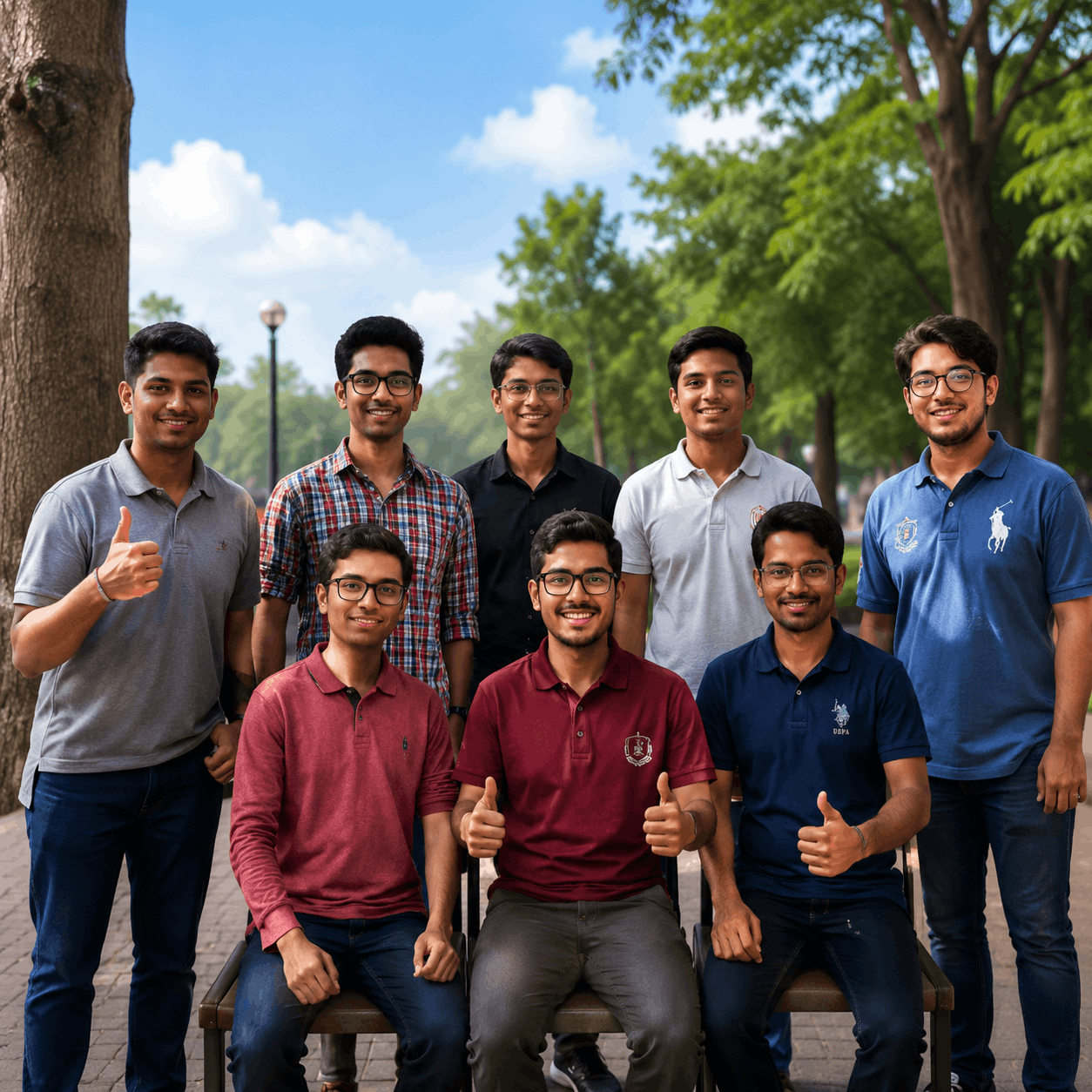
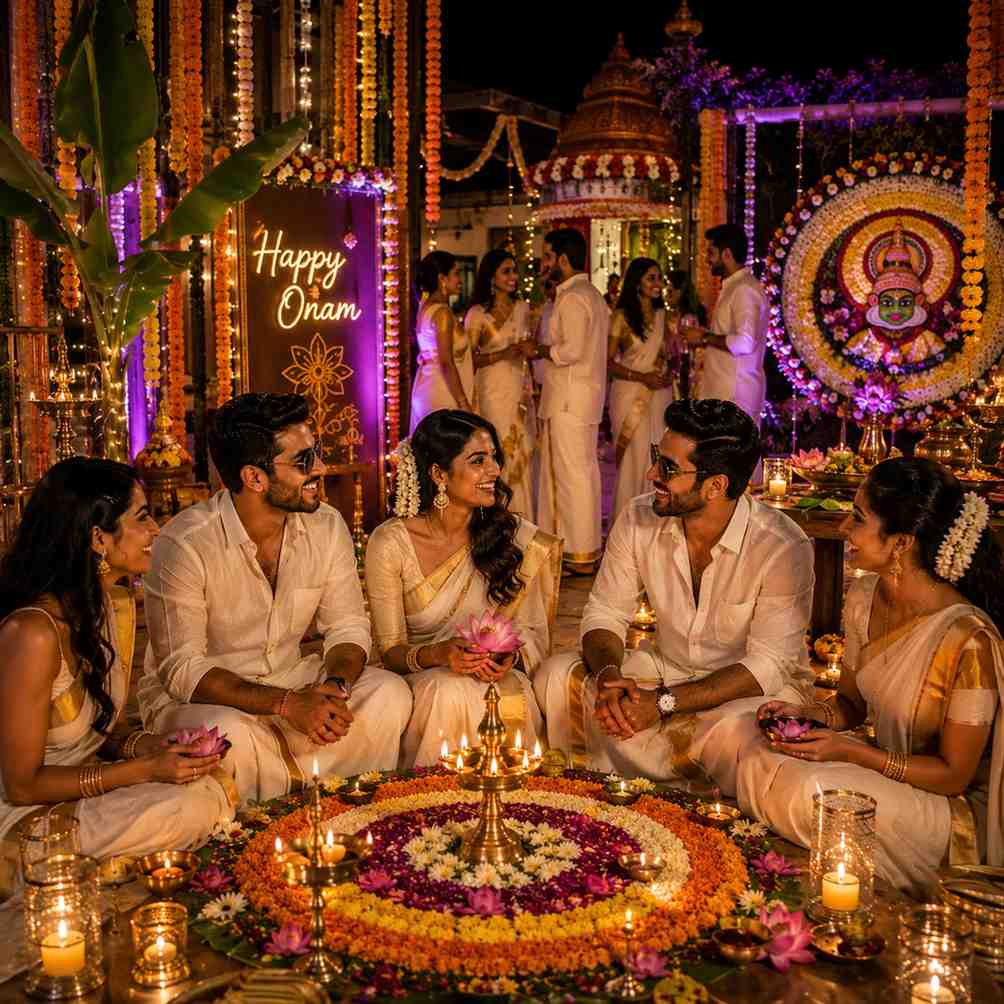
Family Dresses with Matching Coordinated Styles for Wedding & Sangeet
◆Weddings and celebrations are deeply rooted in togetherness, and fashion has become an essential way to express this unity. In recent years, Family Dresses with coordinated styles have gained immense popularity, allowing families to present a cohesive and stylish appearance across all wedding functions. From traditional ceremonies to vibrant sangeet nights, coordinated outfits bring harmony, elegance, and a sense of belonging to every occasion.
Whether it’s twinning outfits for close family members or fully coordinated ensembles for large gatherings, this trend has transformed how families approach celebration wear. By blending colour palettes, fabrics, and design elements, families can create visually appealing looks that enhance the overall atmosphere of the event.
The Rise of Coordinated Family Fashion
Coordinated fashion has evolved from simple matching outfits to thoughtfully curated styles that reflect individuality while maintaining unity. Families now focus on creating a balanced look where each member’s outfit complements the others.
This approach allows for creativity while ensuring that the group appears visually connected. It also adds a sense of organisation and elegance to wedding events, making photographs and memories even more special.
Wedding Attire for the Entire Family
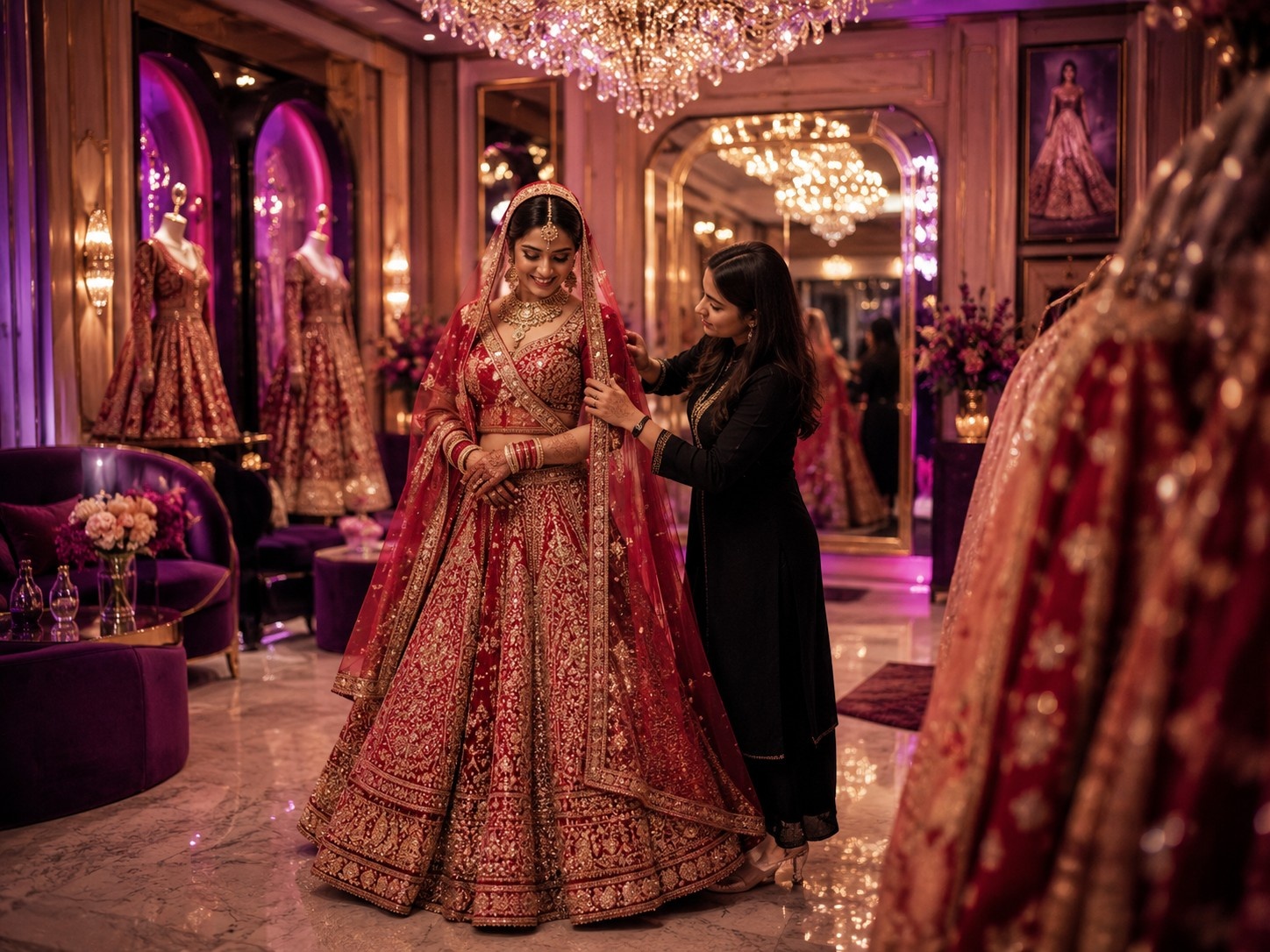
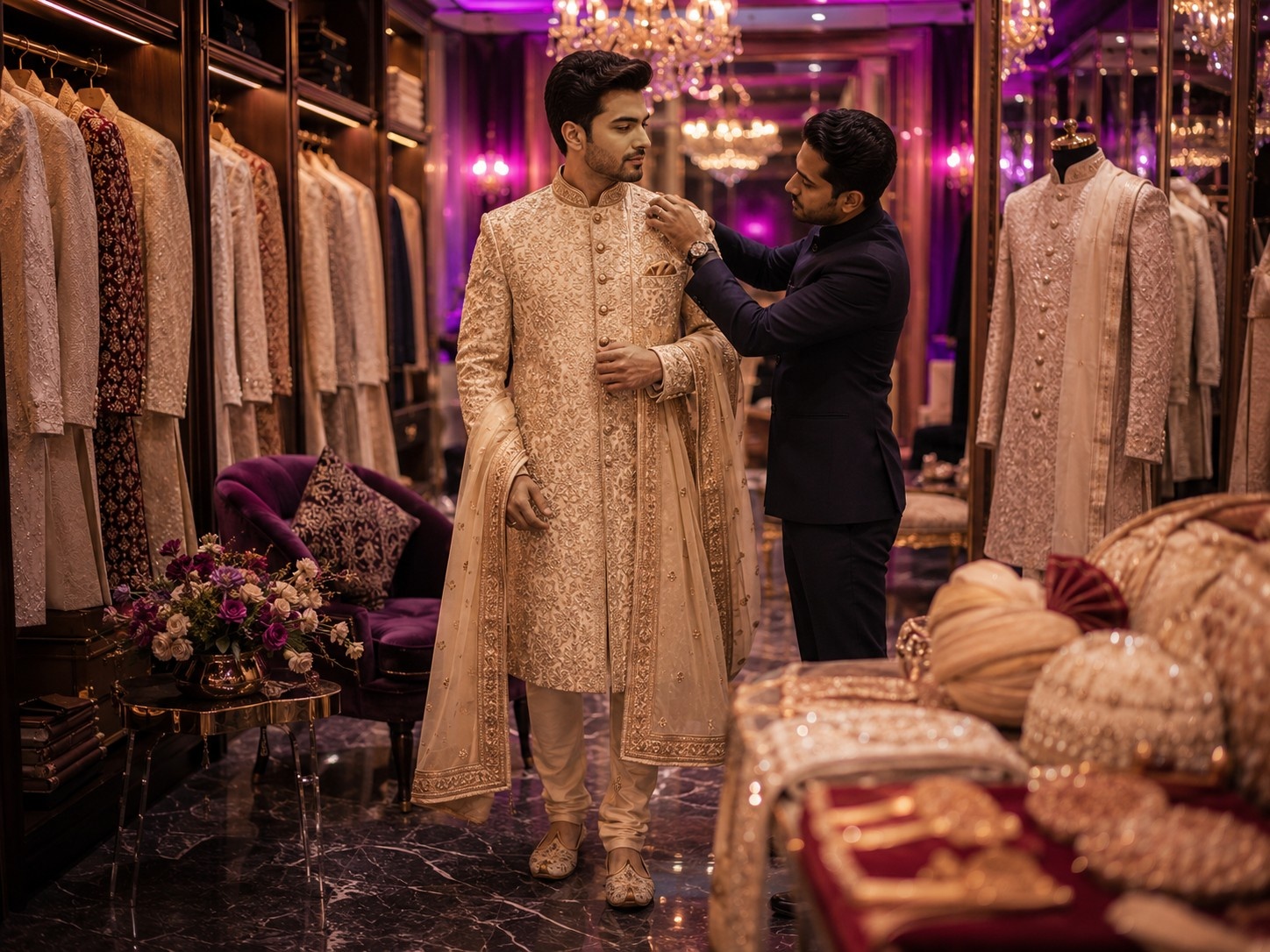
Wedding ceremonies often require a blend of tradition and sophistication. Family members can choose from a variety of ethnic wear options, including sarees, lehengas, sherwanis, and kurta sets.
Coordinating colours such as pastels, jewel tones, or classic gold and ivory helps create a unified look. Subtle variations in design ensure that each outfit remains unique while still fitting into the overall theme.
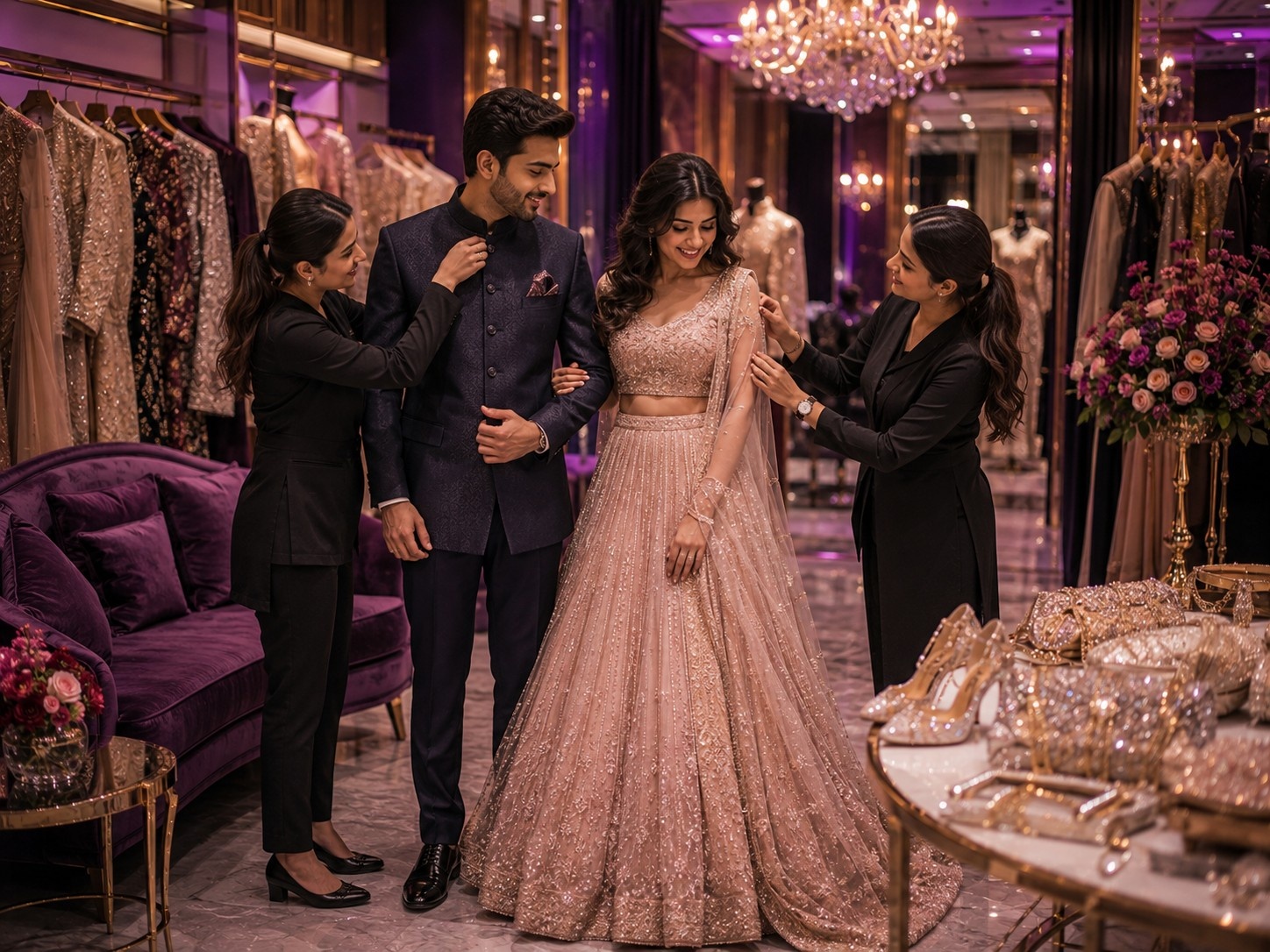
For example, women may wear sarees or lehengas in similar shades, while men opt for kurtas or sherwanis with matching accents. This creates a harmonious balance without appearing overly uniform.
Twinning Outfits: A Modern Trend
Twinning outfits have become a popular choice for families, especially among siblings, parents, and children. This trend involves wearing similar or identical outfits, creating a strong visual connection.
Twinning can be achieved through matching colours, patterns, or fabrics. It is particularly popular for pre-wedding events such as mehendi and haldi, where the atmosphere is more relaxed and playful.
This style not only enhances the visual appeal but also adds a fun and engaging element to the celebration.
Sangeet Fashion: Vibrant and Energetic
The sangeet is one of the most lively events in a wedding, and family outfits should reflect this energy. Bright colours, bold patterns, and comfortable fabrics are key elements of sangeet fashion.
Coordinated outfits for the sangeet often include lehengas, anarkalis, kurta sets, and Indo-western ensembles. Adding elements such as mirror work, sequins, or embroidery enhances the festive vibe.
Families can experiment with contrasting colours or thematic palettes to create a dynamic and visually striking look.
Ethnic Wear: Tradition Meets Style
Ethnic wear remains a cornerstone of family wedding fashion. Traditional outfits such as sarees, lehengas, and sherwanis are timeless choices that reflect cultural heritage.
Modern adaptations of ethnic wear include fusion styles that combine traditional elements with contemporary designs. This allows families to maintain cultural authenticity while embracing current fashion trends.
Coordinating ethnic wear across family members creates a cohesive and elegant appearance.
Choosing the Right Colour Palette
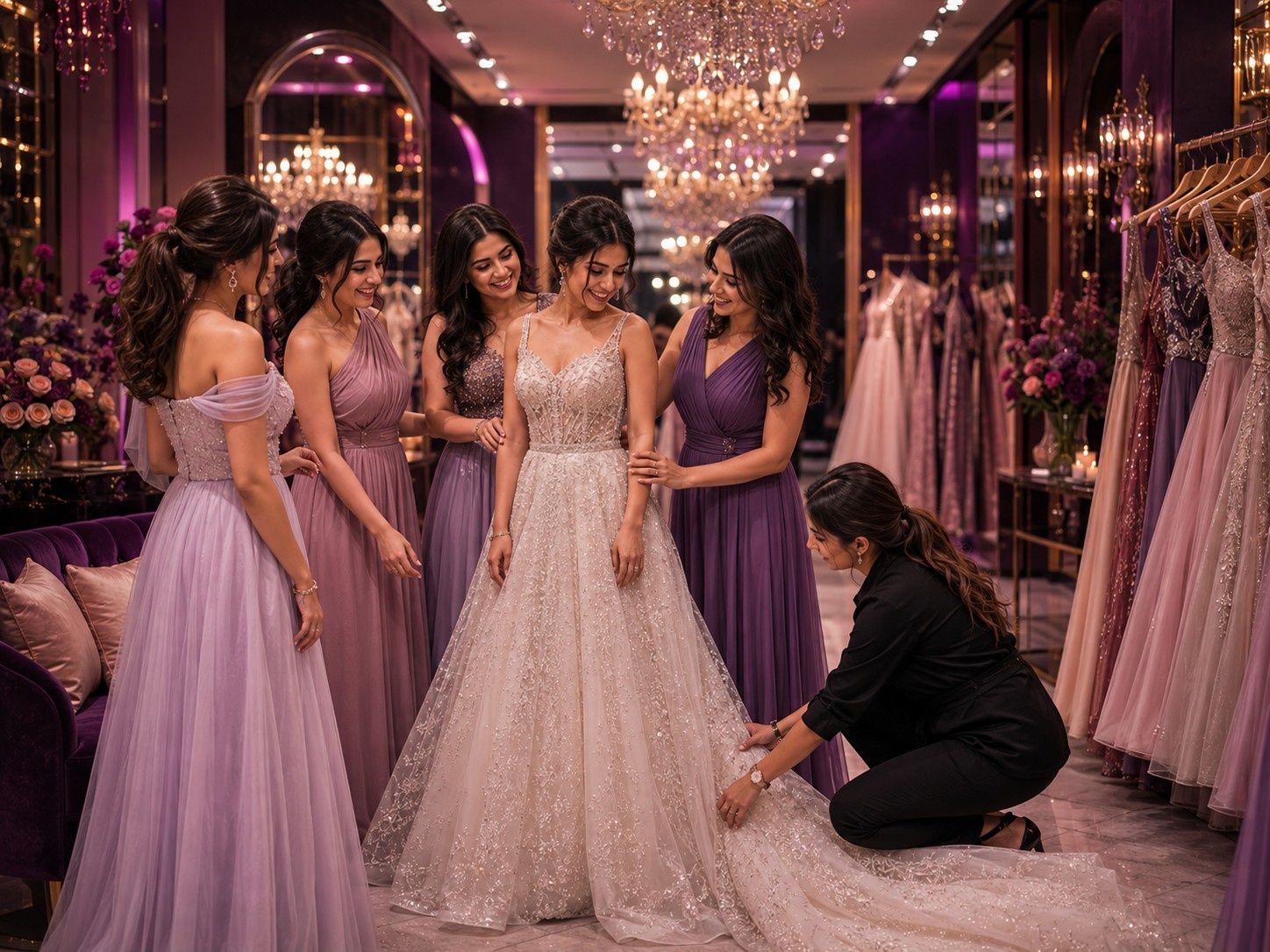
Colour coordination is one of the most important aspects of matching family outfits. Selecting a cohesive palette ensures that all outfits complement each other.
Popular choices include pastel shades for daytime events and deeper tones for evening functions. Neutral colours such as beige, ivory, and gold are versatile and work well across different occasions.
Families can also incorporate accent colours through accessories or embroidery to add depth to the overall look.
Fabric Selection for Comfort and Style
The choice of fabric plays a crucial role in ensuring both comfort and elegance. Commonly used materials include:
- Cotton: Ideal for casual and daytime events
- Silk: Perfect for formal and traditional ceremonies
- Georgette and chiffon: Lightweight and flowy for ease of movement
- Velvet: Rich and suitable for evening occasions
Selecting the right fabric ensures that family members remain comfortable throughout the celebration.
Accessorising Coordinated Outfits
Accessories help complete the overall look and add personality to coordinated outfits. Jewellery, footwear, and handbags should complement the chosen colour palette and style.
Men can enhance their outfits with stoles, pocket squares, or brooches, while women can opt for statement jewellery or subtle pieces depending on the occasion.
The key is to maintain balance, ensuring that accessories enhance rather than overpower the outfit.
Footwear and Styling Tips
Footwear should be both stylish and comfortable, especially for long events. Traditional options such as juttis and mojris work well with ethnic wear, while modern footwear can be paired with fusion outfits.
Styling techniques such as layering, draping, and mixing textures can add depth to the overall look. Attention to grooming and presentation further enhances the appearance.
Customisation and Personalisation
Customisation allows families to create unique outfits that reflect their style and preferences. Tailored designs, personalised embroidery, and bespoke colour combinations are popular choices.
Working with designers or stylists can help achieve a cohesive look that aligns with the wedding theme. Personalisation adds a special touch, making the outfits more meaningful.
Why Family Dresses Matter in Celebrations
The significance of Family Dresses lies in their ability to bring people together through fashion. Coordinated outfits create a sense of unity and enhance the overall aesthetic of the event.
They also contribute to memorable photographs, capturing the essence of togetherness and celebration. This trend has become an integral part of modern weddings, reflecting both tradition and innovation.
Balancing Coordination and Individuality
While coordination is important, it is equally essential to allow individuality. Each family member should feel comfortable and confident in their outfit.
This can be achieved by incorporating unique design elements or variations within the coordinated theme. The goal is to create a harmonious look that celebrates both unity and personal style.
Modern Trends in Family Fashion
Family fashion continues to evolve, with trends such as mix-and-match coordination, sustainable fabrics, and fusion wear gaining popularity.
Designers are introducing innovative styles that cater to diverse preferences, making it easier for families to find outfits that suit their needs. Technology and online platforms have also made it more convenient to explore and customise options.
Future of Coordinated Family Outfits
As weddings become more personalised, coordinated family outfits are expected to remain a key trend. The focus will be on creating unique and meaningful styles that reflect the family’s identity.
Sustainability and versatility will also play a significant role, with families opting for outfits that can be reused or styled differently for multiple occasions.
The growing emphasis on visual storytelling and social media will further drive the popularity of coordinated fashion, making it an essential part of modern celebrations.
FAQs
1. What are family dresses?
They are coordinated outfits worn by family members during weddings and celebrations.
2. What is meant by matching coordinated styles?
It refers to outfits designed with similar colours, patterns, or themes for a unified look.
3. Are twinning outfits necessary?
No, but they enhance visual appeal and add a fun element to events.
4. What should families wear for sangeet?
Bright, comfortable, and festive outfits such as lehengas, kurtas, or Indo-western styles.
5. How do you choose a colour palette?
Select colours that complement each other and match the event theme.
6. Can family outfits be customised?
Yes, customisation allows for personalised designs and better coordination.
7. What fabrics are best for family outfits?
Cotton, silk, georgette, chiffon, and velvet are commonly used.
8. Are coordinated outfits suitable for all events?
Yes, they can be adapted for weddings, festivals, and other celebrations.
9. How do you balance coordination and individuality?
By incorporating variations in design while maintaining a common theme.
10. Why are coordinated outfits popular?
They create a cohesive, stylish, and memorable look for family celebrations.